What Other Big Moves Is Zhejiang Making Besides Unitree and DeepSeek?
 05/08 2026
 779
779

Why Does Zhejiang Keep Producing National Hits?
Original Content from Youdianshu Digital Economy Studio
Author | Uncle You
The sci-tech industry has been on fire in recent years, both socially and in the capital markets. But have you noticed? Most of the major sci-tech breakthroughs in recent years—like Unitree robots, DeepSeek, and even the recently viral Zhangxue Motorcycle—have ties to Zhejiang, either originating from companies based there or backed by Zhejiang capital.
Recently, I joined the China Journalists Association's frontline research initiative, "New Quality, New Vitality," visiting innovation hubs in Hangzhou, Jiaxing, and elsewhere. After in-depth exchanges with new-quality enterprises and local governments, I discovered that Zhejiang's sci-tech innovation scene stands out because it has nurtured a rainforest-like ecosystem for innovation.
Today, I'll share insights from my Zhejiang trip. By the end, you'll have a deeper understanding of this red-hot venture capital hotspot and glimpse what big moves Zhejiang is making beyond Unitree and DeepSeek.
Struggling with Technology Commercialization? Here’s How Zhejiang Breaks the Deadlock
Many sci-tech startups face a common challenge: turning lab-developed technologies into mass-producible, market-ready products.
On one side, there are rigorously validated research plans; on the other, prototypes stuck in labs. Many promising teams get stuck here. Instead of empty slogans, Zhejiang takes practical steps to bridge the gap between research and market.
During my research in Hangzhou, I met Deep Robotics, one of the "Hangzhou Six Dragons." The team is straightforward: all members hail from Zhejiang University labs, with founder Zhu Qiuguo still teaching there. Most hold master's or doctoral degrees, averaging under 29 years old. They specialize in quadruped robot locomotion control and navigation, with solid technical foundations. But like many university-born teams, they initially struggled to navigate market demands.
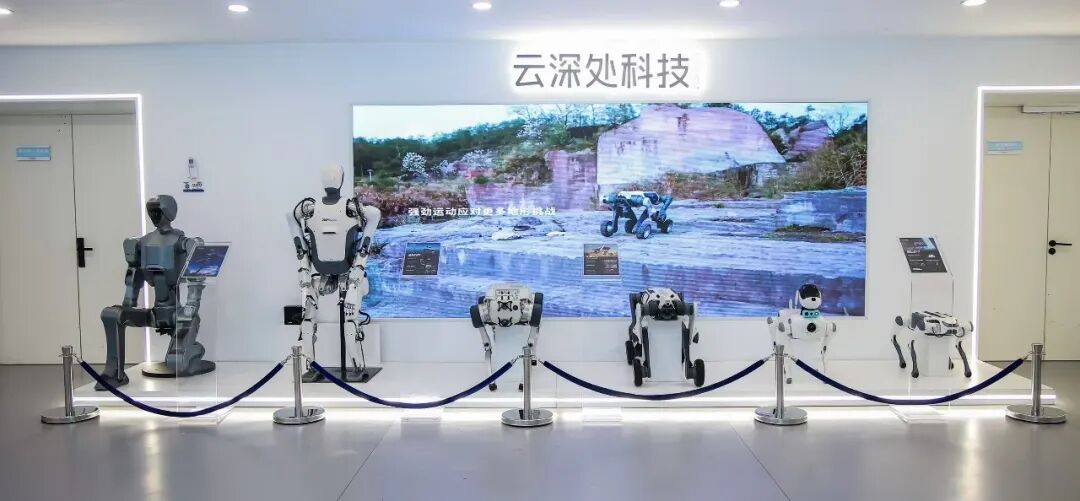
Image Source: Youdianshu View
Without stable component supplies, building a functional prototype required costly trial-and-error. Unfamiliar with mass production, their lab-perfect machines couldn't scale. Investors hesitated, seeing robots as mere demos with unclear real-world applications.
Zhejiang tackled this with two grounded approaches: bridging universities and industries, and providing long-term funding to support teams patiently.
Zhejiang University's lab resources were integrated with startups, ensuring teams understood market needs while refining technologies. Local governments established technology transfer venues to help debug samples and conduct small-batch trials, sparing teams the expense of building production lines. This gradually transformed lab ideas into market-ready products.
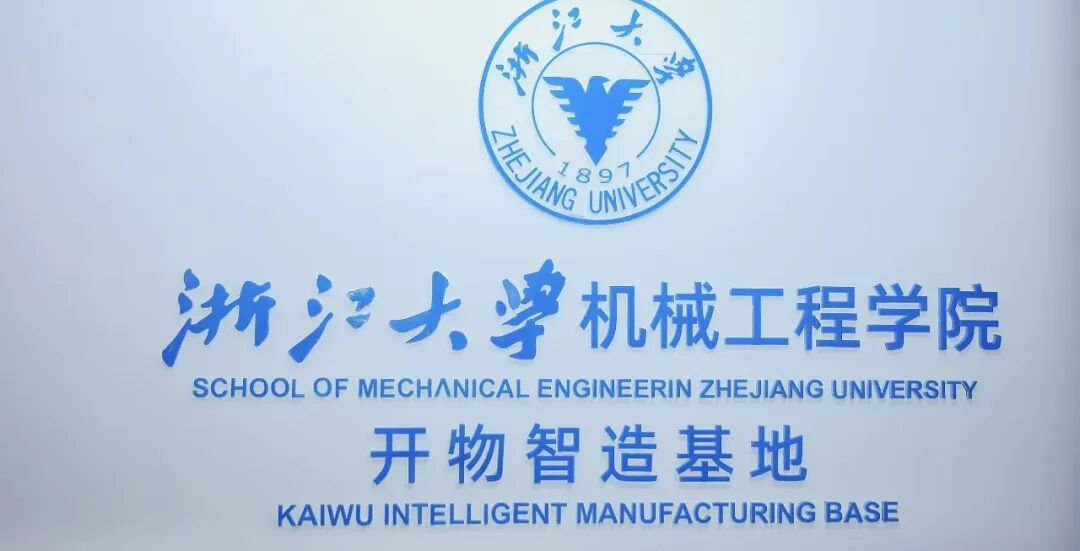
Image Source: Youdianshu View
Zhejiang also recognizes that sci-tech innovation isn't a short-term game. It gives teams time to grow. Take I-Mab Biopharma in Hangzhou's Medicine Harbor, which focuses on biologic drugs. Since inception, it has poured massive funds into equipment and research, with sustained annual R&D investment. Without long-term financial support, even brilliant research would stall.
Here, funding isn't about quick profits. For example, Zhejiang Venture Capital invested in Zhangxue Motorcycle, valuing its long-term technological potential. In Hangzhou's Qiantang District, a dedicated fund supports biopharma teams patiently, without rushing for progress or results.
Step by step, Deep Robotics overcame its early hurdles. By 2025, it secured over 1 billion yuan in annual financing, led the global market for quadruped robot applications, and exported to 50+ countries. This Zhejiang University lab spin-off truly transformed technology into tangible products.
This is Zhejiang's approach: no superficial efforts, just solving real problems to help lab innovations reach the market.
Shared Process Lines: A New Model for Innovation Ecosystems
Many regions cluster sci-tech firms by industry, calling it an ecosystem. Zhejiang differs—it builds platforms for collaboration among enterprises, research, and capital, fostering a self-regulating, steadily growing industrial environment.
The standout example from my research is the Optoelectronics Research Institute of Westlake University in Fuyang.
Optoelectronic chips are vital for computing power and a global sci-tech focus. A key challenge: chip validation costs are high, with production lines requiring massive investment. Startups often struggle here, stalling good ideas at the validation stage.

Image Source: Youdianshu View
Instead of isolating research, Westlake University's institute built a shared optoelectronic chip process line. Both research teams and startups can validate chips here, avoiding costly independent production lines. Validated parameters directly apply to manufacturing, bridging research and production.
A natural rhythm of collaboration emerged: researchers focus on technology, enterprises on products, and investors on support.
Led by Westlake University Vice President Qiu Min, a global team conducts research aimed at solving industry challenges, not just publishing papers. The platform provides incubation support for startups, freeing researchers from operational distractions to ensure smooth technology-to-product transitions. A dedicated conversion fund supplements early-stage teams' finances, minimizing funding distractions.
In this environment, firms like Chaojixin, Rongnao Tech, and Mude Micro-Nano gathered nearby. Each specializes—some in computing chips, others in brain health monitors or optical lenses—creating a complementary, scalable optoelectronic industry cluster.
Zhejiang nurtures industries not as a "director" but as a "platform builder." It doesn't dictate directions or enforce rigid frameworks. Instead, it builds platforms and services, letting talent, technology, and enterprises cluster naturally, fostering self-sustaining growth. Like a rainforest, diverse entities fulfill roles, interdepend, and thrive without excessive intervention.
One research institute sparks an industry direction, which revitalizes a region—the ideal state for sci-tech development.
Beyond Numbers: The Healing Power of Technology
After exploring Zhejiang's sci-tech frontlines, the strongest impression is that technology here isn't abstract or show off (showy)—it's woven into healthcare, daily life, and agriculture, solving real problems.
Many regions chase shiny concepts, competing on technical metrics while forgetting innovation's purpose: solving life's challenges. Zhejiang's innovations stay grounded, transforming technology into accessible, usable tools for ordinary people—a key reason for its public recognition.
Fuyang's Headson Bio, a "Rising Sci-Tech Star" in Zhejiang, exemplifies innovation with a human touch.
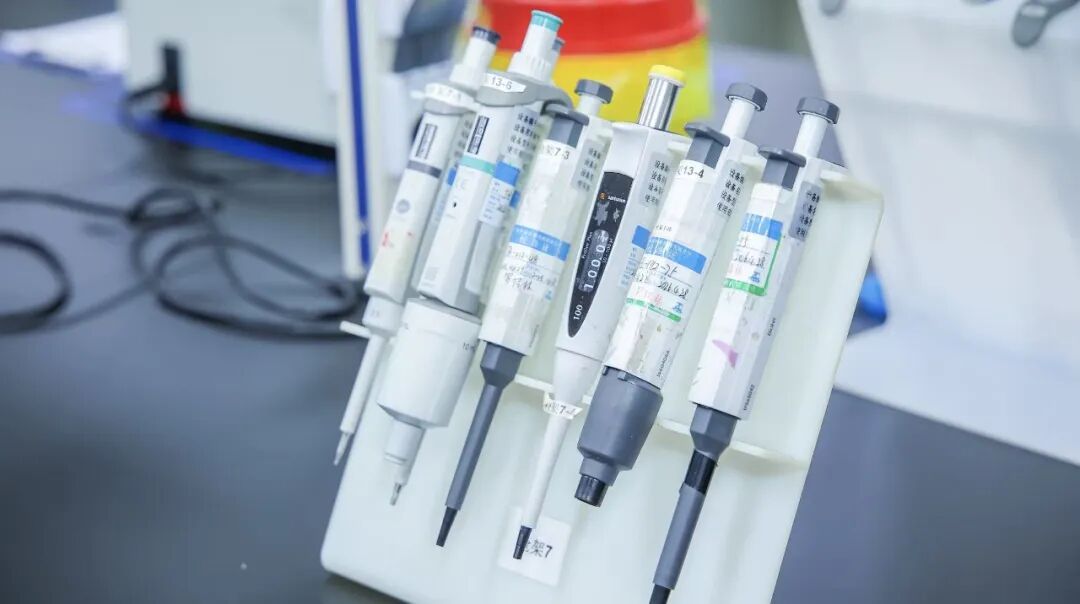
Image Source: Official Photo
The team specializes in circulating tumor cell detection, developing professionally certified devices through independent research. With a simple blood draw—no complex procedures—their technology identifies tumor-related cells amid billions of blood cells, aiding early screening and treatment tracking.
Though technical, its impact is profound: enhanced health security for patients. Early tumor screening was once difficult, with many missing optimal intervention windows. Headson's devices simplify and refine screening, now used in top-tier hospitals nationwide, making advanced health protection accessible to all.
Whether it's viral robots or Zhangxue Motorcycle backed by Zhejiang capital, the common thread is avoiding tech gimmicks and addressing real-life needs.
Zhejiang innovates not for sci-tech quotas but to integrate technology into daily life, livelihoods, and urban-rural development. It prioritizes problem-solving and real value over flashy metrics.
This life-centric approach gives Zhejiang's sci-tech scene both technical depth and human warmth, fostering influential enterprises and health-guarding, daily-serving projects—a hallmark of a mature innovation environment.
Epilogue: Platform Empowerment, Natural Growth
From the rise of robots and motorcycles to the steady growth of teams like Deep Robotics and Headson Bio, Zhejiang's success as a sci-tech incubator stems not from luck or project stacking but from cultivating a rainforest-like innovation ecosystem.
Here, research teams overcome commercialization hurdles, technology grows with space, platforms enable collaboration, and industries flourish naturally. By focusing on life needs, innovation gains warmth and value. Crucially, Zhejiang avoids chasing star enterprise (star enterprises), blindly following trends, or seeking quick results. Instead, it patiently nurtures the environment, delivers practical services, and protects every entrepreneurial idea with inclusivity.
This is Zhejiang's innovation logic: building a sci-tech ecosystem that consistently produces quality projects and represents its grand strategy for sustainable economic health. As this innovation rainforest grows, more vibrant sci-tech stories will emerge for the public.
THE END
-
![]()
Net Profit Surges 13.65% Year-on-Year! Yutong Optics Reports RMB 1.782 Billion in H1 Revenue
-
![]()
Q2 Net Profit Slashes Losses by 80%! Has Costar Emerged from Its Darkest Hour?
-
AI Agents: The Paradigm Shift from 'Conversation' to 'Execution'
-
NVIDIA Takes Bold Strides to Lead in Both Hardware and Software Realms
-
![]()
It's Hard to Build Cars, Even Harder to Build Humans, and XPENG is Doing Both
-
![]()
Valuation Soars by $57 Billion: Three Entrepreneurs Born in the 1980s Forge an AI Unicorn Now Suddenly on the Market
-
![]()
How Can We Achieve the Goal of 100,000 Hydrogen Vehicles by 2030?
-
![]()
July Online Market for Consumer-Grade Sports Cameras: Robust Double-Digit Growth in Sales Volume and Value, Mid-Range Products Fuel Market Expansion