Like-new phones become hot commodities, why are second-hand phones so popular?
 11/05 2026
 495
Recently, with the continuous rise in memory prices, the phone market has been rising along with it. Against this backdrop, like-new phones have begun to become hot commodities in the market. Why are second-hand phones so popular? How should we view this?

1. Like-new phones become hot commodities?
According to a CCTV Finance report, second-hand phone trading has become much more active in Huaqiangbei, Shenzhen, Guangdong. Statistics from a market research institution show that products with an average price above 4,000 yuan account for more than 68%.
Industry insiders told CCTV that generally speaking, the prices of most second-hand phones will decline the longer they have been on the market, and it is very common for hot-selling models to drop 20% within a year. However, affected by rising memory prices, second-hand phone prices have generally remained firm this year. Compared with the selling price of new phones, 99-new or even only-unboxed second-hand phones are generally 500 to 1000 yuan cheaper. Due to high demand, these phones have now become hot commodities in the market, and merchants are also actively recycling them.
According to a Tonghuashun report, "99 new" here is a condition description used in transactions and is not equivalent to a brand-new phone. Its appeal comes partly from being cheaper than a new phone and partly from its appearance and usage state being close to new; but the label itself cannot replace understanding of the specific device's condition. For buyers, battery status, repair or parts replacement records, whether functions work properly, and warranty and after-sales conditions all affect actual use value. Therefore, the transaction logic for nearly new phones is not just "how much cheaper," but also whether the discount is enough to cover differences in device condition and after-sales protection.
For ordinary consumers, this choice often appears between budget and usage needs: they want to buy a model with relatively new performance and appearance, but are unwilling to pay the price of a new phone. If the price difference is clear and the device condition is transparent, second-hand products may become a compromise; conversely, if the condition description is inconsistent with the actual situation, the money saved on the purchase may be offset by repairs or subsequent usage problems. The attention given to 99-new phones shows that consumers are comparing not a single list price, but a combination of purchase cost, device condition, and subsequent usage risk.
2. Why are second-hand phones so popular?
Recently, many people around me have been changing phones, and what they discuss most is not how powerful the new model's performance is, but where to find a 99-new one. So-called 99-new means a phone that has basically not been used, whose shell and screen are like new, but whose price can be several hundred or even over a thousand yuan cheaper than a new phone. A few years ago, buying a second-hand phone was somewhat embarrassing; now it has become a smart choice. What exactly is going on?
First, the continuous rise in new phone prices has become the biggest market driver for 99-new second-hand phones. In the past, when people changed phones, they always felt that if they waited a few months for a price drop, they could always get a suitable purchase price. Now this old experience no longer works at all. After many models are released, their prices not only fail to fall, but may even rise after a while. If you wait for a major promotion to grab a bargain, you will find that promotional intensity is smaller year by year. For tiers that could originally drop several hundred yuan, now at most you get some accessories, and the actual transaction price simply will not come down. Ordinary consumers' phone replacement decisions have been directly changed. Previously, it felt normal to use a phone for two or three years and then replace it with a new one. Now, after doing the math, the cost of replacing with a new phone is much higher than two years ago, and many people begin to think that their old phone can actually continue to be used, and there is no need to grit their teeth and scrape together money to buy a new model.
The phone replacement cycle has thus been stretched little by little, from the original pace of changing once every year or so to two years or even longer. But everyone's demand for phone use remains; after all, they cannot keep using an old machine that is laggy and aging. At this point, the price advantage of 99-new phones becomes fully prominent. Most of these devices have just been unboxed not long ago. Some are returned by users within seven days for no reason, some are demo units from offline stores, and some are devices left idle after only one or two weeks of use. They themselves have almost no usage wear, and their performance is no different from brand-new phones.
The most critical point is that they do not carry the first-release premium of new phones, nor the inflated prices when a brand has just launched. They can be used right after purchase, and the price can be much lower than a brand-new phone. For people deterred by new phone price increases, this is almost the most cost-effective choice. They do not have to pay for the brand's marketing costs, nor pay a premium for trying new features. They can get an almost brand-new experience for less money, so it naturally and gradually becomes highly sought after in the market.
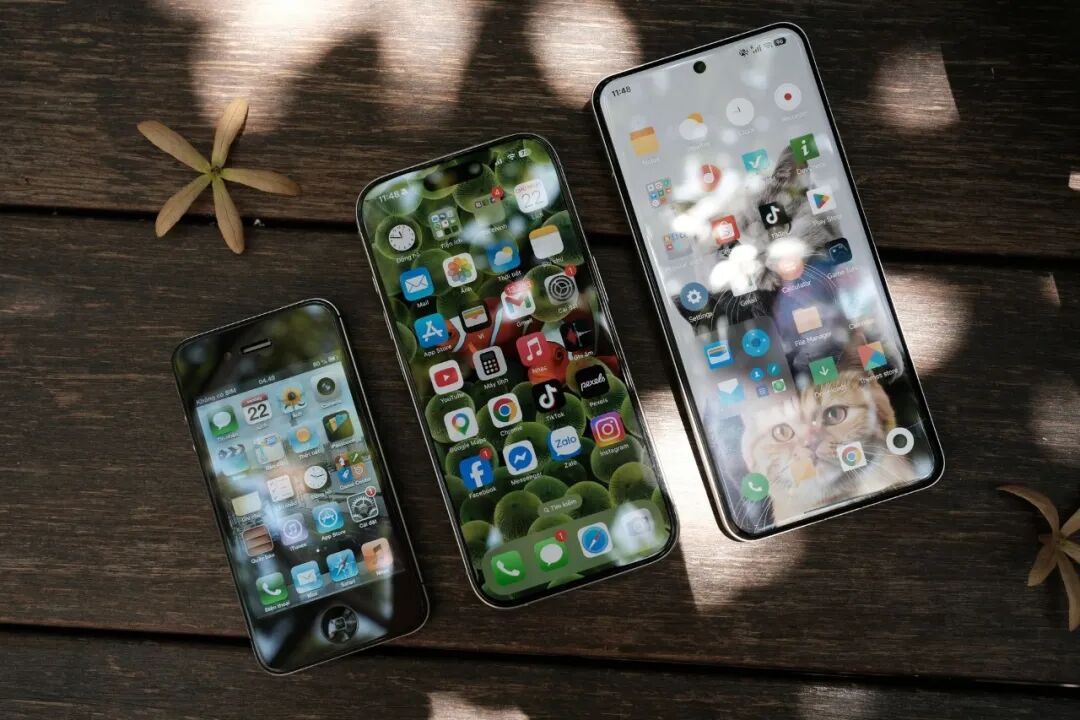
Second, second-hand platforms have broken the previous information asymmetry. In the early years, when buying a second-hand phone was mentioned, many people's first reaction was nervousness. They were afraid of buying a refurbished phone, afraid of buying an assembled phone, afraid that the device had been water-damaged, had its motherboard repaired, or had its screen replaced. Sellers would talk up a storm, but once the buyer received it and checked, it was all pitfalls. The root of this problem, in the final analysis, was information asymmetry. Sellers knew the device inside and out, while buyers were completely in the dark. No matter who quoted a price, they felt uncertain. In the end, most people left in the market were those willing to gamble, while normal consumer demand was squeezed out. Economics talks about bad money driving out good money, and this saying is especially apt for this industry.
But in recent years the situation has clearly turned around, and the turning point is that platforms entered and rebuilt trust. Represented by platforms such as Aihuishou, when devices are collected, they must go through inspections one after another, checking appearance, screen, motherboard, battery, and functions item by item. After inspection, they are graded for condition and matched with corresponding warranty and return commitments. The value of this strict selection system is not how fancy it is, but that it turns information originally known only to sellers into public standards visible to both buyers and sellers. Buyers no longer have to rely on eyesight and luck, and sellers no longer have to rely on smooth talk.
Transaction friction has been smoothed out, and market efficiency has risen. You will find that what platforms actually do is bear the cost of inspection and fallback for everyone. Once this cost is diluted through scale, second-hand phones change from a business based on courage into a normal business.
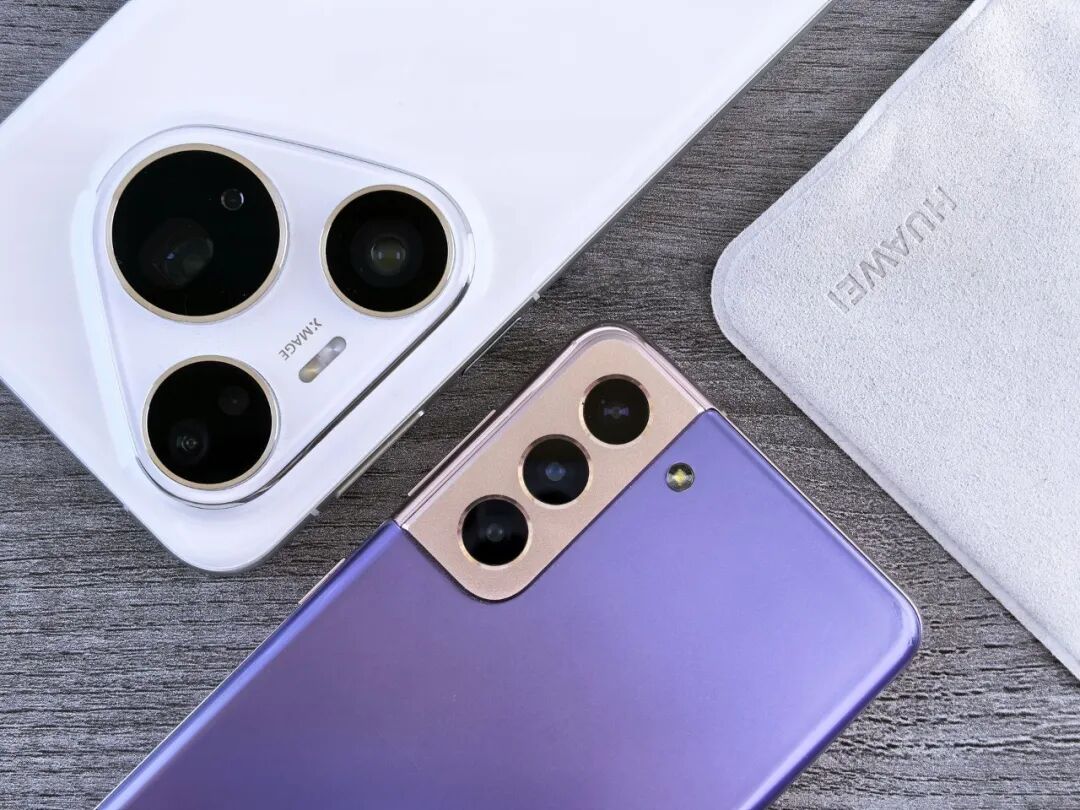
Third, the profit growth point of the circular economy has begun to become the trust economy. Many people think second-hand platforms earn the price difference: buy low, sell high, and take a cut in the middle. This understanding is too shallow. These circular economy platforms represented by Aihuishou are truly earning from the circulation of trust. The price difference is only the surface; trust is the hardest currency in this business. When a device is collected from a user, then inspected, graded, priced, listed, and sold, the whole process is, plainly speaking, repeatedly granting credibility to the same object.
For the same phone, if it is listed by an individual, buyers will hesitate for a long time; if it is placed on a platform backed by inspection and warranty commitments, buyers dare to place an order and can even confidently pay in installments. Where is the difference? The difference lies in trust. Whoever can steadily produce trust can gain the initiative in this market. Exactly because of this, only products that have undergone platform inspection and review can gain more recognition. Those devices of unknown origin and unclear condition, no matter how low the price, are hard to truly accept.
This mechanism is actually very healthy. It uses market forces to reward participants willing to lay out information clearly. In the long run, the higher the efficiency of trust circulation, the lower the transaction costs of the entire industry, and the more people are willing to enter, so the cake will grow larger. This point, I think, is far more important than who earns a few hundred yuan more in the short term.
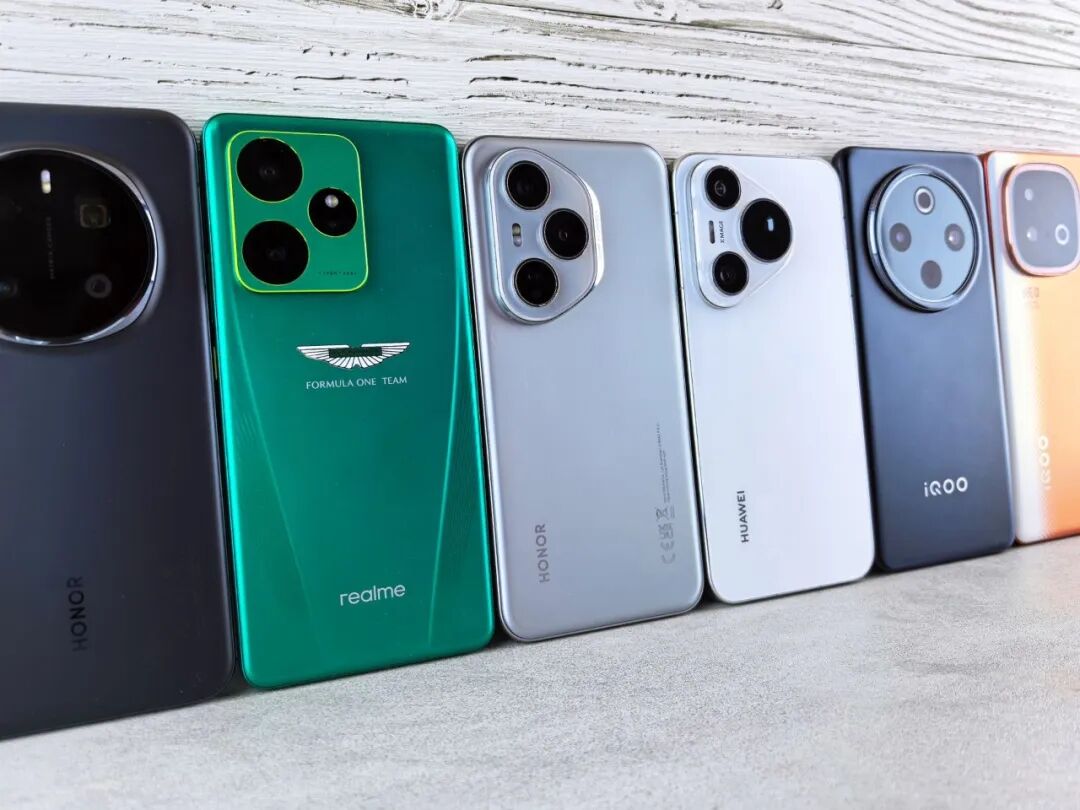
Fourth, the stratification of the circular economy market is also becoming increasingly obvious. What truly sells well in the current market is the 99-new and 95-new tier. Further down in condition, such as obvious dents, scratched screens, and severely degraded battery health, few people ask about them no matter how cheap they are. There is a very simple truth here: second-hand consumption never solves the problem of making do, but of spending less money to buy an experience close to brand new. 99-new and 95-new are exactly the greatest common denominator the market can accept.
It makes sellers willing to sell and buyers feel it is worth it, and the psychological price points of both sides are most likely to meet in this range. Goods in too poor condition, even if cheap, deprive many people of their sense of security. Therefore, the heat in this market is not all-around heat, but localized high temperature concentrated in the top segment. A large number of people who originally planned to buy new phones but were deterred by price increases are now beginning to turn their attention here. What they want is not oldness; what they want is both cost-effectiveness and decency. This also explains why, at the same time, old phones in low condition remain hard to sell. Demand has a threshold, and this threshold is drawn jointly by condition and credibility.
In the long run, the popularity of 99-new second-hand phones ultimately does not mean that people have no money, but that consumers have begun to care more about recognition of practical economics. Phones have returned to their essence as tools. People are no longer willing to pay excessively high fees for brand premiums and marketing concepts, but pay more attention to how much real value the product itself can bring. The circular economy will become a more important market supplier in the future, and this is what deserves our attention most.
END
Daily quote: Everyone lives within the radius of their own cognition. The world you see is only the world in your understanding, not the world as it originally is. Do not complain. If it can be solved, solve it; this is ability. If it cannot be solved, endure it; this is resilience. True strength is not confrontation, but allowing everything to happen.
-
![]()
October 2026 EV Startup Sales Roundup: Silver October Surge! These Three Automakers All Hit New Highs
-
![]()
Tmall's Token Sales Go Viral During Double 11: How Far Is AI From Becoming Like "Utilities"?
-
![]()
How Can AI-Generated Interfaces Escape the "AI Feel"?
-
![]()
Like-new phones become hot commodities, why are second-hand phones so popular?
-
![]()
"I Bought an Extended-Range Car — No Regrets Six Months Ago, But Now I Do"
-
![]()
Can Tmall Turn Tokens into a Mass Consumer Product on Double 11?
-
![]()
What Is the Real Reason for Buying a New Energy Vehicle?
-
![]()
When India Takes Over Iveco, a New Roadblock Emerges for Chinese Commercial Vehicles Going Global