GAC Secures 50% Stake in FAW Toyota: Anticipated Cost Reductions to Surpass 5%, Net Profit to Soar by Billions
 09/29 2026
 418
418
GAC and FAW have unveiled comprehensive plans for their strategic partnership, with the focal point being the transaction involving FAW Toyota.
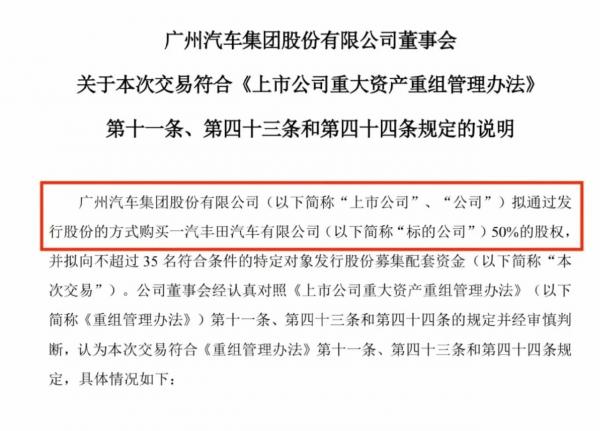
On September 28, GAC Group released 16 announcements, offering in-depth insights into its strategic cooperation with FAW. According to these announcements, GAC Group intends to acquire a 50% stake in FAW Toyota currently held by FAW Group through the issuance of shares. Additionally, it will raise matching funds via share issuance. For the fundraising aspect, FAW Group will be the counterparty in this share issuance, with a preliminary issue price set at 5.75 yuan per share. The exact number of shares to be issued is yet to be finalized.
Furthermore, GAC Group has announced its commitment to strategic collaboration with FAW, leveraging their respective resource endowments and strengths. This partnership aims to foster resource sharing, complement each other's advantages, and deepen synergy in areas such as technology, supply chain, and marketing. Upon the implementation of this plan, two significant changes are expected: Firstly, FAW Group will emerge as GAC's second-largest shareholder with strategic influence. Secondly, GAC will concurrently own two joint ventures—GAC Toyota and FAW Toyota—paving the way for potential synergistic operations in product planning, parts procurement, and marketing resources between the 'Southern and Northern Toyota' entities.
Against the backdrop of consolidation within the automotive industry, the strategic cooperation between GAC and FAW holds significant benchmark value. Unlike previous direct merger proposals, this collaboration does not represent a traditional large-scale 'merger' or 'integration.' Instead, it utilizes capital as a bridge to dismantle barriers, prioritizing core business synergy and underlying connectivity. Both parties address direct interests and trust issues through 'equity binding,' enhance efficiency through 'synergistic common capabilities,' and maintain their respective vitality through 'differentiated retention.'
Both GAC and FAW stand to benefit substantially from this transaction. For FAW Group, partnering with the dynamic southern player GAC allows it to tap into GAC's development experience and technological prowess in new energy and independent brands, thereby accelerating its progress in the new energy sector. For GAC, the strategic cooperation with FAW introduces a powerful central enterprise shareholder and brings in a 50% equity stake in FAW Toyota assets, marking a significant positive development for the listed company.
Among these developments, the integration of Southern and Northern Toyota represents an innovative approach to enhancing competitiveness for joint ventures under new competitive conditions.
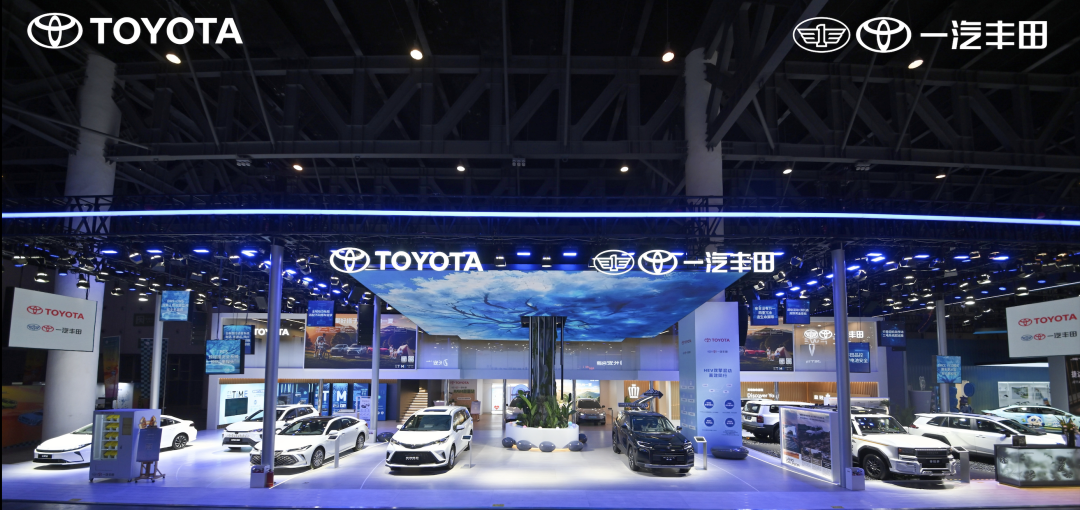
Originally established as single automakers with a production scale of one million units, both Southern and Northern Toyota had their channel, capacity, parts, and personnel sizes configured accordingly. From their peak annual sales in the past, they achieved a scale of over 800,000 units. However, in the past two years, amid changing competitive conditions, their annual sales have declined to 600,000-700,000 units. Post-merger, the combined sales volume of the two automakers is expected to reach around 1.3 million units. In essence, the original scale setting of two million units has led to significant idle capacity.
With the advancement of this strategic cooperation, GAC will concurrently oversee two joint ventures—GAC Toyota and FAW Toyota—facilitating coordinated planning in product development, parts procurement, and marketing resources between Southern and Northern Toyota. Previously, both entities had been gradually addressing internal competition between sister models and can achieve substantial cost savings in the future by avoiding redundant construction of dual channels.
According to publicly available information, Southern and Northern Toyota began experimenting with channel sharing in select lower-tier cities in China during the summer of 2025. Citibank estimates that the integration of Southern and Northern Toyota can create a unified platform with an annual production capacity of approximately 1.2 to 1.3 million units. Through model rationalization, joint procurement, and dealership network integration, expected cost savings range from about 2-3 percentage points in sales costs to 1-2 percentage points in sales and administrative expenses.
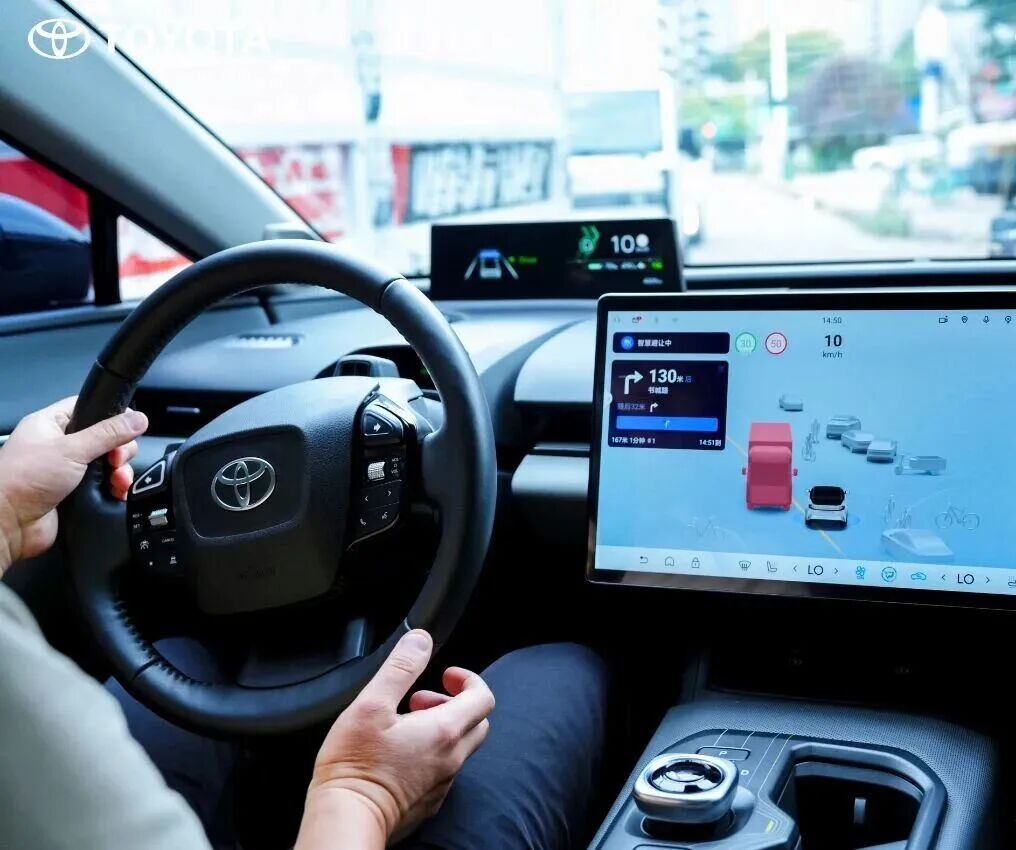
Additionally, media reports indicate that FAW Toyota's profit in 2025 was approximately 7.35 billion yuan. If GAC acquires a 50% stake in FAW Toyota, it stands to gain investment income exceeding 3.5 billion yuan, further enhancing its profit performance and providing more resources for the development of its independent brands. Of course, post-integration, the profit scale of Southern and Northern Toyota remains highly uncertain. Nevertheless, for GAC, this represents a tangible increase in net profit. Through straightforward calculations, GAC Group is projected to experience a financial boost of around 4 billion yuan.
This is merely the beginning. After establishing a shared platform, the cost-sharing capabilities of Southern and Northern Toyota will improve, and cost advantages will become more pronounced. On the other hand, FAW and GAC can achieve scaled cost control through sharing in research and development, supply chain, channels, and markets for their independent brands. Based on the sales volume in 2025, GAC and FAW will have a combined sales volume of 5 million units. This scale surpasses that of BYD, and with prudent industrial chain management, the effects could be groundbreaking.
Of course, the effectiveness of this reform is currently speculative and requires practical implementation and market testing. However, amid the current challenging market competition and reforms, this undoubtedly represents a pivotal step forward.
-
![]()
Save up to 12,000 RMB in Car Purchase Subsidies: Here's What You Need to Know
-
![]()
NIO and Geely Forge a 'Strategic Alliance'
-
![]()
Shenlong Technology Achieves in Just Over a Month What a 40-Year Joint Venture Couldn't
-
![]()
New Energy Vehicles Face a 'Scale Dilemma': Wan Gang and Zhu Huarong Offer Solutions!
-
![]()
What are the Eight Redundancies for L3 Autonomous Driving in the Qijing GX7?
-
![]()
Can Huawei’s Four ‘Jie’ Brands Maintain AITO’s Momentum? Who Will Lead the Charge?
-
![]()
Can Yi Jing and Qi Jing Replicate Aito's Triumph and Achieve Blockbuster Status with Major Automakers and Huawei?
-
![]()
Sunway Communication Doubles Down on High-End MLCC Amid Net Profit Decline, Despite Target's Losses and Domestic Breakthrough Challenges