The Further Chinese Cars Advance, the Greater the Emphasis on Quality Should Be
 10/15 2026
 375
375
"The Most Fundamental Credential"
On October 6, in Johor Bahru, Malaysia, the rear axle of a 2023 Chery OMODA 5 detached while in motion, leaving the vehicle without its rear wheels.
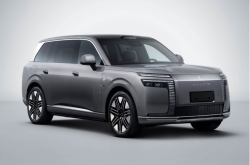
On the same day, during a continuous extreme braking test conducted by Dongchedi, a pedal bracket fracture occurred in the Zunjie V800.
These two incidents once again brought the quality of Chinese cars to the forefront of social media discussions.
In stark contrast, the momentum of Chinese cars going global has grown even stronger.
On October 12, data released by the China Association of Automobile Manufacturers revealed that in the first three quarters, China exported 8.205 million vehicles, marking a year-on-year increase of 65.8%, with the annual total expected to surpass 10 million.
On the same day, the Paris Motor Show opened its doors in France, showcasing over 20 Chinese brands—the largest group of foreign exhibitors at the event.
As Chinese cars begin to compete on the global stage alongside the strongest contenders, every aspect of their performance is under intense scrutiny. This scrutiny brings both pressure and motivation; it is a challenge as well as an opportunity.
Chinese cars are transitioning from "selling products" to "selling trust." While products can quickly impress users with their specifications and pricing, trust must be built over time through consistent, high-quality performance. The more orders received, the more precious trust becomes, especially in overseas markets.
The foundation of trust is quality. As Chinese cars surge globally at an unprecedented pace and scale, how should they address the fundamental issue of quality?
▍01 An Unavoidable Lesson on the Path to Growth
Following the quality incidents, the responses from the two companies demonstrated a sense of responsibility.
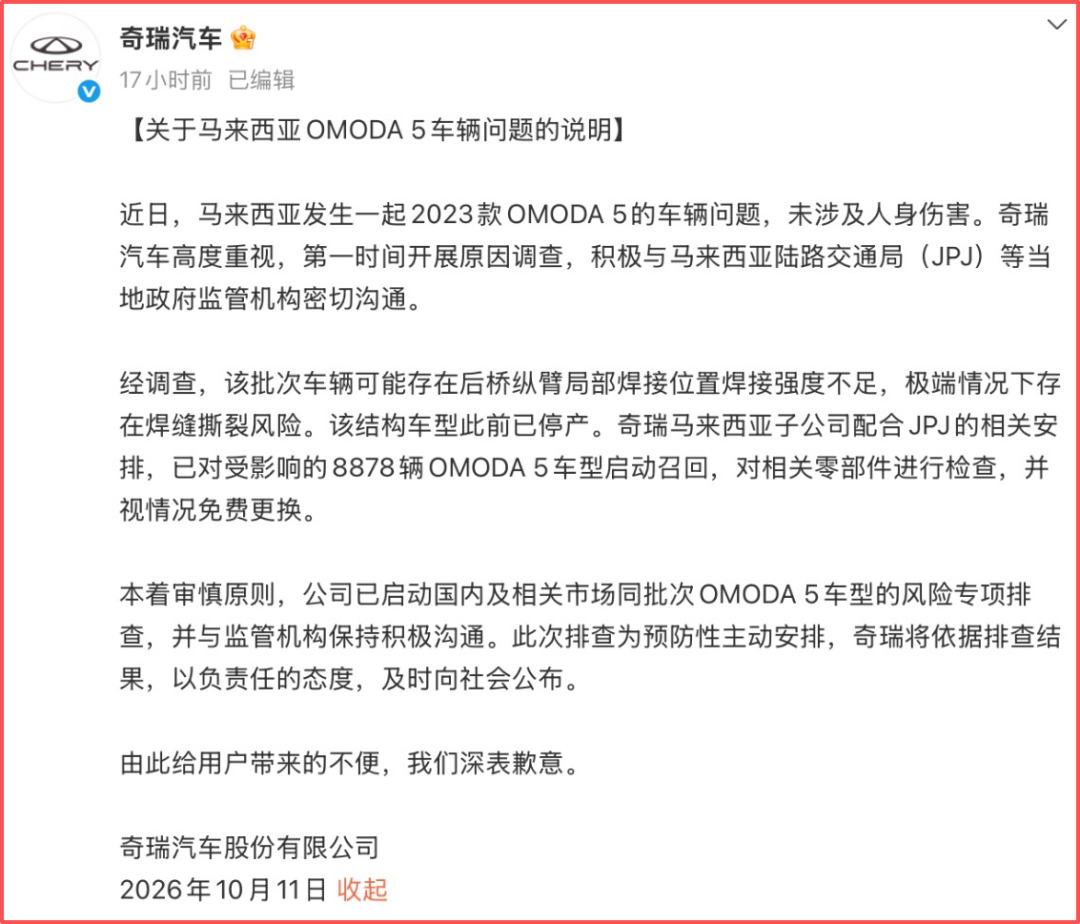
Chery issued a statement on the evening of October 11, acknowledging loopholes in quality control during manufacturing. It pledged to inspect all 8,878 OMODA 5 vehicles in Malaysia, replace faulty parts free of charge, and initiate special investigations into the same batch of models in domestic and other markets.
Zunjie announced that it would upgrade components for vehicle owners free of charge starting in November.
Both automakers took similar actions—they did not evade or conceal the issues, proactively recalled vehicles, and took responsibility for their users.
While individual cases must be acknowledged, the broader picture should not be misconstrued.
"I don't see an overall decline in the quality of the Chinese automotive industry," said An Qingheng, Director of the China Automobile Industry Consulting Committee, in an interview with Bangning Studio. He noted that major automakers like BYD, Geely, and Great Wall Motors have not encountered significant issues in recent years, while many new-force automakers also generally meet quality standards.
He added, "Why does Europe impose restrictions on Chinese car exports? If the quality were poor and they couldn't sell, why bother restricting them?"
In An's view, the surging exports of Chinese cars reflect a vote of confidence from the international market.
According to J.D. Power's "2026 China New Energy Vehicle Initial Quality Study" released in April this year, the overall number of quality issues in the industry was 231 PP100, an increase of 5 from the previous year. However, the growth in fault-related problems has slowed to a halt, with user complaints shifting more toward design issues, accounting for nearly 70%.
Another study by the same agency mentioned that for the first time this year, domestic brand fuel vehicles scored 218 PP100, outperforming mainstream international brands (224 PP100) and luxury brands (219 PP100), indicating a significant breakthrough in their quality control systems.
An praised Chery's handling of the incident, noting its swift response and minimal consumer losses. Such crisis management also serves as a wake-up call for the industry.
In fact, when viewed from a broader perspective, no brand's growth is without challenges. Quality issues are inevitable for both new-force automakers and established multinational corporations.
In November 2020, Li Auto recalled 10,469 Li ONE vehicles due to design flaws in the front suspension lower control arm ball joint retention force.
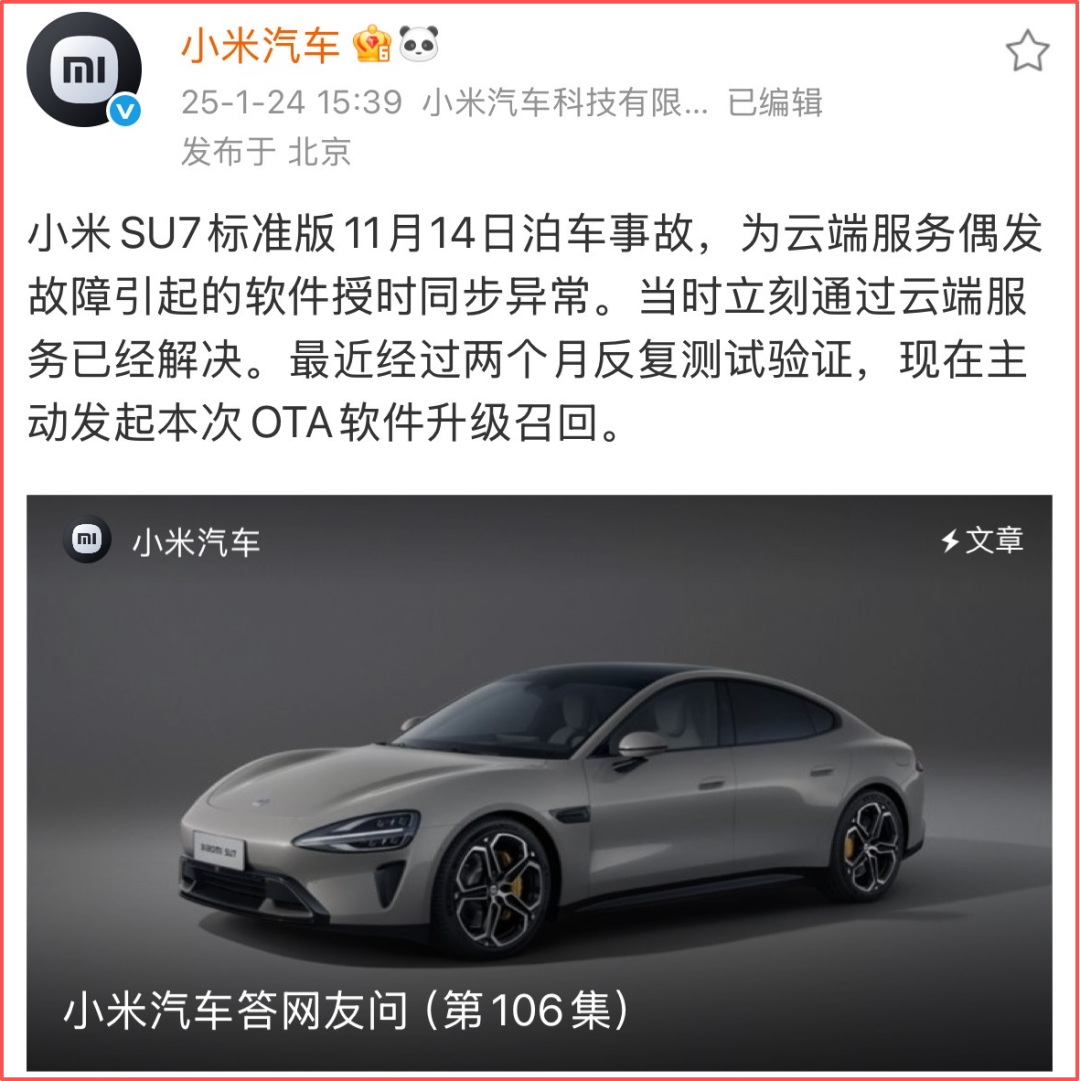
In January 2025, Xiaomi SU7 recalled 30,931 units via OTA due to software strategy issues that could affect intelligent parking. In September of the same year, it recalled another 117,000 units due to L2 highway pilot assist problems.
Looking further back, from 2009 to 2010, Toyota recalled over 8.5 million vehicles worldwide due to issues like floor mats trapping accelerators and sticky pedals, exceeding its annual global sales of 7.81 million at the time. Toyota's president, Akio Toyoda, testified and apologized before the U.S. Congress. In 2014, Toyota paid $1.2 billion in settlements.
Defective Takata airbags affected Toyota, Honda, Nissan, and other automakers, leading to recalls involving tens of millions of vehicles globally.
Despite these setbacks, Toyota rebuilt its quality system and regained its position as the world's largest automaker.
"Quality issues are a constant throughout the development of the automotive industry, and recalls are normal in mature markets," said an expert.
From another perspective, early exposure and rectification of problems are not necessarily detrimental. During the initial stages of global expansion, Chinese cars can address shortcomings at a relatively low cost. If major breakdowns or even severe accidents occur overseas, the subsequent remediation would entail much higher costs in terms of both finances and trust.
"Foreign companies enforce strict self-discipline and government regulation. Problems lead to recalls, and violations result in heavy fines. China is still exploring such mechanisms. Given the growth trajectory of Chinese cars, their quality prospects look promising," An said. He emphasized that recalls are an institutional arrangement for companies to protect users, and automakers aiming to become multinational corporations cannot bypass this process. "Avoiding detours is ideal, but we shouldn't halt progress due to fears."
On October 11, Dong Yang, Chairman of the China Automotive Power Battery Industry Innovation Alliance, posted on his personal social media account that both companies and testing platforms should report discovered issues to government authorities first, allowing them to assess and handle the situation before deciding whether to involve public opinion.
"In mature automotive markets, companies, governments, and third-party institutions each fulfill their roles. Issues follow established procedures, and letting public sentiment replace rules often leads astray," Dong said.
▍02 Maintain Reverence and Return to the Fundamentals of Car Manufacturing
Electrification and intelligence introduce numerous new structures and components. If verification cycles are repeatedly shortened, new problems will inevitably arise. Price wars, rapid expansion, and surging exports continue to strain manufacturing and supply chains.
Dong Yang believes that automotive product design balances performance and cost. Mandatory standards set minimum requirements, and companies typically leave appropriate margins—larger for luxury vehicles and smaller for economy models. However, excessive margins in one area should not compromise other performances.
Public data shows that components like pedals and rear axles are mostly produced by suppliers. However, while manufacturing can be outsourced, the automaker's quality responsibility cannot be. This is especially true in overseas markets with stricter regulations, certifications, and operating conditions. Malaysia's Land Transport Authority temporarily suspended OMODA 5's model certification, amplifying the issue overseas.
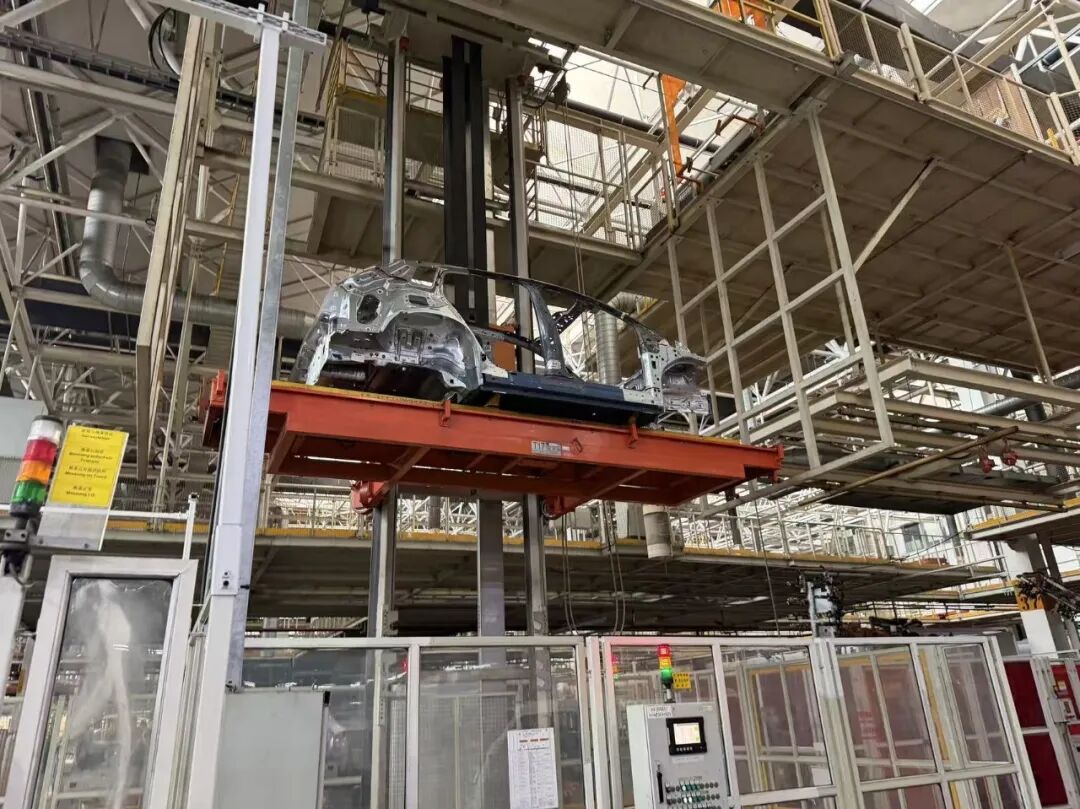
Therefore, Chinese automakers must integrate reverence for quality into every stage of car manufacturing, respecting users' safety and avoiding using them as test subjects. When issues arise, automakers should first confront them without shifting blame. The entire industry should learn from these cases and proactively prevent similar problems.
"We can't use markets as testing grounds; products must be refined before going global," An said. He disapproved of rushing development cycles to produce "quick cars," calling such practices unacceptable.
"Quality should never be merely 'good enough.' We must set high standards and maintain them long-term. Meeting national standards is insufficient; we should aim to match the world's best automakers through effort, investment, and management. The higher the sales and the further we go, the more we must remember our original purpose," An advised Chinese automakers.
While companies tighten their quality controls, social institutions and the public can also contribute. Media oversight is valuable—companies that cut corners, fail to meet regulations, or engage in false advertising should be held accountable. However, supervision should be rational, avoiding labels or exaggerated panic, and allowing space for companies to rectify issues in compliance with regulations.
Of course, the public should not overreact to recalls or generalize individual cases as evidence that "Chinese cars are inferior." An industry insider told Bangning Studio that overseas consumers tend to be more objective and rational when facing issues, "They won't dismiss all Chinese cars just because of one incident."
However, this tolerance presupposes genuine rectification, recalls, and penalties for automakers.

An also believes that while exposing problems is acceptable, the worst scenario is widespread breakdowns of vehicles sold overseas, followed by repeated remediation. He views recent government regulations and industry association statements as positive signs. The earlier systemic shortcomings are addressed, the steadier China's automotive exports will become.
On the path from being a major automotive country to becoming an automotive powerhouse by 2030, the more exports grow, the more critical quality becomes as a credential and brand foundation. Price wars may yield temporary sales boosts but not long-term reputation. Automotive competition will eventually shift from "price wars" to "quality wars."
How far Chinese cars can go will ultimately be determined by every component and even every weld on the vehicle. A deeper reverence for quality will make automakers' journeys more stable.
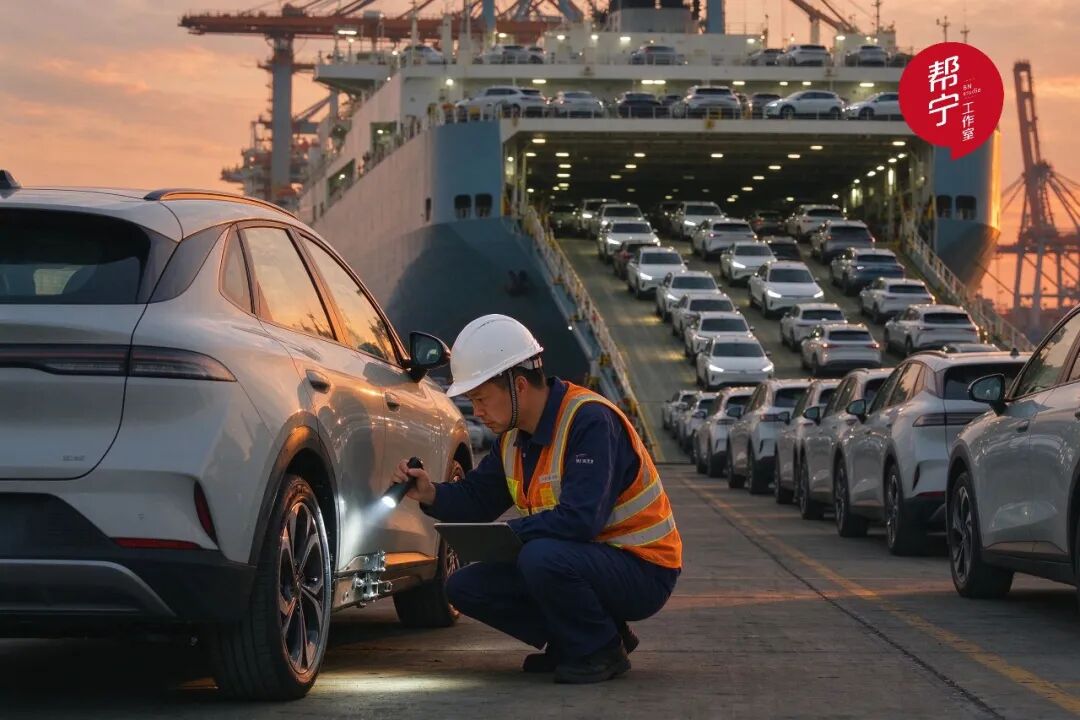
(Featured image generated by AI)
-
![]()
Are FAW and Leapmotor Forging an Unbreakable Alliance?
-
![]()
Hongyi Secures IPO Registration Approval: How Will Production Scaling Align with OEM Demand?
-
![]()
The Further Chinese Cars Advance, the Greater the Emphasis on Quality Should Be
-
![]()
Surpassing Toyota and Volkswagen to Become the 'World's No.1' in 4 Years: Where Will BYD Find 6.4 Million Incremental Sales? | MIRROR Pro
-
![]()
Milestone Achieved! Apple's Market Cap Surpasses $5 Trillion
-
![]()
Apple Order Cuts or Not, Apple Supply Chain Inventory Demands Attention!
-
![]()
Toyota’s North-South Integration at a Pivotal Moment: Huang Jian Steps In to Steer Key Initiatives
-
![]()
Avatr Steers Away from Pioneering Aesthetics, Embracing a More Mainstream Appeal