Hardcore Science Popularization | Chinese Smart Cars Going Global in Europe: Nine Types of Data, Seven Rules, Four Misconceptions
 11/16 2026
 352
This year, China's auto exports are highly likely to exceed 10 million units. In our report "JPMorgan China Auto 2027 Forecast: Three Hurdles—Competing for Existing Stock within Existing Stock," we also noted that going global in 2027 will likewise require competing on intelligence.
But competing on intelligence inevitably involves data—and data violations are precisely a high-incidence area for heavy penalties in Europe.
In July 2022, the data protection authority of Lower Saxony, Germany, fined Volkswagen €1.1 million.
The cause was an assisted driving test vehicle: the body did not display a camera notice label, and no data protection impact assessment was conducted before the vehicle went on the road.
The regulator also stated that data collection during road testing itself was not improper.
The penalty was imposed for missing procedures. One can imagine how strict data privacy is in Europe.
For Chinese automakers going global in Europe, the data privacy of smart cars deserves careful attention. This article answers four questions: what data the EU regulates, on what basis, and what processing counts as effective.
We hope to bring some information and inspiration to Chinese smart cars going global, so as to avoid the risk of possible heavy penalties.
01 How Severe Are the Penalties?
The Heaviest Fines Were Imposed for Cross-Border Transfers
The General Data Protection Regulation (GDPR) of the European Union sets the maximum fine at €20 million or 4% of global annual turnover, whichever is higher. At an annual revenue of 500 billion yuan, 4% is 20 billion yuan.
The Artificial Intelligence Act sets an even higher cap for prohibited practices, at €35 million or 7%.
Existing penalties can be divided into two categories.
The first category is collection and use.
Amounts range from more than €100,000 to more than €1 million. French car short-term rental company Ubeeqo collected vehicle location every 500 meters and was fined €175,000; an Italian company included employees' private trips in driving scores and was fined €120,000.
The second category is cross-border transfers.
Amounts are in the hundreds of millions. Uber transferred European drivers' location and other data to the United States and was fined €290 million by the Netherlands; TikTok was fined €530 million by Ireland because employees in China could remotely access European users' data.
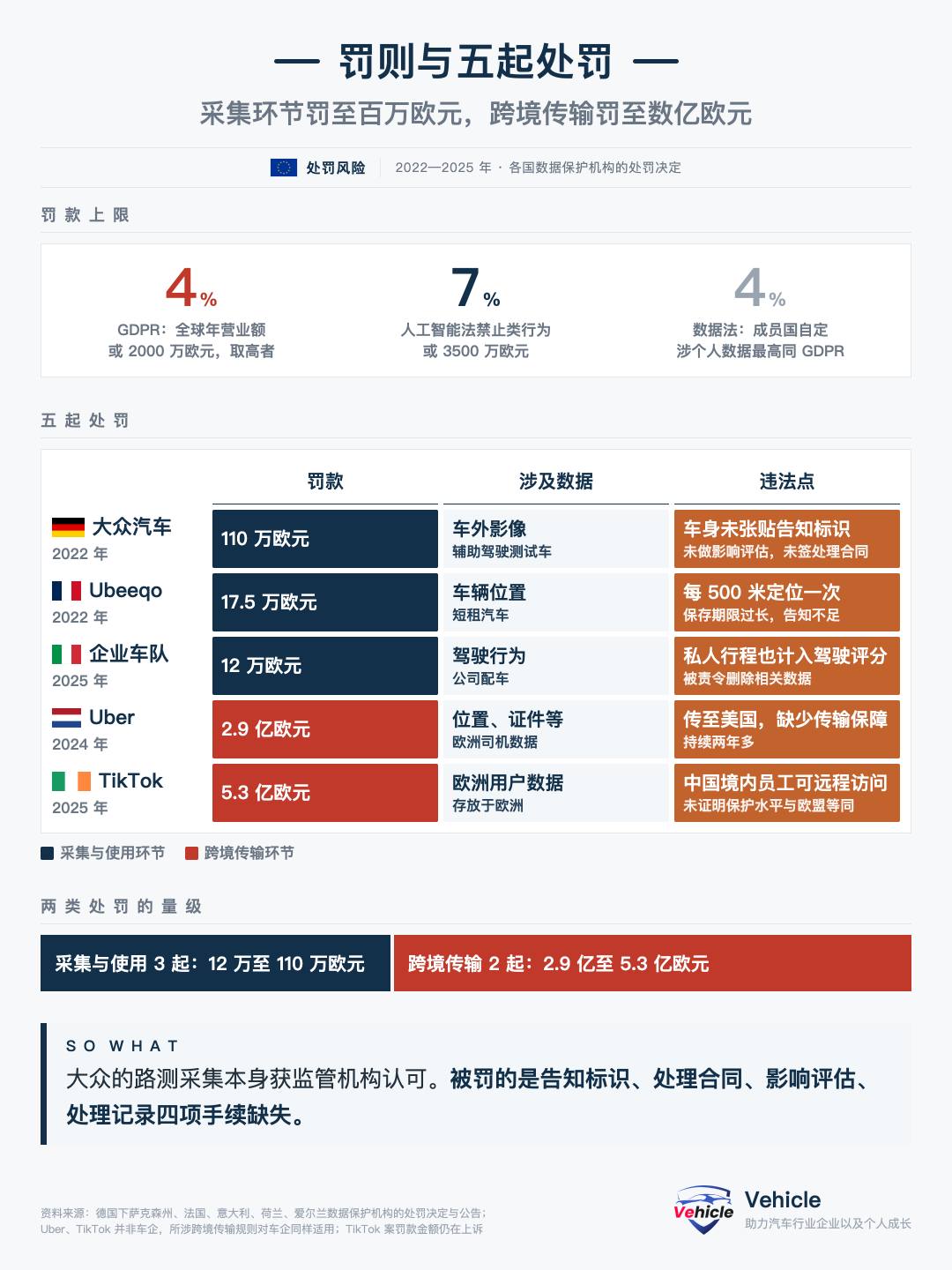
Figure 1 | Maximum fines and five penalties
Of course, the latter two are not automakers, but the same rules apply. Data stored in Europe and remotely accessible by personnel in China also constitutes a transfer to China.
02 What Data Does the EU Regulate?
Any Vehicle Data That Can Be Linked to a Person Is Personal Data
Behind the fines is the EU's broad definition of personal data.
The EU does not have a list of "important data." As long as data on the vehicle can be linked to a VIN or license plate, it is personal data—and vehicle speed, mileage, and tire pressure are no exception.
On this basis, the European Data Protection Board (EDPB) identified three types of data that must be treated with particular rigor:
Location trajectories: can infer home address, workplace, and even religion and health status.
Biometrics: faces, fingerprints, voiceprints—these are special categories of data under the law.
Data that can reveal violations: such as instantaneous vehicle speed combined with precise location.
In addition, cabin images and voice, external images, vehicle identifiers, vehicle condition data, and statutory accident records each have their own requirements.
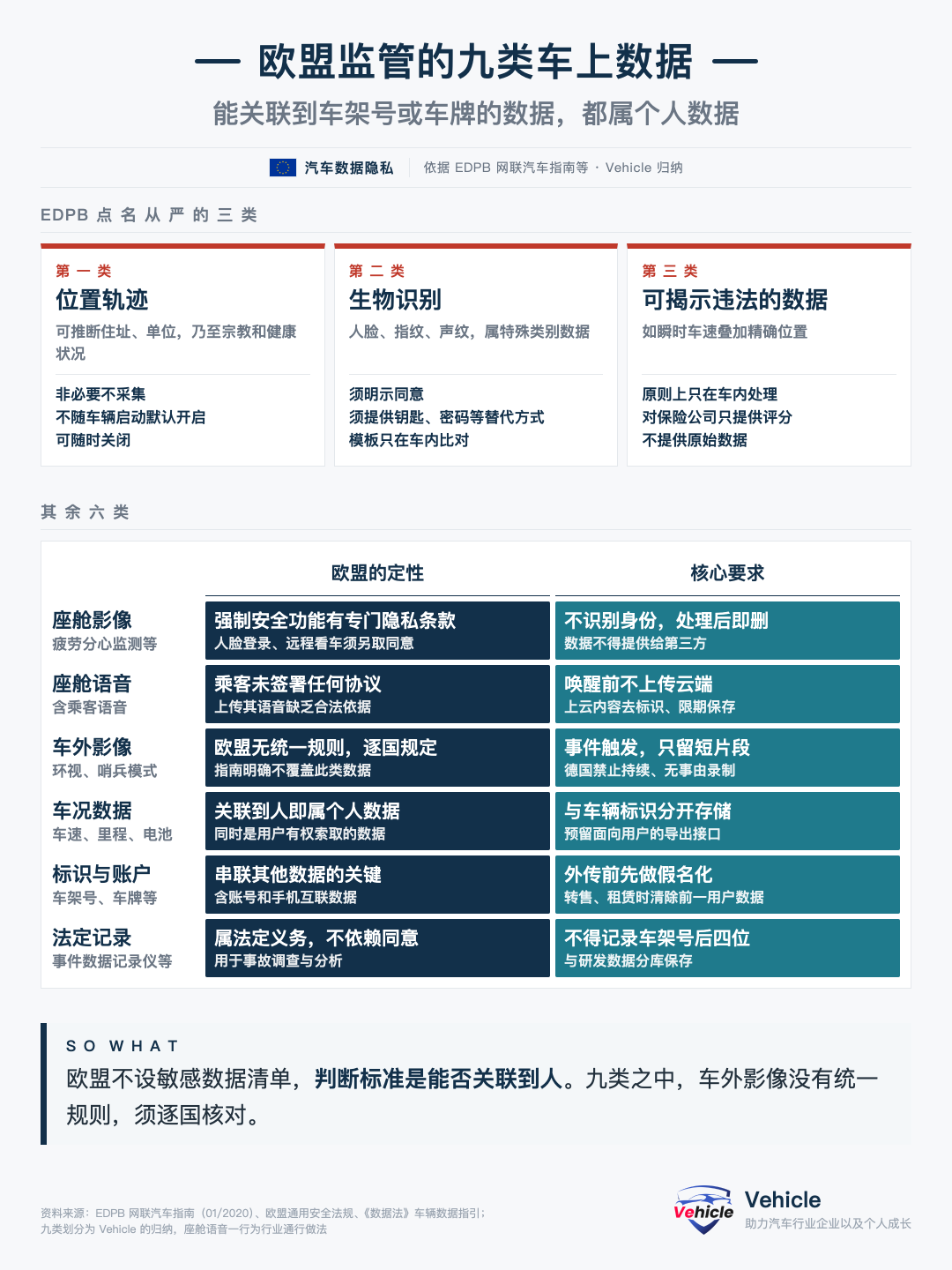
Figure 2 | Nine types of vehicle data regulated by the EU and core requirements
External images are the most special: there are no unified rules at the EU level, and member states regulate them separately. Germany prohibits continuous recording without justification; the Netherlands requires sentry mode to be off by default.
03 Which Regulations Apply?
According to Data Flow, Five Rules Are Passed in Sequence
1. Reading: the ePrivacy Directive stipulates that reading data from the vehicle in principle requires prior consent, except for services actively requested by the user.
2. Processing: the GDPR requires clear purposes, minimum necessity, and limited storage periods.
3. In-vehicle safety functions: the General Safety Regulation requires that fatigue and distraction monitoring not identify individuals, that data not be given to third parties, and that it be deleted after processing.
4. Outbound transfer: Chapter V of the GDPR requires signing standard contractual clauses and assessing the laws of the destination country. China has not obtained an EU adequacy decision.
5. Openness: the Data Act stipulates that users have the right to request vehicle data and may designate third parties to receive it.
Cabin emotion recognition is additionally governed by the Artificial Intelligence Act and is a high-risk system.
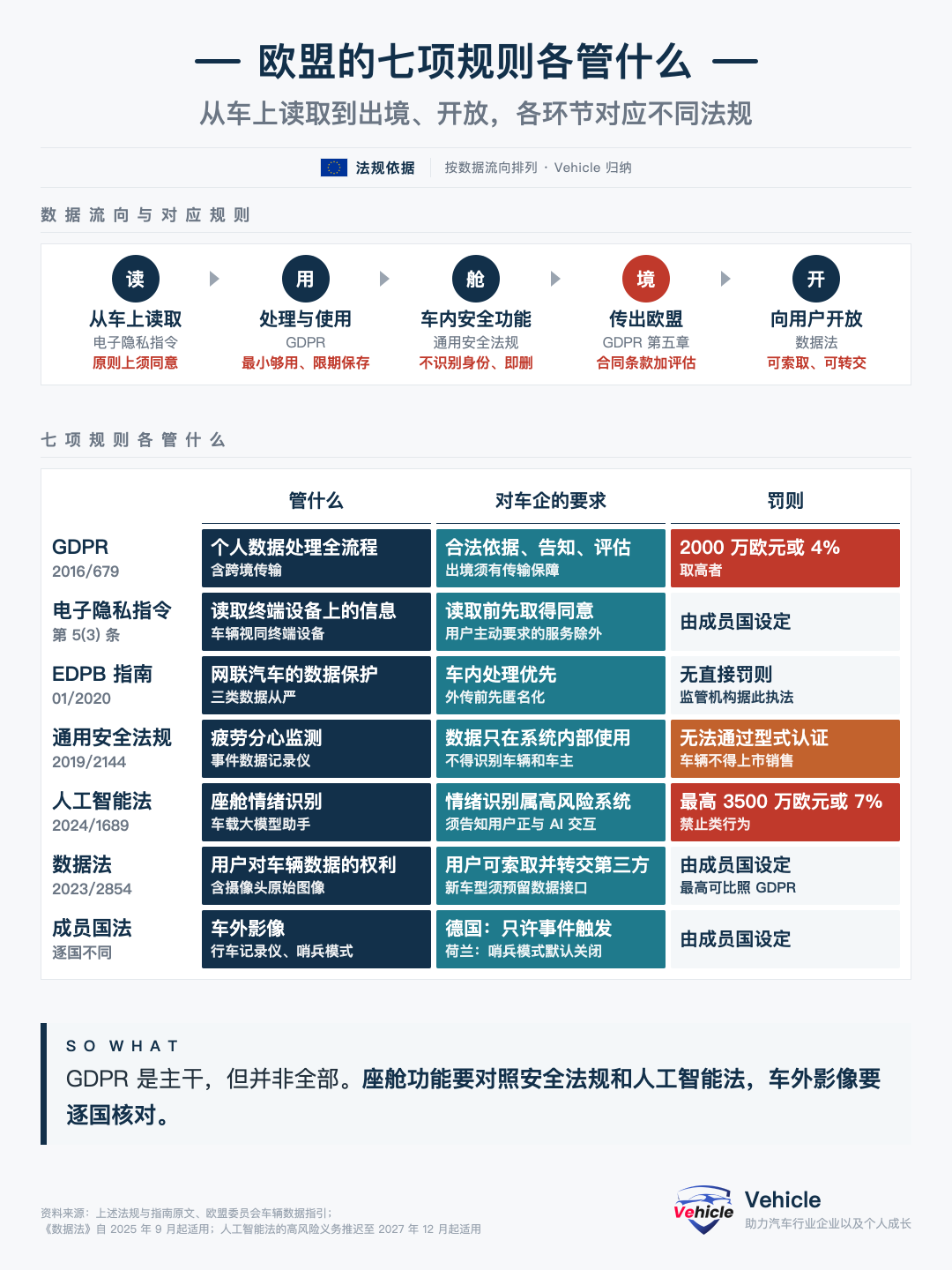
Figure 3 | Scope, requirements, and penalties of the seven rules
04 What Processing Counts as Effective?
The EU Has Given a Sequence—and Also Rejected Four Common Practices
The EDPB's guidelines on connected vehicles give a sequence: what can be processed in the vehicle should not leave the vehicle; what must leave the vehicle should first be anonymized; if anonymization is not possible, pseudonymization should be used and the data should still be managed as personal data; an impact assessment should be completed before processing outside the vehicle.
Four common practices do not hold in Europe.
Misconception 1: Blurring Equals Anonymization
The draft EDPB guidelines on anonymization require that data cannot be individually identified, linked, or inferred. We judge that road videos that merely mask faces and license plates are highly likely still personal data.
Misconception 2: Being in Europe Means No Outbound Transfer
Remote login by domestic R&D and operations personnel to European servers constitutes a transfer, and requires approval, logs, and field restrictions.
Misconception 3: Blanket Authorization
Location and biometrics require item-by-item consent, must be off by default, and can be withdrawn at any time.
Misconception 4: Removing the VIN Is Enough
The starting point and endpoint of a trip are usually the home address and workplace, and can still identify a person. Mobileye's approach is to delete the first and last few minutes of each trip before transmitting back.
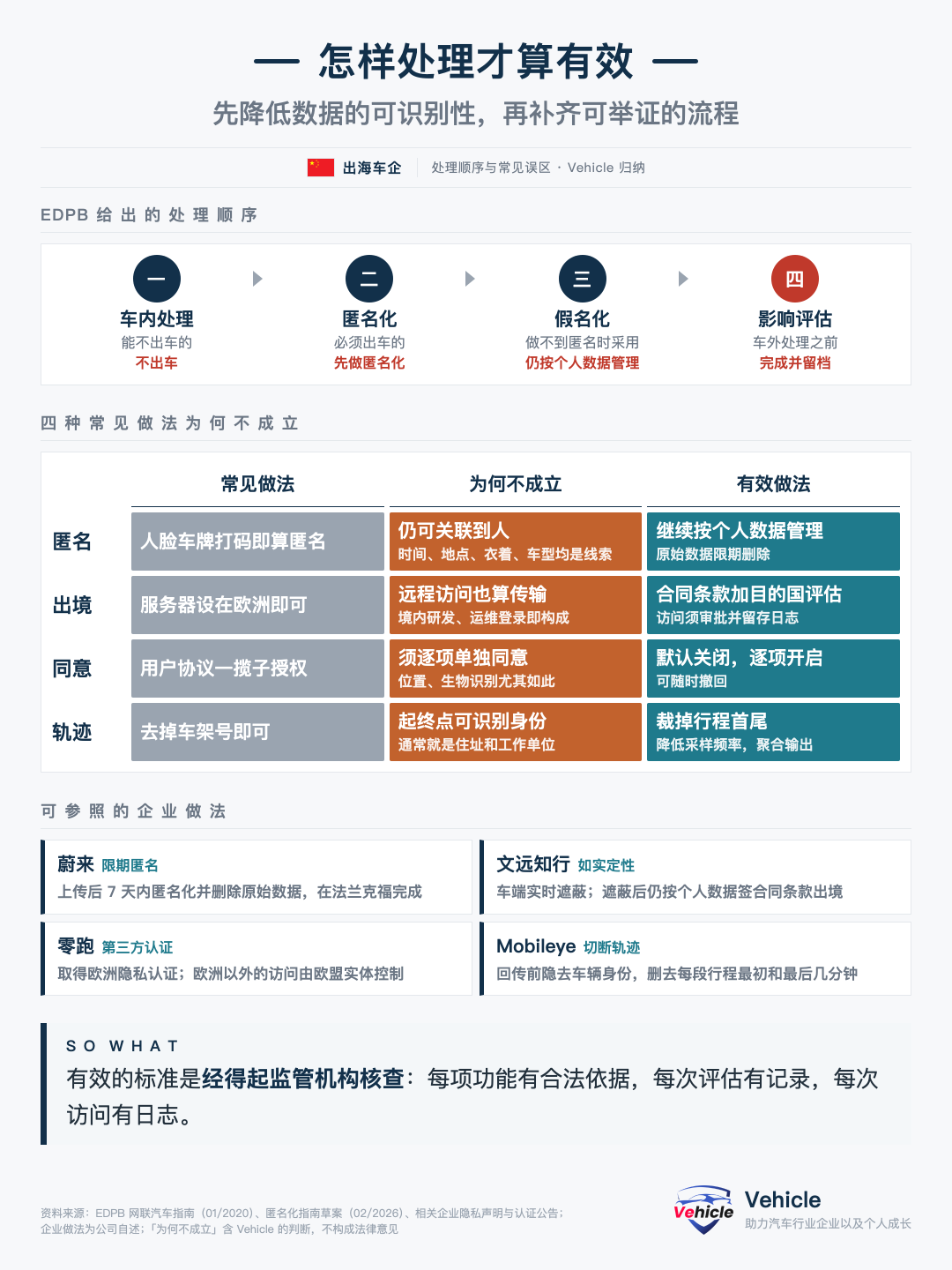
Figure 4 | Processing sequence, common misconceptions, and corporate practices
There are already precedents among companies: NIO completed anonymization in Frankfurt and deleted raw data within 7 days; WeRide stated in its privacy notice that masked data is still transferred outbound as personal data.
05 Closing Remarks
Compliance Must Land on Demonstrable Processes, Including Desensitization
Overall, the focus of EU privacy compliance is not only desensitization technology, but also demonstrable processes.
Smart car going-global teams can start with three things:
1. Draw a data map and determine the desensitization technology and legal basis for each function.
2. Complete an impact assessment and vehicle labeling before going on the road.
3. Control remote access from within China.
Technology solves desensitization; records prove compliance.
This article is based on public information, and the judgments herein are the author's views and do not constitute legal advice. Regulations are still being adjusted; please refer to the latest official texts.
Thank you for reading. You are welcome to forward this to colleagues responsible for going-global business, and to share your views in the comments section.
*Reproduction and excerpting without permission are strictly prohibited.*
-
![]()
The AI Search Wars Begin: What the Giants Are Really Fighting For Goes Beyond Answers
-
![]()
Hardcore Science Popularization | Chinese Smart Cars Going Global in Europe: Nine Types of Data, Seven Rules, Four Misconceptions
-
![]()
Musk and Jensen Huang: A Bromance Worth Shipping
-
![]()
Breaking News! Musk Rushes to Jensen Huang's Rescue, and Asia's Richest Man Zhang Yiming Joins In
-
![]()
Exposed! The Mastermind Behind the "Hunt for Jensen Huang"—All Clues Point to Him
-
![]()
Zhang Yiming Speaks Out: Catching Up with OpenAI and Anthropic Within 4 Years
-
![]()
Does an "Intelligent Organization" Still Need Baidu?
-
![]()
One Car, Two Smart Driving Systems: Are Automakers Developing In-House Technology or Keeping Their Options Open?