The Debut of the First Brain-Computer Interface Stock: The 'DeepSeek Moment' Still Awaits
 01/19 2026
 587
587
Standing on the Threshold of a New Era
Author/ Chen Dengxin
Editor/ Li Ji
Layout/ Annalee
The brain-computer interface (BCI) sector is undergoing remarkable advancements.
Initially, Elon Musk's Neuralink unveiled its intentions to commence mass production by 2026. Subsequently, BrainCo, recognized as one of the 'Hangzhou Six Little Dragons,' garnered 2 billion yuan in funding and promptly filed a confidential IPO application with the Hong Kong Stock Exchange...
All indicators suggest that brain-computer interfaces are riding a wave of widespread interest.
Is the capital market's enthusiasm for brain-computer interfaces a mere coincidence or an inevitable trend? When will brain-computer interfaces experience their 'DeepSeek Moment'? What hurdles still lie ahead in their path to commercialization?
No Longer Confined to Science Fiction
Strictly speaking, brain-computer interfaces are not a novel concept.
As early as 1973, researchers uncovered that 'human consciousness could be directly translated into machine-understandable instructions,' giving rise to the brain-computer interface concept.
A brain-computer interface represents a revolutionary human-machine interaction technology that circumvents peripheral nerves and muscles to establish a novel communication and control conduit between the brain and external devices. Its applications span motor rehabilitation, speech restoration, visual recovery, and cognitive enhancement.
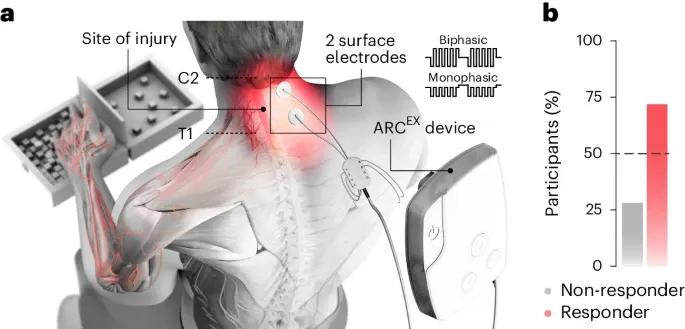
Source: Nature Medicine
In simpler terms, brain-computer interfaces redefine the boundaries of life's potential.
However, early brain-computer interfaces encountered numerous obstacles, including a shaky theoretical foundation, unstable electrodes, complex surgical procedures, and low efficiency, keeping them at the forefront of cutting-edge research.
Consequently, while brain-computer interfaces remained a scientific term, they also became a staple in science fiction.
The most iconic depiction is in 'The Matrix,' where humans interface with the matrix system via brain-computer interfaces, navigating between virtual and real worlds.
Nevertheless, research into brain-computer interfaces has persisted.
Chen Tianqiao, the founder of Shanda Group, once remarked, 'Brain-computer interfaces are not a quick route to riches; investing in them demands long-term commitment.'
It was only in recent years that brain-computer interfaces truly opened the door to life reconstruction.
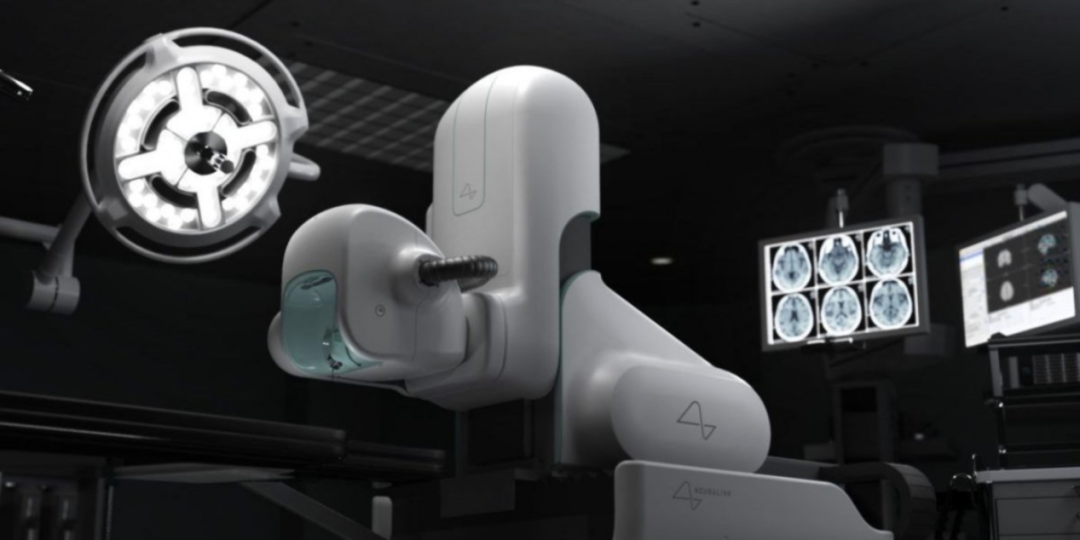
Across the ocean, Neuralink achieved significant milestones in invasive brain-computer interfaces. Its next-generation surgical robot reduced the time required to implant a single electrode from 17 seconds to 1.5 seconds, achieving a depth of 50 millimeters. The company has conducted 12 clinical studies encompassing severe conditions like ALS and spinal cord injuries, with over 10,000 individuals currently on the global waiting list.
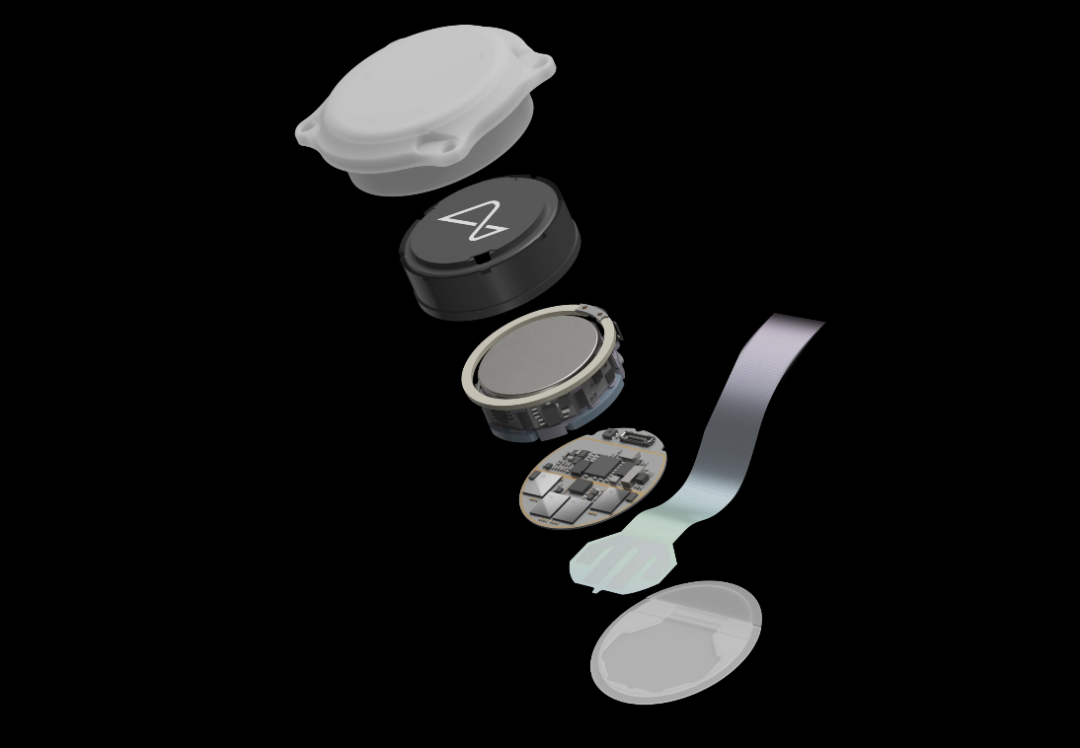
Source: Neuralink
Musk stated, 'We are developing universal brain input-output technology to explore how to input information into the brain and extract information from it without causing harm or side effects.'
In contrast to Neuralink, BrainCo adopts a non-invasive approach.
Non-invasive technology eliminates the need for craniotomy, collecting brain signals through the scalp to help delay cognitive decline in memory and attention.
More significantly, non-invasive technology can extend beyond medical applications to entertainment realms like gaming, offering a more immersive experience and seeking broader commercial opportunities.
For instance, 37 Interactive Entertainment is integrating its self-developed autism assistance training game 'Star Life Paradise' with brain-computer interface devices to explore new avenues in the gaming industry.
As a result, BrainCo has emerged as the world's second-largest brain-computer interface unicorn, following Neuralink.
Commercialization: The True Test
As evident, brain-computer interfaces have become a 'hot topic' in the capital market.
Morgan Stanley predicts that by 2045, the brain-computer interface market in the U.S. healthcare sector alone will reach $400 billion, with the overall market space expected to surpass $1 trillion.
Against this backdrop, the brain-computer interface sector in the A-share market has experienced a surge, captivating investors.

Source: Tonghuashun
However, both Neuralink and BrainCo confront three major challenges. Without successfully overcoming these obstacles, brain-computer interfaces will struggle to transition from conceptual dreams to tangible realities.
Firstly, the technology remains immature.
Although brain-computer interface technology continues to evolve, it is far from reaching maturity. To progress from 'usable' to 'user-friendly,' further advancements are required in signal acquisition, decoding algorithms, and medical rehabilitation.
For instance, the human brain contains 80 to 100 billion neurons, each interconnected with tens of thousands of others. Current electrophysiological techniques can record a maximum of 1,000 neurons simultaneously, underscoring the need for sustained efforts in efficient signal acquisition.
Additionally, mainstream algorithms still struggle with interpreting intentions related to emotions and feelings.
Moreover, invasive brain-computer interfaces necessitate craniotomy for electrode implantation, posing a severe challenge in preventing infections and ensuring long-term stable operation.
'Brain Extreme' stated, 'As a foreign object, the implant triggers an immune response, leading to scar tissue formation around the electrode, which affects signal quality and renders the device ineffective.'
Based on this, relevant plans remain cautious.
The 'Brain-Computer Interface Future Industry Cultivation Action Plan (2025-2030)' proposes promoting the completion of clinical trials for over five invasive and semi-invasive products by 2027 and achieving full clinical application of brain-computer interface products by 2030.
The situation outside the medical field is equally concerning.
GF Securities noted, 'Approval for medical-grade brain-computer interface applications is expected to take 3-5 years, while consumer-grade products face challenges such as bulky design, low user engagement, and high prices. To transition from 'interesting' to 'useful,' they must overcome three hurdles: unobtrusiveness, essential demand, and cost control.'
Secondly, costs need to be reduced.
Public data indicates that brain-computer interface expenses encompass 150,000 to 350,000 yuan for implantation devices, thousands to tens of thousands of yuan for surgical costs, and subsequent rehabilitation and maintenance.
'China Business Journal' stated, 'Currently, China lacks a mature and stable specialized supply chain. Most core components require in-house R&D or customization, significantly delaying mass production and increasing costs.'
Clearly, brain-computer interface products remain prohibitively expensive.
To achieve widespread adoption, cost reduction is imperative. Otherwise, they will only cater to a select few, undermining social equity and industrial health.
Leveraging capital has become a common strategy for brain-computer interface companies to expand production and reduce costs.
Neuralink completed its Series E funding, raising $650 million; BrainCo secured 2 billion yuan in Pre-IPO funding; and Stair Medical completed its Series B funding, raising 350 million yuan...
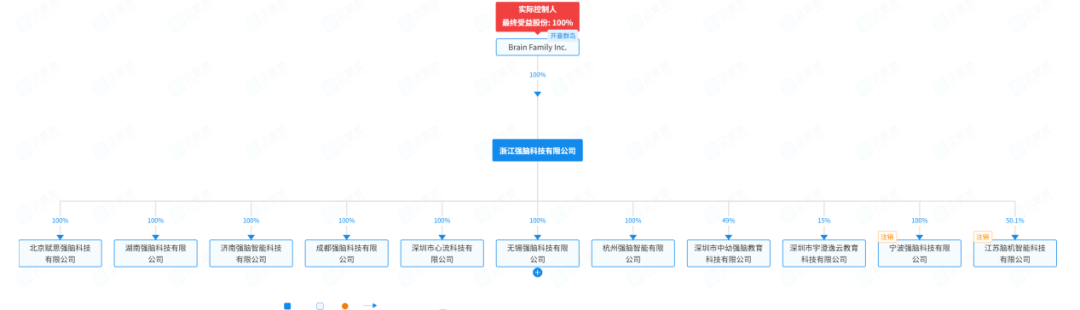
Source: Qichacha
As a result, companies have set loftier goals.
Han Bicheng, the founder and CEO of BrainCo, stated, 'Over the next 5-10 years, we plan to help 1 million people with limb disabilities regain mobility and assist 10 million patients with Alzheimer's, autism, and insomnia in their recovery.'
Notably, local governments have included brain-computer interface services in the medical service pricing system, setting prices for invasive implantation, invasive removal, and non-invasive adaptation fees, further aiding cost reduction.
Thirdly, privacy must be safeguarded.
The implementation of brain-computer interfaces relies on recording, reading, analyzing, and feeding back brain data, which may encompass memories, emotions, and desires—all personal privacy domains.
Exposing subconscious content could lead to unnecessary embarrassment and trouble.
An industry insider said, 'Who owns the brain signal data we collect? How can we prevent misuse or tampering? A safeguard mechanism must be established through laws, ethics, and technical standards.'
More troublingly, once brain-computer interfaces evolve into a 'brain internet,' issues like advertising harassment and hacking may arise, necessitating proactive preparation.
In short, for brain-computer interfaces to advance further, they must effectively utilize data while protecting it.
In conclusion, brain-computer interfaces represent an emerging blue ocean market. They can assist patients and the elderly in reintegrating into society, empower interaction revolutions, and enhance social efficiency and lifestyles. However, significant work remains before true commercialization can be realized.
From this perspective, the debut of the first brain-computer interface stock is merely the beginning.
-
![]()
Registered Capital Slashed to 372 Million Yuan! Yutong Optical Finalizes Industrial and Commercial Change Registration
-
![]()
Zhuque-3 Successfully Lands, and 'Time Traveler' Secures Another ¥100 Million in Funding: China's Commercial Space Industry Experiences a 'Dynamic August'
-
![]()
Autohome Faces a Shrinking Window of Opportunity
-
![]()
Even a Titan Like Musk Has Faced Setbacks in Fulfilling Promises
-
![]()
AI Office: The End of the Racing Era, Context Becomes the Key to Success
-
![]()
Domestic Vehicle Chassis Revolution ②: The Steering Wheel Remains, But Mechanical Connections in the Steering System Are Decreasing
-
![]()
Exploring MiniMax Design: Can Video Editing Be as Simple as Speaking?
-
![]()
Why Can SenseTime Achieve Profitability While CloudWalk Still Faces Challenges, Despite Both Adopting Large Models?