Trend丨AI Chip Substrate Shortage Sparks Race Among Tech Giants for Electronic Fabric
 02/24 2026
 543
543
Preface:
As AI chips consume more power and advanced packaging technologies become mainstream, a seemingly ordinary industrial material—high-end electronic-grade glass fiber fabric ("electronic fabric" for short)—has become "scarcer than chips," prompting tech giants like Apple, NVIDIA, and Google to engage in a rare direct competition that could reshape the global hardware supply chain.
AI Computing Power Drives Explosive Demand for Electronic Fabric
The shortage of electronic fabric is not a cyclical fluctuation but an inevitable result of technological paradigm shifts in the AI industry. The superposition of two core trends has triggered explosive growth in demand:
On one hand, the "high-specification, large-area" characteristics of next-generation AI chips have directly amplified the demand for electronic fabric. High-end AI server chips, represented by NVIDIA's Blackwell and subsequent architectures, require several times more electronic fabric in terms of specifications and quantity for their substrates compared to traditional servers. The soaring power consumption of these chips demands greater structural stability from the substrates, further driving up the consumption of high-end electronic fabric.
On the other hand, the large-scale adoption of advanced packaging technologies like CoWoS has created rigid demand for specialized electronic fabrics. Low thermal expansion coefficient (Low CTE) electronic fabrics are essential to address heat dissipation and warping issues in chip stacking, while next-generation PCBs supporting ultra-high transmission speeds of 224Gbps must rely on Low Dielectric Constant (Low-Dk) quartz fiber fabrics (Q fabrics) upgraded to M9-grade materials. The simultaneous demand for these two types of specialized electronic fabrics has rapidly consumed the world's limited high-end production capacity.
"Low CTE" and "Low-Dk" Create Technological Barriers
The AI race has propelled two once-niche specialized electronic fabrics into the spotlight, both featuring extremely high technological barriers that have become major supply bottlenecks. Low CTE electronic fabric (T fabric) plays a crucial role in maintaining dimensional stability of substrates during high-temperature operation of chips, preventing warping, and is a key material for advanced AI chip packaging (such as CoWoS). Previously, Japan's Nittobo was the world's primary supplier of this material, holding approximately 90% of the market share. Demand is surging across multiple sectors, including AI computing chips and high-end consumer electronics (such as Apple's A-series processor substrates), with a projected compound annual growth rate (CAGR) exceeding 120% from 2025 to 2027.
Low-Dk/Quartz Fabric: The "Highway" for High-Speed Signals: These materials, characterized by low dielectric constant and low loss, form the physical foundation for supporting ultra-high data flow rates within AI servers. As materials upgrade from first-generation to second-generation (Low-Dk second-generation fabric) and even to quartz fabric (Q fabric), their value continues to rise. NVIDIA's Rubin architecture has explicitly committed to fully adopting M9 materials requiring Q fabric, directly creating a rigid demand gap for this material.
Supply Dilemma: Tech Giants Compete Amid Capacity Bottlenecks
The surge in demand has collided with rigid supply constraints, triggering the current intense competition:
Tech giants are being forced to "dig deeper" into the supply chain. Supply tightness has disrupted traditional supply chain hierarchies, with Apple and NVIDIA sending executives to negotiate long-term agreements or even factory takeovers with Japanese material manufacturers. Apple has stationed personnel at supplier Mitsubishi Gas Chemical to secure BT substrate materials, while Qualcomm is actively seeking alternative resources from Japanese suppliers. This direct intervention in material procurement underscores the fragility of the global supply chain.
Supply-side bottlenecks are unlikely to ease in the short term: On one hand, industry leaders like Nittobo remain cautious about expanding production, with new capacity at their Fukushima plant not coming online until 2027. On the other hand, the core equipment for electronic fabric production—high-end looms—relies heavily on supplies from Toyota Industries in Japan, whose production capacity cannot meet the surging demand. A loom shortage is expected to emerge from 2025, imposing a "equipment bottleneck" on industry-wide capacity expansion.
Domestic Opportunities: Substitution Window Amid Supply Chain Crisis
The global shortage has opened a historic entry opportunity for leading domestic electronic fabric companies, with import substitution transitioning from technological breakthroughs to scaling (large-scale) deployment.
At the technological breakthrough level, domestic companies have gradually broken overseas monopolies. In the Low CTE electronic fabric sector, Honghe Technology has become the only supplier in mainland China capable of producing ultra-thin and extremely thin T fabrics, with products entering the supply chains of high-end consumer electronics and AI servers, boosting its global market share to second place. Sinoma Science & Technology has also achieved technological breakthroughs and begun mass production. In the Low-Dk and quartz fabric sectors, companies like Philly quartz (Philly Quartz) and Sinoma Science & Technology have passed certifications from international majors, gaining the capability to substitute overseas products.
The simultaneous surge in performance and capacity confirms the momentum of import substitution. Honghe Technology expects net profit to grow by up to 889% YoY in 2025, while International Composite Materials has returned to profitability. Domestic leaders are entering a golden period of rising volumes and prices. To seize opportunities, Honghe Technology plans to triple its T fabric supply, with dense (intensive) capacity expansions by domestic companies expected to enable global market share overtaking in the future.
Market Impact: Price Hikes and Industrial Restructuring
The shortage of electronic fabric is rippling through the supply chain, triggering profound changes in pricing and industry dynamics.
Price hikes have begun across the entire chain. Starting in Q4 2025, electronic fabric prices surged, with the 7628 model rising from 4.15 yuan/meter in late September 2025 to 4.75 yuan/meter in January 2026. Low CTE electronic fabric and Low-Dk second-generation fabric, facing the largest demand gaps, are expected to see even greater price elasticity. The price hikes have spread upstream to electronic yarn, creating cost pressures across the entire chain.
More profoundly, the crisis is reshaping industry logic. It has become clear that strategic basic materials in the AI era are no less important than chips themselves. Tech companies are reevaluating supply chain security, incorporating basic material guarantees into their strategic considerations. Meanwhile, the market space created by the shortage is accelerating the global shift of electronic fabric production capacity to China, with import substitution evolving from an "option" to a "necessity" and driving the global supply chain toward diversification.
In 2026, this battle unfolding in the most hidden corners of the supply chain will undoubtedly raise AI hardware costs but also open doors for Chinese material companies to enter the world's top-tier supply chains. As tech giants scramble for "fabric," the underlying logic of an industry is being rewritten.
Epilogue
The AI chip substrate shortage crisis serves as a mirror, reflecting the fragility hidden beneath the highly specialized global high-tech industry. The birth of a cutting-edge chip relies not only on nanoscale miracles under photolithography machines but also on perfectly uniform glass fiber fabrics.
Online Sources:
Sina Finance: "2026 Building Materials Industry: How to View the Price Elasticity and Sustainability of Glass Fiber Electronic Fabric Hikes—From the Perspectives of Looms and Platinum"
Cailian Press: "Electronic Fabric Leader Plans New Products as NVIDIA and Google Compete for Purchases; Domestic Supply Chain Sees 'Price Hike Wave'"
Sina Finance: "Building Materials Weekly Topic 2026W3: AI Electronic Fabric Shortage Intensifies; Even Ordinary Electronic Fabric Faces Price Hikes"
Hexun.com: "NVIDIA's Rubin Architecture Upgrade Creates Rigid Demand Gap for PCB Electronic Fabric—'Q Fabric'"
-
![]()
Who’s Sounding the Alarm on ‘Rushed Vehicles’?
-
![]()
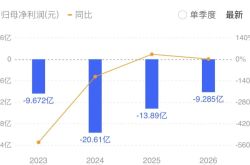
Over 5.3 Billion Yuan in Losses Over Three and a Half Years! Can Yonyou Reverse Its Fortunes Through Streamlining and AI Transformation?
-
![]()
Baidu AI Adopts Free Model: A Strategic Maneuver in Traffic and Monetization
-
![]()
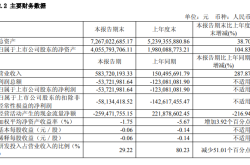
Silicon-Based OLED Pioneer Unveils Financial Results: H1 Shipments Outpace Entire 2025 Volume
-
![]()
AI's First "Lost Summer"
-
![]()
Zeiss Makes Another €2.2 Million Bet: Will Eye Tracking Be the Next Big Thing in the Smart Glasses Industry?
-
![]()
RUNTO Ranking | Global Top TV ODM Factories' Shipment Figures for July 2026
-
![]()
Dealer Service Operational Prowess | How After-Sales Managers Can Harness Efficiency and Expertise to Secure Trust in the New Energy Era