NVIDIA Makes Its Initial Foray into Physical AI, Targeting the Automotive Sector
 03/20 2026
 523
523
Autonomous driving has emerged as NVIDIA's proving ground for AI technology.
Following the conclusion of the GTC conference, NVIDIA's AI ambitions have come into sharper focus. Beyond its established chip business, NVIDIA has chosen the automotive industry as the conduit for AI to transition from the virtual realm to the tangible world.
A week prior to GTC 2026, NVIDIA unveiled a 22-minute video showcasing its CEO and Wu Xinzhou, Vice President of the Automotive Business Unit, jointly experiencing a hands-free driving assistance system developed with NVIDIA's involvement.
According to an NVIDIA spokesperson, this test drive required no manual intervention throughout, and the video footage was presented unedited.
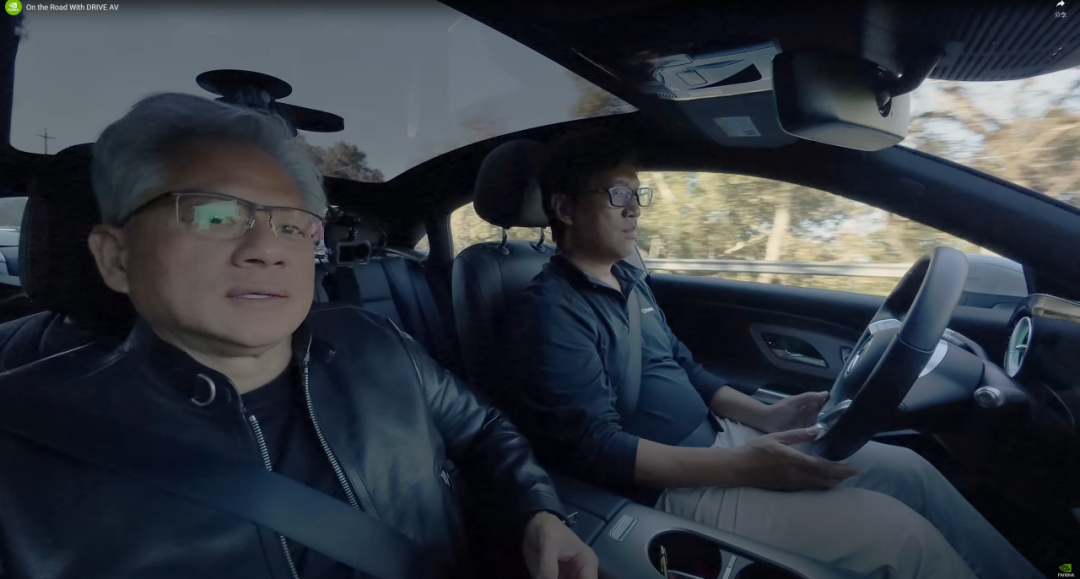
This driving system, built upon the open-source model Alpamayo, is precisely what Jensen Huang, NVIDIA's CEO, referred to as the 'ChatGPT moment for physical AI.'
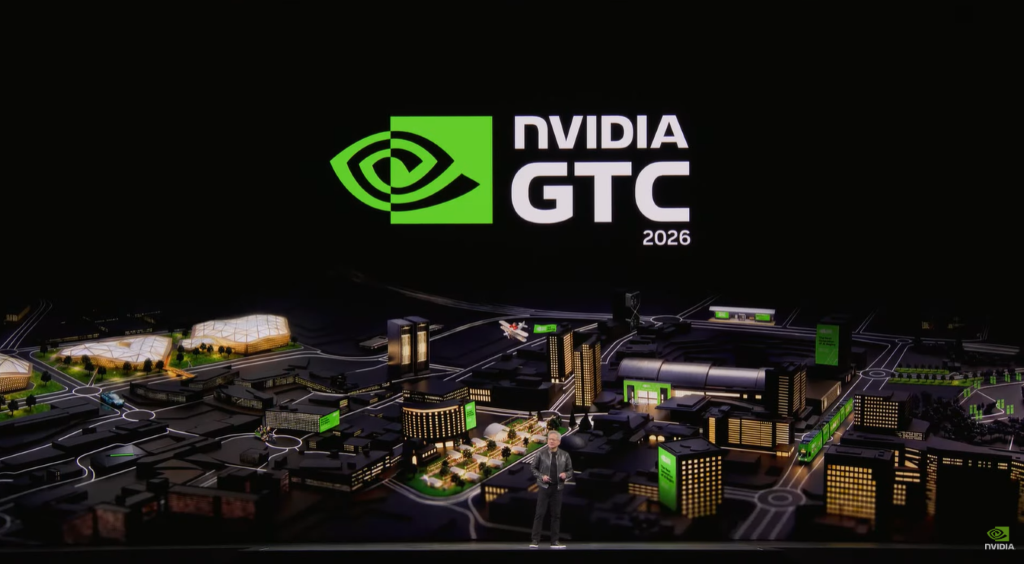
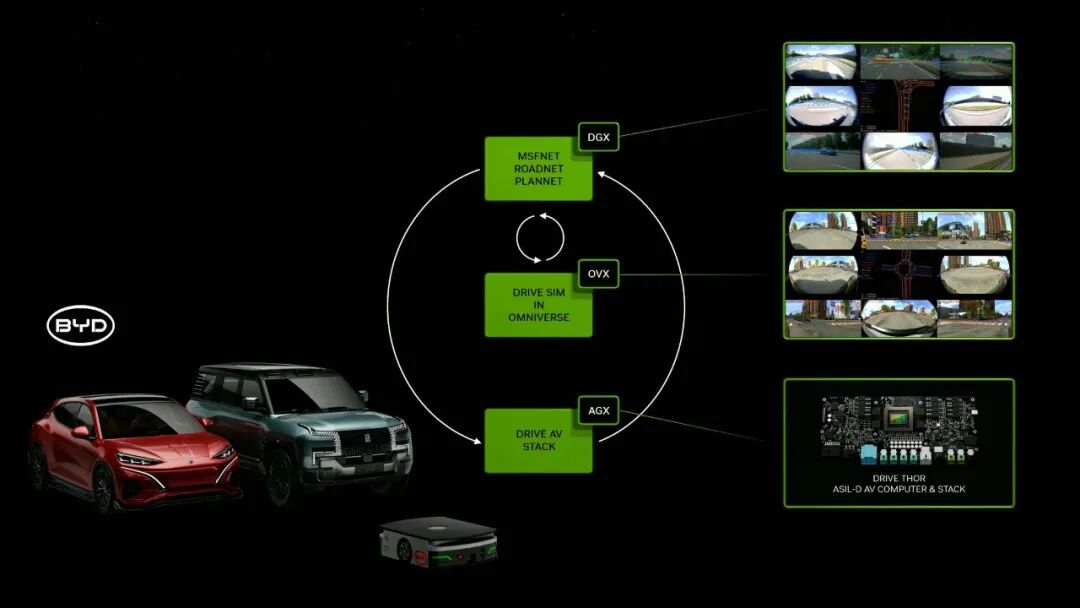
At GTC 2026, NVIDIA announced collaborations with leading automakers such as BYD, Geely, and Nissan to develop next-generation Level 4 autonomous driving projects based on the NVIDIA DRIVE Hyperion platform.
NVIDIA is transitioning from a mere chip supplier to a provider of comprehensive autonomous driving solutions, marking its first stride towards realizing AI's potential in real-world applications.
The Fringe Automotive Business
From a strategic standpoint, NVIDIA ventured into the automotive sector as early as 2015 with the launch of its DRIVE series chips. After a decade of dedicated efforts, it has emerged as the undisputed leader in high-level assisted driving chips for automobiles.
According to statistics from the Gaogong Intelligent Automobile Research Institute, in 2025, NVIDIA dominated the high-level intelligent driving computing chip market, supporting urban NOA with a 49.36% market share, approximately 26 percentage points ahead of second-place Huawei, and followed by Horizon Robotics. These three major players collectively held 90% of the market share, indicating a highly concentrated industry.
Although NVIDIA has a minimal presence in the low-end ADAS all-in-one machine market, it is synonymous with computational prowess in the high-value premium chip market, where it reigns supreme.
However, challenges have arisen. After NVIDIA fully committed to the AI industry, its automotive business, which was already on the periphery, was nearly overshadowed. According to financial reports, NVIDIA's revenue soared to $228.7 billion in 2025, representing a significant year-over-year increase of 76%, with nearly 90% of its revenue derived from its data center business, i.e., selling computing power chips.
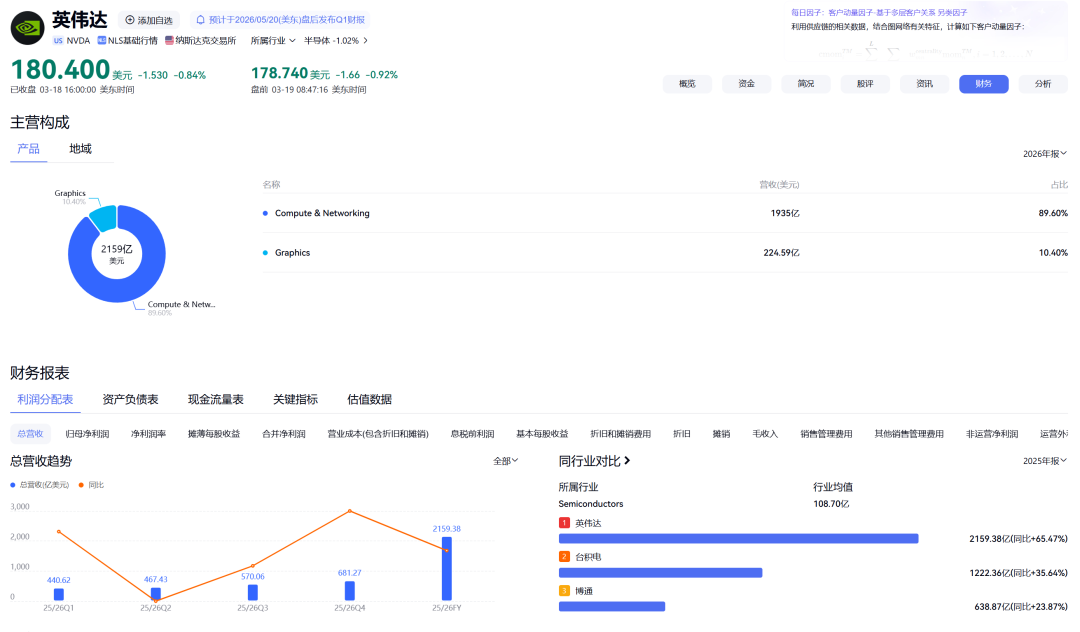
In contrast, the automotive business generated $2.3 billion in revenue for the entire year of 2025. Although it experienced growth of nearly 40%, the disparity in volume and scale was substantial. This segment even contributed less revenue to NVIDIA than its gaming graphics cards (gaming business revenue: $14.5 billion).
It's crucial to note that both data centers and autonomous driving are currently driven by AI. Despite selling hardware, the automotive business has consistently remained stagnant in terms of scale.
To address this, NVIDIA is undergoing internal transformations. In August 2023, Wu Xinzhou officially joined NVIDIA. Prior to this, Wu was the driving force behind XPENG's autonomous driving endeavors. Under his leadership, XPENG established full-stack self-research capabilities and successfully mass-produced and delivered the XNGP system.
Before joining XPENG, Wu spent 13 years at Qualcomm, leading multiple core R&D projects in autonomous driving, precise positioning, and communications.
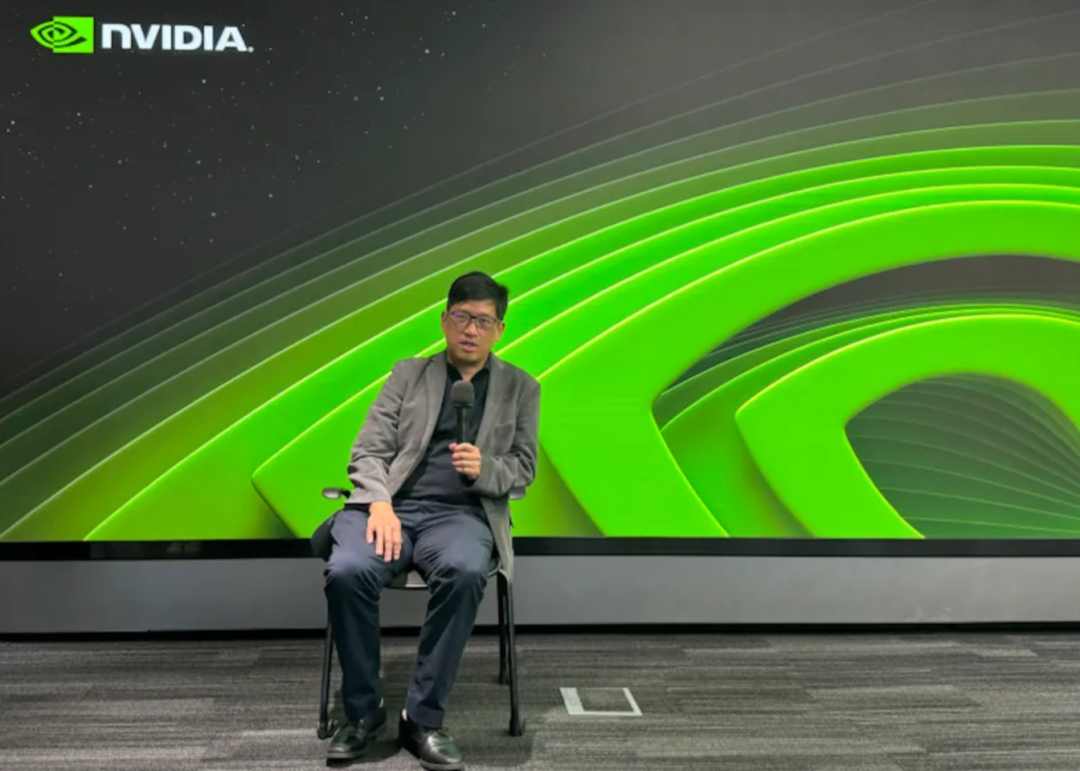
Upon joining NVIDIA, Wu was appointed Global Vice President and Head of Autonomous Driving Products, reporting directly to CEO Jensen Huang.
However, during Wu's initial two years at NVIDIA, there were no discernible changes in the company's automotive business from an external perspective. The only notable development was the long-delayed delivery of the Thor chip.
Nevertheless, by the time the Thor chip commenced delivery, the automotive market had already undergone transformations. On one hand, up-and-coming Horizon Robotics was using its Journey 6 chip to encroach upon NVIDIA's premium market share. On the other hand, in-house development by automakers was becoming the mainstream trend among new forces, and these users were precisely the ones who had previously strongly advocated for NVIDIA's high-computing-power chips.
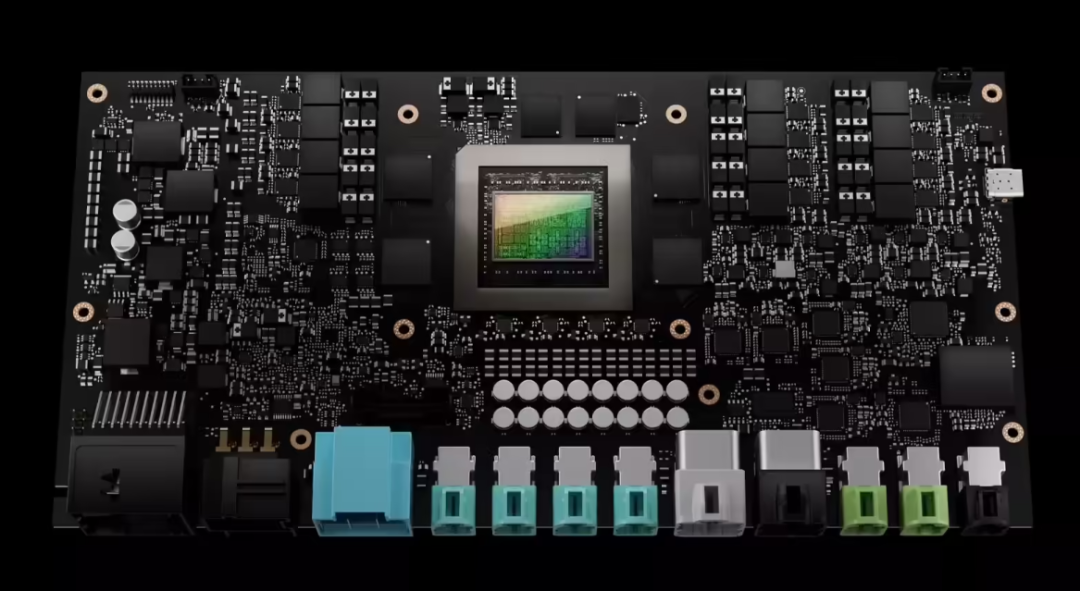
The resulting reality is that the market share of the high-end Thor chip is not substantial. NVIDIA's users prefer the relatively inexpensive Orin chip. Especially affected by price wars in the Chinese market, to control overall vehicle costs, driving chips have become a reducible component. Functions achievable with a single Orin chip render the latest Thor chip an unnecessary choice.
Relying solely on hardware chips is insufficient to sustain NVIDIA's rapid growth in the automotive industry, particularly in the face of an increasingly complex market and aggressive competitors. NVIDIA needs to forge closer ties with its users.
Physical AI
At the dawn of 2026, NVIDIA selected the automotive industry as the bridge for its transition from virtual to real-world applications. At CES 2026 earlier in the year, NVIDIA announced the launch of its full-stack autonomous driving solution. The first model equipped with this system, the Mercedes-Benz CLA, is set to enter the U.S. market in the first quarter of 2026, offering Level 2+ autonomous driving capabilities.
The implementation of this collaboration signifies that NVIDIA is evolving from a chip supplier to a provider of full-stack autonomous driving solutions, forging a new ecosystem that integrates hardware with software.
In his speech, Jensen Huang hailed this transformation as the 'ChatGPT moment' for physical AI.
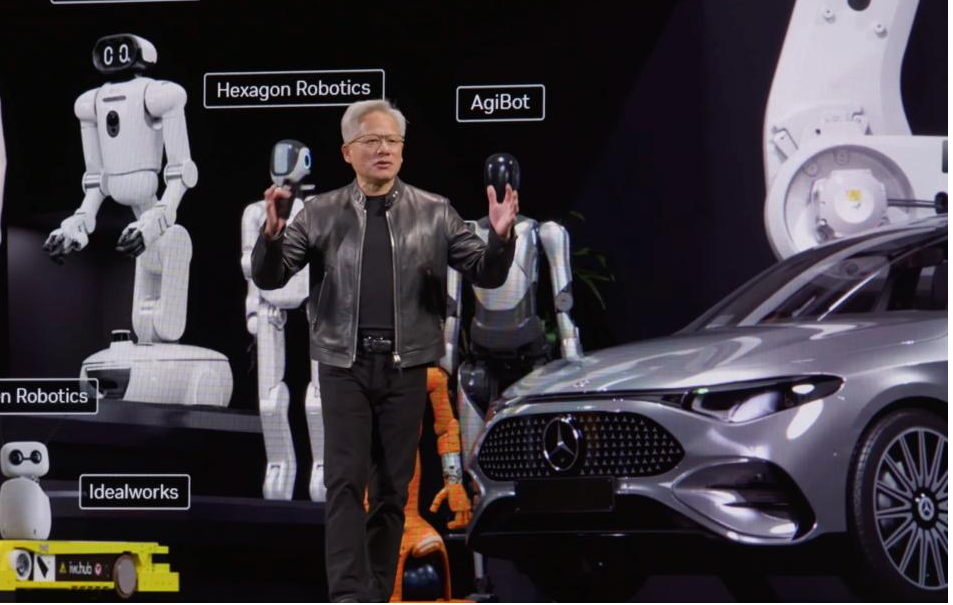
Regarding NVIDIA's autonomous driving technology, Jensen Huang claimed it to be unique, blending an end-to-end AI model with a traditional manually engineered 'classic' technology stack.
Pure end-to-end models pose challenges in verifying safety, while traditional technology stacks adhere to mature engineering norms and processes, making it easier to ascertain whether certain behaviors are sufficiently safe. By amalgamating these two approaches, NVIDIA's system can emulate a driving style akin to humans while maintaining a safety framework grounded in road rules.
In addition to Level 2+ assisted driving, NVIDIA is also expanding the scope of its autonomous driving alliance. At GTC 2026, besides the participation of multiple automakers, several mobility platforms, including global mobility giants Uber, Bolt, Grab, and Lyft, also announced their adoption of the DRIVE Hyperion platform to expedite their autonomous driving deployments.
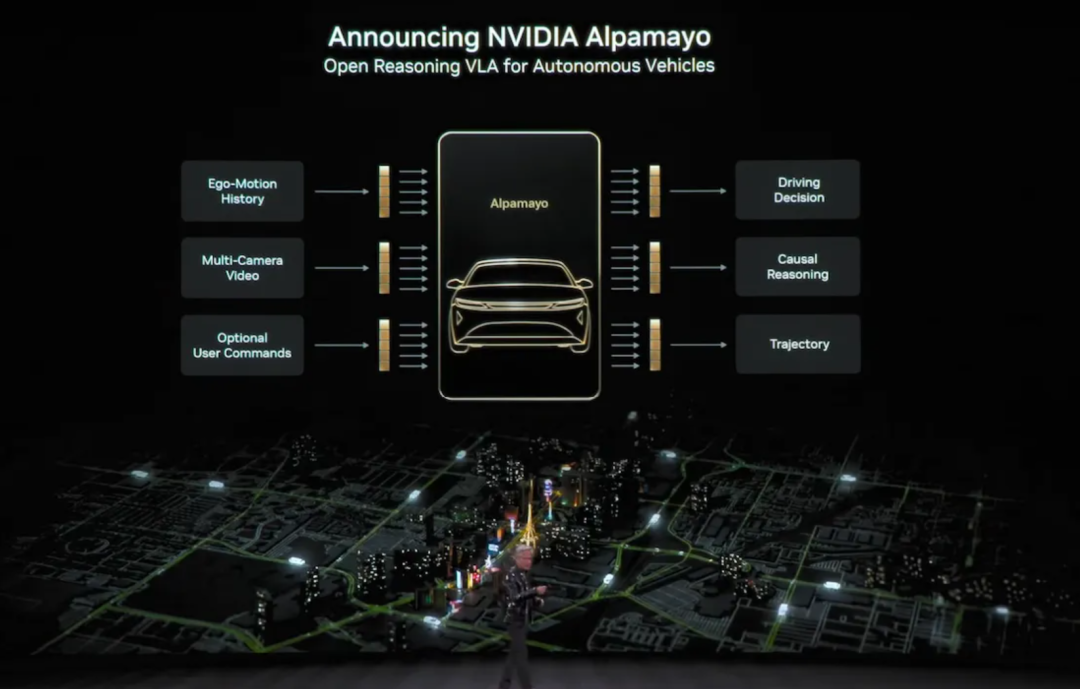
Simultaneously, NVIDIA thoughtfully provides customers with various collaboration models to cater to the diverse needs of different users. Firstly, at the hardware level, NVIDIA, in collaboration with multiple hardware suppliers, offers a unified safety architecture based on the ASIL-D certified driving system Halos OS to meet automotive AI safety certifications.
At the software level, NVIDIA provides the Alpamayo 1.5 open-source model, which can generate a driving trajectory with reasoning logic through driving videos, navigation instructions, and even natural language prompts, enabling vehicles to learn and handle rare road conditions more efficiently, reducing costs for automakers in system development, and enhancing development efficiency.
More importantly, at the training level, NVIDIA introduced the Omniverse NuRec simulation platform, which leverages 3D Gaussian splatting technology to swiftly reconstruct real-world data into high-fidelity 3D simulation scenarios for stress testing autonomous driving systems in extreme edge scenarios.
Through a synergistic combination of hardware and software, NVIDIA is gradually bridging the gap between AI in the virtual world and the real world.
In his speech, Jensen Huang remarked, 'If AI systems are confined to the digital realm, their economic and social value will be severely limited.'
Although this statement is ambitious, the actual transition to the automotive industry is also a necessity for NVIDIA, as the virtual AI industry is grappling with a severe real-world power crisis.
Restricted by export controls, NVIDIA's advanced chips can only be supplied to data center construction within the United States. However, under a strained power system, data center construction in the United States faces a dire crisis. Building data centers necessitates the simultaneous construction of energy storage facilities, a task that the United States itself struggles to accomplish.
Including Europe, power supply is scarce in multiple regions. For instance, the United States generates only 14% of the world's electricity but shoulders the construction and layout of multiple data centers. Moreover, to achieve environmental sustainability, tech giants also demand year-round carbon-free electricity supply, further complicating the situation.
On the other hand, existing AI, despite its apparent potency, is challenging to integrate with real-life applications. Multiple popular applications are also solely built on digital life.
To achieve absolute dominance in AI, NVIDIA must take the lead in exploring more practical and impactful projects.
Simultaneously, there are already examples validating the success of NVIDIA's chosen path. Huawei's ADS assisted driving software achieved a breakthrough in high-level assisted driving chips through a marketing model that integrates hardware and software. Horizon Robotics also launched the HSD assisted driving system in 2025 and successfully equipped it on Chery Automobile.
At GTC, Jensen Huang announced that NVIDIA is shifting its autonomous driving software from one-time sales to a continuous subscription and service model.
Once this long-term ecological cooperation is established, it will yield lasting benefits for NVIDIA. Not only will it accelerate the reshuffling of the autonomous driving industry through technology, but it will also reshape the industry's profit distribution model.
By constructing a vast ecosystem that encompasses global automakers, mobility platforms, and software companies, NVIDIA is propelling itself from behind the scenes to the forefront, attempting to lead this AI transformation. However, whether it can expand its 1% market share remains to be seen.
Note: Some images are sourced from the internet. If there is any infringement, please contact us for removal.
-END-
-
![]()
A Computing Power Titan Unveils a Revolutionary Product: Performance-to-Power Ratio Skyrockets by 450 Times!
-
![]()
Doubao Work Unveiled! Domestic AI Leaders Fully Commit to the 'Work' Sector
-
![]()
Who’s Sounding the Alarm on ‘Rushed Vehicles’?
-
![]()
Over 5.3 Billion Yuan in Losses Over Three and a Half Years! Can Yonyou Reverse Its Fortunes Through Streamlining and AI Transformation?
-
![]()
Baidu AI Adopts Free Model: A Strategic Maneuver in Traffic and Monetization
-
![]()
Silicon-Based OLED Pioneer Unveils Financial Results: H1 Shipments Outpace Entire 2025 Volume
-
![]()
AI's First "Lost Summer"
-
![]()
Zeiss Makes Another €2.2 Million Bet: Will Eye Tracking Be the Next Big Thing in the Smart Glasses Industry?