Weekly Stock Review | Are Lei Jun, Jensen Huang, and Elon Musk Treated Differently by the Capital Market?
 03/27 2026
 557
557
This week's automotive stock review reveals the diverse dynamics of the automotive market.
March 20th marks the International Day of Happiness, but stock investors found themselves experiencing a mix of emotions.
The A-share market staged a rebound, with the ChiNext index surging over 3%. By midday, the Shanghai Composite Index had risen 0.16% to 4,013.16 points, the Shenzhen Component Index gained 1.57%, the ChiNext Index soared 3.3%, the Beijing Stock Exchange 50 rose 0.63%, the STAR 50 increased by 0.07%, the CSI A500 rose 1.01%, and A-share half-day trading volume reached 1.45 trillion yuan.
In terms of sectors, optical modules and CPO concept stocks surged collectively. Yuanjie Technology hit the daily limit, with its stock price exceeding 1,000 yuan. Photovoltaic concept stocks also soared, led by Chint Power and Sungrow Power.
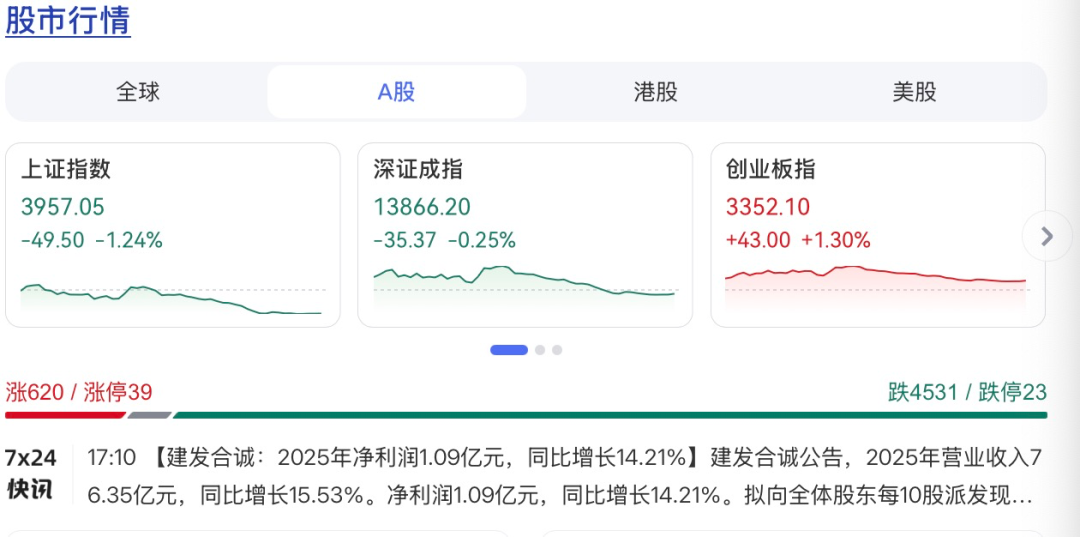
However, the market took a downturn in the afternoon, with the Shanghai index falling below 4,000 points. A seasoned retail investor lamented late at night, "When I opened my trading app, I almost thought I was in the wrong place." Nearly 5,000 stocks fell collectively, creating a sea of red.
"Crude oil prices are rising, and it's my money that's taking the hit," she complained. "I really don't have time for this, market."
Being a retail investor is indeed challenging—cut by retail capital in January-February, by quantitative trading in February-March, and now swayed by geopolitics in late March. The complaints of retail investors reflect a harsh reality. All traders agree: the current stock market is completely influenced by crude oil prices.
Many companies believe that the core constraining factor in the current market comes from overseas. The escalation of the Middle East situation has triggered global capital market turmoil, with soaring oil prices raising "stagflation" concerns and suppressing risk appetite. The uncertainty of the situation has made investors worry about the stability of global oil supplies.

The trend of "profiting in the right sector, suffering in the wrong one" is becoming more pronounced.
Alternative energy sectors like new energy and photovoltaics are gaining attention from medium- to long-term funds due to energy security logic, presenting structural opportunities. Downstream sectors such as automotive manufacturing, logistics, and basic chemicals, which rely on crude oil raw materials, face soaring cost pressures and downward profit expectations.
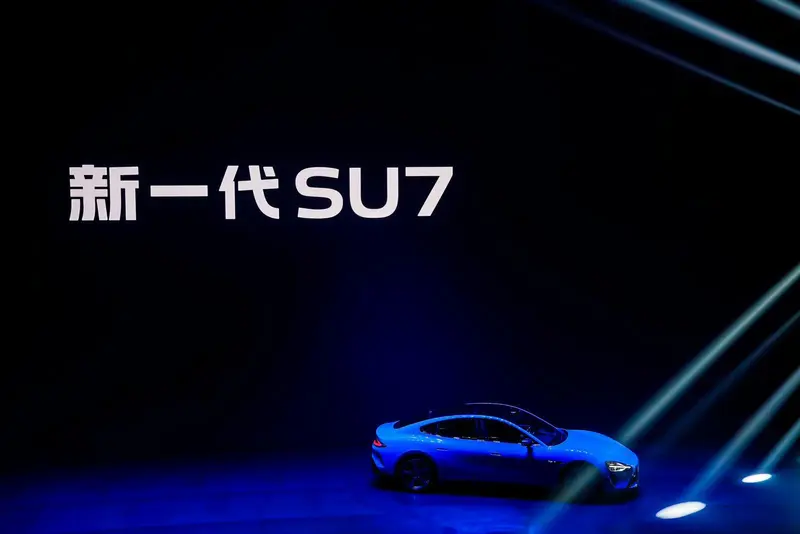
Xiaomi Auto, which recently made a major move, was caught off guard by the stock price fluctuations. On March 19th, Xiaomi launched its new-generation SU7, securing 15,000 orders in just 34 minutes, with upgrades in performance, safety, appearance, and experience. Meanwhile, Lei Jun announced that Xiaomi would invest over 60 billion yuan in AI large models.
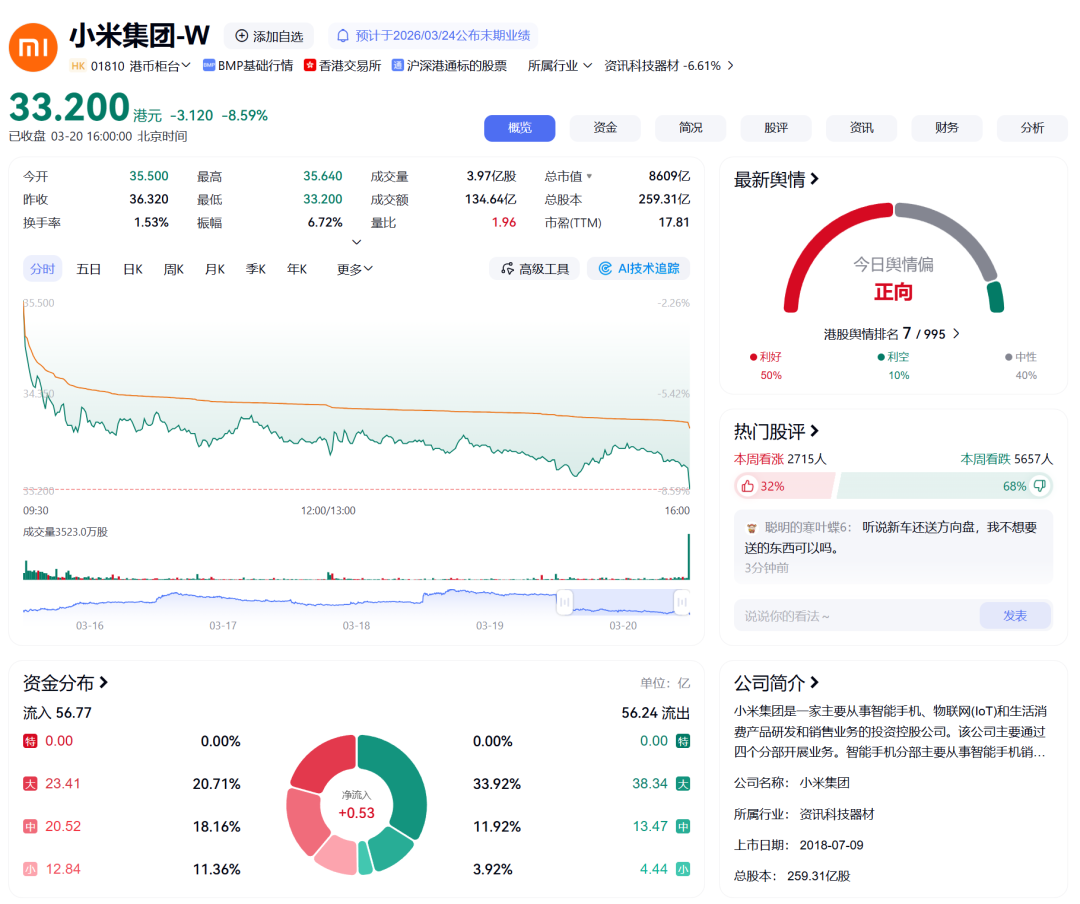
Despite these positive developments, Xiaomi's stock price plummeted by over 7% on March 20th. Questions like "Did the launch fail?" and "Is Xiaomi's new car not favored by the capital market?" flooded social media.
However, it's worth noting that the stock price had rebounded before the launch, rising over 5% at one point to close at HK$36.96. But it quickly turned south the next day. Despite securing 15,000 orders for the new SU7 in 34 minutes, the market considered this figure below "blockbuster" expectations.
Meanwhile, massive AI investments raised concerns about short-term returns. Lei Jun announced that Xiaomi would invest over 60 billion yuan in AI over the next three years, with over 16 billion yuan this year alone.
Although the large model MiMo-V2-Pro showed impressive technical performance, the capital market believed that such massive investments would be hard to translate into substantial profits in the short term, instead increasing financial pressure and potentially squeezing R&D resources for core businesses like smartphones and IoT. The market shifted from "valuing dreams" to "pricing cash flows."
Several major international banks, including Citi and JPMorgan, collectively downgraded Xiaomi's target price, with the largest reduction exceeding 30%. Citi even issued a 30-day "short-term downward observation" rating. Meanwhile, Xiaomi's short-selling ratio rose to a high level, forming a negative cycle of "decline-short selling-further decline," amplifying the stock price's fall.
The capital market believed that rising crude oil prices had pushed tech stocks into a deep correction, exposing excessive optimism about profit expectations for some tech companies. Against the backdrop of rising inflation expectations and tightening liquidity, the market began to re-examine the profitability and valuation levels of tech companies.
However, Goldman Sachs maintained a "buy" rating on Xiaomi, with a target price of HK$41 based on the SOTP valuation method. Domestic brokerage Huatai Securities held a similar view. Lei Jun previously told a securities newspaper, "By 2026, Xiaomi's technological innovation is expected to achieve a new breakthrough."
Lei Jun's ambitious AI plan did not receive full recognition from the capital market, and Jensen Huang was not spared either.
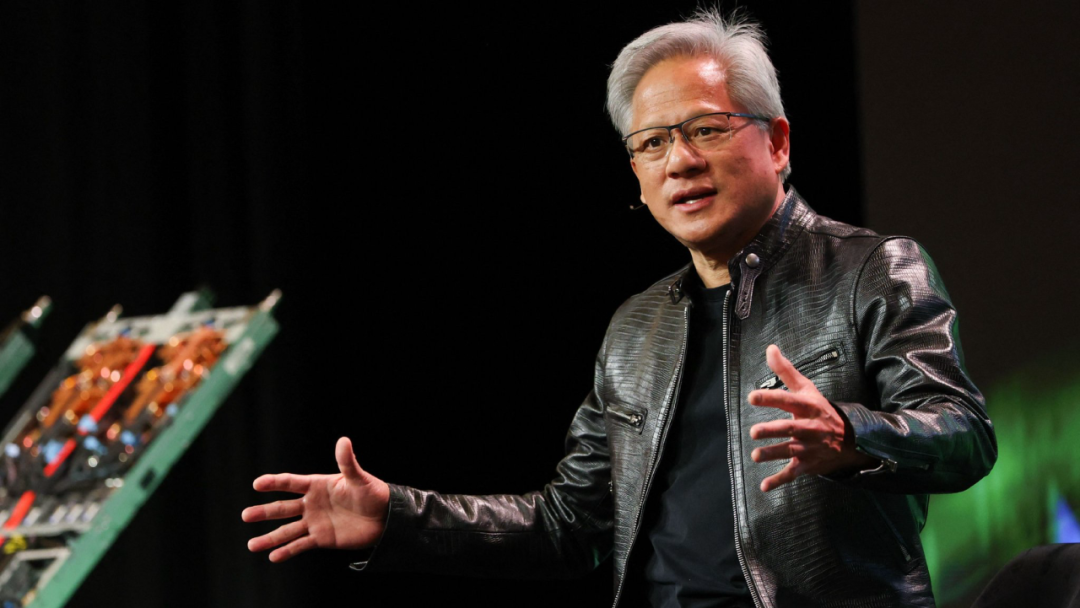
However, this did not dampen Huang's ambition for AI. At dawn on March 17th, at the GTC conference, Huang showcased NVIDIA's "unprecedented AI computing revenue super-ambition" in the AI computing infrastructure field.
"The era of physical AI has arrived," Huang declared at the GTC 2026 keynote speech, setting the tone for the entire conference. NVIDIA unveiled a series of new products at this year's GTC to meet inference demands and used the narrative of AI factories to reshape its competitive moat.
He also announced, "By 2027, market demand for Blackwell and Vera Rubin systems will generate at least $1 trillion in revenue." Unsurprisingly, the capital market reacted lukewarmly. NVIDIA's stock price initially jumped 4.3% before falling, ultimately closing up 1.2%. Wall Street believed, "The upside is limited."
Analyst Ruben Roy wrote in a research note, "We believe Huang touched on core issues being discussed in the investor community. The updated backlog data is more about validation than raising existing expectations." Roy maintained a "buy" rating on NVIDIA with a target price of $250.
The unprecedented revenue forecast did not catalyze market enthusiasm. NVIDIA faces multi-front attacks from rivals, with cloud vendors developing in-house chips, the rise of domestic computing power, and customized XPUs eroding market share. Market research firms believe that the AI server market will shift from NVIDIA's "dominance" to "diversified competition."
While Lei Jun and Jensen Huang were cold-shouldered by the capital market for their "AI plans," Elon Musk received a "warm reception."
In a report, analyst Dan Ives of Wedbush Securities raised Tesla's target stock price from $350 to $500, stating, "The golden age of autonomous driving has now arrived at Tesla's doorstep."
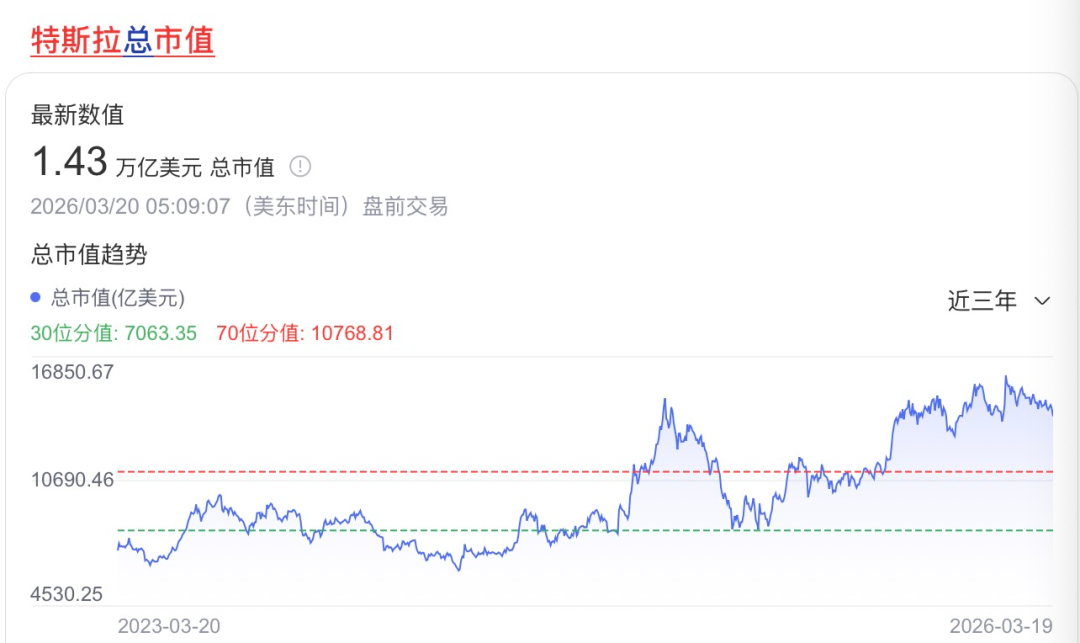
Ives believes that Tesla is a platform that can leverage the convergence of autonomous driving and AI—an "AI revolution" that could ultimately place Tesla alongside NVIDIA, Microsoft, Amazon, Meta, OpenAI, and Alphabet.
He expects Tesla's market value to reach $2 trillion by the end of 2026. Wedbush's target price hike reflects "a massive phase of future valuation creation." He also believes that "Tesla will become one of the best pure players in the AI field in the next decade..."
And gives Tesla a grace period. "Rome wasn't built in a day," he wrote. "Neither was Tesla's autonomous driving and robotics strategic vision."
While all are competing in the AI intelligence track (sector), the capital market's "differential treatment" is enough to make Jensen Huang ask, "Why?"
Note: Some images are sourced from the internet. If there is any infringement, please contact us for removal.
-END-
-
![]()
The Allure of 'Acquisition Spree': Li Shufu's Left Turn, Xu Jiayin's Right
-
![]()
Strategic Transformation Yields Results: Phoenix Optics Reports 10.9% YoY Rise in Core Net Profit for H1 2026
-
![]()
Three Key Growth Trajectories Synergize! Crystal-Optech Reports 3.478 Billion Yuan in Revenue for H1 2026
-
![]()
Semi-Annual Report Sparks XPENG Motors Buzz
-
![]()
1.6 Billion Big Order Secured! SeeYA Technology's Revenue Soars by 287.87% in the First Half of the Year
-
![]()
Baidu's Profits Plunge by 68%: Unraveling the Mystery Behind the Numbers
-
![]()
Baidu’s Profits Tumble by 68%! Where Has All the Money Gone?
-
![]()
Hynix’s Taobao Store Shuts Down Abruptly: What Should Customers Do About Warranty Services for Memory Modules?