Does It Become More User-Friendly Over Time? The Rising Product Prowess of Hunyuan Hy3 and Tencent Yuanbao's Quiet Resurgence
 06/11 2026
 561
561
Recently, upon launching Tencent Yuanbao and selecting the Hunyuan model, a notable improvement became evident: it has grown significantly easier to use. It's not that it has suddenly vaulted ahead to become the clear leader, but from the standpoint of everyday use, its stability in answering queries, the practicality of information searches, and its capability to dissect complex issues now more closely resemble those of a seasoned AI assistant than ever before.
For average users, this transformation may be even more striking. For instance, when tasked with looking up information, organizing data, or making a straightforward assessment, the experience used to feel somewhat "overly AI-ish," but now it leans more towards that of a polished AI tool.
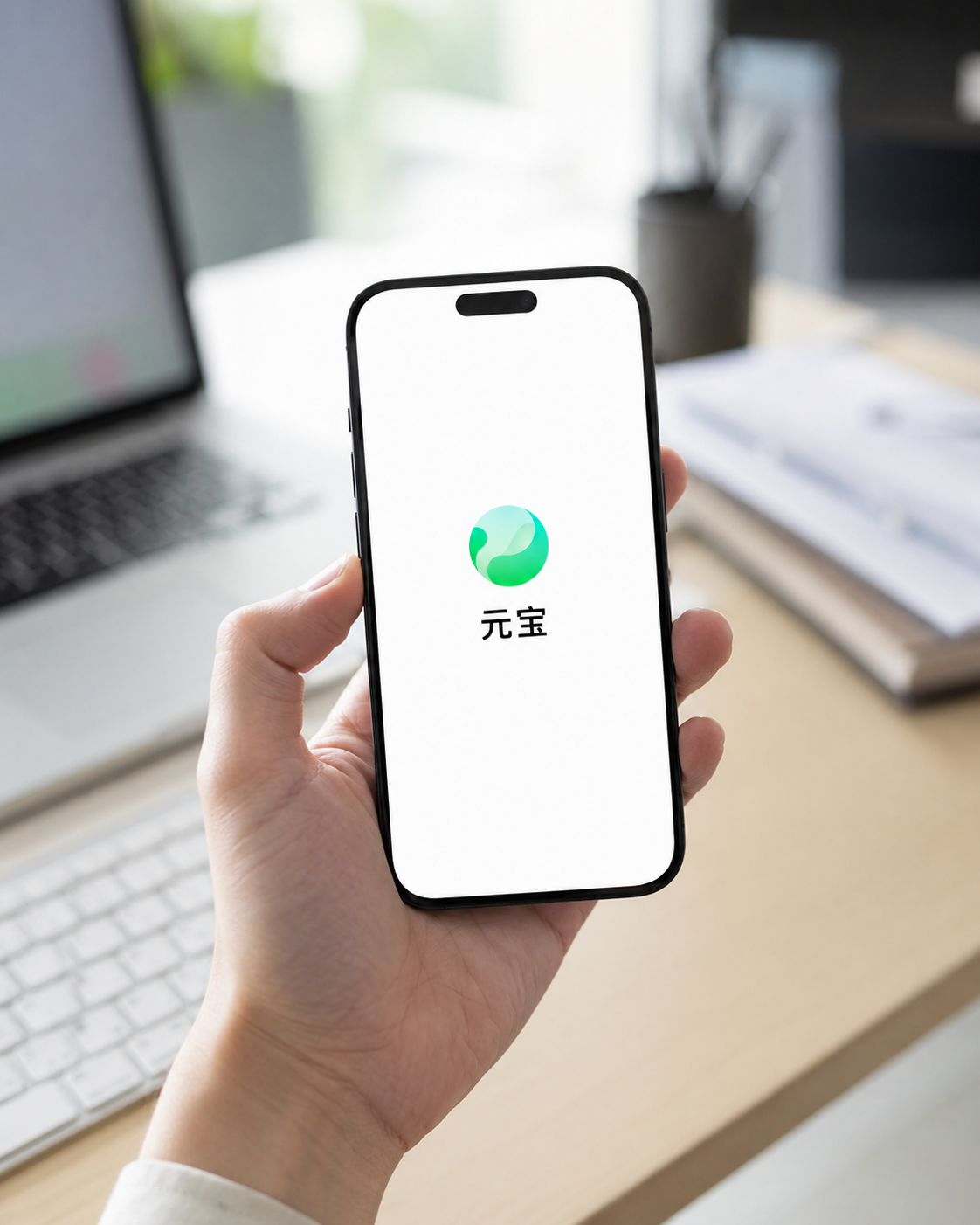
Image Source: Leikeji
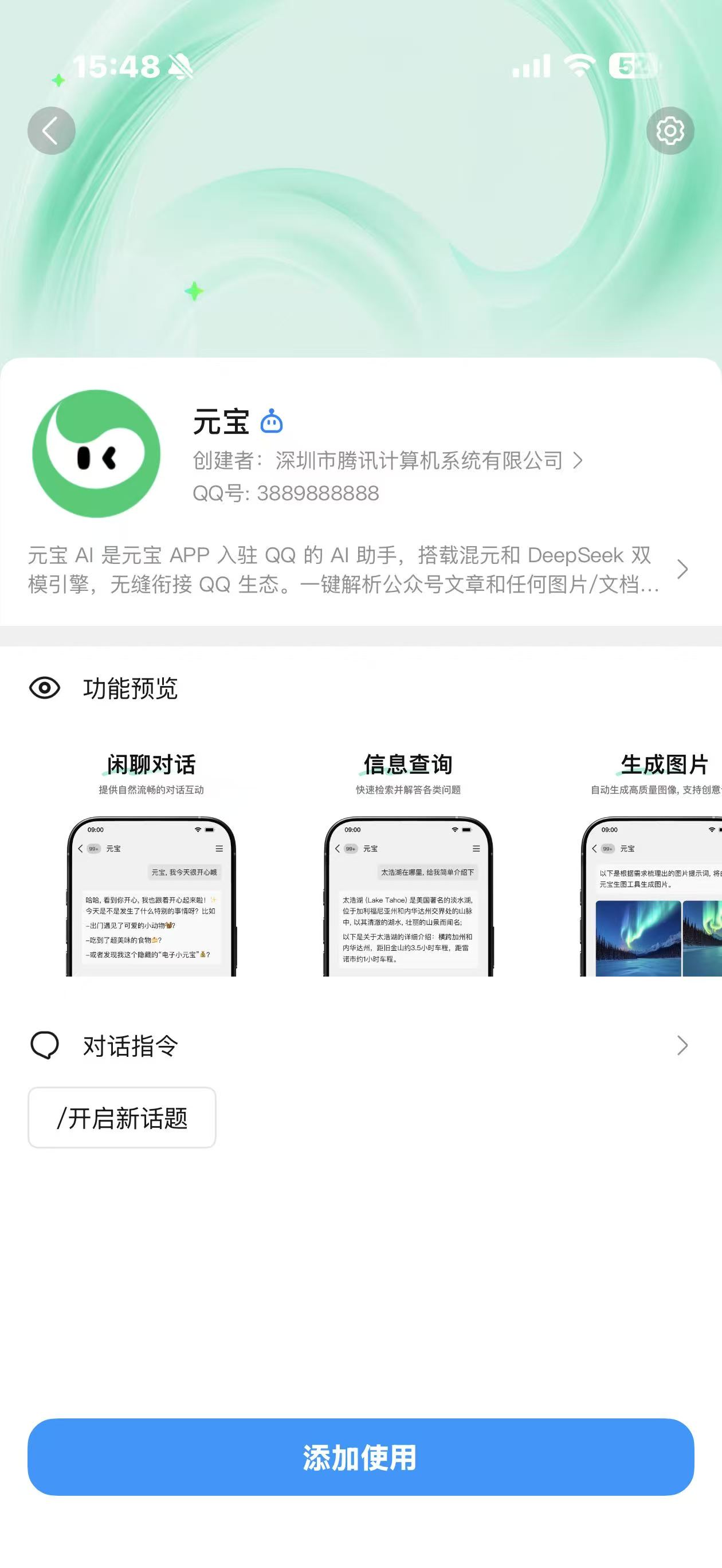
Tencent Yuanbao embraces an open model approach, empowering users to choose between different underlying models: DeepSeek or Hunyuan (with the latest iteration being Hy3 Preview). Some time ago, Dowson Tong, Senior Executive Vice President of Tencent Group, noted in a media interview that currently, 80% of Yuanbao's users opt for the Hunyuan Hy3 preview, and the product's retention rate has also seen a marked increase. Given that Yuanbao also incorporates DeepSeek, this implies that among the two models, 80% of users find the Hunyuan Hy3 preview to offer a superior experience.
Dowson Tong also shared his aspirations for the Yuanbao team: to attract more users, consistently enhance retention rates, bolster search services, introduce a wider array of data sources, and enable Yuanbao to more effectively address the diverse questions that arise in users' daily lives.
From Leikeji's perspective, this aspiration actually mirrors Tencent's strategy for AI products: while model capabilities are undeniably important, they must ultimately translate into a superior product experience, robust user retention, and practical real-world applications. As Luo Chao, Editor-in-Chief of Leikeji, has consistently emphasized, the competition in AI ultimately hinges on product experience and the ability to productize and commercialize AI, since technological disparities will gradually diminish over time, but the experience gap may widen.
However, AI products are not solely defined by their external interaction design; the product thinking embedded within the model itself is equally crucial.
In January of this year, Sam Altman, CEO of OpenAI, publicly acknowledged that OpenAI had strayed from its intended product development path, providing Anthropic with an opportunity to leapfrog ahead.
Specifically, the OpenAI team had concentrated most of its R&D efforts on bolstering the model's intelligence, reasoning, and programming capabilities, resulting in a noticeable "imbalance" in the GPT5 model, where its writing prowess even lagged behind that of ChatGPT-4.5. He explicitly stated that OpenAI would recalibrate its product development direction, returning to the pursuit of truly high-quality general-purpose models, aiming to excel in all dimensions—intelligence, reasoning, programming, and writing—while swiftly addressing deficiencies in other capabilities and continuing to advance programming intelligence R&D.
This aligns precisely with what the Hunyuan team has consistently emphasized. After all, Tencent is a company with a strong product-centric mindset. The reason WeChat AI has not yet been launched is not due to technical limitations, but rather because the experience is still being refined. Tencent will not release a product until it is sufficiently polished.
Thanks to its robust product strength, Hunyuan Hy3 has recently gained traction among developers. According to OpenRouter data, from the end of April 2026 up until the time of writing, the Tencent Hunyuan Hy3 model has consistently ranked in the top two for six consecutive weeks in OpenRouter's second-quarter closed-source model consumption rankings.
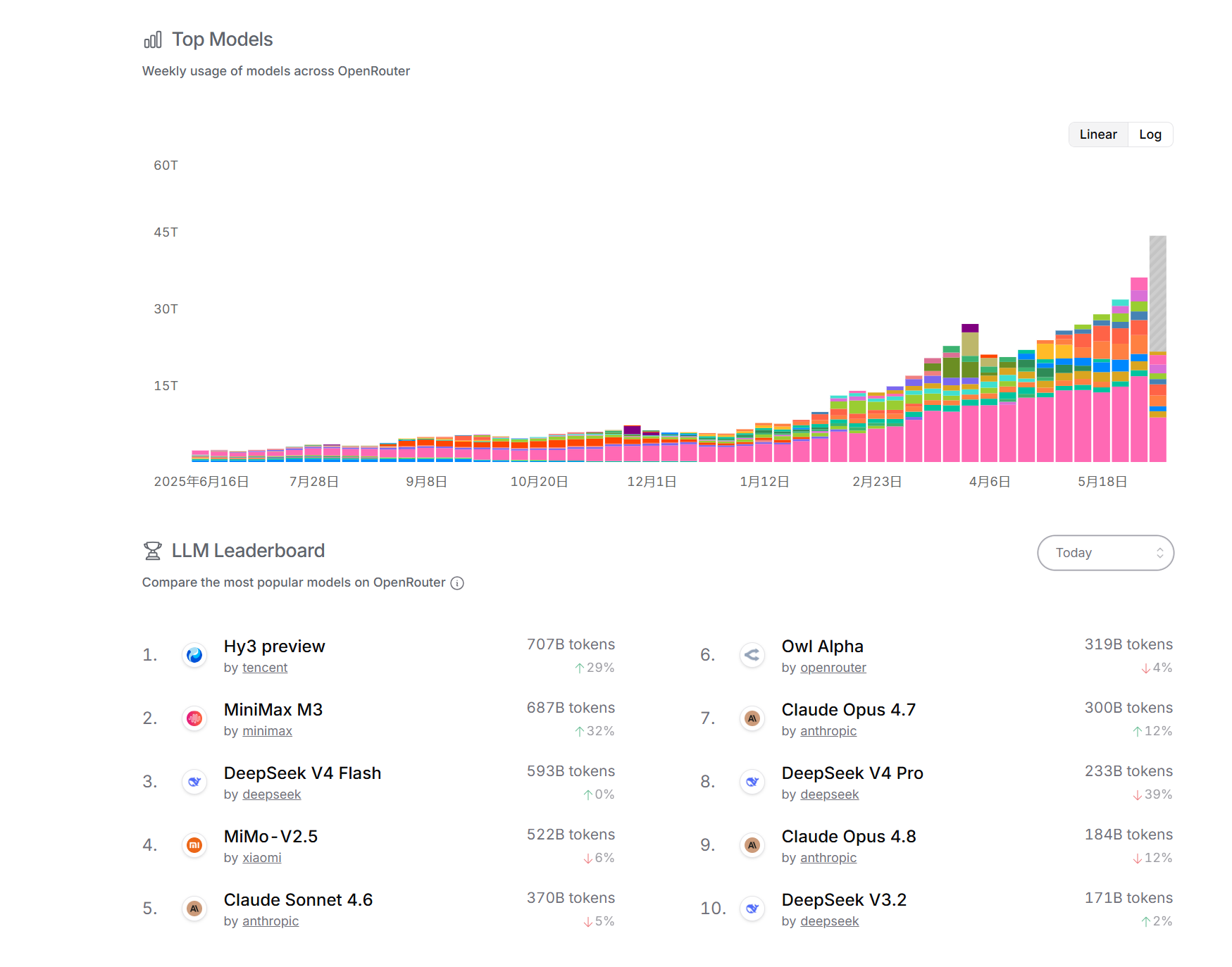
Image Source: openrouter
It's crucial to note that while OpenRouter cannot be equated with the entire AI market, it does reflect the genuine model invocation preferences of overseas developers and API users. In the past, models like Claude, OpenAI, and Gemini have often dominated such rankings for extended periods.
Now, with Hunyuan Hy3 consistently ranking at the forefront for six weeks, it at least indicates one thing: in the rapidly evolving large model landscape (which can be translated as 'arena' or 'field'), Tencent has indeed caught up with the leading pack, and not just marginally, but has already achieved significant scale in some real-world usage scenarios. Developers have expressed their approval of Hunyuan Hy3's product strength through actual usage.
Of course, we shouldn't solely focus on the model itself. Tencent's strength has always lied in its ecosystem rather than a single feature (such as chat, drawing, or video). Yuanbao is supported by a suite of scenarios including WeChat, QQ, and Tencent Docs, naturally possessing traffic entry points and usage scenarios. For an AI assistant, these resources are invaluable because users don't open AI products just to "experience the model," but to solve problems encountered in their daily lives and work.
Of course, there's no need to overstate the matter, as the competition in AI is far from over. For the foreseeable future, this dynamic of "one taking the stage after another" will persist.
However, for Tencent, the performance of Hunyuan Hy3 on OpenRouter and Yuanbao is at least a very positive signal. Yet, they still face more daunting tasks ahead, such as how to continuously refine the experience, address minor issues like hallucinations and search quality, and how to handle context understanding and multi-device collaboration after the launch of WeChat AI.
In essence, users won't remain loyal just because a model ranks high; they will only continue to use it if it is genuinely useful, saves time, and can effectively solve problems.
So, returning to that initial impression: Yuanbao has indeed seen notable improvements recently because Tencent is integrating AI more deeply into daily experiences rather than being preoccupied with rankings and benchmark scores. Although it's not yet a flawless AI assistant, compared to the past, it is increasingly resembling a tool that can be genuinely useful in daily life and work.
Now, the question remains: can Tencent sustain this progress?
Finally, Xiaolei wants to ask: Have you noticed Yuanbao becoming easier to use recently?
-
![]()
Honda CEO Faces Vote of No Confidence Due to Alleged Neglect of China Market
-
![]()
The Flip Side of 618: New Arrivals Steal the Spotlight as Major Sales Event Hits Midpoint
-
![]()
Wang Chuanfu's Goal of Becoming the World's No.1 Relies on a 'Production Schedule'
-
![]()
Jensen Huang: The Embodiment of a Bull Market
-
![]()
Joint Interview with Five Major E-commerce Platforms: Ending Involution for a Healthier 618 Shopping Environment
-
![]()
Does It Become More User-Friendly Over Time? The Rising Product Prowess of Hunyuan Hy3 and Tencent Yuanbao's Quiet Resurgence
-
![]()
Gross Profit Margin, Supplier Payments, and Dividends Undergo 'Abrupt Shifts': Indicators of Tianbo Intelligence's IPO Performance Manipulation", "Tianbo Intelligence, gross profit margin, financial i
-
Top Ten in May Sales Rankings Feature No Fuel Vehicles: Has China’s Auto Market Undergone a Complete Transformation?