AI + Going Global in the Second Half: No Intermission for Robot Vacuum Cleaners
 06/29 2026
 343
343
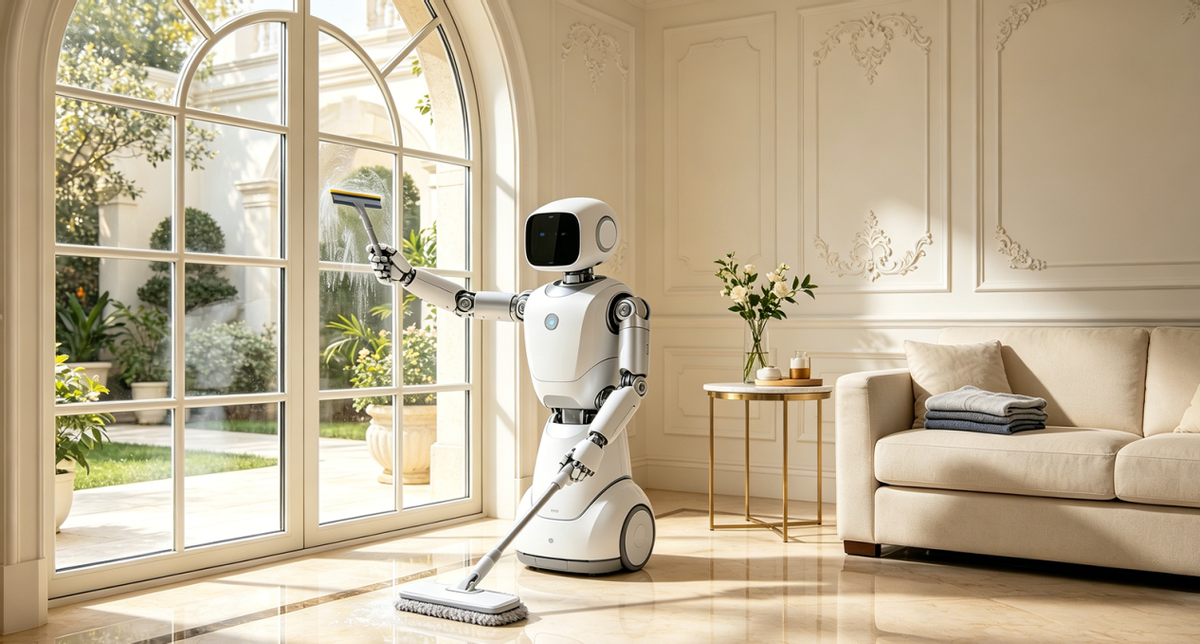
Abstract: Chinese Smart Cleaning Brands Rewrite the Global Playbook After Dominating Top Five
Source: Chaoyang Capital Theory
"Can your robot vacuum climb stairs yet?"
Five years ago, this question would have been pure science fiction. But in 2026, after robots have broken into the mainstream, it's become a tech trend in home appliance consumption.
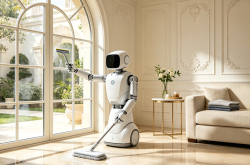
Roborock's wheel-legged robot vacuum G-Rover, unveiled at this year's CES, introduced the industry to a new form factor—a vacuum cleaner with legs.
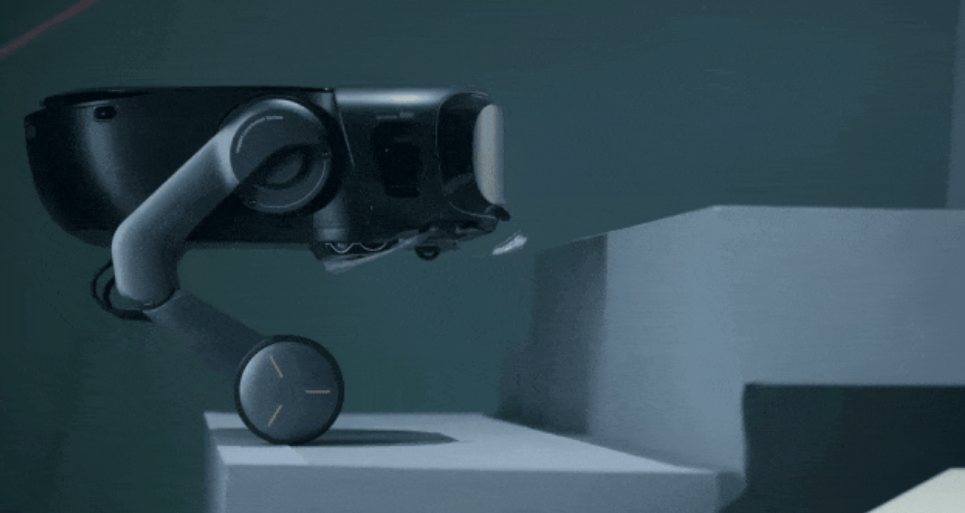
Figure: G-Rover
Recently, Roborock released its full-cycle sales report for the 2026 618 shopping festival, showing a 23% year-on-year increase in sales, with market share ranking first among cleaning appliance brands.
Another notable change is in product category structure: while robot vacuums hold 35.73% market share, floor-washing machines have surged to second place with 27.22%.
From its founding in 2014 to topping the 618 charts in 2026, Roborock has completed the full cycle of China's robot vacuum industry—from OEM follower to global leader.
According to IDC data, global shipments of home cleaning robots reached 32.72 million units in 2025, with the top five global manufacturers (Roborock, Ecovacs, Dreame, Xiaomi, Narwal) all Chinese, collectively holding about 54.6% market share.
Moreover, U.S. brand iRobot—the industry pioneer that launched the world's first mass-produced robot vacuum in 2002—was acquired by Chinese OEM Shenzhen Sinex Group.
It's fair to say China's smart hardware army has achieved a decade of accumulated strength, winning an entire industry.
So, after dominating globally, where will these companies go in the next decade?
A Decade of Robot Vacuums: Three Rounds of China's Market Reshuffling
Over the past decade, China's robot vacuum industry has evolved through three stages, each involving a major reshuffling.
The first stage (2014-2018) was about creation from nothing.
Ecovacs was the protagonist of this era.
Products back then were far from smart—random collision cleaning was standard—but Ecovacs accomplished the crucial task of market education.
Another key player was Roborock.
In 2016, Xiaomi launched its first Mi Robot Vacuum, developed by the two-year-old Roborock.
Leveraging its self-developed LiDAR navigation technology, Roborock achieved the first large-scale commercialization of LDS technology in this product, which became an instant hit through Xiaomi's brand and distribution channels.
However, Roborock's partnership with Xiaomi lasted only a few years. In 2017, Roborock launched its own brand and went public on the STAR Market in 2020.
From technical foundation to brand independence, this became the most robust template among Xiaomi-ecosystem smart hardware companies.
The second stage (2018-2022) was a technological arms race.
Roborock entered with LiDAR navigation and SLAM algorithms, while Dreame carved out a path with high-speed digital motors.
This phase weeded out brands lacking core technologies that relied solely on assembly and OEM work.
According to Qichacha, over 300 robot vacuum companies registered in China in 2016, but by 2022, only dozens remained in the mainstream vision (view).
The third stage is now—ecological expansion and differentiated competition.
Hardware capabilities of robot vacuums are now generally surplus (excessive). Products in the 2,000 RMB and 5,000 RMB price ranges show little difference in basic cleaning performance.
As category awareness matures, industry sales growth is slowing. According to LoTus Technology, online sales of robot vacuums in China reached 940,000 units in Q1 2026, down 19.9% year-on-year.
All leading companies face the same challenge: with the market cake no longer growing rapidly, how to survive?
Currently, top brands are leveraging their brand recognition to expand from single products to ecosystems.
Roborock operates in dual tracks, ranking top two in both robot vacuums and floor washers during 618.
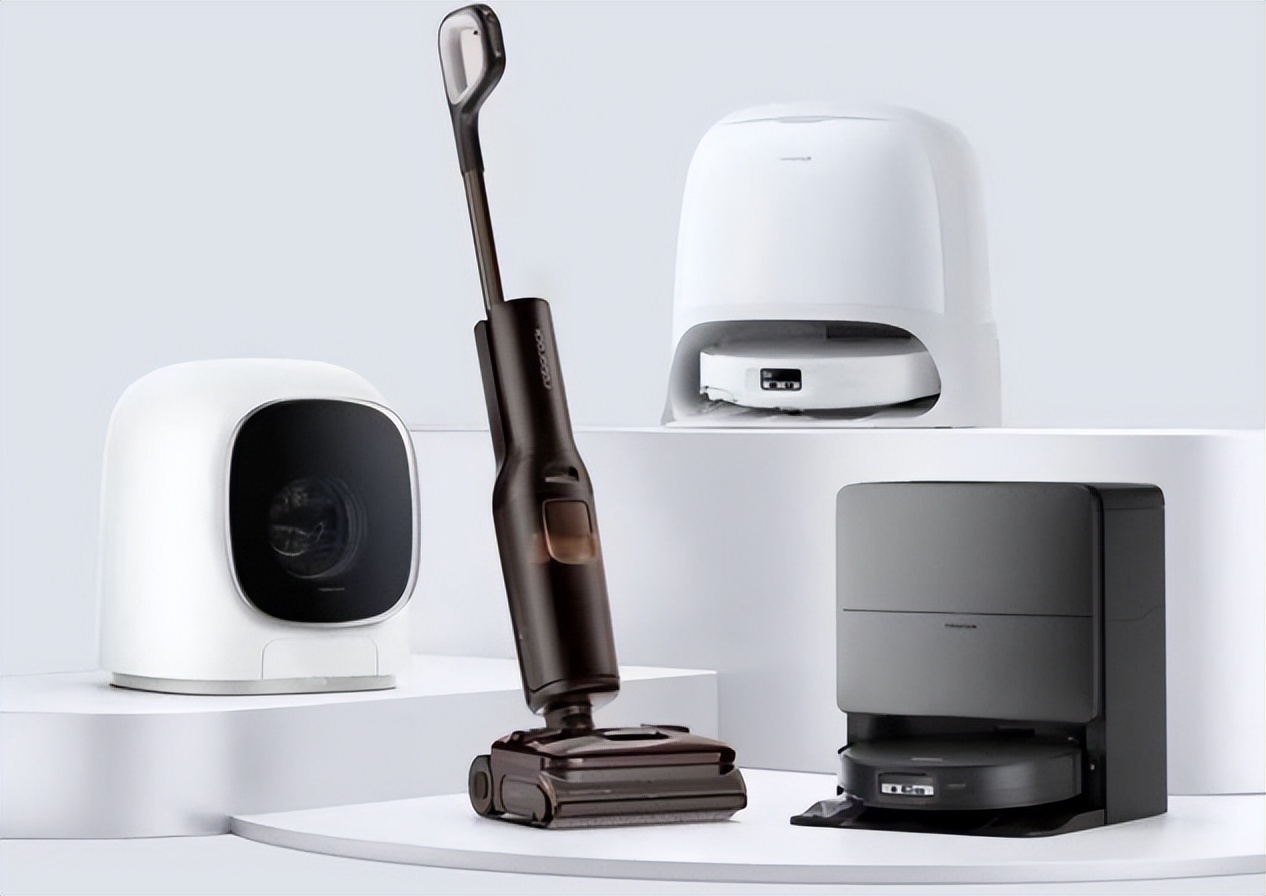
Source: Roborock
Ecovacs incubated Tineco, which generated 8.117 billion RMB in revenue in 2025, nearly matching the main brand's scale.
Narwal expanded from robot vacuums to air purifiers, lawn mowers, and other categories. Dreame went even further, branching into major appliances, smartphones, and humanoid robots.
The industry landscape is clear, with other mid-tier and smaller brands gradually finding new survival spaces through differentiated competition.
According to LoTus Technology, the top five brands held 86.1% combined market share in Q1 2026, leaving less than 14% for smaller brands.
For example, UWANT entered through the specialized niche of mite removers, avoiding direct competition with robot vacuums and floor washers, achieving over 100% year-on-year growth amid giant competition.
To avoid internal friction, all players must consider: what will next-generation home cleaning products look like?
This marks a fundamental difference from the past decade—Chinese brands have evolved from followers innovating behind iRobot and other overseas players to defining new categories and tracks.
Abandoning Price Wars: Three Growth Trends in Smart Cleaning
The mainstream perception is of "intense competition" in robot vacuums, but since this year, a contrary phenomenon has emerged.
According to Aowei Cloud data, the average online price of robot vacuums reached 3,328 RMB in Q1 this year, up 368 RMB (12.4%) year-on-year.
Leading brands aren't engaging in bottomless price cuts but upgrading their product mix.
Roborock leads the premium market with an average price of 4,298 RMB, while Ecovacs secures its position above 4,000 RMB with roller live-water technology.
Chinese brands can hold their ground in the premium market because they've achieved leapfrogging capabilities in product definition.
From wireless operation to AI navigation, from all-in-one bases to multi-device collaboration, global consumers' perceptions of "what features a good robot vacuum should have" are largely shaped by Chinese brands.
Examining the logic behind improved product and brand strength, the smart cleaning appliance industry shows three new trends.
The first trend is from single hit products to scenario-based ecosystems.
Consumers' decision-making logic is shifting from "buying a robot vacuum" to "building a home cleaning solution."
For example, Roborock's robot vacuum + floor washer covers major daily cleaning scenarios; Narwal expanded from vacuums to air purifiers, lawn mowers, and other categories.
More noteworthy is Dreame—despite ongoing controversies around its founder, it has capitalized on traffic dividends.
After establishing brand recognition, it gradually expanded into whole-home smart appliances, subtly driving market education from "single products" to "solutions."
Following Xiaomi's "human-vehicle-home" ecosystem, Dreame may become the second tech brand with full-scenario recognition.
The second trend is from function-oriented to experience-oriented.
Previously, competition focused on quantifiable parameters like suction power, battery life, and water tank capacity.
But by 2026, brand marketing narratives emphasize user-perceived pain points and experience details.
For example, Ecovacs' X9 series floor washer highlights the strong user perception of "mops getting dirtier while cleaning."
Roborock's floor washer quickly rose to industry second place using similar logic—rapidly adapting core technologies from robot vacuums (self-developed high-speed brushless motors, fluid mechanics cleaning systems) to floor washers for user-friendly performance.
Additionally, Roborock applied algorithm capabilities and obstacle avoidance experience from robot vacuums to lawn mower scenarios, opening new category growth curves.
The third trend is from Made in China to Defined by China.
Growing evidence shows continuously improve (continuously improving) global recognition of Chinese brands, which no longer rely solely on cost-effectiveness to win overseas consumers.
2026 Amazon Prime Day results showed Roborock leading Europe's Amazon robot vacuum category with 45% market share and ranking first in both the U.S. and Canadian markets.
Meanwhile, Dreame secured first place in both global sales volume and value in Q1 2026; Anker's eufy sold products in North America's premium 1,600 USD market.
Beyond cleaning appliances, TCL Smart Home's proprietary brand overseas business doubled last year, while Haier Smart Home ranks among the top in multiple European and American markets.
Chinese brands are gradually completing their "brand power" transformation through innovative definitions of smart home products.
Globally, emerging home appliance categories remain incremental markets. But after dominating the global top five, how can Chinese brands continue ascending?
Where Will the Smart Cleaning Industry Go in the Next Decade?
Advancing beyond the global top five is harder to answer than "how to win overseas market share."
Because the potential market size for floor cleaning scenarios is limited—further growth requires creating new consumption drivers.
According to CIC predictions, the global market for home cleaning products (including robot vacuums) will grow from 122.1 billion USD in 2024 to 162 billion USD in 2029, with a modest 5.8% CAGR from 2024-2029.
Thus, the mainstream idea is to move from single categories to simultaneous breakthroughs across multiple categories.
Chinese companies are present in all scenarios requiring "automated cleaning"—floor sweeping, window cleaning, lawn mowing, pool cleaning.
According to IDC data, lawn mower robots grew 63.8% year-on-year in 2025, while window cleaning robots surged 70.4%—far outpacing the 17.1% growth of robot vacuums.
But this is just natural scenario expansion on the surface. The truly imaginative aspect is the reusability of technology platforms.
LiDAR navigation, AI visual obstacle avoidance, and SLAM algorithms—capabilities validated in robot vacuums—can be "transferred" to nearly any autonomous mobile device.
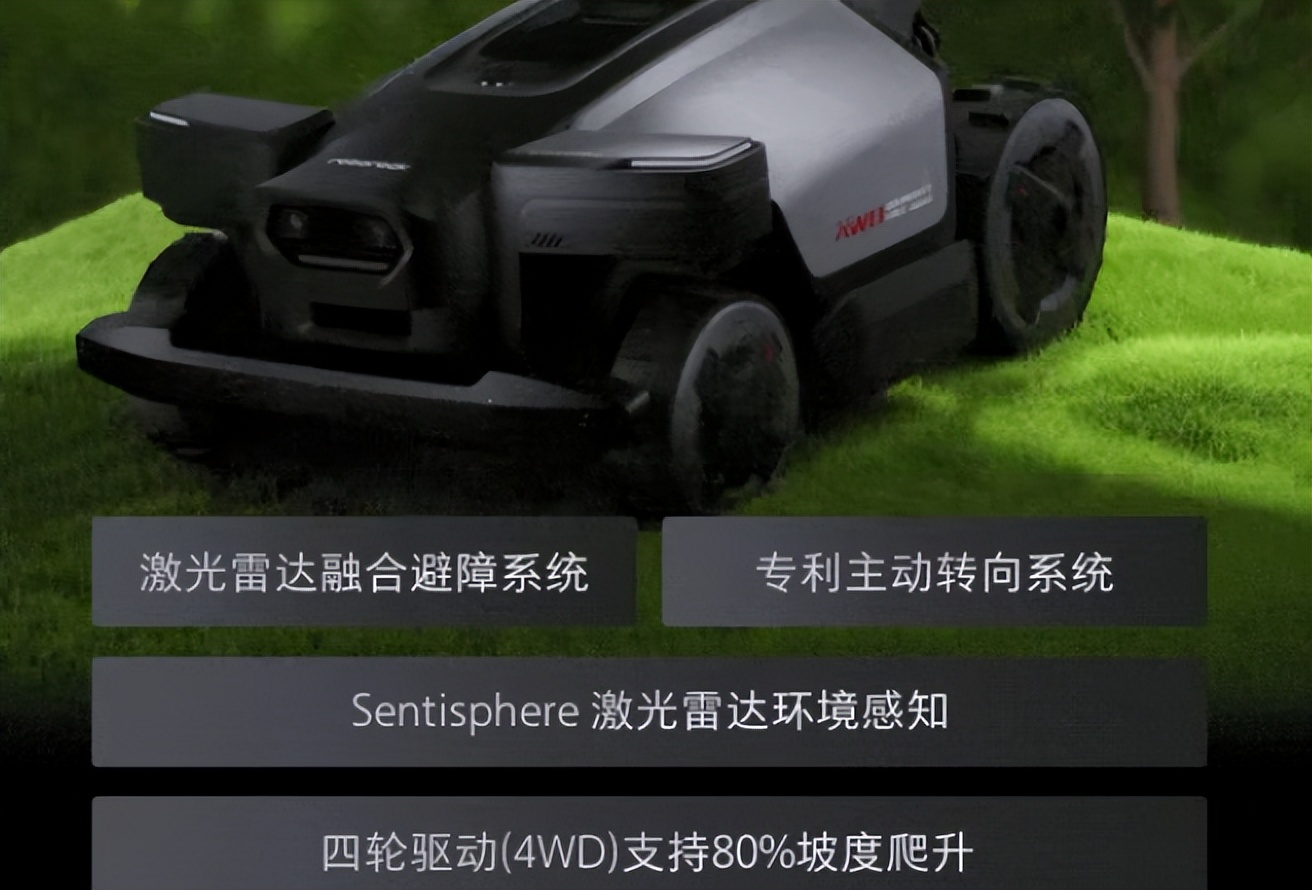
Source: Roborock
Think G-Rover is just for sweeping floors? It's Roborock's "show of strength" after years of exploring robot forms. The brand explicitly states it "opens a new chapter in home embodied AI."
Domestic LiDAR costs have dropped significantly, with leading companies like Hesai Technology planning to double production capacity to 4 million units in 2026.
Supply chain spillover effects are turning niche categories into Chinese brands' home turf.
Consequently, more smart new products are emerging, presenting a "born global" trend as Chinese brands gain overseas recognition.
According to General Administration of Customs data, China's cumulative export value of various separately listed robots reached 15.79 billion RMB in the first four months of 2026.
An emerging industry already generating 10+ billion RMB in exports is itself a signal.
The robot opportunity is arriving, with Roborock, Dreame, and others as first movers in this track (track).
After a decade and three elimination rounds, surviving brands generally have their own technical and data accumulations.
The next decade will be defined by which brand first achieves cognitive upgrades from cleaning tools to home intelligent entities.
Yang Dongwen, Chairman of Aowei Cloud, mentioned at the 2026 China AI Robot Industry Leadership Summit that the cleaning appliance industry stands at a critical juncture of transitioning from "functional replacement" to "intelligent evolution."
When robot vacuums grow "legs," understand "where cleaning is needed most," and collaborate with other smart home devices, they transcend "home appliances" and enter the "robotics" realm.
In this realm, Chinese brands hold a natural advantage: no other country's industrial chain can simultaneously support full-stack R&D and manufacturing of LiDAR, AI chips, motors, and complete devices.
This represents supply chain capabilities at the "industrial Cthulhu" level.
So where do China's smart cleaning brands go after leading globally?
One judgment is that the next competition phase will be the prologue to China defining the world of robotics.
-
![]()
The Unstoppable Rise of 'Optical Progress and Copper Decline': Sunny Optical’s Strategic Vision for the Next Decade
-
![]()
AI + Going Global in the Second Half: No Intermission for Robot Vacuum Cleaners
-
![]()
The Suffering Endured in E-commerce, Walmart Doesn't Want to Repeat in AI
-
![]()
What Does the Doubling of New Energy Vehicle Exports Mean?
-
![]()
Ghosn: 'Only I Can Save Nissan'
-
![]()
Volkswagen Lays Off 100,000 Employees, The Elephant Sits Down
-
![]()
Expanding Production Capacity! Yutong Optics Acquires Approximately 1.5 Hectares of Industrial Land in Chang'an, Dongguan
-
![]()
Why Is Nokia Making a Comeback in the AI Era?