Who is quietly making a fortune in the smart glasses supply chain? The answer is not chips
 03/16 2026
 692
692
01
Introduction
We've disassembled dozens of pairs of AR/VR/smart glasses.
Every time we finish disassembling, everyone focuses on the chips—what process node Qualcomm uses, how big Sony's sensors are, the field of view of the waveguide. These are certainly important. But after doing this many times, I've become increasingly interested in a component that no one pays attention to.
It's called a hinge.
It has no brand, no product launch, and doesn't appear on any product specification page. But as long as the glasses have temples, they must have it.
It doesn't make a fuss, but it's quietly making a fortune.
02
How difficult is it to make a hinge for a pair of glasses?
Let's start with Xiaomi AI glasses.
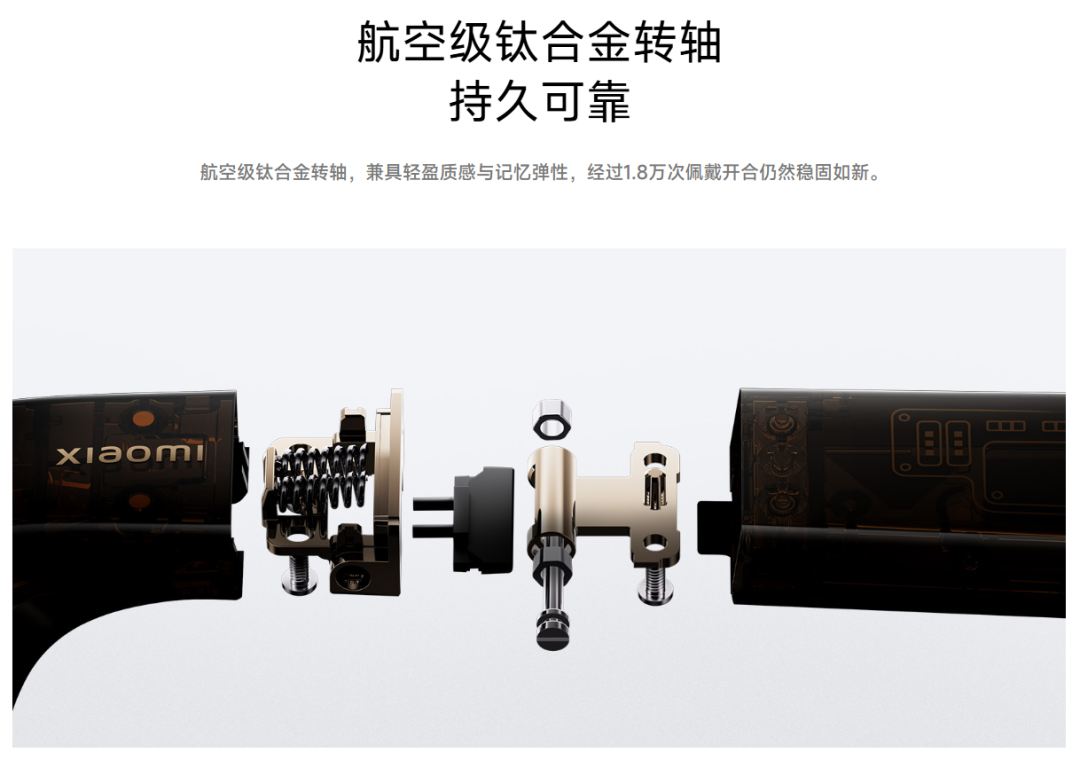
Image source: Xiaomi
Before disassembly, the official renderings already showed the complete exploded structure of the hinge: on the left is the spring assembly (two coil springs plus a limit mechanism), in the middle is the titanium alloy hinge body, and on the right is the connecting base fixed to the temple end, a three-piece structure. After physical disassembly, the golden frame, black double-coil springs, and bottom slide-rail limit structure are highly consistent with the renderings. The hinge is marked with the letter "B" and a QR code traceability code.
The requirements for this hinge are listed as a long list: titanium alloy material ensures strength and lightweight; PVD coating process for a golden finish, with both color saturation and wear resistance essential; built-in limit spring to control the temple opening angle to no more than 180 degrees; force-bearing spring supporting 12-degree outward rotation to fit different head shapes; tightness adjustment screw allowing users to adjust the opening and closing damping themselves; the hinge interior must also leave space for the routing of the FPC flexible circuit board without interfering with electrical connections. Each requirement alone is not particularly difficult, but combined, they form a significant barrier.
Xiaomi officially provided a specific figure: 18,000 opening and closing cycles. Wearing and removing the glasses three times a day, 18,000 cycles means a usage period of over 16 years. This is a very high requirement for a structural component and is the design goal of the titanium alloy + spring hinge solution.
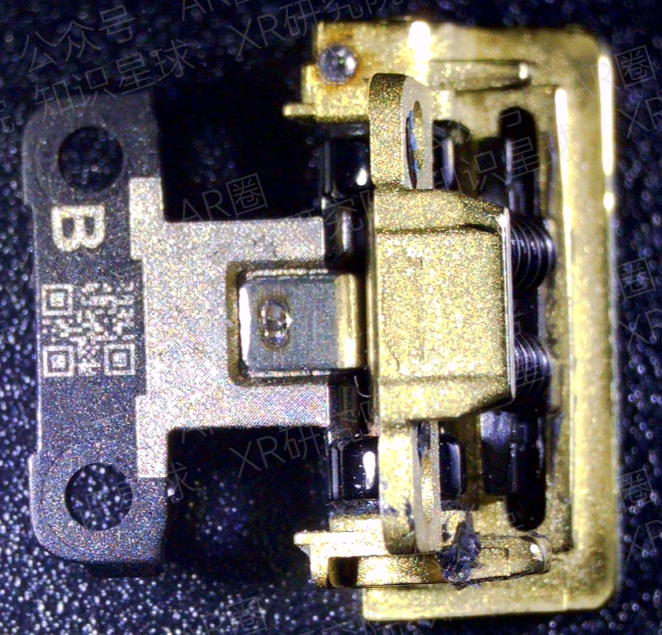
Actual photo of the titanium alloy hinge of Xiaomi AI glasses, image source: AR Circle
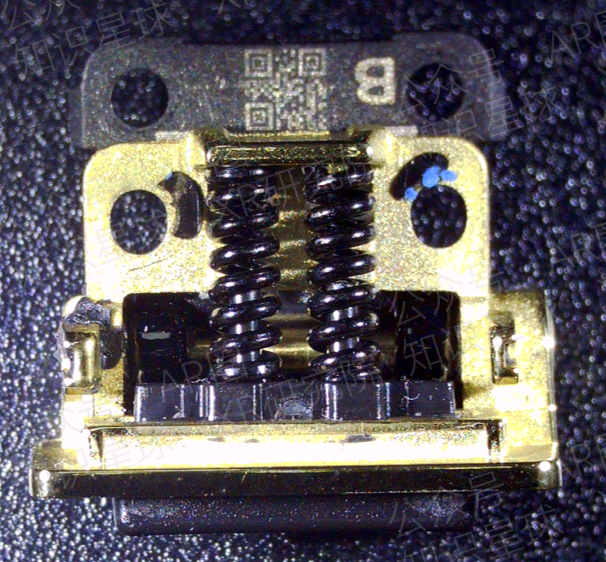
Actual photo of the titanium alloy hinge of Xiaomi AI glasses, image source: AR Circle
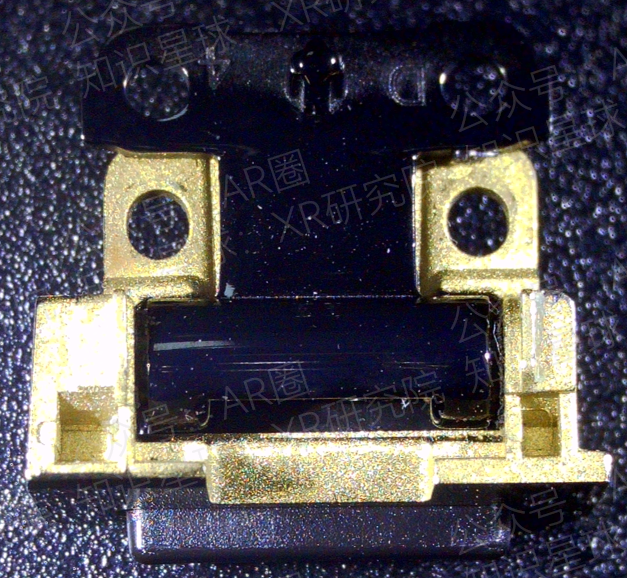
Actual photo of the titanium alloy hinge of Xiaomi AI glasses, image source: AR Circle
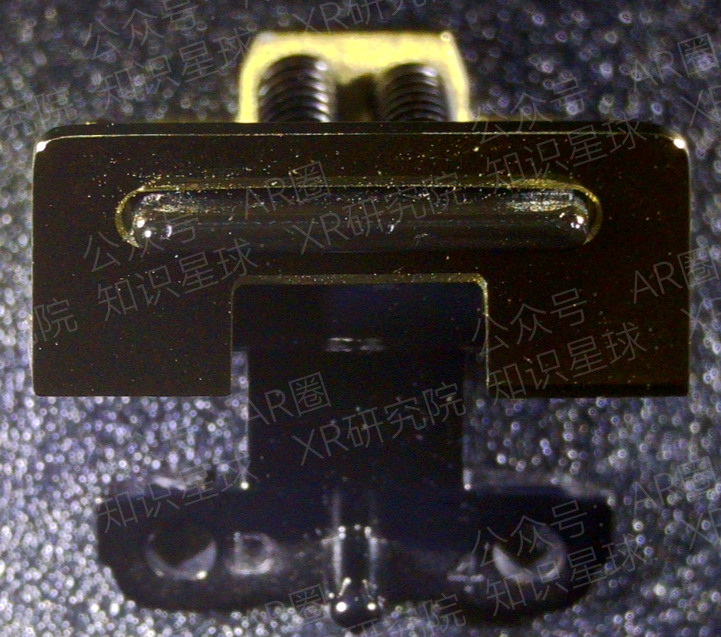
Actual photo of the titanium alloy hinge of Xiaomi AI glasses, image source: AR Circle
Now, let's look at Ray-Ban Meta, which is even more complex.
From the physical image, it's clear: the hinge body is an exposed multi-blade metal structure, silver, with the Meta infinity symbol logo stamped on the hinge blades. Just this logo stamping requires extremely precise surface treatment—too shallow and it's unclear, too deep and it affects structural strength. The hinges on the left and right sides are not symmetrical—the left hinge integrates a toggle switch that controls the device's on/off state by sliding left and right; next to the switch is a red indicator dot, visible when toggled to the on position and hidden when toggled to the off position, indicating state purely mechanically without power consumption. The hinge axis, toggle switch, and status indicator are all integrated into one. The FPC flexible cable runs through the interior of the hinge, highly integrated with the hinge's mechanical structure—it's precisely because of this integration that the cable in the hinge area is extremely easy damaged during disassembly, indicating how deeply coupled the electrical and mechanical systems are in this area.
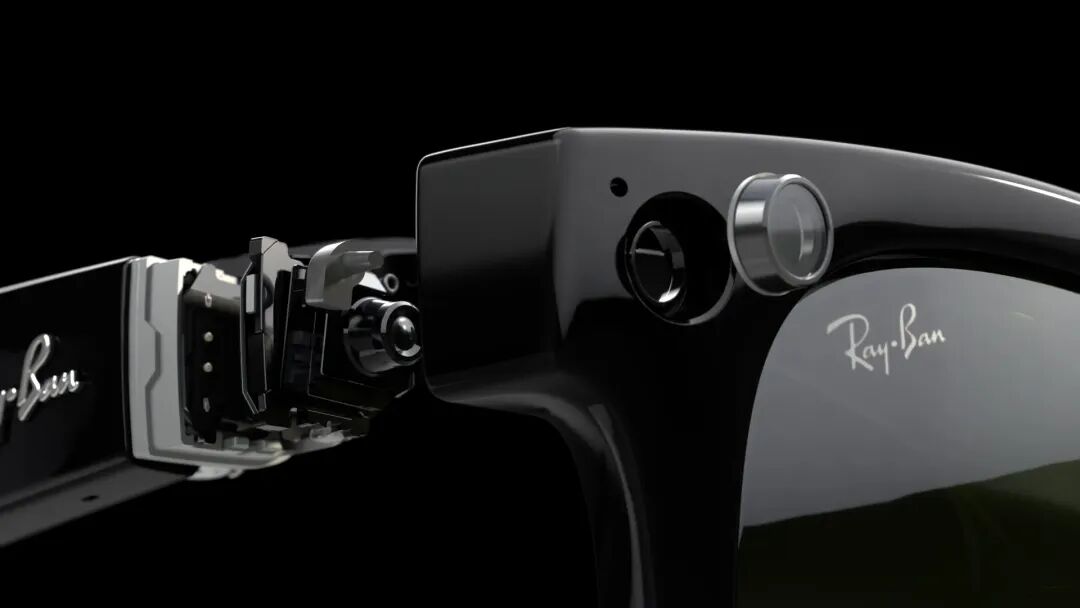
Image source: Meta
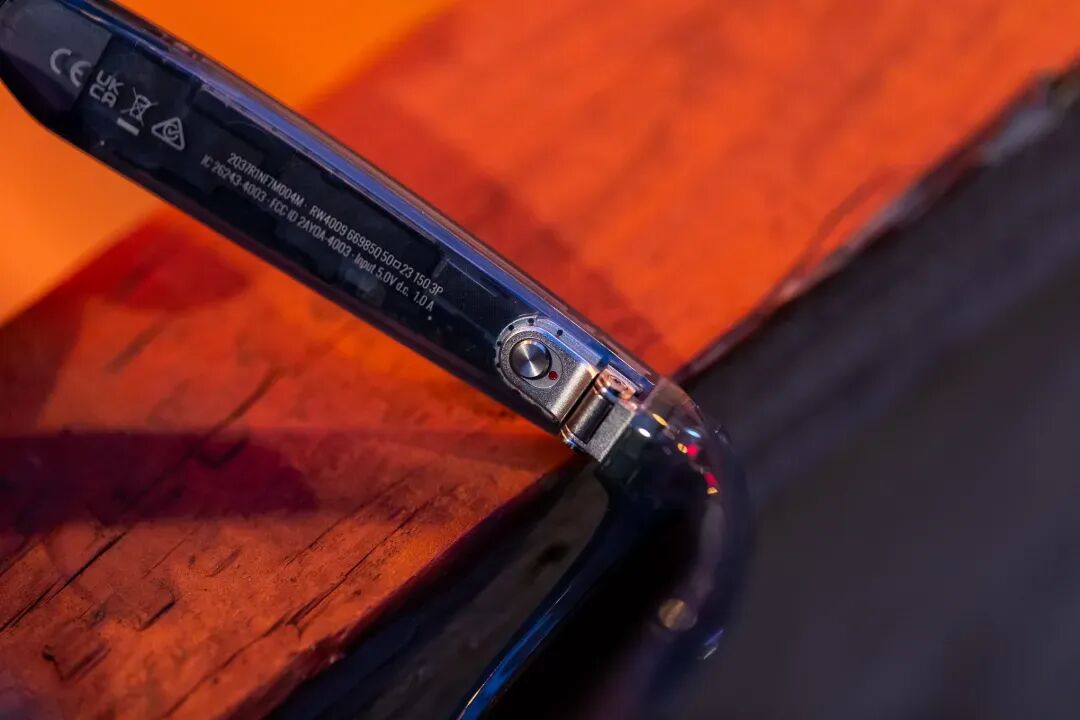
Image source: theverge
According to industry chain experts, the hinge design of Ray-Ban Meta has a service life of over 25,000 opening and closing cycles. Wearing and removing the glasses three times a day, 25,000 cycles correspond to a usage period of over 22 years. On a pair of smart glasses integrated with a large number of electronic components, achieving this level of hinge lifespan requires not just materials but the capabilities of the entire design and manufacturing system.
The result is: a set of Ray-Ban Meta hinges costs about $20. A set of hinges for domestic smart glasses also costs several dozen or even over a hundred RMB.
Expensive, but for good reason.
03
Who is doing this business?
The supply chain for precision hinges is not transparent, but several players are worth noting.
Dongmu Co., Ltd. has been deeply involved in powder metallurgy for many years, with precision structural components as its core capability, covering both automotive and consumer electronics, and smart glasses hinges are a new direction for expansion.
Jingyan Technology's core process is MIM (Metal Injection Molding), which is naturally suited for small, complex-shaped metal parts. Smart glasses hinges, which are "small, precise, and irregularly shaped," are right in MIM's wheelhouse.
But in the niche field of smart glasses hinges, there is currently a company that is little known to the outside world—Huayan Technology, full name Dongguan Huayan New Material Technology Co., Ltd.
Huayan is a national-level specialized, refined, and new "Little Giant" enterprise, with core capabilities covering the entire chain of processes including MIM, CNC, PVD, stamping, and precision injection molding, offering one-stop delivery from design and R&D to manufacturing and assembly. This capability combination allows it to simultaneously undertake hinge projects for different brands and design directions, rather than being limited to just one.
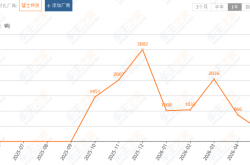
This year, packaging giant Yuto Technology announced the acquisition of a 51% stake in Huayan Technology for 449 million RMB, achieving controlling interest. Yuto's main business is packaging, which has nothing to do with precision structural components, yet it was willing to pay this price for one reason: Huayan's customer list is too valuable.
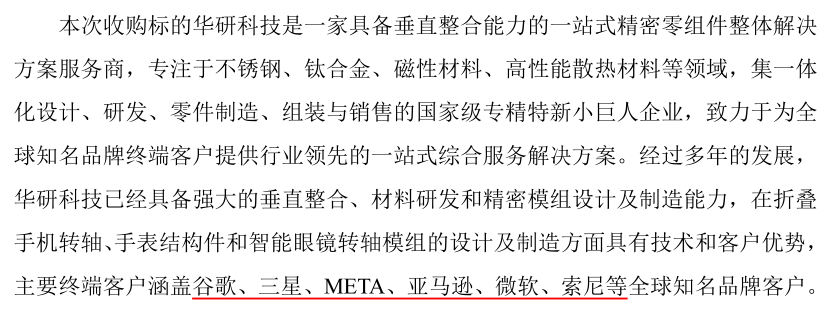
Image source:
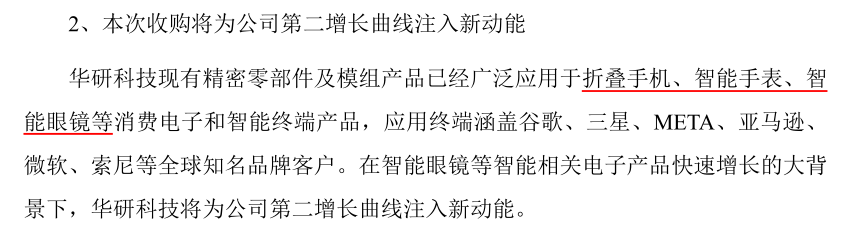
Image source:
According to Yuto's official announcement, Huayan's main end customers include global well-known brands such as Google, Samsung, META, Amazon, Microsoft, and Sony. According to supply chain sources, the hinge for M, the global leader in smart glasses shipments, is suspected to be supplied by Huayan.
In addition, Huayan is also a hinge supplier for a leading domestic AR+AI fusion glasses brand. But more notably, it is rumored that Huayan has secured an order for smart glasses hinges from a top domestic company and has already entered mass production, with the corresponding product expected to be officially released soon. Huayan has secured both the global largest and domestic strongest players.
Yuto's 449 million RMB controlling stake now seems like it could be a huge bargain.
04
The 100 Billion RMB Ceiling
Traditional glasses ship about 1.4 billion pairs globally each year, more than the 1.2 billion smartphones. This is a number that many people overlook.
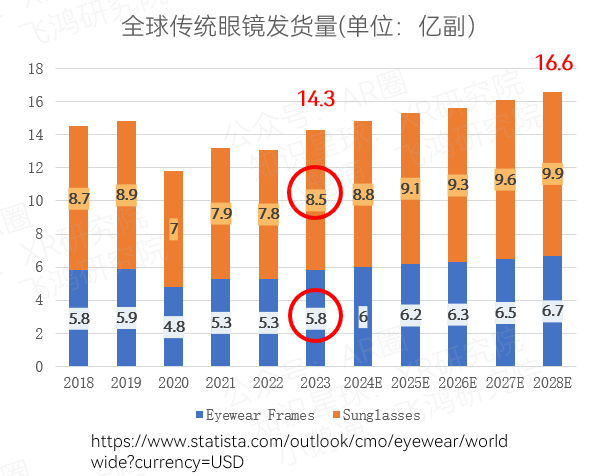 Data source: Statista
The penetration logic of smart glasses is very similar to that of smartwatches replacing traditional watches. Once the functionality is strong enough and wearing them feels natural, replacement will accelerate. The glasses industry predicts that by 2035, annual shipments of traditional glasses will grow to 2 billion pairs, with the expanding myopic population continuing to push this number higher.
Assuming smart glasses ultimately achieve 50% penetration, that would be 1 billion pairs in annual shipments. At an average hinge price of 100 RMB per set, the market space for hinges alone would be 100 billion RMB.
Chips have the spotlight, product launches, and analyst reports. Hinges have nothing—they're just quietly making a fortune.
END
-
![]()
Hardware is the skeleton, AI is the soul, and data integrates the two
-
![]()
China’s AI Industry: A Unified Pivot Towards Monetization?
-
![]()
New Progress! Infineon Completes Acquisition of ams OSRAM's Non-Optical Sensor Business
-
![]()
35 Million Bet on an Optical Future! Tengjing Technology Makes a Move in AR
-
![]()
Why World Models Get Stuck on Construction Roads in Autonomous Driving Applications
-
Alibaba Initiates Cultural Transformation: Is Jack Ma Making a Strategic Comeback?
-
Tianfeng Heads to Hong Kong for IPO with RMB 3.8 Billion in Funds: Xingyu's Cross-Border Foray into Embodied AI Faces Uncertain Future
-
![]()
Mengshi Auto’s High-End Aspirations Dashed: Huawei Partnership Fails to Revive Sales, New Model’s Entry Price Dips Below 300,000 Yuan