Domestic Smartphones Mostly Exit Sub-1000 Yuan Market: Are Budget Phones Still Within Reach?
 03/23 2026
 509
509
The topic of smartphone price increases has recently captured significant attention in the market. Another smartphone manufacturer has just announced a price hike, confirming that a general price increase is now an undeniable trend. Some smartphone retailers have even claimed that domestic smartphones have largely bid farewell to the sub-1000 yuan price range. So, is it still feasible to purchase budget-friendly phones?
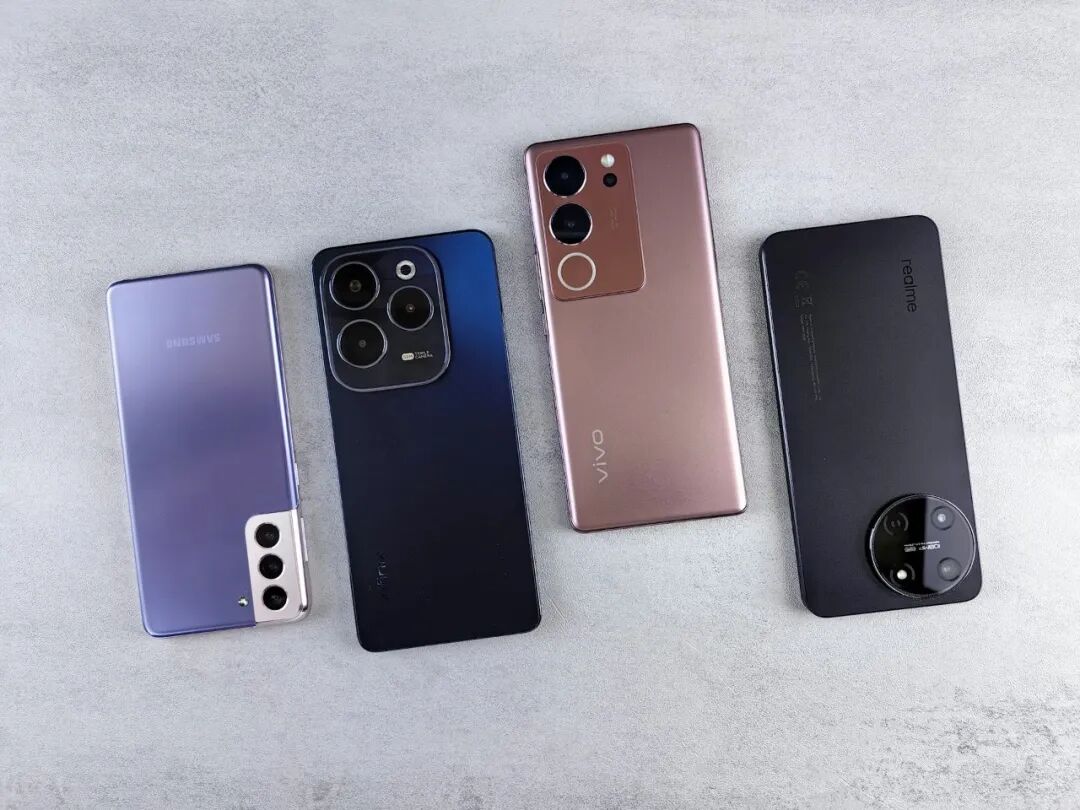
I. Domestic Smartphones Exit Sub-1000 Yuan Market
According to a report by Xinhua Daily, phrases like "Domestic smartphones see 2000 yuan price surge" and "Farewell to sub-1000 yuan phones" have recently trended on social media, sparking heated discussions among netizens. Vivo recently announced that it would raise the prices of certain models, including those under its sub-brand iQOO.
Less than a week ago, OPPO also announced on its official online store that it would adjust the prices of some already released products starting from 0:00 on March 16th. The official moves by these two major brands clearly indicate a new round of price hikes in the smartphone industry.
"Starting today, the price of the 'OnePlus Turbo 6V' 256GB version has been adjusted from 2099 yuan to 2299 yuan," said a salesperson at an OPPO authorized experience store. "According to the official notice, the prices of the 'OnePlus' series phones in our store will increase by around 200 yuan."
The salesperson also revealed that the officially adjusted products include the OPPO A series, K series, and the 'OnePlus' series, excluding the OPPO Find series, Reno series, and OPPO Pad series. "Except for the 'OnePlus' series, which has relatively high performance, most of the models with price adjustments in our store are basic models," the salesperson added.
During visits to offline stores, reporters observed that although some smartphone brands have not directly announced price hikes, they have employed various indirect pricing strategies. This makes it seem like consumers are not facing direct price increases but are actually experiencing higher purchase costs.
The most evident tactic is controlling the inventory of popular models. Multiple best-selling models in the 2000 yuan range are out of stock in their smaller memory versions, leaving consumers with only 512GB or even larger storage options. For consumers who do not require much storage space, this means they have to increase their budget and indirectly bear the cost of the price hike.
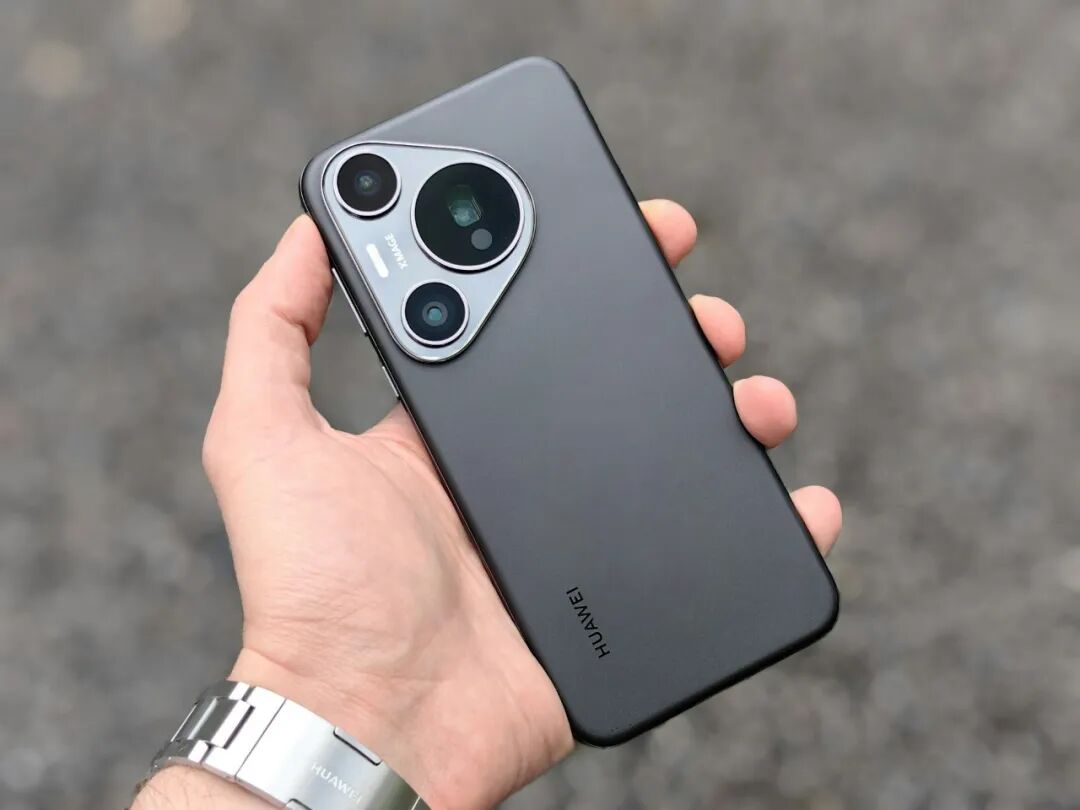
II. Are Budget Phones Still Within Reach?
Recently, news about smartphone price hikes has inundated social media. From OPPO and Vivo to Xiaomi and Honor, mainstream domestic smartphone brands have all announced price increases. The once-ubiquitous sub-1000 yuan phones are quietly disappearing from the market. How should we interpret this situation?
Firstly, the smartphone market's exit from the sub-1000 yuan segment is an inevitable outcome of raw material developments. The continuous rise in raw material prices determines the irreversibility of smartphone price hikes. Those smartphone companies that have not yet raised their prices are merely enduring cost pressures and will eventually be forced to follow suit. From an economic perspective, the pricing of products in any industry cannot be separated from cost support, and the smartphone industry is no exception. As a highly integrated industry, its cost structure encompasses multiple core components such as chips, storage, screens, and batteries. Price fluctuations in these areas directly determine the pricing range of smartphones.
In recent years, global supply chain instability, the scarcity of core raw materials, and production capacity adjustments in various components have collectively driven up the production costs of smartphones. This price increase is not a short-term fluctuation but a long-term trend, essentially representing an overall upward shift in the industry's cost curve. Many people wonder why some brands can still maintain low prices. The answer is simple: they are either clearing inventory models, using old configurations to digest previously low-cost components, or compressing their own profit margins to maintain market presence with low prices. However, this model is unsustainable.
When inventory is cleared and profits are exhausted, these companies will inevitably raise prices following industry trends. The disappearance of sub-1000 yuan phones is only a matter of time. We must recognize that smartphones, as highly standardized consumer goods, cannot have prices that remain below the cost line for an extended period. Bidding farewell to sub-1000 yuan phones is essentially an inevitable choice for the industry to return to rationality and realign costs with pricing.

Secondly, Xiaomi successfully lowered smartphone prices by leveraging China's manufacturing advantages. A review of the smartphone industry's development history reveals that Xiaomi's ability to reduce smartphone prices and drive the industry into the sub-1000 yuan era was not solely due to a "low-price strategy." Instead, it relied on the overall improvement of China's manufacturing capabilities, leveraging strong industrial cluster advantages and economies of scale to achieve extreme cost compression. Many people attribute the arrival of the sub-1000 yuan era to Xiaomi's price war, but this is only a superficial phenomenon. The core support behind it was the rise of China's manufacturing sector.
Before the sub-1000 yuan era, China had already formed a complete smartphone industry chain, with scaling and efficiency advantages in component production, assembly processing, and supply chain management. This industrial foundation made it possible to reduce smartphone costs. Xiaomi's core contribution was to maximize these Chinese manufacturing advantages by reducing component unit prices through large-scale procurement, minimizing intermediate costs through simplified channels and online direct sales, and improving production efficiency through standardized production. Ultimately, it achieved a "low-price, high-quality" product supply, breaking the previous pattern of foreign brands monopolizing the mid-to-low-end market with inflated prices.
It can be said that the arrival of the sub-1000 yuan era was a product of the precise match between China's manufacturing capabilities and market demand, not solely due to price competition. Today, the disappearance of sub-1000 yuan phones also indicates that the cost foundation supporting low prices has changed. Although China's manufacturing advantages still exist, they can no longer offset the cost pressures brought about by rising prices of core components. As the industry develops through different stages, the logic of product pricing must also adjust accordingly. Moreover, this price increase is essentially due to the difficulty in covering the costs of core components, which are basically monopolized by several international chip giants. Under this backdrop of monopoly economics, cost reductions are inevitably challenging.
Thirdly, the AI crowding-out effect has directly become the last straw that breaks the camel's back. The current smartphone price hikes driven by rising raw material costs are not only a result of the crowding-out effect caused by the development of the AI industry, which has driven up the prices of core components, but also a consequence of the industry reaching a certain stage of development.
From the demand side, the explosive development of artificial intelligence technology has spurred strong demand for high-performance chips and large-capacity storage. Competition for core components in data centers, servers, AI terminals, and other fields has directly driven up supply chain prices. This cross-industry resource competition has created a significant crowding-out effect, and the smartphone industry, as an important part of consumer electronics, has inevitably been affected.
From the supply side, after more than a decade of rapid development, the smartphone market has entered a mature or even saturated phase, with limited room for growth. Companies can no longer dilute costs through scale expansion. In this situation, price hikes have become an inevitable choice for companies to maintain reasonable profit margins. More deeply, this marks a shift in the smartphone industry from mass consumption to quality-oriented consumption. Consumers need to accept the reality that the era of low prices and low quality is over, and the future is a new stage of exchanging higher prices for better experiences.
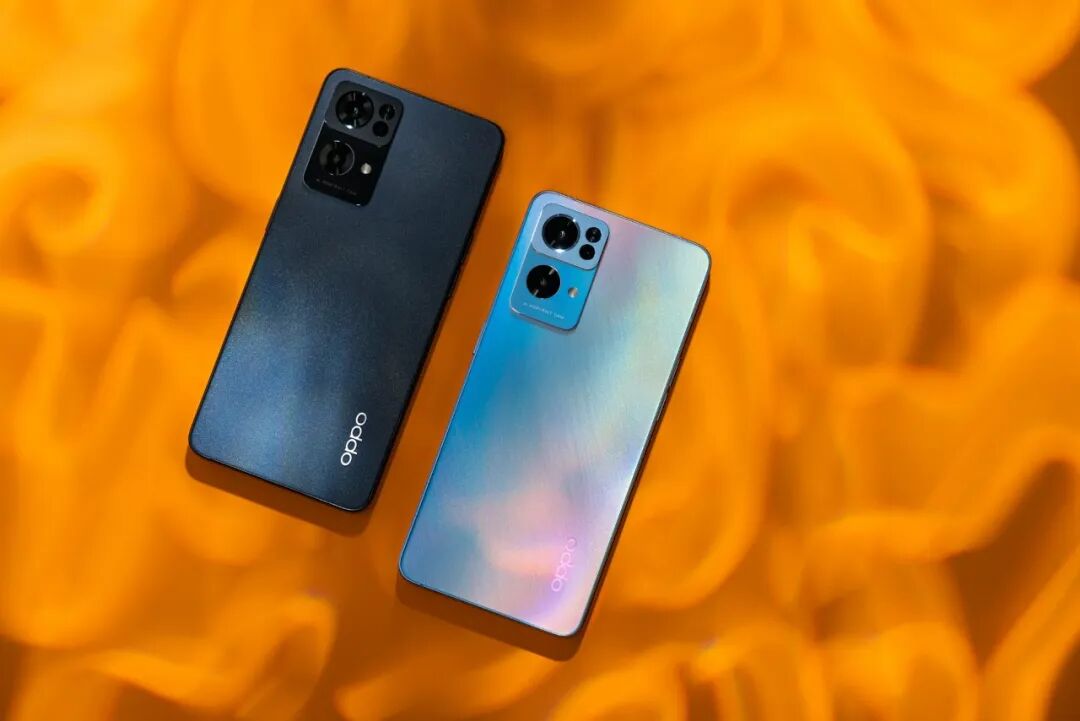
Fourthly, is it possible for smartphone prices to return to low levels? In the short term, it may become increasingly difficult to find budget phones. It is recommended that ordinary people extend their phone replacement cycles, such as by upgrading their phones through low-cost methods like battery or memory replacements, to cope with relatively longer phone usage periods. Of course, shopping on second-hand phone platforms is also an option, but second-hand phones come with greater uncertainty and require more careful scrutiny.
In the long run, smartphone prices are bound to return to reasonable levels, but this will be a relatively lengthy process. Although smartphone prices are currently on an upward trend, from the perspective of long-term economic development laws, smartphone prices will eventually return to a reasonable level. With continuous technological progress and industrial upgrading, the efficiency of smartphone manufacturing will continue to improve, and production costs are expected to gradually decrease. For example, as chip manufacturing processes continue to improve, chip production costs may gradually decline; with the research and application of new material technologies, the raw material costs of smartphone components may also be controlled.
In addition, intensified market competition will also prompt smartphone companies to continuously optimize their cost structures and improve the cost-effectiveness of their products. In fierce market competition, companies that can reduce costs through technological innovation and management innovation will be more competitive, thereby driving down costs across the industry. However, this process will be relatively lengthy because technological progress and industrial upgrading take time, and adjusting market supply and demand relationships also requires a process. During this process, smartphone prices may fluctuate within a certain range, but the overall trend will be a gradual return to reasonable levels.
END
-
![]()
Smartphone Prices Surge Amid Manufacturer Anxiety
-
![]()
Orbbec Soars to Record Heights, Eyes Further Capital Influx of 980 Million!
-
![]()
Tongding Interconnect Sets Up Shop in Shaoguan with 800 Million Yuan in Registered Capital
-
![]()
Before Kimi’s A-Share Debut, Zhipu Aims to Secure More 'Strategic Funding'
-
![]()
Innovative Leap | Fiber-Pluggable 1470nm Laser Source: Revolutionizing Precision Laser Weeding
-
![]()
73-Day Rapid Listing: Where Does Unitree's Wang Xingxing's 'Sense of Urgency' Come From?
-
![]()
AI Project Mindverse, Backed by Meituan, Faces Data Inflation Allegations Over Its Macaron Product
-
![]()
3000-word In-Depth Analysis | What Makes Physical AI So Magnetic? It Has Captivated Masayoshi Son, Jensen Huang, and Justin Sun All at Once