Struggling to Raise Prices: The 2026 Dilemma Facing Air Conditioner Manufacturers
 03/23 2026
 419
419
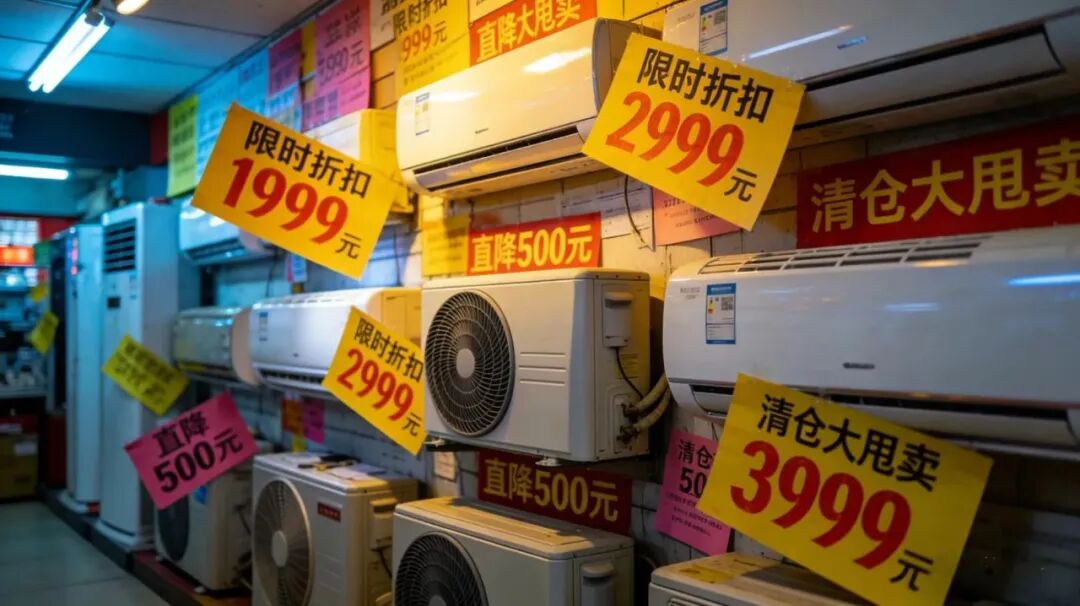
As temperatures rise, one might expect the air conditioner market to flourish. Yet, this year, the industry is grappling with indecision. Many brands are torn between the need to raise prices and the fear of a sales slump. If they don't increase prices, they struggle to cover costs; if they do, they risk losing customers.
A silent psychological battle over pricing is unfolding among air conditioner manufacturers.
The Clash Between "Ideal" Price Hikes and "Real" Stagnation
Since the start of the year, Aux air conditioners have led the charge by raising prices across their range by 3%-8%. The announcement was met with distress from many dealers, who exclaimed, "We can't take it anymore." With competition already fierce, profits are now razor-thin.
Hisense air conditioners also made headlines in February by announcing a significant price hike, with increases of 5%-10% for both Hisense and Kelon home air conditioners. However, dreams of higher profits met with the harsh reality of consumer indifference. The market's lukewarm response forced Hisense to mitigate the price hikes through promotions, rendering the increase largely ineffective.
Even Xiaomi air conditioners, known for their affordability, are facing challenges. Xiaomi's 1.5-horsepower, first-tier energy-efficient air conditioner is now priced at nearly 1,600 yuan on Pinduoduo. A few years ago, this would have been considered a bargain. But now, it's about 250 yuan more expensive than similar models from Midea's Hualing and Haier's Leader.
If Xiaomi is struggling, one can only imagine the predicament of other brands.
Midea Sets the "Price Anchor," While Gree's Position is Pivotal
So, who is really calling the shots on pricing in the air conditioner market? The answer lies with Midea and Gree.
Let's consider Midea first. Midea's strategy is to "capture all market segments." It promotes high-end products for profit while using cost-effective models like the "Super Energy-Saving Series" to establish a price floor. On Pinduoduo, Midea's 1.5-horsepower, first-tier energy-efficient air conditioner is priced at just 1,332 yuan.
How competitive is this price? It effectively sets a benchmark that makes it difficult for mid-to-low-end products from second- and third-tier brands to raise their prices. Attempting to sell at a premium becomes a losing proposition when consumers can easily compare prices with Midea's offerings.
Haier, on the other hand, adopts a "follower" strategy with clear pricing. The Haier brand is priced slightly below Midea, while Leader is on par with Hualing. By following the market leader, Haier avoids pricing missteps.
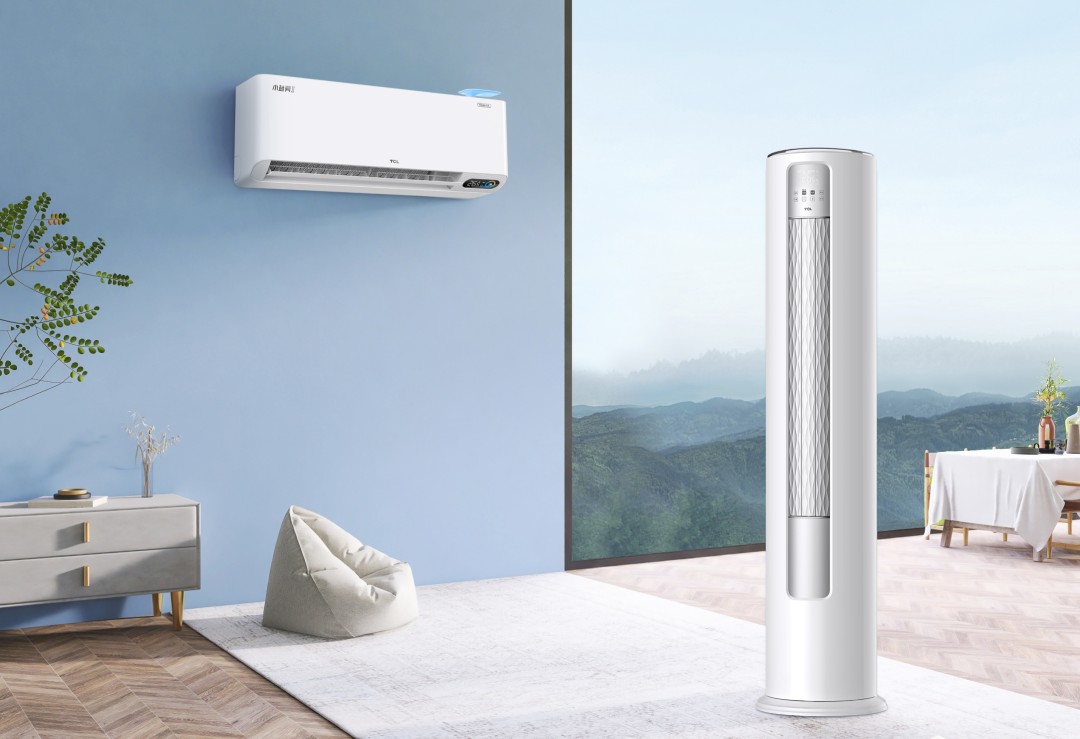
The most critical factor is Gree's stance. Gree has consistently resisted raising prices, yet its prices remain high. Many merchants initially anticipated that Gree's sub-brand, "Jinghong Air Conditioners," would enter the market and engage in a price war, similar to Hualing's competition with Midea. However, after generating significant buzz, Gree seemed to downplay Jinghong and focus on promoting the Gree brand.
Gree's attitude will shape the intensity of this year's air conditioner price war. If Gree decides to use Jinghong to target the mid-to-low-end market, Midea's 1,332 yuan price may not hold. If Gree remains "aloof," Midea can maintain the price floor, leaving other brands in a bind—wanting to raise prices but afraid to do so.
The "Duality" of Costs: Copper Prices Drop, Oil Prices Rise
Cost considerations also play a crucial role in pricing decisions.
The earlier surge in copper prices had briefly sent air conditioner manufacturers into a panic. However, copper prices have recently fallen below 100,000 yuan per ton, temporarily easing raw material cost pressures. For brands considering price hikes, this removes one potential justification.
The downside is that oil prices have risen significantly, leading to increased logistics costs. For bulky items like air conditioners, shipping is already a substantial expense. Rising logistics costs add another layer of pressure on manufacturers.
The cost landscape presents a "duality"—material costs have temporarily stabilized, but logistics costs are on the rise. For manufacturers, this creates another complex pricing dilemma.
Three Key Trends Shaping This Year's Air Conditioner Market
Based on various insights, the trends in this year's air conditioner market can be distilled into three key themes:
Theme 1: Leading Brands Dictate Pricing. Whether air conditioner prices rise or fall is largely determined by Midea and Gree. Price hikes announced by second- and third-tier brands are inconsequential; they only affect their market share. Midea has already set the price floor at 1,332 yuan, and if Gree doesn't follow suit, this floor will be difficult to break.
Theme 2: The Price-for-Volume Strategy is Reaching Its Limits. Xiaomi air conditioners' "躺平" (lying flat, or adopting a passive stance) is a telling sign. When even internet brands can no longer compete on price, it indicates that the "price-for-volume" approach has hit its limit. This year, the competition among air conditioner manufacturers may shift from "who is cheaper" to "who can endure longer."
Theme 3: Market Segmentation Intensifies. The price chaos in the air conditioner market reflects deeper segmentation. Leading brands have scale advantages and can withstand cost pressures. Second- and third-tier brands want to raise prices but are afraid to, leaving them with no choice but to hold on. The likely outcome is that leading brands will continue to gain market share, while second- and third-tier brands' share will shrink further.
A "Decision-Making" Challenge for Air Conditioner Manufacturers
An industry insider's perspective is worth considering: Maintaining last year's domestic sales levels in this year's air conditioner market will be challenging, and exports face uncertainties amid international turmoil. For the overall air conditioner industry to achieve price increases, leading brands like Midea and Haier must raise prices on platforms like Pinduoduo. Otherwise, any short-term price hikes will quickly reverse.
This means that this year's air conditioner market price trends will largely hinge on the strategic choices of leading brands. Will they continue to use low prices to dominate the market, or will they proactively raise prices to create profit margins for the industry?
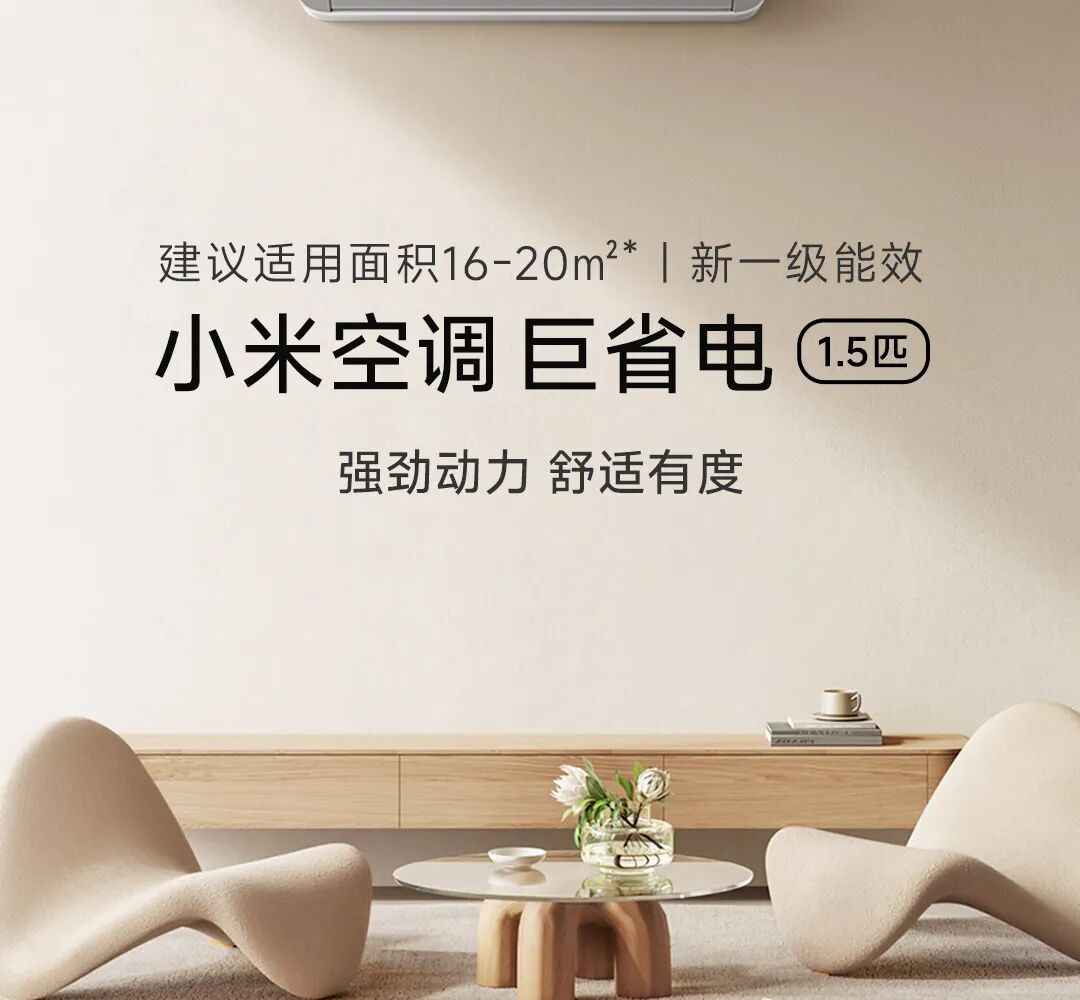
Judging by the current situation, Midea seems inclined toward the former. Its 1,332 yuan price point serves as a benchmark, setting the "price increase ceiling" for other brands. Gree's inaction adds further uncertainty to the market.
For dealers, this year may be even tougher than usual. Upstream manufacturers want to raise prices, but downstream consumers refuse to accept them, leaving dealers caught in the middle. The Aux dealer's comment, "We can't take it anymore," likely reflects the sentiments of many.
However, from another perspective, this "price chaos" may be a prelude to industry consolidation. When price wars reach their extreme, the survivors will either be large-scale leading brands or niche brands with true differentiation. Second- and third-tier brands that rely on low prices and lack core competitiveness will likely be forced out of the market.
The "price paradox" in the air conditioner market will persist this year. Those who can navigate the indecision of "wanting to raise prices but afraid to do so" will survive this round of consolidation.
END
-
![]()
Smartphone Prices Surge Amid Manufacturer Anxiety
-
![]()
Orbbec Soars to Record Heights, Eyes Further Capital Influx of 980 Million!
-
![]()
Tongding Interconnect Sets Up Shop in Shaoguan with 800 Million Yuan in Registered Capital
-
![]()
Before Kimi’s A-Share Debut, Zhipu Aims to Secure More 'Strategic Funding'
-
![]()
Innovative Leap | Fiber-Pluggable 1470nm Laser Source: Revolutionizing Precision Laser Weeding
-
![]()
73-Day Rapid Listing: Where Does Unitree's Wang Xingxing's 'Sense of Urgency' Come From?
-
![]()
AI Project Mindverse, Backed by Meituan, Faces Data Inflation Allegations Over Its Macaron Product
-
![]()
3000-word In-Depth Analysis | What Makes Physical AI So Magnetic? It Has Captivated Masayoshi Son, Jensen Huang, and Justin Sun All at Once