When Oil Prices Climb, the Entire Home Appliance Industry Chain 'Overheats'
 03/26 2026
 552
552

Source | Home Appliance Faction (jiadpai)
Author | Xiaoxiao
The home appliance industry is currently confronting fresh challenges.
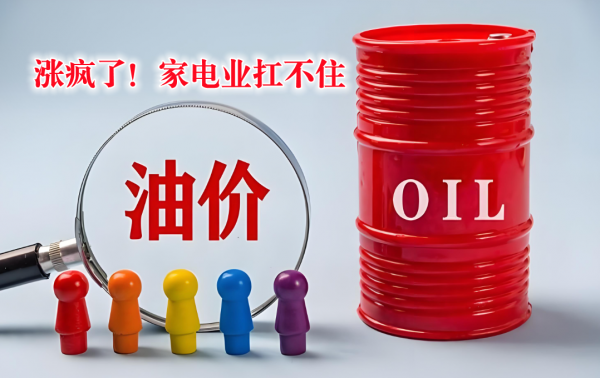
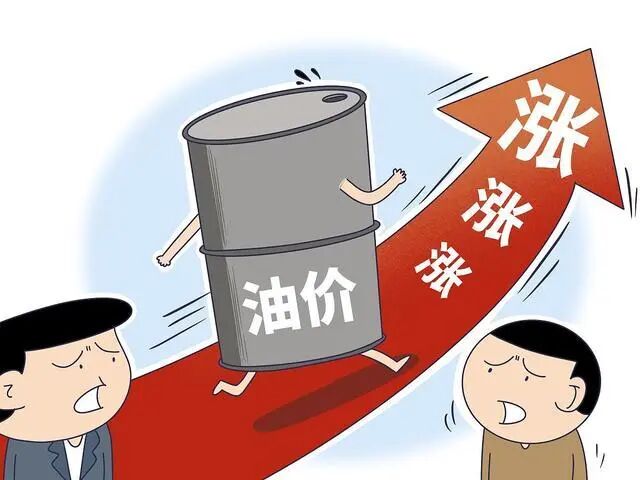
As oil prices continue to climb, home appliance brands have been compelled to announce price increases. The old adage, "Copper and aluminum don't alarm us, but skyrocketing oil prices do," has now become a reality. What the home appliance industry truly cannot bear is the oil price surge, which is driving up costs throughout the entire chemical industry chain.

Copper Price Hikes Can Be Managed, but Oil Triggers Systemic Cost Pressures
When discussing the costs associated with home appliances, metals such as copper and aluminum immediately come to mind. After all, copper constitutes 22%-25% of the material costs in a 1.5-horsepower air conditioner. Earlier this year, Shanghai copper futures briefly exceeded 100,000 yuan/ton, marking a year-on-year increase of over 33% and adding more than 200 yuan in copper costs per unit.
However, the home appliance industry has developed mature strategies to cope with fluctuations in copper prices. Leading brands can alleviate some of the pressure through long-term pricing agreements and technological substitutions, resulting in less market volatility.
The situation is different with oil price hikes, which create systemic ripple effects and impact foundational manufacturing costs that cannot be easily avoided.
Firstly, plastics serve as the "skin" of home appliances, and oil is the "mother" of plastics. Air conditioner casings, refrigerator liners, washing machine drums, small appliance housings, circuit board insulation, and packaging foam are all plastic-based. In March, ABS plastic prices surged from 8,000 yuan/ton to over 13,000 yuan/ton, while PC plastic jumped from 11,000 yuan/ton to over 16,000 yuan/ton. Industry calculations indicate that every $10/barrel increase in crude oil directly raises plastic material costs by 300-500 yuan/ton, with no buffer period.
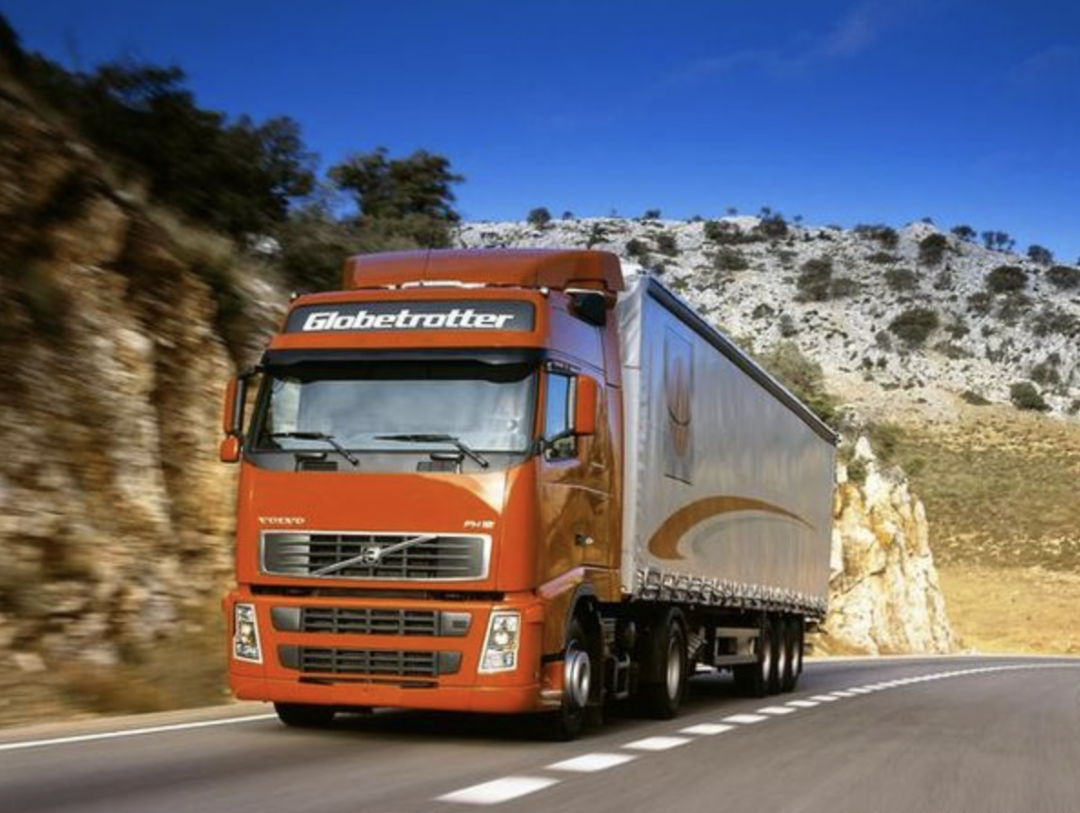
Secondly, logistics costs rise in tandem with oil prices. Most home appliances are bulky items transported by trucks and ships. International shipping costs have surged due to geopolitical conflicts in the Middle East, while domestic freight costs have also climbed, with truck drivers spending hundreds of yuan more per trip on fuel. These costs ultimately appear on home appliance manufacturers' invoices.
Thirdly, energy consumption costs at production sites increase. Rising oil prices directly elevate factory electricity and equipment fuel expenses, effectively adding an "energy surcharge" to every unit produced.
More critically, price hikes in plastic and chemical raw materials create a chain reaction. Basic chemicals like ethylene and propylene rise alongside crude oil, and these materials are essential for core appliance components. Through layered transmission, cost pressures on home appliance enterprises have far exceeded sustainable levels.
Previously, home appliance companies could offset some costs through economies of scale and technological upgrades. However, facing oil-driven price hikes across the entire industry chain, even the strongest enterprises struggle to remain unaffected. The home appliance sector operates on thin margins, with overall product gross margins around 15%-20%. Raw material price increases erode most profits, making independent cost absorption impossible.

Multiple Brands Succumb to Pressure, Initiating Price Hikes
Under sustained cost pressures from oil and plastics, a new wave of price hikes has begun in the home appliance industry, affecting air conditioners, kitchen appliances, refrigerators, and other categories, with increases mostly between 5%-10%.
Air conditioners face the heaviest impact. Earlier this year, brands like MBO, Midea, Aux, Hisense, and TCL initiated price hikes citing copper cost increases, adopting a "gradual increase" strategy. After oil prices rose, MBO air conditioners announced that pricing policies would be valid until 24:00 on March 31, with a 5% increase starting April 1. This marks MBO's second 5% price hike since late last year.
Following Aux's latest pricing adjustments, its sub-brand's 35-unit, three-level energy efficiency models now cost over 1,500 yuan wholesale, approaching the prices of first-tier brands' top-efficiency products.
Beyond MBO and Aux, other air conditioner brands are preparing price hikes. Even Gree, while committing to freeze prices on basic residential models, faces upward pressure on premium series and central air conditioning units. The air conditioner market has become the "vanguard" of this price surge.
Kitchen appliances and refrigerators are following suit. Leading brands like Robam and Fotile are discussing internal price adjustment plans, expecting 5%-8% increases. Haier and Ronshen recently announced across-the-board price hikes of 3%-5% starting late March.

How Is This Price Surge Different?
This round of home appliance price hikes, triggered by oil-driven plastic and chemical raw material increases, has exceeded corporate absorption capacity.
While leading brands maintain supply chain advantages, they cannot fully offset cost increases across all product categories. Even giants like Midea and Haier cannot realistically reduce ABS plastic prices from 13,000 yuan/ton back to 8,000 yuan/ton. Small and medium-sized brands face even greater pressure, with some already halting production of certain basic models due to prohibitive costs.
Another notable change is that previous home appliance price hikes typically occurred in single waves before stabilizing. This time, the pattern resembles a "relay race"—copper price hikes precede plastic increases, followed by logistics and energy cost surges. Cost pressures arrive in successive waves, preventing companies from implementing comprehensive price adjustments at once and forcing gradual, category-specific increases instead.
This prolonged adjustment process proves more torturous for all parties. Consumers wonder, "Why another price hike?", merchants lament, "Profits remain thin despite repeated increases", and enterprises feel exhausted by constant pricing adjustments.

Price Surge Accelerates Industry Reshuffling
Soaring production costs are forcing companies to accelerate their shift toward high-end and smart products.
The low-price, high-volume model now faces increasing difficulties. Raw material costs for basic air conditioner models leave razor-thin profits. To survive, companies must either raise prices or enhance product value.
This explains why, during this price surge, premium series from leading brands have seen the most "justified" price increases—consumers are willing to pay for superior experiences. Meanwhile, low-end brands relying solely on price competition face growing challenges.
The industry reshuffling signal is clear: technologically advanced and branded companies can absorb cost pressures through high-end positioning, while those lacking core competitiveness struggle between raising prices and losing market share.
Oil price hikes, seemingly a macroeconomic issue, ultimately impact every consumer purchasing home appliances.
An additional 200 yuan per air conditioner, 150 yuan per refrigerator, and 100 yuan per washing machine may seem insignificant individually but collectively represent substantial additional spending.
For home appliance manufacturers, this round of cost pressures is structural rather than temporary. Oil prices are unlikely to decline rapidly, and plastic/chemical raw material increases are not transient phenomena. This suggests the central pricing level for home appliances may permanently shift upward.
In this price surge, survival will belong not to those shouting loudest about price hikes, but to those capable of improving product quality to justify higher prices in consumers' eyes.
-
![]()
Smartphone Prices Surge Amid Manufacturer Anxiety
-
![]()
Orbbec Soars to Record Heights, Eyes Further Capital Influx of 980 Million!
-
![]()
Tongding Interconnect Sets Up Shop in Shaoguan with 800 Million Yuan in Registered Capital
-
![]()
Before Kimi’s A-Share Debut, Zhipu Aims to Secure More 'Strategic Funding'
-
![]()
Innovative Leap | Fiber-Pluggable 1470nm Laser Source: Revolutionizing Precision Laser Weeding
-
![]()
73-Day Rapid Listing: Where Does Unitree's Wang Xingxing's 'Sense of Urgency' Come From?
-
![]()
AI Project Mindverse, Backed by Meituan, Faces Data Inflation Allegations Over Its Macaron Product
-
![]()
3000-word In-Depth Analysis | What Makes Physical AI So Magnetic? It Has Captivated Masayoshi Son, Jensen Huang, and Justin Sun All at Once