Smartphones Step into the Era of Price Hikes: Holding Back on New Launches as a Strategic Move
 03/27 2026
 462
462
Author|Unnamed
In 2026, the smartphone industry witnessed its most significant 'black swan' event: a dramatic surge in memory prices.
Counterpoint's 'Memory Price Tracking Report' revealed that DRAM prices soared by over 50% quarter-over-quarter in Q1 2026, while NAND prices skyrocketed by over 90%. Memory prices are projected to continue their upward trajectory, with an expected increase of around 20% in the second quarter.
Faced with these relentless memory price hikes, smartphone giants such as OPPO, vivo, and Honor have responded by raising their product prices, with increases ranging from several hundred to over a thousand yuan.
While passing on cost pressures to the consumer market can temporarily alleviate operational strains for smartphone manufacturers, it may also dampen consumer purchasing enthusiasm. Jeongku Choi, a senior analyst at Counterpoint, remarked, 'For terminal manufacturers, this is a double whammy—escalating component costs coupled with weakened consumer purchasing power. As the quarter progresses, demand is likely to wane.'
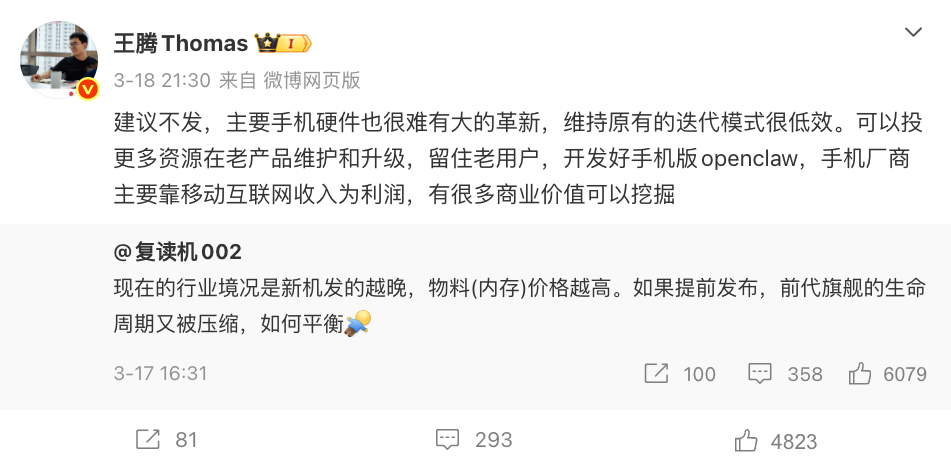
Image Source: Wang Teng
As an 'outsider' in the discussion on how smartphone manufacturers should navigate memory price hikes, Wang Teng, former General Manager of Xiaomi's China Marketing Department and REDMI brand head, suggested that manufacturers refrain from launching new devices. He argued that significant hardware innovations are unlikely, rendering the existing iteration model inefficient.
Wang Teng believes that smartphone manufacturers should channel more resources into maintaining and upgrading older products to retain existing users and develop a robust mobile version of OpenClaw (an AI agent framework). 'Smartphone manufacturers primarily rely on mobile internet revenue for profit, and there is significant untapped commercial value here,' he noted.
This raises pertinent questions: Is Wang Teng's suggestion viable? What growth opportunities exist at the smartphone system level? If hardware ROI is unfavorable, why are smartphone manufacturers still eager to launch new products?
01
Memory Price Hikes Normalize 'Price Increases and Spec Reductions'
While the rapid climb in memory prices is widely acknowledged, what is the actual impact on the cost of a single smartphone? At MWC 2026 in early March 2026, Lu Weibing, Partner, President, and General Manager of the Smartphone Division at Xiaomi Group, provided a vivid quantification of recent memory price increases.
Lu Weibing disclosed that in Q1 2026, memory quotes were nearly four times those of the previous year's first quarter. 'A 12GB+256GB memory combination, which cost about $30 (approximately 207 RMB) at its lowest point, now costs around $120 (approximately 826 RMB)—four times as much,' he revealed.
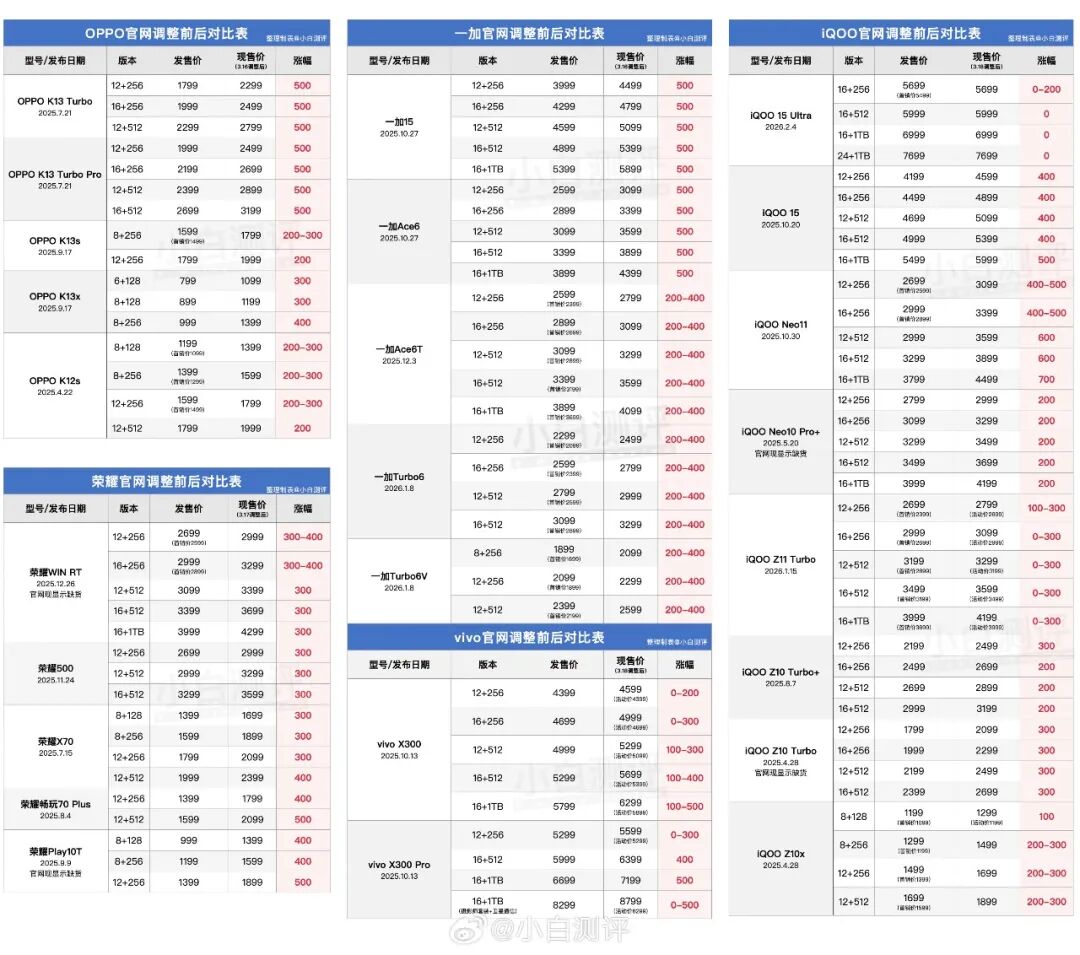
Image Source: Xiaobai Evaluation
Based on Lu Weibing's data, the memory cost for a current 12GB+256GB smartphone has risen by approximately 619 RMB. However, smartphone manufacturers have not fully passed on these memory price hikes to the consumer market. Data compiled by Xiaobai Evaluation indicates that recent price increases for several smartphone models range from 200 to 500 RMB.
The reason is that smartphone manufacturers recognize that haphazard price hikes could significantly curb consumer demand. Therefore, manufacturers also aim to mitigate some cost pressures through internal efficiencies.
In early March 2026, Lei Jun, Founder, Chairman, and CEO of Xiaomi, stated in an interview, '(Memory price hikes) have exerted significant pressure on our smartphone and related businesses. We may need to absorb these cost pressures through internal efficiency improvements. We will explore various avenues to minimize consumer resistance to these changes.'
However, it's crucial to note that due to intense homogenized competition in the smartphone industry, only Apple can secure substantial profits through differentiation, while many smartphone brands operate on thin margins.
Take Xiaomi as an example. In the first half of 2025, its smartphone business had a gross profit margin of 11.95%. During the same period, the average selling price of Xiaomi smartphones was only 1,142.1 RMB, with an average gross profit of just 136.48 RMB per unit. With extremely limited buffer space for overall profit, smartphone manufacturers like Xiaomi find it challenging to respond flexibly to severe cost shocks.
Given this, many smartphone manufacturers are not only raising prices but also enthusiastic about making 'reductions' in hardware specifications.
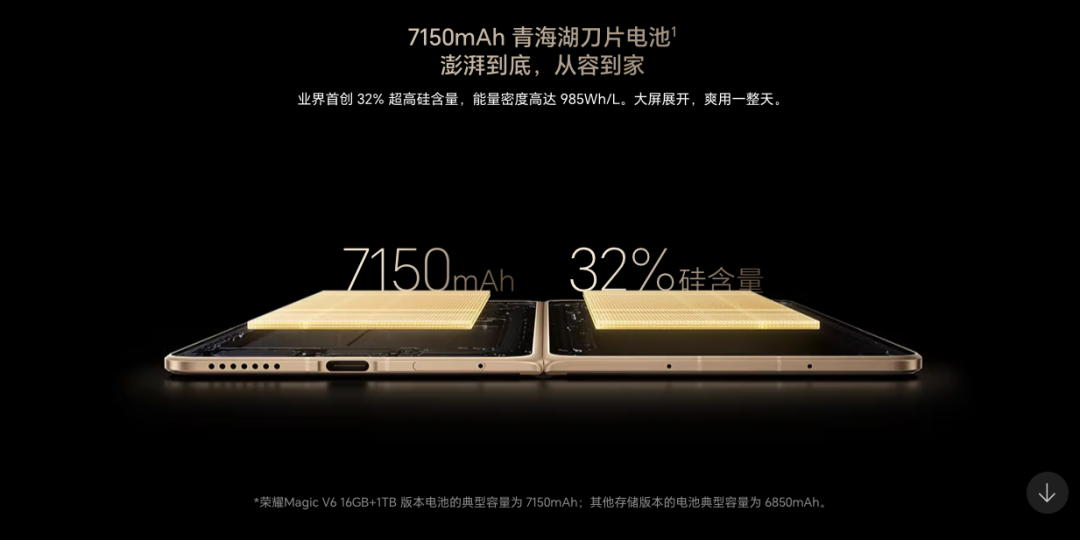
Image Source: Honor
For instance, the Honor Magic V6, released on March 10, is priced between 8,999 and 11,999 RMB, with a 1,000 RMB price increase for the larger memory version. Although touted as a 'foldable screen grand slam,' the Honor Magic V6's imaging hardware specifications have seen little improvement, with only the 16GB+1TB top-tier model featuring a 7,150mAh battery and support for Beidou satellite messaging.
More notably, according to well-known tech blogger 'Digital Chat Station,' current mid-to-low-end new devices are 'regressing,' testing mainstream screen configurations from around 2019—90Hz waterdrop screens.
Given the high prices and limited upgrades of new smartphone models, consumers are beginning to adopt a wait-and-see approach. Data disclosed by 'RD Observation' shows that in the first three days of sales, the Honor Magic V6 sold only 75% as many units as the Honor Magic V5 during the same period.
From this perspective, Wang Teng's recent suggestion to smartphone manufacturers to 'not launch new devices' does hold some merit.
Although smartphone manufacturers are adopting proactive strategies to cope with memory price increases, the magnitude of the hikes makes price increases and spec reductions for new devices unavoidable. This shift not only makes consumers cautious about new smartphone models but also results in diminishing marginal returns for the new device-driven sales model that smartphone manufacturers have long relied on.
Against a backdrop of unfavorable ROI for incremental users, smartphone manufacturers indeed need to shift their focus to existing users.
02
The AI Era Approaches: Manufacturers Must Seize the Entry Point
Unlike traditional terminals, which have relatively limited post-transaction contact with platforms, smartphones, as mass computing platforms, continue to provide services such as app distribution, finance, and gaming long after the initial transaction, maintaining long-term connections with users and generating revenue in the process.
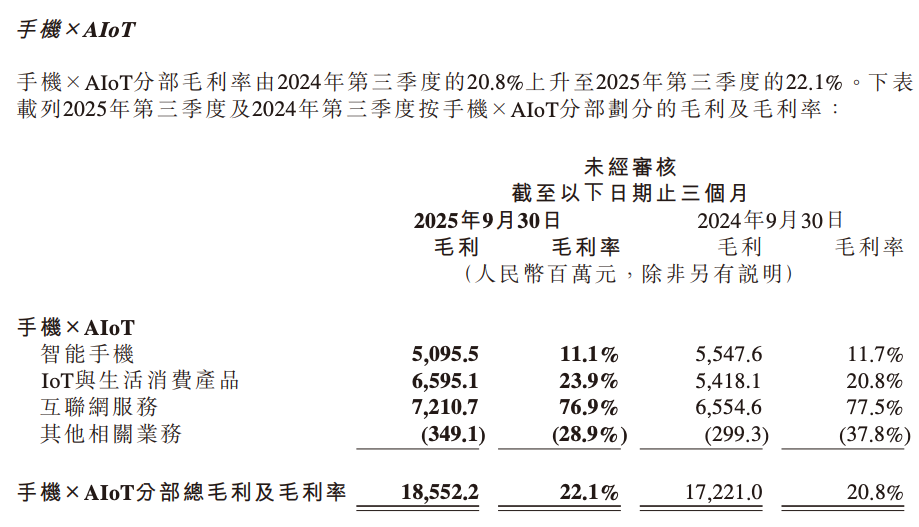
Image Source: Xiaomi's Q3 2025 Financial Report
Take Xiaomi as an example. Although it is a smartphone manufacturer, its primary revenue comes from internet services. Financial reports show that in Q3 2025, Xiaomi's internet services had a gross profit margin of 76.9%, generating 7.211 billion RMB in gross profit, accounting for 38.87% of the total gross profit of the smartphone × AIoT division—far exceeding the smartphone business.
Against the backdrop of sustained memory cost increases, if smartphone manufacturers allocate their limited resources more toward operating existing users—improving the smoothness of older models, expanding new system compatibility, strengthening software capabilities, and enhancing user stickiness—they could secure a steady path through the downturn.
More importantly, as technology matures, the smartphone industry is on the cusp of entering the AI era. This new market environment places new demands on smartphone manufacturers.
Since 2026, driven by OpenClaw, the tech industry has sparked a 'shrimp farming' craze. In the future, AI agent tools like OpenClaw could evolve into the core entry points for smartphones. To avoid losing control over primary entry points, smartphone manufacturers must take action and build their own 'lobster' ecosystems.
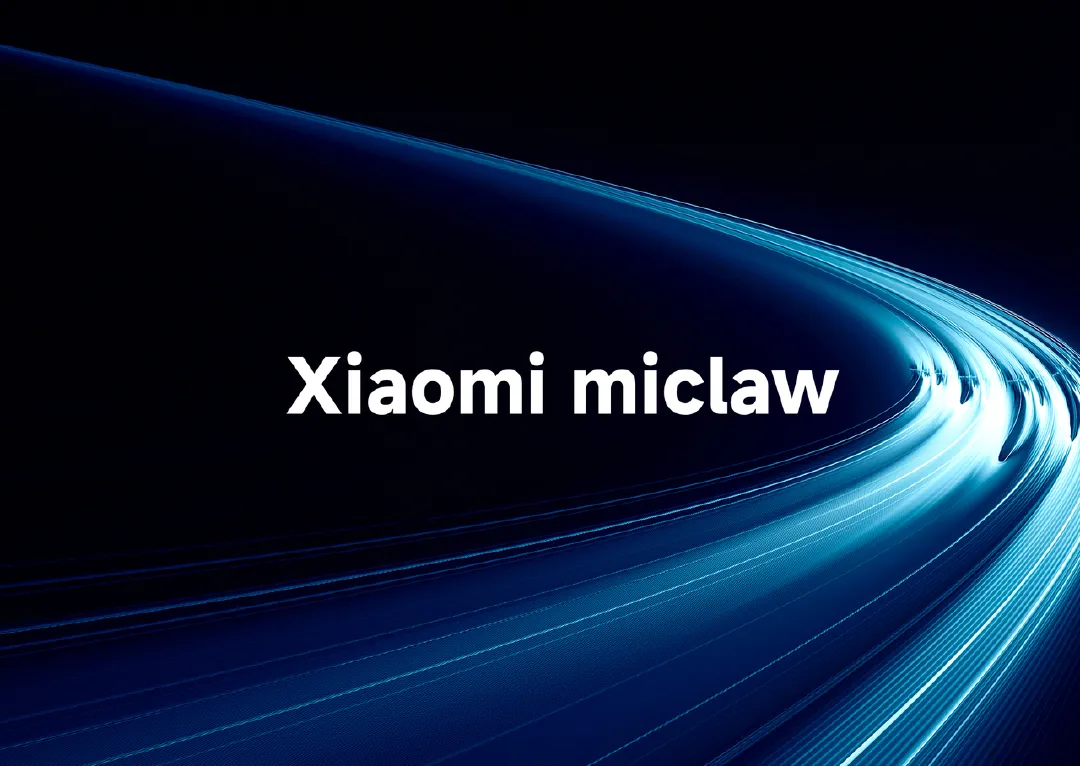
Image Source: Xiaomi
Currently, many smartphone manufacturers are eagerly ramping up their OpenClaw-related businesses. For example, on March 6, Xiaomi launched 'Xiaomi Miclaw,' a mobile agent product, and initiated closed beta testing. On March 10, Honor unveiled 'Lobster Universe,' allowing Honor smartphone users to interact with YOYO and 'Lobster.' On March 11, Huawei introduced the 'Xiao Yi Claw' Beta version, capable of handling tasks such as document editing, PPT creation, and email responses.
However, it's important to note that unlike traditional software, which can dilute usage costs through economies of scale, OpenClaw consumes massive amounts of tokens when executing tasks, resulting in high costs. If smartphone manufacturers want to encourage users to adopt 'lobster' habits, they will need to invest heavily in subsidies to educate the market in the early stages.
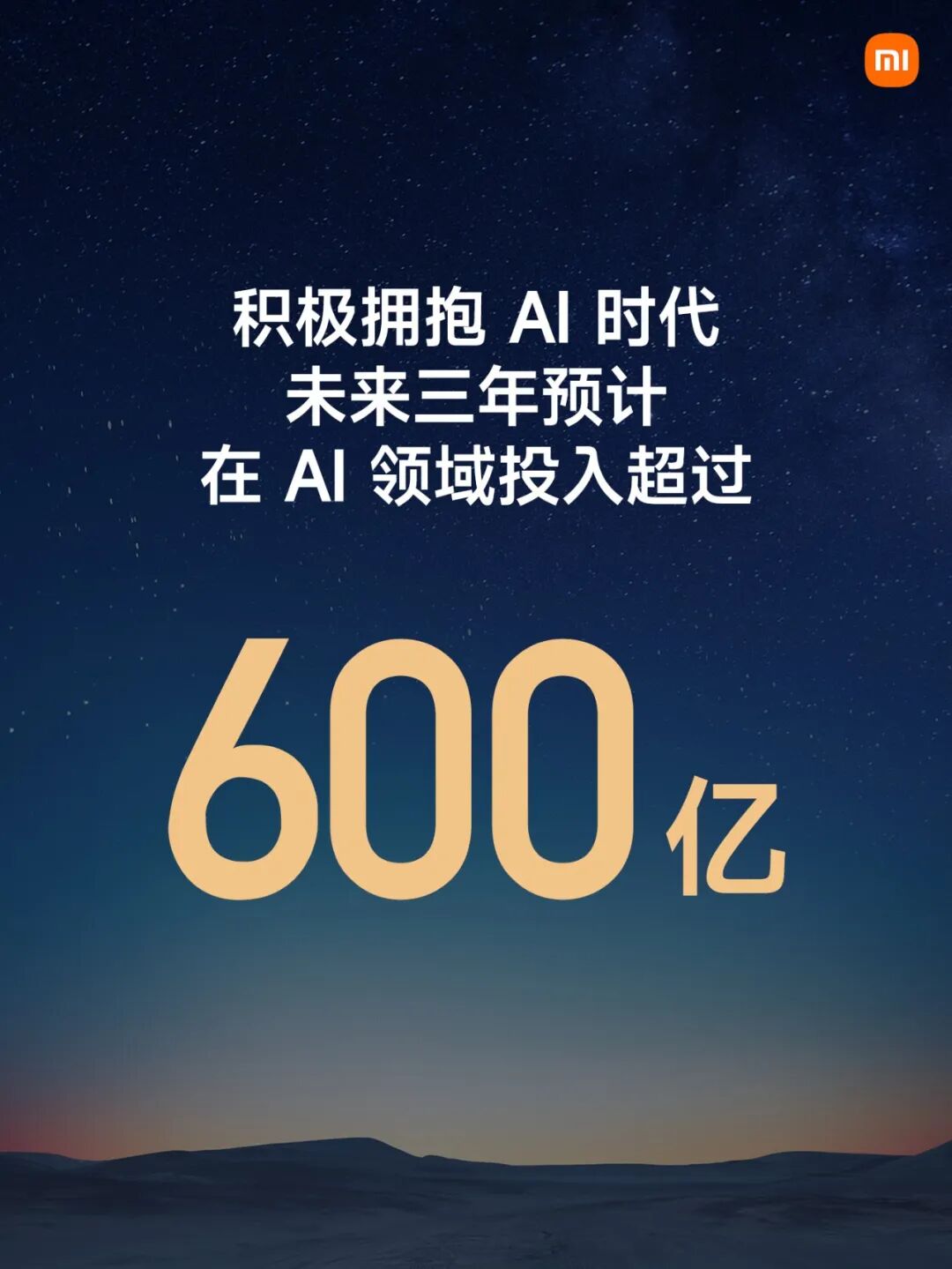
Image Source: Xiaomi
For example, at Xiaomi's Spring 2026 product launch on March 19, Lei Jun announced that Xiaomi is actively embracing the AI era and will invest over 60 billion RMB in AI over the next three years. To put this in perspective, Xiaomi's net profit in 2024 was only 23.578 billion RMB. Xiaomi's massive AI investments in the coming years will place significant pressure on its cash flow.
Clearly, for smartphone manufacturers, amid rapidly rising upstream memory costs, tapping into the 'residual value' of existing users through software services is a more rational choice. As AI technology matures, smartphone manufacturers who want to secure a place in the AI era must allocate their limited resources toward software capability development and user subsidies.
03
Trapped in a 'Prisoner's Dilemma': New Device Launches Continue
Although Wang Teng's suggestion holds some merit, smartphone manufacturers have not adopted a defensive posture but are instead eagerly launching new products.
Since 2026, smartphone manufacturers such as Samsung, Honor, and OPPO have released products like the Galaxy S26, Magic V6, and Find N6. Brands like vivo, OnePlus, and iQOO are also set to launch new models such as the X300 Ultra, OnePlus 15T, and iQOO Z11.
Smartphone manufacturers are not halting new device launches according to 'rational economic' logic largely because they are trapped in a 'prisoner's dilemma.'
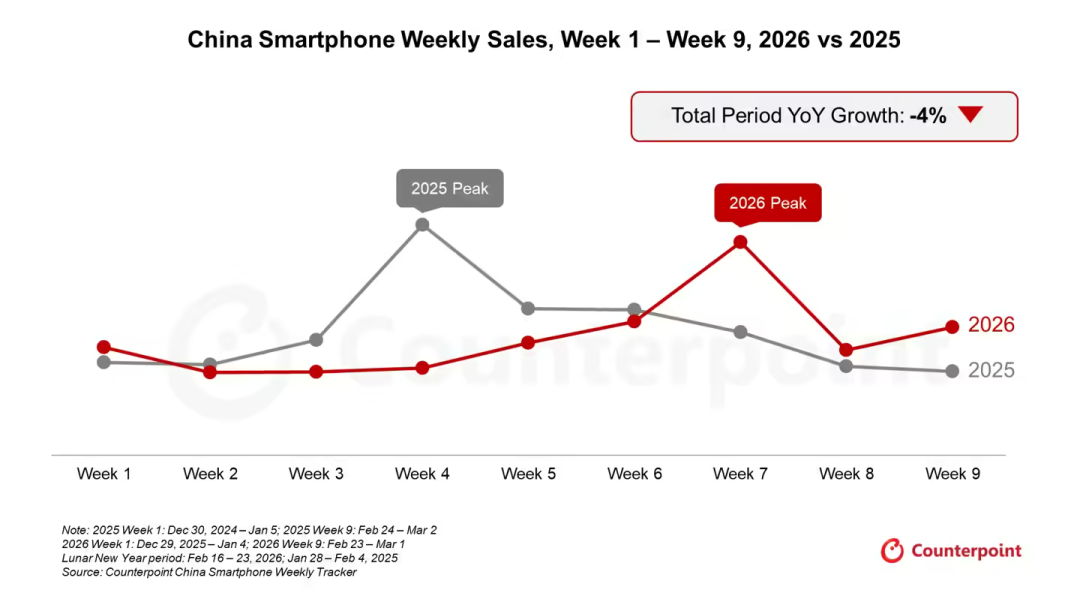
Image Source: Counterpoint
Due to rapidly rising memory prices, consumer demand has been significantly suppressed, leading to a substantial contraction in the smartphone market. Data released by Counterpoint shows that in the first nine weeks of 2026, smartphone sales in China fell by 4% year-over-year. IDC forecasts that global smartphone shipments will decline by 12.9% year-over-year in 2026.
Against this backdrop, although the ROI for smartphone manufacturers is far from ideal, the shrinking market size also means intensified internal competition. If a smartphone manufacturer halts new device launches, its market share will be eroded by competitors, potentially leading to a 'death spiral.'
However, it's important to note that amid memory price hikes, smartphone manufacturers are not pursuing a 'machine launch strategy' at their previous pace but are instead leveraging the situation to target the high-end market. For example, the Honor Magic V6 and OPPO Find N6 have starting prices as high as 8,999 and 9,999 RMB, respectively, aligning with the iPhone 17 Pro series.
Smartphone manufacturers are targeting high-end flagship models partly because flagship phones command higher prices, providing ample buffer space for cost increases. Additionally, they hope to use high-end models as a platform to drive the adoption and application of AI technologies.
As mentioned earlier, driven by OpenClaw, smartphone manufacturers are actively 'farming shrimp.' However, given the abundance of private information on smartphones, manufacturers must also address privacy and security concerns when integrating 'lobster.' Lei Jun stated, 'The main concern now is the upload process to the cloud, where many security factors are not yet in place. We aim to process highly private information locally.'
Limited by device size and thermal conditions, smartphones have a clear upper limit on performance release. Currently, only more efficient flagship processors can provide sufficiently robust on-device AI processing capabilities.
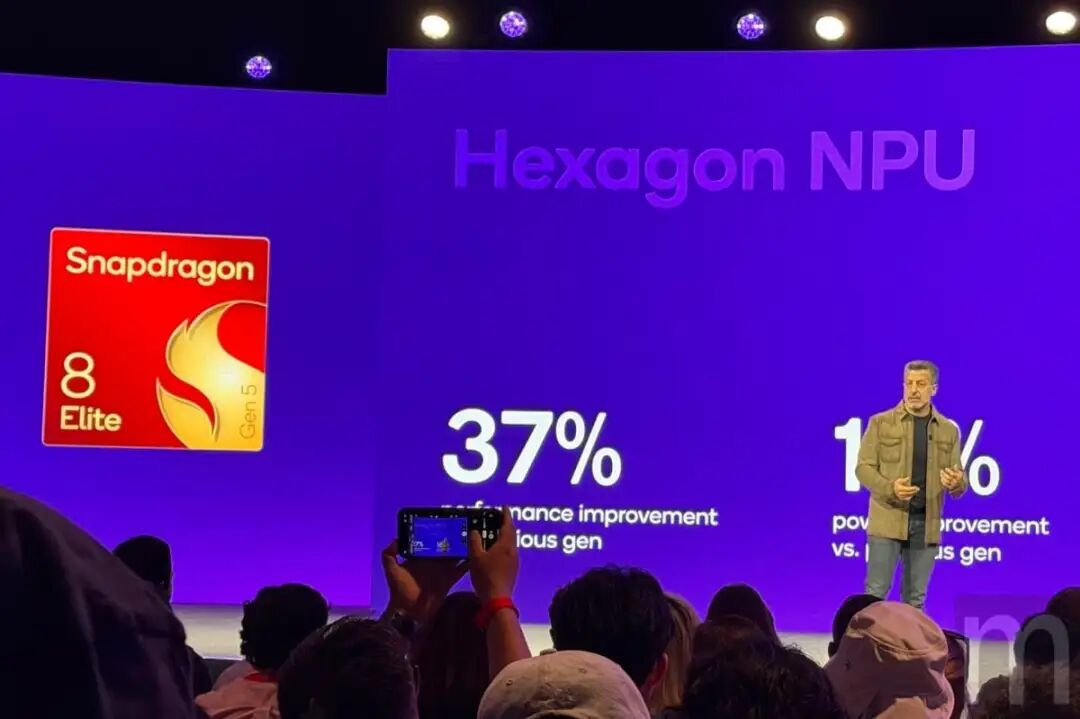
Image Source: Qualcomm
For example, the fifth-generation Snapdragon 8 Elite features a new-generation Qualcomm Hexagon NPU, delivering a 37% improvement in AI performance. It can run 3 billion-parameter large models on-device at a speed of 220 tokens per second and adds support for INT2 and FP8 quantization precision.
Clearly, while older models can run new software via OTA updates, hardware performance bottlenecks make it difficult for them to perfectly support the latest AI features. Therefore, for smartphone manufacturers, launching new devices with stronger computing power is essential to keep pace with the AI technology wave.
In summary, amid sustained memory price increases, if smartphone manufacturers choose to halt new device launches and focus on internet services, they may offset cost pressures in the short term. However, from a longer-term perspective, this strategy amounts to voluntarily surrendering the main battleground for product innovation, weakening their ability to sustain brand and technological evolution, and ultimately undermining future competitiveness.
From the vantage point of industry evolution, the smartphone sector is swiftly advancing into the AI epoch. Smartphones are no longer confined to being mere hardware gadgets; they have evolved into pivotal conduits for on-device intelligence and gateways to ecosystems. The deployment of AI agent tools, exemplified by OpenClaw, hinges on the relentless refinement and validation of next-generation hardware platforms.
Within this transformative landscape, the launch of flagship products transcends being a mere strategy for smartphone makers to sustain their market clout. It emerges as an indispensable route to capitalize on AI entry points and forge distinctive capabilities.
What remains unequivocal is that only those smartphone manufacturers who steadfastly pursue a dual-pronged approach—embracing both technological innovation and product excellence—amidst cyclical downturns can transcend the transient challenges posed by escalating memory costs. Such manufacturers will seize the reins in the AI era, propelling themselves from a realm of 'scale competition' to one of 'capability competition'.
-
![]()
Smartphone Prices Surge Amid Manufacturer Anxiety
-
![]()
Orbbec Soars to Record Heights, Eyes Further Capital Influx of 980 Million!
-
![]()
Tongding Interconnect Sets Up Shop in Shaoguan with 800 Million Yuan in Registered Capital
-
![]()
Before Kimi’s A-Share Debut, Zhipu Aims to Secure More 'Strategic Funding'
-
![]()
Innovative Leap | Fiber-Pluggable 1470nm Laser Source: Revolutionizing Precision Laser Weeding
-
![]()
73-Day Rapid Listing: Where Does Unitree's Wang Xingxing's 'Sense of Urgency' Come From?
-
![]()
AI Project Mindverse, Backed by Meituan, Faces Data Inflation Allegations Over Its Macaron Product
-
![]()
3000-word In-Depth Analysis | What Makes Physical AI So Magnetic? It Has Captivated Masayoshi Son, Jensen Huang, and Justin Sun All at Once