Computational Photography Surges, Sony Takes a Counterintuitive Approach: Leveraging AI Chips to Defend Its Camera Turf
 03/27 2026
 547
547
Upgraded Chip, Exceptional Image Quality.
In recent years, smartphone manufacturers have been fiercely competing in the imaging sector.
Take a look at the recently released flagship smartphones—the camera modules on their backs are increasingly extravagant. Manufacturers are aggressively increasing sensor sizes and upgrading computational photography algorithms, often claiming in product launches that their smartphones can now rival or even surpass professional mirrorless cameras.
Amid this overwhelming publicity, many have started to wonder if traditional cameras will soon be completely replaced by smartphones.
However, camera giants are clearly not going to sit idly by and let smartphone manufacturers take over.
Recently, according to foreign media thenewcamera, Sony's next-generation APS-C flagship model (tentatively named A6900 or A7000) is expected to begin testing in April 2026, with a potential global market release as early as this year. It is anticipated to become a key model promoted by Sony's camera division.
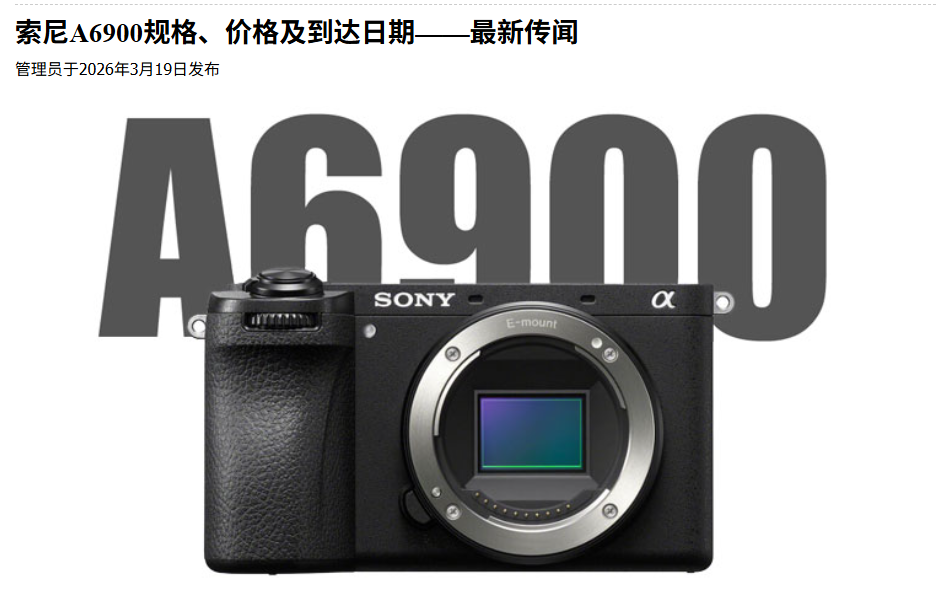
(Image Source: thenewcamera)
Judging by the currently leaked specifications, this is far from a minor incremental update. Sony has clearly done its homework to counter the intensifying competition in smartphone imaging and from rival camera manufacturers.
Whether it can outperform competitors or even cross into the smartphone arena remains to be seen. Let's take a closer look together.
33MP Sensor: A Major Leap in Image Quality
Based on reliable leaks from Reddit, Sony's iteration this time exceeds many expectations.
It's worth noting that before the A6700, Sony had reused the same 24.2MP Exmor CMOS sensor across five different A-series products—six if including the slightly revised ZV-E10.
This time, however, Sony has abandoned the A6700's sensor in favor of a brand-new 33MP sensor.
Unlike conventional sensors, this one adopts a stacked architecture, separating the processing circuitry from the pixel area. This allows each region to be manufactured using different processes, enabling the integration of more transistors on a smaller chip while achieving extremely fast readout speeds for image data.
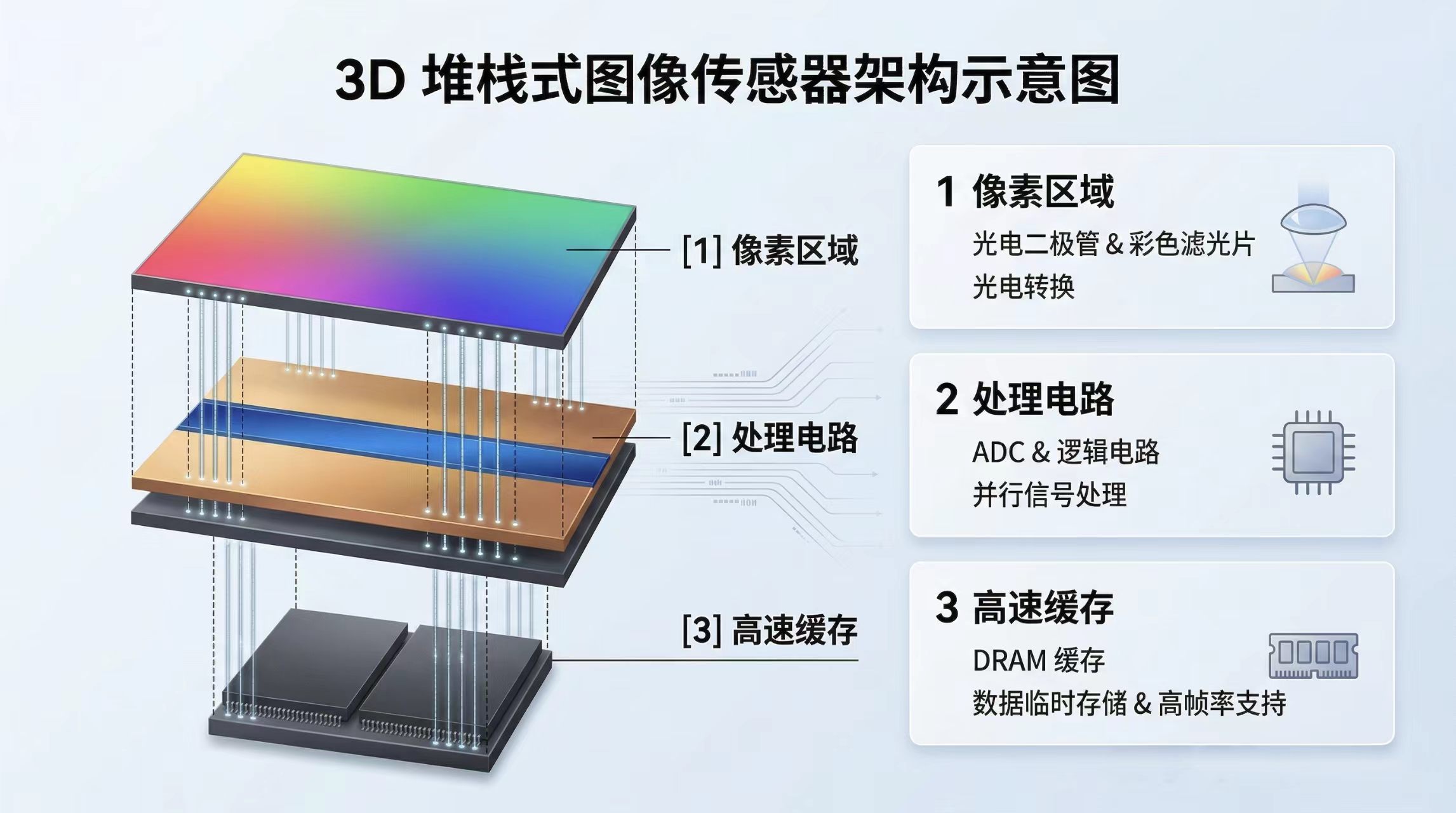
(Image Source: Leitech, created by Nano Banana 2)
For example, users of previous-generation models often encountered distortions caused by the "jelly effect" when shooting 4K video or moving subjects. This was due to the massive data volume and lengthy sensor readout cycles (PetaPixel tests showed the A6400's 4K24fps readout delay around 30ms).
By 2026 standards, this delay would be considered catastrophic.
Now, with denser transistors and faster data readout, the jelly effect is significantly reduced. Additionally, stacking the pixel and processing circuit regions allows for larger pixel areas.
While 33MP may not seem high, it represents a substantial improvement over previous models.
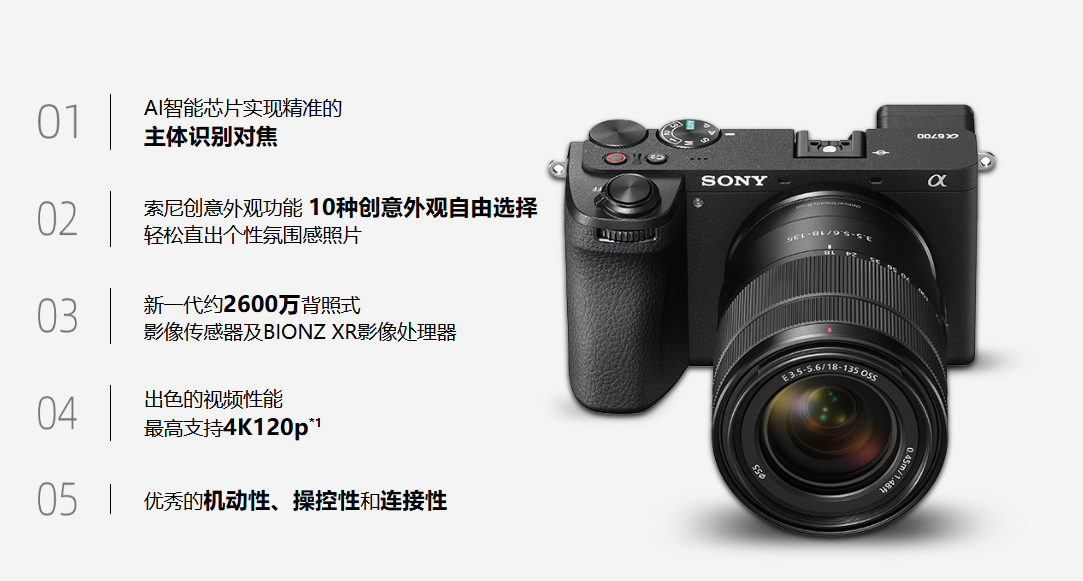
(Image Source: Sony)
Moreover, the Sony A6900's performance metrics are equally impressive.
Powered by a new processor and enhanced AI chip, it supports continuous shooting at up to 30fps with the electronic shutter and 15fps with the mechanical shutter, enabling better capture of fast-moving subjects.
For video recording, it is expected to offer uncropped 4K60fps recording and even high-quality 4K120fps slow-motion shooting.
Combined with an upgraded 8.5-stop in-body image stabilization, the camera's market positioning is clear.
For wildlife and sports photography enthusiasts, the APS-C format's inherent 1.5x crop factor advantage allows for longer telephoto reach at lower lens costs. For video creators, it offers a lightweight yet high-performance tool.

(Image Source: thenewcamera)
Of course, there are drawbacks.
To improve thermal performance during high-intensity shooting, Sony has slightly thickened the body and added more customizable buttons for better control.
However, the biggest concern for potential buyers is its exclusive support for CFexpress Type A cards, abandoning the widely adopted SD card format and opting for a single-slot design. This significantly increases memory card costs. For professionals prioritizing data security, the lack of real-time backup functionality may also be a major deterrent.
Why Buy a Camera Today?
With superior image quality and faster processing, the Sony A6900's upgrades are genuinely impressive based on the leaked specs.
This raises a practical question: In an era where smartphone photography is so advanced, why would anyone still buy this camera?
As someone who once owned the Sony ZV-E10, I feel qualified to answer this.
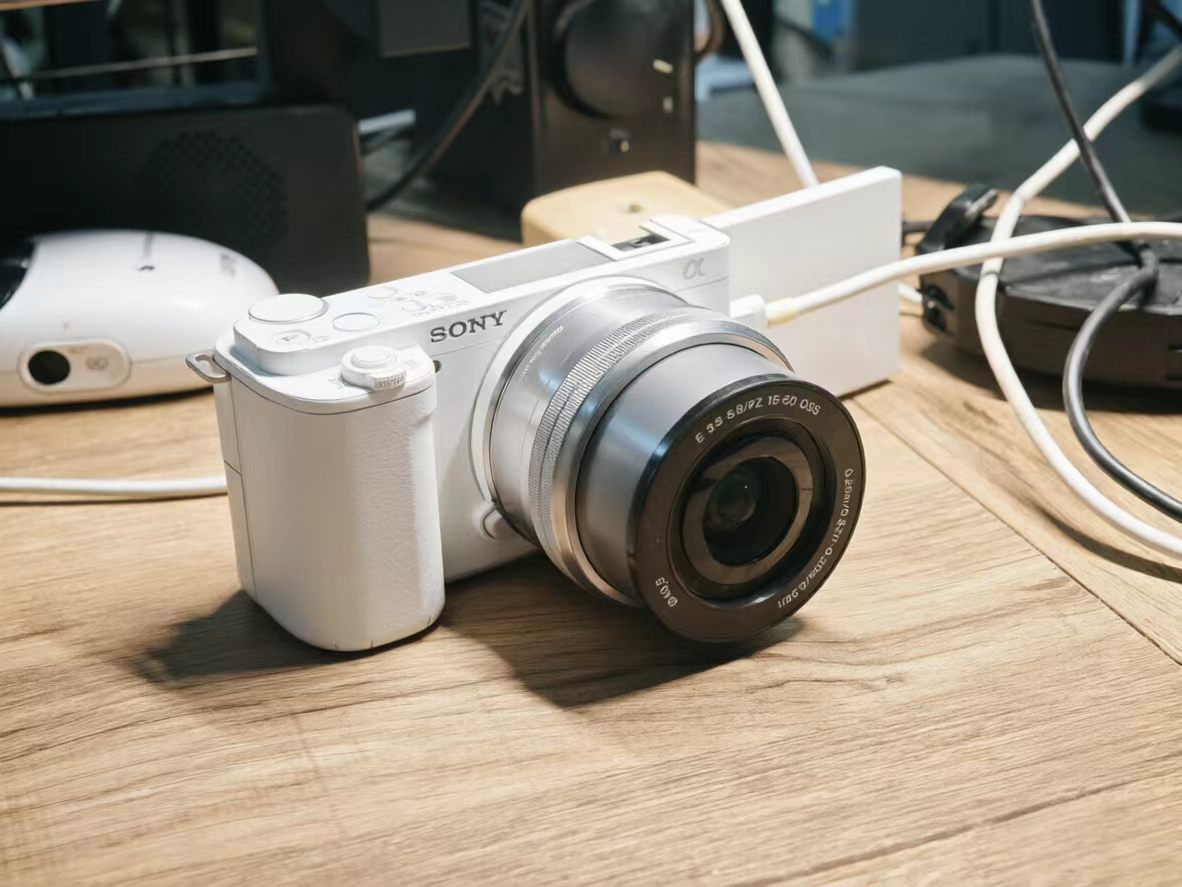
(Image Source: Leitech)
Insiders know this model is essentially the Vlog version of the Sony A6400, sharing identical 24.2MP image quality and autofocus performance.
The main difference lies in positioning: the ZV-E10 focuses on video with a side-flipping screen and better microphone while omitting the viewfinder. The A6400 leans toward traditional photography, featuring a viewfinder, metallic build, and dust/moisture resistance.
Honestly, my reason for buying this camera was superficial.
First, its pure white body looked stunning, and its compact size made it effortless to carry. Second, it had a collaboration with the popular anime Bocchi the Rock!—as an anime fan, I impulsively bought it.
Over three years, I've used this APS-C mirrorless camera to shoot numerous tech product reviews for work.

(Image Source: Leitech, product sample)
I'm well-acquainted with such compact cameras.
Paired with a 35mm prime lens, the setup remains portable—ideal for portraits or selfies. I tried taking it on weekend trips once or twice but eventually stopped.
Let's discuss its strengths first.
There's an old saying in photography: "Bigger sensors crush smaller ones." The APS-C sensor area is about 370mm², while smartphone manufacturers' vaunted "1-inch" sensors measure just 116mm².
Even APS-C cameras have sensor areas over three times larger than top-tier smartphones.
As a dedicated imaging device, I typically shot in RAW. The raw files, even at 24.2MP, contained far more detail than smartphone photos generated through algorithmic processing, offering vastly greater post-processing flexibility.
In low light, smartphones rely on aggressive multi-frame stacking to suppress noise, often resulting in plastic-looking images. Camera RAW files preserve authentic light information, creating a texture smartphones cannot replicate.

(Image Source: Leitech, low-light sample)
Additionally, Sony's lens ecosystem is a treasure trove.
At work, I could borrow colleagues' lenses, unlocking creative possibilities and image quality ceilings smartphones cannot reach.
In my view, cameras exist to handle professional tasks with professional tools.
Camera vs. Smartphone: The Dilemma
Unfortunately, the camera's drawbacks ultimately led me to sell it.
First, the screen quality was terrible. Reviewing photos on the camera itself made it impossible to judge image quality—colors often looked washed out, as if the shots were ruined.
Second, the workflow was cumbersome.
With smartphones, you shoot, edit in Meitu or a video app, and post to social media within minutes.
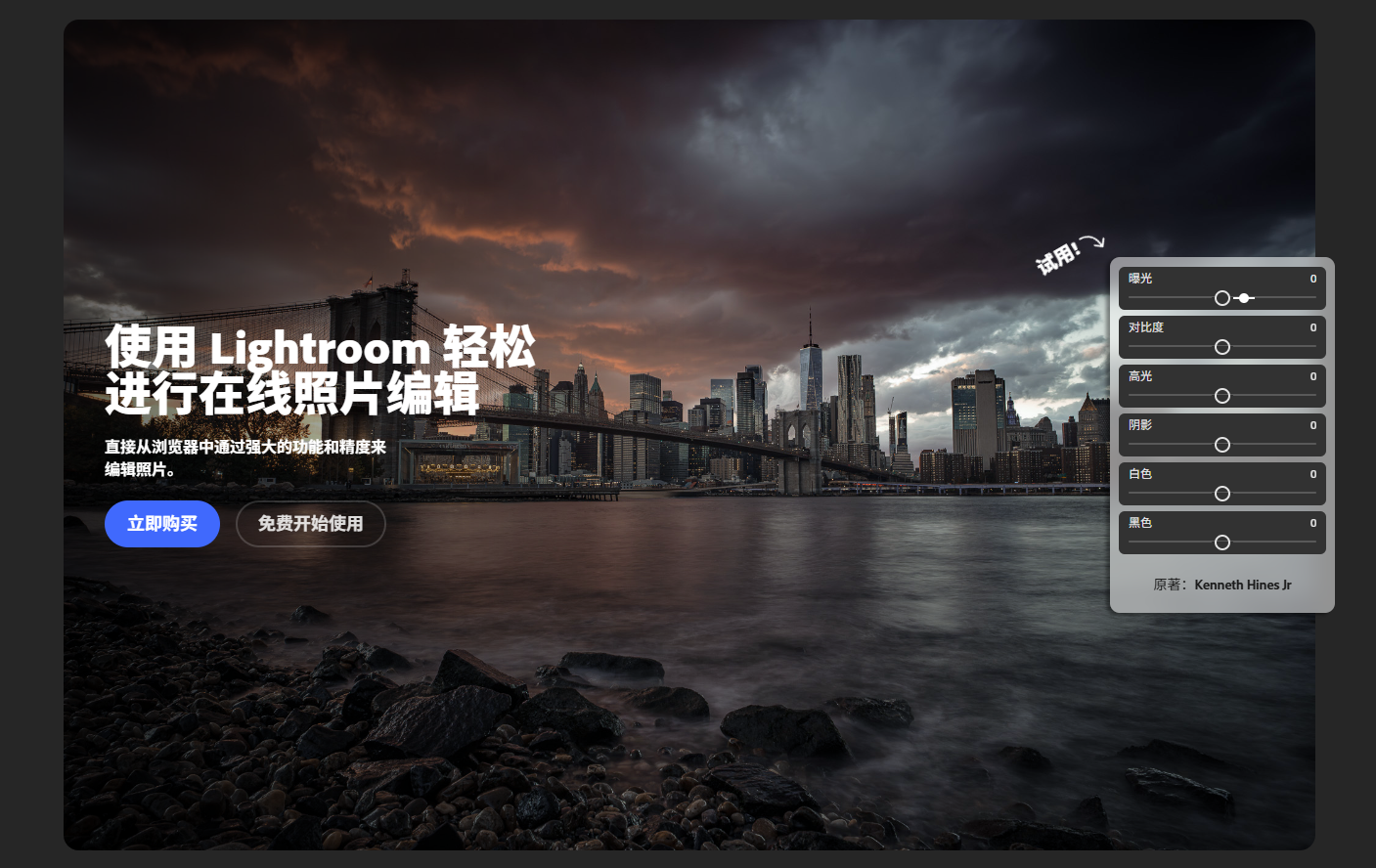
(Image Source: Adobe)
With a camera, the nightmare begins. You need a card reader or deal with frequently disconnecting official software to transfer photos to your phone or computer. Then comes professional editing software, exporting, and finally sharing—a process that kills any desire to post.
Lastly, the hidden costs were steep. The ZV-E10's kit lens produced terrible image quality. To shoot well, you needed to invest in expensive lenses, some costing as much as the camera itself.
Ultimately, I sold it last year and switched to a flagship smartphone.
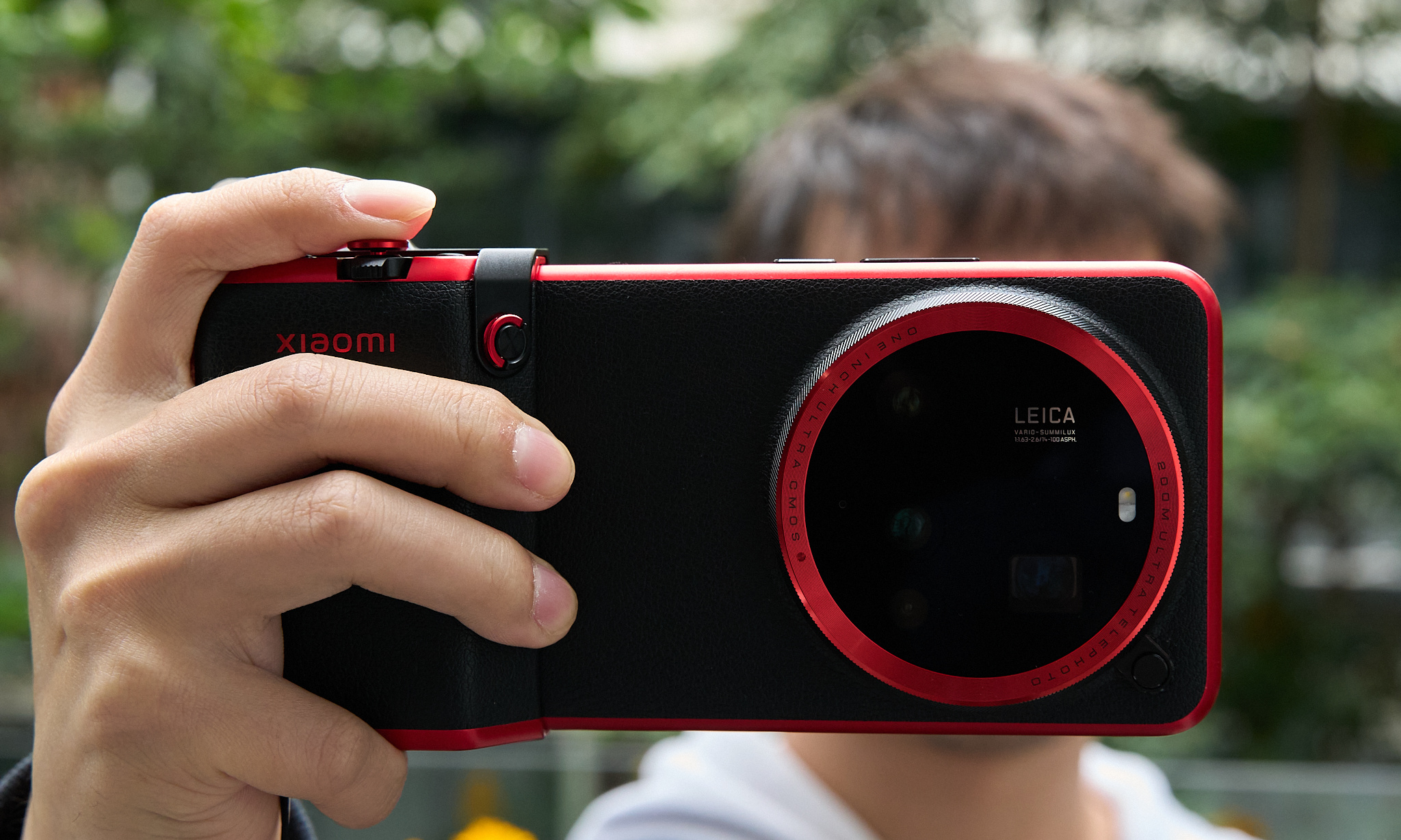
(Image Source: Leitech)
After six months, I find flagship smartphones' imaging capabilities more than sufficient for casual recording.
Yes, cameras offer superior image quality, but only if you're highly motivated to shoot and willing to endure the hassle. For someone with modest photography skills like me, smartphones' instant shooting and effortless editing provide a far better experience.
Notably, the smartphone market will soon see at least two new ultra-flagship models.
The vivo X300 Ultra aims to redefine mobile imaging resolution with dual 200MP sensors and a 35mm custom prime lens. The OPPO Find X9 Ultra partners with Hasselblad to reclaim the long-zoom throne with native 10x optical zoom, vying to become the new concert photography king.
If you genuinely want to cultivate photography skills, add professionalism to your work, or are an enthusiast demanding rapid burst shooting and high resolution, the Sony A6900's performance justifies waiting until later this year.
But if, like me, you only bought a camera for product shots and daily recording, I sincerely advise against waiting for an unreleased APS-C model.
Sony Cameras Smartphones
Source: Leitech
Images from: 123RF Licensed Image Library
-
![]()
Smartphone Prices Surge Amid Manufacturer Anxiety
-
![]()
Orbbec Soars to Record Heights, Eyes Further Capital Influx of 980 Million!
-
![]()
Tongding Interconnect Sets Up Shop in Shaoguan with 800 Million Yuan in Registered Capital
-
![]()
Before Kimi’s A-Share Debut, Zhipu Aims to Secure More 'Strategic Funding'
-
![]()
Innovative Leap | Fiber-Pluggable 1470nm Laser Source: Revolutionizing Precision Laser Weeding
-
![]()
73-Day Rapid Listing: Where Does Unitree's Wang Xingxing's 'Sense of Urgency' Come From?
-
![]()
AI Project Mindverse, Backed by Meituan, Faces Data Inflation Allegations Over Its Macaron Product
-
![]()
3000-word In-Depth Analysis | What Makes Physical AI So Magnetic? It Has Captivated Masayoshi Son, Jensen Huang, and Justin Sun All at Once