Apple’s New CEO: The Perfect Blend of ‘Jobs + Cook’
 04/24 2026
 384
384
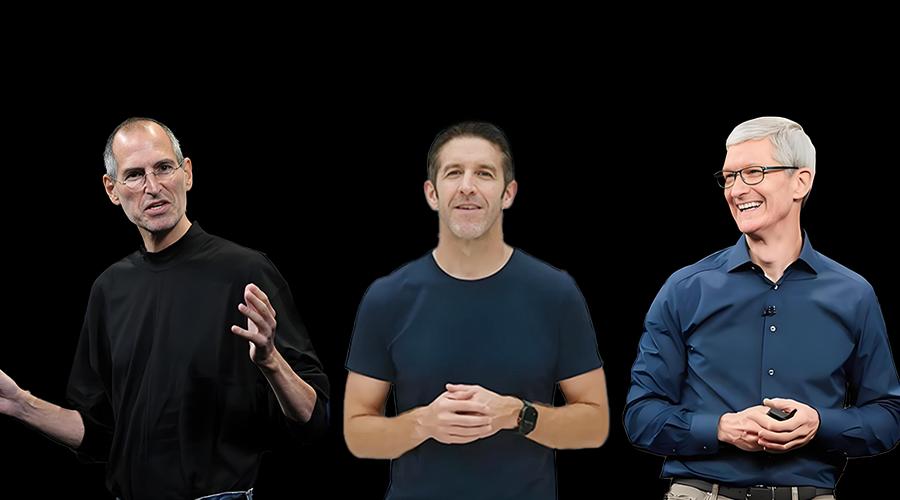
John Ternus is seen as a unique fusion of Steve Jobs and Tim Cook—not only a reliable ‘continuity candidate’ in the eyes of Wall Street but also a rare ‘perfectionist product person’ at Apple.
Written by | Landong Business Jianfan
Leadership transitions in business empires often herald shifts in strategic focus.
In 1997, Steve Jobs made a triumphant return and rescued Apple from the brink of collapse through groundbreaking product innovation.
In 2011, Jobs passed the baton to Tim Cook, recognizing that Apple needed an operations expert to market its revolutionary iPhone and iPad globally, cementing its dominance. Under Cook’s leadership, Apple’s market value soared by over $3.5 trillion in 15 years.
On April 20, 2026, Apple announced that Cook would step down as CEO in September, with John Ternus, currently Apple’s Senior Vice President of Hardware Engineering, set to succeed him. Ternus, who worked under Jobs, referred to Cook as his ‘mentor’ in his appointment statement.
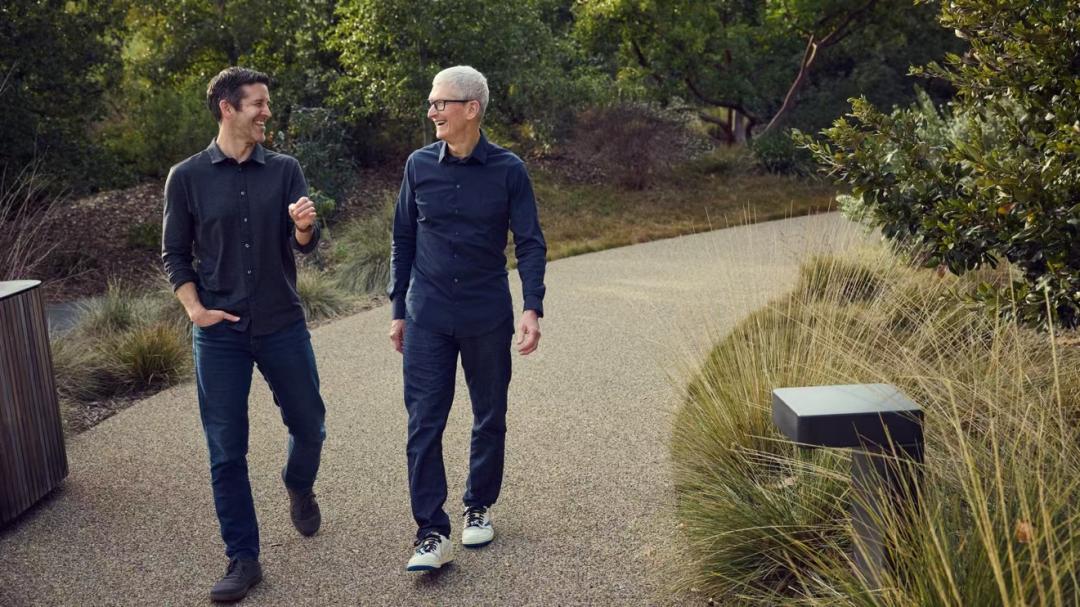
Ternus assumes leadership amid a complex landscape: He inherits a company with an average annual revenue growth of just 3.4% since 2022, lagging behind competitors like Meta in emerging areas such as smart glasses. Over half of Apple’s profits still derive from the iPhone, a product nearing its second decade.
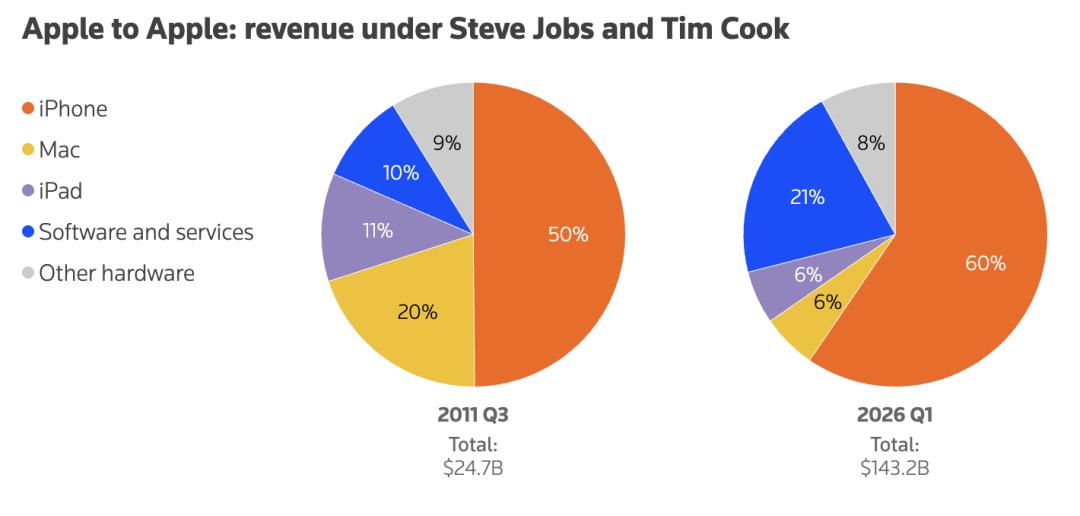
Apple’s Revenue Under Steve Jobs and Tim Cook: 2011 vs. 2026
While tech giants like Google, Microsoft, and Amazon have heavily invested in AI in recent years, Apple has remained on the sidelines, even delaying the revamp of Siri. Apple now stands at a crossroads, needing to deeply integrate AI into its hardware ecosystem.
Clearly, high expectations rest on Ternus, who embodies a unique blend of Jobs and Cook—not only a steady ‘continuity candidate’ in Wall Street’s eyes but also a rare ‘perfectionist product person’ at Apple.
In terms of management style, Ternus is often seen as ‘Cook 2.0.’
Unlike Jobs’ sharp and occasionally abrasive demeanor, Ternus is known for being ‘very nice’ and ‘approachable.’
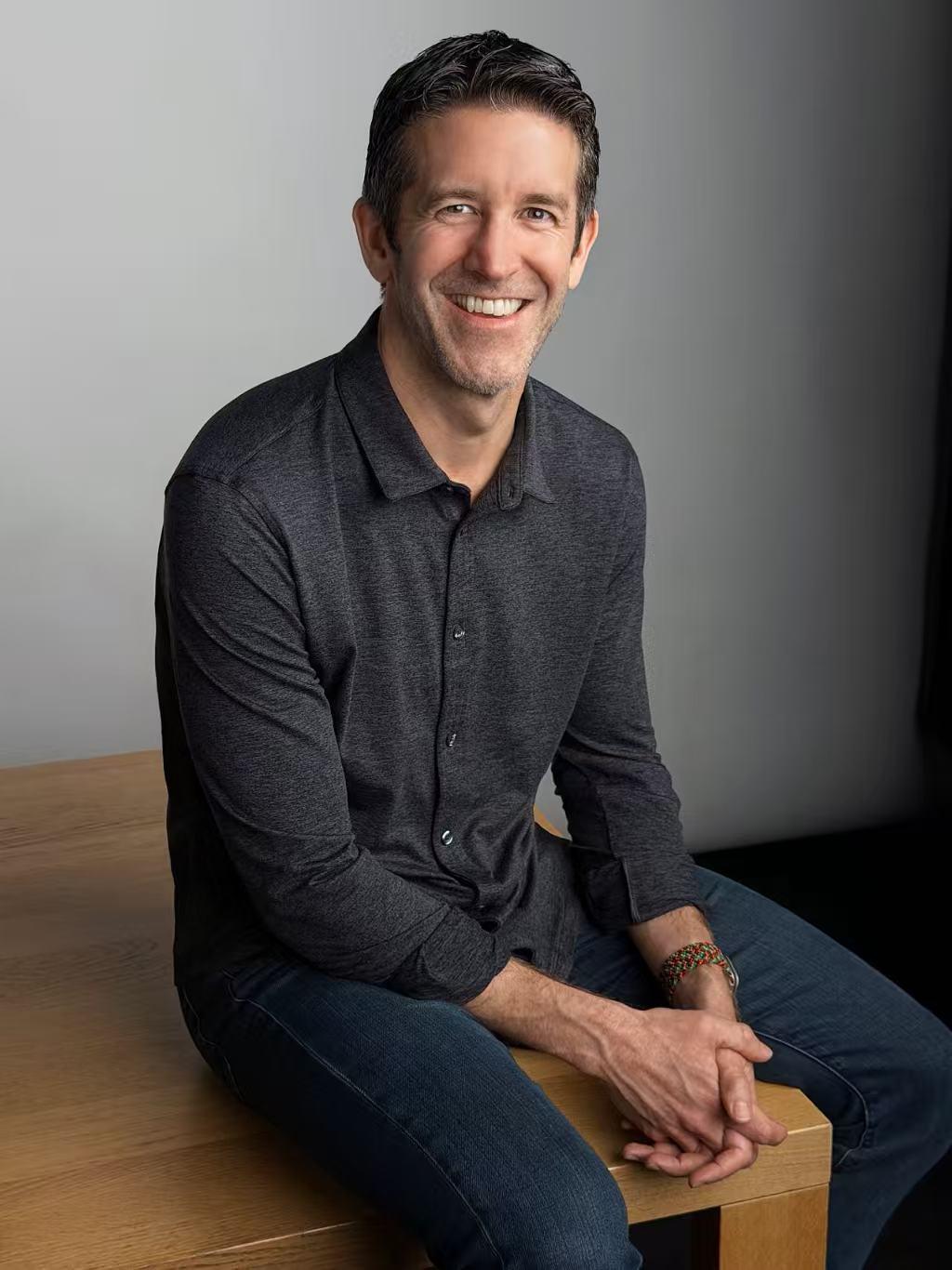
‘I’ve seen John collaborate deeply with every Apple department,’ said Chris Deaver, former Apple HR head, ‘not just hardware and product teams but also software and operations. This deep collaboration has earned him full trust.’ He emphasized, ‘At this moment, having an exceptional product leader at the helm bodes well for Apple.’
The Wall Street Journal received near-unanimous praise for Ternus when querying Apple insiders.
Those who have worked with Ternus describe him as an excellent collaborator who earns absolute loyalty from subordinates. Employees note that Ternus keeps meetings focused and efficient, preferring direct engagement with grassroots staff familiar with product details over managers with only superficial business knowledge.
In Apple’s notoriously factional internal environment, Ternus acts with composure, rarely making enemies. A typical story: A decade ago, as a core executive in AirPods’ development, Ternus stayed out of infighting over Bluetooth connectivity solutions that led to one executive’s resignation and another’s relocation. Still under 40, Ternus focused solely on advancing the project.
Ternus’s ability and boldness in driving projects internally may be one reason Cook sees him as a successor.
Years ago, as head of Apple’s Mac hardware business, Ternus faced a dilemma: The Mac Mini needed an upgrade, but a new design would require intervention from Jony Ive’s industrial design team, causing delays. After judging that the product design didn’t need major changes, Ternus immediately approved the update. He didn’t fixate on the product’s profit potential but on its value to Apple’s overall ecosystem.
‘This incident is just a microcosm, showcasing his decisiveness, deep understanding of Apple’s culture and products, and ability to drive things forward within the company,’ said an insider. ‘In this closed-off company, this is just one of many roles he’s ascended to, learning to navigate Apple’s unique personnel rules along the way.’
The Wall Street Journal commented: Ternus’s tact and seniority at Apple will be crucial in his new role. Apple’s organizational structure is unique: While other large companies have general managers overseeing business lines, Apple uses a functional structure. Thus, an insider deeply familiar with how all departments operate has a natural advantage as CEO.
In 2024, Ternus recounted a story during a speech at his alma mater, the University of Pennsylvania.
One late night, he argued with a supplier over the number of grooves on the back of an Apple monitor. To consumers, these screws were nearly invisible, but Ternus noticed the supplier had made 35 grooves instead of Apple’s specified 25. After arguing, the supplier ultimately reverted to 25 grooves.
‘If you’re going to spend that much time on something, you should put in all your effort,’ Ternus said. This pathological attention to detail mirrors Jobs.
On many occasions, Cook repeats a piece of advice he received from Jobs before his death: ‘Never ask what Jobs would do—just ‘do the right thing.’’
‘Over the long term, people’s perceptions of the company will change, but we’re always ready and giving our all,’ Cook said at a media event shortly after taking over. ‘Our goal is always to make the best products.’
Despite his gentle management style, Ternus is an engineer with extremely high product standards, even exhibiting Jobs-like ‘perfectionism.’
Ternus’s resume is heavily focused on hardware products.
He graduated from the University of Pennsylvania in 1997 with an engineering degree, majoring in mechanical engineering. Before joining Apple’s product design team in 2001, he had four years of engineering experience.
In 2013, Ternus succeeded Dan Riccio as Apple’s Vice President of Hardware Engineering. He oversaw Apple’s most critical hardware, from iPads to AirPods, from the ultra-thin iPhone Air to the bestselling MacBook Neo in the U.S.
One of Ternus’s core achievements was leading the development of Apple’s M-series chips, transitioning Mac computers to Apple’s own processors and ending over a decade of reliance on Intel. This boosted Mac performance and battery life, with Mac market share rising 23% in five years.
Recalling how the new chips enabled thinner, faster Macs, Ternus told CNBC in 2023, ‘It almost felt like the laws of physics had been rewritten.’
As Apple’s new CEO, Ternus urgently needs to answer: In the AI era, how will he create Apple’s next iPhone?
‘His entire career has embodied the idea that the best defense is to build better devices,’ Reuters said of Ternus.
In the AI era, Ternus has made clear: Apple never releases technology for its own sake but considers how to use it to create outstanding products.
This echoes Jobs’s statement about technology: ‘You have to start with the user experience and work backward to the technology.’
The ‘perfectionist product person’ is returning to lead Apple. This philosophy of prioritizing hardware experience over pure technology brings Ternus closer to Jobs than operations-focused Cook.
The ultimate test for Ternus is what Apple will offer in the AI era.
Apple needs to complete its long-overdue Siri overhaul this year. The new Siri was supposed to be announced in 2024 but has been repeatedly delayed. Though Apple hopes to unveil it at June’s Worldwide Developers Conference, much work remains.
According to The Information, Apple has repeatedly attempted to reorganize its AI team to address underlying issues in developing the new Siri. Last year, Apple stripped Siri from original AI head John Giannandrea, placing it under software chief Craig Federighi. Last week, Apple reorganized the Siri team again, transferring many members to an AI programming bootcamp.
Additionally, AI capabilities at the system level remain restrained, with Apple Intelligence failing to generate much user excitement. Even in January, Apple struck a deal with Google to build its next foundational model on Gemini and cloud technology, providing core technical support for this year’s upcoming personalized Siri.
Apple’s AI software and technical issues may also be hindering new hardware development. Apple is reportedly working on new smart home hardware and a wearable brooch device, both relying heavily on AI assistants for core interactions.
Besides internal challenges, external threats loom. Apple’s competitors are also seeking new paths to challenge its hardware dominance.
OpenAI is partnering with former Apple design chief Jony Ive to poach talent from Apple’s hardware division, aiming to build its own AI devices. Ternus must decide: Should Apple double down on smartphones or fully invest in hardware categories that could become new AI interaction gateways?
A bigger challenge is reigniting Apple’s innovative spark.
Critics argue Apple has lost its innovative edge under Cook, citing poor Vision Pro sales and the scrapped car project as examples. As Apple’s hardware engineering head, Ternus has only expanded iPhone and Mac product lines, lacking the disruptive innovation of Jobs’s era.
Perhaps Ternus has his own answers.
In a previous ABC News interview, Ternus said Apple has always focused on ‘delivering experiences.’ The ideal state for AI is making things feel easier and more intuitive for users, who may not even consciously realize AI is behind it.
He is a manager who, like Cook, knows how to keep the company running smoothly, and an engineer who, like Jobs, is nearly obsessively passionate about hardware.
Outside Apple, Ternus loves racing Porsches at California’s Laguna Seca Raceway. His lap times dip below 1 minute 40 seconds, exceptional for amateur racers. Clearly, he won’t become the next Jobs or Cook, but he has his own track to push limits: AI.
-
![]()
The ‘White Glove’ Phenomenon at Auto Shows: Far from Over This Year
-
![]()
DeepSeek Strikes Again, Domestic Large Models Can't Sit Still
-
![]()
DeepSeek V4 Is Finally Here! What Do We Know?
-
![]()
DJI VS Insta360 Two-Way Game: Intense Competition in the Handheld Camera Track, Disruption by Mobile Phone Giants
-
![]()
From iQIYI to AIQIYI: A 'Cost-Reducing Marvel' or a 'Crisis of Trust'?
-
![]()
Big Tech Companies Throw Their Weight Behind Robots
-
![]()
Apple’s New CEO: The Perfect Blend of ‘Jobs + Cook’
-
![]()
Behind Oracle's Global Layoff of 30,000: AI Bubble or AI Replacement?