The ‘White Glove’ Phenomenon at Auto Shows: Far from Over This Year
 04/24 2026
 491
491
No matter how tough the journey, reunions are always possible—at least, that’s what movies tell us.
But in reality, one misstep can mean never seeing each other again. The 2026 Beijing Auto Show may well mark a true turning point.
There’s a succinct online summary of this year’s Beijing Auto Show: The genuine Range Rover was absent, but every imitation was present. Likewise, the true Defender skipped the event, yet all its lookalikes showed up.
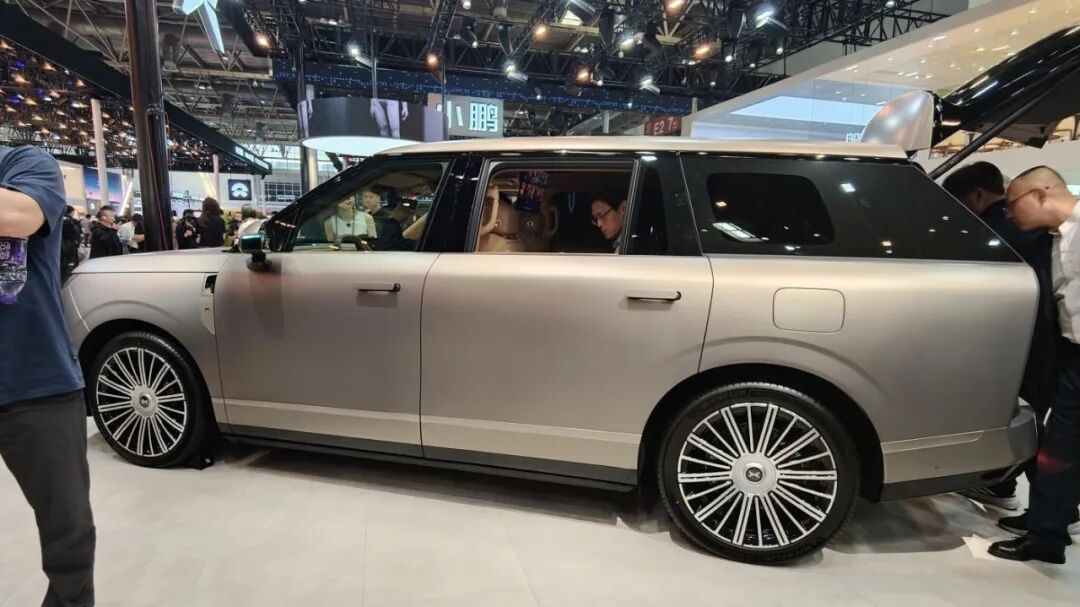
The automotive industry’s playbook has evolved. With the rise of numerous Chinese brands, luxury and ultra-luxury marques have seen their market share significantly eroded. The diplomatic way to phrase it is that top multinational automakers are adapting their strategies; the blunt truth is that they’re retreating.
Of course, this shift isn’t merely about products or marketing tactics. There’s also a significant ecological transformation centered around the concept of “white glove” strategies (referring to a passive, opportunistic approach), rendering many old rules obsolete. This auto show is just a milestone in this trend, far from its peak. The exhibitor list for this Beijing Auto Show might well be a swan song for the next edition in two years.
After all, many may not survive that long.
Failing to Embrace China: Whose Last Auto Show Will This Be?
With 181 global premieres and 1,451 vehicles on display, the 2026 Beijing Auto Show has achieved an unprecedented scale in global auto show history. But it’s like...
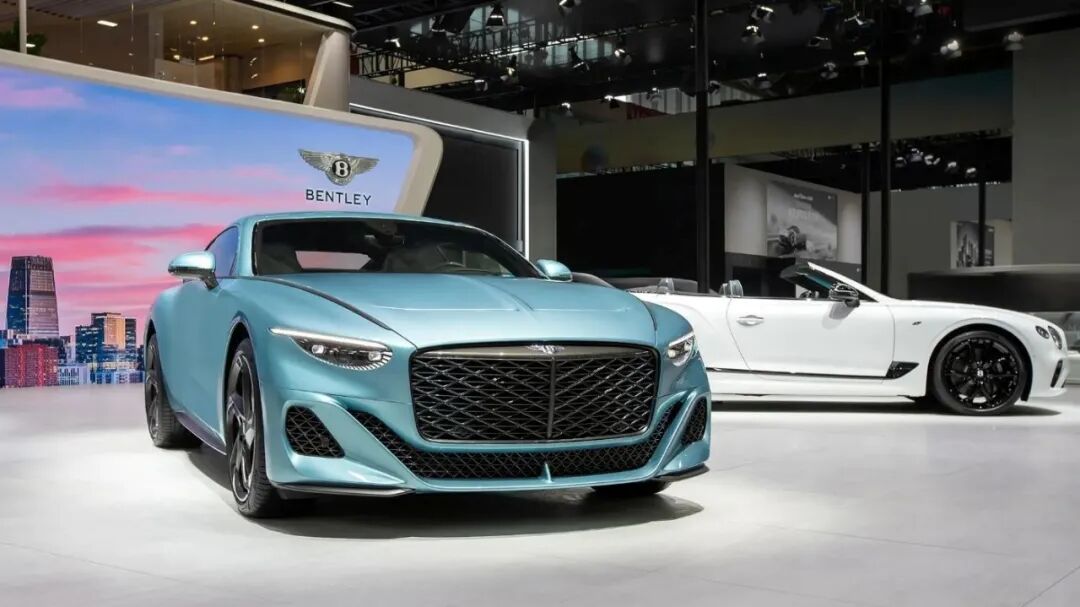
Nearly every ultra-luxury brand has declared China as their most important market and vowed to understand Chinese users’ needs. However, judging by their offerings at this Beijing Auto Show, they’ve indeed absorbed lessons from modern Chinese culture, such as “you do your thing, I’ll do mine.” Hence, at this auto show, Ferrari withdrew for the second consecutive time, Bentley for the first time, Rolls-Royce for the first time, Aston Martin for the first time, and Maserati also withdrew.
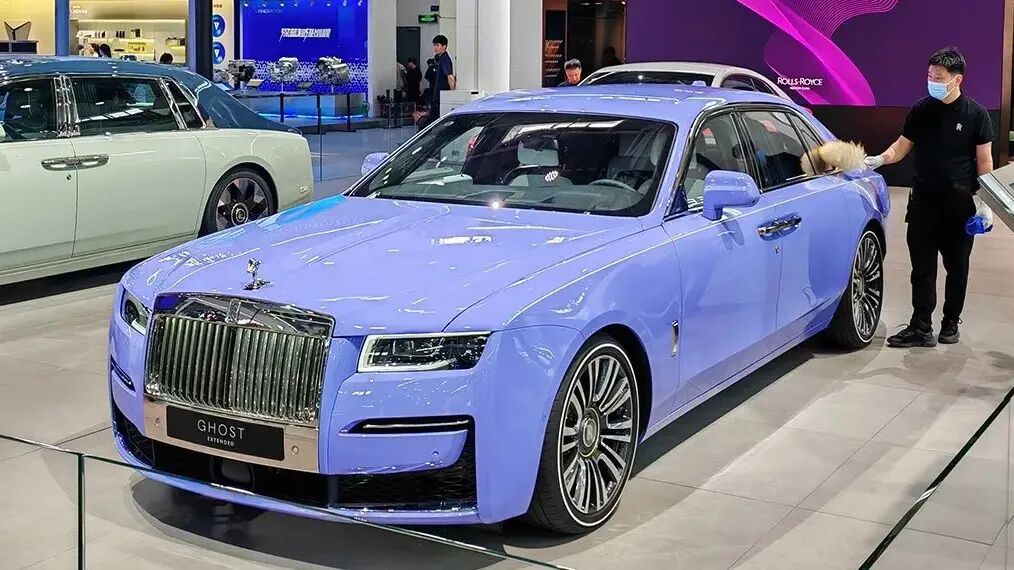
Behind the withdrawal from auto shows lies a shift to a luxury consumption model. This has been the path dependency for ultra-luxury and luxury brands for years: during global economic downturns, they choose to increase mystery and target specific demographics. It’s easy to understand, much like Darwin’s evolutionary theory suggests—when food is scarce, animals evolve, like giraffes reaching for leaves at the treetops that others can’t reach.
Thus, these withdrawing automakers opt for private events, targeted invitations, and customization. For those with multi-million or even ten-million-yuan car budgets, they value self-perceived worth and, given their capabilities, can afford to try anything new. So, they don’t need to fret over AI, domestic vs. imported, because they can have it all.
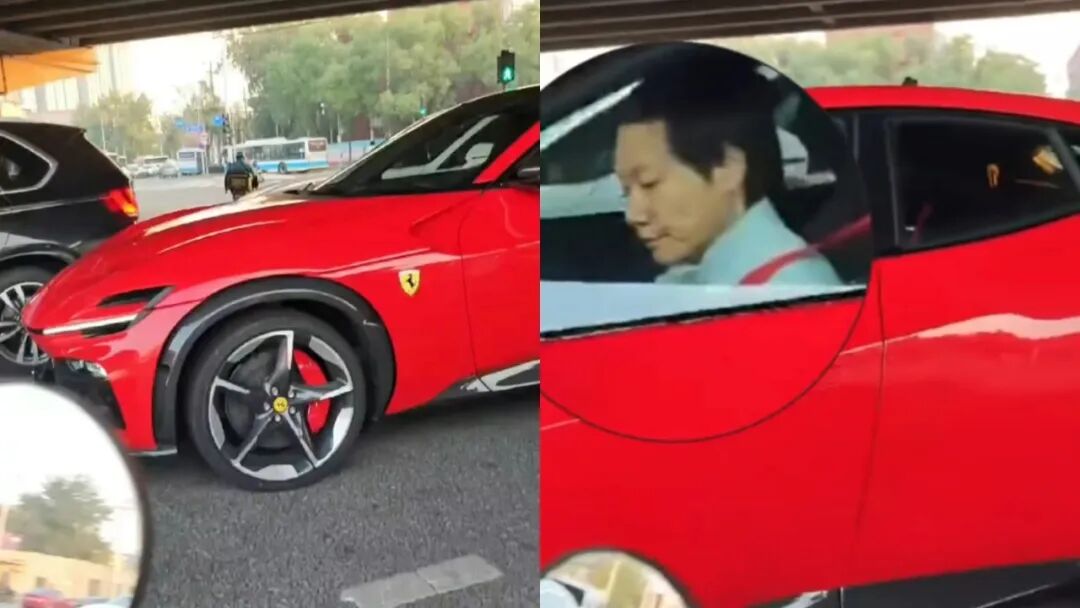
Someone will always break through, like Ferrari. Seeing Li Xiang and Lei Jun successively taking delivery of their cars still proves Ferrari's No.1 status.
However, contrast always leads to significant harm, which puts Porsche in a difficult position.
In the public’s perception, new cars at the 2026 Beijing Auto Show fall into three categories: advanced cars, purchasable cars, and the infamous “generic” cars.
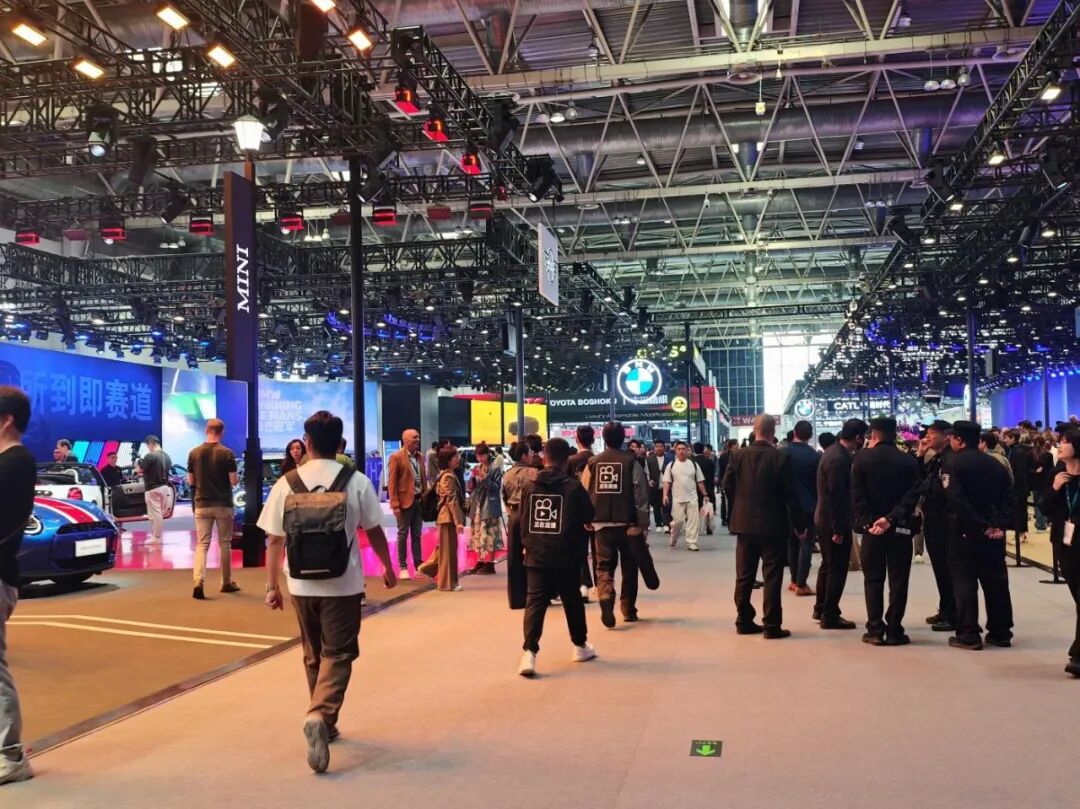
Unfortunately, when some cars don’t follow the latest market dynamics but compete in the mass market, they’re easily labeled as “generic.” The latest market trend is that most multinationals are localizing according to Chinese companies’ efficiency, logic, and technological applications. Nissan, GAC Toyota, SAIC Volkswagen, FAW-Volkswagen, etc., have all rolled out new models, many achieving monthly sales of over 10,000 units, like Dongfeng Nissan’s N series, Bozhi 3X (BZ3X), and the recently widely discussed SAIC Volkswagen ID. ERA 9X. Even the latest Anhui Volkswagen Zony 08 is 20,000 yuan cheaper than the technologically similar Xpeng G9.
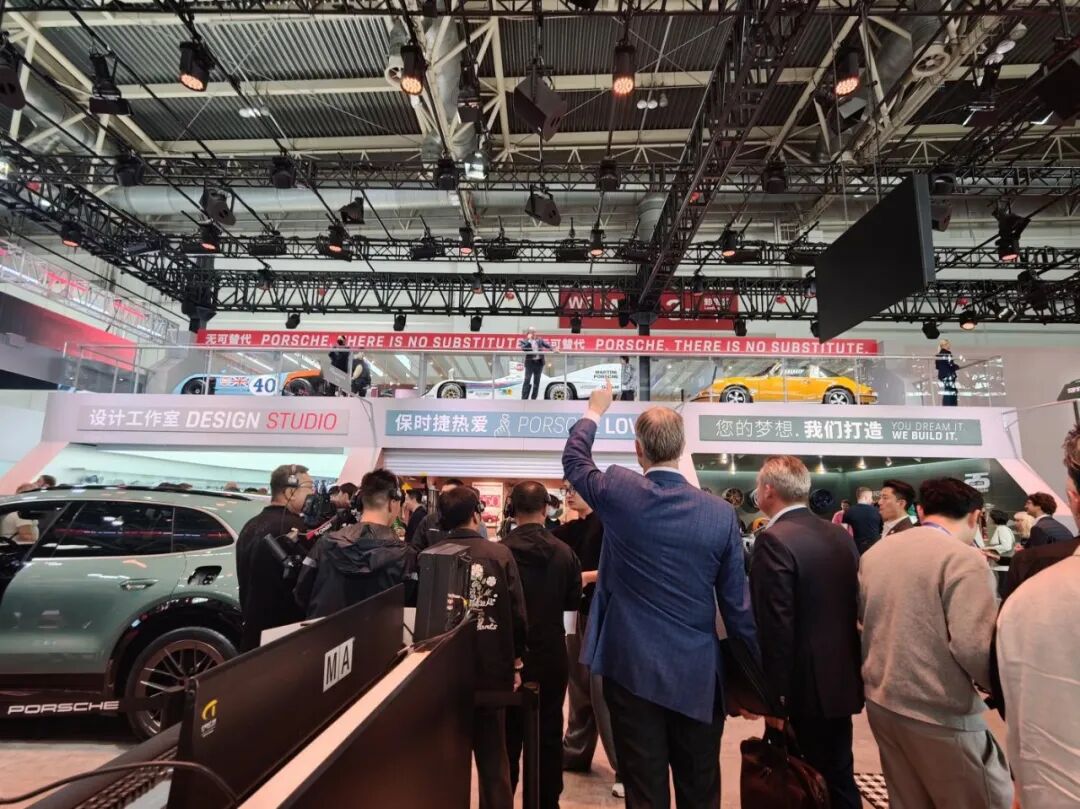
However, it’s evident that Porsche, crowned with the Stuttgart legend, hasn’t prepared mentally for this.
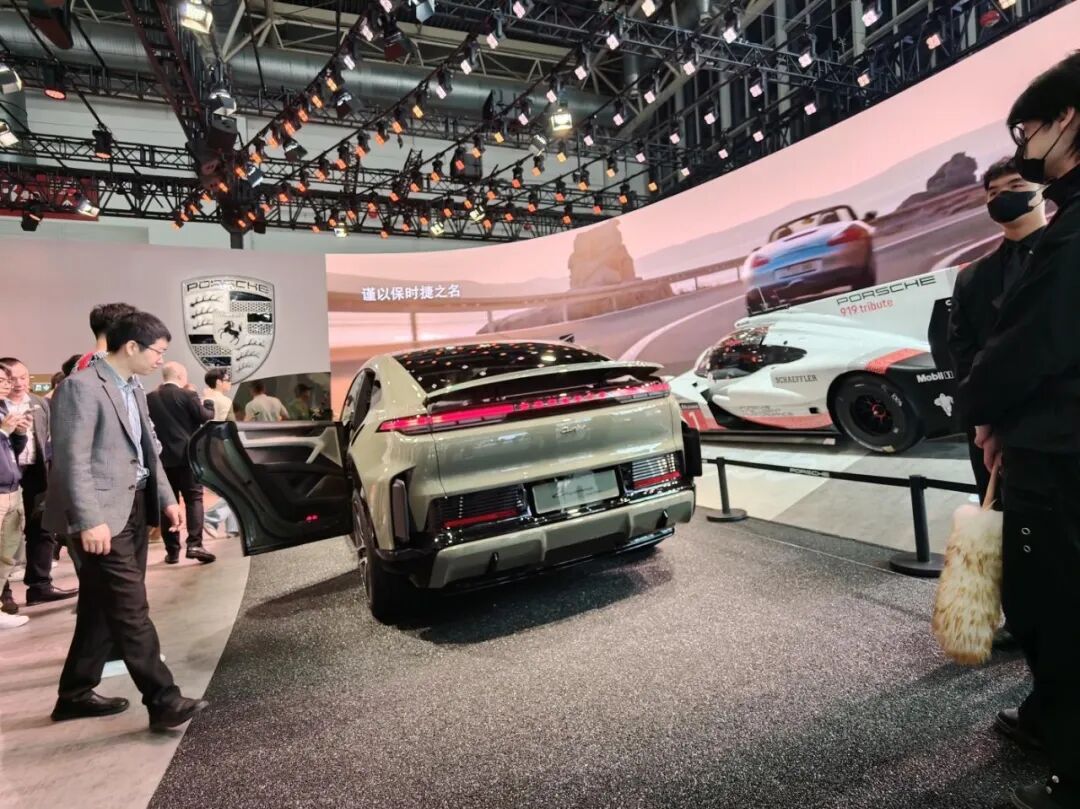
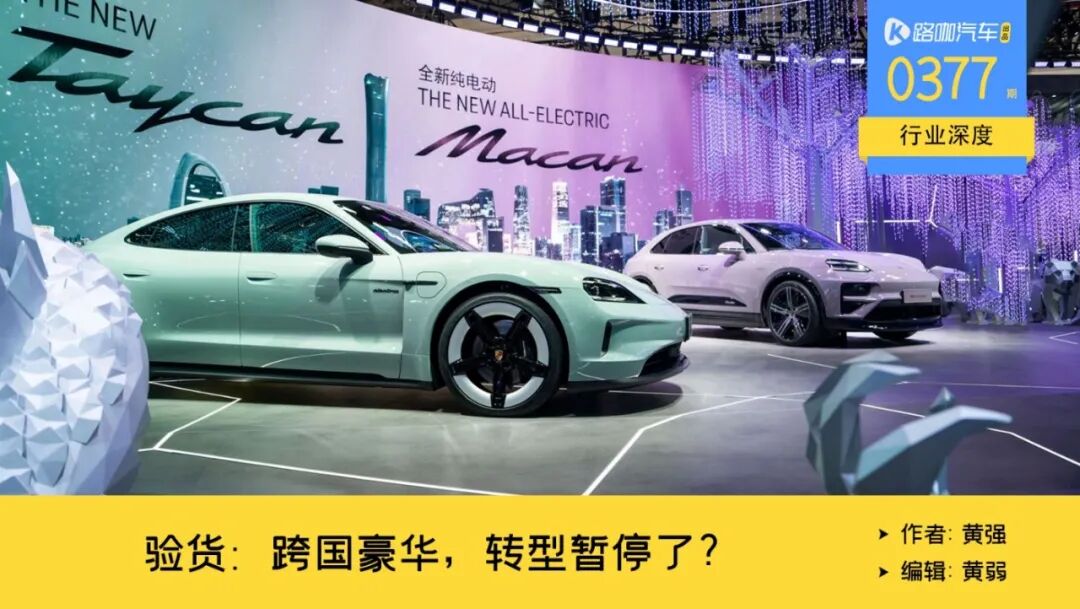
Judging by the exhibit line-up, Porsche’s performance is hard to rate. The highlight is the all-electric Cayenne Turbo, accompanied by historical classics like the Nürburgring record holder 919 Hybrid Evo, the 911 GT3 Porsche China 25th Anniversary Collector’s Edition, and the new Panamera Exclusive Edition.
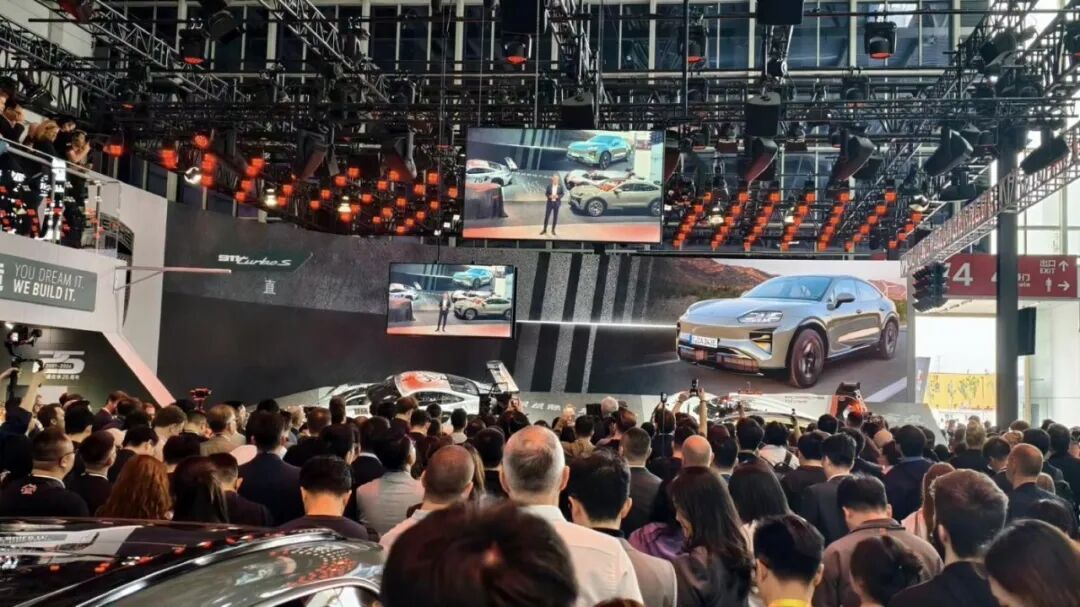
This product logic is relatively clear from Porsche’s standpoint: it’s like a bomb with wings in a game of Dou Di Zhu (a Chinese card game). The bomb is undoubtedly the all-electric Cayenne Turbo, and the wings are the other models. Indeed, from an automotive technology or enthusiast’s perspective, this seems fine.
But in reality, this logic would have been flawless three years ago; in the 2026 Beijing Auto Show, it’s a cognitive dissonance.
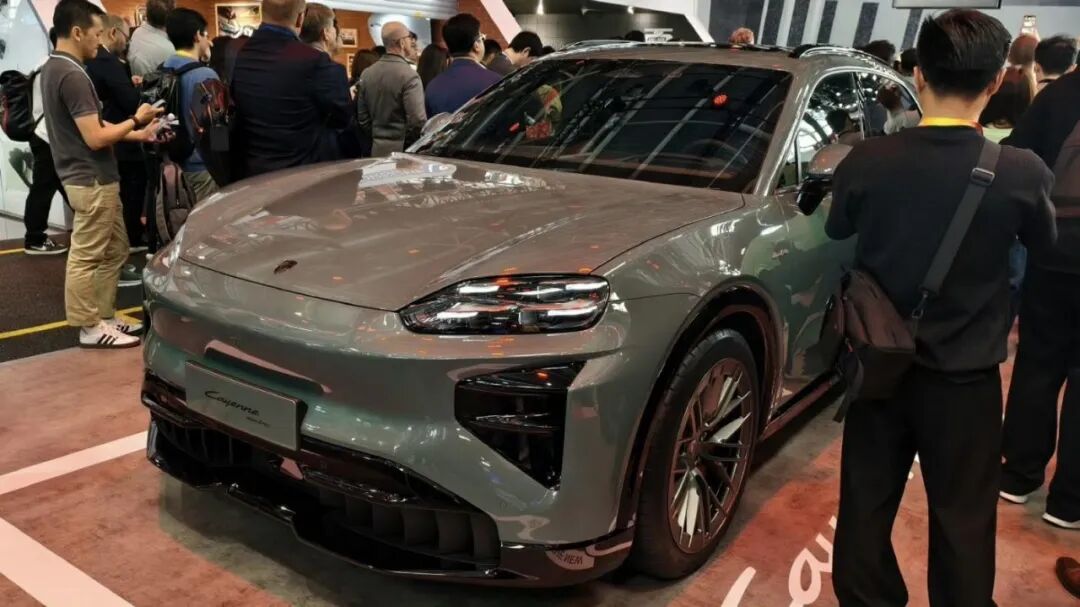
The core new car on the main stage can be summarized with two points: Porsche’s speed and Porsche’s track speed. The specs include optimized aerodynamics (front air ducts, rear diffuser), sport rims + red high-performance brake calipers + exclusive Turbo badging, exuding an aura of power. Semi-hidden retractable spoilers on both sides of the rear bumper automatically deploy at speed.
Inside, there are three large screens + optional AR head-up display, a 14.25-inch OLED instrument cluster + 12.25-inch touchscreen + 14.9-inch passenger entertainment screen.
In overboost mode, it delivers 1,156 horsepower + 1,500 Nm of torque, achieving 0-100 km/h in 2.5 seconds, 0-200 km/h in 7.4 seconds, and a top speed of 260 km/h. In normal mode, it still has 630 kW (857 horsepower), along with Porsche’s signature handling.
No problem, it still holds strong appeal for a select few.
But now the question is, why dare you charge so much? Just because it’s Porsche?
After asking many foreign media at the scene, their answer now is only a tentative “Maybe.”
2026 is not a short-term peak for the ecosystem.
As for the Nürburgring record holder 919 Hybrid Evo, it’s a must-see for racing enthusiasts. However, the issue lies in Porsche’s current strategy, which differs from other ultra-luxury brands. Its focus remains on capturing sales in the mass market.
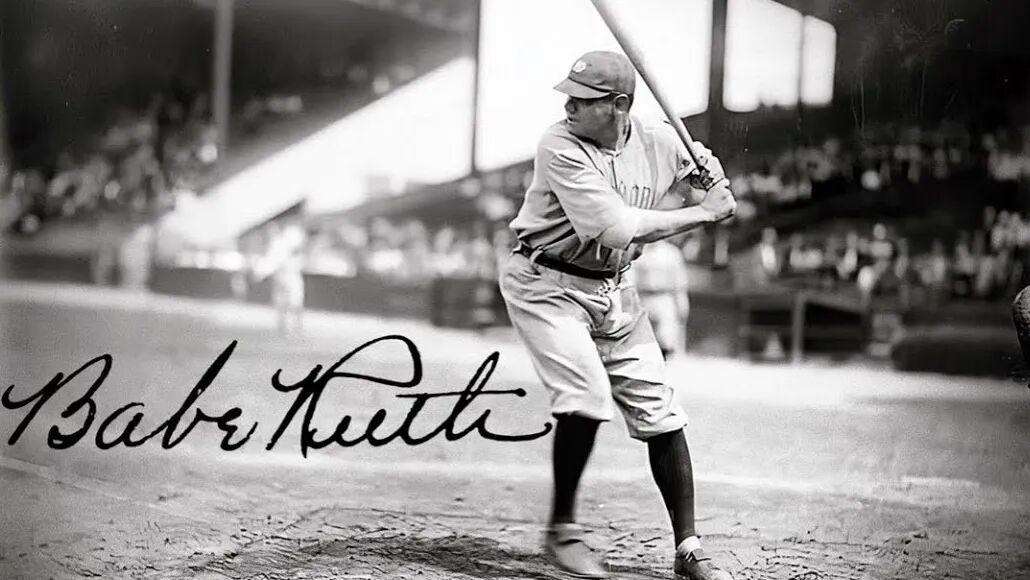
Nürburgring, Le Mans 24 Hours, etc., are roughly equivalent in the mass market to:
You casually chat with friends or family and ask who the GOAT (Greatest Of All Time) in Major League Baseball (MLB) is—Babe Ruth or Shohei Ohtani.
What? If you think that’s too niche, then let me ask, who’s the most famous bowler in the world? If you can’t answer, that’s the performance brought by Porsche’s peripheral models.
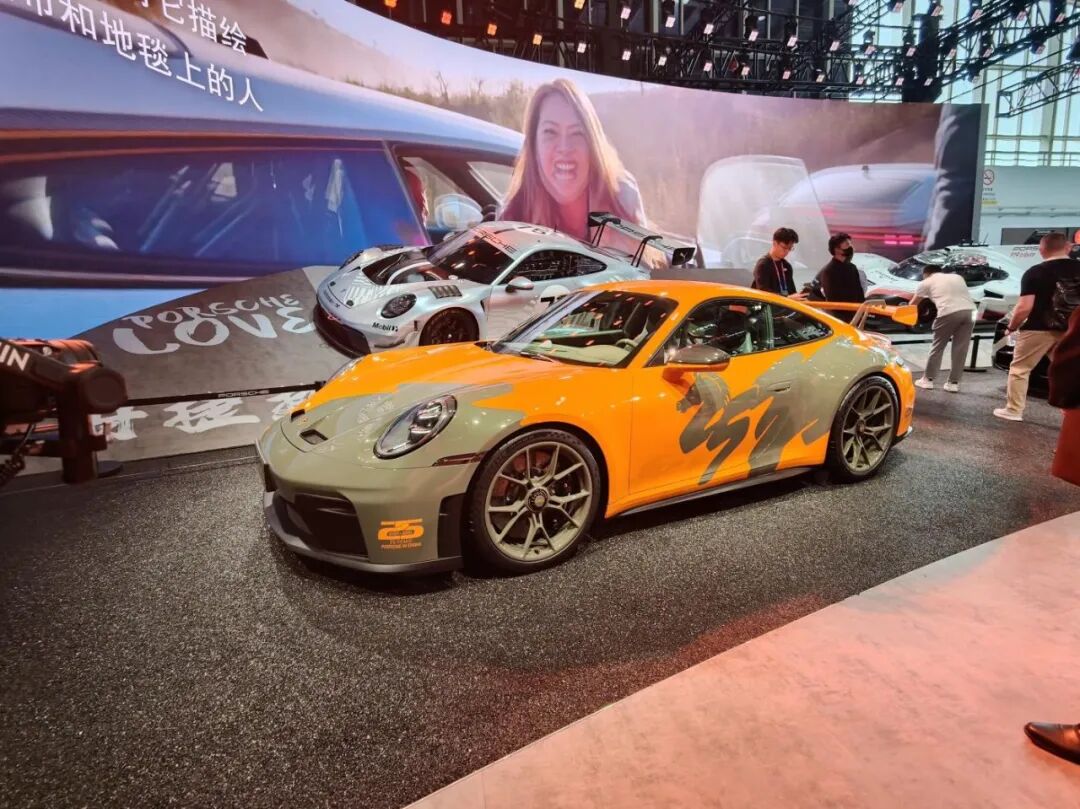
Moreover, there’s an ecological evolution on the periphery. For a long time, Porsche itself was a guarantee of attention, but now it has retreated to another ecological niche. To describe it as “white glove” in terms of traffic might not be accurate, but “blending in” is certainly apt.
In short, it seems Porsche hasn’t grasped the principle yet: to survive in the Chinese auto market, you must play by local rules. To be an ultra-luxury or luxury brand, you need to command a premium, but why can you command a premium? If you have the ability, you remain luxury or ultra-luxury; if not, you’re just self-indulging.
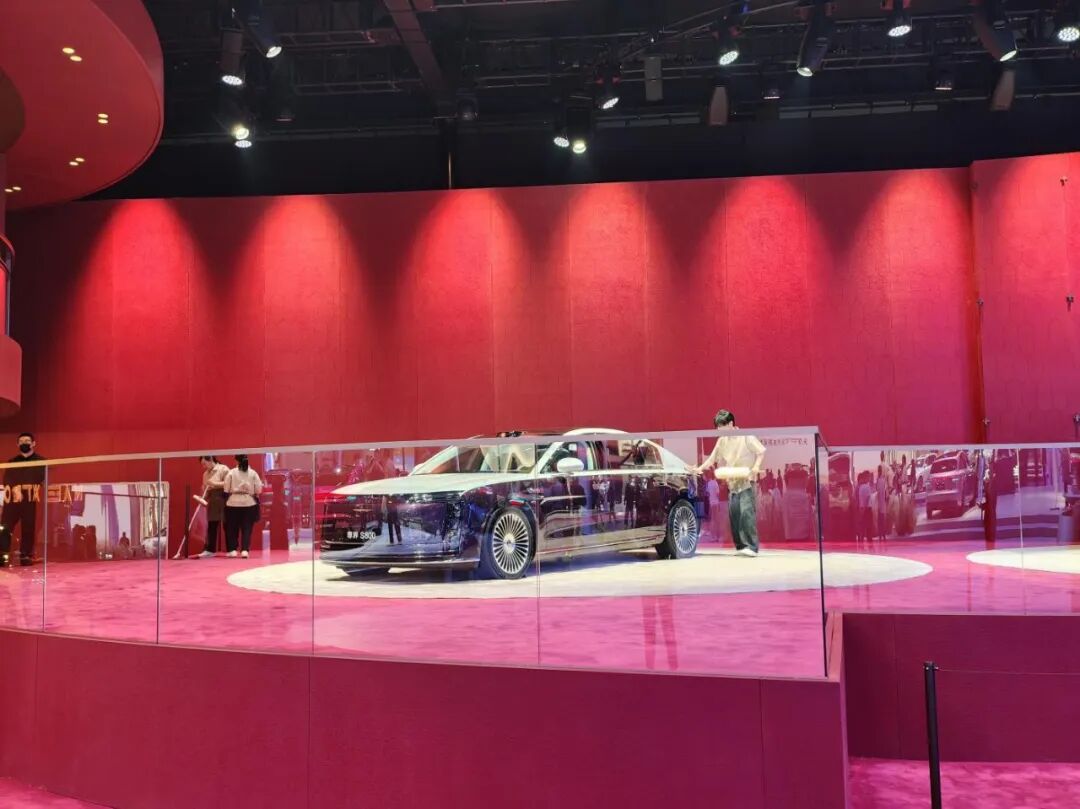
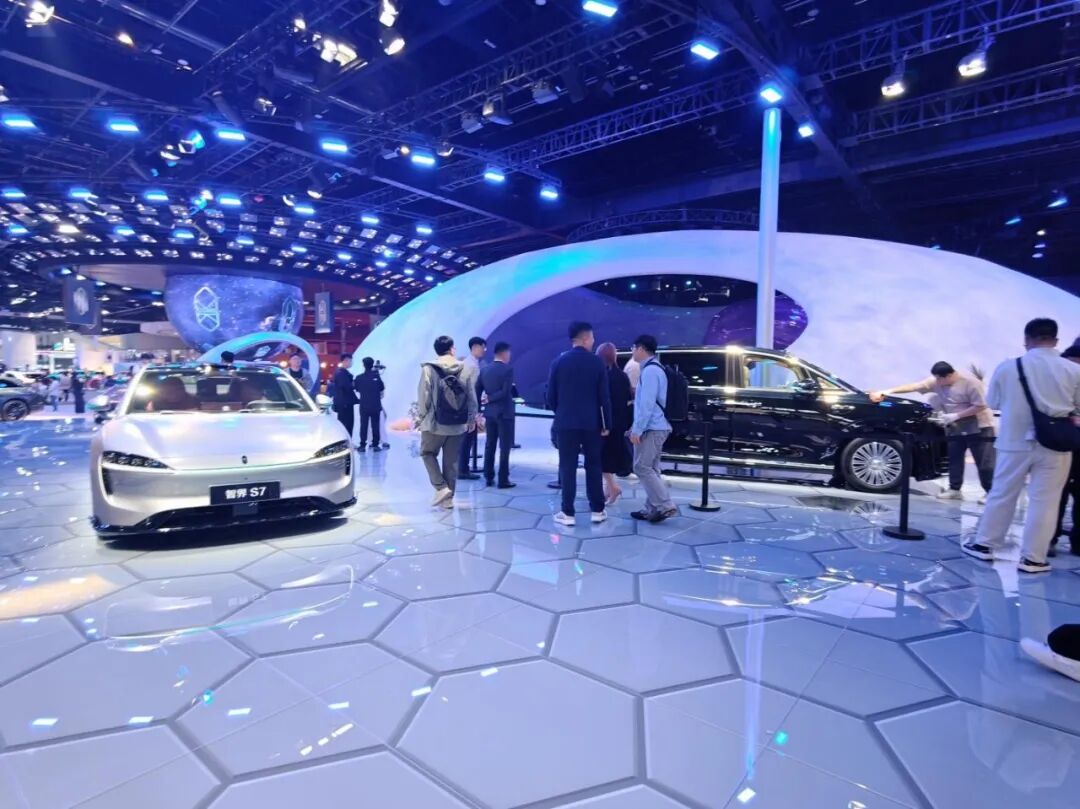
Zunjie can be ultra-luxury, Aito can be luxury; it always provides Huawei’s latest proprietary technologies, allowing its owners to always experience the cutting edge. NIO can be luxury because it’s full of exclusive features, not just battery swapping but also chassis details and much more. But now look at Porsche, a model with many imitative technological features; it still has its loyal fans, but their numbers are clearly dwindling.
It used to be, “Let’s go see Porsche first, then XXX.”
Now it’s, “Let’s go see XXX first, then drop by Porsche on the way.”
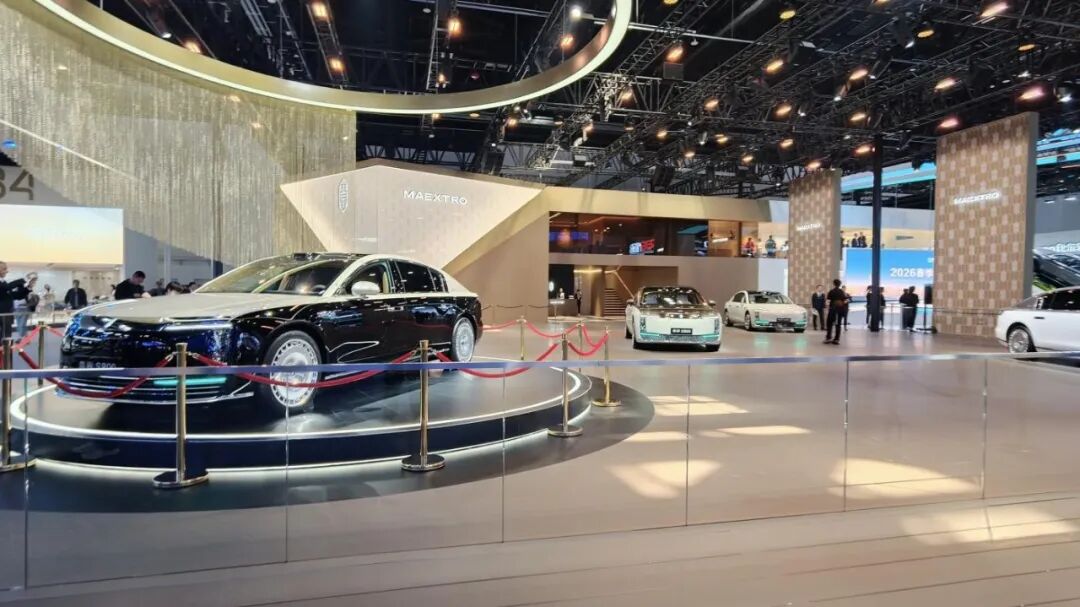
It’s not alone in this predicament; FAW-Audi, also famous for years, faces a similar situation. Looking closely at its exhibit line-up, there’s no difference in thinking from Porsche. The highlight is the launch of the new Audi SQ8, the China debut of the all-new Audi S5 Avant, accompanied by the Audi F1 show car R26, FAW-Audi A5L, all-new Audi A6L, all-new Audi Q5L, FAW-Audi A6L e-tron, and the FAW-Audi Q6L e-tron family.
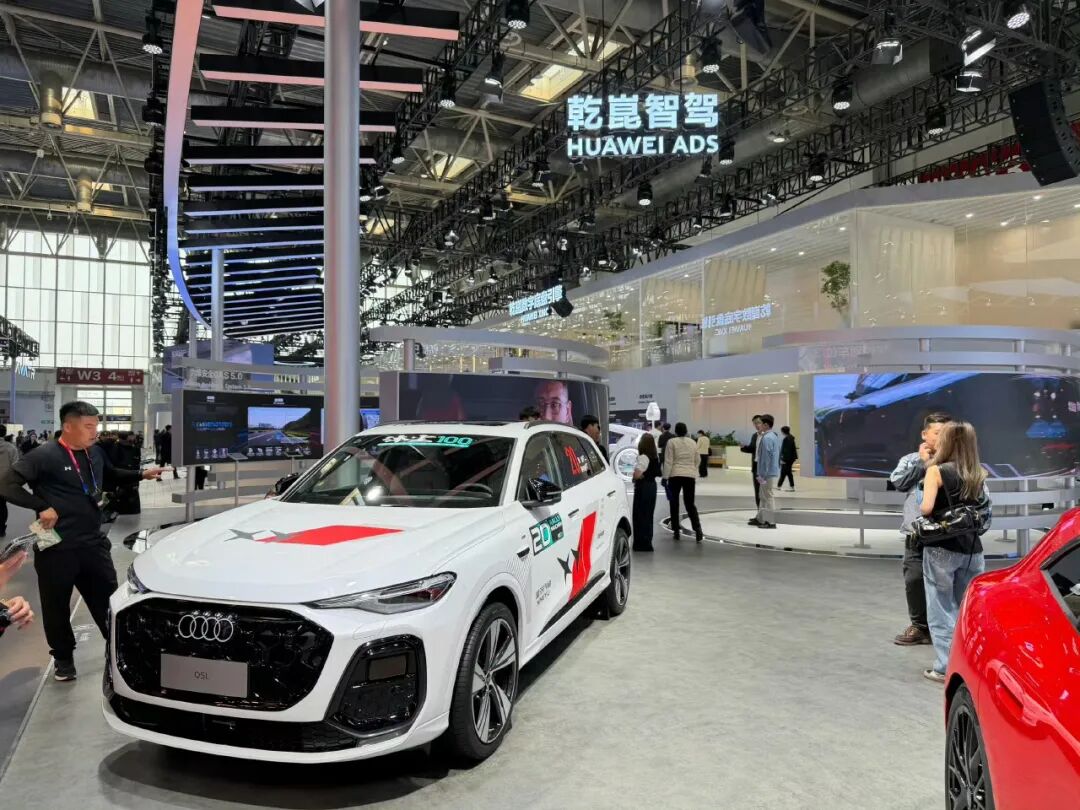
Many are curious why, despite the partnership between a traditional giant and Huawei, even Huawei can’t boost it. The Audi A4L is gone, replaced by the Audi A5L, now equipped with Huawei’s ADS (Advanced Driving System), but its average monthly sales have dropped from a stable 10,000+ to less than 4,800 now. The newly launched models are even more surprising; firstly, for cost reasons, they deliberately abandon classic elements, reducing costs. For instance, the recently refreshed all-new A6L has all four doors and two covers switched from aluminum to steel. The Audi A6L e-tron, to capture the market, has priced its electric version lower than the fuel-powered vehicle (fuel-powered car), and there’s also the Audi Q6L e-tron.
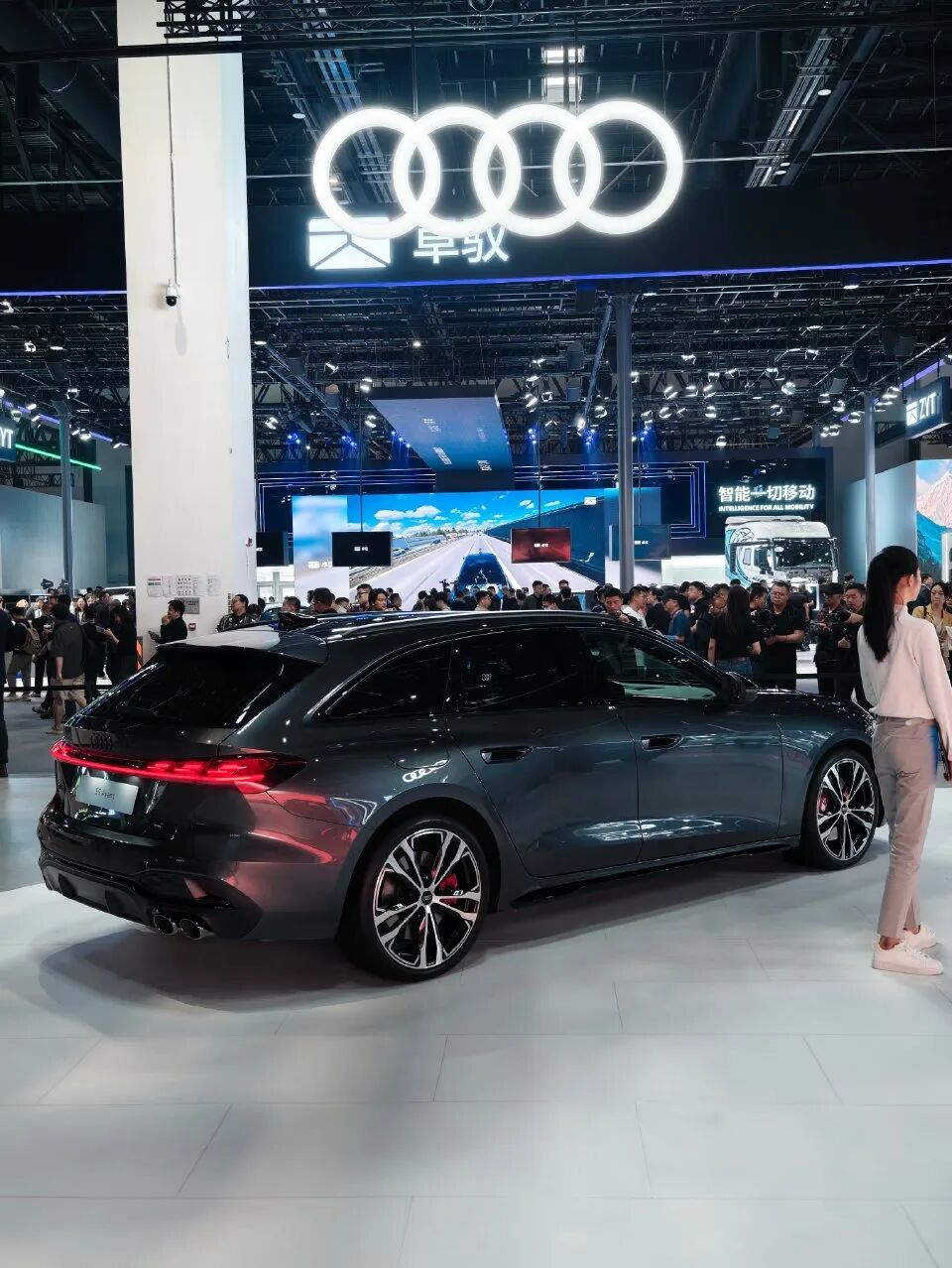
The vehicle offers an 800V high-voltage platform, but the latest at the Beijing Auto Show is 1000V, with 900V becoming mainstream. It stubbornly emphasizes its German heritage, a “purebred” German car, and although it has introduced Huawei’s ADS system, it’s a “special supply.”
The special supply refers to the development of two car models. One is still a localized adaptation of the German version, and the other is a version specifically developed in collaboration with Huawei. This has led to a peculiar sight in the current market, where the price of the Qiankun version is considered too expensive by most people. When compared to the more than 100 car models with Huawei’s new technology that will be launched in the market this year, Audi’s competitiveness is evident to those who understand.
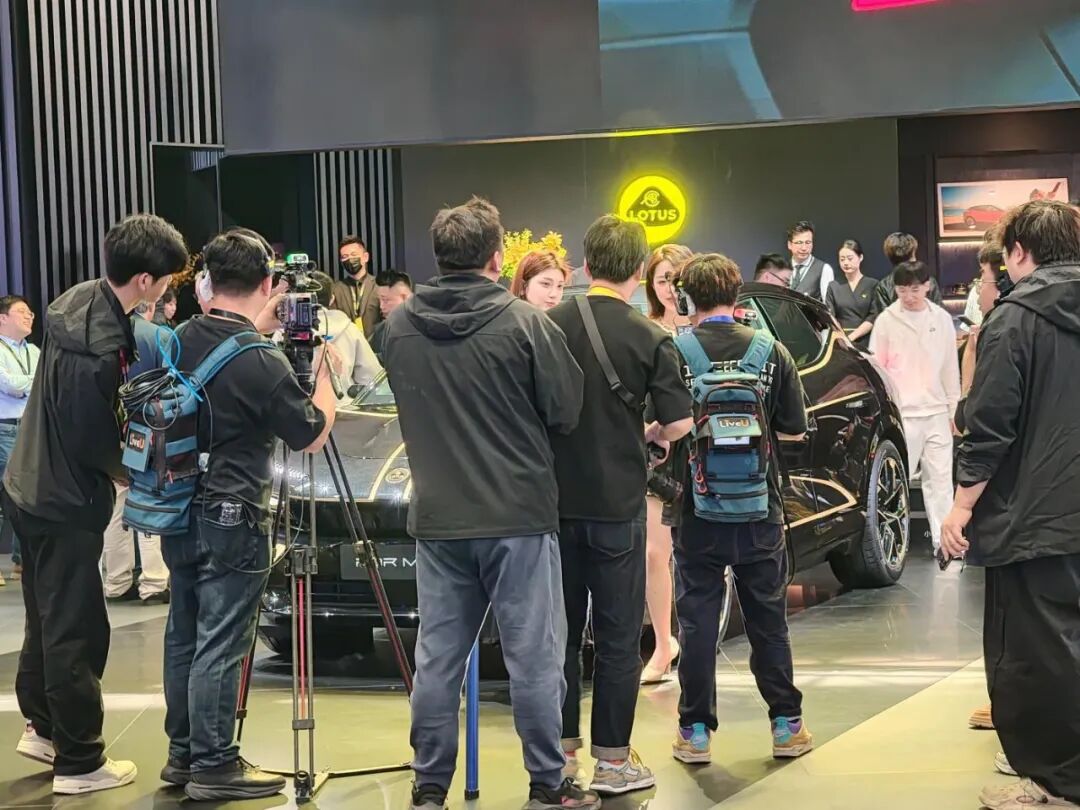
Of course, cars are just one aspect; the other lies in the changes in the entire automotive ecosystem. Why spend money when you can do it for free? This has been the new theme of this year’s Beijing Auto Show and all major press conferences since the beginning of the year.
What is the focus of this year’s Beijing Auto Show? New cars and new plans from automakers probably account for only 50% of the content. The other 50% consists of live streams on every booth and the large number of self-media personalities eager to meet the car models’ representatives and automakers’ executives.
adv
-
![]()
Expert Interpretation of New Policy Combination: Activating the Trillion-Dollar Automotive Aftermarket
-
![]()
Doubao Goes 'Professional', Volcano Rolls the Snowball
-
AI: No Sign of a Bubble!
-
![]()
NVIDIA-Backed AI Unicorn Secures $1.5 Billion Funding: Revenue Soars 2000%
-
![]()
Doubao Pro is Here: How Can Seed 2.1 Be Integrated into Real Processes?
-
"PCB Juice" Sees Four Consecutive Declines: Even Computing Power Material Suppliers Can't Lift This "Old Stock"
-
![]()
Potential 'Seismic Shift' in the U.S. TV Industry: Competition Shifts from Hardware Sales to Traffic Entry Points
-
![]()
Audi A6L's Defense in the Luxury C-Class Market: Following Huawei's Smart Driving Integration, Is Large-Battery HEV the Next Move?