Why Has Television, Once a Household Essential, Lost Its Appeal?
 05/06 2026
 326
326
Recently, the topic "Only 27.63 million color TVs sold domestically in a year" has sparked widespread discussion on social media. Data from Aowei Cloud reveals that in 2025, China's color TV market retail volume reached 27.63 million units, marking the lowest level in nearly a decade. In fact, Aowei Cloud had already released this data on January 27, 2026, but it only recently gained widespread attention when media outlets reviewed data from the TV industry, propelling the topic onto the hot search list.
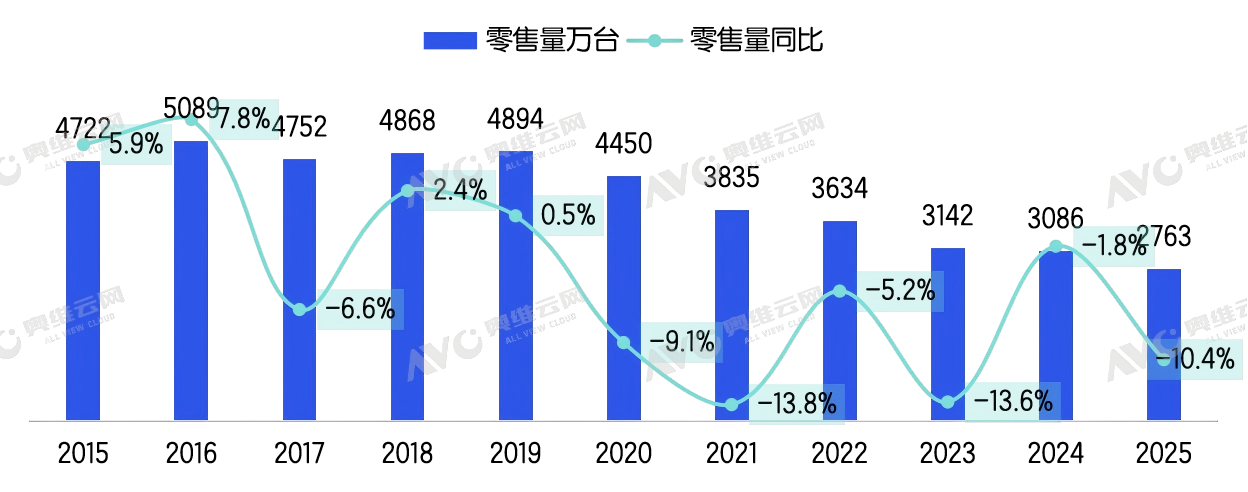
Data from Aowei Cloud for the first quarter of 2026 further shows that China's color TV market sales reached 6.26 million units in Q1, down 9.4% year-on-year, while sales revenue hit 25.6 billion yuan, a 3% decline year-on-year.
In the past, televisions were a staple at weddings during the 1980s and 1990s, considered one of the "three essentials" alongside other household items. During the real estate boom, televisions were also a must-have appliance when families moved into new homes. However, with the widespread adoption of smartphones, the market space for televisions has increasingly shrunk. Despite manufacturers' efforts to "bring TVs back to the living room," in reality, televisions are becoming more marginalized. From a must-have household appliance to a product that often gathers dust, with retail volumes dropping from 50.89 million in 2016 to 27.63 million in 2025, why have televisions suddenly fallen out of favor?
Another hot search topic linked to "Only 27.63 million color TVs sold domestically in a year" is "Netizens say turning on the TV feels like navigating a maze with too many ads," highlighting a significant flaw in the TV industry. In the 1980s and 1990s, consumers could simply turn on the TV and watch various channels. After the emergence of smart TVs, various online video content replaced traditional TV programming. To watch dozens of channels, consumers now need to purchase a set-top box, requiring two remote controls: one for the TV and another for the set-top box.
Moreover, smart TVs present another issue—users must switch to the set-top box channel, and even then, the homepage does not directly provide access to various TV stations. Users must click on "live TV" and confirm before accessing channels. For those unaccustomed to smart products, this process feels like "navigating a maze."
What is the user experience of turning on a TV? First, users must endure a dozen seconds of boot-up ads. After the TV ads finish, they are taken to the set-top box homepage, where they may face another round of ads. These two steps can consume one to two minutes. If consumers rarely watch TV and suddenly turn it on, the experience deteriorates further. First, the TV system requires an update, followed by the set-top box system. By the time they can actually watch TV, three minutes have passed.
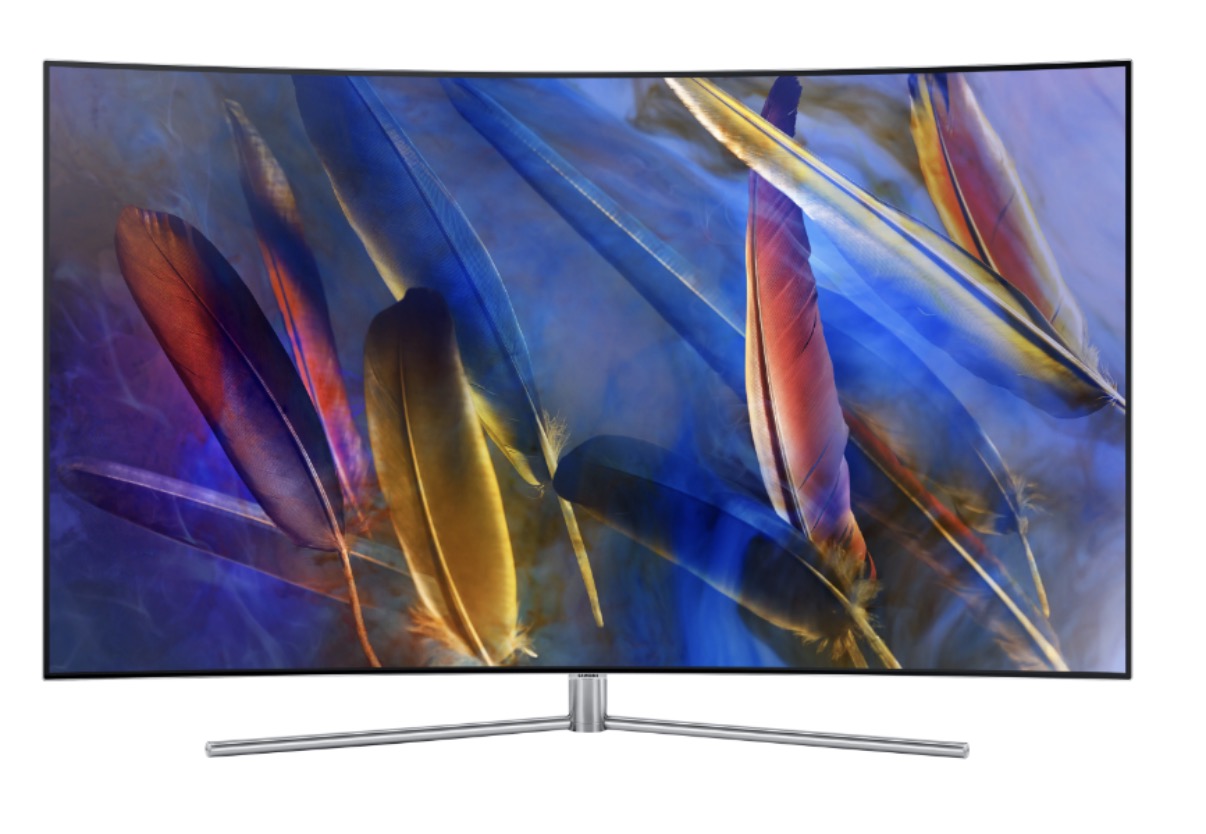
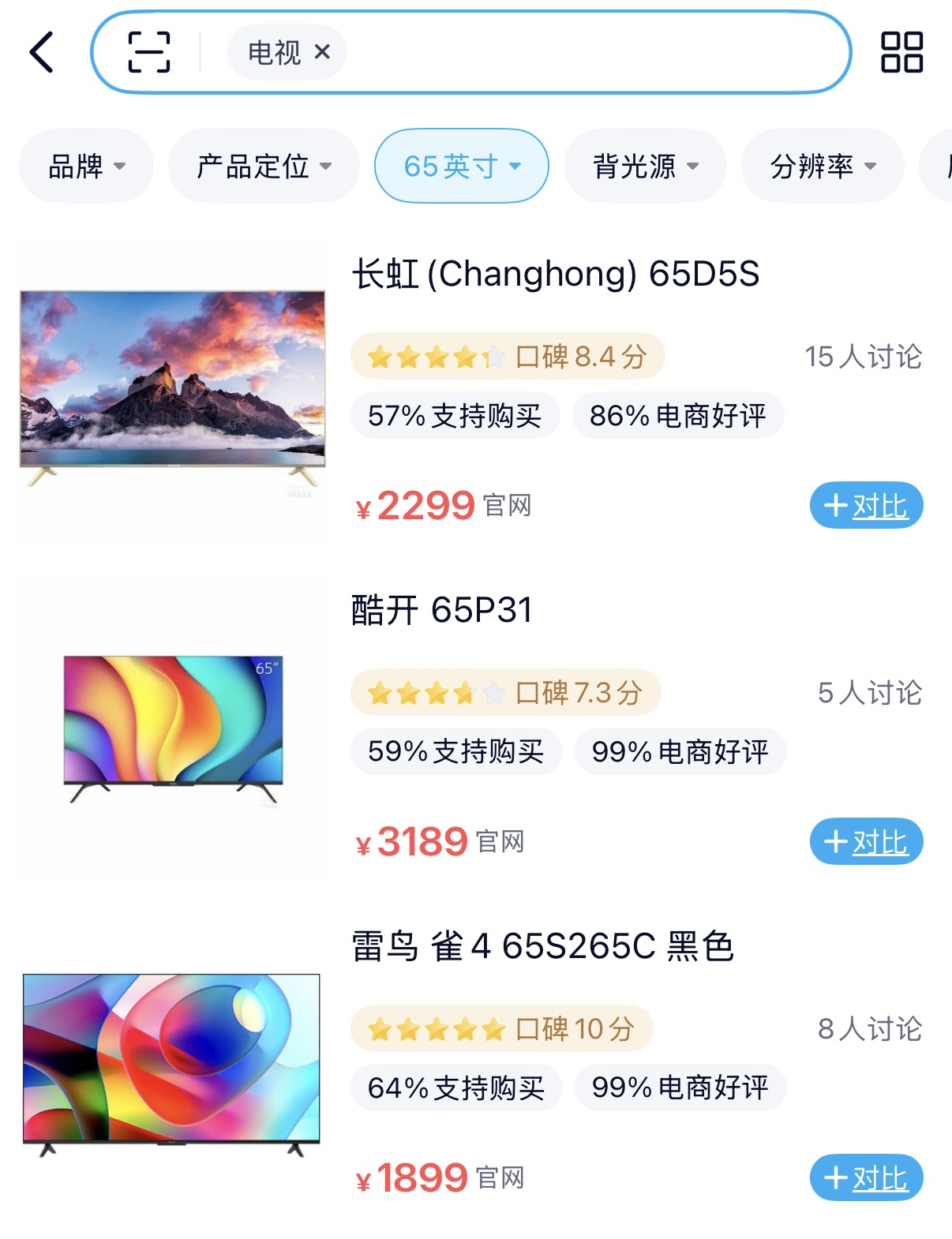
Smart TV manufacturers have indeed driven down the prices of traditional TVs, with 65-inch TVs available for just over 1,000 yuan, 75-inch TVs for around 2,000 yuan, and 85-inch TVs for just over 3,000 yuan—prices that previously might have only bought a 29- or 32-inch TV. Behind these price drops, is it due to cost reductions from new technology iterations leading to lower terminal device prices, or is it a strategic maneuver by TV manufacturers?
While smart TV manufacturers have reduced TV prices, they have also introduced an "innovation"—earning money not from hardware but from software, commonly through boot-up ads. So, why can't TV boot-up ads be turned off? The core reason is that manufacturers have set their profit points on boot-up ads, with shutdown ads being another "innovation."
Among TV users, a significant demographic is middle-aged and elderly users who love watching TV but find setting it up inconvenient. The TV industry is caught in a dilemma: traditional users prefer one-click access to TV stations, while internet-era users enjoy freely choosing content rather than being limited to TV station programming. Manufacturers struggle to satisfy both user groups simultaneously.
"Turning on the TV feels like navigating a maze with too many ads" only highlights the poor user experience of TVs. The real reason for TVs "falling out of favor" lies in their product value. Among various display screens, nearly every screen has found its niche—PCs for office work, tablets for entertainment, and smartphones consuming the most user time on digital screens. Data from QuestMobile shows that in December 2025, the average monthly daily usage time and frequency per user across the entire internet were 7.96 hours and 112.9 times, respectively.
The issue facing the TV industry is not that prices are not cheap or that the user experience is extremely poor, but rather that among numerous digital devices, the TV screen has not found its unique position. Even smartwatches have found their niche in "health and fitness."
Where does the TV screen fit in? If users spend all their time on smartphones, why should they "return to the living room" for the TV screen? This is what TV manufacturers need to explain to current users—what is the product value for a broader audience?
As a consumer product, if it cannot explain its product value to users, they will naturally consider it "dispensable." Under this psychological factor, TV sales will naturally suffer.
Whether it's smartphones, tablets, or laptops, these digital devices are characterized by their portability, while TV screens are fixed in one place, bulky, and space-consuming. They require users to move in front of them, and once a TV is mounted on the wall, users cannot use it if they move to another room unless every room has a TV screen.
Televisions once played a crucial "gathering" role in daily life. However, in today's life scenarios, everyone has their preferences. Even a family of three may be engrossed in their smartphones or tablets, leaving little room for the TV screen.
If a product is forgotten and lacks suitable usage scenarios, its performance in the consumer market will naturally be poor.
TV manufacturers like Skyworth, Hisense, TCL, Changhong, and Konka primarily act as hardware providers. Thus, even with numerous innovations, they can only focus on hardware improvements. The content providers behind TVs are beyond their control, and this separation reduces the TV's appeal in encouraging users to "return to the living room."
Compared to smartphones, TV screens have a longer replacement cycle. If used normally, a TV can last seven to eight years. TVs lack a super app like WeChat to consume their increasing performance, so innovations and upgrades are limited to the screen and sound quality. However, these hardware upgrades do not significantly enhance the user experience. No matter how good the TV is, boot-up ads, shutdown ads, and other clutter make it difficult for users to feel satisfied.
Of course, the most crucial factor is product value—what can users do with a TV? This is not just for a minority group but for the broader base of 1.125 billion internet users. How can TVs attract this vast audience to purchase and use them frequently?
Perhaps TV manufacturers have misunderstood, thinking that "cheap" prices will drive sales. In reality, people buy things first because they are "useful."
By Guo Jing, WeChat Official Account: Guo Jing's Internet Circle
-
![]()
This Beijing Auto Show, Surrounded by Foreigners | Auto Circle
-
![]()
What's Next After Million-Level Contexts?
-
![]()
Next Time You Eat Poisonous Mushrooms, Don’t Blame Doubao for Its ‘Lack of Smarts’
-
![]()
Why Has Television, Once a Household Essential, Lost Its Appeal?
-
![]()
Quarterly Report | China's Learning Tablet Market Slows from Deceleration to Stagnation in Q1 2026; Zuoyebang, Xueersi, iFLYTEK, and Xiaoyuan Rank Top Four in Sales
-
![]()
iFLYTEK: Navigating the Steep Path and Narrow Gate of AI in Education
-
![]()
What Did Musk Do When Space X Built Reusable Rockets Back Then?
-
Which Enterprise Dominates the Optical Module Testing Equipment Market with the Fastest Growth?