Exchanging Profit for Growth: Insta360 Has No Retreat
 05/08 2026
 564
564

By Duo Le
In the first half of 2025, Insta360 Innovation reported revenue of 3.671 billion yuan and net profit attributable to shareholders of nearly 520 million yuan. No one expected that within a year, the company would slow its profit growth while ramping up spending.
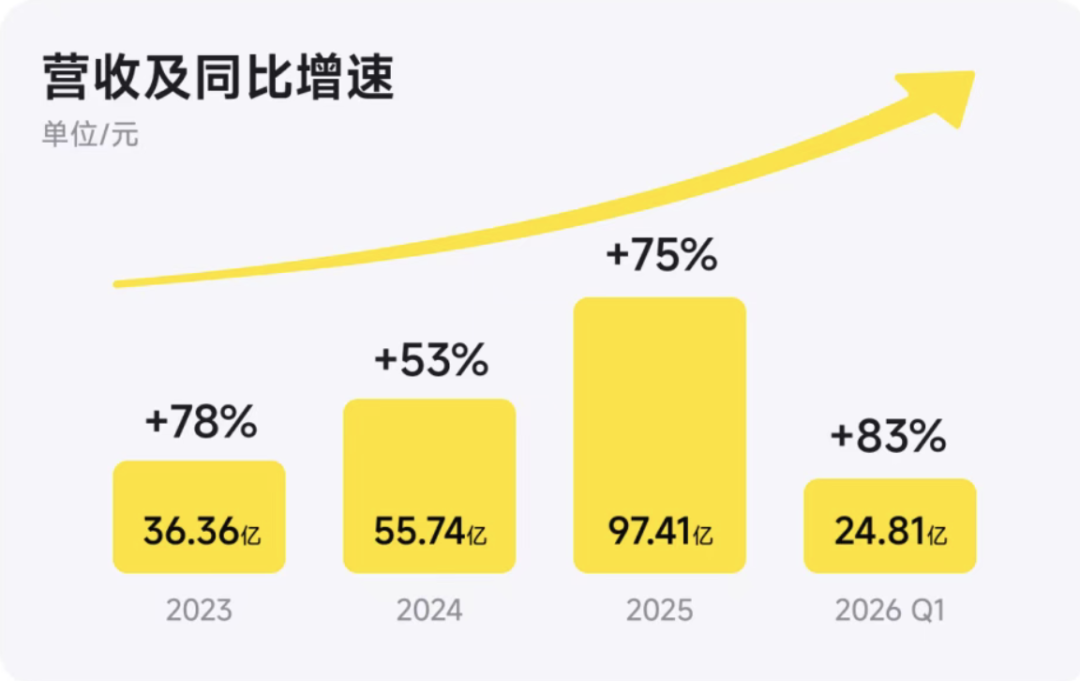
On April 28, less than a year after listing on the STAR Market, panoramic camera leader Insta360 Innovation released its first full annual report and Q1 financial results since going public. For the full year of 2025, revenue reached 9.741 billion yuan, up 74.76% year-on-year, just shy of the 10 billion mark. However, net profit attributable to shareholders fell 6.62% year-on-year to 929 million yuan, marking the first profit decline since the company disclosed financial data.
The trend worsened in Q1 2026. Revenue hit 2.481 billion yuan, up 83.11% year-on-year, but net profit attributable to shareholders plummeted 52.02% to just 84.62 million yuan.
This stark contrast—revenue surging while profits slam on the brakes—does not indicate operational missteps. Founder Liu Jingkang explained bluntly in a shareholder letter: “The proactive adjustment of short-term profits aims to secure long-term performance and healthy development.” In other words, he chose to earn and spend simultaneously. It’s not that earnings have stalled—spending has simply accelerated.
(Image from Insta360 Innovation’s official WeChat account)
Declining gross margins are also squeezing profit margins. In Q1 2026, affected by rising storage component prices, Insta360’s operating costs surged 113.18% year-on-year to 1.36 billion yuan. Gross margin plummeted from 52.93% in the same period last year to 45.2%, a 7.73 percentage point drop. This resulted from external factors. With storage chip prices continuing to rise, Liu Jingkang admitted to Jiemian News, “We feel significant pressure on short-term storage costs, which may rise further and impact our gross margin.” Under this dual pressure, profitability is almost inevitable to suffer.
While revenue races ahead and profits hit the brakes—a sharp contrast—Insta360 shows no signs of slowing down. Its real challenge lies in betting correctly on the future amid this high-speed competition.
01
Profits Halved: Insta360’s Battle Isn’t Over
Insta360 is still earning handsomely.
With 2025 revenue nearing 10 billion yuan and sales volume expanding, IDC data shows its panoramic and thumb cameras hold 66% and 57% global market shares, respectively. However, on the profit front, revenue growth was quickly offset by heavy spending.
(Image from Insta360 Innovation’s official WeChat account)
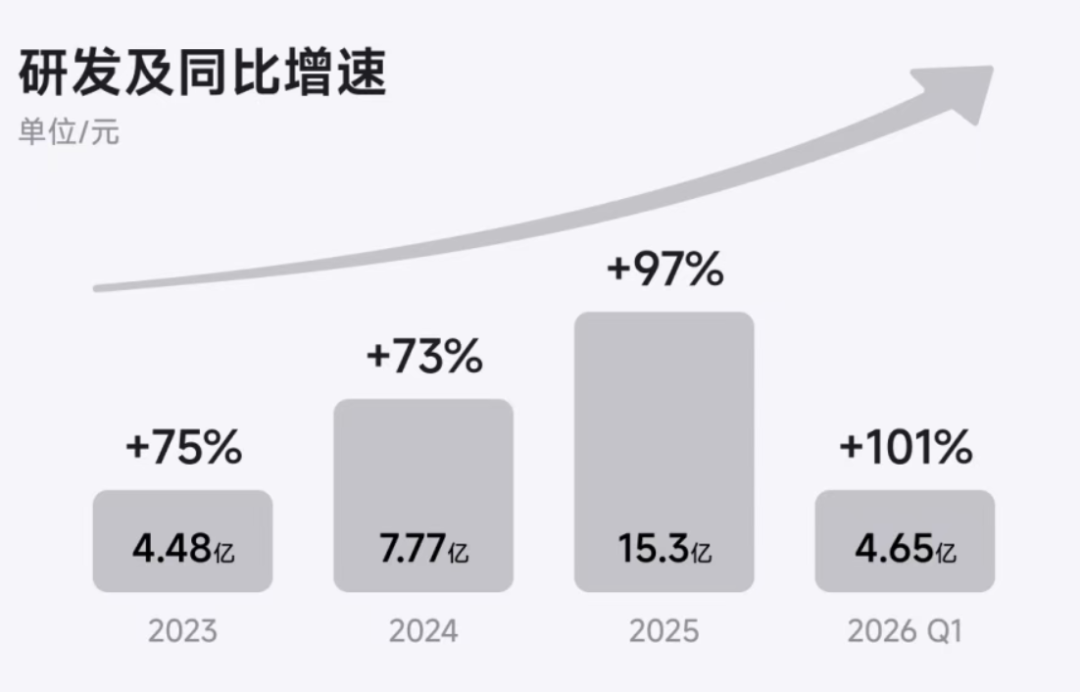
The largest expenditure is R&D. In 2025, R&D spending reached 1.53 billion yuan, nearly doubling year-on-year and exceeding the total from 2022–2024. In Q1 2026, quarterly R&D expenses hit 465 million yuan, up 101% year-on-year, accounting for 18.73% of revenue—about 5.5 times the net profit for the same period.
(Image from Insta360 Innovation’s official WeChat account)
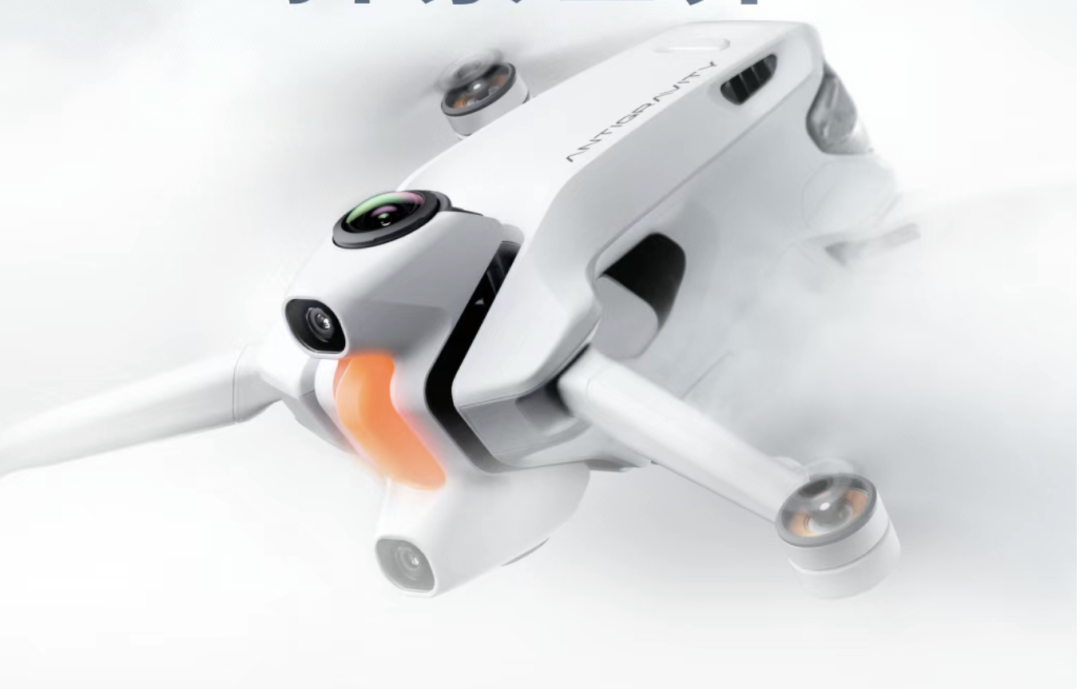
Where is the money going? Three areas dominate: 1. New product categories like gimbal cameras, wireless lavalier microphones, and drones, including the world’s first 249-gram panoramic drone, the “Yingling A1.” 2. Custom development of three proprietary chips to reduce reliance on external supply chains. 3. AI and cutting-edge technology layout (layout).
Meanwhile, channel expansion is also draining funds. Media reports indicate Insta360’s offline stores surged from 36 in early 2024 to nearly 300, with per-store sales rising nearly 50%. However, selling expenses climbed to 1.679 billion yuan in 2025, up 103.31% year-on-year. Simultaneously investing in R&D and sales, the financial pressure from this expansion strategy is evident.
Using R&D intensity to offset core market competition and channel layout (layout) to secure future growth comes at the direct cost of temporary profit sheet bleeding.
In Q1 2026, Insta360’s net cash flow from operating activities plunged to -1.471 billion yuan from -381 million yuan a year earlier, while inventory levels remained high. This mirrors a startup’s financial playbook: reinvesting all earned cash as quickly as possible.
Managers understand that in this rapidly reshaping market, those overly fixated on profit sheets risk being left behind.
02
DJI’s Triple Siege: Pricing, Market Share, Patents
Insta360’s aggressive strategy stems from one direct cause—DJI’s arrival.
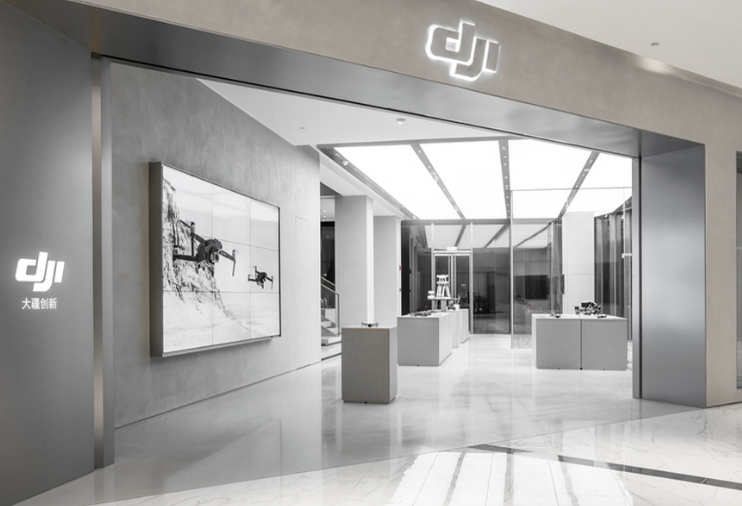
In July 2025, DJI entered Insta360’s core market with its first panoramic camera, the Osmo 360, priced at 2,999 yuan—800 yuan lower than Insta360’s flagship X5. This ignited a price war.
DJI’s entry swiftly altered market dynamics. Before its launch, Insta360 held over 90% of China’s panoramic camera market. According to third-party data, within three months, the Osmo 360 captured 49% of China’s e-commerce channel and 43% of the global market. In 2025, DJI ranked first in global handheld smart camera shipments with a 62% share, while Insta360 placed second at 20.4%.
(Image from DJI’s official WeChat account)
The price war escalated. DJI launched its most aggressive pricing strategy, cutting prices by ~30% across Pocket 3, Action 4, and Osmo 360. Insta360 followed with 500–800 yuan reductions. By December, the two brands engaged in head-to-head competition, with Insta360 slashing its X4 flagship price to 2,998 yuan, directly matching DJI’s Osmo 360. At the supply chain level, Insta360’s key suppliers faced “exclusivity” pressure, while malicious false information about its new Yingling drone flooded public discourse, prompting Insta360’s legal team to issue statements and offer rewards for tips over two consecutive days.
But competition extended beyond products and channels. On March 23, 2026, DJI escalated the conflict to the legal arena, filing a lawsuit against Insta360 in Shenzhen Intermediate People’s Court over six patent disputes covering flight control, structural design, and image processing—core technological domains. DJI alleged that patents filed by Insta360 were completed within a year of key R&D personnel departing DJI, with technical content “closely related” to their former roles. Under Article 13 of China’s *Patent Law Implementation Rules*, these should qualify as DJI’s service inventions.
(Image from Insta360 Innovation’s official WeChat account)
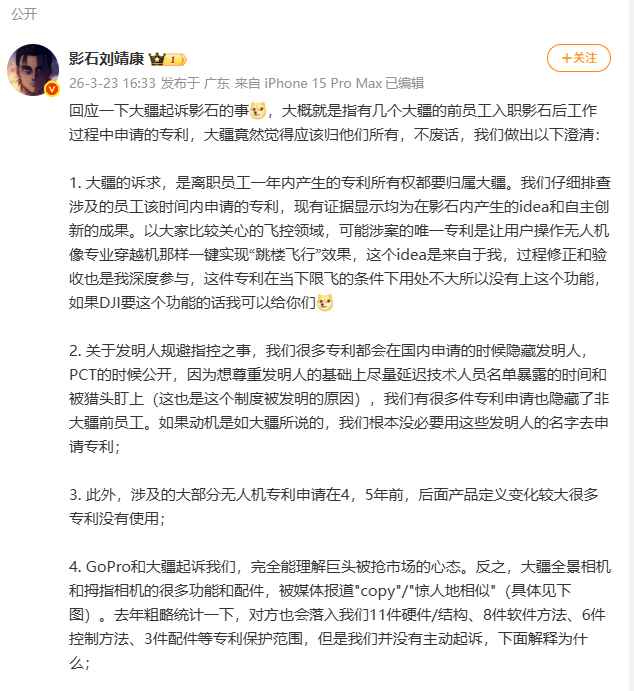
The dispute centered on two drone patents: Insta360 omitted some inventors’ names as “requesting anonymity” in its domestic filings but disclosed them in international applications, revealing a former DJI core employee deeply involved in key drone R&D projects. Fu Jicun, associate dean of China University of Political Science and Law’s Intellectual Property Law Institute, noted that if deemed an attempt to “evade the law,” this would not affect the service invention ruling, and Insta360, as the new employer, must reasonably explain the technology’s origins.
Insta360 founder Liu Jingkang responded succinctly: “I understand why a giant feels threatened when its market is encroached upon,” asserting all disputed patents were independently innovated at Insta360. Meanwhile, Insta360’s China head, Yuan Yue, countersued, claiming multiple DJI products infringe on 28 Insta360 patents. The patent war now rages across core technological barriers.
(Image from Insta360 Liu Jingkang’s official Weibo)
The result: Insta360’s profits declined year-on-year for three consecutive quarters. Yet it must confront DJI head-on, defending its core business while counterattacking into DJI’s territory. Insta360 aims to sustain profit outflows to rapidly expand its strategic footprint.
03
Photography Robots: Worth the Capital Bet?
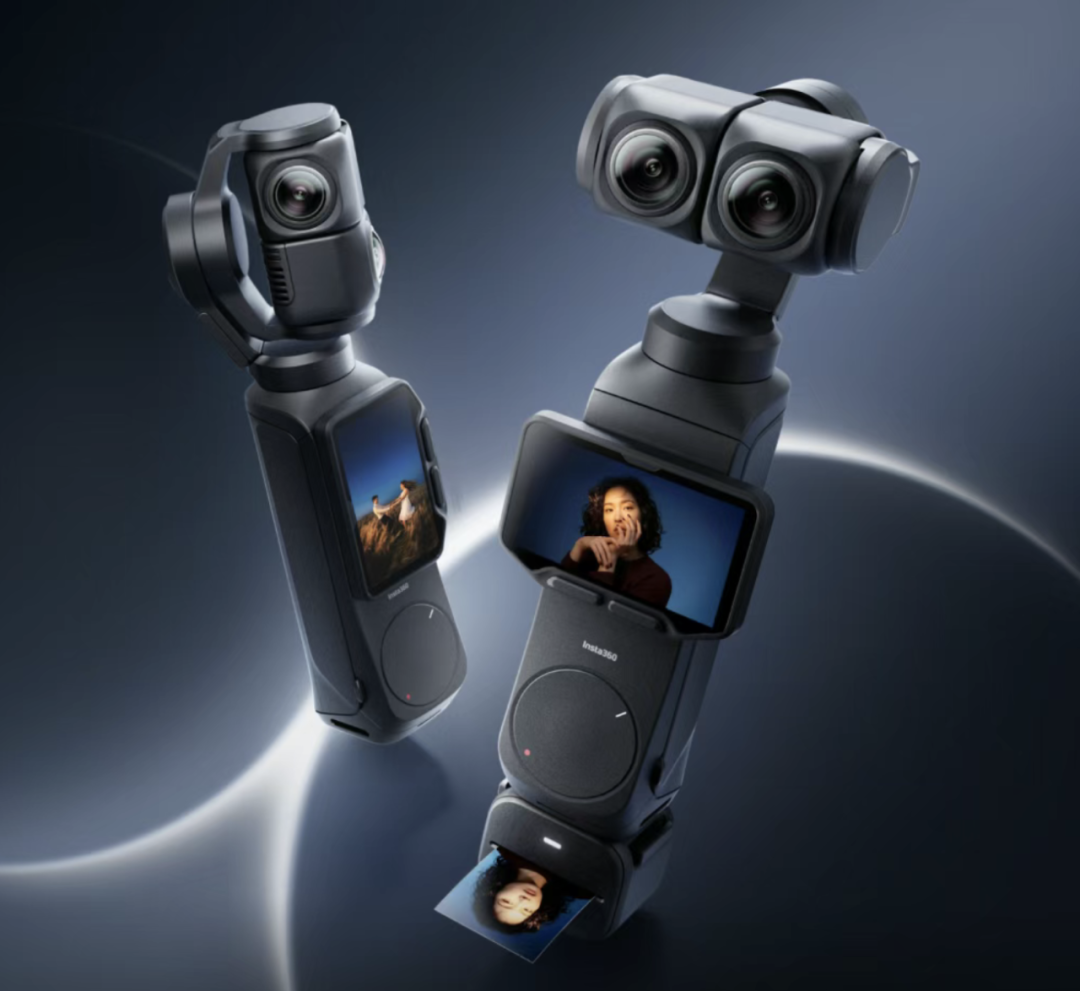
Viewing Insta360’s expansion as mere passive defense against DJI underestimates its ambition. Liu Jingkang formally proposed a bolder technological vision in his shareholder letter: photography robots.
Under this vision, Insta360’s cameras will not just record scenes but perceive them, understand content, and assist creation—ultimately becoming fully autonomous tracking photographers capable of automatic movement, angle selection, and moment capture.

(Image from Insta360 Innovation’s official WeChat account)
The core of this vision is AI capability. Hardware like camera bodies, gimbal stabilization, and drone flight—“physical abilities”—have been refined over years. What’s missing is an “AI brain” capable of automatic composition, content generation, and editing.
Currently, Insta360 collaborates with multiple embodied AI firms to integrate panoramic vision into AI models. AI adoption has already yielded internal validation: 43% of application code is AI-generated, and over 50% of online customer service is AI-driven, saving tens of millions yuan annually.
A fully realized photography robot requires systemic integration of camera hardware, gimbal algorithms, drone flight, and AI comprehension—far exceeding single-track hardware or software challenges. Insta360 invested over 1 billion yuan in this strategy in 2025 and Q1 2026—roughly equal to its total net profit for those periods.
Logically, this direction makes sense.
But capital markets have no obligation to subsidize grand narratives indefinitely. For Insta360, the critical variables are whether its three new categories (gimbal cameras, wireless lavalier mics, drones) can transition from “investment” to “revenue” within a year and whether gross margins can stabilize. These factors will directly impact investor confidence.
Analysts note that new product launch timing, competition with a formidable rival, and subsequent quarterly profitability are key confidence indicators for Insta360. Additionally, a massive share lockup expiration in June may exacerbate stock volatility, warranting close attention.
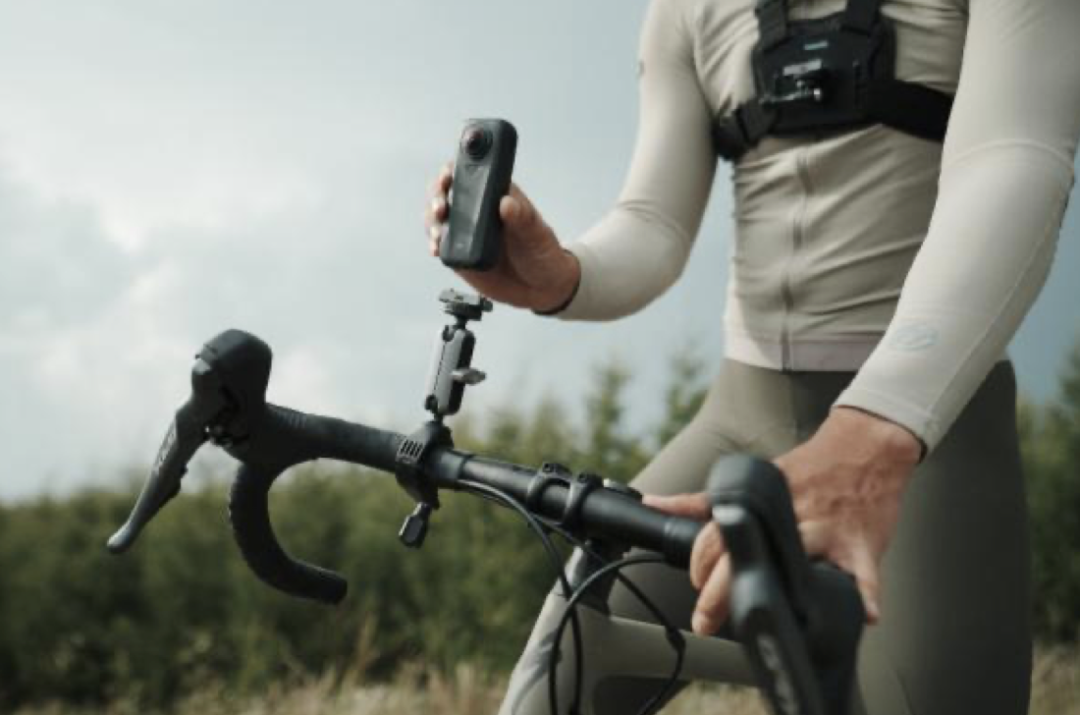
(Image from Insta360 Innovation’s official WeChat account)
For Liu Jingkang, at a juncture of near-10-billion-yuan revenue and halved profits, aggressively reinvesting all cash into long-term tech layout (layout) bets that the smart imaging market’s winner in three to five years will be the most technologically complete player, not necessarily the largest. This path has no precedent. While facing DJI’s multi-front pressure—products, pricing, supply chains, patents—Insta360 must fully allocate resources to R&D, channels, and AI competition.
Short-term, this financial report (financial report) reflects profit bleeding and stock pressure. Long-term, whether a “photography robot” can emerge to end the competition remains unknown. Insta360’s current actions are prepayments for that uncharted answer.
-
![]()
Doubao's Upcoming Subscription Model: Without Transparent Pricing, There's No Room for Competition
-
![]()
"Strongest Body" QKing Robotics Strengthens Its "Brain" to Move from Competence to Capability
-
![]()
Apple feeds Hynix and wants to earn more too
-
![]()
What Other Big Moves Is Zhejiang Making Besides Unitree and DeepSeek?
-
![]()
Exchanging Profit for Growth: Insta360 Has No Retreat
-
![]()
After Doubao, OpenAI Turns Its Attention to AI Smartphones—A Bold Move with High Risks
-
![]()
Leapmotor Achieves Record Sales but Faces Challenge of Shedding 'Budget-Friendly' Image | Auto Circle
-
![]()
Observation | ByteDance's 842 Billion Baht AI Data Center Investment in Thailand: Facing a Funding Gap, Why Double Down?