Fierce Undercover Competition in China's Air Conditioning Circle | Business Wave
 05/09 2026
 559
559
Editor|Yang Xuran
The war of words between Gree and Hisense, two home appliance giants, over 'aluminum instead of copper' is intensifying. This incident has exposed the deep-seated anxieties faced by the air conditioning industry amid soaring international copper prices.
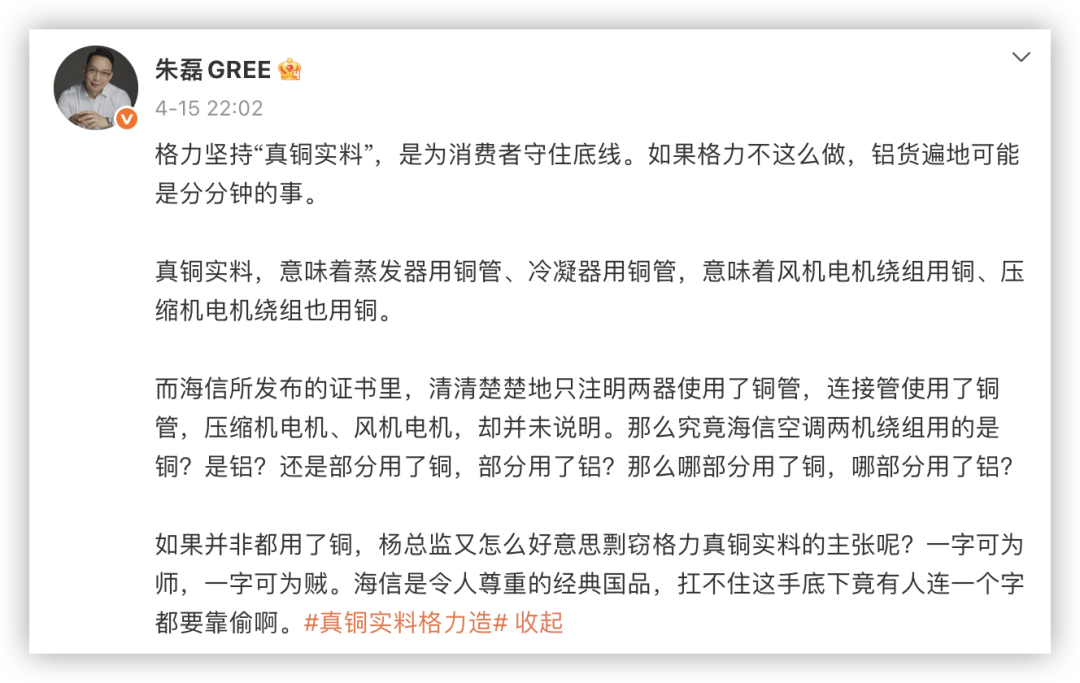
Since mid-April, Zhu Lei, CMO of Gree, and Yang Xiangxi (online alias 'Yang Wanshou'), Brand Director of Hisense Air Conditioning, as representatives of the two core factions, have engaged in a heated debate on Weibo. Their arguments have ranged from accusations of 'plagiarism' in promotional slogans, to whether 'all-copper' is genuinely used, and then to disputes over costs and pricing, with both sides presenting their own views.
The 'aluminum-copper debate' has thus sparked further attention across the entire industry.
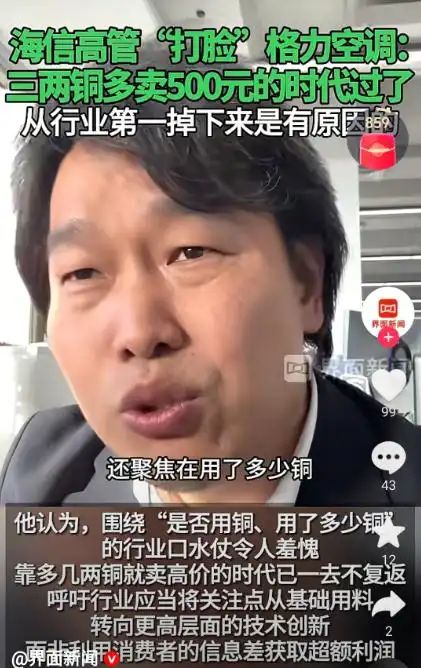
After the real estate boom period, facing intense pressure from economic cycles and the reduction of government subsidies for the entire home appliance industry, China's air conditioning sector is encountering an unprecedented growth bottleneck. Intense competition among existing players is inevitable, and even industry leaders are no longer holding back.
The current high-intensity competition in the home appliance industry is no less fierce than that in the new energy vehicle sector. Price wars and competition among homogeneous products are intensifying, the potential for experience upgrades through technological advancements is narrowing, and the integration of AI with home appliances still lacks a clear direction.
As the former 'leader in air conditioning,' Gree not only has to face competition from established players like Aux and Hisense but also guard against strong encroachment from new entrants like Xiaomi. Meanwhile, second-tier companies in the industry, represented by Hisense, are eager to break into the top tier.
An industry-wide discussion, encompassing public awareness, cost-benefit trade-offs, commercial disputes, technological transformations, and national resource strategies, has accumulated substantial material. All it takes is a single spark to ignite it.
This article is a in-depth and valuable piece from the content team of Business Wave. We invite you to follow us on multiple platforms.

Copper and Aluminum
In July 2024, the Small Refrigeration Machines and Cryobiology Committee of the Chinese Association of Refrigeration, along with major air conditioner manufacturers like Midea, Haier, and TCL, as well as component companies and aluminum enterprises, established the 'Working Group for Enhanced Application Research of Aluminum in Air Conditioning.'
In March of the following year, the Ministry of Industry and Information Technology issued the 'Implementation Plan for High-Quality Development of the Aluminum Industry (2025-2027).' The working group has since conducted multiple technical discussions and industry chain collaborations.
Research in this area is highly necessary. China has always been a country 'rich in aluminum but poor in copper.' Given the international surge in copper prices, exploring the possibility of aluminum as a substitute for copper is conducive to cost reduction and efficiency improvement across the industry chain.
By the end of 2025, 19 mainstream companies, including Midea, Xiaomi, Hisense, and Haier, jointly signed the 'Self-Regulation Pact on Aluminum Application in Air Conditioning.' The pact aims to scientifically promote the characteristics of aluminum heat exchanger air conditioners, prohibit malicious attacks, and prohibit exaggerated or false promises.
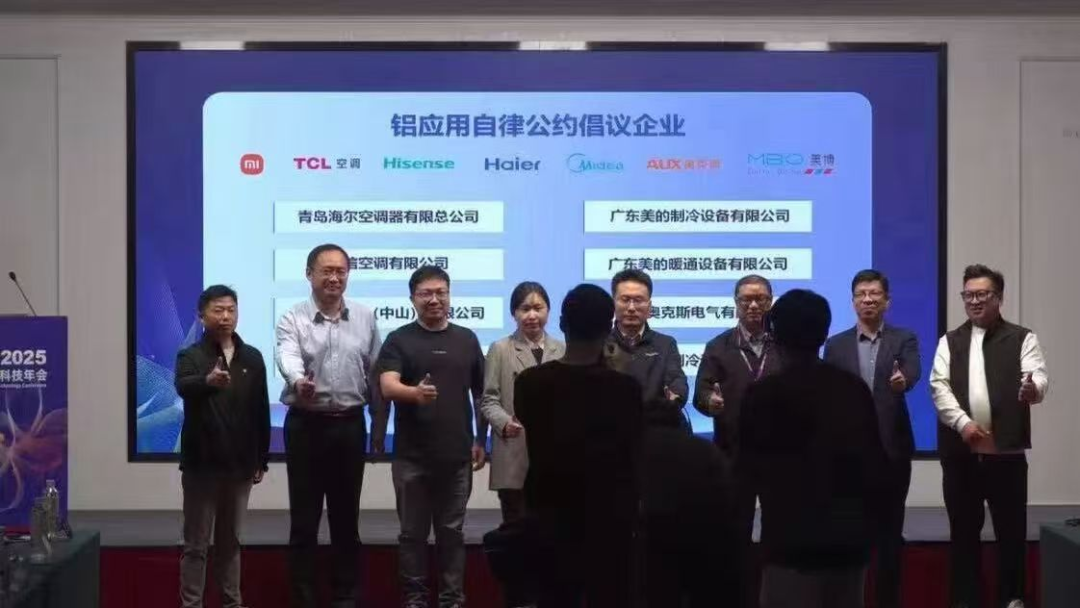
Source: Yicai
Curiously, Gree Electric Appliances applied to join the 'aluminum instead of copper' working group in March 2025 but did not participate in the 'self-regulation pact' organization.
This means that while nearly all players are shifting towards aluminum, Gree has chosen not to follow suit. Although Gree is willing to conduct technical research on 'aluminum in air conditioning,' it has not stopped publicly criticizing 'aluminum air conditioners.'
Previously, Dong Mingzhu has made her stance clear on multiple occasions: 'The durability and stability of aluminum cannot be guaranteed at present. Without 100% certainty, Gree will absolutely not use aluminum instead of copper.'
In comparison, copper has 1.73 times the thermal conductivity of aluminum. Air conditioning pipes are responsible for refrigerant transport and heat exchange, so copper materials can enhance the performance, lifespan, and safety of air conditioners.
Moreover, copper is more corrosion-resistant and reliable in the long term. The use of copper in core components such as heat exchangers and connecting pipes in air conditioners can theoretically extend their lifespan to 15-20 years.
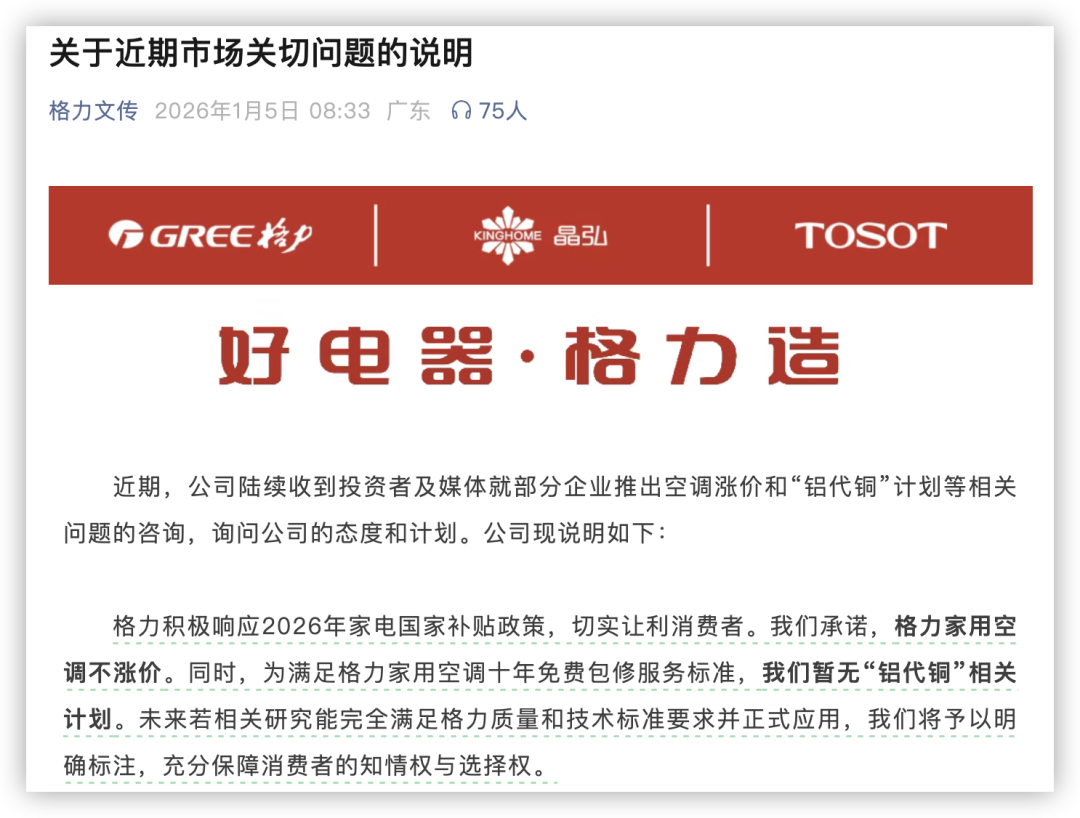
Since March 1, 2021, Gree has implemented a '10-year free warranty policy' for its household air conditioners, the longest warranty period ever promised in China's household air conditioning industry.
If 'aluminum is used instead of copper,' Gree's commitment may change.
Due to aluminum's higher electrical resistivity, Dong Mingzhu pointed out that if a Gree air conditioner user's annual electricity bill is 5,000 yuan, the energy consumption of an 'aluminum instead of copper' product could double to 10,000 yuan.
This is the industry backdrop for the public spat between Gree CMO Zhu Lei and Hisense Brand Director Yang Xiangxi that began in April this year. Moreover, Gree's relationships with peers like Xiaomi and Hisense have long been relatively tense, and their war of words has brought this conflict into the open.
On one side, Gree claims to adhere to 'genuine copper materials,' promising no aluminum-wire motor air conditioners in China and questioning whether Hisense truly uses 'all-copper.' On the other side, Hisense accuses Gree of excessive pricing, stating that 'an extra 3 taels of copper wire costs 5 yuan more, but the final selling price is 500 yuan higher.'
Gree attempts to use 'all-copper' as a quality label, adhering to the principles of high cost, high quality, and high pricing, while other companies seek cost advantages through material innovation to capture market share.
Digging deeper, the dispute over aluminum instead of copper reflects the conflict between defenders and challengers in the current air conditioning industry.

Costs
As the copper-to-aluminum price ratio reaches its highest level in a decade, the demand for 'aluminum instead of copper' has surged again.
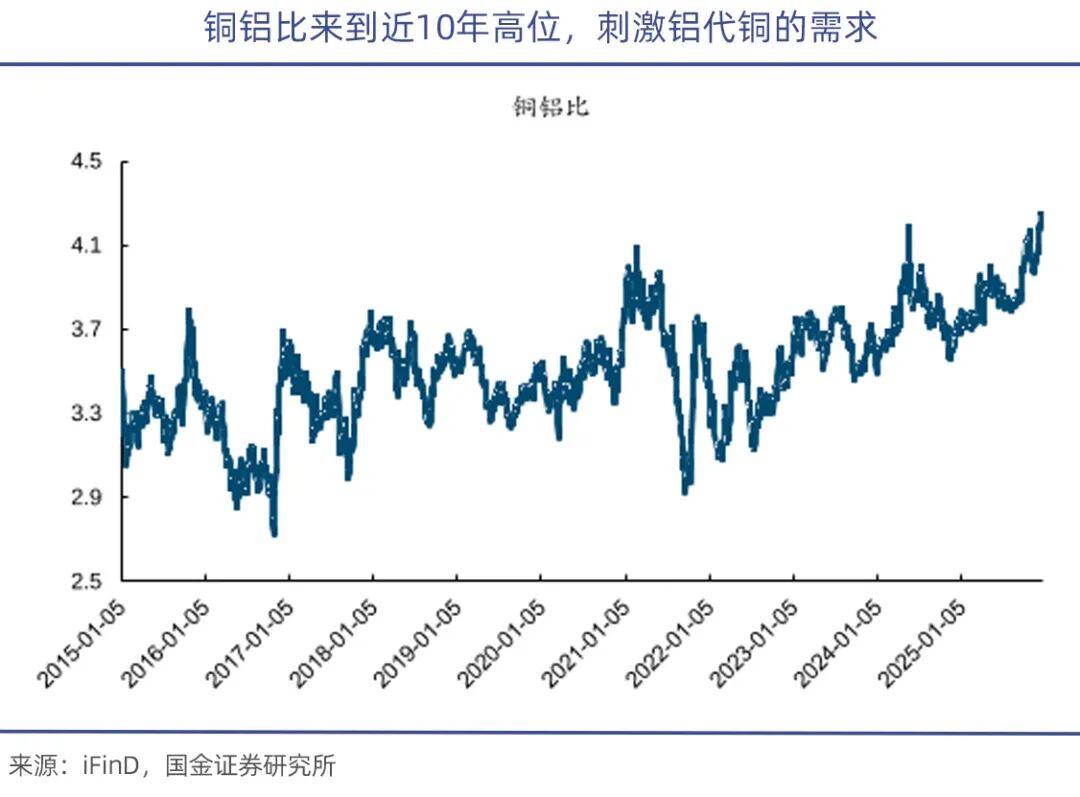
On April 27, LME copper futures rose to $13,273 per ton, up more than 50% from the beginning of 2025, reaching new historical highs since 2026. Although aluminum prices are also rising, the absolute value of aluminum prices is much lower than that of copper, with aluminum currently at $3,589.5 per ton, meaning the copper-to-aluminum price ratio is nearing a historical high of 4 times.
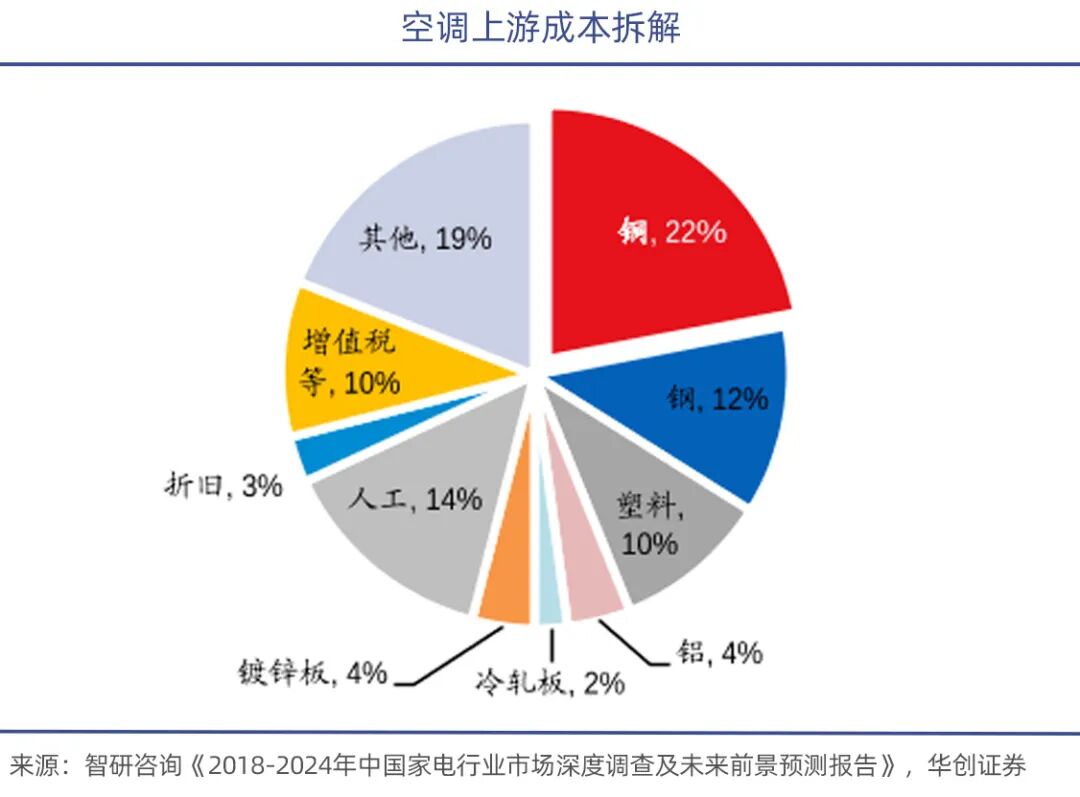
With rising commodity prices, raw materials now account for up to 54% of air conditioning costs, with copper remaining the undisputed leader in raw material costs, accounting for 22% of total expenses.
Industry estimates suggest that for every 10,000 yuan increase in copper prices per ton, the cost of a 1.5-horsepower air conditioner rises by approximately 200-300 yuan. To cope with upstream cost pressures, air conditioner manufacturers have begun raising prices. Brands like Midea, Haier, Hisense, Aux, and TCL have one after another issued price adjustment notices to their distribution channels. Meanwhile, Gree remains a contrarian, officially announcing it will not raise prices.
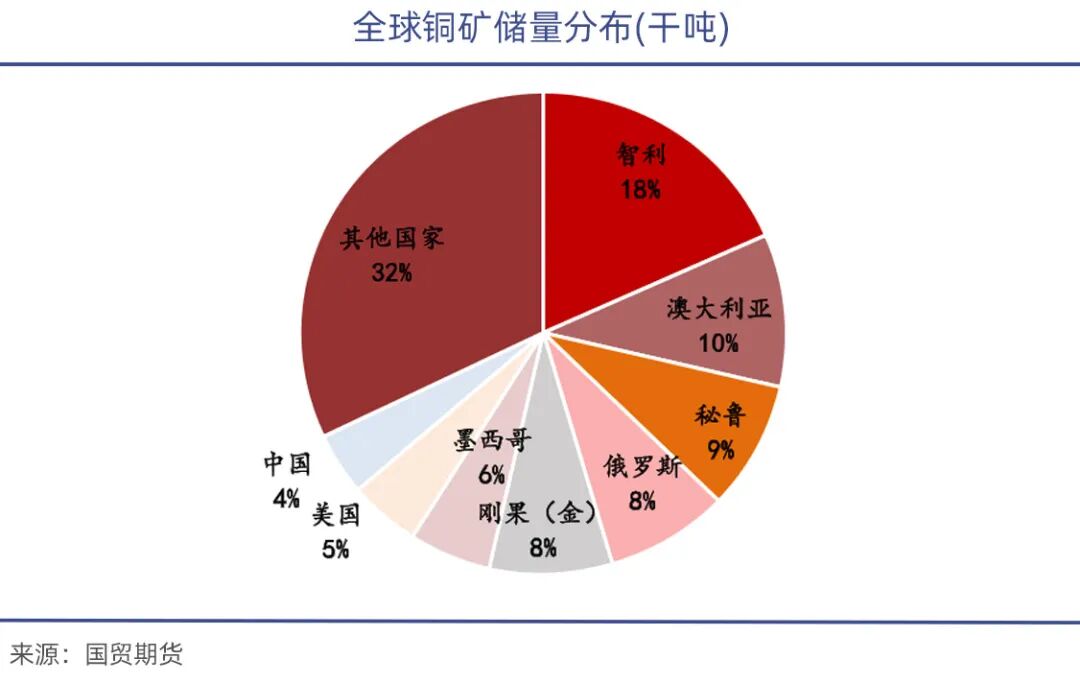
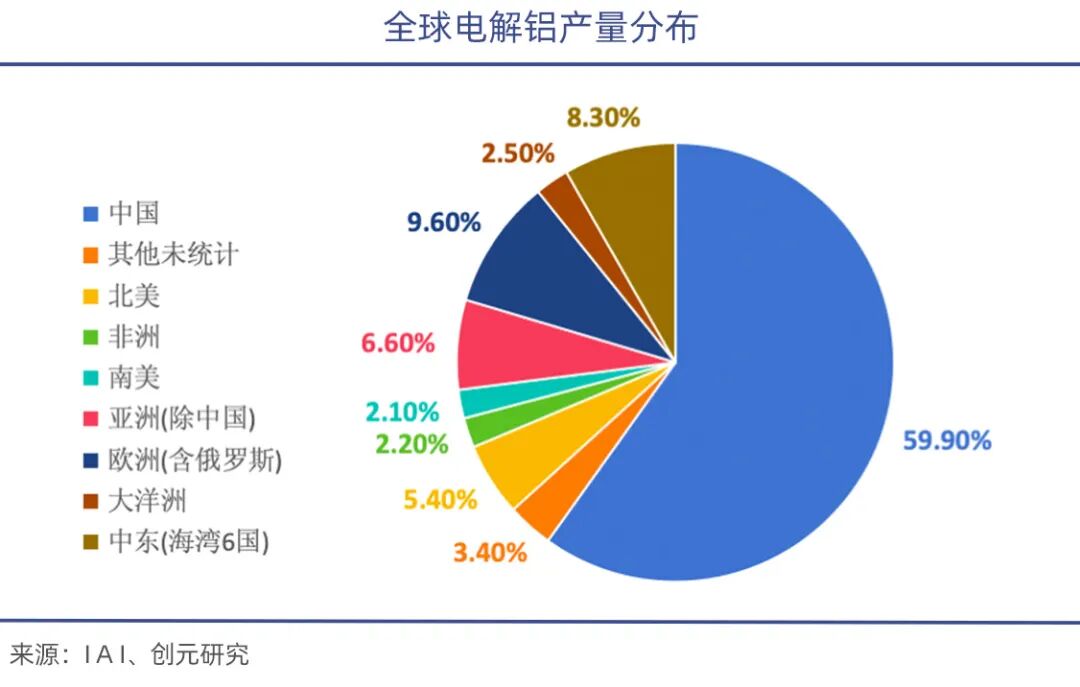
China's resource endowment necessitates the development and application of aluminum. China's copper ore reserves account for only 4% of the global total, with copper production accounting for just 8% of the global share. The country's reliance on imported refined copper is as high as 80%. In contrast, China's electrolytic aluminum production accounts for 60% of the global total, with output of alumina, electrolytic aluminum, aluminum processed materials, and recycled aluminum all ranking first in the world, showcasing strong autonomy and controllability over the industry chain.
The 'Implementation Plan for High-Quality Development of the Aluminum Industry (2025-2027)' directly states that the aluminum industry is China's largest non-ferrous metal industry. It plays a crucial role in safeguarding national resource strategic security and driving industrial innovation and upgrading.
Data shows that domestic household air conditioning copper consumption accounts for 10.7% of China's total annual copper consumption. Sustained high copper prices directly incentivize air conditioning companies to increase their use of aluminum.
According to estimates by Caitong Securities, aluminum costs are about one-tenth of copper costs (one-third the price and one-third the density). Assuming aluminum replaces 50% of copper, the cost of ordinary air conditioners would drop by 208-277 yuan. In extreme cases, if all copper is replaced, costs could be reduced by 416-554 yuan, representing a significant cost reduction.
For an air conditioning company with annual sales exceeding 10 million units, replacing 50% of copper with aluminum could save 2.5 billion yuan in costs. Midea, the global leader with annual sales exceeding 70 million units, could directly save 17 billion yuan in procurement expenses if it fully adopted this approach (assuming all its products use copper).
For any large home appliance company, this is a highly attractive alternative. However, Chinese consumers still have many concerns about aluminum air conditioners, and their market penetration remains low.
In Japan, air conditioners with aluminum heat exchangers account for 40%-50% of the market. Daikin's air conditioner shipments in 2024 were more than half aluminum-based. In South Korea and Southeast Asia, penetration is around 30%-40%, while the U.S. market stands at 15%-20%.
Benchmarking against Japan's Daikin, at the end of last year, Wanbao Air Conditioning and JD Home Appliances jointly launched China's first 'aluminum instead of copper' air conditioner, the 'Bingsu Xia.' It uses zinc-aluminum alloy materials co-developed with Jinlong Group in its condenser and evaporator, priced at just 999-1,199 yuan, with additional government subsidies making it even more affordable.
The launch of this product marks the official implementation of the 'aluminum instead of copper' technical route in China's air conditioning industry.
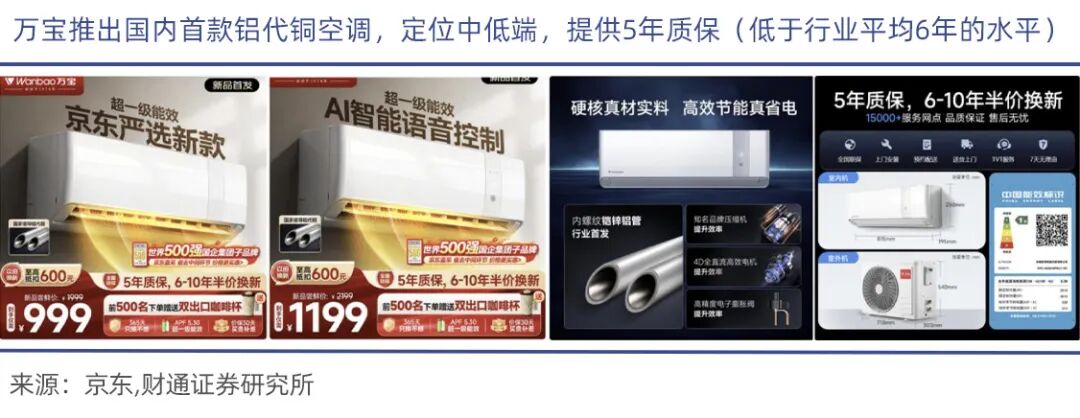
However, Wanbao's 'Bingsu Xia' is positioned in the mid-to-low-end market and offers only a 5-year warranty period, while Midea, Haier, and Hisense offer 6 years, and Gree promises a 10-year free warranty. The difference is significant for consumers.
The inherent disadvantages of aluminum—such as poor corrosion resistance, high welding difficulty, and declining cooling efficiency—lead to increased annual electricity bills and higher maintenance costs, indicating that aluminum air conditioners still have a long way to go before widespread adoption.

Balance
Surrounded by giants like Midea ahead, Xiaomi behind, and Hisense, Haier, and TCL on all sides, the former 'air conditioning king' Gree is no longer the undisputed leader.
With broad price coverage, product intelligence, diverse innovation, and global expansion, Midea has achieved the highest global sales, surpassing Gree in overall sales.
Online, leveraging its unique internet genes and Mi Home ecosystem, Xiaomi has emerged as a strong contender. Data from Aowei Cloud previously showed that in July 2025, Xiaomi overtook Gree to rank second in online air conditioning sales. Wang Hua, head of Xiaomi Group's PR department, lamented on Weibo, 'I didn't expect the new era to arrive so quickly.'
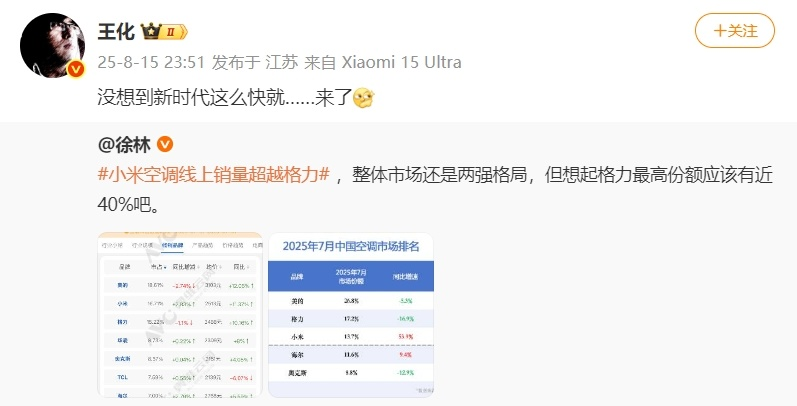
However, this achievement was immediately criticized by Zhu Lei, who pointed out that 'under the same query conditions, Gree remained the leader in the online market in July.'
On Double 12 in 2013, Dong Mingzhu and Lei Jun made a '1 billion yuan bet,' drawing widespread attention. Subsequently, Xiaomi's entry into the home appliance industry sparked intense competition with Gree. Looking back now, the impact of this event was profound and has long been underestimated.
Lu Weibing, President of Xiaomi Group, has set a clear goal for Xiaomi air conditioners to enter the top three by 2025 and reach the top two by 2030. This clearly targets Gree's market share.
But Gree is not the only target. In May last year, Yin Bitong, former President of Midea Air Conditioning, joined Hisense as President of the Air Business Division. According to his plan, Hisense aims to 'enter the global top tier by 2030-2031.'
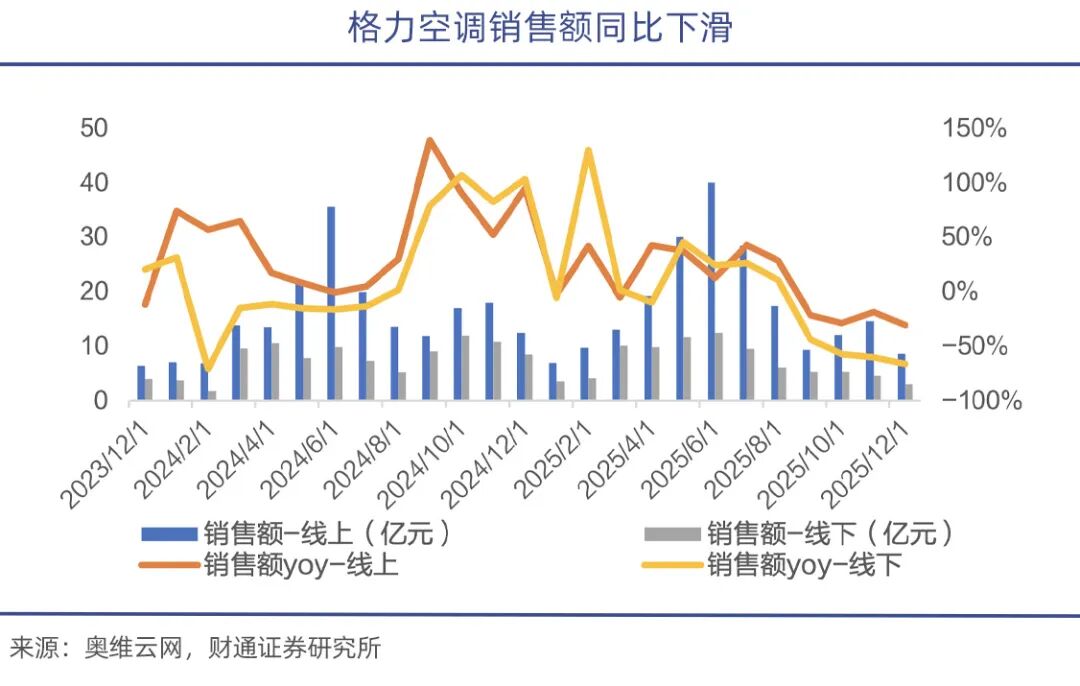
Haier Air Conditioning became the only company among the 2025 TOP 3 to achieve 'double-digit growth in both sales volume and revenue,' as well as the only one to outperform the overall market.
Gree is actually facing a siege from all sides. By 2025, Gree's revenue reached RMB 171.118 billion, with net profit attributable to the parent company of RMB 29.003 billion, both experiencing a year-on-year decline of 10%. Gree's own description is quite 'clever,' claiming to be the leader in central air conditioning for fourteen consecutive years and holding a 24.31% share of online household air conditioning retail sales, also ranking first in the industry.
In the capital market, Gree has long been known for its high profitability, generous dividends, and strong shareholder returns. It must maintain high premiums through better quality and superior service, using these premiums to benefit shareholders and strengthen its industrial position.
Adhering to pure copper materials is a strategic choice driven by this internal requirement. As challengers, Hisense, Xiaomi, Aux, and other players hold a more open attitude towards aluminum. Some of their products use aluminum materials to gain a cost-effectiveness advantage, exploring ways to continue capturing Gree's market share.
From the outside, it seems Gree is constantly 'making enemies everywhere,' but in reality, it is resisting on all fronts. Following in the footsteps of Dong Mingzhu, Zhu Lei frequently 'fires' at other players in the industry on Weibo.
Such choices in commercial competition will inevitably affect consumer experience. Currently, aluminum air conditioners cannot match pure copper air conditioners in terms of performance, quality, and reliability, but they have a certain market share in a few non-household scenarios and among cost-conscious users.
However, if blindly promoted on a large scale across the industry, consumers are unlikely to accept it in the short term. The air conditioning industry should find a healthy balance between material R&D and commercial interests, which is also an objective goal of this round of covert competition in the air conditioning industry.

In Conclusion
The verbal dispute over the 'copper-aluminum battle' is intensifying within the industry, making it difficult for consumers to form truly objective and rational judgments.
Consumers, with limited understanding of the industry's deep structure and patterns, are highly likely to simplify 'copper' as the sole criterion for judging quality and view 'aluminum' as inferior products. This poses a potential risk for manufacturers actively exploring the increased use of aluminum.
Like in many fields, changing the public's established perceptions is an extremely difficult task.
Amidst cost pressures and public confusion, the biggest risk faced by China's air conditioning industry is losing the possibility of exploring material technology alternatives—the prevailing sentiment in the market is that 'copper is enough.' However, the reality is that this is not conducive to the in-depth development of China's aluminum industry resources, does not align with the direction of national resource strategies, and is not in the long-term interests of all consumers.
Using more copper in air conditioners can certainly win consumer approval, but sealing off the application prospects of aluminum would clearly be a very short-sighted collective decision.
-
![]()
The Living Room Can't Contain Our Ambitions! In 2026, Projector Giants Transform into AI Glasses Players
-
![]()
Apple: Can It Remain 'Steadily Happy' Despite AI Absence and Rising Storage Costs?
-
![]()
Anthropic Comes to the Rescue: Is It Amazon's Turn to Shine Among the MAG7?
-
![]()
Qualcomm: Can This 'AI Shot in the Arm' Offset the Smartphone 'Achilles' Heel'?
-
![]()
The Mass Adoption of Large Models in Vehicles Sparks the Intelligent Vehicle War
-
![]()
From Now On, We Should Study Kimi with the Same Dedication as DeepSeek
-
![]()
Samsung Quietly 'Exiting' China? Don't Be Fooled—It's Making a Fortune Behind Closed Doors
-
![]()
From 1% to 60%—China’s NEV Penetration Rate Hits 10-Year Milestone: What Does Plug-in Hybrid Surpassing Pure Electric Signify?