Insta360’s Liu Jingkang Dismisses Smartphone Obsolescence Theory
 07/20 2026
 371
371
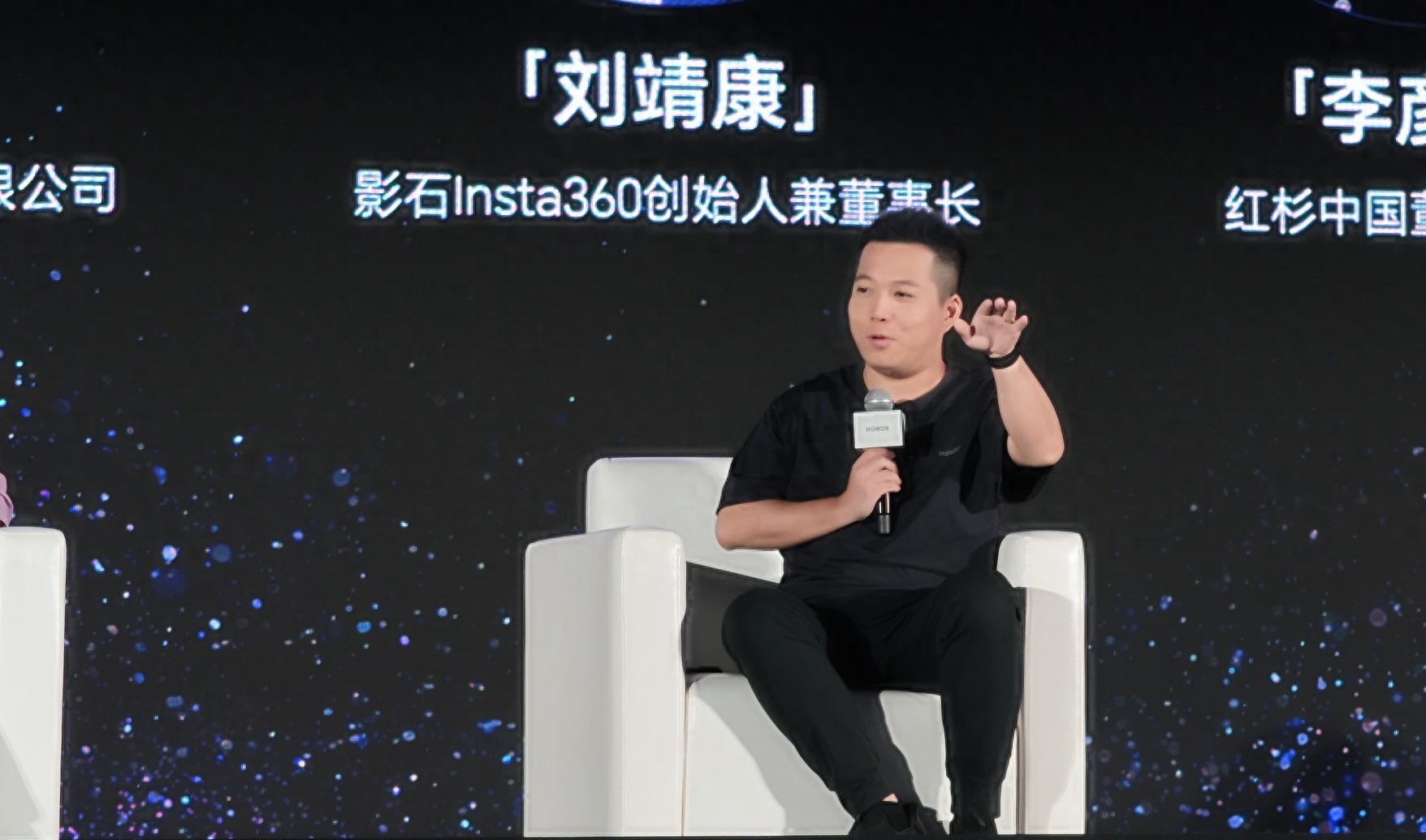
“Will smartphones become obsolete?”
Had you posed this question a decade ago, the answer would have likely been a resounding “yes.” After all, if even Nokia could vanish, why should smartphones endure indefinitely?
Yet, looking back from 2026, smartphones have not only survived—they’ve become integral to our daily lives, akin to an extension of the human body.
At the closing roundtable of the World Artificial Intelligence Conference (WAIC) in Shanghai, four panelists engaged in a two-hour debate, reaching a spectrum of conclusions.
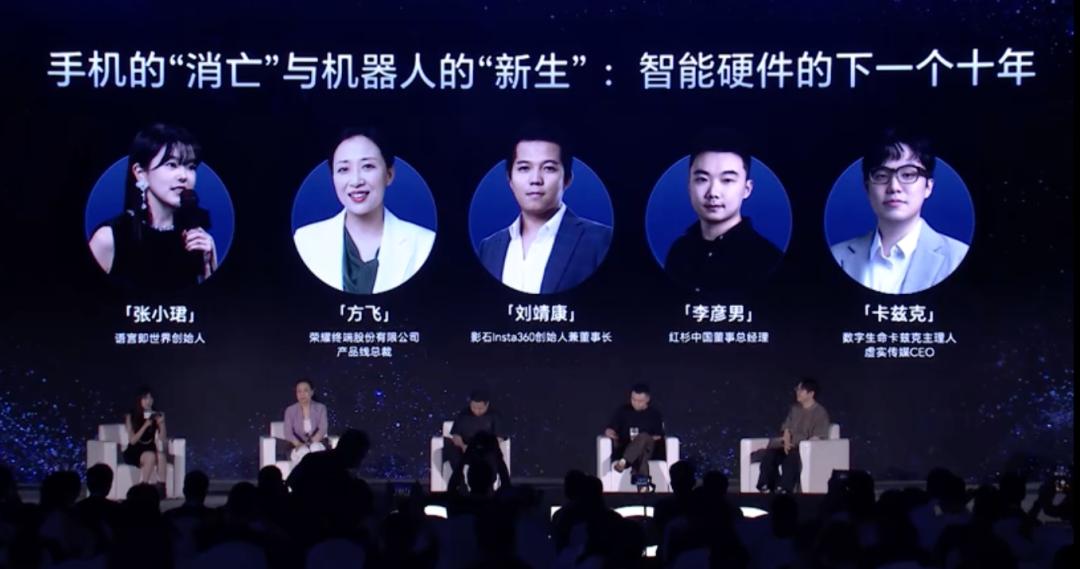
(WAIC Roundtable Forum)
However, Liu Jingkang, the founder of Insta360, offered the most definitive stance:
Smartphones are here to stay; in fact, they will become even more central.
01
Why is Liu so confident?
His reasoning is straightforward: high-frequency needs outweigh low-frequency ones.
Communication, entertainment, and social interaction rank among the most frequent human needs, and smartphones are currently the most effective devices for meeting them.
Frequency dictates importance—whatever you use most daily becomes your focal point.
Liu also emphasizes another critical factor: smartphones have amassed vast amounts of contextual data.
Over the past decade, smartphones have evolved beyond mere communication tools. They track your locations, record your visual experiences, log your purchases, and monitor your conversations. This data collectively forms a “digital persona” of you.
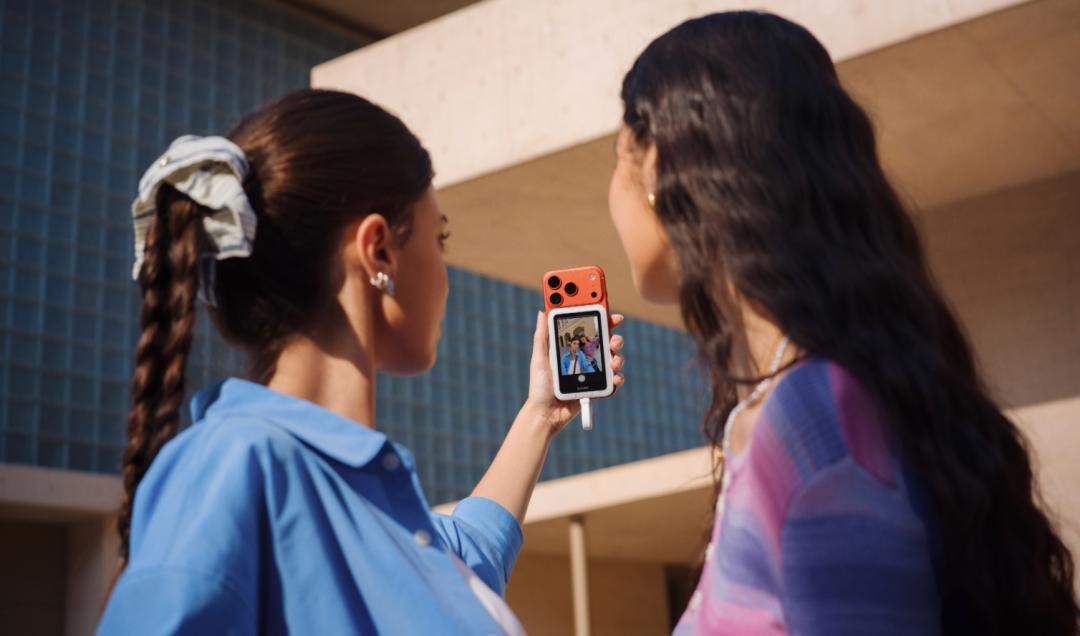
(Image source: Insta360 official website)
Future hardware innovations, whether flying cameras, smart glasses, or earbuds, will not emerge in isolation. Instead, they will converge towards the smartphone as the central hub.
“Whether it’s peripheral hardware extending our senses or new devices for data collection and execution, they should all integrate into a more centralized carrier—the smartphone.”
This assertion effectively debunks the “smartphone obsolescence” theory.
02
So, what is the relationship between future hardware and smartphones?
Liu categorizes future hardware into two types.
The first type is “accessories that enhance smartphone capabilities.”
This is Insta360’s domain—traditionally, external cameras that expand smartphones’ imaging capabilities. However, the future will witness transformations: cameras will gain autonomy, moving or even flying through space to capture footage on your behalf.
“When you visit a tourist attraction, you’re eager to snap photos quickly and share them on social media. Or when you attend a captivating performance, you want to record it but end up staring at your phone screen instead of enjoying the moment.”
“In the future, a type of hardware will serve as a companion, automating operations and execution in such scenarios. You can simply savor the performance or the scenery, much like hiring a photographer to capture everything for you automatically.”
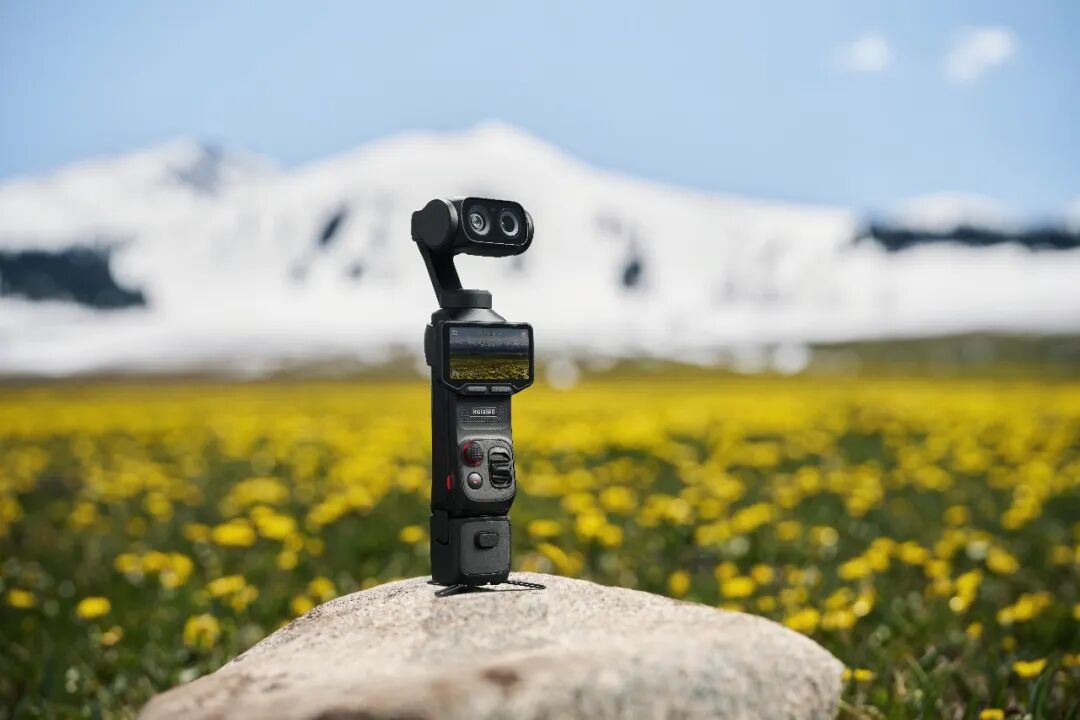
(Image source: Insta360 official website)
This is Liu’s concrete vision for the future: cameras will evolve from manually operated devices to “companions” that proactively document your life.
However, this companion will not exist independently—it “will still integrate with smartphones, leveraging their computational power to reduce costs.”
The second type is “sensors that gather contextual information.”
Devices like earbuds and glasses primarily focus on perception rather than computation. They collect data about your immediate environment, enabling the AI behind your smartphone to comprehend you better.
“Often, you don’t need to articulate your needs explicitly—it will sense your current context, understand your requirements, and serve you automatically, like having a personal assistant by your side.”
Thus, Liu’s conclusion is unequivocal:
The hardware we carry will become highly streamlined, with smartphones remaining the focal point.
03
Of course, Liu is not alone in this viewpoint.
Li Yannan, Managing Director of Sequoia Capital China, offers a more cautious perspective:
Smartphones will not be replaced in the near future but may transition from being the “sole hub” to a “core node.”
The reason lies in physical constraints—computational power and battery life currently make smartphones the optimal form factor.
Fang Fei, President of Honor’s Product Line, provides another perspective:
The Robot Phone. Neither a traditional smartphone nor a robot, but an “embodied AI smartphone.”
Honor is exploring transforming smartphones into intelligent entities with “eyes, ears, and a neck.”
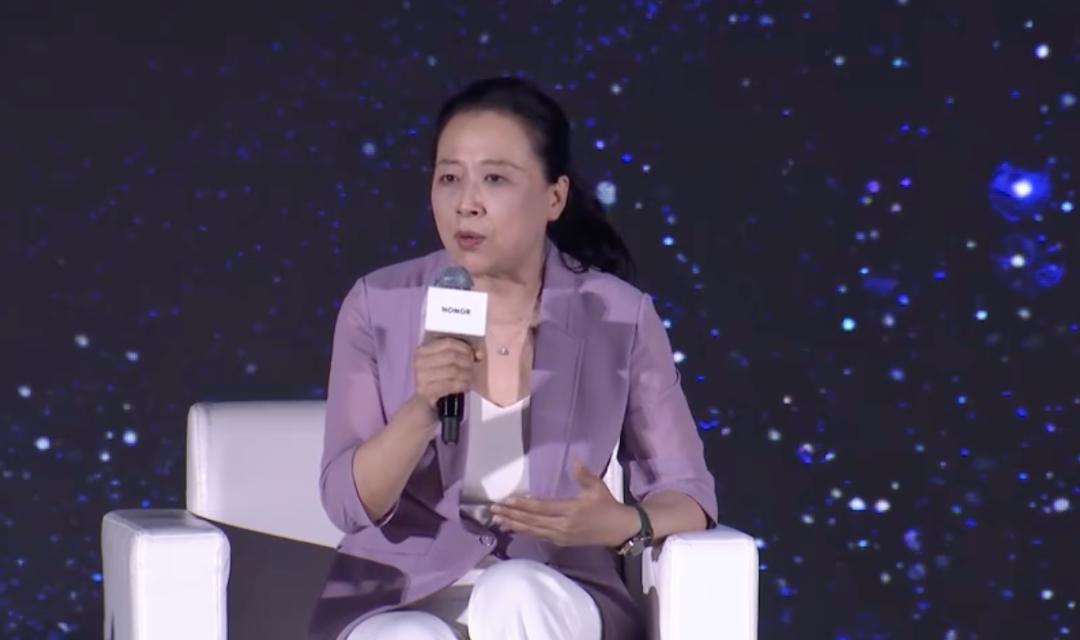
(Fang Fei, President of Honor’s Terminal Product Line)
But even Fang does not assert that smartphones will disappear.
She says, “Smartphones will evolve into a new product, a new species, in the next decade.” The name might remain unchanged, but the essence will undergo a complete transformation.
Kazik’s perspective is more radical:
He envisions a unified AI, with hardware serving merely as an entry point. “Whether I’m in a car, on a phone, computer, glasses, or watch, there’s just one AI behind it all.”
This argument seems to undermine the smartphone’s central role but implicitly acknowledges a fact:
Before unified AI is realized, smartphones will remain the most frequently used “entry point.”
04
At the roundtable’s conclusion, the moderator posed a challenging question:
Who will define the hardware of the next decade—model companies or hardware companies?
Liu sidestepped the question: “Sorry, I don’t have a definitive answer to that.”
Li Yannan was more pragmatic: “Right now, everyone is betting on who will become the Tencent of the AI era and who will become the Nokia.”
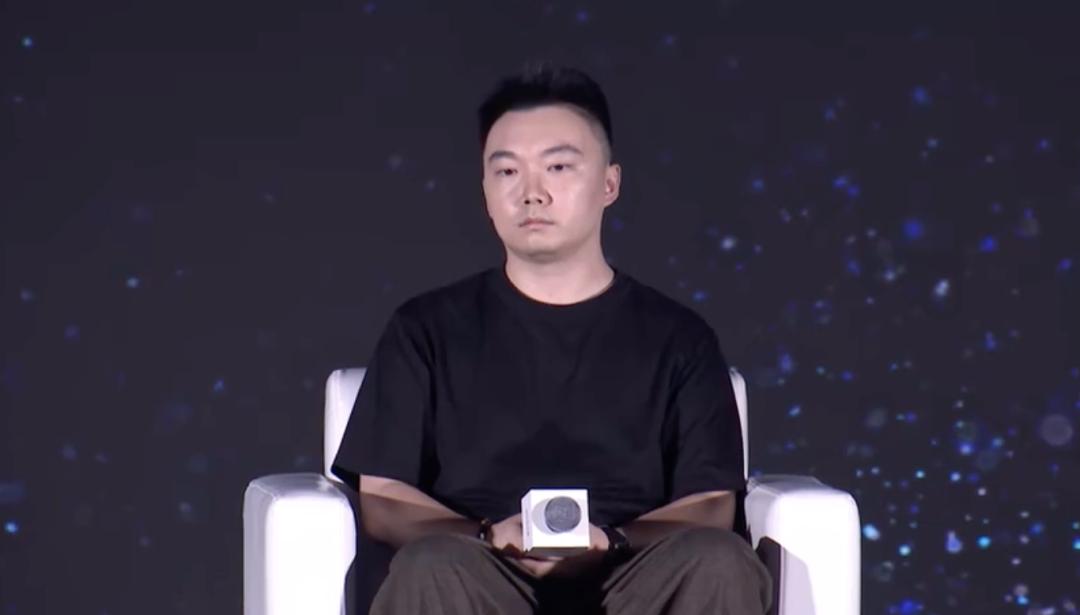
(Li Yannan, Managing Director of Sequoia Capital China)
But Liu’s avoidance is itself telling.
As the founder of a hardware company, he likely understands better than anyone that the relationship between hardware and AI is not about who defines whom but who better addresses real user needs.
As he puts it, the goal of product development remains unchanged: “Propose solutions based on real customer needs in their scenarios.”
This principle remains valid in the AI era.
Conclusion
The two-hour roundtable did not provide definitive answers but clarified boundaries.
Smartphones will not die—they will evolve.
AI will not replace hardware—it will redefine it.
The power to define will not fully shift to model companies, but hardware companies must learn to think in AI terms.
Liu’s stance reflects that of a pragmatic optimist. He does not subscribe to grand narratives about the “death of smartphones” or utopian visions of “AI omnipotence.” Instead, he trusts in fundamental principles like high-frequency demands, contextual accumulation, and practical scenario implementation.
“Smartphones will remain the center of the stage”—this statement encapsulates both the past and the future.
In a decade, whether smartphones retain their name or assume new forms matters less.
What matters is that they will still be in your pocket, still solving problems for you.
As Liu says:
Let people enjoy performances and scenery while machines automatically capture everything—that’s what good products should do.
-
【Focus】Fluorinated Photosensitive Polyimide (FPSPI): A High-End Subdivision of PSPI with Great Potential in High-Tech Industries
-
![]()
Some New Thoughts on ModelBest
-
![]()
After Three Attempts to List on the Hong Kong Stock Exchange, Has Yonyou Finally Broken Free from Its Painful Transition?
-
![]()
Qianwen Powers Apple’s AI: Alibaba Secures Its ‘Doubao Moment’ with iPhone Integration
-
![]()
JD Marches West, Pinduoduo Ventures East: The Clandestine Struggle for China’s Supply Chain Dominance
-
![]()
GAC Honda Secures 10-Year Contract Renewal: Debunks Merger Rumors, Unites for Market Breakthrough | Mirror Pro
-
![]()
Analysis of BBA Service Reputation Index in the First Half of 2026: Terminal Services Under Pressure
-
Observation of AI Business Models: From Token-Based Payment to Outcome-Based Payment