Bypass, Blockade, and Redirection: The Two Debuts of Doubao Phone
 07/31 2026
 491
491
After six months of silence, the Doubao Phone has made another appearance.
During WAIC 2026, the Nubia NaviX Ultra was officially launched, equipped with the second-generation Doubao Phone Assistant and the Snapdragon 8 Elite Gen5 processor, with inventory increased from 30,000 units of the first generation to 200,000 units.
Many still vividly remember the explosive popularity of the first-generation Doubao Phone: limited engineering units sold out instantly, and prices on the second-hand market soared, sparking discussions on whether ByteDance could reshape mobile interaction entry points with the Doubao Phone. However, the excitement was short-lived, and after the hype faded, the first-generation Doubao Phone quickly faced controversy.
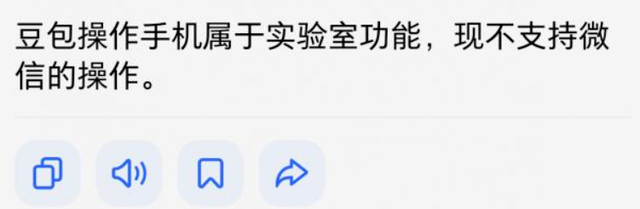
WeChat, Alipay, Meituan, and some banking apps collectively triggered security mechanisms, forcing the Doubao team to disable AI operation permissions in high-risk scenarios; users also complained about restricted usage, with many apps lacking permissions.
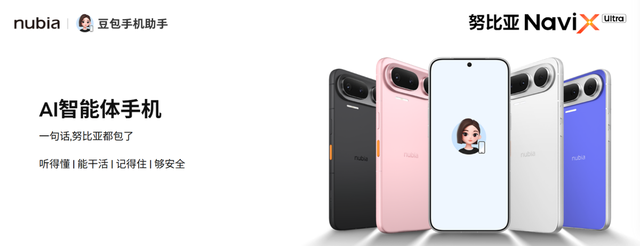
As a conceptual pioneer, it encountered obstacles in practical implementation, with an invisible barrier quietly forming. A year later, the second-generation Doubao Phone was introduced, changing its technical approach and finalizing a dual-partner scheme. On July 15, the Cyberspace Administration of China (CAC) released the first list of registered generative AI services for mobile devices, including the Nubia Doubao Phone's large model.
What new progress has been made with the Doubao Phone amidst these adjustments? Can the second-generation Doubao Phone break through the blockade of the first generation?

Rewinding to December 2025, the Doubao Phone did not debut as a traditional mobile phone manufacturer. It chose Nubia as its hardware carrier, priced at 3,499 yuan with mid-range specifications, attempting to capture the market with the single selling point of a "system-level AI agent."
The market response was enthusiastic, with the first batch of 30,000 units selling out on the launch day. On second-hand platforms like Xianyu, prices soared to as high as 36,000 yuan, over ten times the original price, and even after the hype subsided, transactions generally ranged from 4,000 to 4,500 yuan, with a thriving rental business emerging at several hundred yuan.
The initial M153's ability to incite fervor among geeks and command high premiums in the second-hand market stemmed from its unprecedented capability: users could simply issue a command, and the AI would autonomously navigate between WeChat, Meituan, and Taobao, completing price comparisons, placing orders, and even sending messages. This intent-as-a-service experience directly challenged the traffic, advertising, and transaction closed loop (closed loop) upon which the mobile internet relied, leading many netizens to call it a prototype of an AI Agent.
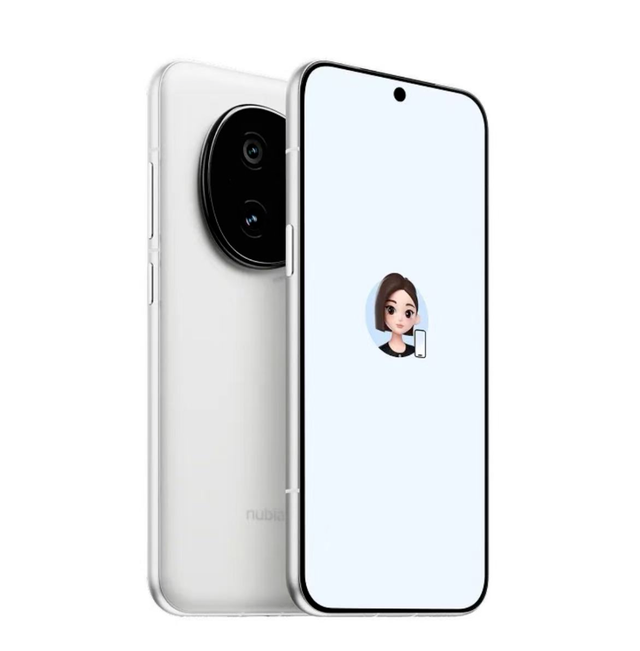
However, subsequent technical analysis revealed that the Doubao Phone achieved this by obtaining high-risk permissions (INJECT_EVENTS) in the Android system, allowing the AI to "understand" the screen and simulate human clicks, enabling cross-app automation.
The resulting controversy quickly cooled the AI phone frenzy.
Technically, the first-generation product relied on a GUI visual simulation operation route, completing tasks through screen recognition and simulated clicks. This approach had inherent shortcomings: high operational latency, processes easily interrupted by pop-ups or page redesigns, and difficulty ensuring stability. Continuous screen scraping also sparked ongoing discussions about privacy and security.
In terms of application experience, the simulated click operation continuously triggered various apps' risk control mechanisms, leading many mainstream apps to restrict accounts using the Doubao Phone. Super apps like WeChat, Meituan, and Alipay swiftly activated risk control mechanisms, precisely intercepting the AI's simulated clicks and even banning accounts on grounds of "account security." Banking apps went further, directly displaying warning pop-ups, forcing the Doubao team to voluntarily disable operation permissions in financial payment scenarios. Many users, excited to purchase the device, gradually discovered that the touted all-powerful AI assistant failed to function normally in numerous high-frequency scenarios, significantly diminishing its practical value. The frenzy ended.
Meanwhile, the Doubao Phone's emergence also raised concerns among other manufacturers. For platforms like WeChat and Taobao, Doubao's actions were akin to chiseling holes in their "walls." If users became accustomed to having AI complete operations directly, apps would lose user engagement time, ad exposure, and data sovereignty, reducing them to indistinguishable background service providers.
Thus, faced with collective blockades from super apps and covert defenses from mobile phone manufacturers, the first-generation Doubao Phone quickly went from being widely sought after to forced restraint, gradually losing its heat (popularity).

The lessons from the first generation made ByteDance realize: bypassing the ecosystem wouldn't work.
Faced with the first generation's predicament of being jointly targeted, the second-generation Doubao Phone (NaviX Ultra) made a particularly restrained and pragmatic debut at WAIC 2026, with the most significant changes be reflected in (reflected in) adjustments to its technical approach and a "co-opetition" business strategy.
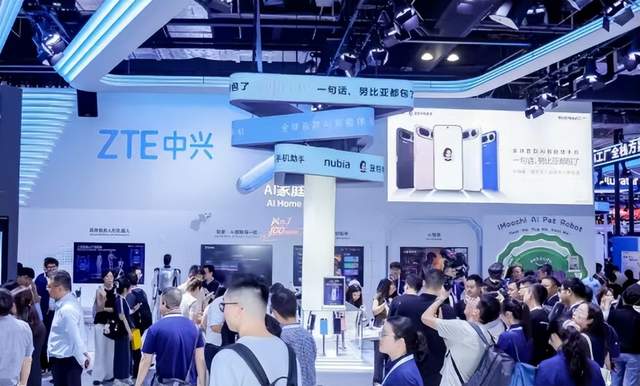
Technically, the Doubao Phone no longer attempted to "force" its way past super apps' firewalls. While the first generation's GUI visual approach was impressive in functionality, it essentially read and manipulated app interfaces without their knowledge or consent. The second generation adopted a protocol-based strategy, strictly adhering to permissions.
According to multiple media reports, the new Doubao Phone adjusted its collaboration methods with super apps like Alibaba and Tencent, no longer reading the screen or simulating clicks to operate apps after user authorization—abandoning the first generation's GUI technical route. The new approach shifted to protocol-driven operations, where the Doubao Phone could only connect if the app provider voluntarily offered MCP services, opening up some data and control permissions.
MCP (Model Context Protocol) is akin to installing a unified socket for AI, with apps choosing to expose some or all of their capabilities according to a unified standard. The AI assistant no longer "peeks" at the screen but directly communicates with apps through protocols, obtaining needed information and invoking services.
According to ZTE staff at the WAIC event, dozens of apps within ByteDance's ecosystem now support the new protocol, with significantly improved response speeds compared to GUI. For platforms willing to open their ecosystems, such as ride-hailing, food delivery, and ticket booking services, Doubao no longer relies on screen simulation but instead uses MCP standardized protocols to directly connect with official interfaces, enabling legal, stable, and efficient data calls and task execution. This official dock (integration) model allows apps to voluntarily open capabilities and execute tasks, completely avoiding external plugin controversies and risk control interceptions, resolving the first generation's core pain points of poor stability, frequent bans, and high privacy risks, transforming AI operations from simulated cheating to compliant collaboration.
In terms of business model, Doubao abandoned going it alone, instead adopting an asset-light and multi-brand strategy. It did not choose to manufacture phones itself but maintained an ODM (Original Design Manufacturer) collaboration with Nubia, with ByteDance providing Doubao's large model capabilities and ZTE handling hardware and system integration. According to supply chain sources, the second generation's inventory increased from 30,000 units of the first generation to approximately 200,000 units, with the first batch under 100,000 units.
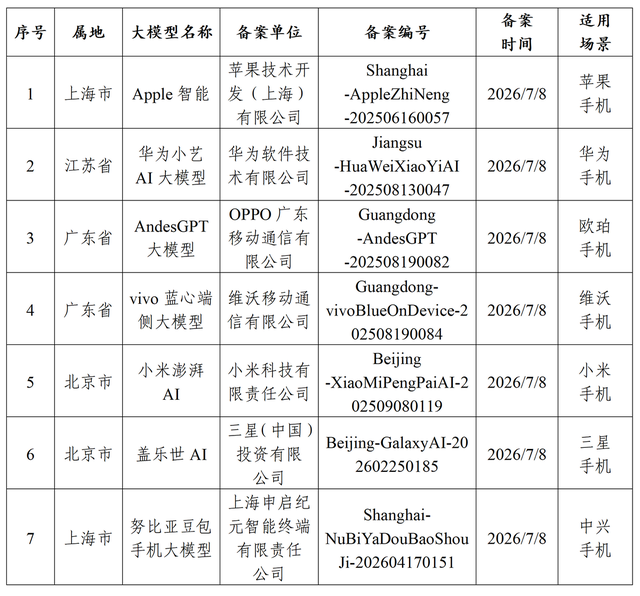
Positive signals also emerged at the policy level. On July 15, the CAC released the first list of registered generative AI services for mobile devices, including seven companies: Apple, Huawei, Xiaomi, OPPO, Vivo, Samsung, and Nubia, with Nubia's Doubao Phone large model included. This signifies that on-device AI has officially moved beyond wild growth into a licensed operation phase. The confirmation of compliant status clears policy obstacles for mass production and adds a layer of institutional protection for users previously concerned about privacy and security.
From GUI to MCP protocols, from "bypassing you" to "asking you to open the door," the second-generation Doubao Phone has lowered its stance and broadened its path. However, this technical shift means returning initiative to app manufacturers. Whether super apps are willing to open interfaces and to what extent will likely influence the market reception of the second-generation Doubao Phone.
And the Doubao Phone's dependence on others also reflects the awkward position of AI phones as a new species.

Despite the aggressive debut of the second-generation Doubao Phone, the market remains cautious about its prospects. Currently, mobile phone manufacturers' concerns about the "Doubao model" have not dissipated and may even intensify due to the second generation's mass production. This concern stems from a deep-seated industrial conflict: in the AI era, who ultimately controls the soul of mobile operating systems?
Starting from the Doubao Phone's dilemma, we can see the awkward position of AI phones within the entire industry.
On one side are the concerns of domestic mainstream mobile phone manufacturers. For leading self-developed camps, Doubao is a "barbarian" that must be constantly vigilant against. In the traditional industrial chain, mobile phone brands firmly control the system's underlying layer and user interaction entry points, with hardware as the foundation and system discourse power (discourse power) as the moat. They worry that once system-level high-frequency interaction permissions are ceded, hardware will quickly become a mere shell for AI capabilities, while user data assets and interaction relationships will be captured by internet giants like ByteDance. Therefore, despite enormous R&D investments and long return cycles, leading manufacturers persist in developing on-device large models. To defend the "entry point" as an irreducible bottom line, they remain highly cautious toward cross-platform AI solutions from external players.
On the other side are major internet application platforms. The mobile internet, shaped over a decade of development, is built on the commercial logic of "users actively opening apps, browsing pages, and generating engagement," with advertising, traffic, and transactions all relying on this path. The Doubao Phone's vision of cross-app automation bypasses native app interfaces, with AI acting as an intermediary to directly alter user access paths, inevitably disrupting platforms' existing business models.
Actual market feedback remains lukewarm. Ordinary users have significant privacy and security concerns about "AI operating their phones." On one hand, AI task execution is time-consuming and prone to errors; for simple tasks like ordering coffee or hailing a ride, manual operation remains optimal. On the other hand, entrusting high-permission scenarios like payments and social interactions to AI raises difficult questions about liability in cases of "hallucinations" or accidental touches.
Most ordinary consumers, after initial experiences, often dismiss it as an interesting but non-essential novelty. Industry observers believe that only when AI can independently complete tasks like cross-app data entry and complex itinerary aggregation—tasks inefficiently handled manually—will it transition from a toy to a tool.
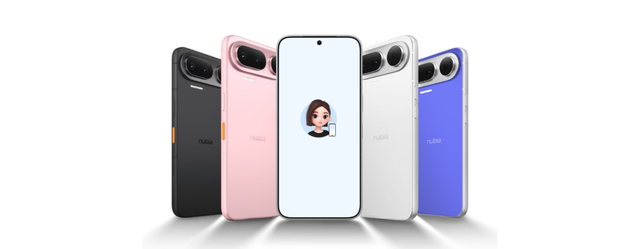
From the first generation's widespread adoration to the second generation's cautious iteration, the Doubao Phone's trajectory serves as a quintessential case study. Nearly all industry practitioners agree that agent-driven new mobile interaction represents the long-term trend. However, the path forward relies not solely on technological innovation. Realizing this vision requires balancing vastly different demands across the industrial chain.
To succeed, AI must be powerful enough to build technological barriers, share benefits with incumbents to secure survival space, and persuade cautious users to pay for invisible intelligence. Until this tripartite balance is achieved, regardless of how many generations are released, AI phones, as a new species, may remain mere probing pawns in the chess game among tech giants.
-
![]()
Lei Jun Disrupts the Market: Xiaomi Unveils N70/N90 Dual Models, Zeroing in on Two Leading Extended-Range Rivals
-
![]()
Sales Champion Leapmotor's Quest for Scale
-
![]()
SAIC-GM and SAIC Passenger Vehicles Announce Leadership Shifts on the Same Day: 'Technical Talents' Step Forward to Steer the Course
-
![]()
BMW's Turnaround Starts with the Easy Part
-
Tesla's Q2 Operating Profit Plummets, 'Cash-Guzzling' Expansion Drains Free Cash Flow
-
![]()
Volkswagen's Strategic Shifts: Cutting Back and Expanding
-
![]()
Unraveling the Decline of the Imported Car Market
-
![]()
Interpretation of the European + UK Automobile Market in the First Half of 2026: Electrification Surpasses Critical Point, Chinese Brands Experience Collective Growth in Sales