A Perplexing Phenomenon: Memory Prices Skyrocket, Samsung and Chinese Brands Suffer Losses, Yet Apple’s Profits Soar by 27%
 08/03 2026
 422
422
Some time ago, Samsung unveiled its second-quarter (Q2) earnings, boasting profits exceeding 42 billion yuan, a record high.
However, the figures also unveiled a stark reality: due to the soaring memory prices, Samsung's mobile division incurred an operating loss of approximately 3.3 billion yuan in Q2. This marked a historic first for Samsung, as its mobile business ventured into the red, a scenario quite out of the ordinary.
In fact, Samsung is not alone in its financial woes. Numerous Chinese smartphone manufacturers, though not publicly acknowledging it, are also grappling with losses. After all, their selling prices pale in comparison to Samsung's, and their sales volumes are not as robust. How could they possibly avoid financial losses?

The impact of escalating memory prices extends beyond smartphones. Chinese automotive companies are also feeling the pinch, with brands like Xiaomi, Aito, Leapmotor, and Li Auto transitioning from profitability to losses in the first quarter (Q1) due to substantial hikes in storage costs.
Yet, in a surprising twist, Apple remains unscathed by the memory price surges, instead witnessing a 27% spike in profits, defying all expectations.
According to Apple's financial report, its Q2 revenue surged by 16.4% to $109.417 billion (approximately 74 billion yuan), with profits climbing by 27% to $29.789 billion (approximately 20 billion yuan). Its gross margin soared to a lofty 50.1%, even surpassing previous levels.

This scenario is baffling. The memory price hikes have seemingly bypassed Apple; instead, its gross margin and profits have expanded, rendering it even more lucrative.
People are left scratching their heads. The selling prices of iPhones have remained stagnant, with some models even experiencing price cuts for promotional purposes. It seems implausible for profits to grow under such circumstances, yet both profits and profit margins are on the rise. What's the secret?
On one hand, Apple's procurement contracts with memory manufacturers differ significantly from those in the volatile spot market. Apple has secured long-term, fixed-price contracts, effectively shielding it from the brunt of spot memory price increases. Its procurement costs are substantially lower than those of its competitors, preventing Apple's memory procurement costs from skyrocketing by three to four times.
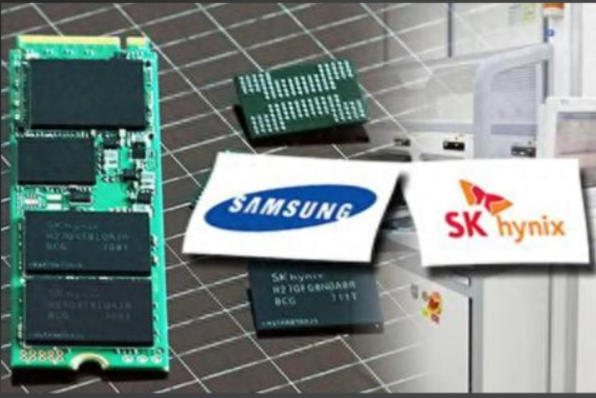
Secondly, the iPhone's inherently high gross margin provides ample room to absorb minor cost increases. Moreover, by refraining from raising prices this time around, Apple has made iPhones even more enticing to consumers, resulting in a significant uptick in sales. As sales volume escalates, costs diminish, and profits ascend—a well-established norm in the electronics industry: the larger the scale, the lower the costs, and the higher the gross margin.
Thirdly, beyond hardware, Apple boasts a high-margin services business as a robust safety net, including the App Store, iCloud, Apple Music, and device after-sales services. These ventures boast gross margins nearing 80%. As sales volume expands, the scale of these services grows, rendering them even more profitable and driving up the overall gross margin.

Thus, for Apple, maintaining stable or even reduced iPhone prices, and even offering promotions, is a calculated "strategic move."
By doing so, Apple entices more consumers to purchase its phones. The more Apple sells, the larger its scale becomes, leading to an uptick in gross margin. Additionally, its services business becomes even more lucrative. This is the crux of why Apple's profits have surged despite not raising prices.
However, the scenario is starkly different for Chinese smartphone brands. Their gross margins are inherently low, possibly hovering around 10-15%. Coupled with negligible revenue from services businesses, once memory prices rise, they have little choice but to follow suit with price hikes. This ultimately culminates in a decline in sales and dismal profits, with some even plunging into direct losses.
-
![]()
A Complete Retrospective of the Thailand Campaign: A Detailed Review of the First 'Complete Model' for Chinese Automobiles Going Global
-
![]()
Can Leapmotor's 'Budget-Friendly Choice' Strategy Support a 200 Billion Valuation?
-
![]()
The Codes in Two Sets of Data: AI Applications Start to Show Winners and Losers, and the Smartphone Market is Changing Protagonists
-
![]()
Can Xiaomi Pengcheng Succeed with Its 'Sincerity' Despite the 'Delayed' Sales Report?", "Xiaomi Pengcheng, extended-range SUV, pre-sale price, product strength, delivery capability", "Xiaomi Pengcheng
-
![]()
Will Traditional Algorithm Engineers Be Rendered Obsolete by VLA? Fact or Fiction?
-
![]()
Everyone is Talking About World Models, What Are the Technical Focuses of Different Companies?
-
![]()
The Final Verdict: Extended-Range Electric Vehicles Are Accelerating Toward Obsolescence
-
![]()
A Perplexing Phenomenon: Memory Prices Skyrocket, Samsung and Chinese Brands Suffer Losses, Yet Apple’s Profits Soar by 27%