#Hytera HP780 #PDT Two-Way Radio #Industrial Private Network #Field Communication #Equipment for Extreme Cold Communication #Emergency Communication
 08/07 2026
 511
511
In challenging working environments such as the extreme cold regions of the north, mining and forested areas, field power operations, and emergency rescue missions, the adaptability of private network communication terminals to a wide range of temperatures, their protective capabilities, and RF stability are crucial factors that directly influence the reliability of on-site operations and emergency dispatching. Traditional communication terminals often suffer from signal intermittence, device malfunctions, and significantly reduced battery life due to low temperatures, snowstorms, mountain obstructions, and electromagnetic interference. The Hytera HP780, a new-generation professional PDT digital two-way radio, stands out with its robust hardware architecture that supports a wide temperature range, high-level protection, superior RF performance, and extended battery life. It is ideally suited for the harsh conditions of the northern regions, making it a preferred terminal device for industrial private networks and public safety applications.
I. Core Hardware Configuration for Large-Scale Private Network Deployment
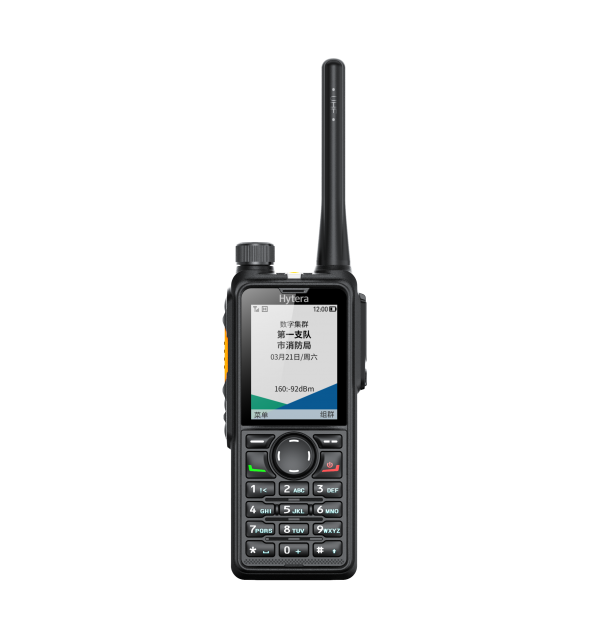
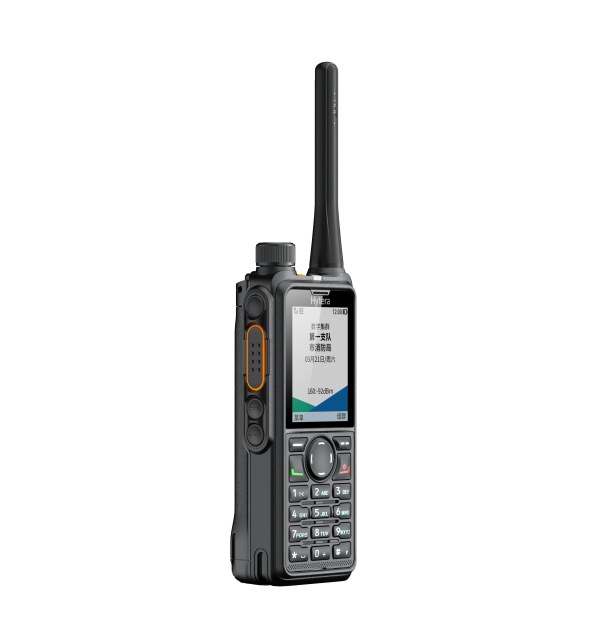
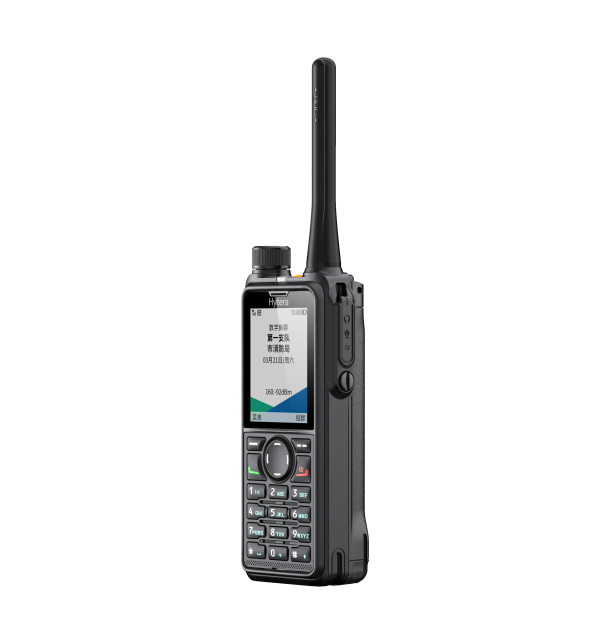
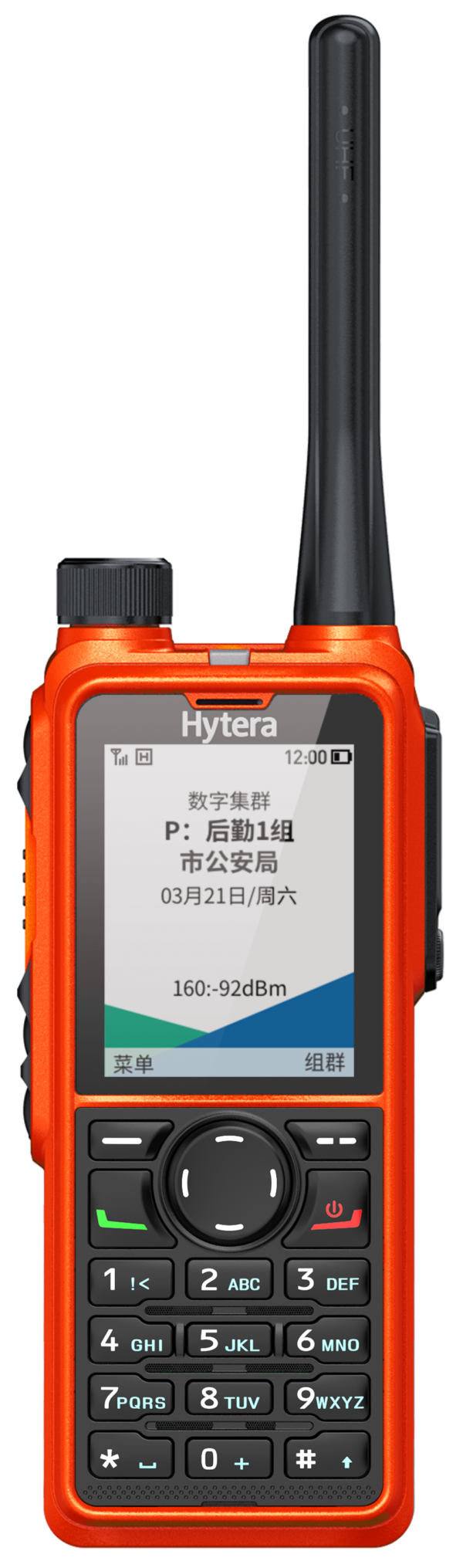
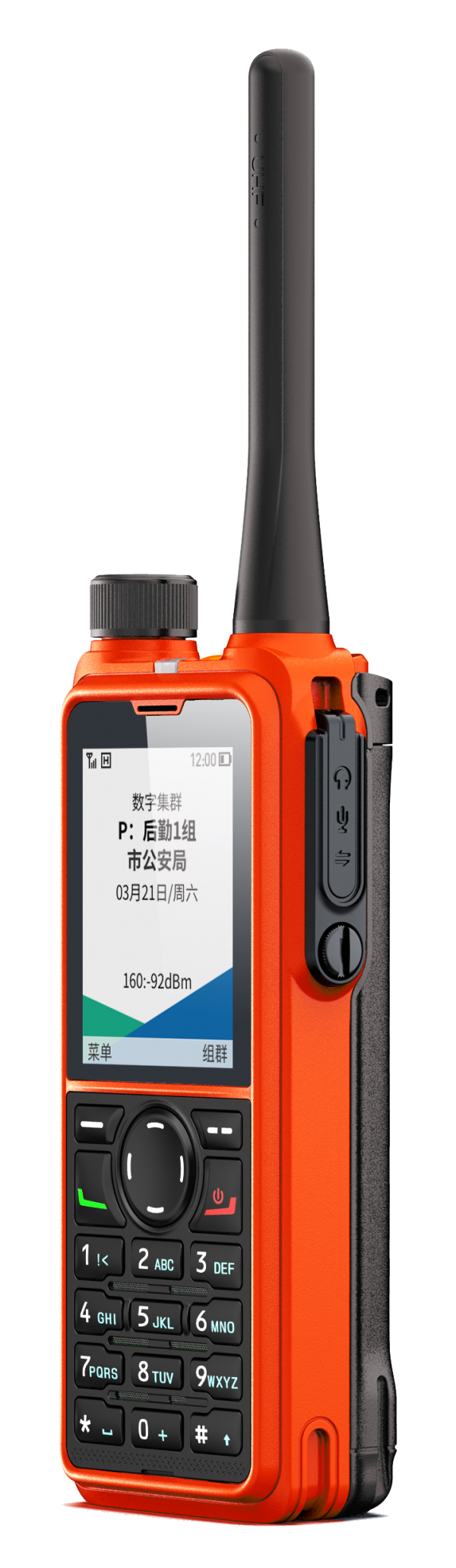
The HP780 is a standardized PDT digital communication terminal specifically designed for government and enterprise private networks, as well as industrial emergency scenarios. It offers comprehensive frequency band coverage, supporting mainstream private network bands including UHF3 (350~400MHz), UHF1 (400~470MHz), and VHF (136~174MHz), catering to the spectrum requirements of various scenarios such as public safety emergencies, forestry inspections, field power operations, and industrial and mining parks. The device accommodates up to 1024 channels and 64 zones, facilitating hierarchical scheduling for multi-team and multi-region large-scale projects, thus being suitable for large-scale and detailed private network communication deployments. With a lightweight and compact design, weighing only 310g including the battery and antenna, the HP780 is portable and convenient for long-term handheld use and equipment mounting. It features a 2.4-inch high-definition color screen, providing clear interface displays and simplified operation levels, enhancing the efficiency of field debugging, parameter settings, and status checks, making it suitable for complex outdoor operating environments. In terms of power supply, it comes equipped with a standard 2400mAh lithium polymer battery, featuring excellent power consumption management. The non-GPS version offers up to 24 hours of battery life, while the GPS version provides approximately 20 hours, meeting the communication needs for continuous all-day field operations.
Compared to ordinary civilian two-way radios, the HP780 excels in environmental tolerance, making it a prime choice for communication in the northern cold fields. The device is equipped with an ultra-wide temperature operating system, capable of functioning within a temperature range of -30℃ to +60℃ and withstanding storage temperatures as low as -40℃. It can endure extreme conditions such as frost heave in northern winters, high-temperature exposure in summers, and significant diurnal temperature variations, effectively preventing common issues like low-temperature component drift and high-temperature device aging. In terms of protection, it achieves the industry's top IP68 dust and water resistance rating, providing complete dust protection and long-term water immersion protection. With a dedicated water drainage structure, it can automatically expel water from the speaker and microphone, ensuring clear communication in rainy, snowy, wading, and high-humidity condensation environments. The device also strictly adheres to the MIL-STD-810G military reliability standard, supporting 2-meter drop resistance and withstanding field wind and sand erosion, equipment bumps, and high-frequency vibrations, significantly enhancing its long-term operational stability in the field.
To tackle industry challenges such as heavy mountain and forest obstructions, complex field electromagnetic environments, and significant interference in noisy working conditions, the HP780 has undergone specialized performance optimizations. The device enhances the RF front-end link and demodulation algorithm, significantly improving reception sensitivity. It effectively minimizes frame loss and audio dropouts in areas with mountain obstructions, long-distance transmission, and weak signals, thereby expanding the effective communication coverage in the field. In terms of audio quality, it employs AI intelligent noise reduction technology, paired with a 2W high-power speaker, automatically filtering out background noise such as field wind, traffic, and equipment roar, suppressing call feedback howl, and maintaining clear and transparent communication in noisy scenarios like mines, forests, and construction sites. It is also equipped with programmable customizable buttons, supporting one-touch switching between multiple scenario modes, suitable for different working scenarios such as standardized operations, emergency dispatching, and outdoor inspections, greatly enhancing operational convenience.
Leveraging its comprehensive advantages of wide temperature adaptation, high-level protection, stable RF performance, long-lasting battery life, and intelligent noise reduction, the HP780 is ideally suited for complex scenarios such as northern extreme cold field inspections, forest fire prevention, mining operations, field power maintenance, border defense emergencies, and industrial and mining park dispatching. As a standardized PDT professional terminal, its strong environmental adaptability and network stability effectively address the industry challenges of high failure rates and poor adaptability of traditional terminals in extreme field conditions, making it a cost-effective and highly reliable handheld terminal choice for northern industrial private networks and emergency communication fields.
-
![]()
China Unveils Its First Embodied AI Development Bureau: Why Shunde Takes the Lead?
-
![]()
#Hytera HP780 #PDT Two-Way Radio #Industrial Private Network #Field Communication #Equipment for Extreme Cold Communication #Emergency Communication
-
![]()
Huawei Router Tops China’s Market, Xiaomi Claims Second Place Worldwide
-
Will Leading Content Creators All Transition into Sellers of 'AI Courses'?
-
![]()
Semi-annual Report | China's Sports Camera Market Nearly Doubles in Size in H1 2026, with DJI and Insta360 Dominating as a Dual Oligopoly; Full-Year E-commerce Sales Forecast to Exceed RMB 20 Billion
-
![]()
Automakers Embark on a Collective 'Downsizing' Path: Can Model Reduction Rescue Profits?
-
![]()
STO Express Under Scrutiny: Low Delivery Costs, but Safety Remains Paramount
-
![]()
Five Major Players Enter the Arena: The All-Out Battle for the Ultimate AI Office Super Gateway Begins