Final Verdict: Why the Automotive Industry Is a Breeding Ground for Online Disorders
 12/01 2025
 569
569
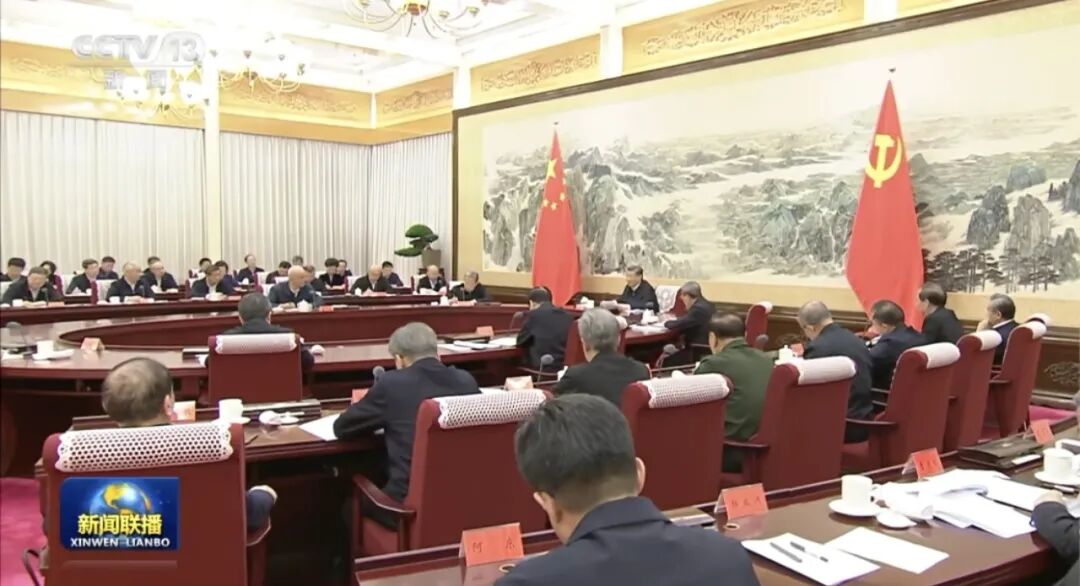
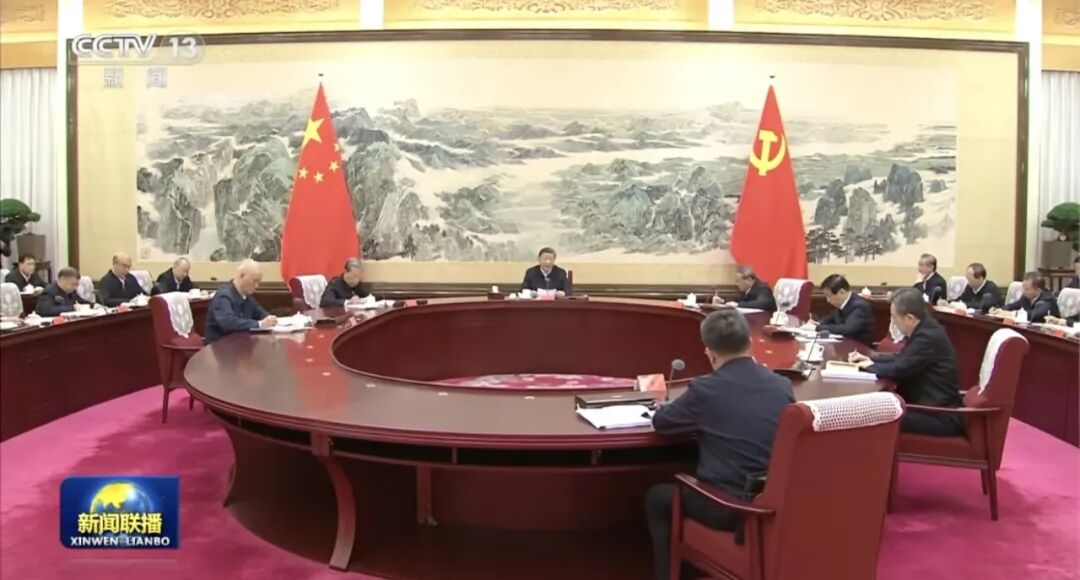
On November 28th, the Political Bureau of the CPC Central Committee held a collective study session focused on enhancing the governance of the online ecosystem. President Xi Jinping, who presided over the session, underscored that governing the online ecosystem is a pivotal task for building a strong cyber - power. It is intricately linked to national development and security, as well as the fundamental interests of the people. It is imperative to refine the long - term mechanism for online ecosystem governance, emphasizing the need to enhance its foresight, precision, systematicness, and coordination. This will help continuously foster a clean and upright online environment. After listening to the explanations and engaging in discussions, President Xi Jinping delivered an important speech. He pointed out that online disorders tarnish the social atmosphere and infringe upon the people's interests. It is crucial to have the courage to take decisive action and resolutely combat these issues, breaking the chains of interest and industry, and eliminating the soil and conditions for their spread.
There is a broad consensus within the industry that the automotive sector stands out as one of the most severely affected industries by online disorders, making it a major hotspot for such problems.
In response to the online disorders in the automotive industry, six departments - the Ministry of Industry and Information Technology, the Central Social Work Department, the Cyberspace Administration of China, the National Development and Reform Commission, the Ministry of Public Security, and the State Administration for Market Regulation - jointly issued the Notice on Conducting a Special Rectification Campaign Against Online Disorders in the Automotive Industry in September this year. This nationwide campaign is set to last for three months.
The special rectification campaign primarily targets online disorders such as illegal profit - making, exaggerated and false advertising, and malicious defamation and attacks. Its goals are to improve the effectiveness of handling online disorders related to automotive enterprises, urge enterprises to standardize their marketing and advertising practices, create a favorable public opinion environment, and support the high - quality development of the automotive industry.
Why has the automotive industry become a breeding ground for online disorders?
Information Dissemination Characteristics and High Attention in the Automotive Industry
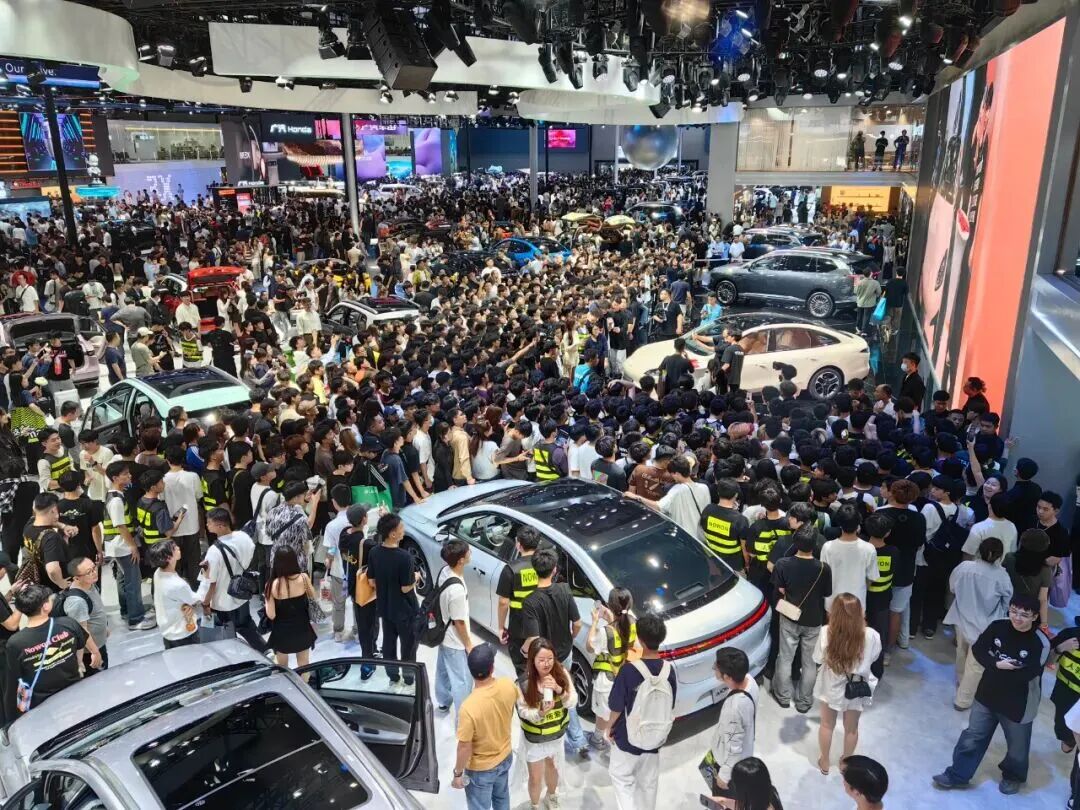
As an essential mode of transportation in modern society, automobiles have become deeply ingrained in people's daily lives. China has emerged as the country with the highest car ownership globally, with its per - capita car ownership exceeding the international average. China has stepped into an automotive society, and the automotive industry naturally garners extremely high attention. Whether it's the launch of new car models, technological innovations, or brand competitions, they all attract significant consumer interest.
From the perspective of information dissemination, high attention makes automotive industry information highly susceptible to online spread. News about a popular car model can quickly circulate across major social media platforms and automotive forums. While this rapid and widespread dissemination is beneficial for promoting automotive brands, it also creates fertile ground for the spread of online disorders. Some false information, exaggerated claims, and even malicious defamation can spread rapidly, misleading consumers and disrupting the market order.

Profit - Driven False Marketing and Malicious Competition
Due to overcapacity and an excessive number of brands, the Chinese automotive industry is one of the most fiercely competitive industries in the world. Faced with immense commercial interests, some enterprises and practitioners resort to unethical means. To gain market share, some car manufacturers or dealers engage in false marketing practices. They extensively promote the advantages of their products online, exaggerating performance, features, and quality while ignoring existing problems.
Besides false marketing, vicious competition is also a prominent manifestation of online disorders in the automotive sector. Competitors spread negative information about each other through online platforms, engaging in defamation and smear campaigns. Such behavior not only damages corporate reputations but also severely misleads consumers. Some unscrupulous merchants even hire online mercenaries to create false reputations, guide public opinion, or attack competitors.
The prevalence of false information and the rampant activities of online mercenaries not only erode social morals but also infringe upon the legitimate rights and interests of enterprises and consumers.
Information Distortion and Rumor Proliferation in the Era of Self - Media
With the rise of self - media, everyone has the potential to become a publisher and disseminator of information. While this has somewhat enriched information sources, it has also led to severe information distortion. In the automotive field, many self - media outlets, in pursuit of traffic and attention, frequently publish unverified information. They evaluate and interpret cars based on subjective assumptions or hearsay, often lacking objectivity and accuracy.

Some self - media outlets deliberately create sensational headlines and publish alarming fake news to attract attention.
For instance, they may make baseless accusations about severe quality issues in a particular car model or claim that a certain car brand is on the verge of bankruptcy. Once these rumors spread online, they can rapidly proliferate like a virus, causing significant distress to the affected enterprises and consumers. Moreover, due to the challenges in regulating self - media platforms, these false informations (it should be "information") are rarely addressed promptly and effectively, further exacerbating the severity of online disorders in the automotive sector.
Consumer Cognitive Biases and the Manipulability of Online Public Opinion
When purchasing cars, consumers are often influenced by online public opinion. However, many consumers lack professional automotive knowledge and discernment, making them prone to believing false information online. Upon seeing seemingly authoritative evaluations or recommendations, they may blindly follow suit and make erroneous purchasing decisions.
Meanwhile, online public opinion is highly manipulable. Some individuals with ulterior motives can manipulate online topics and guide public opinion to achieve their goals. They may deliberately exaggerate issues and incite consumer emotions, exerting immense pressure on enterprises. In response to such public opinion crises, enterprises may adopt inappropriate measures, further exacerbating online disorders.
Inadequate Supervision and Enforcement Against Online Disorders in the Automotive Industry
The persistent existence of online disorders in the automotive industry is closely related to regulatory gaps and legal loopholes. Currently, laws and regulations governing online information dissemination are inadequate, with unclear definitions and penalties for false advertising, malicious defamation, and other behaviors in the automotive sector. This provides opportunities for unscrupulous enterprises and self - media to engage in illegal activities.
Regulatory authorities often face difficulties in conducting comprehensive and timely supervision amidst the vast amount of online information. Automotive online information is disseminated through numerous channels, including social media, automotive forums, and news websites, making it challenging for regulatory bodies to inspect and supervise each platform individually. Even when issues are identified, the handling process may be cumbersome, resulting in low illegal costs and ineffective deterrence.
The special rectification campaign against online disorders in the automotive industry, launched by six ministries and commissions, has been in progress for over two months. Some illegal self - media accounts have been dealt with. However, some online platforms and MCN agencies that play a significantly negative role in online disorders have not been penalized, giving the impression of treating symptoms rather than the root cause.
The automotive industry has become a breeding ground for online disorders due to the combined effects of multiple factors. To change this phenomenon, as the central leadership has emphasized, it is essential to have the courage to take decisive action and resolutely combat these issues, breaking the chains of interest and industry and eliminating the soil and conditions for their spread. (End)
-
![]()
ByteDance, DJI, and Xiaohongshu Secure Top Three Positions Among China’s Fastest-Growing Unicorns
-
Tesla's in-car voice system in China is finally learning to 'understand human language'
-
![]()
Foreigners Are Amazed: Chinese Electric Vehicle Drive Systems Unveil Innovative 'Poses'
-
![]()
700,000 Brothers and the Future of Robots: Behind JD.com's 'Nirvana Plan'
-
![]()
Zhipu's Trillion-Dollar Valuation: A New Chapter for China's AI
-
![]()
Is Laifen, a 'Dyson Alternative' on the Rise, Now Ensnared by the 'Alternative Curse'?
-
![]()
Beyond Patents: Insta360 and DJI Compete in Retail
-
![]()
Piercing Through Industry Chaos: The Curtain Rises on Compliance for Autonomous Driving