91,900-Yuan Dongfeng Nissan N6: A Strategic 'Market Counterattack' or a Risky 'Financial Gamble?'
 12/10 2025
 661
661
Author: Xue Fei
Produced by: Five-Star Vehicle Review
Recently, the Dongfeng Nissan N6 has officially made its market debut, boasting a limited-time promotional price range spanning from 91,900 to 121,900 yuan. This move is strategically aimed at disrupting the competitive landscape within China's 100,000 to 150,000-yuan plug-in hybrid sedan segment.
This A+ class sedan impresses with a pure electric range of 180 kilometers and a fuel consumption rate of merely 2.79L/100km in battery-depleted mode. It not only sets a new benchmark for cost-effectiveness among joint-venture new energy vehicles but also boldly ventures into a 'strategic heartland' traditionally dominated by domestic brands.
However, the path to success is fraught with obstacles. The N6 must not only confront the formidable barriers erected by market leader BYD but also respond swiftly to counterattacks from rivals such as Changan. Additionally, it faces the challenge of mitigating the impact of 'price-for-market' strategies on its profitability and brand value, all while proving that its innovative channel and service models can genuinely win over users.
The N6 transcends being a mere vehicle; it symbolizes a signal, a strategy, and a gamble. It marks a pivotal value counterattack by joint-venture brands in a market where domestic brands command over 80% of the new energy vehicle share.
Regardless of whether the N6 achieves market triumph or falters, its journey will undoubtedly serve as a landmark in the value counterattack pursued by joint-venture brands.
01 Pricing Strategy
The Dongfeng Nissan N6's most formidable weapon in its quest to dominate the plug-in hybrid sedan market is undoubtedly its pricing strategy. With an official starting price of 99,900 yuan and a promotional price plummeting to 91,900 yuan, it has shattered the long-held 150,000-yuan psychological barrier for joint-venture new energy vehicles, even undercutting the starting prices of numerous comparable domestic brand plug-in hybrid models.
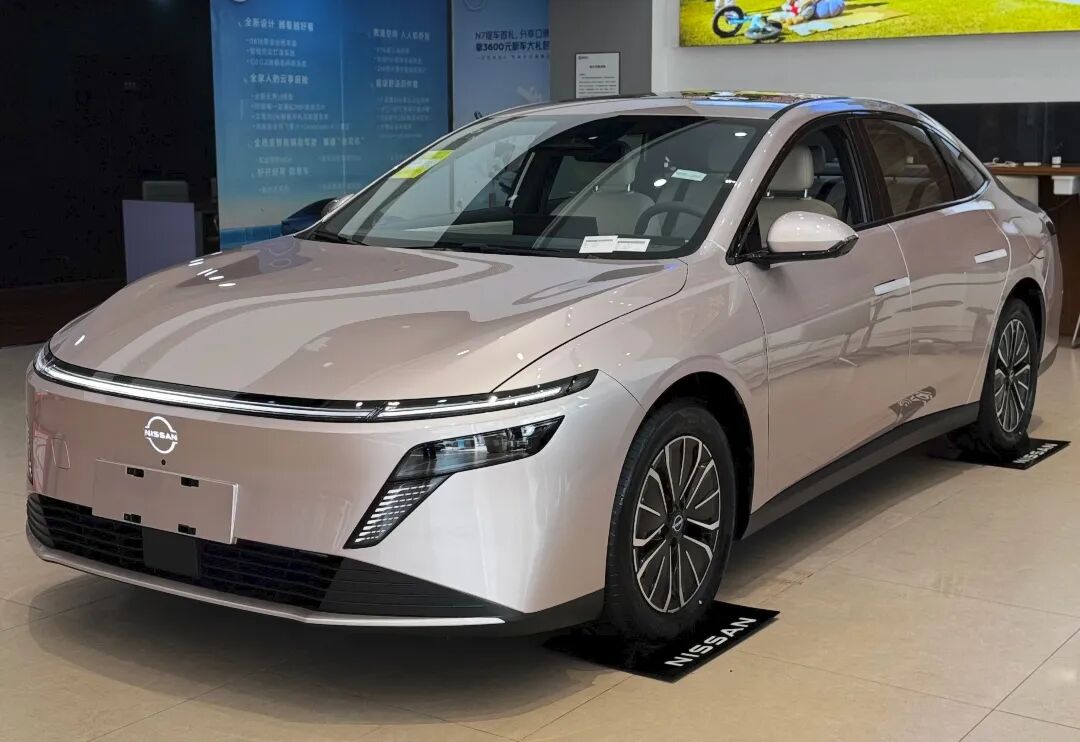
Behind this pricing strategy lies Dongfeng Nissan's keen assessment of the current market landscape: in a segment where models like the BYD Qin PLUS DM-i and Geely Emgrand L Hi·P have already established robust competitive moats, adopting a follow-the-leader pricing approach would be fraught with risk.
The N6 opts for a 'one-step' pricing strategy, launching a direct 'price annihilation war' aimed at swiftly capturing the broadest possible attention and vying for the most valuable market share.
When comparing the starting prices of key competitors (all plug-in hybrid sedans), the BYD Qin PLUS DM-i ranges from 79,800 to 145,800 yuan, while the Changan Qiyuan A05 starts at 78,900 yuan. The N6 not only achieves near-'parity' with leading domestic brand products but even gains a certain competitive edge.
More significantly, by offering 'parity pricing' with its internal combustion counterpart, the Sylphy (priced between 79,900 and 174,900 yuan), the N6 compels consumers to seriously consider more technologically advanced and cost-effective electrified options within the same budget. This strategy transcends mere market tactics; it represents an 'internal revolution' driving its own fuel vehicle users towards electrification.
If priced solely on the low end, the N6 might be dismissed as just another 'price cutter.' However, its competitiveness in core battery electric vehicle technologies endows it with the staying power for long-term competition.
The N6 is equipped with a 21.1kWh lithium iron phosphate battery, achieving a CLTC pure electric range of 180 kilometers—a significant 'step-up' in its competitive tier compared to the BYD Qin PLUS DM-i's 55km/120km (two versions) and the Changan Qiyuan A05's 70km/145km (CLTC).
An 180-kilometer pure electric range means that for the vast majority of urban commuters, the N6 can operate on a 'weekly charge' or even 'bi-weekly charge' basis, closely approximating the experience of a pure electric vehicle and eliminating range anxiety. This stands out as the most prominent feature in the N6's product definition, directly addressing users' core pain point of 'wanting low-cost electric driving but fearing charging inconvenience.'
The N6 boasts a battery-depleted fuel consumption rate of 2.79 liters per 100 kilometers under CLTC conditions and achieved a certified 2.90 liters per 100 kilometers in the 'Around China Fuel Consumption Extreme Challenge' by the Guinness World Records.
While actual user conditions may differ from test scenarios, this data provides strong endorsement for the efficiency of its powertrain. Compared to the BYD Qin PLUS DM-i's official battery-depleted fuel consumption of 3.8L/100km, the N6 demonstrates a clear advantage in the data.
02 Future Challenges
However, the aggressive strategies behind the N6 and Dongfeng Nissan also come with significant challenges and risks that cannot be overlooked.
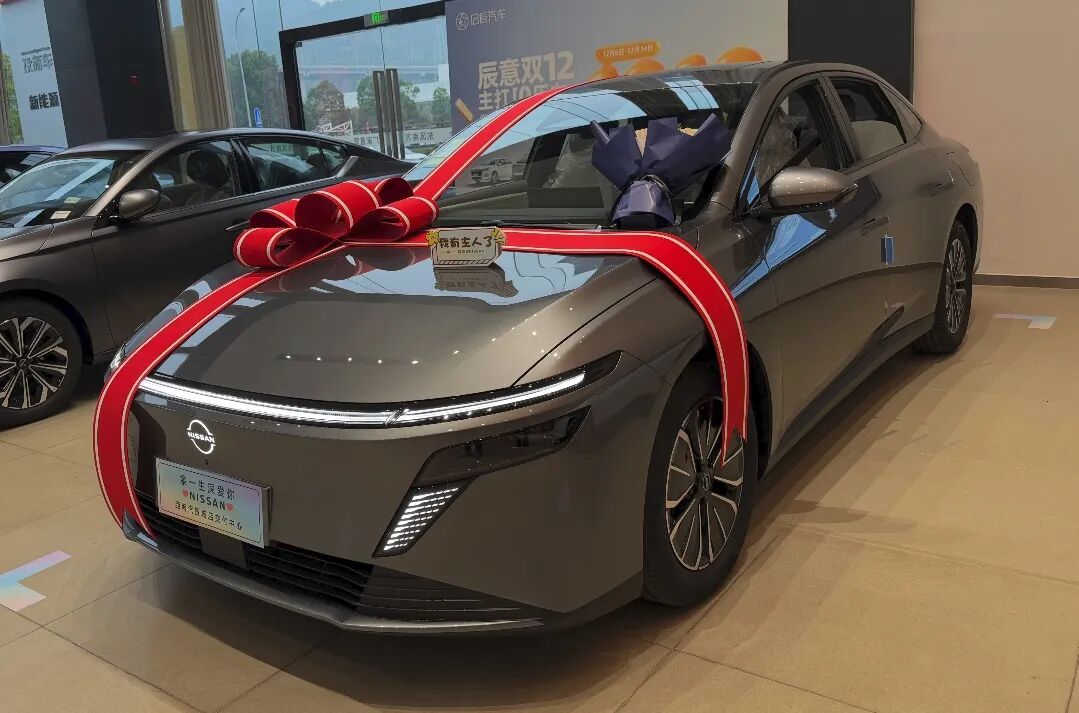
Firstly, there is the issue of lagging brand recognition in electrification. In consumers' eyes, Nissan remains predominantly associated with traditional fuel vehicles, and its 'Technology Nissan' image lacks concrete representation in the era of electrification and intelligence.
Despite the N6's impressive specifications, it lacks a dominant technological brand label akin to BYD's 'DM-i Super Hybrid' or Huawei's 'HarmonyOS Cockpit.' This puts the N6 at a disadvantage when attracting tech-savvy, brand-conscious pioneer users.
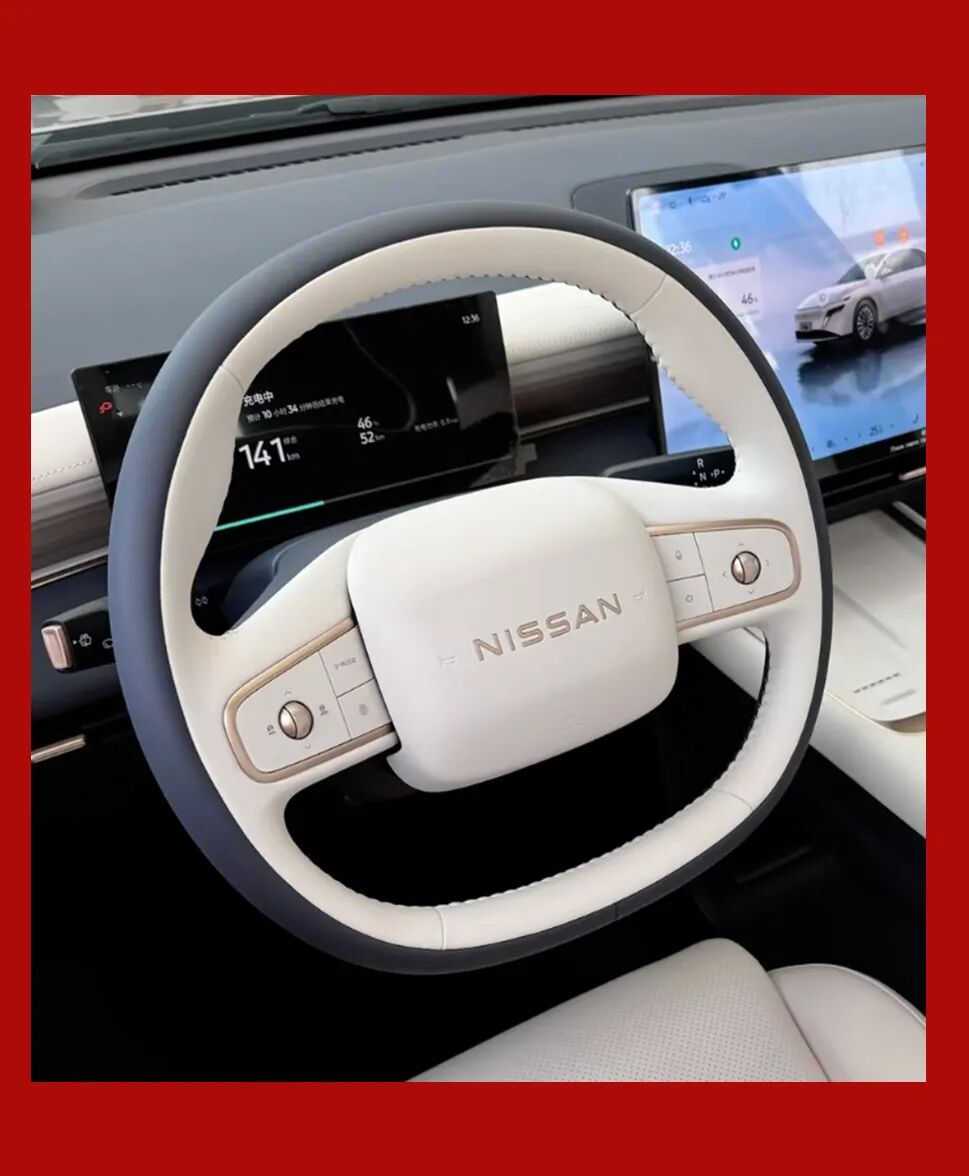
Secondly, the intelligent experience remains a relative weakness. Although the N6 is equipped with a Qualcomm Snapdragon 8775 chip and the NISSAN OS system, reaching mainstream hardware standards, it still lags behind leading new forces and first-tier domestic brands in software ecosystems, interaction fluidity and intelligence, and especially the prevalence of advanced intelligent driving features. In the era of 'software-defined vehicles,' gaps in intelligent experience directly impact long-term user satisfaction and brand loyalty.
More importantly, the 'price-for-market' strategy poses a severe test to Dongfeng Nissan's financial health. The starting price of 91,900 yuan undoubtedly compresses profit margins per vehicle significantly.
The N6's business model likely hinges on 'achieving economies of scale to dilute costs, elevating average selling prices through high-value configuration models, and realizing long-term value by reducing full lifecycle service costs.'
However, the success of this model is highly contingent upon achieving rapid sales volume growth. In such a fiercely competitive market, if the N6 fails to quickly reach a substantial sales scale, the enormous R&D investments, marketing expenses, and costs of establishing independent channels will be difficult to amortize, putting its financial model under pressure.
This risk is further exacerbated by the recent overall financial performance of Dongfeng Group and Nissan Motor.
According to public financial reports, in recent years, affected by multiple factors such as the shrinking traditional fuel vehicle market, massive investments in electrification transformation, and intensified market competition, Dongfeng Group's overall profits have come under pressure, and Nissan Motor's performance in global and Chinese markets has also fluctuated.
If the N6 fails to break through and achieve dual improvements in sales volume and brand value, not only may the N6 project itself face losses, but it could also deplete the group's precious cash flow, affecting the R&D and launch schedules of subsequent electrified products.
For Dongfeng Nissan, the N6 is more than just a new model; it is a strategic product aimed at redefining brand value and rebuilding market position in the new energy era.
In the current market landscape, the N6 faces a multi-tiered competitive ecosystem. In the first tier, it competes directly with the BYD Qin PLUS DM-i, a formidable 'mountain' to scale.
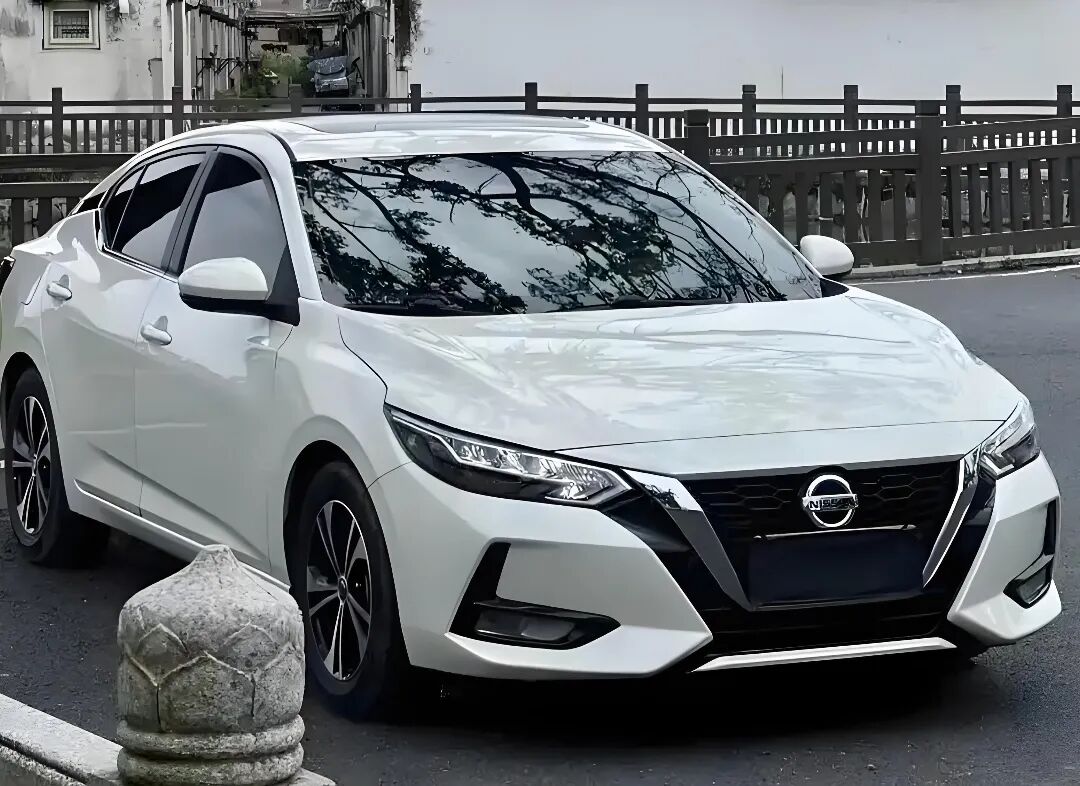
The N6's strategy is to attract price-sensitive users with higher expectations for pure electric driving experiences by offering longer range, a lower starting price, and more sincere safety guarantees, aiming to carve out a share from the market dominated by the Qin PLUS.
In the second tier, it contends with first-tier domestic plug-in hybrids like Changan. Here, the N6 must prove that at similar price points, its joint-venture brand craftsmanship, Nissan's unique comfort tuning, and the experience advantage brought by its 180km range are sufficient to sway users from preferring high-configuration domestic brands.
In the third tier, it faces other joint-venture brand plug-in hybrids (such as Toyota and Volkswagen), where the N6 has become a benchmark for the 'price revolution.' Its aggressive localized pricing and technological configurations will exert tremendous pressure on these hesitant joint-venture rivals, potentially forcing them to accelerate their transformation.
Whether the N6 can convert its 'initial advantage' of long range and low price into a sustained 'market victory' remains to be seen.
------- The end -------
-
![]()
Raking in Big Profits Overseas! Chery’s Overseas Revenue Makes Up 70% in H1, with Gross Margin Climbing to 16.1%
-
![]()
Alibaba’s New Fiscal Quarter: 45% Revenue Surge in Alibaba Cloud, Enhanced Profitability in AI Cloud, but Widening Losses in the Application Layer
-
![]()
The AI Version of 'PayPal Mafia' Has Arrived: 20 AI Startups Raise Over $4.6 Billion in Funding
-
![]()
Wang Jian's Vision: Paving a Pathway for Alibaba Through AI
-
![]()
Hyundai Motor Workers Strike Today, Fearing Job Losses to Robots
-
![]()
Embracing 'Light': O-film Unveils Its 'Illuminating the Future' Strategy
-
![]()
SenseTime’s SenseNova U1.5 Lite Goes Open Source: Ushering in a New Era of Predictable AI Image Generation
-
![]()
Collaboration Initiated! Tesla Officially Welcomes Doubao Onboard