Performance Woes Plague Multinational Auto Titans: Can They Find a Way Out?
 02/24 2026
 489
489
Introduction | Lead
Multinational automotive giants such as Stellantis and Ford are grappling with performance downturns and the challenges of losses in their electric vehicle (EV) ventures. Despite being the world's fourth-largest automaker, Stellantis has long been perceived as "large but not robust." With its recent EV strategy overhaul, can it overcome its lag in core electrification technologies?
Published by | Heyan Yueche Studio
Written by | Zhang Chi
Edited by | He Zi
Full text: 2,806 characters
Reading time: 4 minutes
On February 6, Stellantis, the world's fourth-largest automaker, unveiled a sweeping strategic retreat and restructuring of its EV business, incurring costs of up to €22 billion. These restructuring expenses far surpassed market expectations of $2 billion, causing Stellantis' stock price to plummet post-announcement. Its U.S.-listed shares dropped over 26% at market open, eventually closing down 23.79%. In the French securities market, its shares tumbled nearly 30% at one point, ending the day down 25.24%—marking the company's worst single-day decline ever.
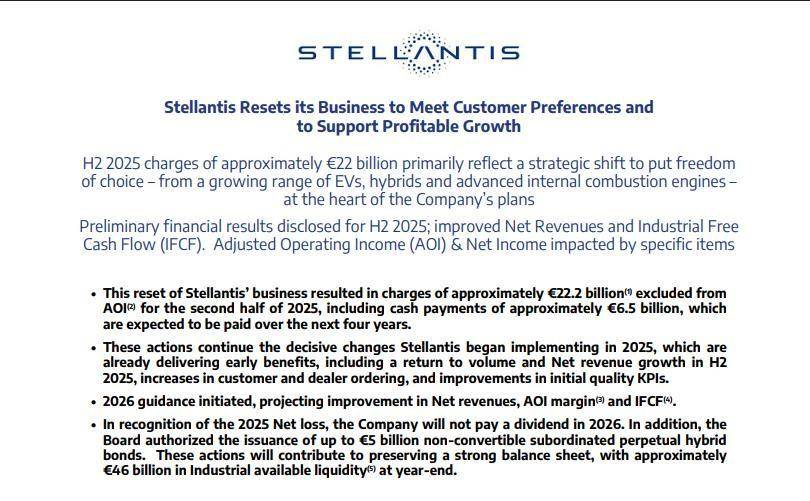
△Stellantis announces a sweeping strategic retreat and restructuring of its EV business
Similarly, following Stellantis' performance debacle, Ford's results are also far from optimistic. On February 11, Ford Motor released its fiscal year 2025 financial report, revealing that its core profitability metrics fell well short of market expectations, with an $8.2 billion net loss. This marks a stark reversal from its $5.879 billion net profit in 2024, primarily due to weaker-than-expected demand for large electric vehicles and the cancellation of federal EV tax credits. These traditional multinational automakers are now deeply pondering how to resolve the financial losses in their EV businesses.
A Major Retreat in Electrification Strategy
Like other multinational automakers, Stellantis set ambitious electrification goals during former CEO Carlos Tavares' tenure: by 2030, 100% of passenger vehicles sold in Europe would be fully electric, and half of new vehicles sold in the U.S. market would be pure EVs. Based on this objective, Stellantis began investing globally, including developing new pure EV platforms, constructing battery factories, and researching EV models.
However, as current CEO Antonio Filosa stated in his announcement, previous strategic misjudgments led the company's product lineup to "stray from the actual needs, capabilities, and aspirations of many car buyers." From both policy subsidy and consumer purchasing intention perspectives, EV models have failed to become a new source of sales and profits for most multinational automaker groups. The EU abandoned its aggressive 2035 ban on internal combustion engine vehicle sales, and EV subsidies have begun to phase out in multiple countries. The Trump administration in the U.S. not only canceled EV subsidies but also left charging infrastructure woefully inadequate. For consumers accustomed to traveling between states, range anxiety remains the primary issue that needs to be addressed.

△Stellantis withdraws from its Canadian joint venture battery factory project with LG Energy Solution
Based on this, Stellantis launched a €22.2 billion business restructuring expected to be completed over the next four years, including: €14.7 billion to readjust product designs; €2.1 billion to adjust the EV supply chain; and €5.4 billion for corporate operation-related changes, primarily due to estimated revisions in contract warranty amounts and severance compensation for layoffs. Stellantis made the following arrangements, including selling its 49% stake in Canadian battery company NextStar Energy for $100. This company was previously a joint venture between Stellantis and South Korea's LG Energy Solution, with cumulative investment exceeding CAD 5 billion (approximately $3.7 billion). Additionally, Stellantis halted production of the RAM 1500 electric pickup in the U.S. and postponed Alfa Romeo's EV projects in Europe. Instead, Stellantis reintroduced the 5.7-liter V8 engine option for models like the Dodge Ram and Jeep Cherokee.
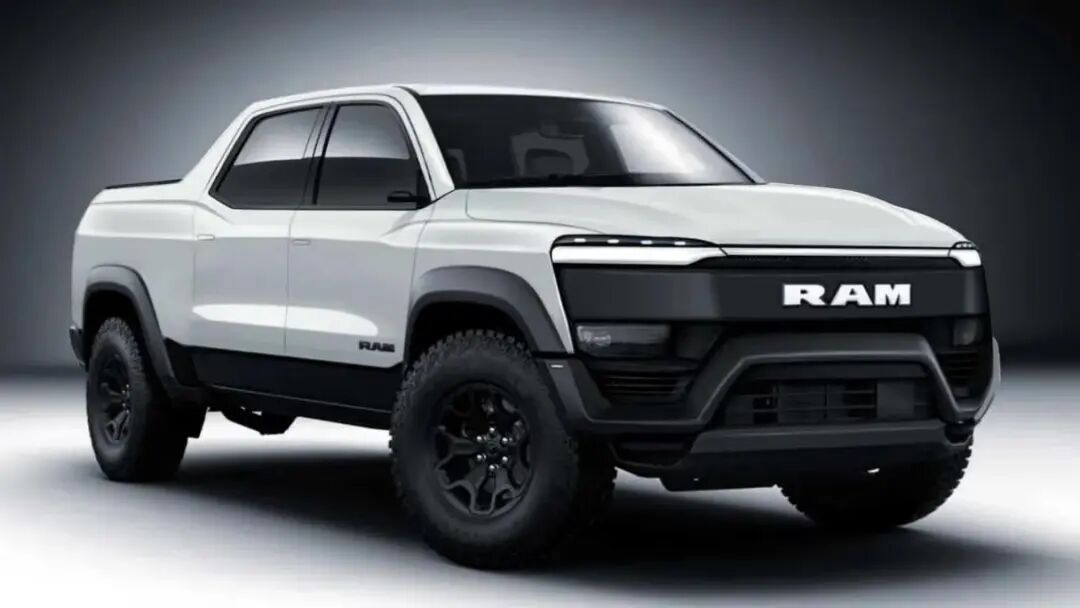
△Stellantis has halted production of the RAM 1500 electric pickup in the U.S.
Who Is Stellantis' True Lifesaver?
Amid ongoing difficulties, Stellantis launched its largest investment plan in the U.S. market in 2025, with cumulative investments expected to reach $13 billion over four years, creating more than 5,000 new jobs in the U.S. market. In 2025 alone, Stellantis introduced five all-new models and 19 product upgrades in the U.S. market. Next, Stellantis will gradually discontinue plug-in hybrid models like the Jeep Wrangler 4xe, Grand Cherokee 4xe, and Chrysler Pacifica PHEV in North America, instead introducing more competitive HEV hybrid models and timely launching extended-range products to better meet U.S. consumer demand.
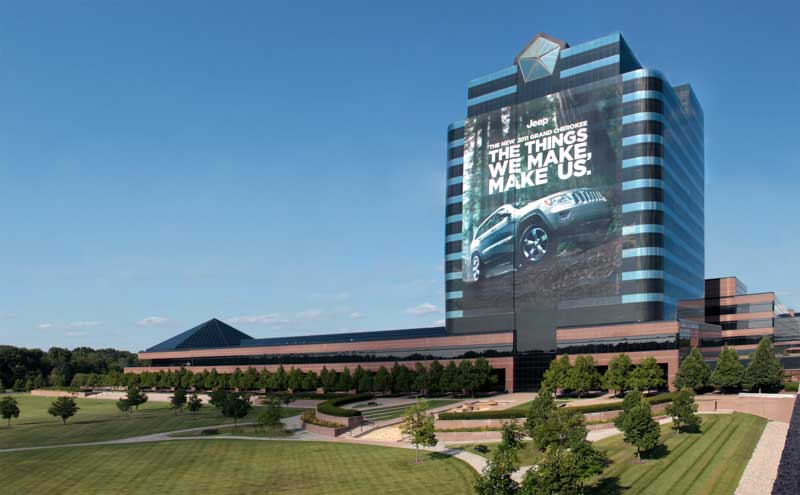
△Stellantis will allocate more resources to the U.S. market
Compared to the North American market, Stellantis has made fewer moves in the Chinese auto market. Although it has taken stakes in Leapmotor and partnered with Pony.ai to produce autonomous vehicles for the European market, Stellantis has not made significant additional investments in China. Especially after Fiat, DS, and Jeep brands faced setbacks in the domestic market, Dongfeng Peugeot Citroën, now holding Peugeot and Citroën, is struggling to survive and has had to leverage Dongfeng's technology to launch its own brand, HEDMOS Shijie, and the Shijie 06 model, to stay afloat.
In fact, for most multinational automakers, China represents not only the world's largest auto market but also a hub for three-electric systems (battery, motor, controller) and intelligent connected vehicle technologies. Stellantis could learn from Renault's approach: even if sales are not centered in the domestic market, leveraging the development capabilities of Chinese teams and China's well-established, low-cost supply chain could further solidify Stellantis' foundation for competing globally. However, currently, Stellantis does not seem to have such intentions, as we have yet to see it introduce Leapmotor's vehicle platform.
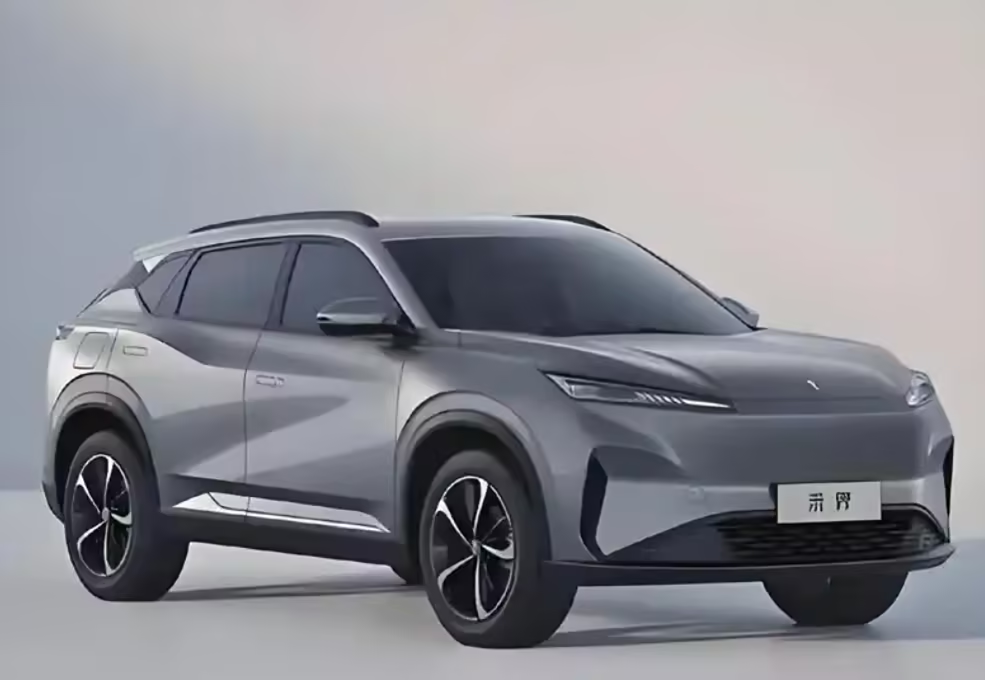
△Stellantis has shown far less focus on investing in the Chinese market compared to the U.S. market
What Is Stellantis' Core Issue?
Compared to its strategic missteps in EVs and its indifference toward the Chinese market, Stellantis' biggest problem lies in its internal integration.
Stellantis is too vast. Formed from the merger of France's Peugeot Citroën (which integrated General Motors' European operations) and Italy-U.S.-based Fiat Chrysler, this multinational group now owns 14 brands and has extensive business teams in Europe and North America. Managing such a sprawling conglomerate requires exceptional balancing skills, but currently, Stellantis lacks the resources to satisfy all internal stakeholders.
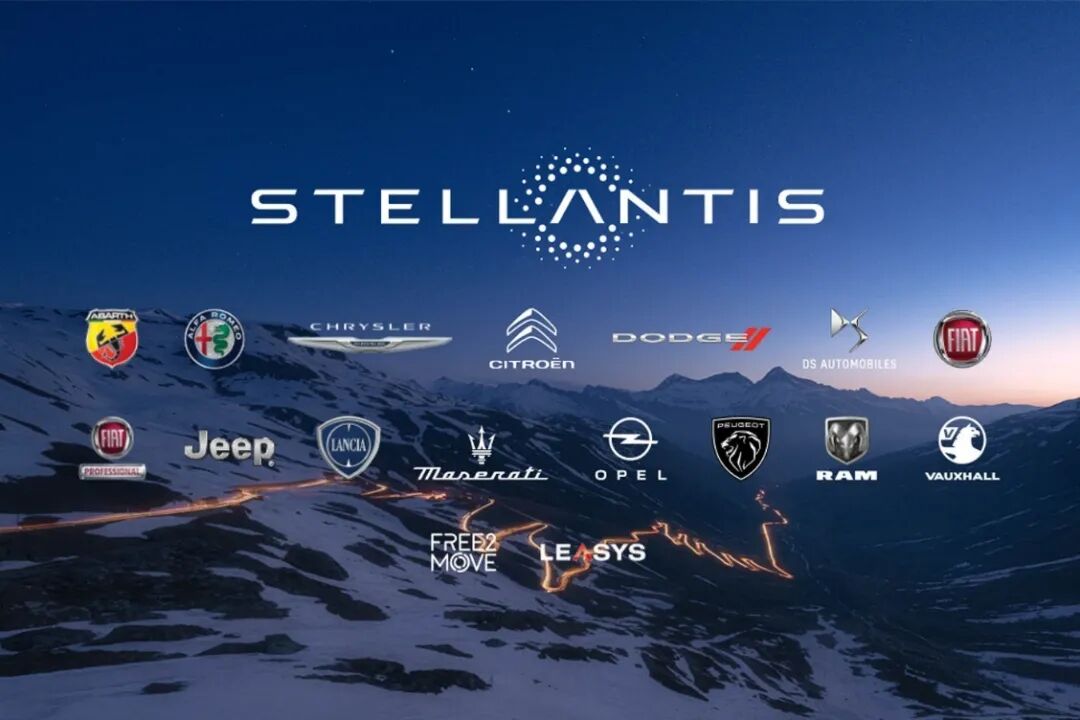
△Stellantis has too many brands, making resource allocation inequalities prone to triggering internal conflicts
Strategically, Stellantis has clearly focused its investments on North America. From both geopolitical and profitability perspectives, North America justifies significant resource allocation. However, the models and technologies favored in the North American market differ entirely from those in Europe. Over-investing in North America could further weaken the European market's driving force for Stellantis, inevitably causing dissatisfaction among teams from Peugeot Citroën and Fiat.
For Stellantis, streamlining its business and divesting unprofitable brands are key to ensuring sustainable operations. There were rumors that Chinese automakers were interested in acquiring the Alfa Romeo brand, but no related transactions materialized. From Stellantis' perspective, avoiding a scenario where a Chinese brand quickly expands globally by acquiring such a brand may seem preferable, but it also leaves Stellantis burdened with a heavy load. Going forward, even if it does not sell subsidiaries to Chinese or other international automakers, Stellantis needs to act decisively and swiftly eliminate unprofitable segments within its portfolio.
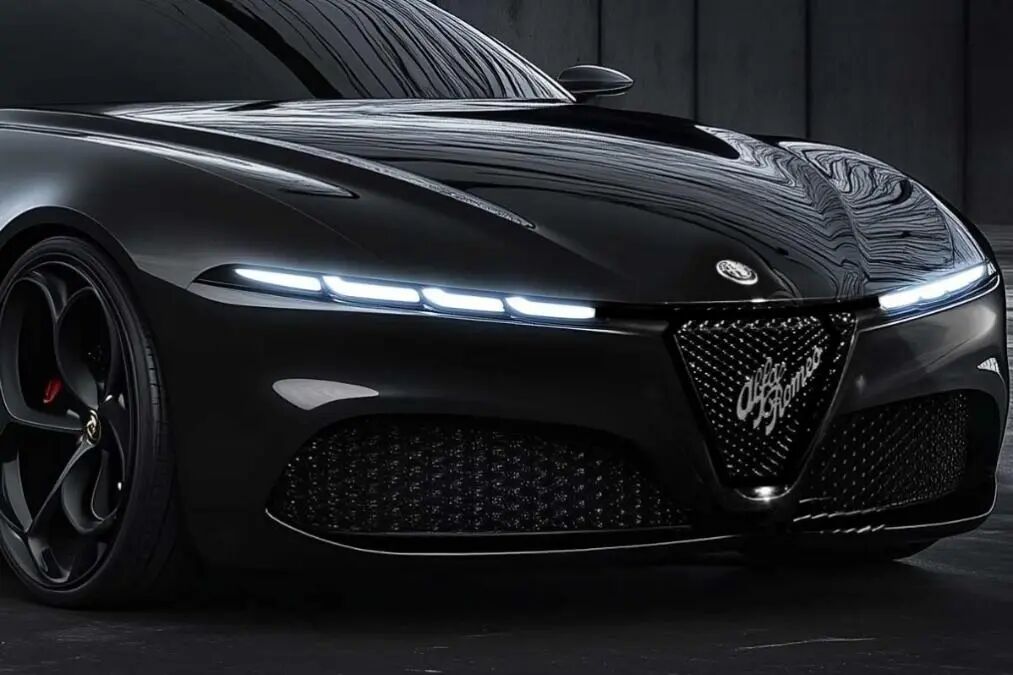
△Divesting unprofitable brands should be a priority for Stellantis
For Stellantis to truly resolve its issues, it must first grow the overall company's "pie." Only with sufficient resources to allocate among its various brands can the entire group maintain stability. From this perspective, investing more heavily in the more profitable North American market is a shortcut to profitability, but Stellantis is currently underinvesting in many forward-looking core technologies. From intelligent cockpits to autonomous driving, end-to-end large models, AI chips, and even robotics and embodied AI, Stellantis lags behind both Tesla and numerous Chinese automakers.
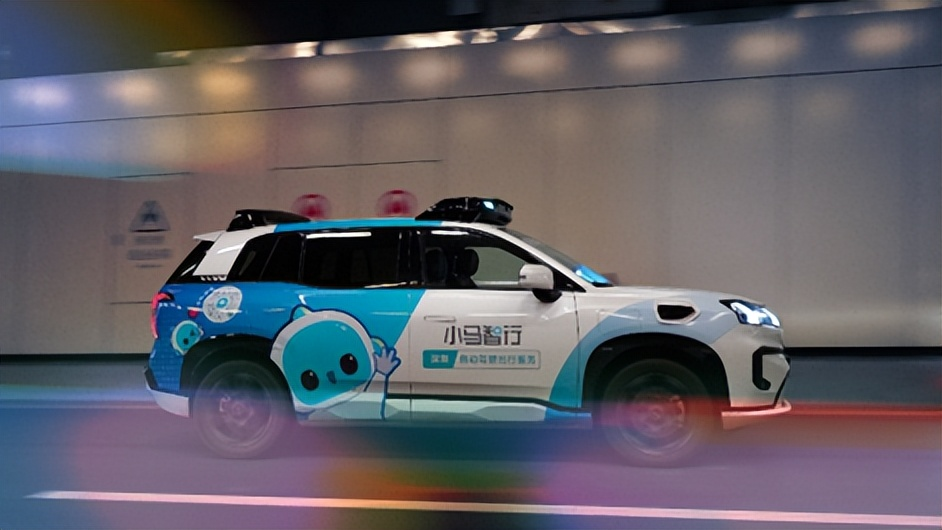
△Stellantis needs to increase investment to catch up with leading companies like Tesla and Chinese automakers
As for Ford, it is also accelerating efforts to address its shortcomings in intelligent electric vehicle technologies, hoping to reverse its global market slump through collaboration with Chinese automaker Geely.
Commentary
Stellantis' announcement of a €22 billion strategic adjustment will undoubtedly have a significant short-term impact on its stock price, but it allows the company to clear losses resulting from past strategic missteps in the EV sector and move forward with a lighter burden. However, Stellantis has not yet addressed its fundamental issue: achieving decisive breakthroughs in core technologies. Only by truly mastering core technologies can Stellantis' future products gain market favor. Stellantis needs to deepen collaboration with companies like Leapmotor to accelerate its pace in the intelligent electric vehicle race. Meanwhile, Ford may also narrow the gap with Chinese automakers in intelligent electric vehicle technologies through its partnership with Geely. Both Stellantis and Ford risk quickly exhausting their U.S. market dividends if they continue to rely on past successes, making it urgent for them to find new paths forward.
(This article is original to Heyan Yueche and may not be reproduced without authorization.)
-
![]()
Luna Ultra Entangled in 'National Subsidy Fraud' Controversy, Insta360 Pushed to the Brink by DJI
-
![]()
People have long suffered from splash ads. Will the 'temporarily disappeared' traffic behemoth make a comeback?
-
![]()
GPT 5.6 Reclaims the Throne, Only to Face Strict Controls Again! Has AI Truly Reached a Turning Point?
-
![]()
When the Traffic Bubble Fades, AI Giants Start to Compete on 'Real Skills'
-
![]()
Wenxin Once Integrated Multiple Web Portals, but Its Impact Has Diminished
-
![]()
A 1.388 Million Yuan Answer Sheet: Insights into Huawei's Ultra-Luxury Car Strategy and Potential Concerns from the Debut of Zunjie S800 Grand Design and V800
-
![]()
Luna Ultra Mired in 'National Subsidy Fraud' Controversy, Insta360 Cornered by DJI
-
![]()
Legal Disputes, Share Unlock, and Pricing Controversies Converge: Insta360 Reaches a Pivotal Juncture