2025 Automotive Market: What Are the Standout Trends?
 02/24 2026
 425
425
Introduction | Lead
Automobiles represent a dynamic vista, an indispensable facet of daily life, a statement of lifestyle, and a mirror to society. In the automotive communication and marketing landscape of 2025, the messages conveyed to audiences and the era at large are somewhat disappointing, even regrettable. The crux of the issue does not lie in disordered competition or outrageous claims but in illogical absurdity. This is particularly evident when automotive executives and leaders take center stage, whether by grabbing the microphone, making exaggerated statements, or engaging in public shouting matches. Such behavior deviates from the substantive transmission of the aforementioned vista, essentials, attitude, and expressions, lacking sincerity and straying from industry and professional standards. More often than not, it serves as a mere pretext for individual attention-seeking antics.
Produced by | Heyan Yueche Studio
Written by | Yan Guangming
Edited by | He Zi
Full text: 2045 words
Reading time: 4 minutes
When examining the best-selling automotive models of 2025, three brands emerge as standouts. First, the Great Wall Pickup, with 181,000 units sold; second, the Wuling Hongguang MINIEV, with 435,000 units; and third, Leapmotor, with a remarkable 597,000 units. Despite their relatively modest sales volumes, these brands share common characteristics of being niche, diverse, and breakthrough-oriented. Collectively, they account for only 1.213 million units, or 5% of the total retail sales in China's passenger vehicle market (23.744 million units). Nevertheless, their significance should not be underestimated, as they represent the needs of the broadest consumer base and reveal the true state of market logic and grassroots consumption.
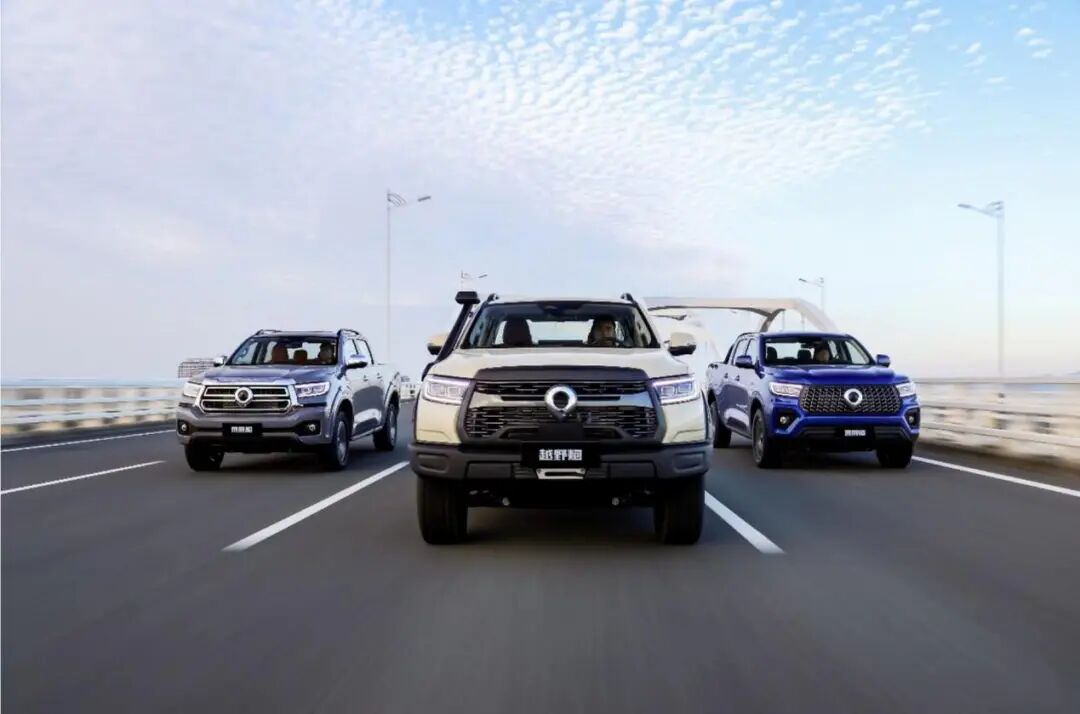
Pickup trucks, a segment often overlooked and seemingly a blind spot in the industry, have quietly gained popularity. This is precisely what has propelled Great Wall Motors to success. Having been in the market for 30 years, the Great Wall Pickup has clinched the sales championship for 28 consecutive years, maintaining a long-term dominant position in the industry. Wei Jianjun takes pride in this achievement, stating, "Big things can be accomplished in a small niche." Reflecting on Great Wall Motors' growth, he considers the pickup truck segment as the company's first bucket of gold, which has now become a "ballast stone" for risk resistance. Therefore, Great Wall Motors provides an inspiring example—starting from utility vehicles and breaking through upwards, transitioning from "hardtop jeeps" to SUVs, and then returning to the pickup segment to make a breakthrough. By dominating niche markets (commercial, passenger, off-road), it has achieved remarkable success, comparable to Geely, Chery, and BYD, and deserves its place among the top domestic automotive brands.
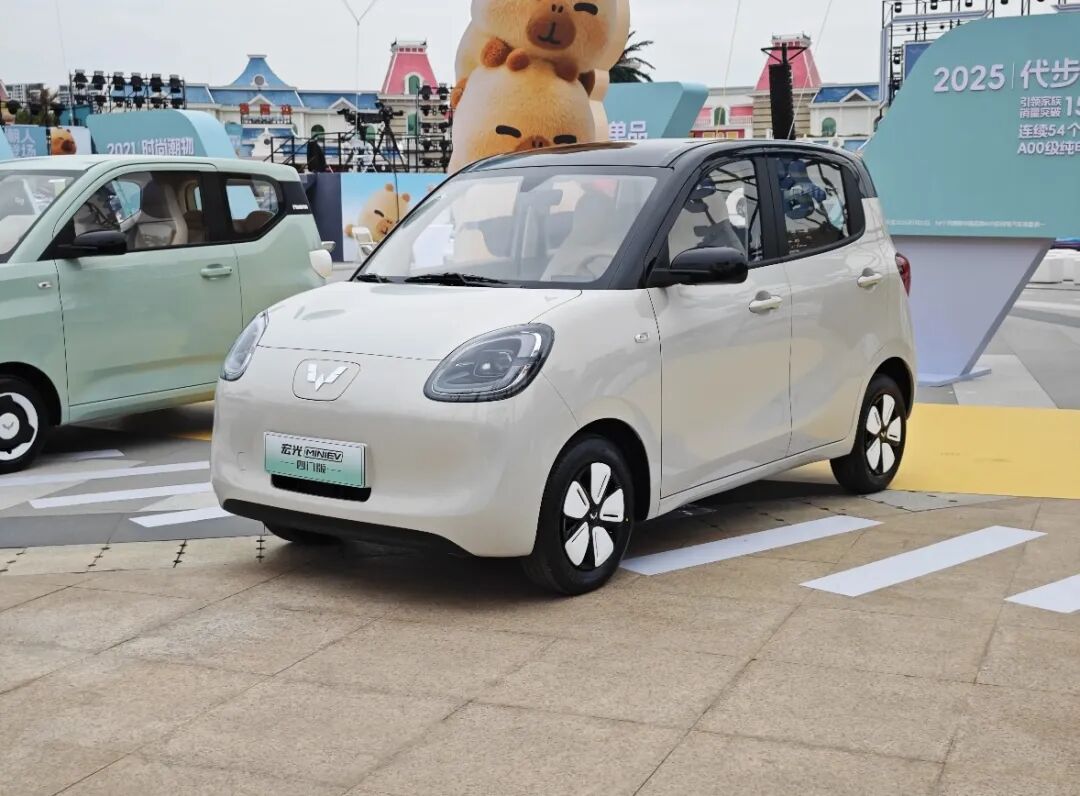
Microcars, often dismissed as insignificant, have been transformed by SAIC-GM-Wuling into the most relatable "fashion items"—the Hongguang MINIEV. With 65 consecutive months as the sales champion and a cumulative total of 1.85 million units, it has redefined the concept of a "commuter car" with its "good-looking, easy-to-drive, easy-to-park, and cost-effective" features, backed by the "people's" endorsement—a remarkable feat. This represents the second dimension of automobiles, transforming the "national favorite car" from a low-end market "livelihood" product into a "urban pet" in the new energy vehicle era. By integrating into daily life and adding new elements of convenience and mobility, it transcends the shallow criticism of being merely cheap, standing out effortlessly among its peers and becoming an "automotive icon" that commands respect from the industry.
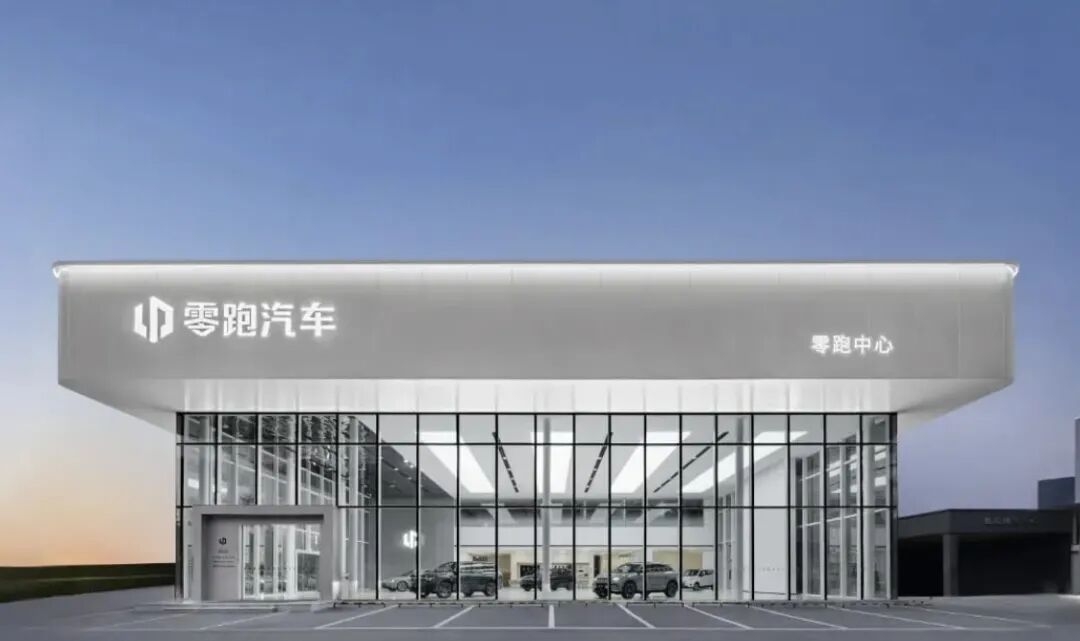
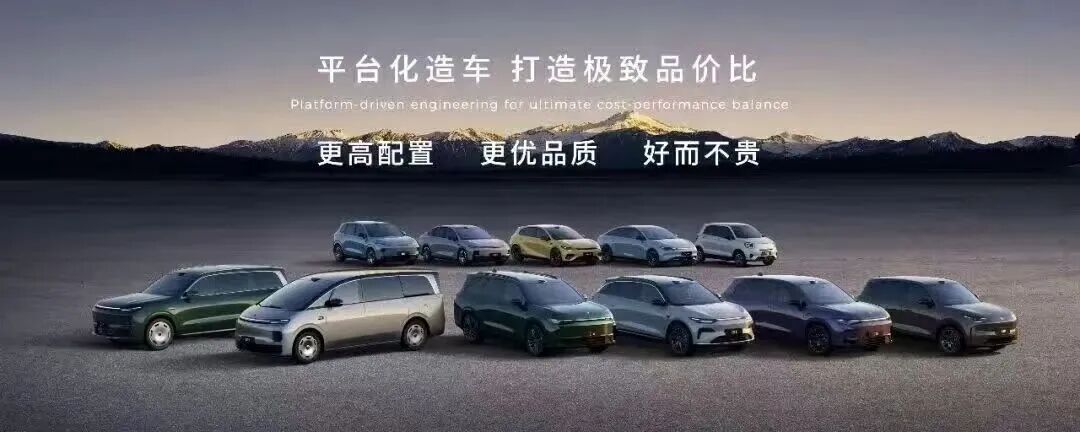
Leapmotor, a dark horse that has risen among the new forces, has proven with its performance that luxury and high-end positioning are not the ultimate goals of new energy vehicles, nor are they reasons to pay for conceptual hype, nor the main narrative for the future of automobiles. Instead, they must adhere to the "dual helix" pattern of "technological logic and market logic." Leapmotor's championship in the new forces camp in 2025 has left established new forces feeling disgruntled and even humiliated, while traditional automakers are also questioning its sudden fame. After all, it has only been in existence for a decade, yet it has already surged ahead. Zhu Jiangming admits that he was once an outsider and faced financial crises during his cross-industry car-building journey. However, his product strategy of "good quality at an affordable price" has won over the market. As a result, he has found a winning formula and confidently set targets of producing and selling one million units this year and 4 million units over the next decade, aiming to become a world-class automaker.
In this uncertain and fiercely competitive market environment, why have these niche models, unassuming microcars, and cross-industry outsiders been able to survive, thrive, innovate, and find their footing amidst the automotive industry's upheaval, turbulence, and reshuffling?
Undoubtedly, Great Wall Pickup's consecutive sales championships reflect its strong product quality and ability to keep pace with the times. However, it also indicates that the pickup truck industry has not made significant progress and remains a forgotten corner of the industry. Nevertheless, Great Wall has turned it into a "cash cow" and a source of internal strength, spawning a diverse and vibrant family of automotive categories. By leveraging the independent existence of pickups, it has made new contributions to the industry and sector.
Similarly, when microcars were being phased out of consumer consciousness, SAIC-GM-Wuling transformed micro electric vehicles into "automotive icons," revitalizing urban elements and introducing a new paradigm for automotive consumption in postmodern life. Notably, when new energy vehicles are either hindered by "high-end" positioning or confused by the "high-risk" nature of intelligent vehicles, or when consumers are hesitant in their choices, Leapmotor has broken through with its "good quality at an affordable price" strategy, providing a balanced point for "new automotive" consumption. With nearly 600,000 units sold annually, it has created a new turning point, demonstrating the closed loop of "market demand defining technological routes and technological breakthroughs reshaping market boundaries."
As the saying goes, "Do not refrain from doing good deeds, no matter how insignificant they may seem." Wei Jianjun transformed pickups into "Transformers," propelling Great Wall Motors to success. Zhu Jiangming discovered the survival law of underlying logic through the fusion of technology and market crossovers. SAIC-GM-Wuling has established a new way of existence for micro electric vehicles in the gaps of urban transportation, offering a "small but certain happiness" that brightens the eye.
Automobiles represent a dynamic vista, an indispensable facet of daily life, a statement of lifestyle, and a mirror to society. In the automotive communication and marketing landscape of 2025, the messages conveyed to audiences and the era at large are somewhat disappointing, even regrettable. The crux of the issue does not lie in disordered competition or outrageous claims but in illogical absurdity. This is particularly evident when automotive executives and leaders take center stage, whether by grabbing the microphone, making exaggerated statements, or engaging in public shouting matches. Such behavior deviates from the substantive transmission of the aforementioned vista, essentials, attitude, and expressions, lacking sincerity and straying from industry and professional standards. More often than not, it serves as a mere pretext for individual attention-seeking antics.
In this context, the selection of these three automotive sales champions is not based on their massive sales volumes, cutting-edge products, or technological innovations. Instead, it is because they are ordinary, have a low barrier to entry into daily life, are affordable for everyone, and offer dignity without being out of reach. They are grounded in the "positive beliefs" of people's livelihoods, the "alchemical" touch of humanity, and the "freedom" of innovation. Do they not hold practical significance?
(Note: This article is a special contribution to the "2025 China Automotive Brand Marketing Development Report Blue Book")
Commentary
Great Wall Pickup, Wuling Hongguang MINIEV, and Leapmotor have become the highlights of the 2025 automotive market, not because of their massive sales volumes, cutting-edge products, or technological innovations, but because they are ordinary, have a low barrier to entry into daily life, are affordable for everyone, and offer dignity without being out of reach. They are grounded in the "positive beliefs" of people's livelihoods, the "alchemical" touch of humanity, and the "freedom" of innovation, revealing the true state of market logic and grassroots consumption.
(This article is original to Heyan Yueche and may not be reproduced without authorization.)
-
![]()
Clearing Bugatti Stock Worth 7 Billion: Why is Porsche 'Cutting Ties'?
-
![]()
Don’t Dismiss Huawei’s Potential in Sedans Just Because the Shangjie Hasn’t Hit It Big Yet
-
![]()
Unsold Cars in China Find Success Overseas
-
![]()
Ghosn: Only I Can Save Nissan, Shareholders Beg Me to Return
-
![]()
Expanding Automobile Consumption: It's Time to Address the High Cost of Electric Vehicle Repairs
-
![]()
Luna Ultra Entangled in 'National Subsidy Fraud' Controversy, Insta360 Pushed to the Brink by DJI
-
![]()
People have long suffered from splash ads. Will the 'temporarily disappeared' traffic behemoth make a comeback?
-
![]()
GPT 5.6 Reclaims the Throne, Only to Face Strict Controls Again! Has AI Truly Reached a Turning Point?