New Trends in the European Auto Market: Who's Challenging BBA's Dominance?
 02/24 2026
 585
585
Lead | Introduction
In our general perception, luxury automotive brands such as Porsche, Mercedes-Benz, BMW, and Lexus are known for their high profitability, while mass-market brands like Volkswagen and Renault tend to lag slightly behind in terms of profit margins. However, the gap between these two segments in the European market may significantly narrow by 2026.
Produced by | This article is produced by: Heyan Yueche Studio
Written by | Article composition: Zhang Dachuan
Edited by | Editing: He Zi
Full text: 2,483 characters
Reading time: 4 minutes
The European automotive market boasts a diverse array of brands. Local mass-market brands primarily include Volkswagen, Renault, and various sub-brands under Stellantis. The luxury brand阵营 (camp/group) is mainly composed of Mercedes-Benz, BMW, Audi, and Porsche. Historically, luxury brands have leveraged their brand prestige to enjoy higher brand premiums, giving them a slight edge in profitability over mass-market brands.
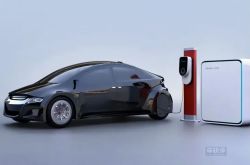
△ By 2026, the profitability of mass-market brands in the European auto market is expected to approach that of luxury brands.
Nevertheless, HSBC forecasts that by 2026, as the Volkswagen Group continues to implement cost control and internal transformation strategies, its operating profit margin will improve further, with earnings per share potentially doubling—a trend set to continue into 2027. Renault's earnings per share are expected to turn profitable, reaching €7.74 by 2026, indicating strong momentum for improvement. Although Stellantis has incurred over €20 billion in provisions due to prior adjustments to its North American electrification strategy, its operating profit margin is projected to double to 3.8% by 2026.
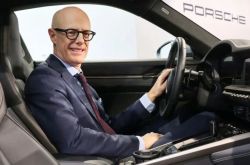
In contrast, the profit outlook for luxury brands this year remains bleak. Taking Mercedes-Benz as an example, its operating profit margin for 2026 (TTM) is expected to be 7.46%, below its historical range of 10%–13%. Porsche, once a top performer among luxury brands, is likely to see its operating profit margin fall below 10% in 2026, significantly lower than the 15%–19% range before its full electrification.
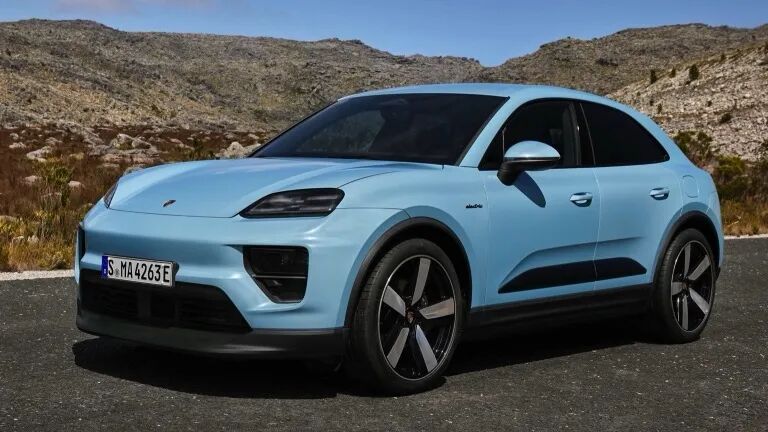
△ The profitability of luxury brands has significantly weakened following electrification.
How Are Mass-Market Brands Breaking Through in the European Market?
In reality, the shifting performances of mass-market and luxury brands stem from multiple factors.
Currently, mass-market brands have largely completed their initial adjustments to electrification strategies. Take Volkswagen as an example: after a painful transition period, the brand is set to enter a harvest phase in 2026. Several new models, including the all-electric ID.Polo/Polo GTI, ID. Cross, and the all-new T-Rock, as well as internal combustion engine models, will be launched. These models, positioned at accessible price points, will help Volkswagen capture greater sales volume in niche markets. Additionally, major updates to the new ID.3 and ID.4, along with the introduction of the SEL RLine Turbo configuration for the Tiguan, will further strengthen Volkswagen's model lineup. Meanwhile, Renault has leveraged China's new energy vehicle (NEV) technologies and supply chains, starting with the Dacia Spring, to establish a clear advantage in the entry-level electric vehicle market—a move that has even attracted partnerships with international automakers like Ford.
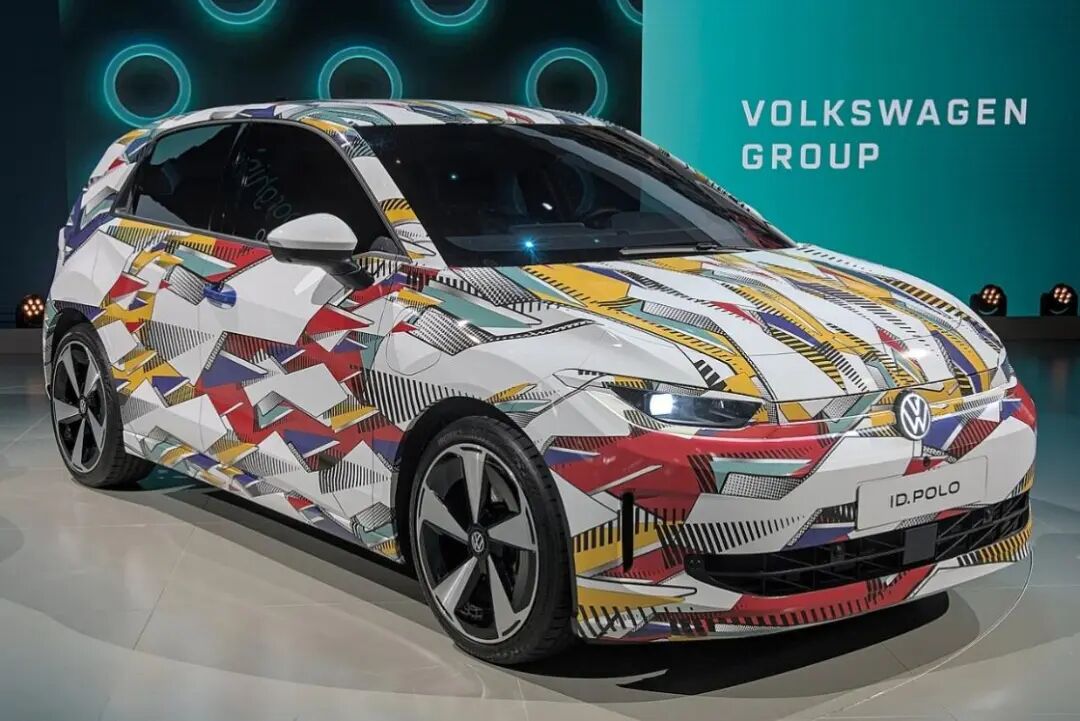
△ Volkswagen is poised for a significant year of product launches in 2026.
Notably, post-COVID-19, the European economy has not rebounded as quickly as expected. Persistent issues like the Russia-Ukraine conflict and tariffs imposed by Trump have resulted in only a sluggish recovery for the European economy. Projections indicate that new car sales in the European market will grow by just 1%–2% in 2026. Under these circumstances, European consumers are becoming more cautious in their automotive purchases. Without substantial government subsidies, higher-priced luxury brand models are likely to face limited demand. Conversely, more affordable mass-market models will be considered by a broader range of consumers due to their essential mobility needs.
Furthermore, unlike China's automotive market, where retail (C-end) customers dominate, fleet (B-end) purchases account for as much as 60% of the European market. For these customers, lower ownership costs contribute significantly more to company profitability than brand premiums. Consequently, such orders inherently favor mass-market brands. After all, we see car rental companies offering mass-market brands but rarely those primarily promoting BBA (BMW, Benz, Audi).
When Will Luxury Brands Emerge from Their Slump?
The primary reason for the decline in luxury brands' profitability is their unsuccessful electrification transition. Therefore, resolving this issue requires progress in electrification. The mass rollout of next-generation electric vehicle models from German luxury brands, such as BMW's Neue Klasse iX3, will begin only in 2026. However, the first year of new model launches will involve ramping up production and market promotion. If these new models meet sales expectations, a recovery in luxury brands' performance could occur as early as 2027.
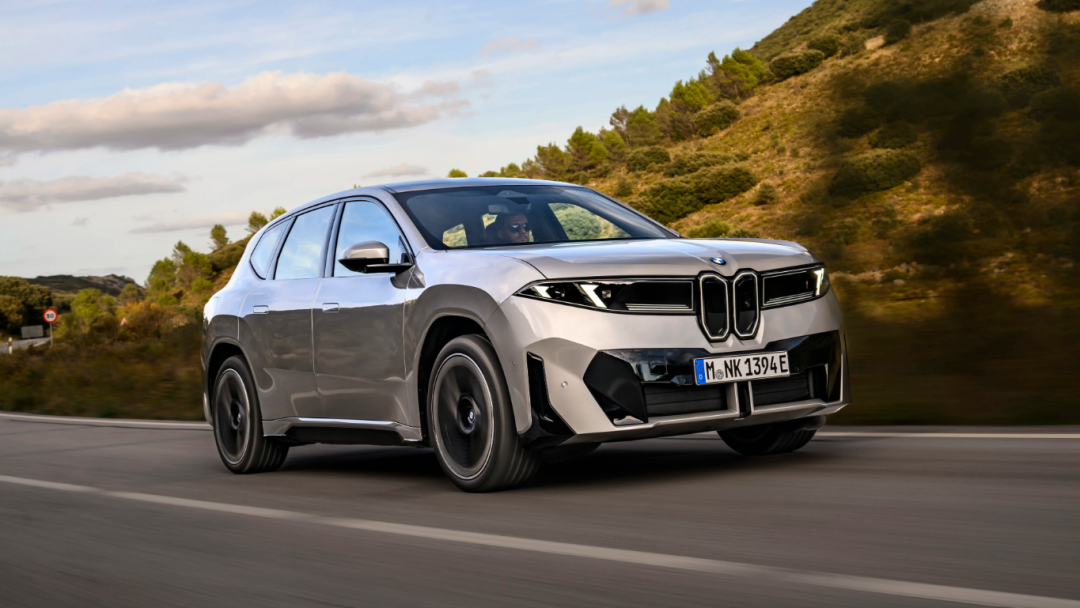
△ Improvement in luxury brands' profitability may not arrive until 2027 at the earliest.
Currently, another factor contributing to the slump in luxury brands is competition from Chinese automakers. In the European market, for instance, whether the EU imposes high tariffs on Chinese NEVs or sets minimum pricing for Chinese electric vehicles, these measures primarily help mass-market brands solidify their position in Europe. However, their impact on luxury brands is less pronounced. If traditional European luxury automakers fail to maintain their technological lead from the internal combustion engine era, the current global dominance of European luxury automotive brands could collapse. Once Chinese smart electric vehicles establish a reputation for technological luxury, it will be exceedingly difficult for traditional European luxury brands to regain their former levels of profitability.
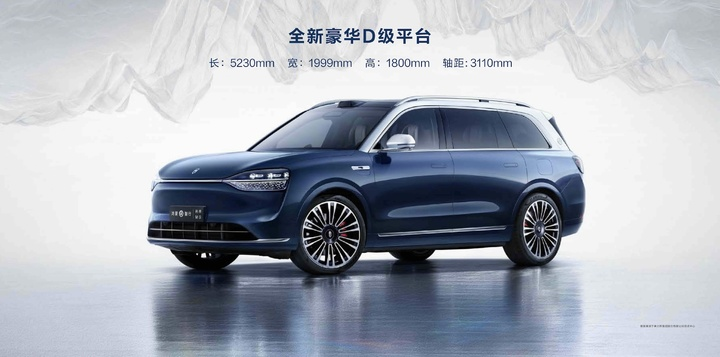
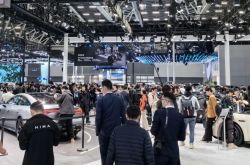
△ Chinese smart electric vehicles are fiercely challenging traditional European luxury brands with technological sophistication.
European Auto Market Trends Warrant Attention from Chinese Automakers
For Chinese automakers, the potential reversal in profitability—where mass-market brands in the European market may surpass luxury brands—is worth noting. After all, Chinese automakers are currently making significant investments in the European market. By 2025, China's automotive exports to Europe are expected to exceed 800,000 units, with several leading domestic automakers actively establishing local factories, underscoring their long-term commitment to the European market.
From the perspective of Chinese automakers, prioritizing cost-effective mid-size and compact models is advisable when entering the European market. While launching higher-priced flagship models is a common strategy for building a brand image, establishing a luxury brand identity takes time. Moreover, higher pricing reduces consumer acceptance. To gain a foothold in Europe, boosting sales volume is essential. Once a certain reputation and sales base are achieved, Chinese automotive brands can gradually move upmarket.
△ Chinese automakers should focus on breaking through with mid-size and compact models.
Compared to mass-market models dominating the European mainstream, China's new-generation vehicles offer clear generational advantages in terms of intelligent cockpits and driving experiences, as evidenced by the market withdrawals of Stellantis and Renault models in China. Therefore, in the European market, Chinese automakers should emphasize their leadership in three-electric systems (battery, motor, electronic control) and intelligent connectivity features, rather than solely focusing on cost-effectiveness, to establish themselves more easily.

△ Intelligence and connectivity should be Chinese automakers' key tools for breaking into the European market.
Previously, Chinese automakers might have considered local factory operations in the EU costly. However, the strong rebound in performance of European mass-market brands proves that manufacturing in Europe remains profitable. In particular, the EU's upcoming Industrial Accelerator Act draft will require up to 70% local component content for key industries like automotive, batteries, and solar inverters, further increasing the urgency for Chinese automakers to establish local factories in the EU.
Commentary
Luxury brands may appear glamorous, but with market changes and technological advancements, their profitability may not necessarily surpass that of mass-market brands. Conversely, if mass-market brands can leverage their cost-control advantages to introduce more cost-effective models, their future prospects look promising. For luxury and ultra-luxury brands, their traditional luxury value is gradually being eroded by the technological sophistication of Chinese brands. Whether they can establish new competitive moats in the era of automotive electrification, connectivity, intelligence, and shared mobility now determines their survival.
(This article is original to Heyan Yueche and may not be reproduced without authorization.)
-
![]()
Depreciation Rate on Par with Mobile Phones: Just 40% Value Retention After Three Years—Why Do Battery Electric Vehicles Lose Their Worth?
-
![]()
Clearing Bugatti Stock Worth 7 Billion: Why is Porsche 'Cutting Ties'?
-
![]()
Don’t Dismiss Huawei’s Potential in Sedans Just Because the Shangjie Hasn’t Hit It Big Yet
-
![]()
Unsold Cars in China Find Success Overseas
-
![]()
Ghosn: Only I Can Save Nissan, Shareholders Beg Me to Return
-
![]()
Expanding Automobile Consumption: It's Time to Address the High Cost of Electric Vehicle Repairs
-
![]()
Luna Ultra Entangled in 'National Subsidy Fraud' Controversy, Insta360 Pushed to the Brink by DJI
-
![]()
People have long suffered from splash ads. Will the 'temporarily disappeared' traffic behemoth make a comeback?