"Urban and Off-Road: The Ascendancy of Boxy SUVs in the Premium Market"
 02/24 2026
 510
510
Lead | Introduction
As new energy vehicles increasingly fulfill consumers' fundamental needs, automakers are now seeking innovation through lifestyle integration and scenario-specific applications. For Chinese auto brands, boxy SUVs represent a strategic pivot. On one hand, Chinese automakers have honed their expertise in SUV manufacturing; on the other, boxy designs serve as a bridge from mere "functional products" to "lifestyle carriers," resonating with a wide array of consumer preferences.
Produced by | This article is produced by Heyan Auto Studio
Written by | Cai Yan
Edited by | He Zi
Full text: 2,002 characters
Reading time: 4 minutes
On weekends, suburban parks are increasingly dotted with boxy SUVs, their owners unpacking coffee machines, folding tables, and camping gear from their trunks. Once relegated to niche off-road enthusiasts, these "boxy SUVs" have now become emblematic of the lifestyle aspirations of China's urban middle class. By 2025, annual sales of boxy SUVs in China soared past the 1 million unit mark, establishing it as one of the fastest-growing segments, with domestic brands commanding over 90% of the market share.
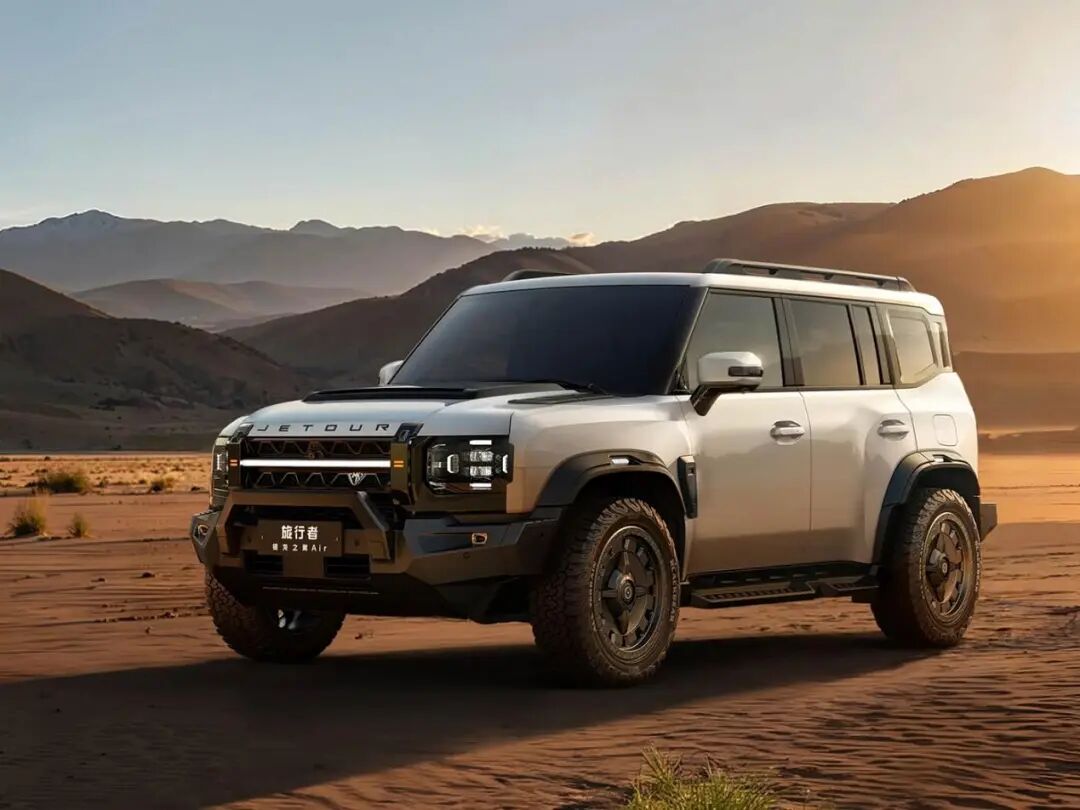
△ Boxy SUV Sales Surge
Competition Intensifies in the Boxy SUV Arena
The boxy SUV market is undergoing unprecedented restructuring, with traditional giants defending their turf, new entrants disrupting the status quo, and latecomers staging comebacks, fostering a diversified ecosystem. Domestic brands have shattered the monopoly once held by foreign models like the Toyota Prado and Ford Bronco, achieving a tripartite balance: Great Wall Motors leads in traditional hardcore off-road vehicles, BYD's Fangchengbao pioneers new energy hardcore models, and Chery's Jetour and iCAR cater to urban lifestyles.
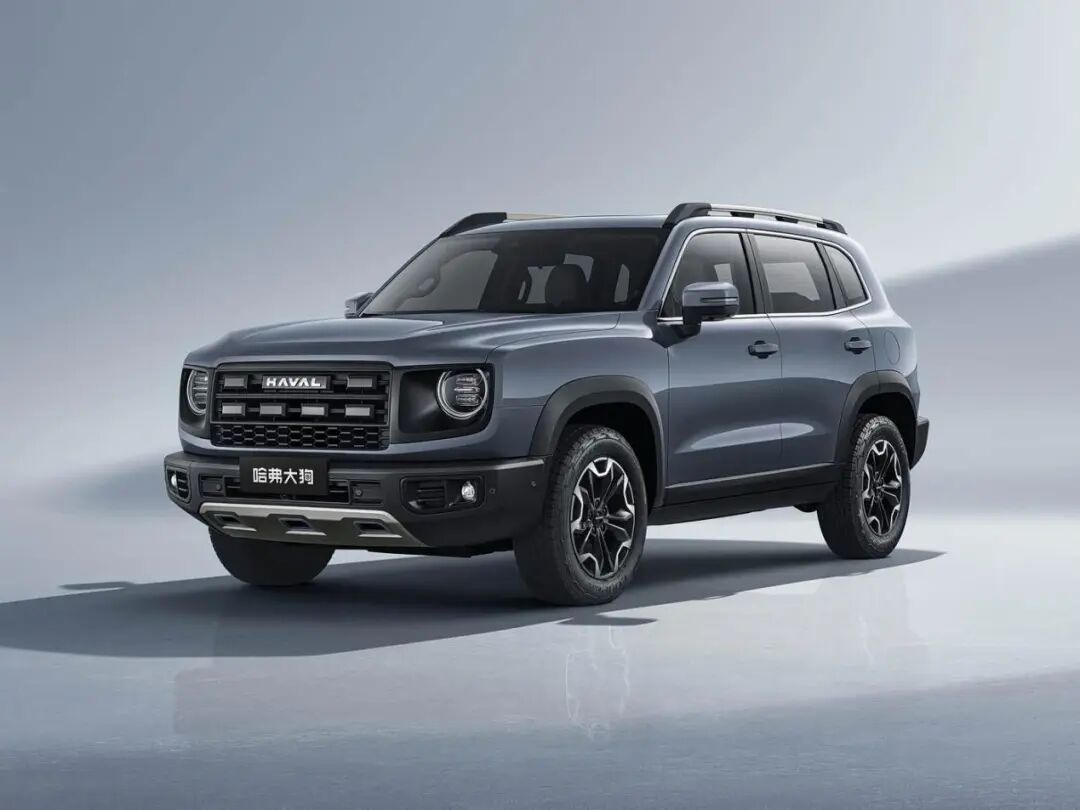
Great Wall Motors, leveraging its off-road heritage, dominated the boxy SUV market in 2025 with 452,000 units sold. Its lineup, spanning 100,000–350,000 RMB, caters to diverse consumer needs: The Haval Big Dog, with nearly 150,000 units sold in 2025, redefined hardcore off-roaders as mainstream choices. The Tank 300 solidified domestic brands' position in the 200,000–300,000 RMB segment, becoming a top pick for urban off-road enthusiasts.
BYD capitalized on its new energy edge, selling 235,000 boxy SUVs in 2025. The Fangchengbao series broke technical barriers with its "new energy + hardcore" approach, exemplified by the Fangchengbao Titan 7's 86,000 units sold. BYD's rise not only diverted market share from Great Wall but also accelerated the sector's new energy transition. In January 2026, the Titan 7 became the first new energy boxy SUV to top monthly sales with 17,000 units.
Chery adopted a "high cost-performance" strategy, selling 397,000 boxy SUVs in 2025. Focusing on the 100,000–200,000 RMB mainstream segment, models like the Jetour Traveler, Freelander, and iCAR V23 met consumers' dual demands for personality and practicality.
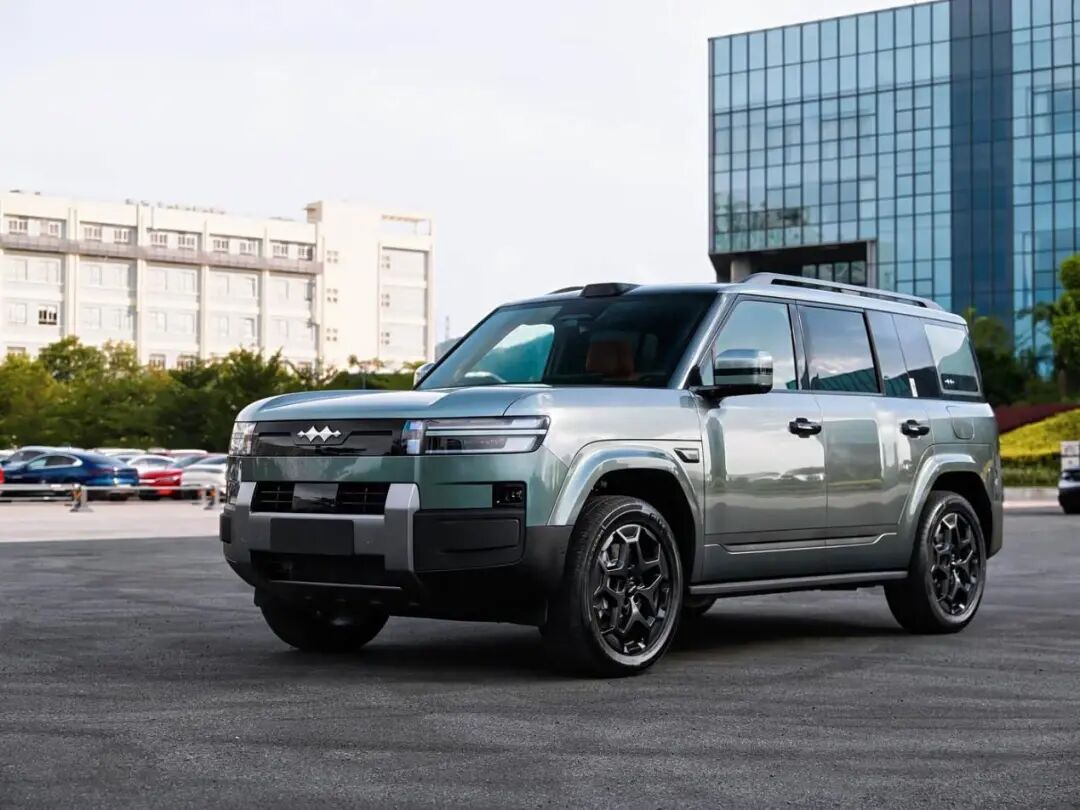
△ BYD's Fangchengbao Drives New Energy Transition in Boxy SUVs
Why Are Boxy SUVs Booming?
What fuels the boxy SUV craze? Compared to traditional SUVs, boxy models cater to a broader urban demographic beyond professional off-roaders. Their appeal lies not just in design but in fundamental differences in positioning, functionality, and technology.
Traditional SUVs prioritize urban commuting and family travel, emphasizing comfort, fuel efficiency, and smart features. Boxy SUVs, however, offer "urban and off-road" versatility, seamlessly handling daily commutes and light off-roading. New energy advancements, like BYD's Fangchengbao Leopard 5 plug-in hybrid, eliminate the high fuel consumption traditionally associated with off-roaders, while enabling features like "zero-radius turns."
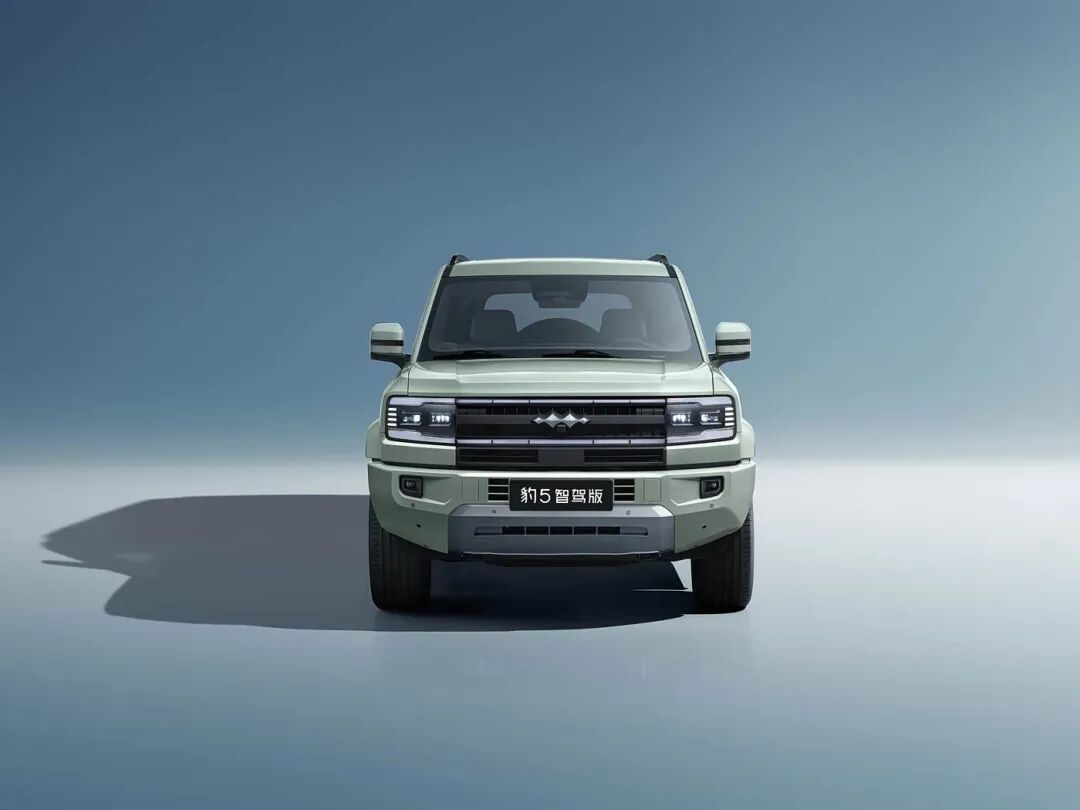
△ Distinctive Features of Boxy SUVs
The boxy SUV boom is no accident but a result of new energy breakthroughs and evolving consumer demands. Technologically, new energy systems are rewriting off-road rules: Instant high-torque motors, decoupled distributed drivetrains, and millisecond-level power distribution algorithms free hardcore off-roaders from mechanical limitations. Plug-in hybrids have proven particularly successful, with hybrid off-roaders' market share soaring from 0.8% in 2022 to 41.3% in 2024. By 2030, new energy off-road vehicle sales could exceed 3 million units.
△ Lifestyle Shifts Drive Boxy SUV Popularity
As urban lifestyles evolve, outdoor camping and short adventures have become trendy, making boxy SUVs the top choice for those pursuing "poetry and distance." Consumers now seek emotional value, with "boxy" designs symbolizing freedom and adventure. These models have transformed from niche off-road tools into symbols of individuality and lifestyle. Success hinges not just on design but on ecosystem capabilities: Jetour's "Travel+" ecosystem integrates outdoor gear and self-drive routes via its app; Great Wall and AutoNavi co-built a "Mobility Innovation Lab" for real-time campsite traffic and parking data; Beijing Off-Road manages hundreds of clubs and themed communities for "long-distance expeditions," "plateau photography," and "off-road rescue." These efforts deepen brand-user relationships, transitioning from mere transactions to ecosystems built on shared interests.
Commentary
The boxy SUV market has shifted from "design competition" to "ecosystem expansion." Concept cars now showcase integration with outdoor gear, smart wearables, and travel planning. As lifestyles and mobility needs evolve, the segment—particularly new energy models—is thriving by balancing family use and light off-roading.
(Original content from Heyan Auto. Unauthorized reproduction prohibited.)
-
![]()
Depreciation Rate on Par with Mobile Phones: Just 40% Value Retention After Three Years—Why Do Battery Electric Vehicles Lose Their Worth?
-
![]()
Clearing Bugatti Stock Worth 7 Billion: Why is Porsche 'Cutting Ties'?
-
![]()
Don’t Dismiss Huawei’s Potential in Sedans Just Because the Shangjie Hasn’t Hit It Big Yet
-
![]()
Unsold Cars in China Find Success Overseas
-
![]()
Ghosn: Only I Can Save Nissan, Shareholders Beg Me to Return
-
![]()
Expanding Automobile Consumption: It's Time to Address the High Cost of Electric Vehicle Repairs
-
![]()
Luna Ultra Entangled in 'National Subsidy Fraud' Controversy, Insta360 Pushed to the Brink by DJI
-
![]()
People have long suffered from splash ads. Will the 'temporarily disappeared' traffic behemoth make a comeback?