A Duck’s Demise Unveils the Façade of U.S. Self-Driving Tech: Tree Collisions, School Bus Encroachments, and Pet Strikes—How Are Avride, Google Waymo, Tesla, and Ford BlueCruise Ensuring Safety?
 04/09 2026
 656
656
References
In the first week of April 2026, tragedy struck at Mueller Lake Park in Austin, Texas, USA, when a duck lost its life.
This duck, a longtime resident of the lake, had nested in the same spot year after year, becoming a cherished ‘community figure’ among locals.
Its life was cut short by an Avride self-driving car undergoing testing.
News of the incident sparked outrage in the community, with some residents demanding, “Ban all self-driving vehicles!”
While the death of a duck may seem insignificant, it acts as a sharp needle, piercing the inflated bubble of the U.S. self-driving industry. When technological advancement outpaces safety regulations, who bears the cost for the ‘internet-famous duck’ on our roads?
Let’s delve into this topic with everyone at ‘Self-Driving Cars Are Coming’ (WeChat Official Account: Self-Driving Cars Are Coming)!
(For further reading, please click: ‘Tesla’s First Cybercab Rolls Off the Line, but Elon Musk’s ‘Self-Driving Taxi’ Dream Crumbles: Only 42 Vehicles Activated in 8 Months, 19% Availability, 9x Accident Rate—Yet Promises of 2 Million Units Persist?’)

I. The Duck’s Death Sparks Controversy: Avride’s Story
Avride, the company behind the duck’s demise, was once the self-driving division of Russian tech giant Yandex.
Following the Russia-Ukraine conflict in 2022, Yandex sold its Russian operations for $5.4 billion, and its self-driving team relocated to the U.S., rebranding as Avride.
Now headquartered in Austin, Avride partners with Hyundai to develop self-driving taxis and collaborates with Uber on delivery robots.
(For further reading, please click: ‘Self-Driving Company Avride, Born from ‘Russia’s Google,’ Teams Up with Uber to Intensify U.S. Self-Driving Taxi Testing’)
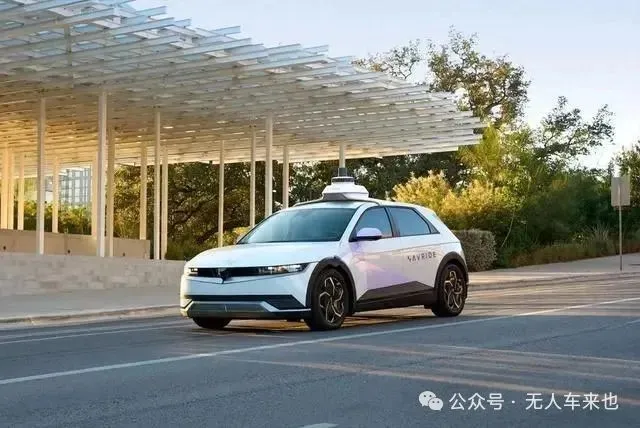
This company, inheriting the technical prowess of a ‘fighting nation,’ failed to slow down for a nesting duck, and its occupants did not stop to investigate.
Avride’s official response was, “We take safety seriously and are conducting a thorough internal investigation.”
As a precaution, the company suspended testing on some roads around Mueller Lake.
However, local residents were unimpressed: “Human drivers need licenses. These self-driving cars don’t even stop at stop signs and killed wildlife we all loved.”
II. Waymo: From ‘Industry Leader’ to ‘Problem Child’
Waymo, the self-driving subsidiary of Google’s parent company Alphabet, recently secured $16 billion in funding and provides over 500,000 paid rides weekly across ten U.S. cities.
(For further reading, please click: ‘20 Million Rides, World’s First! Google Waymo Raises $16 Billion, Valuation Soars to $110 Billion! The ‘Final Battle’ for Self-Driving Tech Begins?’)
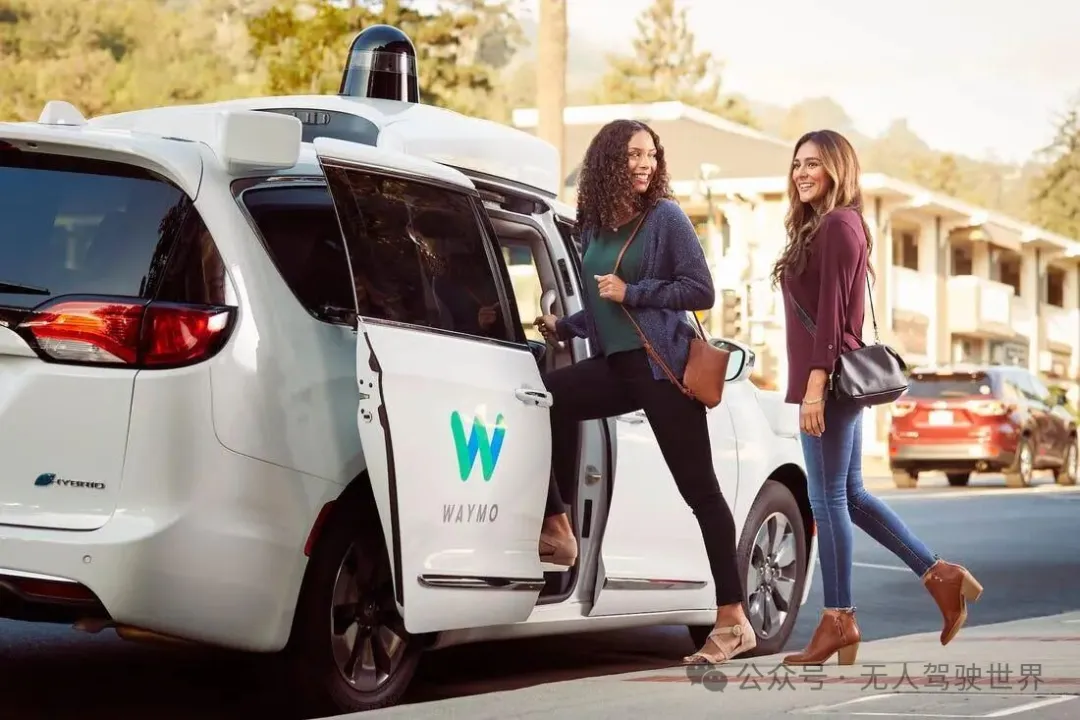
Yet, this ‘industry leader’ has faced recent setbacks.
1. Child Injury Incident Triggers Regulatory Scrutiny
In January 2026, near an elementary school in Santa Monica, California, a child darted into the street and was struck by a Waymo self-driving taxi, suffering minor injuries. The NHTSA immediately launched a special investigation.
Waymo later claimed that the impact speed would have been higher if a human driver had been at the wheel.
The California Truckers Association remained unconvinced, calling for Waymo’s operating license to be suspended.
(For further reading, please click: ‘Google Waymo Self-Driving: After 20+ Violations of Overtaking School Buses, Another Incident Injures a Child Near a California Elementary School’)
2. School Bus Incidents Reveal Systemic Flaws
In January 2026, the NTSB announced an investigation into Waymo.
Since August 2025, surveillance systems in the Austin Independent School District had recorded at least 24 instances of Waymo self-driving taxis illegally overtaking stopped school buses.
In one alarming incident, the Waymo vehicle asked a remote human operator, “Is this a school bus picking up or dropping off students?”
The operator replied, “No,” and the vehicle proceeded.
It wasn’t that the self-driving system failed to see the bus—it was that the remote ‘human safety net’ provided incorrect guidance.
Waymo was revealed to employ remote operators in the Philippines, raising questions about their understanding of complex U.S. traffic regulations.
(For further reading, please click: ‘Waymo’s Self-Driving Cars Backed by ‘Philippine Remote Drivers’? The Cost Truth and Regulatory Dilemma Behind the ‘Driverless Myth’ of Autonomous Vehicles’)
3. Cats, Dogs, and Feet: A Series of ‘Minor’ Incidents
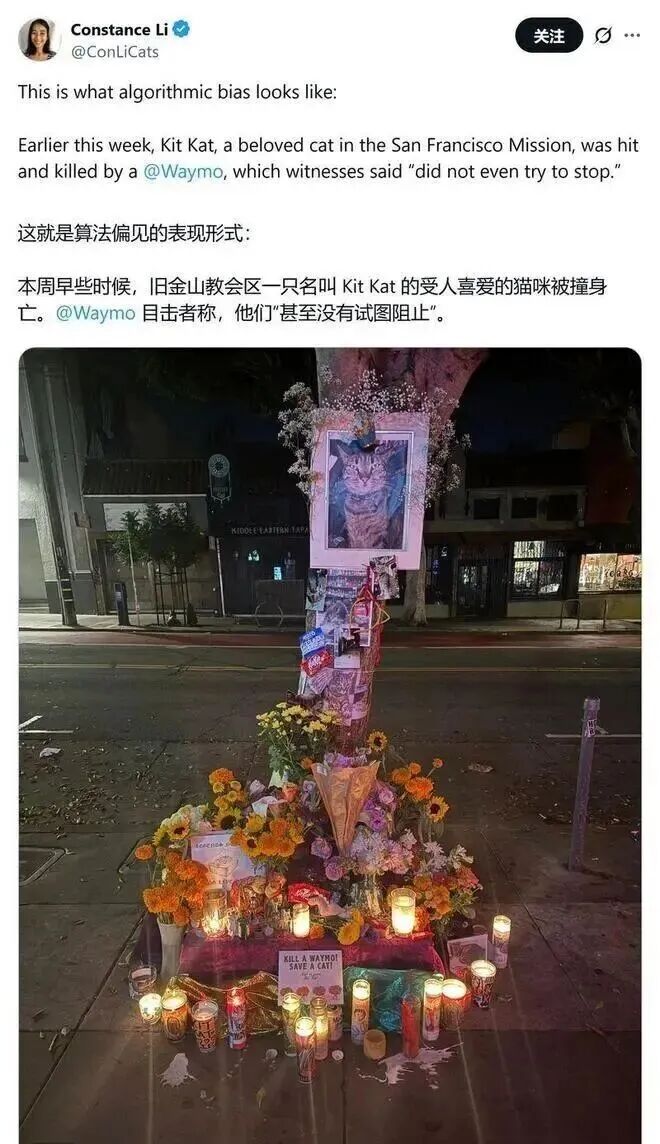
In October 2025, a Waymo vehicle in San Francisco ran over and killed a ‘community celebrity cat’ named Kitkat.
A week later, another Waymo vehicle injured a puppy.
(For further reading, please click: ‘Self-Driving Technology: So Fragile? The Death of a Celebrity Cat Kitkat Sparks a Rare PR Crisis for Google Waymo’)
In November of the same year, in Arizona, a teenage passenger attempted to exit a moving vehicle and had their foot run over by the wheels.
These seemingly ‘minor’ incidents are gradually eroding public trust.
III. Tesla FSD: From ‘Tech Pioneer’ to ‘Regulatory Target’
If Waymo represents ‘driverless technology,’ Tesla’s issues may be even more severe.
1. Latest Fatal Accident: First Third-Party Death
In January 2026, in Phoenix, Arizona, a Tesla Model 3 in FSD mode rear-ended a stopped vehicle at 65 mph, killing a passenger in the front car instantly.
This marked the first confirmed case of Tesla’s FSD system causing a third-party fatality.
2. Construction Zone Tragedy: System ‘Blindness’ Leads to Severe Injury
In November 2025, in suburban Los Angeles, California, a Tesla Model Y in FSD mode crashed into a construction zone at 70 mph, plowing through multiple barriers before hitting an excavator.
The driver suffered severe injuries.
Vehicle logs showed the system ‘detected no anomalies’—in FSD’s ‘eyes,’ the area was clear.
3. $243 Million Verdict: The Law’s Hammer Falls
In February 2026, the U.S. District Court in Miami, Florida, upheld a jury verdict: Tesla must pay $243 million in damages for a 2019 accident, including $200 million in punitive damages.
(For further reading, please click: ‘Tesla Ordered to Pay $243 Million for a 2019 Fatal Self-Driving Crash—What Now for Elon Musk?’)
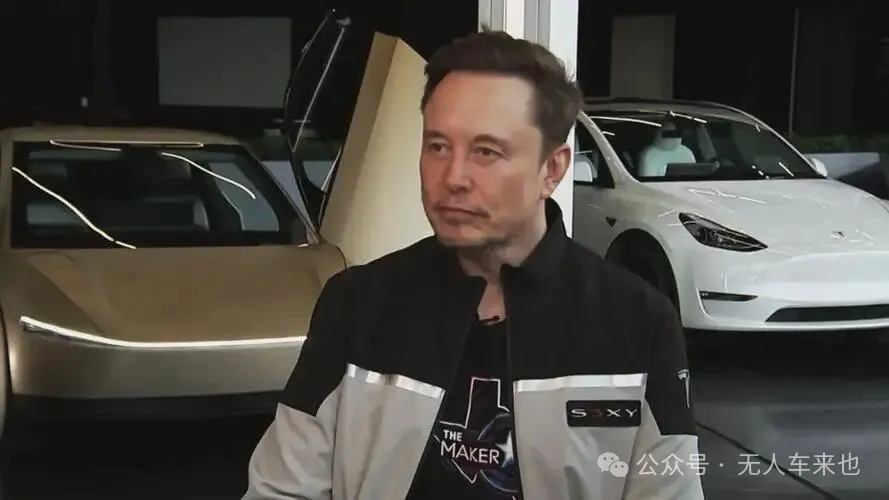
The court’s reasoning was clear: You can’t market ‘full self-driving’ while shifting blame to ‘driver inattention’ after accidents.
4. NHTSA Investigation Escalates: 3.2 Million Vehicles Face Recall
In March 2026, the NHTSA escalated its investigation into Tesla’s FSD system to the ‘engineering analysis’ phase—the final step before a mandatory recall.
The investigation covered approximately 3.2 million Tesla vehicles, concluding that the pure-vision camera system poses serious risks in low-visibility conditions and that ‘the FSD system similarly failed to track or never identified the vehicle ahead.’
IV. Ford BlueCruise: Letting Drivers Scroll on Their Phones at 65 mph
In February 2024, in San Antonio, Texas, a Ford Mustang Mach-E crashed into a stationary Honda CR-V at 74 mph, killing the Honda driver instantly.
A month later, in Philadelphia, another Mach-E collided with a parked vehicle at the same speed, killing two people.
Both incidents shared a common factor: the vehicles were under Ford’s BlueCruise system control at the time, and neither driver applied the brakes.
(For further reading, please click: ‘Why Did Ford’s BlueCruise Self-Driving Cause Fatal Accidents in 2024? Drivers Were Distracted Before Collisions’)
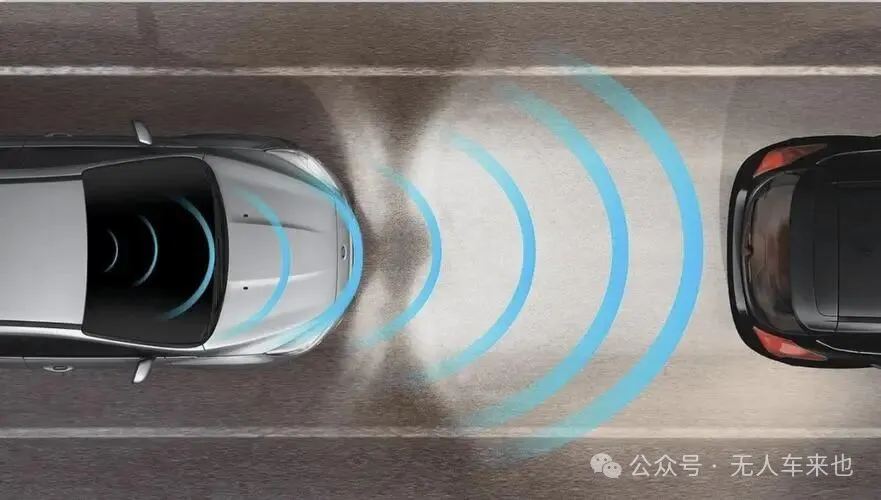
On March 31, 2026, the NTSB concluded that BlueCruise’s driver monitoring system had ‘serious flaws.’
In the San Antonio accident, the driver had been staring at the central console screen for 5 seconds before the collision;
In the Philadelphia accident, the driver was holding a phone.
NTSB Chair Homendy bluntly stated: Even with the upgraded system, ‘these fatal accidents could still occur.’
More concerningly, Ford allows drivers to use the system while speeding and permits disabling automatic emergency braking when activated.
V. Data and Regulation: Is Self-Driving Technology Safe?
A series of accidents have finally jolted regulators from their ‘slumber.’
In January 2026, Senator Markey introduced the ‘AV Safety Data Act,’ requiring mandatory safety data reporting from self-driving companies.
Markey put it bluntly: “Road safety cannot be sacrificed for technological progress.”
That same month, the House of Representatives deliberated the ‘SELF DRIVE Act of 2026,’ marking the first substantive breakthrough in U.S. federal self-driving legislation in nearly a decade.
But the data doesn’t paint an optimistic picture.
NHTSA data shows that vehicles equipped with Level 2 driver assistance systems have an accident rate of 7.9 per million miles, 1.6 times higher than purely human-driven vehicles.
A bigger issue lies in ‘double standards’—over 40,000 people die annually in traffic accidents in the U.S., but when a self-driving car kills a cat, it makes headlines.
As a new technology, self-driving vehicles bring undeniable challenges to society, but their potential benefits cannot be ignored.
Professor Smith from the University of South Carolina perhaps put it best: “We should stop asking whether people trust this technology and start asking how many crashes it has prevented.”
VI. Conclusion: Technology Can Afford Trial and Error, but Safety Must Not Be Compromised
Returning to the duck that was run over.
The death of one duck does not equate to a ‘death sentence’ for self-driving technology. Instead, it serves as a timely wake-up call at the intersection of technological ambition and public safety.
The Avride duck incident, Waymo’s child collision and school bus violations, Tesla FSD’s fatal rear-end crash, and Ford’s BlueCruise fatalities—these events expose troubling issues.
But viewed differently, they demonstrate that the U.S. regulatory system is functioning: the NTSB is investigating, the NHTSA is escalating reviews, Congress is legislating, and the public is applying pressure through public opinion.
Identifying problems, disclosing them, and forcing improvements—this is the path to maturity for any industry.
The vision of self-driving technology has never been to kill a duck but to save the tens of thousands of lives lost annually in traffic accidents.
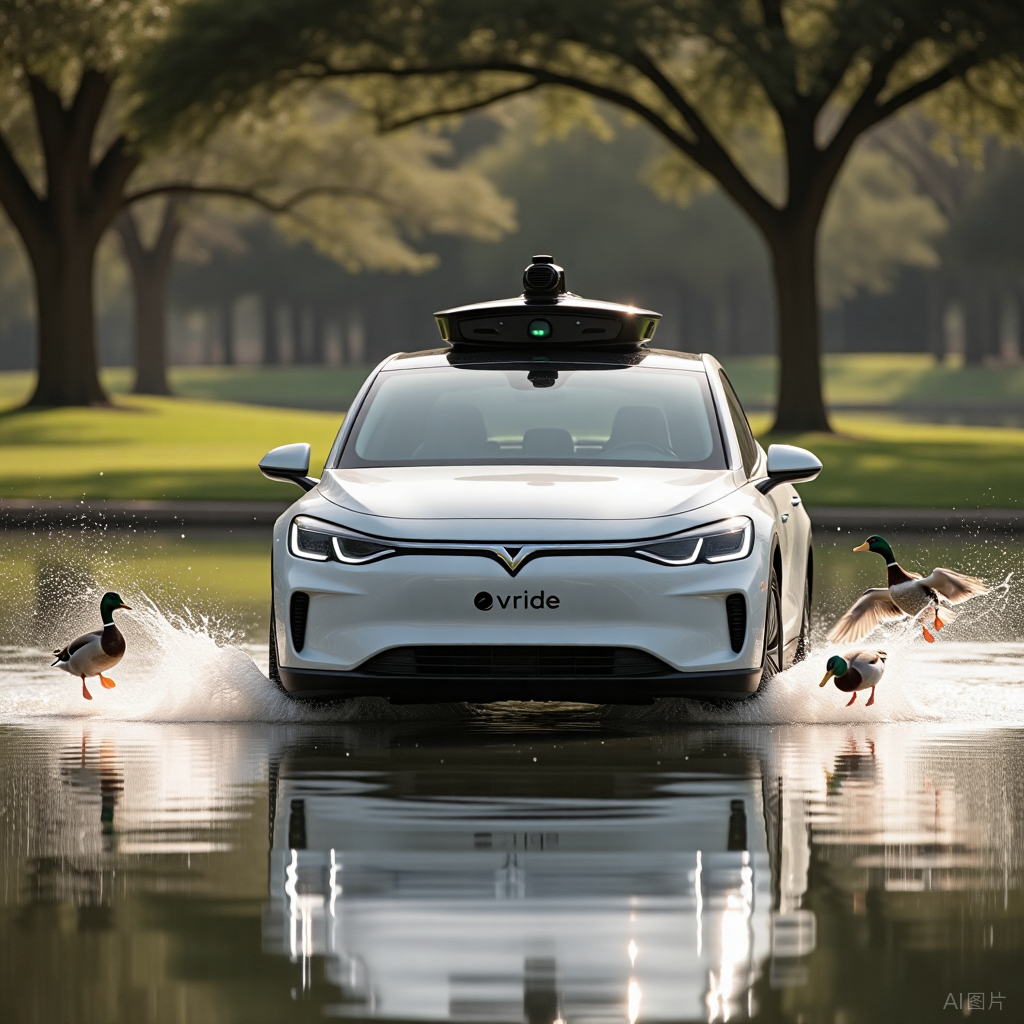
Between technological competition and public safety, we must find a more responsible balance.
Stricter testing standards, transparent data disclosure, and robust regulatory frameworks—these are not enemies of technology but the only way to earn public trust.
Every accident is an opportunity to learn, and every flaw is a chance to upgrade.
Avride suspended testing, Waymo updated its algorithms, Tesla rolled out patches, and Ford improved its monitoring systems—these actions show the industry is transitioning from ‘wild growth’ to ‘refined development.’
True innovators fear not problems but indifference to them.
In summary, ‘Self-Driving Cars Are Coming’ (WeChat Official Account: Self-Driving Cars Are Coming) believes:
The duck in Austin did not die in vain.
If its death compels the entire industry to pause, reflect, and improve, it will serve as a small but significant footnote in the history of technological progress.
The road to self-driving technology is long, but with the right direction and steady steps, we will one day deliver an answer that satisfies everyone—including the duck.
What do you think?
References: Reports from Drive Home, IT Home, Owl Car Chronicles, Sina, Sohu, Bianews, and Sanyan Technology
-
![]()
Geely and BYD Step Up Efforts: Giants Aren't Willing to Lose in the Breakthrough Battle for New Energy Pickups
-
![]()
From Selling Computers to Selling AI: How Far Has Lenovo Come?
-
![]()
What Enlightenment Does the Successfully Verified Trillion-Dollar Anthropic Bring to SaaS Enterprises?
-
![]()
Li Auto L9 Livis: Caught Between 'Daddy Car' and 'AI'
-
![]()
From 'Flying Machines' to 'Embodied Intelligent Agents': How Embodied Intelligence is Revolutionizing the Commercial Landscape of Low-Altitude Equipment
-
![]()
Launch of the Lynx S10: Why is DeepRobotics Developing a Small Wheeled-Legged Robot?
-
![]()
AI Accelerator: The Powerhouse Behind AI Algorithm Operations and Applications
-
![]()
Ferrari Luce Electric Debuts: Ferrari’s Essence Endures in the Electric Age | On-Site Report