New Energy Vehicle Market Transformation: The Early Onset of the 'Series 9' Showdown
 04/09 2026
 450
450
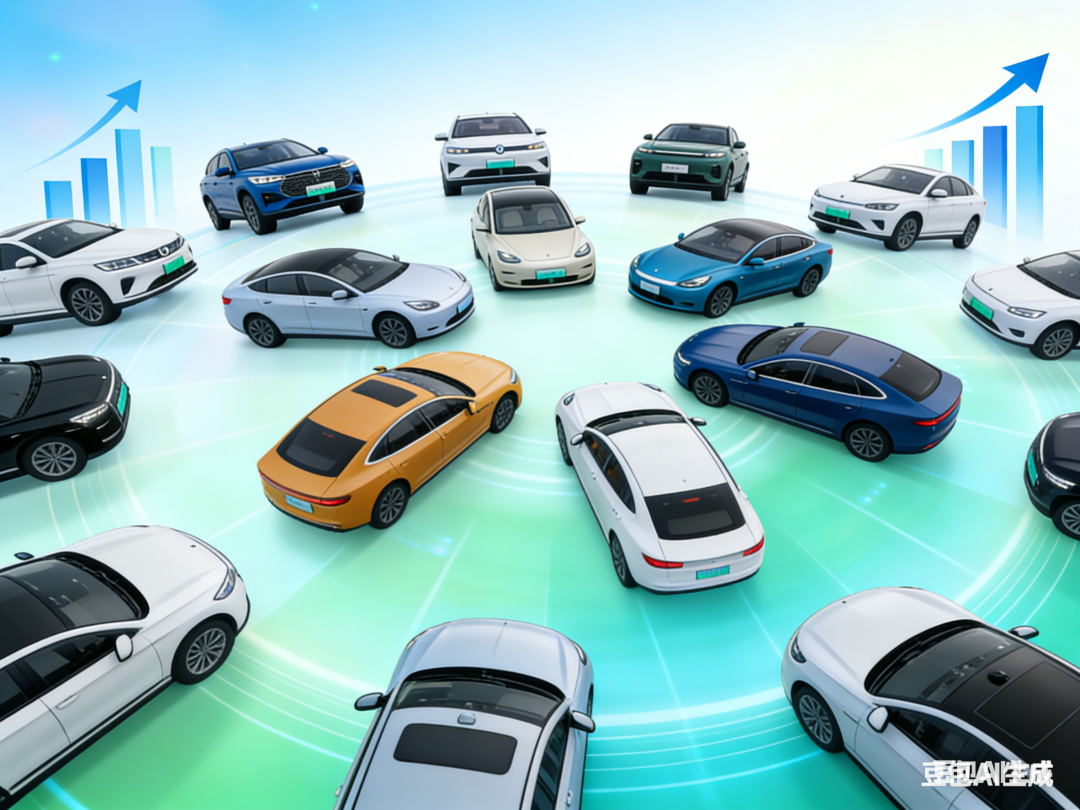
In the first quarter of 2026, China's new energy vehicle (NEV) sector reached a pivotal juncture.
Lesser-known brands hastened their exit, while leading firms repositioned themselves. The intense price war showed signs of easing as the industry transitioned from reckless expansion to high-quality, rational competition.
Fundamental shifts occurred in the NEV market's structure, corporate profitability, and competitive dynamics, ushering in a healthier, more top-heavy cycle.
The high-end market clash, epitomized by the 'Series 9' models, has commenced early, setting the stage for an ultimate showdown over market share and profitability.

Overall Market Recovery with Accelerated Structural Differentiation
Data from the China Passenger Car Association (CPCA) revealed that in Q1 2026, domestic NEV passenger vehicle retail sales reached 1.844 million units, with a penetration rate of 47.3%. Although this marked a slight decline from 51.2% in Q4 2025, it remained at a historically high level. In March alone, retail sales surged to 784,000 units, up 42.7% month-on-month and down just 3.1% year-on-year, signaling a robust rebound from the lows of January and February.
Meanwhile, internal industry differentiation intensified.
Despite a quarterly sales decline exceeding 30%, BYD maintained a dominant lead with nearly 690,000 units sold. As domestic competition heated up, BYD accelerated its global expansion, exporting nearly 320,000 NEVs during the period, a 52.6% year-on-year increase. Overseas markets now account for 45.6% of its total sales, becoming a key growth driver.
Tesla delivered 358,000 vehicles globally in Q1, a 6.3% year-on-year increase, including 156,000 units in the Chinese market, surpassing BYD in the pure electric segment to become China's pure EV sales leader. However, this performance fell short of market expectations.
The ranking among new entrants underwent further reshuffling. Leapmotor delivered 110,200 vehicles in Q1, a 25.82% year-on-year increase, maintaining its lead among new forces. Notably, Leapmotor has shifted beyond low-price, high-volume strategies, with mid-range models like the C10 and C11 accounting for over 70% of sales, while gross margins continued to improve.
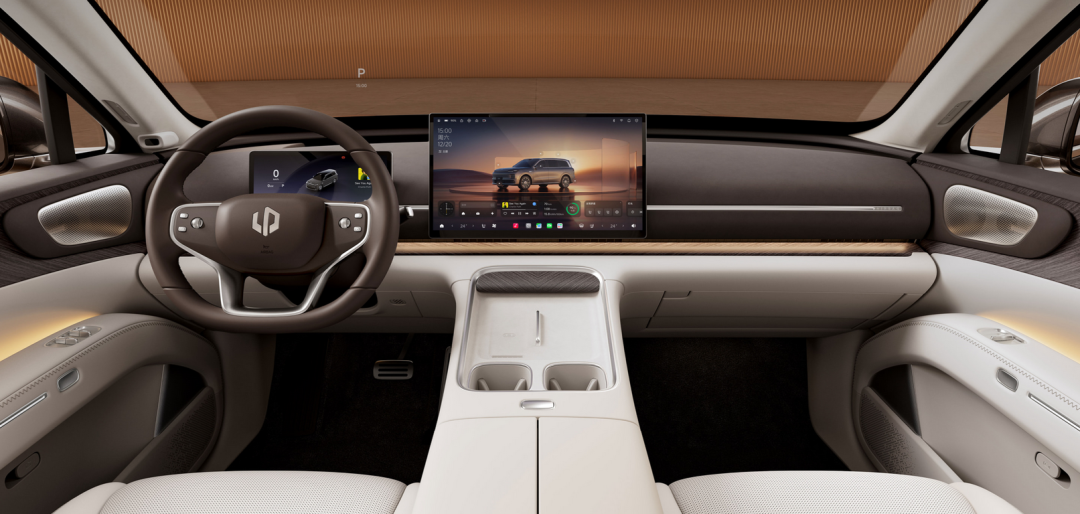
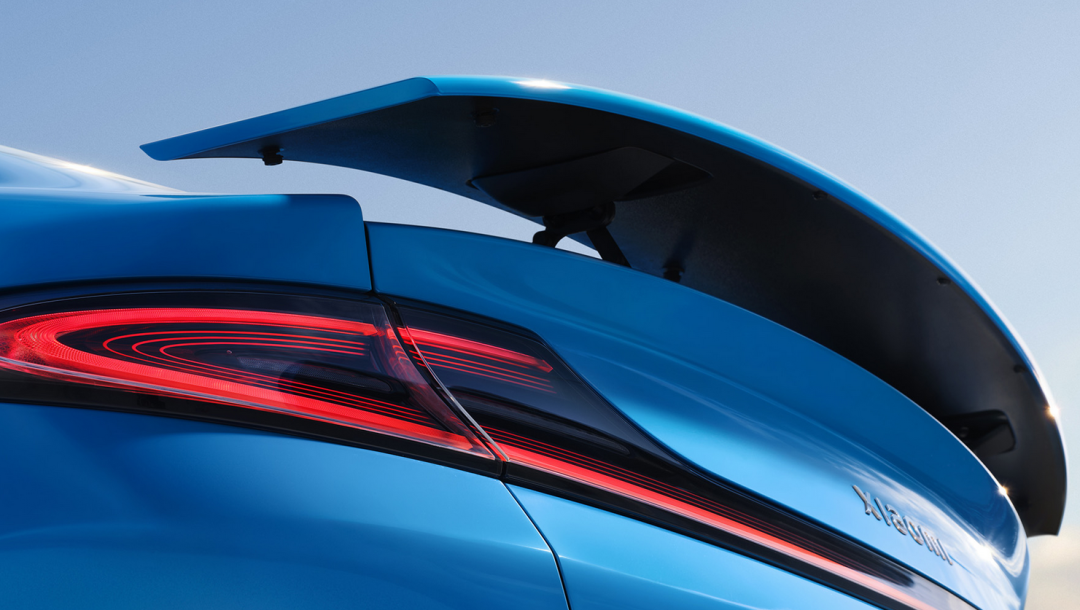
Li Auto remained stable, delivering 95,142 vehicles in Q1, a roughly 2.5% year-on-year increase, further solidifying its base of family users. As a latecomer, Xiaomi Auto, despite ongoing online controversies, showed no signs of market impact. It delivered 79,000 vehicles in Q1, securing a top position among new forces. The updated SU7 began deliveries on March 23, with over 7,000 units delivered in just nine days that month.
NIO showed signs of recovery, delivering 83,465 vehicles in Q1, a substantial 98.3% year-on-year increase, including 35,486 units in March, a 136.0% year-on-year surge.
In contrast, XPENG showed signs of fatigue, delivering 62,682 vehicles in Q1, a 33.3% year-on-year decline. This result was influenced not only by the market environment but also by delays in iterating its main models.
Collapse of the Old Order, Formation of New Leaders
The era dominated by NIO, Li Auto, and XPENG has officially ended, ushering in a new era of multi-polar competition.
Over the past five years, NIO, Li Auto, and XPENG had long occupied the top three spots among new forces by leveraging their first-mover advantage. However, this pattern was shattered by Xiaomi's entry and Leapmotor's resurgence, leading to the emergence of a new 'Leapmotor-Li Auto-Xiaomi-NIO' quartet.
Leapmotor's rise was a triumph of precise market positioning. Unlike its previous reliance on low-end models priced under 100,000 yuan, Leapmotor focused on the 100,000-200,000 yuan mass market in Q1, achieving both volume and profit growth through product upgrades and cost control.
Li Auto, with its clear family-oriented positioning, held firm in the high-end extended-range EV market, becoming the first among new forces to achieve stability. However, with the extended-range EV market rapidly shrinking, Li Auto's future trajectory will hinge on the market performance of its pure EV products.
Xiaomi's foray into auto manufacturing not only added a new player but also reshaped industry competition rules with its internet-based mindset. With just two models, the SU7 and YU7, Xiaomi delivered 600,000 units within two years, swiftly diverting users from key competitors and altering the competitive landscape in the high-end pure EV market.
Despite sustained heavy losses, NIO persisted with its dual-brand strategy of NIO and Ledo, remaining committed to the pure EV market. The NIO brand focuses on the high-end market above 300,000 yuan, maintaining brand premium through its battery swap network and service advantages, while the Ledo brand targets the 150,000-200,000 yuan market, filling NIO's gap in the mass market.
The line between traditional automakers and new forces has blurred, with competition no longer confined to a 'new vs. old' duel but evolving into a comprehensive product and technology contest.
Traditional automakers like BYD, GAC Aion, Geely, and Changan maintained stable shares in the 100,000-200,000 yuan mass market, leveraging their mature supply chains and extensive distribution networks. Meanwhile, 'second-generation' brands like Zeekr, Deepal, and Voyah continued to pressure new forces in the 200,000-300,000 yuan segment.
The market now exhibits a clear dumbbell structure, with a growing trend of consumption segmentation. The high-end market above 200,000 yuan, dominated by Li Auto, Xiaomi, NIO, Aito, and Tesla, accounted for over 45% of Q1 sales, a 30% year-on-year increase, becoming the core growth engine. The low-end market below 100,000 yuan continued to shrink, with sales accounting for less than 15% and a 28% year-on-year decline.
The 100,000-200,000 yuan mass market remained the most fiercely contested middle ground, where brands like Leapmotor, Aion, Ledo, and Deepal competed. However, price competition gradually subsided as the industry's focus shifted from scale to profitability. In Q1, mainstream automakers generally reduced terminal discounts, transitioning from 'volume at any cost' to 'balancing volume and profit.'
Market Consolidation Complete, High-End Battle Begins
Neta Auto, once the sales champion among new forces, was ordered by a court on March 17 to terminate restructuring and enter bankruptcy liquidation, marking a symbolic event in the NEV industry's consolidation. This signifies an acceleration of resource concentration toward leading players and further industry consolidation.
Technology and product differentiation have become core competitive factors, with price no longer the sole determinant of market share. Faced with intelligent driving, smart cockpits, and energy efficiency control, consumers now make diverse choices, which have become key for automakers to build differentiated advantages.
The deepening of consumption segmentation has propelled the high-end market into the main battleground of industry competition. In Q1 2026, the penetration rate of NEVs in the 300,000-400,000 yuan segment reached 62%, over 30 times higher than six years ago, indicating that high-end consumers' acceptance of NEVs has now surpassed that of fuel vehicles.
Under this trend, competition in the high-end NEV market will intensify in 2026, with multiple 'Series 9' flagship models entering the market. Several automakers have launched or plan to launch Series 9 flagship models this year, fully engaging in the ultimate battle for the high-end market.
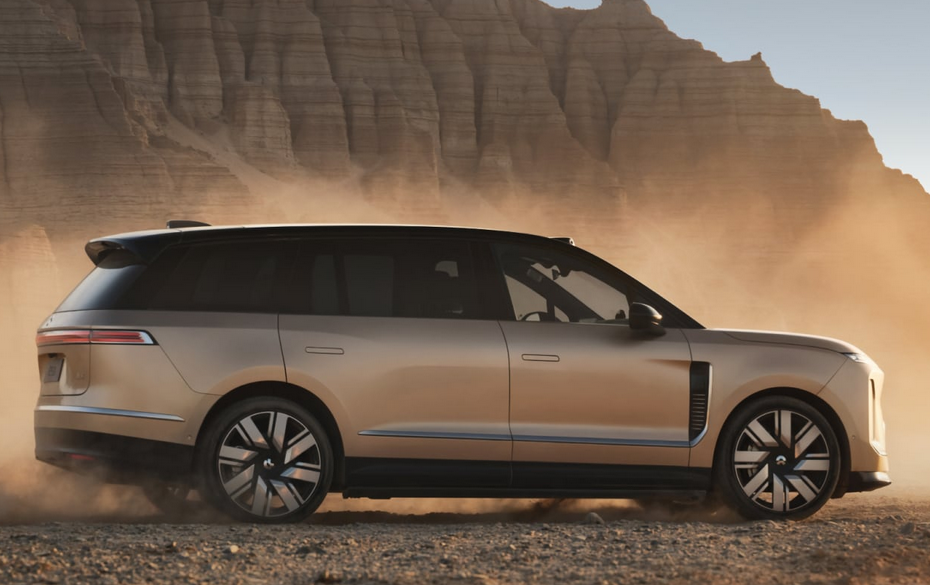
Li Auto's updated L9 will officially launch in Q2, while NIO's ES9 will debut tonight and officially hit the market by the end of May, further advancing into the high-end segment with its battery swap network and service advantages.
Huawei's ecosystem is also accelerating its high-end market布局 (layout in English, but keeping the Chinese term for cultural context), with the Luxeed V9 recently unveiled. SAIC Volkswagen's ID.ERA 9X also made its debut, priced from 329,800 yuan, attempting to carve out a share in the high-end NEV market. Additionally, BYD plans to introduce flagship models like the Han Series 9 and Tang Series 9 to enter the high-end market, while XPENG's GX and Leapmotor's D19 are also set to launch soon, forming a full-scale showdown represented by the 'Series 9.'
This Series 9 battle represents the ultimate contest for mindshare and profitability in the high-end NEV market. In this new high-end competition, luxury brands lagging in electrification will face even greater challenges.
The trend of NEVs replacing fuel vehicles is irreversible. With core technologies maturing and consumer habits solidifying, NEV penetration rates will continue to rise rapidly.
The first quarter of this year marks a significant turning point for the NEV industry. Consolidation is complete, the competitive landscape is reshaped, and profitability is returning. The industry is moving away from low-price internal competition and entering a new phase of top-tier competition prioritizing quality. The high-end market's Series 9 battle is in full swing, with a comprehensive contest of technology, products, costs, and services determining the future industry hierarchy.
-
![]()
Geely and BYD Step Up Efforts: Giants Aren't Willing to Lose in the Breakthrough Battle for New Energy Pickups
-
![]()
From Selling Computers to Selling AI: How Far Has Lenovo Come?
-
![]()
What Enlightenment Does the Successfully Verified Trillion-Dollar Anthropic Bring to SaaS Enterprises?
-
![]()
Li Auto L9 Livis: Caught Between 'Daddy Car' and 'AI'
-
![]()
From 'Flying Machines' to 'Embodied Intelligent Agents': How Embodied Intelligence is Revolutionizing the Commercial Landscape of Low-Altitude Equipment
-
![]()
Launch of the Lynx S10: Why is DeepRobotics Developing a Small Wheeled-Legged Robot?
-
![]()
AI Accelerator: The Powerhouse Behind AI Algorithm Operations and Applications
-
![]()
Ferrari Luce Electric Debuts: Ferrari’s Essence Endures in the Electric Age | On-Site Report