5-Minute Charging vs. 99-Second Battery Swapping: What’s Your Pick?
 04/09 2026
 601
601
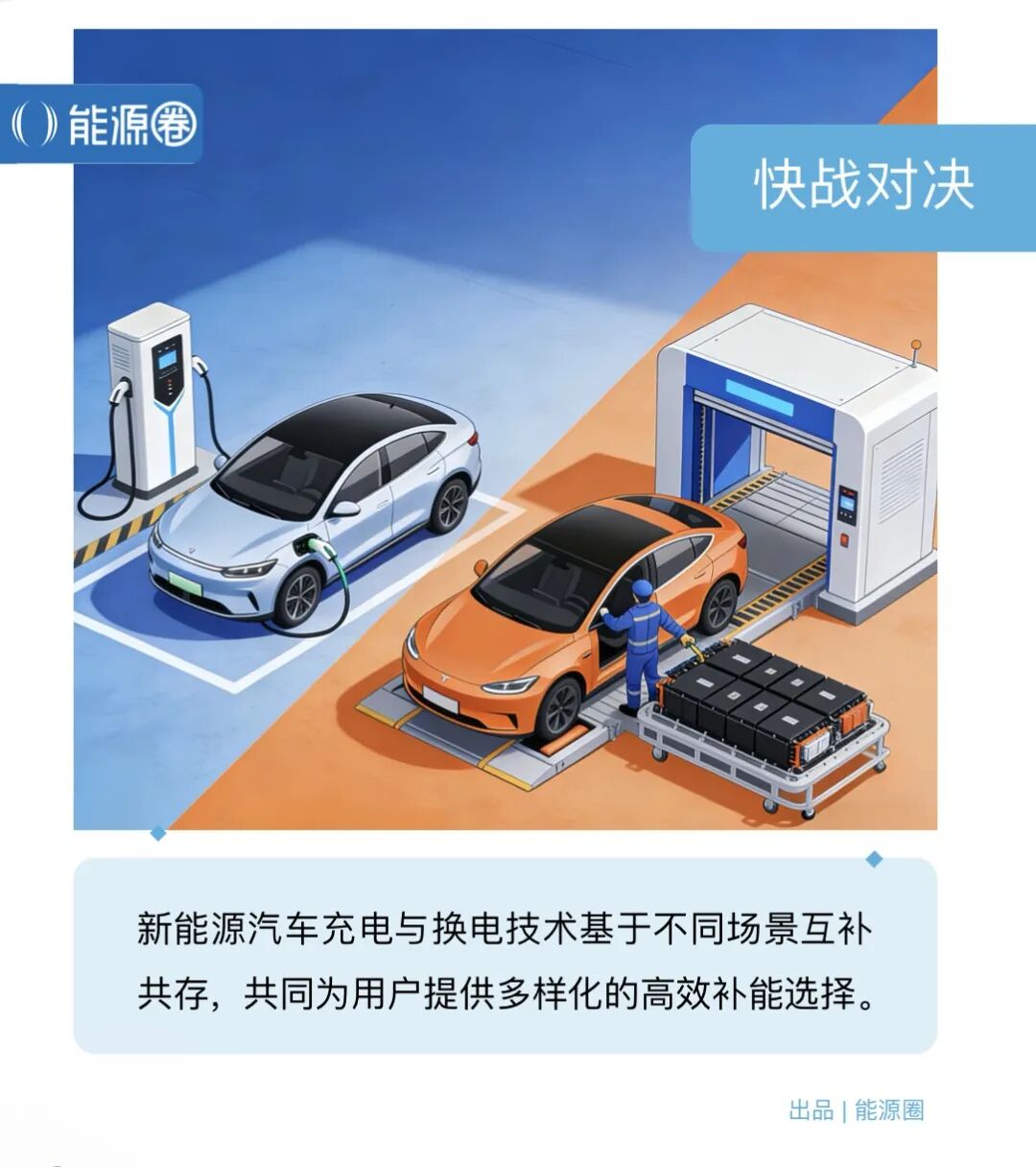
Recently, BYD (002594.SZ) has successfully secured the trademark for its "BYD Flash Charge" technology.
Last night, GAC Aion's AION RT battery-swapping model made its official debut, boasting "99-second rapid battery swapping" and bringing the 'minute-level' energy replenishment race straight to consumers.
The undercurrents of competition between charging and battery swapping have surged into open rivalry.
An ultimate showdown over energy replenishment efficiency has commenced: On March 20, China unveiled its first interoperability standard for bolt-type battery-swapping systems, marking a significant stride toward standardization in the battery-swapping sector. Previously, BYD's megawatt flash charging achieved a remarkable 400+ kilometers of range replenishment in just 5 minutes, elevating charging efficiency to the minute level for the first time.
Both technological pathways are rapidly approaching their physical limits.
Which is quicker?
As technological advancements alleviate charging anxiety, consumer preference between the two often hinges on a single criterion: replenishment speed.
BYD's latest flash-charging technology has achieved remarkable breakthroughs: Under normal temperature conditions, it takes only 5 minutes to charge from 10% to 70%, and 9 minutes to reach 97%. Even at -30°C, charging from 20% to 97% requires just 12 minutes—only 3 minutes longer than under normal conditions. This speed nearly rivals the refueling experience of traditional fuel vehicles.
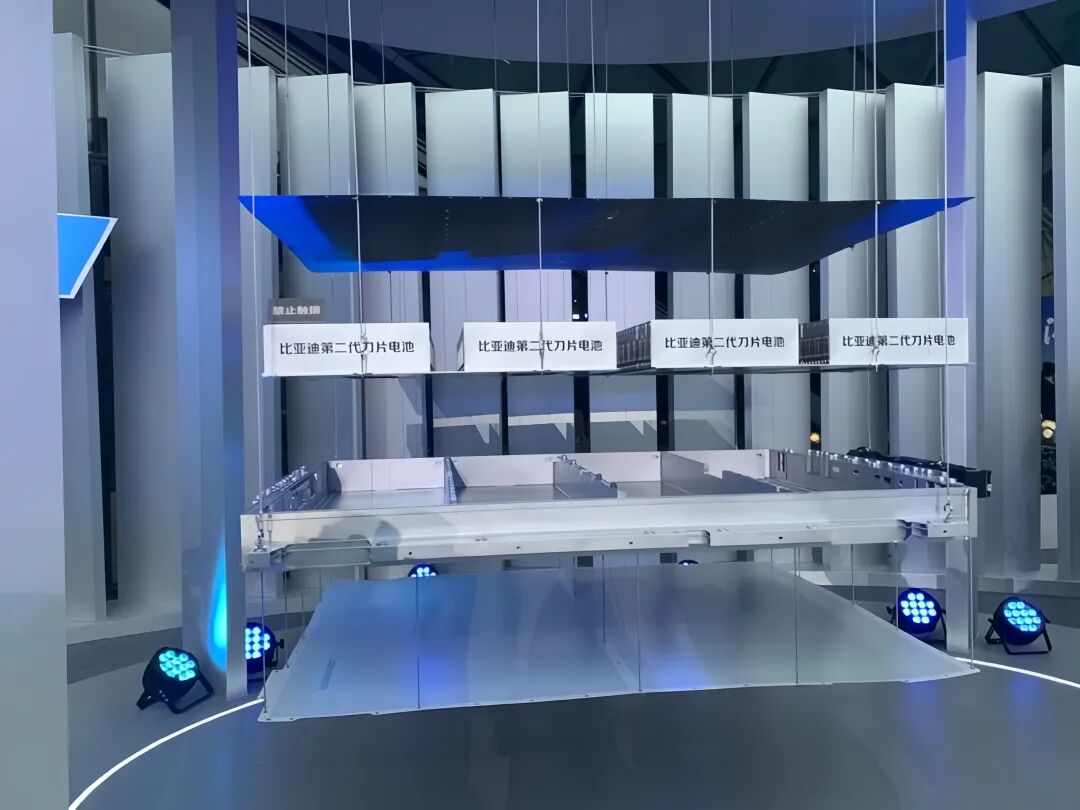
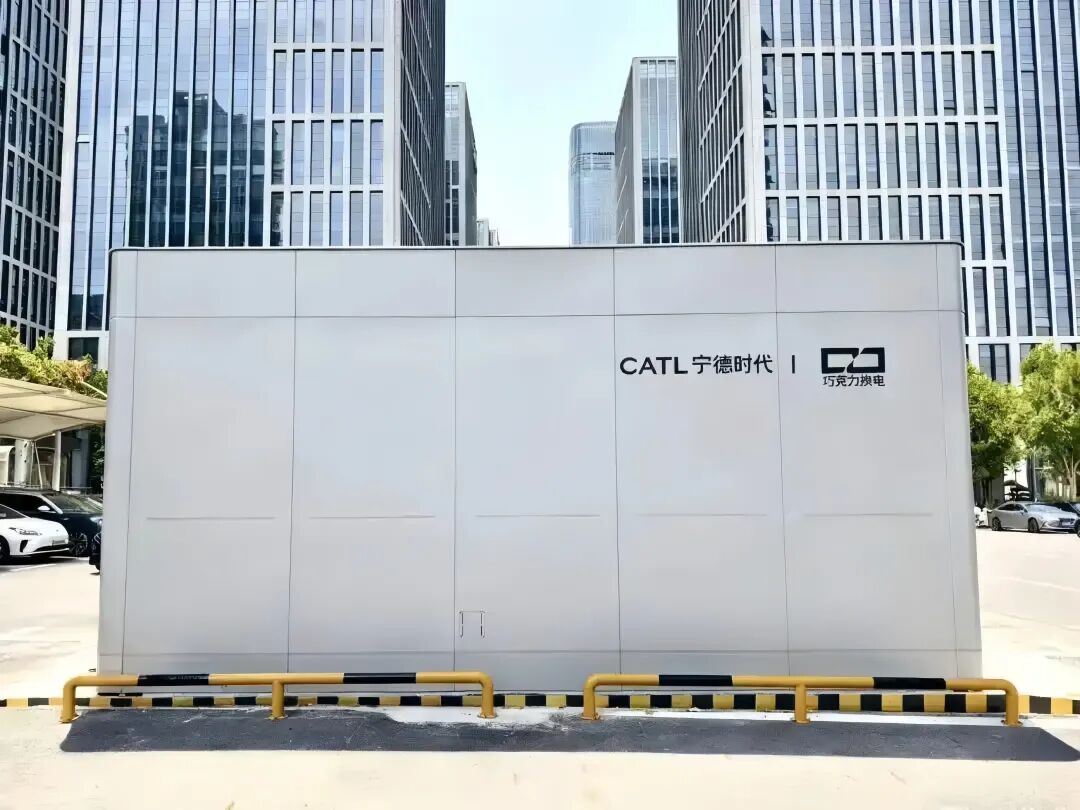
Currently, battery swapping holds the edge in speed. NIO's fourth-generation battery-swapping station completes a swap in just 2 minutes and 24 seconds, while CATL's Choco Swap Station achieves an astonishing 99-second swap. The entire process is fully automated, requiring no driver intervention. This ultra-efficient experience strongly appeals to time-sensitive users.
Behind this speed race lies the challenge of technological limitations. Ultra-fast charging faces dual pressures from grid load and battery lifespan. Research by Tsinghua University's Academician Ouyang Minggao's team reveals that frequent use of fast charging above 120 kW can reduce battery cycle life by 40% compared to slow charging.
The battery-swapping model extends battery life through centralized slow charging but necessitates large reserves of spare batteries, leading to high per-station construction costs. For instance, NIO's fourth-generation battery-swapping station costs approximately 1.5 million yuan (excluding batteries), with total investment reaching around 3.11 million yuan when fully equipped.
Who’s Using Them?
Different user groups exhibit distinct preferences for replenishment methods.
Ride-hailing and taxi fleets constitute the core user base for battery swapping. These vehicles cover long daily distances, require frequent replenishment, and are highly sensitive to time costs. Battery swapping, completed in 3-5 minutes, saves significant operational time compared to fast charging. Data indicates that the average daily service volume per battery-swapping station nationwide is about 120-150 vehicles, with operational vehicles accounting for a high proportion.
Home users prefer charging. Vehicle owners with dedicated parking spaces can install private charging piles and leverage off-peak nighttime electricity rates to minimize cost per kilometer. As of late October 2025, China's private charging infrastructure reached 14.112 million units, up 59.4% year-on-year. Private charging has become the most economical and convenient replenishment method.
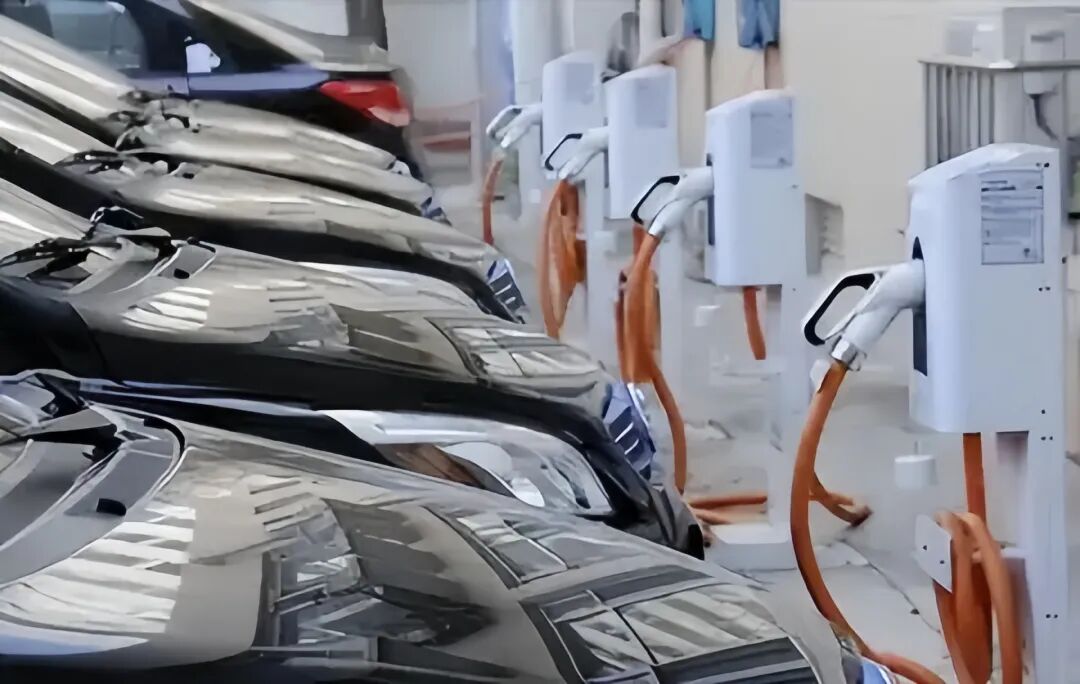
Users without dedicated parking face different choices.
Owners in older residential areas often cannot install private charging piles, making public charging a necessity. These users are sensitive to charging station density and pricing, while battery swapping offers an alternative solution.
GAC Aion has lowered the battery-swapping threshold to the 100,000-yuan price range. Its Aion UTsuper adopts a dual replenishment model (chargeable and swappable), with the battery-leasing purchase price starting at 49,900 yuan. With the addition of the AION RT battery-swapping model, the matrix of chargeable-and-swappable vehicle options expands further. NIO Firefly also aims to make battery swapping accessible for affordable compact cars, with the Freestyle model starting at 119,800 yuan and offering a battery-separation scheme that reduces the purchase price by 40,000 yuan.
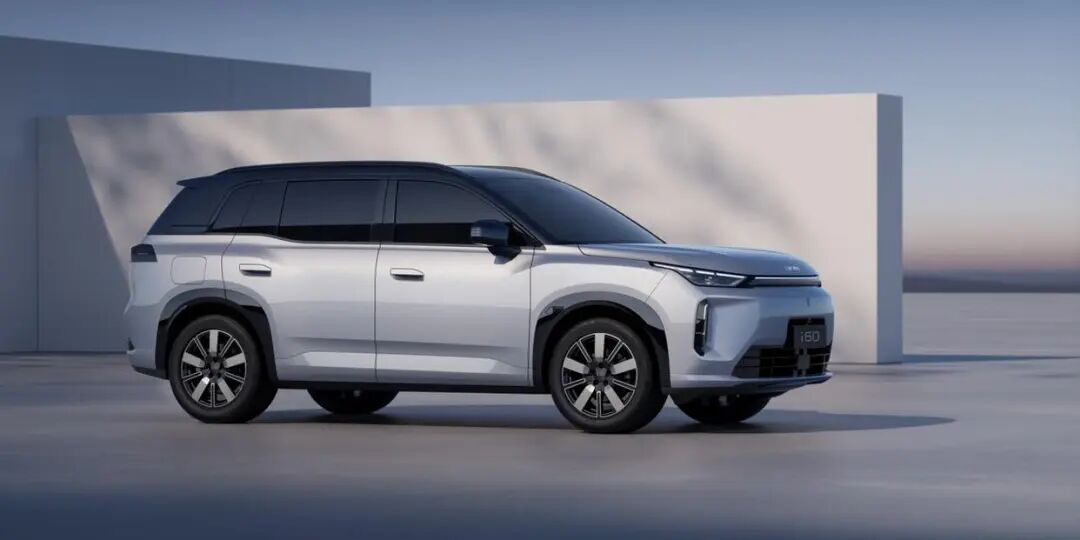
Two Tracks, Two Philosophies
The two technological paths reflect distinct design philosophies. Charging pursues deep integration between batteries and vehicles, enhancing space utilization through structural innovation. Battery swapping emphasizes separation between batteries and vehicles, aiming for resource sharing through standardization.
Charging technology is undergoing a qualitative leap.
BYD's Super e-Platform propels charging power into the megawatt era, with a 1,000V high-voltage architecture and 1,000A ultra-high current achieving an astonishing 10C charging rate.
This full-domain kilovolt high-voltage design, spanning from the battery's positive to negative electrodes, creates ultra-high-speed ion channels and reduces internal resistance by 50%. Huawei's 1.5-megawatt ultra-fast charging solution further increases current to 2,400 amperes, enabling 20 kWh of energy replenishment per minute.
Battery-swapping technology advances along standardization and network integration. NIO's fourth-generation battery-swapping station houses 23 batteries, serves up to 480 vehicles daily, and completes swaps in as little as 2 minutes and 24 seconds. CATL and NIO are jointly building a battery-swapping network, planning to cover 80% of China's trunk highway transport capacity by 2030.
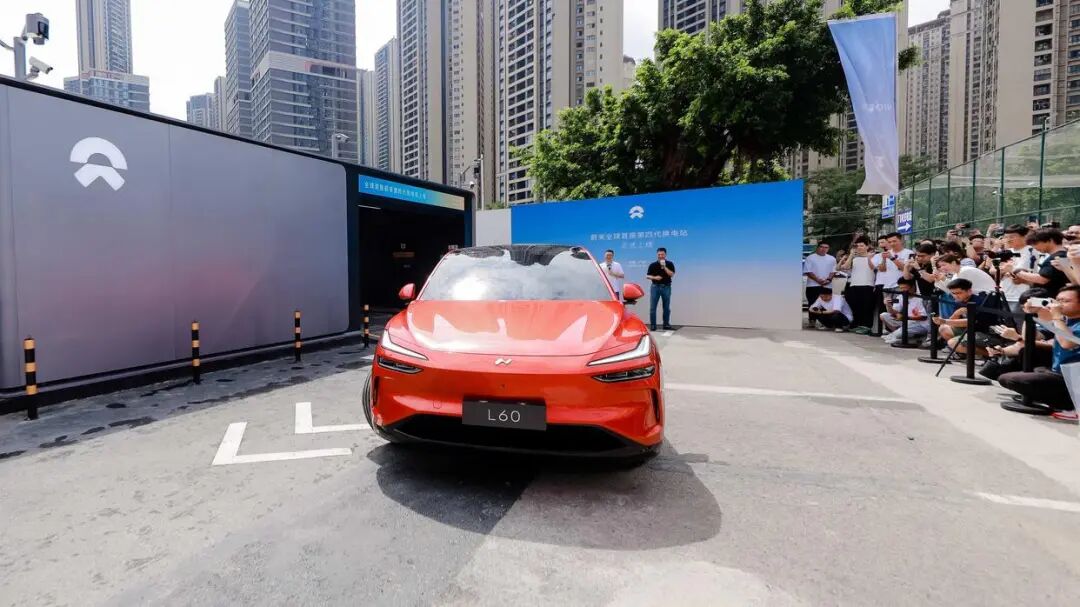
The newly released bolt-type battery-swapping system interoperability standard unifies standard battery packs, mechanical connections, electrical interfaces, communication protocols, and other aspects for the first time.
In essence, the charging camp seeks to break physical limits through high-voltage platforms, while the battery-swapping camp aims to build ecological barriers via network effects.
Not Replacement, But Complementarity
The debate over 'charging vs. battery swapping,' sparked by NIO CEO William Li's remarks, often seems to demand a winner. However, this reflects early-stage industry route divergence rather than a 'zero-sum war.' It is a competition of solutions based on different scenario demands. Both technologies jointly form the foundation of the NEV energy replenishment network.
Infrastructure layouts for charging and battery swapping demonstrate complementarity. By late September 2025, China's total electric vehicle charging infrastructure reached 18.063 million units, up 54.5% year-on-year. The number of battery-swapping stations exceeded 5,000, primarily concentrated along highways and in urban cores, forming precise network nodes.
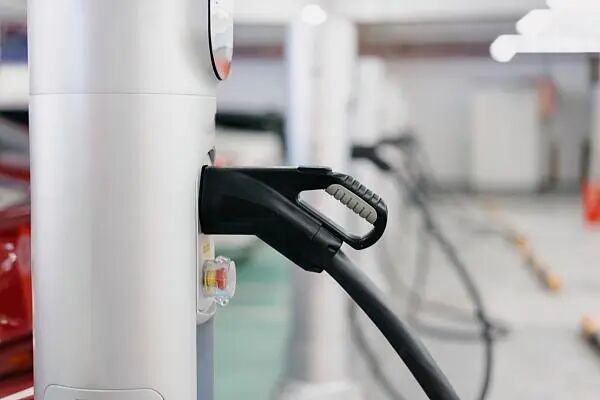
If charging stations penetrate every corner like capillaries, battery-swapping stations serve as arterial nodes supporting the main network.
Technological bottlenecks have also spurred innovative solutions.
Megawatt-level charging imposes significant grid impacts, with single-station instantaneous loads reaching 3-5 times peak conventional electricity demand. This necessitates supporting energy storage systems and intelligent scheduling strategies.
Suzhou's charge-swap virtual power plant uses AI to regulate charging and discharging periods, effectively alleviating grid pressure. Battery-swapping stations also face standardization challenges, as varying battery specifications across brands hinder cross-brand swapping adoption.
Policy support drives parallel development of both tracks.
Six departments, including the National Energy Administration, promote a 'three-year doubling' action for charging infrastructure, aiming to build 28 million charging units by the end of 2027. Shanghai offers subsidies of 40% of equipment investment for universal battery-swapping stations, with power subsidies capped at 600 yuan/kW. These policies create a level playing field for both technological routes.
The industrial ecosystem is deeply integrating. CATL and Sinopec are collaborating to build a battery-swapping network, planning at least 500 stations by 2025. Huawei's ultra-fast charging collaborates with multiple commercial vehicle manufacturers to develop over 30 4C ultra-fast charging heavy-duty truck models. Automakers no longer adhere to a single technological route but configure flexibly based on scenario demands.
The competition between charging and battery swapping is not a zero-sum game; they represent two distinct paths driving NEV adoption. Megawatt flash charging compresses charging time to minute-level, while battery-swapping networks make energy replenishment nearly identical to refueling.
The ultimate winners of this 'minute-level duel' will be NEV users with diversified choices.
-
![]()
Geely and BYD Step Up Efforts: Giants Aren't Willing to Lose in the Breakthrough Battle for New Energy Pickups
-
![]()
From Selling Computers to Selling AI: How Far Has Lenovo Come?
-
![]()
What Enlightenment Does the Successfully Verified Trillion-Dollar Anthropic Bring to SaaS Enterprises?
-
![]()
Li Auto L9 Livis: Caught Between 'Daddy Car' and 'AI'
-
![]()
From 'Flying Machines' to 'Embodied Intelligent Agents': How Embodied Intelligence is Revolutionizing the Commercial Landscape of Low-Altitude Equipment
-
![]()
Launch of the Lynx S10: Why is DeepRobotics Developing a Small Wheeled-Legged Robot?
-
![]()
AI Accelerator: The Powerhouse Behind AI Algorithm Operations and Applications
-
![]()
Ferrari Luce Electric Debuts: Ferrari’s Essence Endures in the Electric Age | On-Site Report