Li Xiang 'Turns the Tables' in the Dead of Night! Li Auto Takes a Firm Stand Against Industry Black PR
 04/15 2026
 505
505
Editor | Li Xin
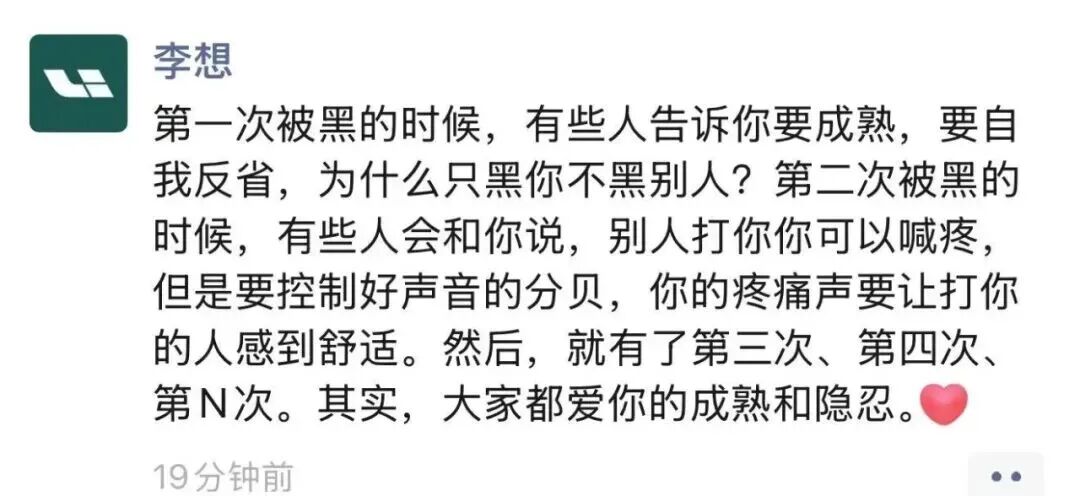
On the night of April 11, the automotive industry was rocked by a "depth charge" as Li Xiang, CEO of Li Auto, posted a series of strong updates targeting the industry's notorious "black PR" tactics. These involve automotive brands hiring online trolls to systematically and maliciously attack Li Auto. His language was unequivocal: "Every single perpetrator will be publicly named, and every single one will face legal action."
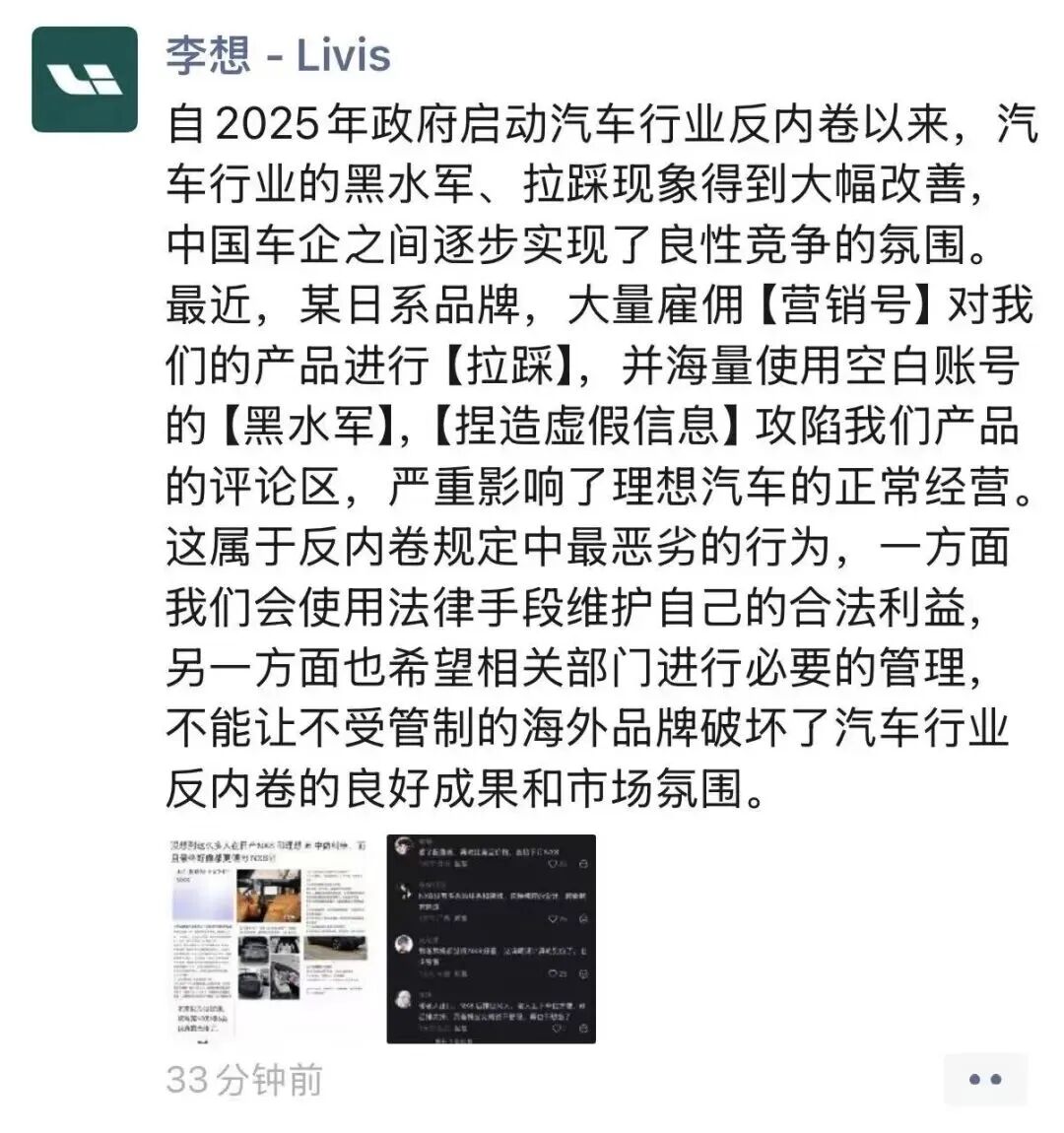
This was no ordinary online spat. It marked the first time in China's automotive history that a CEO had publicly and by name confronted "black PR."
This time, Li Xiang turned the tables.

A 'Coincidental' Comparative Post Unveils the Tip of the Iceberg
The incident was sparked by routine public opinion monitoring.
Li Auto's legal department noticed a sudden surge of posts on platforms like Xiaohongshu and Douyin starting April 7. These posts were highly consistent in content, comparing the Li L6 and L8 with a certain Japanese SUV.
What further raised red flags was the obvious "templated" nature of these posts:
"A friend bought a Li Auto and regretted it after a month..." "The XX car is still better..." "In the end, I switched to XX—sharing my real experience..."
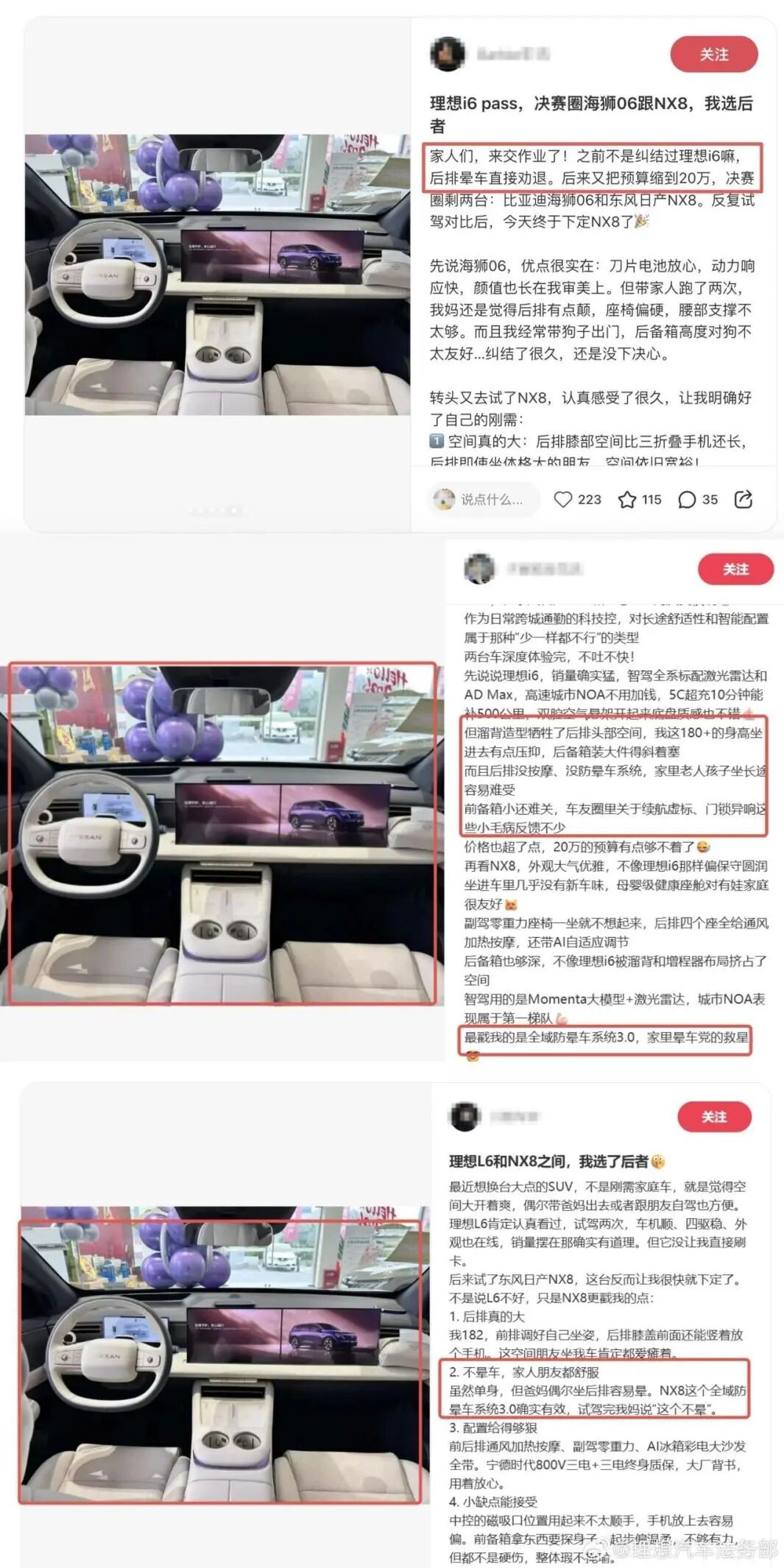
To put it bluntly, this is a tried-and-true industry tactic—organized rhythm-setting, not a new ploy.
Genuine user reviews wouldn't all coincidentally use the exact same script.

Li Xiang Unveils His 'Three Aces'
Faced with systematic black PR, Li Xiang refused to remain silent.
In his updates, he revealed that Li Auto's legal department had taken the following three steps:
First, evidence preservation: Notarized screenshots of all involved posts, retaining complete timelines, IP address data, and associated account information.
Second, submission to regulatory authorities: The complete chain of evidence has been submitted to the State Administration for Market Regulation and the Cybersecurity Bureau of the Ministry of Public Security.
Third, legal action: Civil lawsuits have been initiated against multiple MCN agencies and troll companies suspected of involvement in "black PR."
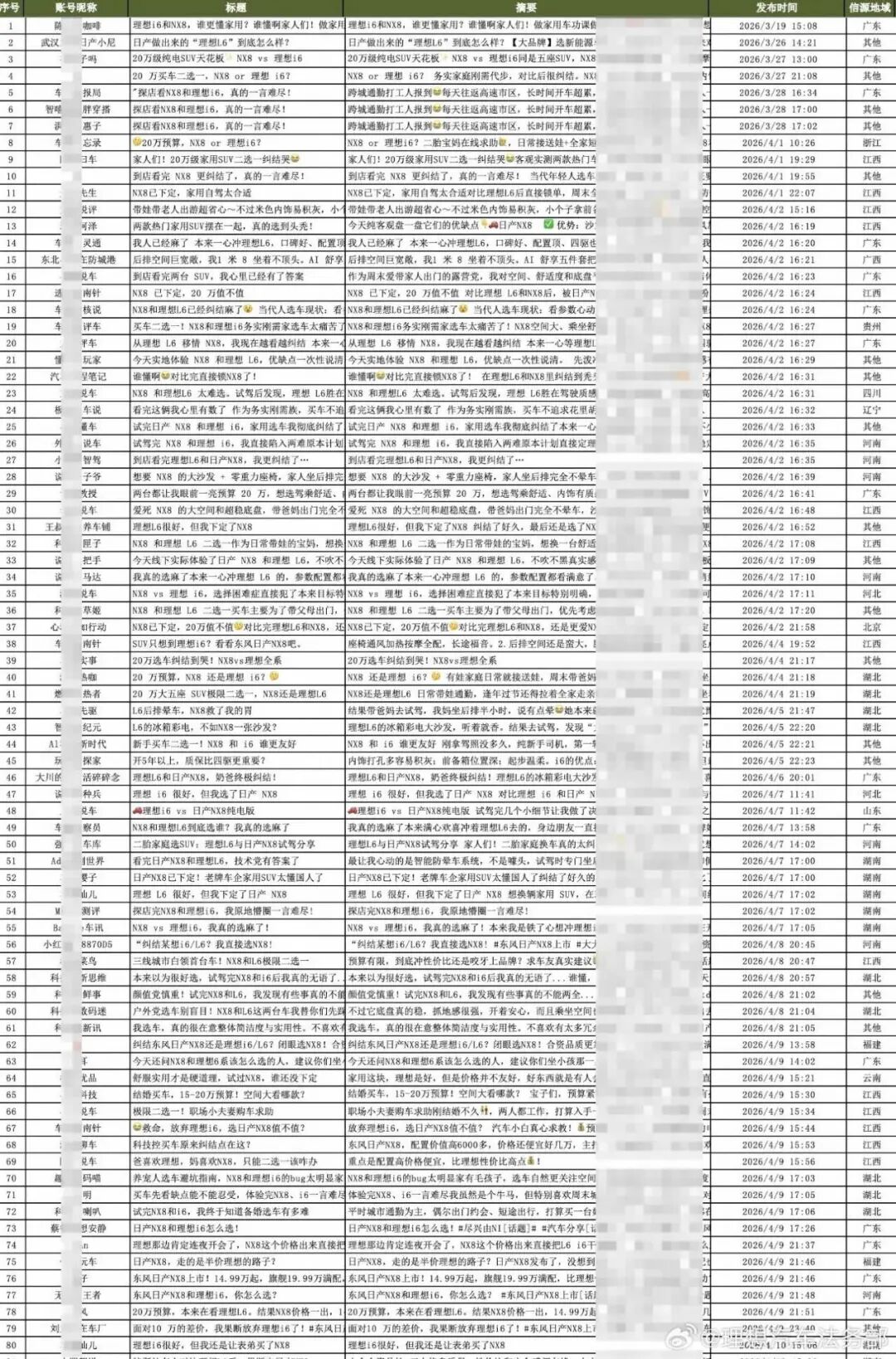
According to sources close to Li Auto, the compensation sought in this civil lawsuit exceeds 10 million yuan, a relatively hefty sum for similar cases in the automotive industry.
Li Xiang even directly named names: At least 12 MCN agencies suspected of involvement in this operation have been identified. "Every single one will be publicly named, and every single one will face legal action."

Dongfeng Nissan Urgently 'Distances Itself,' But Doubts Linger
On April 13, Wang Qian, general manager of sales at Dongfeng Nissan, responded in a WeChat Moments post:
"Dongfeng Nissan has always adhered to industry rules, advocated for healthy competition, and respected every peer. We firmly oppose any form of black PR and have never authorized or commissioned any third-party agency to engage in such operations."
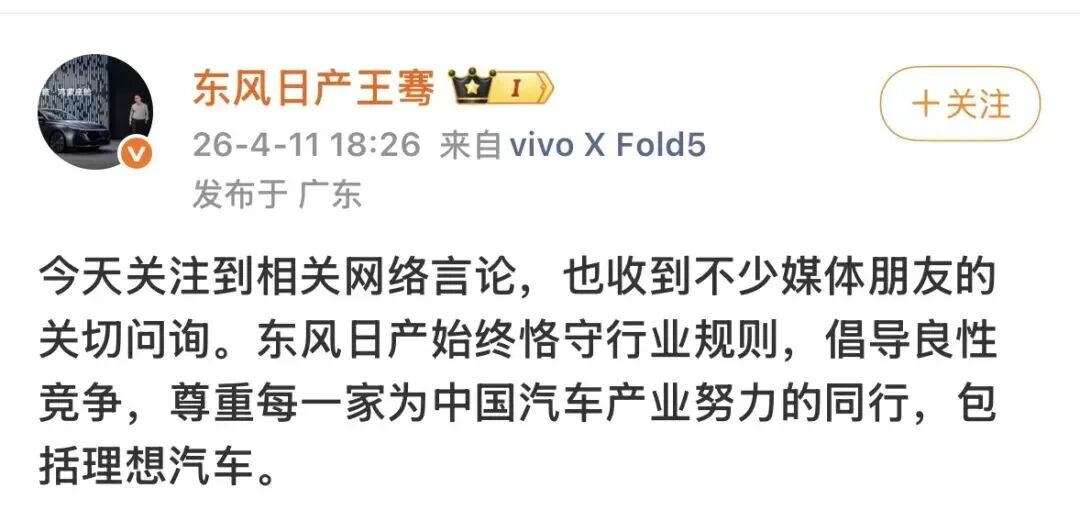
However, this statement did not directly address a core question: Who is behind these trolls?
A senior figure in the automotive industry pointedly noted: Even if it was truly done by a third-party agency, can the brand simply disclaim all knowledge with a single statement? In the court of public opinion, consumers have their own judgment.
As of press time, the brand involved had not issued any official statement.
Legal Perspective: Identification and Accountability for Black PR
This incident has also drawn attention from the legal community.
Liu, a partner at a well-known Beijing law firm, analyzed that if Li Auto can provide sufficient evidence of organized black PR, the related companies may face triple liability:
Civil liability: Article 11 of the Anti-Unfair Competition Law explicitly prohibits "fabricating or disseminating false or misleading information that damages a competitor's business reputation or product reputation." Victims may claim civil compensation.
Administrative liability: Market regulatory authorities may impose fines on involved enterprises and, in severe cases, order suspension of operations for rectification.
Criminal liability: If the elements of "damaging commercial reputation" are established, relevant responsible persons may face up to two years in prison.
However, Liu also pointed out that evidence collection is not straightforward—the hardest part to prove is "beneficial connection," meaning direct financial or benefit exchanges between the posting behavior and competing brands.
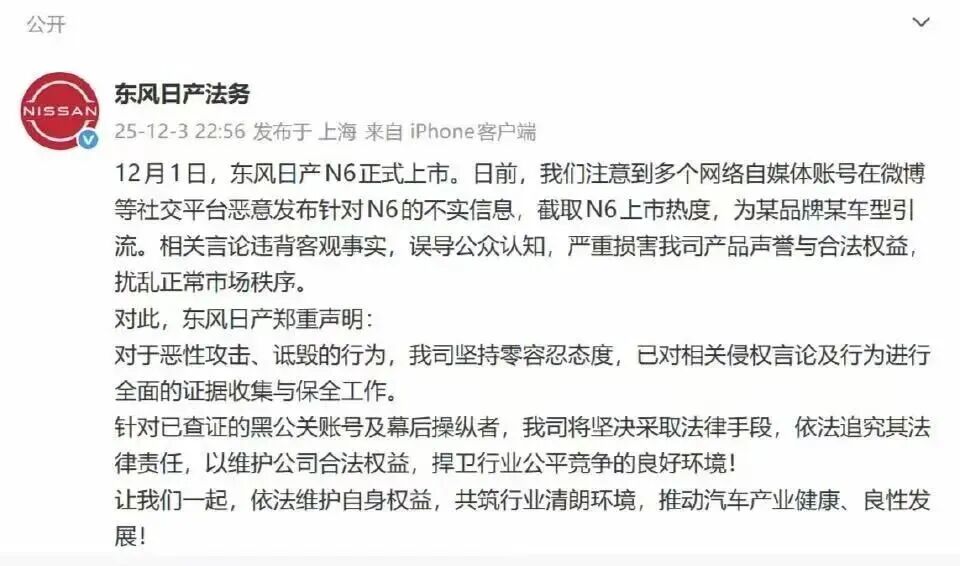
From judicial practice, in a 2024 black PR lawsuit involving an automaker, the case ended in settlement precisely due to insufficient evidence of "beneficial connection." This means the core of Li Auto's compensation claim hinges on whether it can produce direct evidence linking the brand to the troll company.

Industry Pain: The Content War in the Automotive Circle
"Black PR" is hardly new in the automotive industry.
In recent years, as industry competition has intensified, brands have engaged in fierce online battles beyond just products and pricing. Many brands have been passively dragged into public opinion defenses, and without corresponding protection, they can easily be drowned out by malicious voices.
A PR head at a domestic brand privately admitted: "Everyone’s in it. If you don’t hire them, your competitors will, and your voice gets drowned out. It’s a classic prisoner’s dilemma."
This mudslinging tactic hurts not just individual brands but pollutes the entire industry's information environment.
However, a noteworthy trend is that as regulatory crackdowns intensify and platform algorithms improve, the space for "black PR" is shrinking.
By 2025, the Cyberspace Administration has explicitly listed "black PR in the automotive sector" as a key target for rectification.

Why Did Li Xiang Choose to 'Confront Head-On' This Time?
There are two starkly different views within the industry regarding Li Xiang's public challenge.
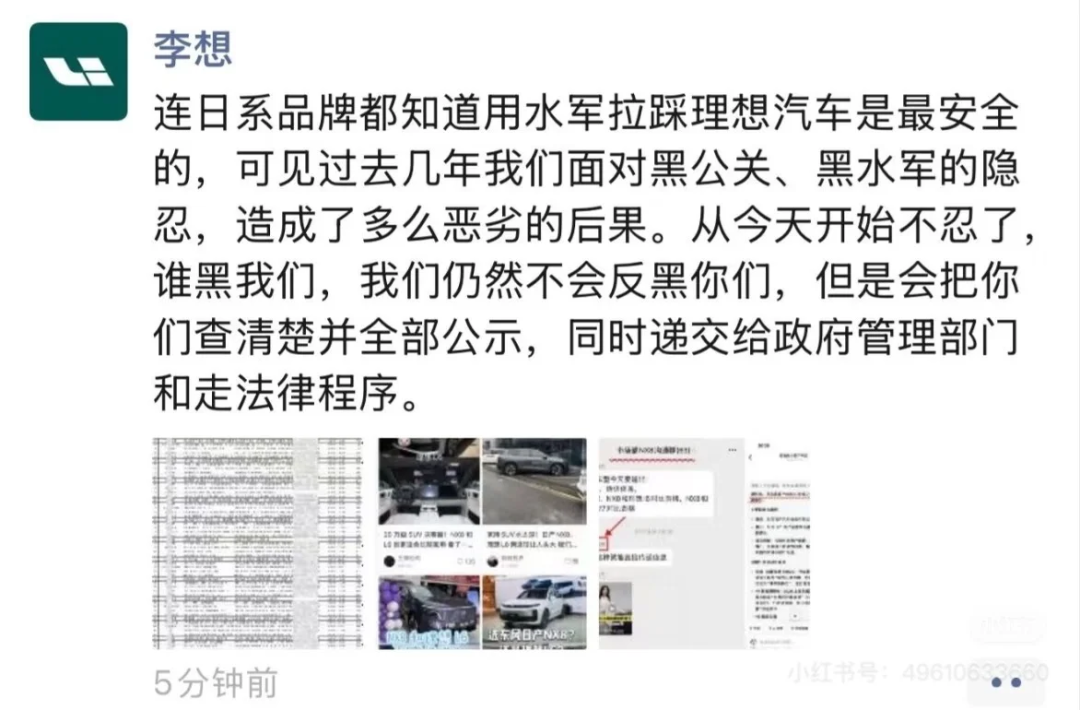
Supporters argue: Li Auto is facing fierce competition in the 200,000–300,000 RMB new energy SUV market, and systematic black PR inflicts significant brand damage. Counterattacking is both a necessary and desperate move. If you don’t show your strength, others will think you’re weak.
Skeptics argue: Li Xiang’s decision to "turn the tables" in the public arena smacks of "trend-riding marketing." Once labeled as "hype," it could backfire on the brand. In business, there’s no such thing as justice without a cause.
A deeper interpretation is that this is Li Xiang’s strategy of "killing the chicken to scare the monkey"—using a high-profile rights defense action to create a deterrent effect across the industry.
Regardless of motive, one thing is certain: This broadside hit an industry pain point.

What Kind of Competition Does the Industry Need?
From Li Auto’s perspective, this counterattack was a forced choice after being backed into a corner.
But from the standpoint of healthy industry development, the more pertinent question is: How can "black PR" be curbed at the institutional level?
The good news is that regulators are already taking action. Since 2025, the Cyberspace Administration, the State Administration for Market Regulation, and other departments have launched multiple special crackdowns targeting online trolls, paid post deletions, and other illegal activities.
Perhaps Li Xiang’s broadside can serve as a catalyst for further refining industry rules.
Until then, the best ordinary consumers can do is to ignore the online noise, rely on real-world testing and genuine reputation when buying a car, and make more informed decisions.
Have you ever encountered online public opinion manipulation when making a car-buying decision? Share your real experiences and judgments.
Welcome to share, like, and leave comments.
The copyright of this work belongs to New Car or related copyright holders. No third party may reprint it without authorization; otherwise, it constitutes infringement.
"Respect originality, respect attitude."
-
![]()
Jitian Xingzhou: A Pioneer in Optical Payloads Secures Hundreds of Millions in Series B Funding!
-
![]()
Orders Secured Through to the Second Half of the Year! The Rationale Behind the 'Surge' in Demand for This Company’s Optical-Grade Base Films
-
![]()
Beyond Patents: The Retail Rivalry of Insta360 and DJI Unfolds
-
![]()
180 Billion Market Cap Vanished! How Did Seres Fall So Far?
-
![]()
Blockbuster! Domestic storage takes the global double crown for the first time, from an AI company
-
![]()
China Spearheads Formulation! World's Pioneering Global Technical Regulation for Automated Driving Systems Greenlit and Unveiled
-
![]()
Farewell to Pulsed Support Policies: Three Major Auto Policy Directions from Multiple Departments Take Effect on the Same Day
-
![]()
Embercore AI’s Accelerated Funding: The Robot Industry’s Shift Toward ‘Learning Systems’