From 'Mentor' to 'Contender': Musk's Reluctance to Trade Places with Chinese Automakers
 04/20 2026
 480
480
While Tesla's 'catfish effect' has spurred the expansion of China's new energy vehicle (NEV) sector, the global automotive revolution is still in its infancy.
In 2003, an unexpected challenger emerged on the scene.
This was an era dominated by automotive giants like Volkswagen, Toyota, and the luxury trio of BBA (BMW, Benz, Audi). Yet, in just over two decades, this newcomer dismantled the long-standing dominance of traditional fuel-powered vehicles.
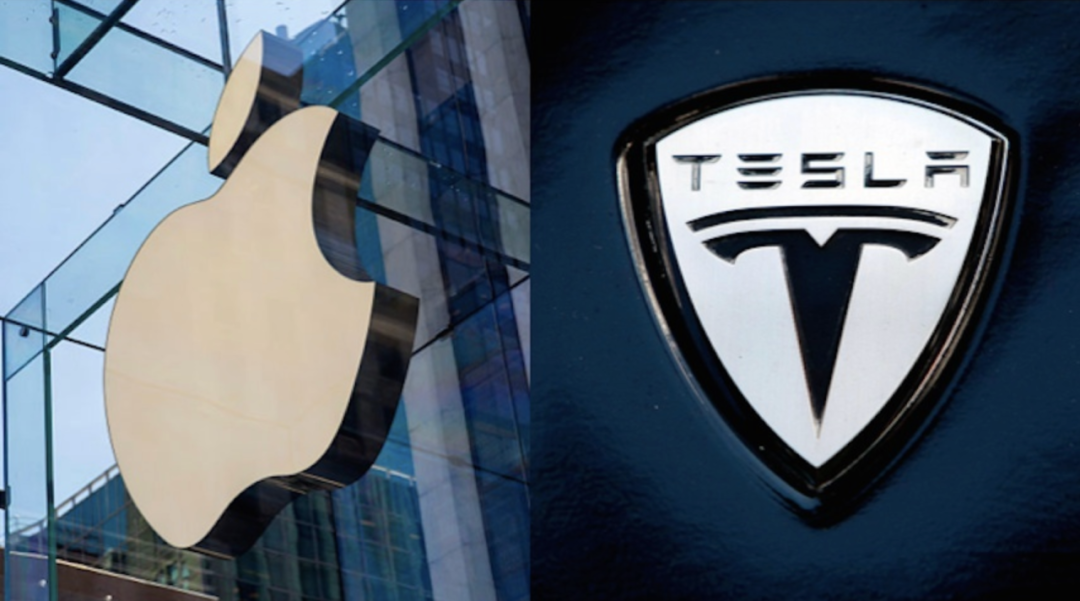
Many liken Tesla's impact to Apple's revolutionary disruption of the mobile phone industry with the iPhone. By harnessing cutting-edge technologies and innovative business models, Tesla has emerged as the 'Apple' of the NEV realm.
However, Tesla's ascent was far from instantaneous.
Initially, electric vehicles (EVs) occupied a niche market, struggling against the entrenched fuel vehicle systems due to limited range, charging challenges, and high costs. Tesla gradually dismantled these barriers.
In 2012, the Model S demonstrated the potential of EVs, reshaping perceptions with its impressive range, luxurious interior, and intelligent features. By 2019, the Model 3 took the global automotive world by storm, much like the iPhone 4 did in 2010, propelling EVs from the premium segment to the mainstream with its affordability and widespread accessibility.
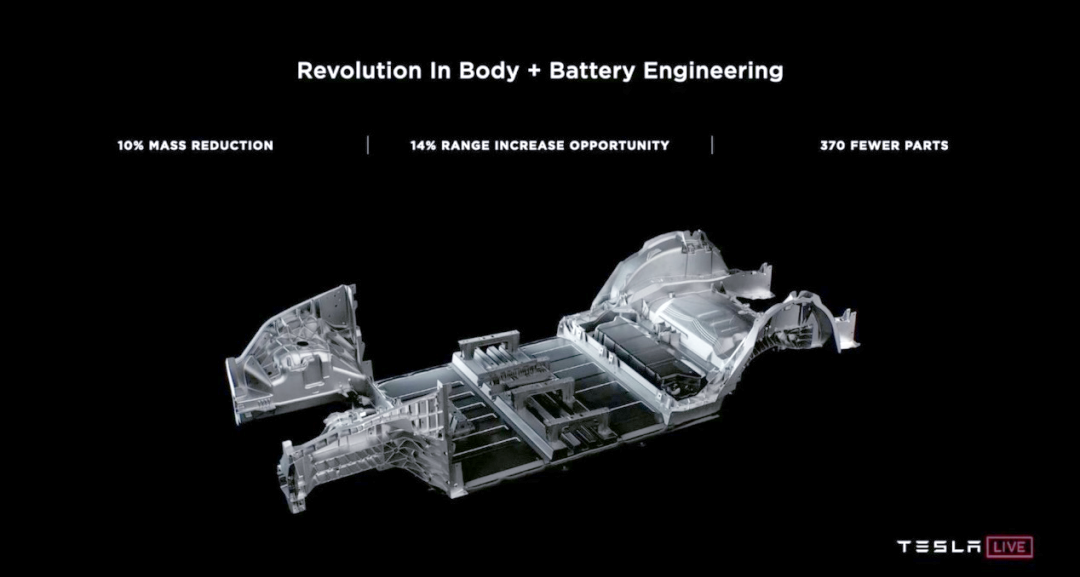
Technologically, Tesla has constructed a closed-loop ecosystem encompassing battery R&D, autonomous driving, vehicle manufacturing, and software updates, mastering core technologies in key areas. Its self-developed batteries enhance competitiveness by boosting energy density and reducing costs. The integrated die-casting technology revolutionizes traditional automotive manufacturing, slashing part counts and enhancing production efficiency while cutting costs.
OTA (Over-the-Air) and FSD (Full Self-Driving) technologies have transformed cars from mere transportation tools into continuously evolving intelligent devices.
Tesla's success is also deeply rooted in its unique business model. Its direct sales approach bypasses traditional dealerships, reducing costs and facilitating better user feedback collection for product and service optimization. Simultaneously, Tesla's aggressive deployment of charging networks—superchargers and destination chargers worldwide—alleviates range anxiety, laying the foundation for widespread EV adoption.
However, this 'catfish' soon triggered profound transformations in the global automotive industry, particularly in China's NEV market.
From Disruptor to Industry Standard-Bearer
Tesla's entry into China in 2014 disrupted the previously sluggish NEV market. Prior to this, despite policy support, China's NEV industry lagged in technology and product competitiveness. Tesla's arrival illuminated the potential and direction of NEVs, exerting unprecedented pressure on Chinese automakers.
The acronyms OTA and FSD have become ingrained in the collective consciousness of Chinese NEV companies.
Through OTA, Tesla enables cars to update software like smartphones, enhancing features and performance. This innovation made Chinese automakers realize that cars could be continuously upgraded products, rather than one-time purchases.
Chinese automakers swiftly followed suit, launching their own OTA systems to optimize infotainment and driving assistance features. Today, OTA is a standard feature in Chinese NEVs, allowing users to enjoy the latest features via remote updates.
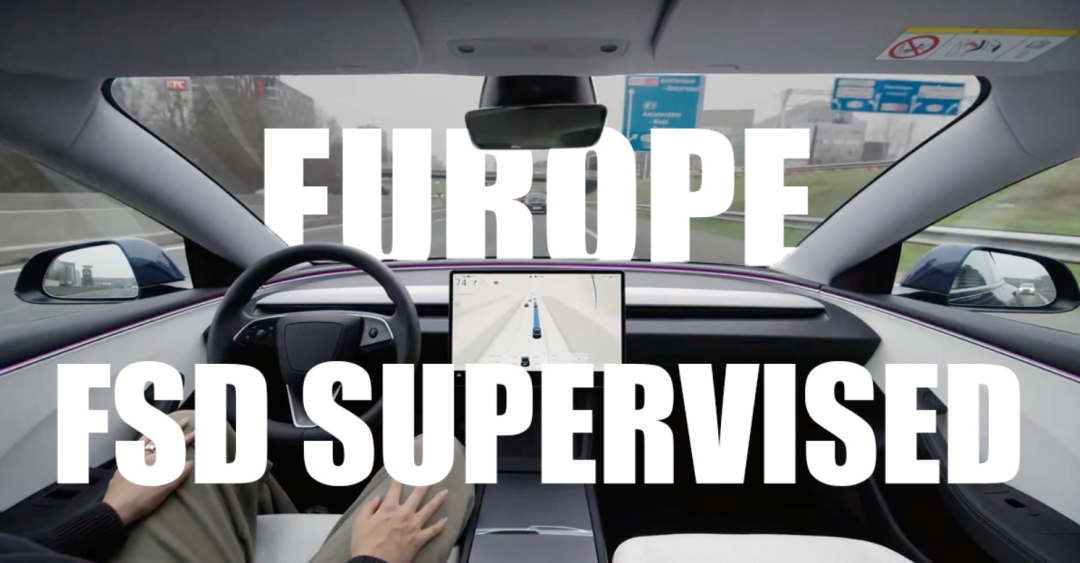
FSD technology illuminated the future of autonomous driving for Chinese automakers. Tesla's vision-based approach achieved leadership in autonomous driving, with its Autopilot system widely deployed globally.
Chinese automakers, while following Tesla's lead, explored tailored technological paths. Some adopted multi-sensor fusion, while others focused on scenario-specific autonomous R&D. Today, China's autonomous driving technology is on par with international standards, with some firms surpassing Tesla in certain scenarios.
Beyond software, Tesla's hardware innovations revealed new 'shortcuts' for Chinese automakers.
Integrated die-casting, another Tesla core technology, merges multiple parts into one, enhancing body strength and reducing costs. Chinese automakers rapidly adopted this technology, with several now mastering it for mass production. Tesla's thermal management systems, electric control integration, and electronic architecture also became focal points for Chinese R&D.
Tesla's entry not only advanced China's NEV technology but also reshaped market dynamics.
Before Tesla's arrival, China's NEV market was dominated by local brands in the low-end segment, while luxury markets were monopolized by traditional premium brands. Tesla's Model S and Model X quickly seized premium NEV market share, breaking the traditional luxury brand stranglehold.
Facing Tesla's competition, Chinese automakers ascended to the premium segment.
Emerging brands like NIO, XPeng, and Li Auto capitalized on intelligence and personalization to win over young consumers. NIO's battery-swapping model, XPeng's autonomous driving tech, and Li Auto's range-extended powertrains forged distinct competitive edges.
These brands not only challenged Tesla's premium NEV monopoly but also elevated China's overall NEV market.
Meanwhile, Tesla's localization in China benefited the domestic automotive supply chain.
Stirring the Pot
Much like Apple nurtured Chinese mobile suppliers, Tesla's Shanghai Gigafactory boosted domestic component firms.
Suppliers partnering with Tesla enhanced their technological and managerial capabilities, supplying high-quality parts not only to Tesla but also to other automakers. This strengthened China's automotive supply chain and boosted the global competitiveness of Chinese component firms.
Tesla's entry indeed refined China's NEV industry ecosystem.
Charging infrastructure, a key barrier to EV adoption, saw Tesla actively deploy superchargers in China, offering convenient charging. Tesla also promoted unified charging standards, enhancing infrastructure interoperability.
Spurred by Tesla, governments and enterprises increased investment in charging infrastructure. Today, China boasts the world's largest charging network, ensuring EV accessibility.
Furthermore, Tesla's presence accelerated related industries. Core components like batteries flourished, with CATL and BYD becoming global leaders. Autonomous driving, vehicle connectivity, and other emerging tech sectors also thrived, attracting tech firms and driving innovation.
Despite Tesla's success, it faces mounting challenges.
The global EV market is intensely competitive, with traditional automakers accelerating electrification. Giants like Volkswagen, Toyota, and GM leverage vast sales networks and brand influence to launch new EV models, capturing market share. Chinese EV startups like NIO, XPeng, and Li Auto also innovate rapidly, posing significant threats to Tesla.
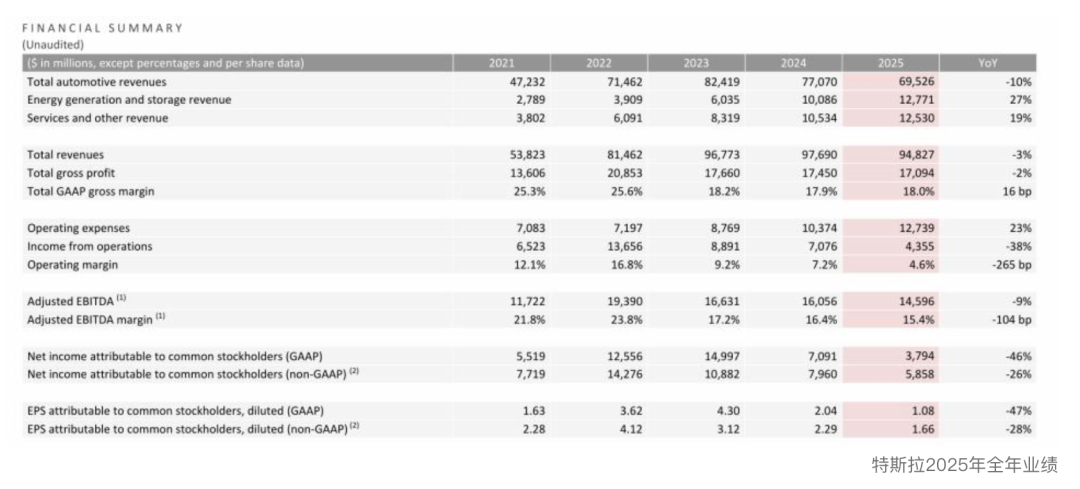
In 2025, Tesla's performance declined for the first time since its inception, with annual deliveries falling 8.6% to 1.636 million units, and revenue and net profit also dropping. In Q1 2026, deliveries fell 14% quarter-on-quarter to 358,023 units, missing expectations and triggering a stock price plunge. The expiration of the U.S. federal $7,500 tax credit also impacted Tesla's U.S. sales.
Facing these challenges, Tesla accelerated its transformation.
In early 2026, Tesla halted Model S and Model X production, repurposing lines for Optimus humanoid robot manufacturing, targeting annual production of 1 million units. Simultaneously, Tesla advanced Robotaxi R&D and mass production, planning Cybercab production without steering wheels or pedals by April 2026.
Many questioned why Musk would 'abandon his roots.'
Tesla's transformation was no accident. Years ago, Tesla began heavily investing in AI and autonomous driving R&D. Its FSD technology iterated rapidly, with significant progress in data accumulation and algorithm optimization. Tesla uses over 9 million vehicles globally as data terminals, collecting vast real-world driving data daily to train autonomous models. This data forms Tesla's AI core competitiveness.
Musk envisions Optimus humanoid robots for industrial production, logistics, and even household services.
Despite Tesla's promising transformation prospects, challenges abound. Commercializing autonomous driving faces hurdles in technological maturity, regulatory limits, and public acceptance. Humanoid robot R&D and mass production must overcome technical and cost barriers.
Additionally, Tesla must balance automotive and new business growth during transition. Currently, automotive remains Tesla's primary revenue source, funding new business R&D. If new ventures fail to commercialize promptly, Tesla's finances could suffer.
While Tesla navigates its transformation, China's NEV industry flourishes across the ocean.
The Rise of Chinese Automakers
Spurred by Tesla, China's NEV industry has evolved from follower to leader, achieving technological breakthroughs.
While Tesla's FSD once illuminated autonomous driving's future for Chinese firms, they did not limit themselves to vision-based solutions. Instead, they explored differentiated paths like multi-sensor fusion and scenario-specific optimization.
Huawei's Harmony Intelligent Driving, leveraging full-stack tech advantages, has accumulated over 1.67 billion kilometers in assisted driving mileage, preventing over 2.15 million potential collisions. XPeng continues to refine urban NOA (Navigate on Autopilot), optimizing for China's complex road conditions and achieving industry-leading responsiveness.
In batteries, CATL's Qilin and BYD's Blade batteries match international leaders in energy density and safety. CATL supplies Tesla and global automakers, while BYD's vertical integration enables self-sufficient battery, motor, and electric control production, offering cost control and supply chain stability.
Tesla's integrated die-casting technology once revolutionized automotive manufacturing. Now, NIO, XPeng, Li Auto, and others have mastered it for mass production, enhancing body strength and reducing costs, narrowing the manufacturing gap with Tesla.
In smart cockpits, Chinese automakers' systems are more intelligent and user-friendly, with widespread voice interaction and gesture control.
Meanwhile, China's NEV supply chain has matured, covering raw material procurement, component manufacturing, and vehicle assembly. Chinese battery, motor, and electric control firms meet domestic demand and export globally. Charging infrastructure leads the world, ensuring EV accessibility.
China's NEV rise has reshaped global automotive dynamics and aided climate change efforts by reducing emissions and promoting energy transition. China's NEV tech and experience offer lessons for other nations.
Once, Tesla disrupted the automotive chain like Apple, breaking traditional fuel vehicle monopolies and driving global NEV growth. Now, at a pivotal moment in global automotive electrification, China's NEV ascent reflects both a response to Tesla's 'catfish effect' and its own accumulated strength.
Looking ahead, with breakthroughs in AI, autonomous driving, and clean energy, global NEV competition will intensify. China must sustain innovation, boost core tech R&D, refine its industrial ecosystem, and enhance brand influence to secure a leading global role.
After all, while Tesla's 'catfish effect' has spurred China's NEV growth, the global automotive revolution is still in its early stages.
Note: Images sourced from the internet. Contact for removal if infringing.
-END-
-
![]()
Jitian Xingzhou: A Pioneer in Optical Payloads Secures Hundreds of Millions in Series B Funding!
-
![]()
Orders Secured Through to the Second Half of the Year! The Rationale Behind the 'Surge' in Demand for This Company’s Optical-Grade Base Films
-
![]()
Beyond Patents: The Retail Rivalry of Insta360 and DJI Unfolds
-
![]()
180 Billion Market Cap Vanished! How Did Seres Fall So Far?
-
![]()
Blockbuster! Domestic storage takes the global double crown for the first time, from an AI company
-
![]()
China Spearheads Formulation! World's Pioneering Global Technical Regulation for Automated Driving Systems Greenlit and Unveiled
-
![]()
Farewell to Pulsed Support Policies: Three Major Auto Policy Directions from Multiple Departments Take Effect on the Same Day
-
![]()
Embercore AI’s Accelerated Funding: The Robot Industry’s Shift Toward ‘Learning Systems’