Are Big Models Overrated and Chips Priced Too High? Cars Lacking These Features May Be Hard to Sell Even as Used Vehicles in Five Years
 04/30 2026
 537
537
Comprehensive intelligence is an inevitable direction for the automotive industry.
Intelligent driving, smart cockpits, chips, big models, end-to-end systems... These terms, which are ubiquitous at new car launches, are gradually becoming integral to the automotive industry. At the Beijing Auto Show, which opened on April 24, major automakers and intelligent driving companies showcased their latest plans, technologies, and products in the field of autonomous driving.
Some even engaged in heated debates due to differing technological philosophies.
The question remains: Do cars, primarily seen as "transportation tools," truly need these intelligent features? Should consumers bear the costs of software and hardware upgrades for intelligent driving and smart cockpits?
Big Models: Revolutionizing the Automotive Industry
Years ago, the automotive industry began incorporating voice assistants and reducing physical buttons in cars. Many users complained that voice assistants were "clunky" and difficult to use, while operating the central control screen was cumbersome and unsafe, arguing that physical buttons should remain. Today, however, voice assistants have gained wider acceptance, driven by the integration of big models.
With big models on board, voice assistants in smart cockpits now exhibit two key characteristics.
First, they enable "see-what-you-say" functionality across all scenarios, allowing big models to understand on-screen content and operate based on user voice commands. Second, they can comprehend vague instructions. Adjusting the air conditioner no longer requires specifying a temperature or fan speed; a simple "It's too hot, and the wind is too weak" prompts the voice assistant to adjust the settings automatically, eliminating the need for precise voice commands.
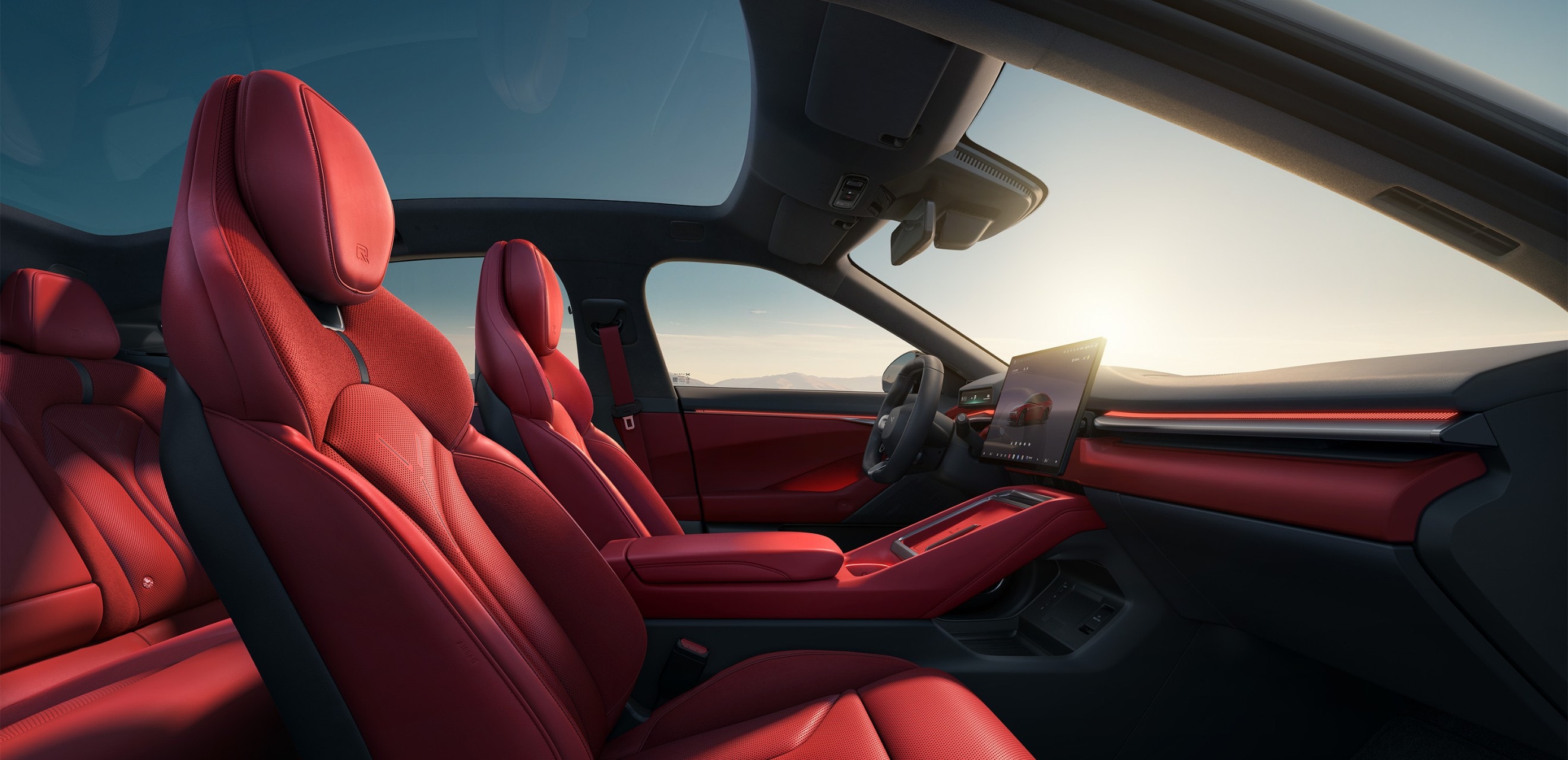
(Image Source: XPENG Motors)
Moreover, automakers like VOYAH, Seres, and XPENG are leveraging sensors and big models to enable smart cockpits to understand users' moods and emotions. Now, smart cockpits remember your preferred routes, music, air conditioning settings, and fixed habits, such as picking up and dropping off your child every weekend.
In terms of intelligent driving, the shift from rule-based to end-to-end big model-driven systems, and further to VLA (Vision-Language-Action models), represents a gradual move away from fixed operational rules toward understanding the world and learning human driving behaviors.
Humans require extensive driving experience to become skilled drivers.
While intelligent driving systems lack human abstract thinking, they possess far greater experience than humans. BYD revealed that vehicles equipped with its "Divine Eyes" system now exceed 2.85 million units, generating over 180 million kilometers of data daily.
In other words, the experience accumulated by intelligent driving systems in a single day surpasses what a human could achieve in a lifetime.
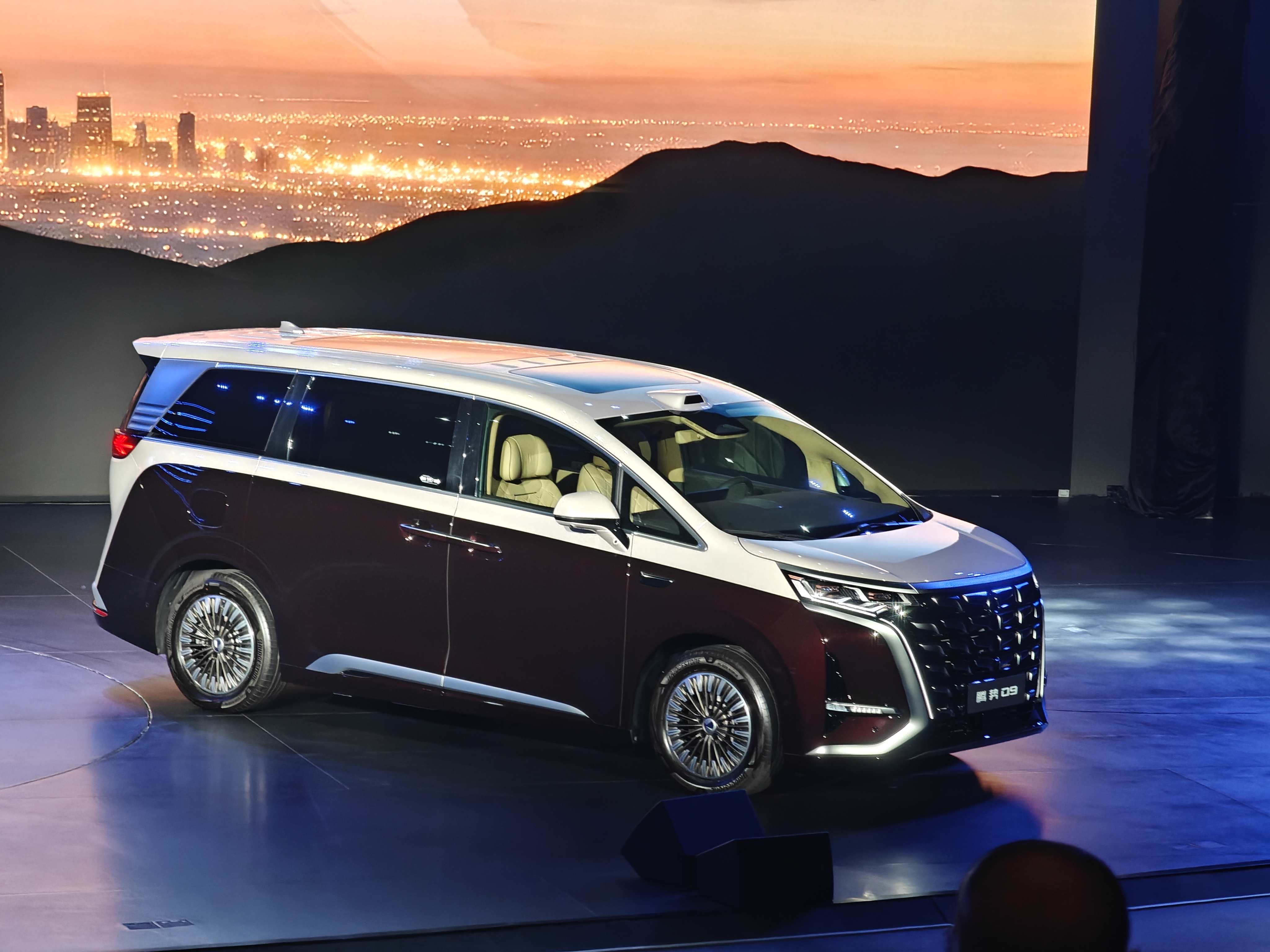
(Image Source: Dianchetong)
When driving vehicles equipped with smart cockpits and advanced intelligent driving systems, Dianchetong (ID: dianchetong233) finds that cars are becoming increasingly "human-like."
Voice assistants powered by big models understand vague instructions more accurately, eliminating the need for deliberate commands. They not only control vehicle functions but also generate images and text using big models to assist users in office tasks.
The same applies to intelligent driving, which has evolved from being criticized for rigid adherence to rules and low efficiency to confidently overtaking and taking alternative routes, resembling experienced drivers. The key difference lies in intelligent driving systems' ability to precisely measure distances to obstacles through sensors like LiDAR, cameras, millimeter-wave radar, and ultrasonic radar, surpassing even the most skilled human drivers.
The integration of big models enables artificial intelligence to better understand human needs, gradually liberating humans in driving scenarios. Dianchetong (ID: dianchetong233) believes that the changes big models bring to the automotive industry far outweigh those of electrification.
If forced to choose between new energy and intelligence, the preference would undoubtedly lean toward intelligence. Fortunately, the two are not mutually exclusive; in fact, the rapid response capabilities of electric motors are better suited for intelligent driving.
Reserving High-Performance Computing Power for Future Redundancy: A Wise Move
Intelligent driving and smart cockpits not only enhance the user experience but also increase costs. Some automakers promote "L3/L4 hardware support" by equipping their products with chips offering 2000-3000 TOPS of computing power, while others use chips with only 200-800 TOPS, with little difference in intelligent driving performance. This has led some consumers to question the value of high-performance chips.
Dianchetong (ID: dianchetong233) argues that the key benefit of high-performance chips lies not in increasing car purchase costs but in reducing future vehicle replacement costs.
Take Tesla, an industry leader, as an example. FSD V14.3 supports only the AI4 (HW4.0) platform and later models. Vehicles equipped with the AI3 (HW3.0) platform, limited to 144 TOPS, cannot meet the new platform's requirements and can only upgrade to FSD V14 Lite.
XPENG Motors faces a similar issue. Models equipped with a single Turin chip or dual Orin-X chips cannot upgrade to the full-fledged second-generation VLA system, only to its distilled version.
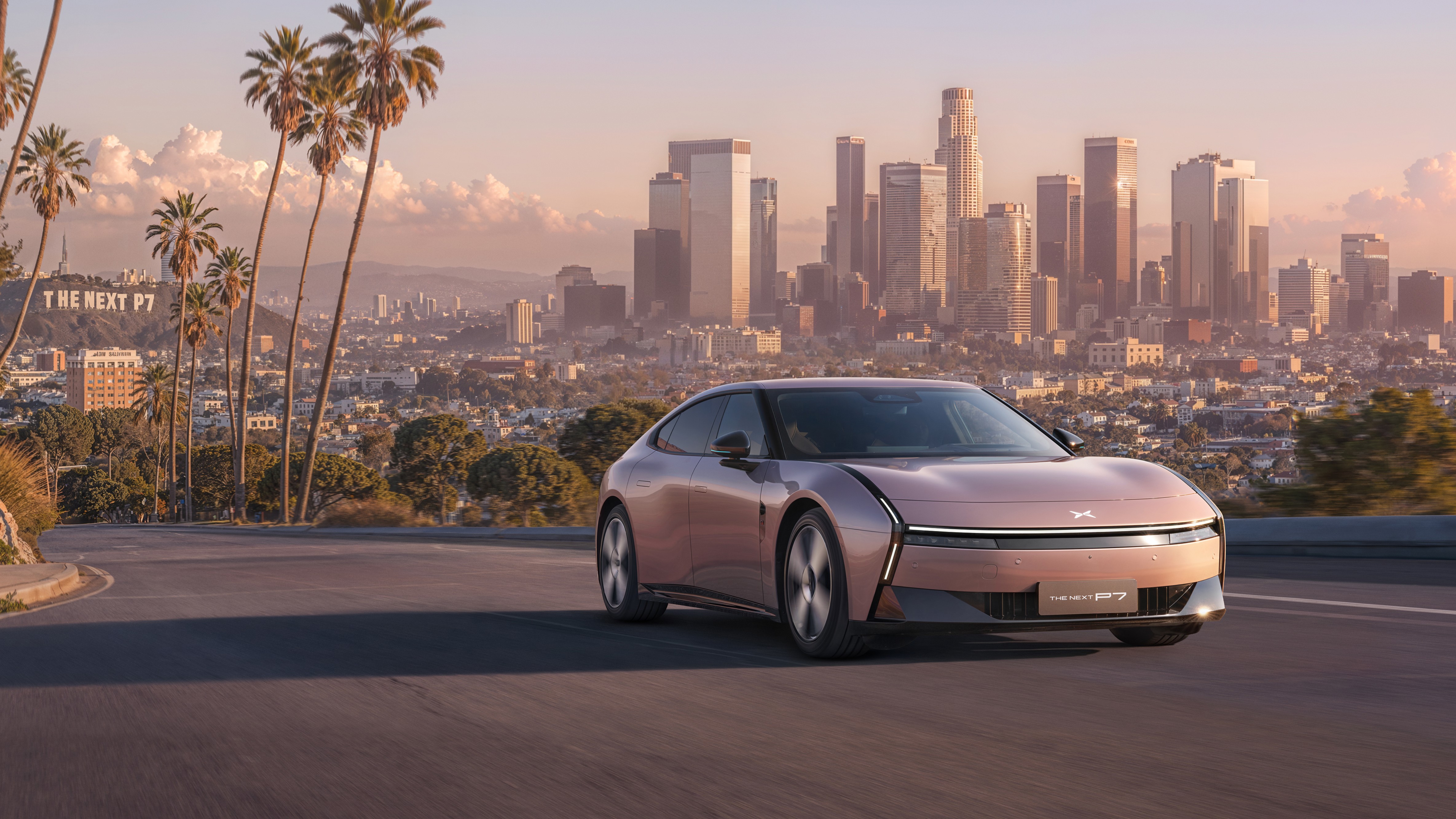
(Image Source: XPENG)
If hardware does not meet L3/L4 requirements today, consumers eager to adopt new technologies will be forced to replace their vehicles when autonomous driving becomes mainstream. Hardware incompatible with L3/L4 will result in poor vehicle resale value and low residual worth for second-hand cars.
In the long run, investing in computing power chips now is more cost-effective than purchasing expensive new vehicles later.
More critically, computing power is part of the safety redundancy for intelligent driving systems. When handling complex tasks, low-performance chips may experience slow calculations due to insufficient power. On highways, even slight differences in response speed can lead to accidents.
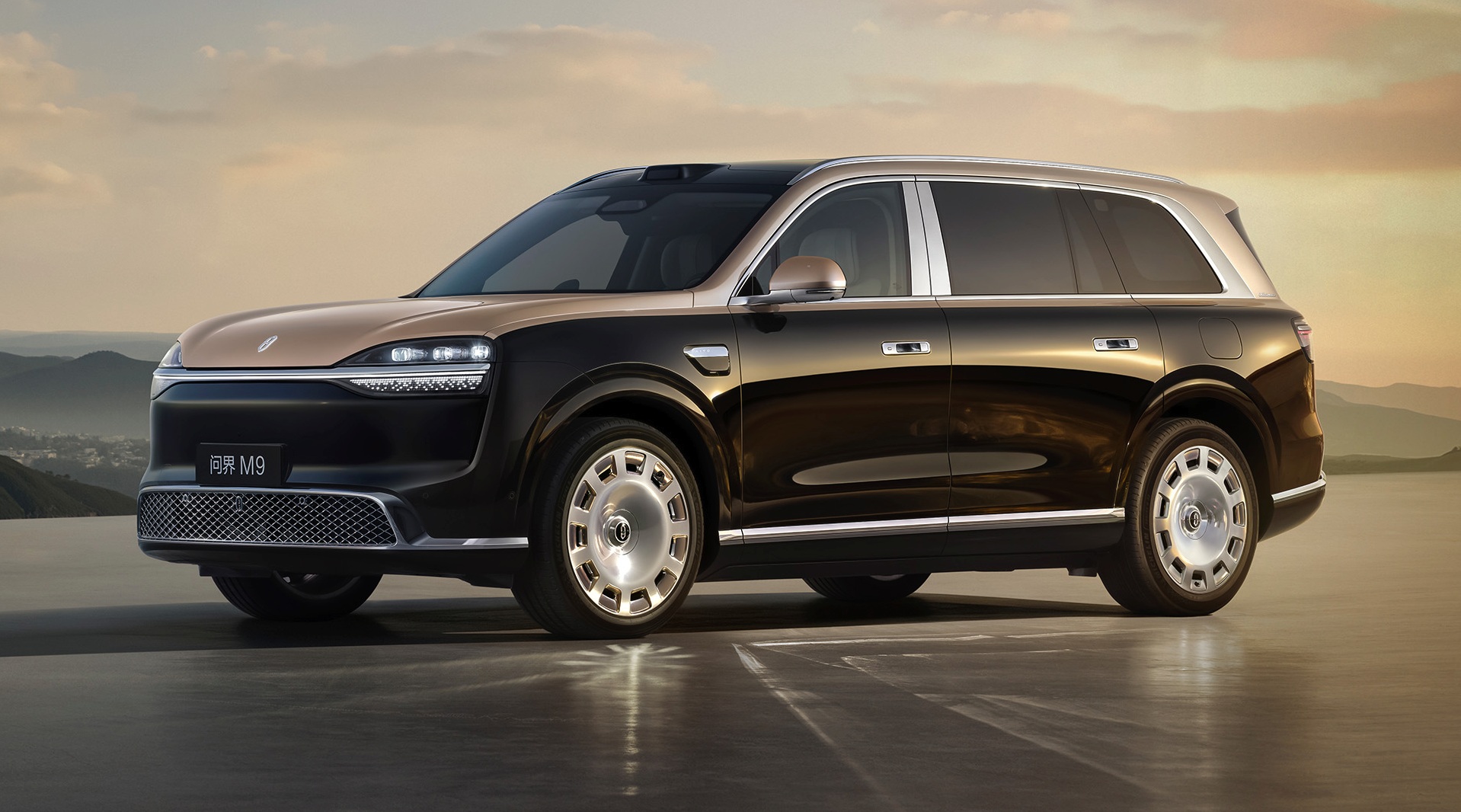
For this reason, automakers not only increase chip computing power but also equip many products with multiple intelligent driving chips to prevent system failure if one chip malfunctions. In terms of sensors, new vehicles supporting autonomous driving are generally equipped with multiple sensors and radars. Even LiDAR, once abandoned by some automakers due to high costs, is now featured in three to four units on high-end vehicles, ensuring comprehensive safety for intelligent driving systems.
(Image Source: Harmony Intelligent Mobility)
Of course, Dianchetong (ID: dianchetong233) acknowledges the diminishing returns of chip computing power. Currently, 1000 TOPS is sufficient for mainstream automakers' intelligent driving systems. For instance, Tesla's AI4 platform offers 720 TOPS, while Xiaomi's newly released SU7 features only 700 TOPS of intelligent driving chip computing power.
Considering costs, many models adopt a "good enough" approach to chip computing power, with only a few equipping chips offering 2000-3000 TOPS. The choice depends on individual driving plans and financial situations.
If your budget allows and you plan to replace your vehicle soon, choose based on preference. If you intend to keep your car for a long time, opt for models with hardware already supporting L3/L4.
We Need Intelligence—and Refrigerators, TVs, and Spacious Sofas
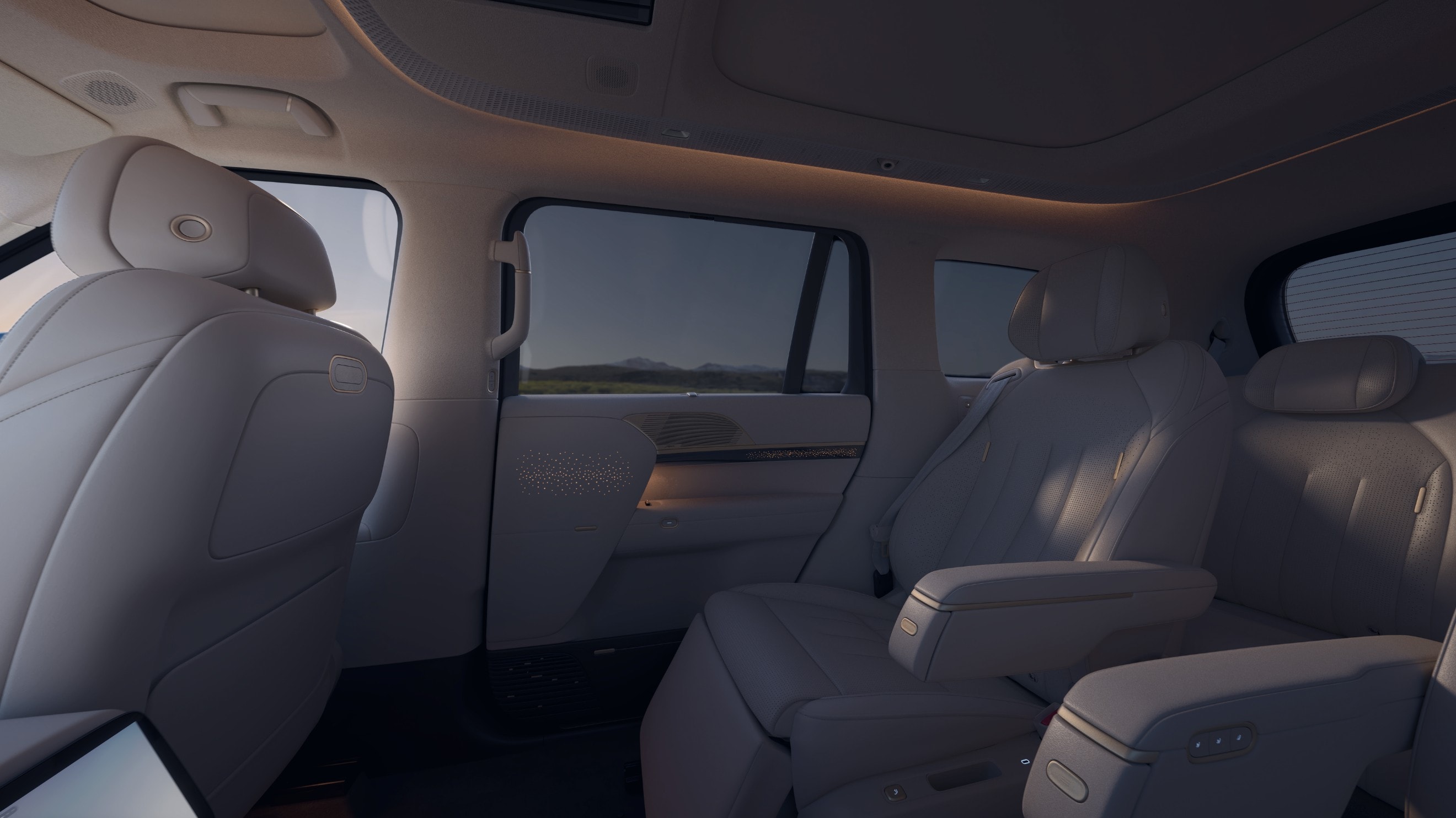
Decades ago, luxury automakers began equipping vehicles with comfort features like refrigerators and TVs. Since then, cars have evolved from mere transportation tools into "mobile spaces on wheels."
However, due to high costs, refrigerators, TVs, and spacious sofas were long exclusive to million-dollar luxury cars, unavailable to ordinary consumers. The rise of the new energy vehicle industry and domestic automakers has broken this trend.
The advent of new energy technologies and intelligence has made "mobile homes" a reality. Despite ongoing debates, no one can deny the automotive industry's shift toward new energy and intelligence. After all, the low travel costs of new energy and the advanced intelligent driving and cockpit systems have already demonstrated the benefits of new technologies.
Our debates over whether cars need intelligence essentially question the nature of "travel." It is never simply about getting "from point A to point B" but about safety, convenience, and comfort during the journey.
Big models make cars more attuned to human needs, high-performance computing power ensures safety, while refrigerators, TVs, and spacious sofas add warmth to every trip. These features are not mutually exclusive choices but inevitable products of cars' evolution from "transportation tools" to "mobile homes."
(Image Source: XPENG Motors)
The debates among automakers and consumers' dilemmas are normal growing pains during industry transformation. We should not blindly pursue "higher computing power at all costs" nor deny the value of "refrigerators, TVs, and spacious sofas." After all, cars ultimately serve people.
Whether through technological breakthroughs in intelligence or detail-oriented comfort upgrades, the goal is to make travel more heartfelt and secure.
If your budget allows, configurations like smart cockpits, intelligent driving, refrigerators, TVs, and spacious sofas, which enhance the travel experience, are always better to have. If not, domestic brands offer numerous cost-effective models targeting mid-range and low-end markets.
(Cover Image Source: XPENG Motors Official)
BYD, Tesla, XPENG, Intelligent Driving, Smart Cockpits
Source: Leikeji
Images in this article are from 123RF's licensed image library.
-
![]()
Expert Interpretation of New Policy Combination: Activating the Trillion-Dollar Automotive Aftermarket
-
![]()
Doubao Goes 'Professional', Volcano Rolls the Snowball
-
AI: No Sign of a Bubble!
-
![]()
NVIDIA-Backed AI Unicorn Secures $1.5 Billion Funding: Revenue Soars 2000%
-
![]()
Doubao Pro is Here: How Can Seed 2.1 Be Integrated into Real Processes?
-
"PCB Juice" Sees Four Consecutive Declines: Even Computing Power Material Suppliers Can't Lift This "Old Stock"
-
![]()
Potential 'Seismic Shift' in the U.S. TV Industry: Competition Shifts from Hardware Sales to Traffic Entry Points
-
![]()
Audi A6L's Defense in the Luxury C-Class Market: Following Huawei's Smart Driving Integration, Is Large-Battery HEV the Next Move?