BYD and Geely Lead the Way in Stepping Back from the Price War
 05/06 2026
 543
543
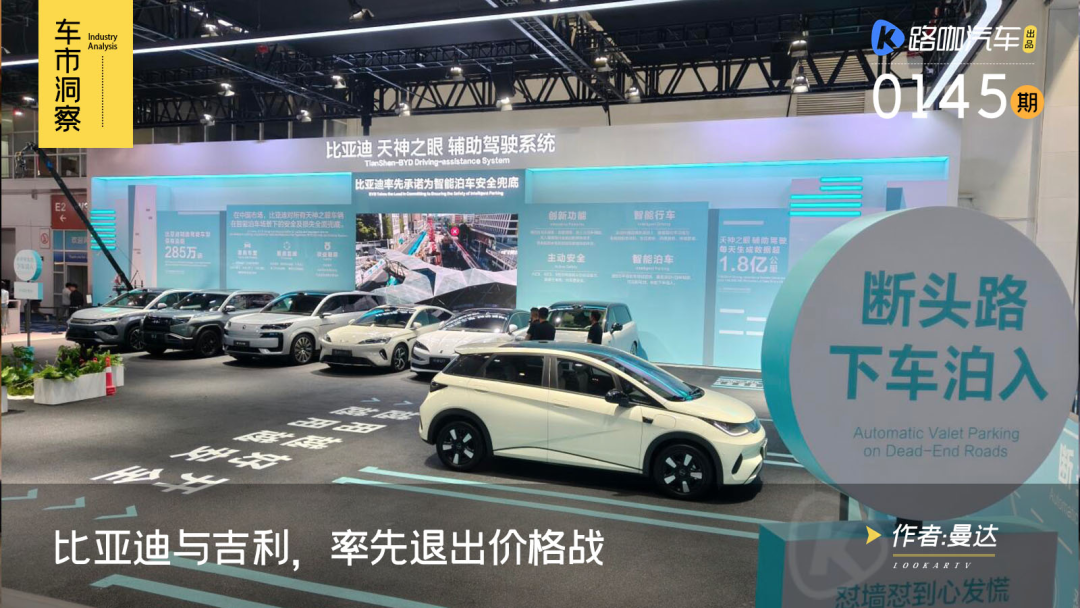
The auto market's 'false spring' in the first quarter is evident not only in automakers' sales figures but also in their financial performance.
In the first quarter of 2026, Geely edged out BYD by less than 10,000 vehicles to claim the top spot as China's leading automaker. With substantial increases in both revenue and gross profit margin, Geely emerged as the biggest winner in the auto market. Meanwhile, both Geely and BYD, two prominent Chinese automakers, set record-high export figures, successfully boosting the overseas sales of Chinese vehicles.
Despite the sales excitement, profit disappointments loomed large. Financially, Seres, which mainly markets premium vehicles under the AITO brand, also fell prey to the trend of revenue growth without corresponding profit increases. Amidst rising raw material prices, such as memory chips, the prolonged price war has finally shown signs of becoming untenable.
'False Spring' in Q1 Auto Market, with Exports as the Major Highlight
The auto market in the first quarter experienced a 'false spring,' akin to a seasonal phenomenon. On a macro level, Q1 vehicle sales dipped by approximately 5.6% year-on-year, while exports surged, reaching 875,000 units in March alone and driving cumulative Q1 exports to exceed 2.2 million units, with new energy vehicles being the primary contributor.
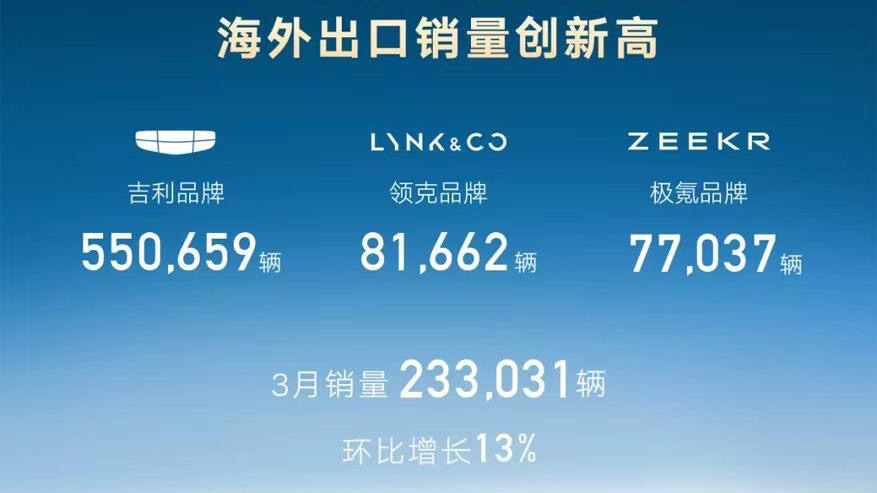
This trend aligns with the sales performance of China's two automotive powerhouses, BYD and Geely, in the first quarter. BYD's cumulative Q1 sales surpassed 700,000 units, with exports accounting for over 45%. Geely overtook BYD in Q1 to become China's top automaker, with cumulative sales of 709,000 units, including over 200,000 exports. The sales gap between the two automakers was minimal, less than 10,000 units, making this year's competition for the top spot in China's auto market fiercely competitive.
BYD's Q1 revenue was approximately 150.2 billion yuan, a 11.82% decrease year-on-year; net profit attributable to shareholders was about 4.09 billion yuan, down approximately 55% year-on-year. Notably, its overseas market showed robust growth, with cumulative Q1 exports exceeding 320,000 units.
Why did profits decline? Financially, three factors can be pinpointed: the lull following the Spring Festival holiday + the price war; transitions in product lines; and increased investments during the overseas expansion phase.
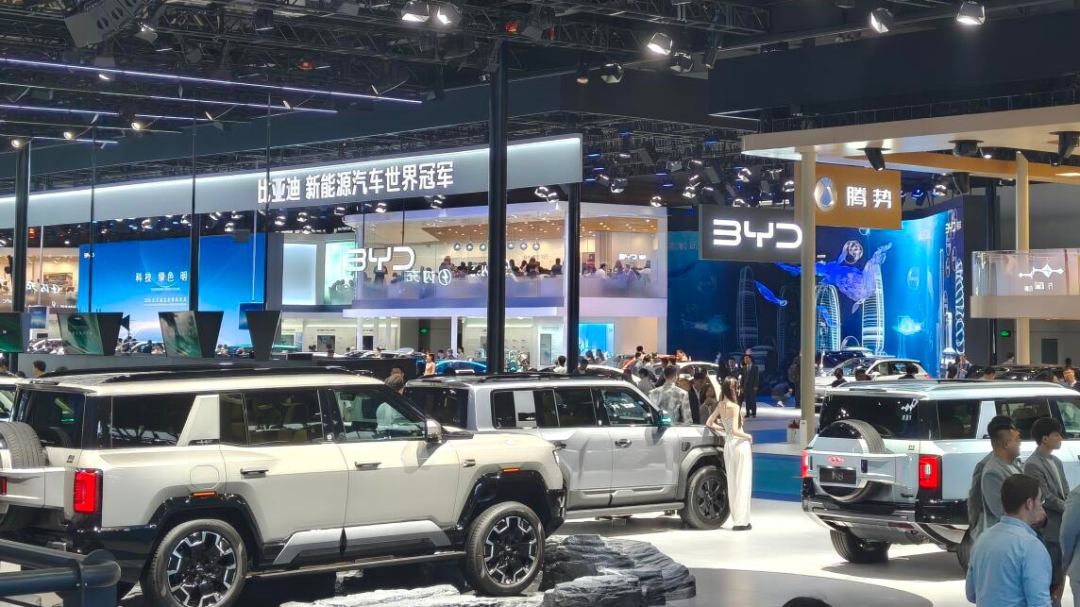
Geely's Q1 revenue was approximately 83.78 billion yuan, a 15% increase year-on-year; net profit attributable to shareholders was about 4.166 billion yuan, down approximately 27% year-on-year; gross profit margin improved to about 17.5%. Q1 cumulative new vehicle sales exceeded 709,000 units, a 9% increase year-on-year. Exports surpassed 200,000 units, a 126% increase year-on-year, becoming the biggest growth driver.
With a 40% increase in total group sales and over 21% growth in domestic sales, Geely was undoubtedly the biggest winner in the first quarter. Geely mentioned in its financial report that although its core business generated substantial profits, overall net profit was affected by exchange rate fluctuations.
Seres' profit growth did not match its revenue growth. Q1 revenue was approximately 25.75 billion yuan, a 34.5% increase year-on-year; net profit attributable to shareholders was about 754 million yuan, up only 0.89% year-on-year, with non-recurring profit and loss of about 103 million yuan, showing a significant year-on-year decline. Sales and revenue contributions primarily came from the AITO brand.
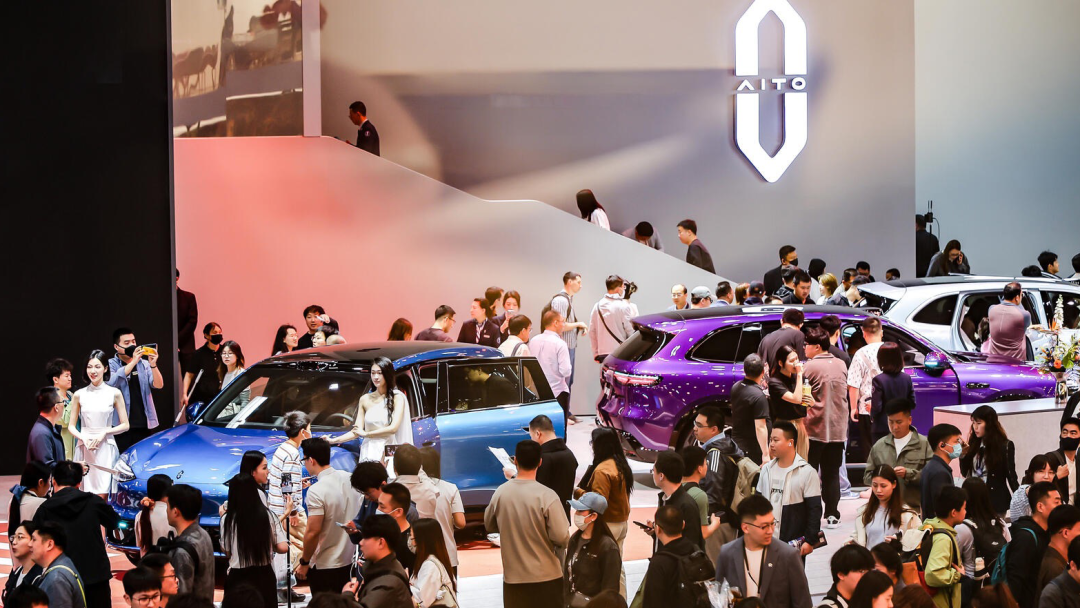
In the first quarter, cumulative sales of the AITO series exceeded 70,000 units, a 55.64% increase year-on-year. However, compared to December's monthly sales of over 60,000 units, the first quarter can be considered a sales lull.
Generally, the first quarter is a slow season for new car sales. This year's first quarter, however, was particularly challenging, with intense market competition exacerbating the seasonal effect. Financial results from the three automakers reveal that the domestic auto market is a 'red ocean' where price wars have raged since the beginning of the year. In this 'meat grinder,' even giants like BYD and Geely face profit pressures. Even for Seres, which focuses on premium models like AITO, the profit pressure is substantial.
Industry-Wide Struggle: The Price War Becomes Unsustainable
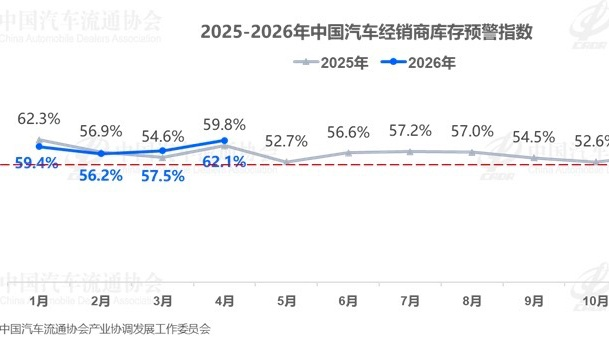
Now, a month into the second quarter, market competition remains fierce. According to the latest 'China Auto Dealer Inventory Warning Index Survey' released by the China Automobile Dealers Association, the inventory warning index for Chinese auto dealers in April was 62.1%, a 2.3 percentage point increase year-on-year and a 4.6 percentage point increase month-on-month, second only to January's 62.3% this year.
Some terminal dealers reported that despite the pre-event hype surrounding the Beijing Auto Show in late April and the launch of several new models, customer traffic in stores did not increase significantly, with orders and transaction volumes remaining low. Some dealers even noted that the concentrated launch of new models intensified consumer wait-and-see sentiment.
While the operational pressures on auto dealers are a recurring topic, entering 2026, automakers must also contend with rising raw material costs.
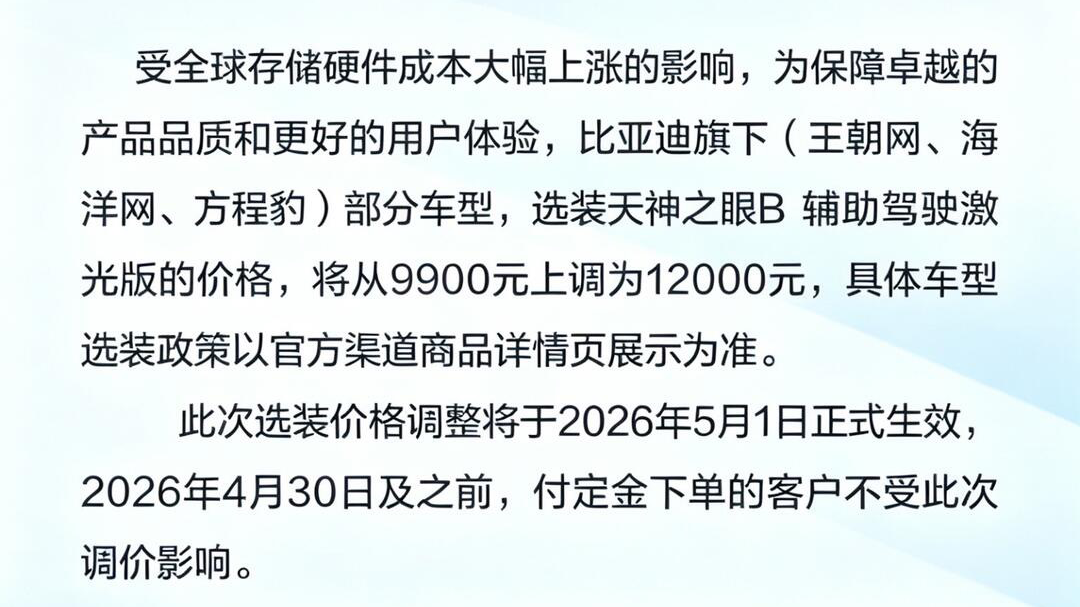
On April 28, BYD announced that starting in May, the optional price for the 'Divine Eye B' advanced driver-assistance laser version on select models from its Dynasty, Ocean, and Fangchengbao series would increase from 9,900 yuan to 12,000 yuan, a rise of 2,100 yuan. BYD attributed this price adjustment to 'significant global increases in storage hardware costs.'
Prior to this, Chery's premium brand, Exeed, announced a price increase for the Exeed ET5 due to rising raw material costs. Chang'an Qiyuan announced before the May Day holiday that the price of the Q07 Shenshu Intelligent Laser Version would increase by 3,000 yuan due to chip supply issues.
In fact, beyond rising memory prices, signs of the unsustainability of the price war are evident in the new models released this year.
From March to April, BYD and Geely unveiled their latest major new technologies. For example, BYD launched its second-generation Blade Battery and megawatt-level flash charging technology in early March, while Geely introduced its latest-generation i-HEV hybrid technology in April. Subsequently, new models equipped with these technologies were gradually introduced to the market.
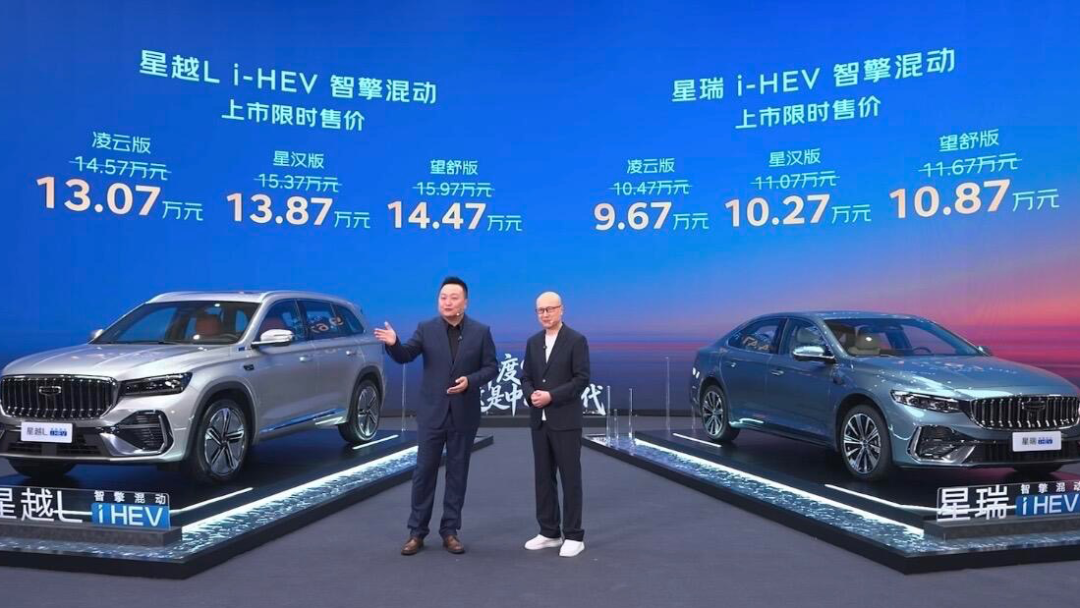
Geely's China Star i-HEV Smart Hybrid twins launched on April 29, with the Xingrui i-HEV priced at a limited-time offer starting at 96,700 yuan and the Xingyue L i-HEV at 130,700 yuan. Rather than simply maximizing the price difference with the fuel versions, these models feature high thermal efficiency, low fuel consumption, and intelligent cockpit/driving systems as standard or high-end configurations, representing a stable pricing strategy of 'slightly higher prices, significantly enhanced features.'
BYD streamlined the SKUs of the Han EV Flash Charging Edition, offering only two variants, all equipped with the second-generation Blade Battery and flash charging, priced between 179,800 and 187,800 yuan, prioritizing range and charging experience. Meanwhile, it made the true cost of advanced intelligent driving explicit, raising the optional price of the 'Divine Eye B' laser version due to upstream storage cost increases. For its premium MPV segment, the second-generation Tengshi D9 streamlined its matrix to six variants, with the starting price raised to 359,800 yuan.
AITO increased prices by about 10,000 yuan from the previous model after upgrading to Huawei's 896-line LiDAR and new intelligent driving solution. This indicates a common strategy among automakers in 2026: optimizing SKUs and streamlining configurations rather than relying on price cuts. Once leading automakers take the lead in stepping back from the price war, the prolonged price war finally shows signs of truly coming to an end.
-
![]()
Is Zhipu's Trillion-Yuan Market Cap, Despite No Profit, Truly 'Outrageous'?
-
![]()
XiaoPai Unveils Home AI Brain, Paving the Way for Smart Homes to First Grasp 'Home Understanding'
-
![]()
Is the Future of Extended-Range EVs Pure Electric or Li Auto’s 5C Extended-Range? A Li Auto Executive Shares Insights
-
Ant Group’s New Board of Directors: Signaling a New Era?
-
![]()
Google Initiates TPU Sales, as Industry Leaders Eye AI Chips for 'Cost-Effective Tokens'
-
![]()
Input Methods: The Rising Star in AI! WeChat, Doubao, and Qianwen Lead the Charge into the Voice Input Era
-
![]()
Struggling to Sell? Cut It Out! Toyota, Volkswagen, and Changan Lead the Charge in Streamlining, Eliminating Non-Core Products in the Blockbuster Model Era
-
![]()
Arm China and Volcano Engine Join Forces to Expedite Cloud Computing and AI Infrastructure Rollout