Ultra-Luxury Cars Undergo Collective 'Trial'
 05/09 2026
 624
624

Introduction
This 'trial' signifies a significant industry restructuring and a reassessment of how ultra-luxury brands position themselves.
Porsche has divested its stake in Bugatti.
Just a week ago, Porsche announced the sale of its 45% stake in Bugatti Rimac, fully withdrawing from Bugatti's operational and capital involvement. With Porsche's complete exit, Bugatti officially leaves the Volkswagen Group's ecosystem, embarking on a new phase of development.
Founded in 1909, Bugatti is a century-old ultra-luxury sports car brand that has long operated under the Volkswagen Group's wing, utilizing the group's substantial financial resources to深耕 (this Chinese phrase, meaning "deeply cultivate" or "focus on") the ultra-luxury market.
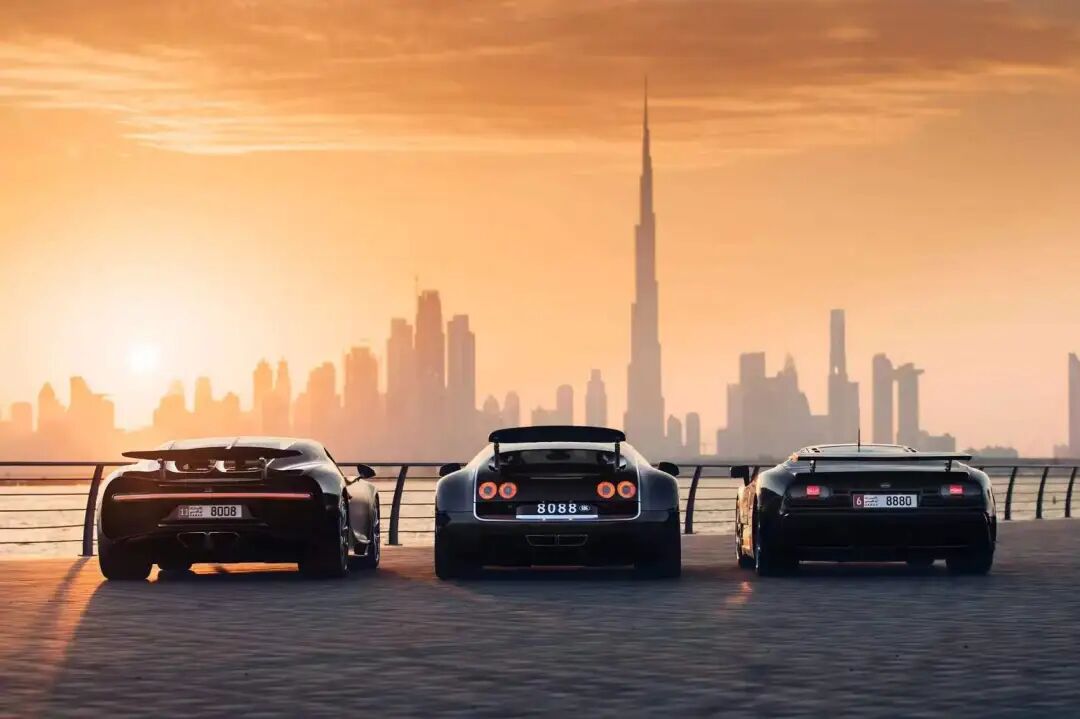
Due to Bugatti's consistently low annual production and the enormous costs associated with extreme performance R&D, exclusive production lines, and high-end material investments, achieving economies of scale has remained elusive. The stark contrast between escalating R&D expenditures and minimal revenues from mass production has gradually burdened the Volkswagen Group financially, compelling the conglomerate to confront operational realities and weigh profitability pressures against brand strategic trade-offs.
In 2021, Porsche and Croatian sports car manufacturer Rimac Group jointly established Bugatti Rimac, with Rimac holding a 55% controlling stake and Porsche retaining the remaining 45%. Essentially, Volkswagen transferred Bugatti's equity into the joint venture in exchange for shares, which were then allocated to Porsche.
Porsche Exits, Facilitating Bugatti's Transformation
According to Porsche's latest announcement, the company has finalized agreement signings, primarily involving two equity changes: first, selling its 45% stake in Bugatti Rimac, and second, divesting its 20.6% stake in Rimac Group. Subsequently, Rimac Group will gain absolute control over Bugatti Rimac.
01 Porsche 'Offloads' Bugatti to Survive
It is reported that Porsche's aforementioned stakes will be transferred to an international consortium led by New York-based venture capital firm HOF Capital. Pending antitrust reviews and regulatory approvals, the transaction is expected to close by the end of 2026.
Neither Porsche nor Bugatti Rimac disclosed specific financial terms of the deal, but sources familiar with the matter told Reuters and other foreign media that Bugatti Rimac's current overall valuation exceeds $1 billion (approximately RMB 7 billion).
Porsche CEO Michael Leiters stated that after selling its stake, Porsche will concentrate resources on its core business.
Since 2025, Porsche has faced multiple operational pressures, including sharp profit declines, setbacks in electrification transition, and global dealer network contractions. These internal challenges coincide with external factors such as U.S. tariff barriers under the Trump administration and weakening luxury car demand in core markets, collectively straining sales and profitability.
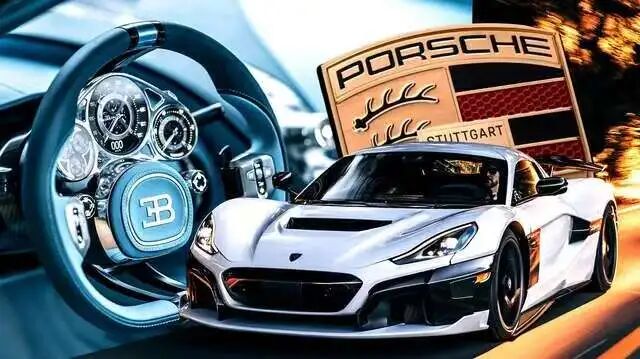
Faced with this grim situation, new CEO Michael Leiters was compelled to initiate strategic self-rescue measures. On one hand, he divested non-core assets like Bugatti Rimac to recoup cash flow and reduce burdens; on the other, he comprehensively advanced group-wide business restructuring and strategic adjustments to stabilize operations, restore profitability, and reposition the brand for future development.
Despite Bugatti's reputation as a 'top-tier ultra-luxury sports car,' it has once again become a financial black hole with high inputs and low outputs amid Porsche's internal and external struggles, leading to its complete divestiture by Porsche.
In reality, Porsche is also struggling to sustain itself.
Volkswagen Group's operating profit for 2025 stood at €8.87 billion, a 53.5% plunge from €19.1 billion in 2024—effectively halved. Net profit after tax slid 44% from €12.4 billion the previous year to €6.9 billion, marking the lowest level since the 2016 'Dieselgate' emissions scandal.
One core reason for the profit cliff was strategic adjustments at Porsche, its ultra-luxury brand.

Data shows Porsche's operating profit plummeted from roughly €5.3 billion the previous year to just €90 million in FY 2025. In Q3 alone, Porsche suffered a staggering €966 million loss, nearly erasing profits accumulated in the first two quarters.
Once a highly profitable brand, Porsche's transformation from Volkswagen's 'profit cow' to a 'profit drag' stems from dual pressures: strategic vacillation in electrification and external shocks.
In September 2025, Porsche announced major strategic shifts, delaying some all-electric models, extending ICE vehicle lifecycles, and replanning product platforms, incurring €5 billion in restructuring costs.
02 The Era of Effortless Profits Has Ended
Layoffs and Massive Losses: Even Top-Tier Luxury Brands Can No Longer Hold On
Aston Martin, a 112-year-old British brand, has conducted two rounds of layoffs in just one year. Facing a £289 million loss in FY 2024, Aston Martin announced 5% layoffs (~170 employees) in 2025, aiming to save £25 million annually.
Initially believing a single round of cuts would stabilize financials without 'drastic measures,' Aston Martin announced a second round of layoffs in February 2026, raising the ratio from 5% to 20% amid worsening finances, external shocks, and strategic contractions.
While management downplayed the impact, emphasizing the 20% reduction targeted a broader scope—including permanent staff, contractors, and outsourced personnel—for holistic workforce optimization and cost reduction, the back-to-back adjustments within a year reflect Aston Martin's gradual survival strategy amid the market downturn.
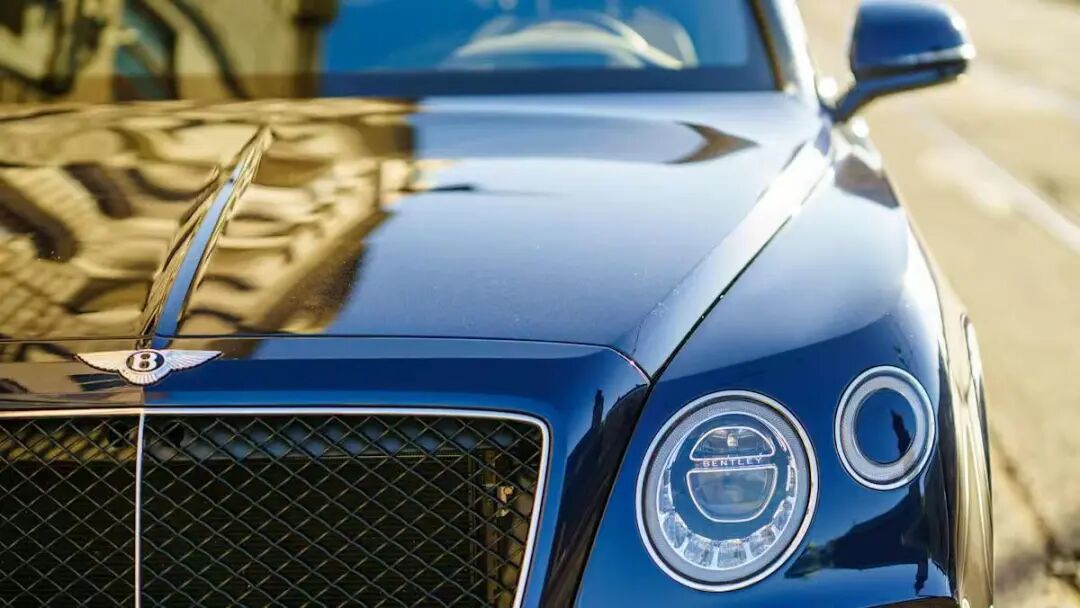
In March 2026, Bentley also announced layoffs.
According to official statements, the latest strategic contraction will affect 275 roles, impacting management, outsourced personnel, and non-production employees. Local union representatives told Bloomberg and other media, 'The news came as a shock to all employees.'
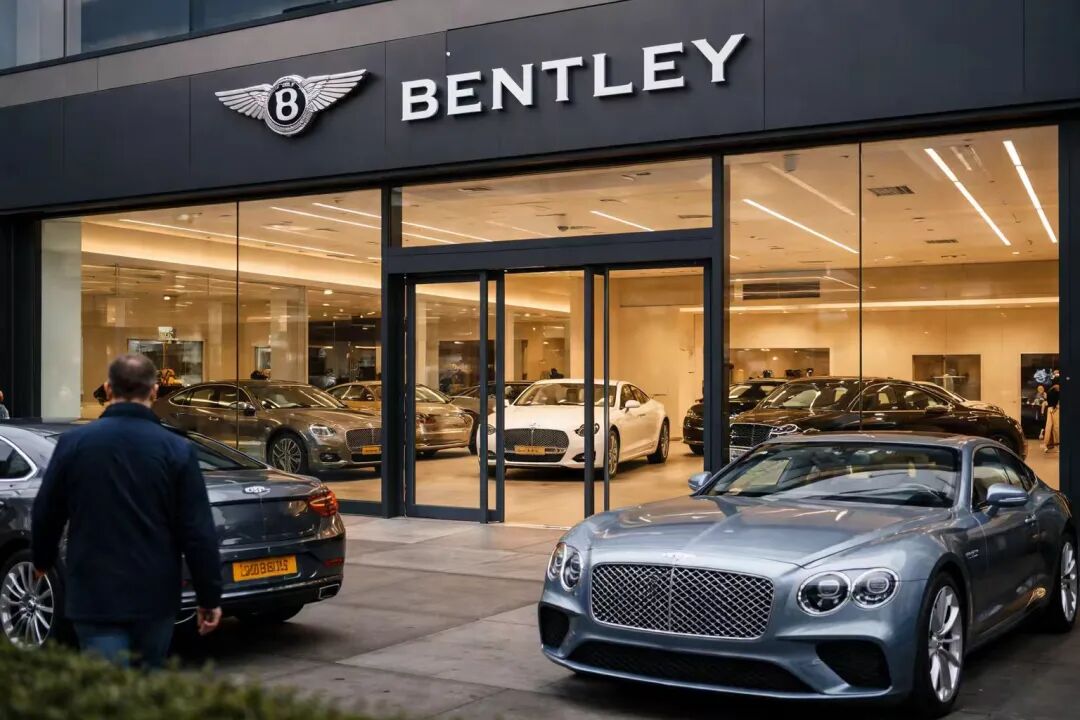
Latest financials show Bentley remained profitable for the seventh consecutive year, but revenue fell 1.25% YoY to €2.615 billion in 2025, while operating profit plunged 42% to €216 million—nearly halved.
Three years ago, Bentley announced a £2.5 billion investment to electrify its Crewe plant, including a design center, all-electric production lines, and paint shops. However, the electrification transition encountered high inputs, low returns, and disrupted timelines.
With profits and sales declining, Bentley postponed its all-electric transition targets, slowed pace, and tightened costs to preserve long-term competitiveness. Electrification is notoriously 'cash-intensive,' but mid-transition strategic vacillation also incurs hefty expenses.
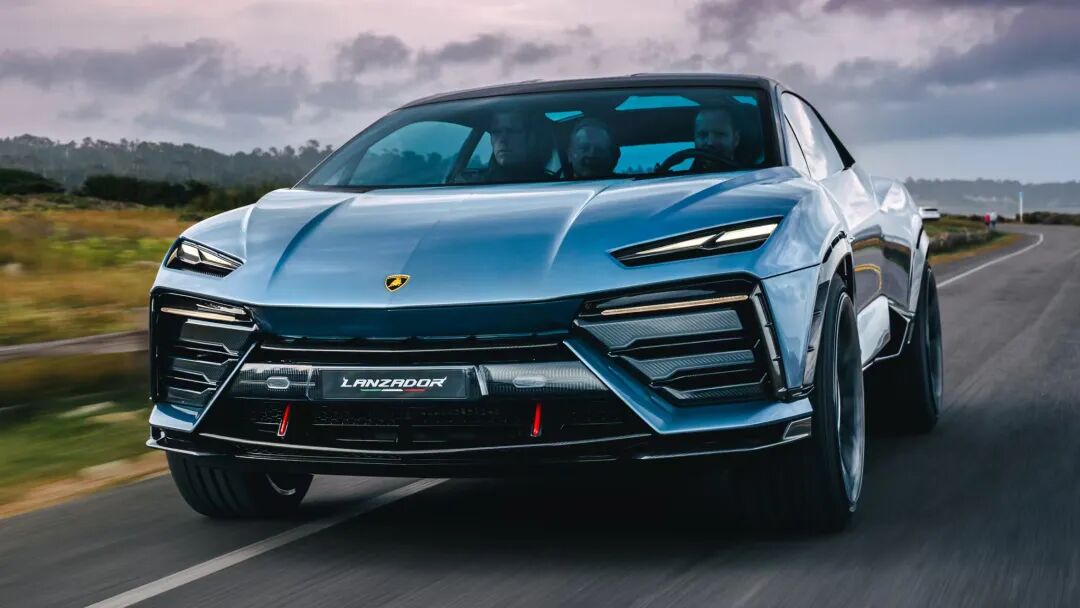
Lamborghini made a similar decision.
In February 2026, Lamborghini officially canceled its first all-electric supercar project, the Lanzador. The concept debuted in 2023, garnering global attention, with plans for 2028 production later delayed to 2029. After multiple setbacks, the project was ultimately terminated.
Lamborghini's CEO stated the cancellation and shift to PHEV models stemmed from customer rejection. Extensive research revealed near-zero interest among core customers for all-electric supercars lacking V8/V12 engines, as electric models cannot replicate engine roar, mechanical feedback, or shifting dynamics.
From Bentley's layoffs and cost controls, Porsche's strategic contraction and Bugatti divestiture, to Lamborghini's electric project cancellation and Aston Martin's two-round layoffs, once-dominant ultra-luxury brands now collectively face a 'trial.'
This industry-wide downturn results not from isolated brand missteps but from overlapping economic headwinds, weakening consumption, electrification transitions, and regulatory constraints. Once defining luxury through extreme performance and brand premiums, these brands now confront unprecedented survival challenges at a pivotal turning point.
Layoffs, investment cuts, project cancellations, and asset sales—once alien to ultra-luxury brands—have become shared survival tactics. Former profit engines now drag down groups, ambitious electric blueprints face abrupt halts, and century-old legacies bow to cost pressures.
This 'trial' signifies a profound industry restructuring and ultra-luxury brands' reassessment of their market positioning. Only by humbling themselves, confronting adversity, and recalibrating amid adjustments can these century-old marques, known for enduring craftsmanship and pursuit, survive the prolonged winter, ensuring their legacy and allure endure through eras.
Editor-in-Charge: Cao Jiadong Editor: He Zengrong
THE END
-
![]()
Total Investment Hits Nearly 3.28 Billion! Goertek Launches Mass Production of 12-Inch Transparent Substrate Wafer for AR Glasses’ Micro-Nano Optical Components
-
![]()
Why Is This Precision Optical Film Leader Worth Reevaluating with a Tens of Millions Procurement?
-
![]()
AI Costs Plummet by 90% Over Nine Years: Key Insights from Davos You Shouldn’t Miss
-
Doubao, Your Late-Night AI Companion, Now Eyes Profitability
-
![]()
SRC Empowers SEER Intelligence to Reach a Market Cap of Tens of Billions, Yet Fails to Sustain Profitability
-
![]()
China’s Embodied AI Industry Faces Fierce Domestic Competition, Making Overseas Expansion Essential for Survival
-
![]()
32.8 Billion Yuan Investment! Goertek’s 12-Inch AR Glasses Optical Wafer Base in Lingang Begins Operations
-
![]()
How Far is the All-New Li Auto L8 from Being the Best Five-Seat SUV with In-House Full-Stack Development?