Can Charging Pile Operators Weather the Storm? The Puzzle of Unprofitable Charging Piles Amidst NEV Boom
 05/09 2026
 425
425
In recent years, China has witnessed a meteoric rise in new energy vehicles (NEVs), marking their widespread adoption as an inevitable market trend. Against this backdrop, charging piles initially emerged as one of the most promising sectors. Yet, recent media reports have cast a shadow, revealing that many charging pile operators are teetering on the brink of survival. Why, despite the skyrocketing popularity of NEVs, are charging piles failing to turn a profit?
I. Can Charging Pile Operators Weather the Storm?
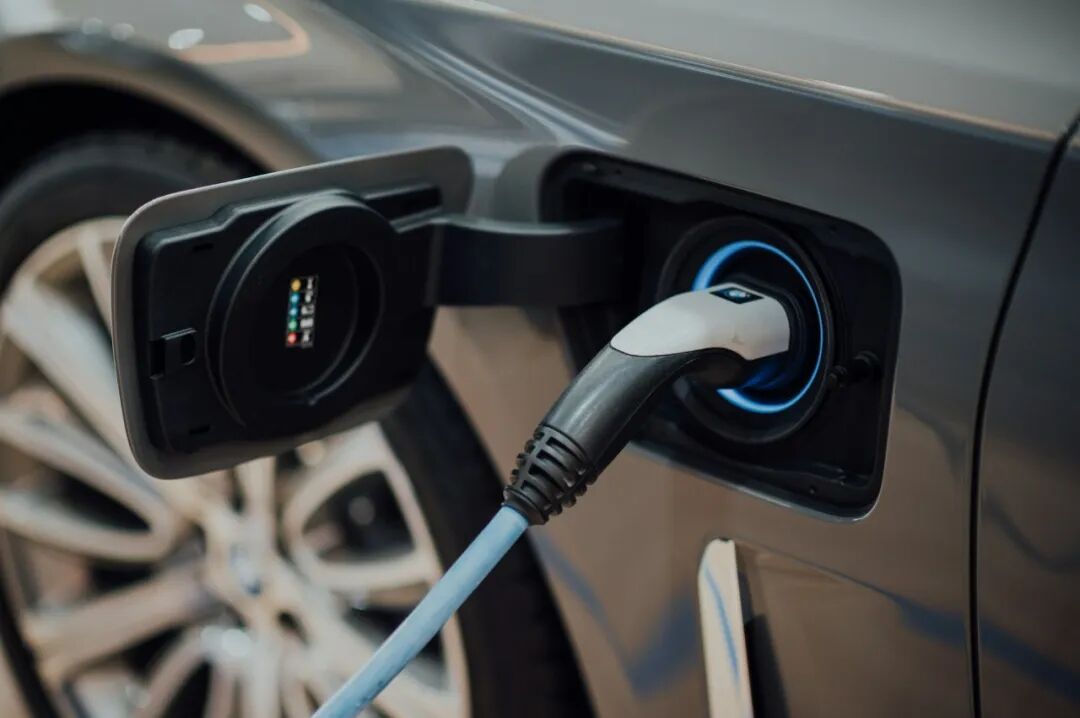
According to a report from China Newsweek, beneath the seemingly affordable charging service fees, many charging pile operators are on the verge of collapse. The once-lucrative NEV industry turned the charging pile sector into a blue ocean for capital to chase. Today, this sector is crowded with players, intensifying competition.
In recent years, news of one to two-hour queues for charging at highways and scenic spots during holidays has become commonplace. With the large-scale deployment of charging infrastructure, the industry has expanded rapidly, significantly easing the 'charging difficulty' problem.
Data from the National Charging Infrastructure Monitoring Service Platform reveals that as of the end of February 2026, China boasted over 21.01 million electric vehicle charging infrastructure units (outlets), a 47.8% year-on-year increase. Among them, 4.834 million were public charging units (outlets), up 28.8% year-on-year, with a total rated power of 229 million kilowatts. Private charging units (outlets) numbered 16.176 million, a 54.6% year-on-year increase.
The industry has transitioned from a scenario where vehicles outnumbered charging piles to one where charging piles proliferate alongside vehicles, addressing a key pain point in NEV adoption. However, the larger the scale, the wider the loss-making area has become another pressing issue for the charging industry.
According to CCTV News, a small public charging pile operator in Qingdao, Shandong, earned an annual revenue of 500,000 yuan upon its establishment in 2020. Yet, since 2023, its annual revenue has plummeted to 80,000 yuan. After accounting for labor and maintenance costs, its current annual profit is merely around 60,000 yuan. For a leading enterprise, a 16-outlet station built with an investment of 1.2 million yuan yields a net profit of only 4 cents per kilowatt-hour after deducting rigid expenses such rent as equipment depreciation,, labor, and power losses.
II. The Puzzle of Unprofitable Charging Piles Amidst NEV Boom
Currently, in stark contrast to the prosperity of NEVs, charging pile operators seem ensnared in a profitability dilemma. What logical reasons underpin this paradox?
Firstly, extensive early expansion driven by policies has precipitated a profitability crisis. In previous years, under robust policy support and capital enthusiasm, the charging pile operation industry descended into a typical 'tragedy of the commons' land grab, with blind expansion directly causing a severe deterioration in asset utilization. From an economic perspective, the construction of any infrastructure must adhere to rigorous commercial site selection logic. As a non-public good, profitability to sustain operations is paramount. However, the charging pile industry at the time operated under the mindset of 'occupying spots first and figuring things out later.' Large amounts of cross-border capital, driven by an internet mindset, flooded into the sector, treating charging piles as entry points for traffic while severely neglecting the heavy-asset nature of the real economy.
This extensive land grab directly sacrificed site selection precision. From an economic standpoint, the core of a heavy-asset model lies in asset turnover rate. However, many public charging piles built in remote or unpopular locations remain idle most of the time. Without vehicles to charge, these steel, concrete, and electronic components cannot convert 'fixed costs' into 'liquid cash,' and the enormous depreciation expenses become a direct cause of corporate collapse. This is not only a tremendous waste of resources but also a serious deviation from commercial common sense. It is a key reason why the entire charging pile industry is now trapped in a profitability dilemma, with the ultimate result of severe economic inefficiency from hasty or unplanned expansion.
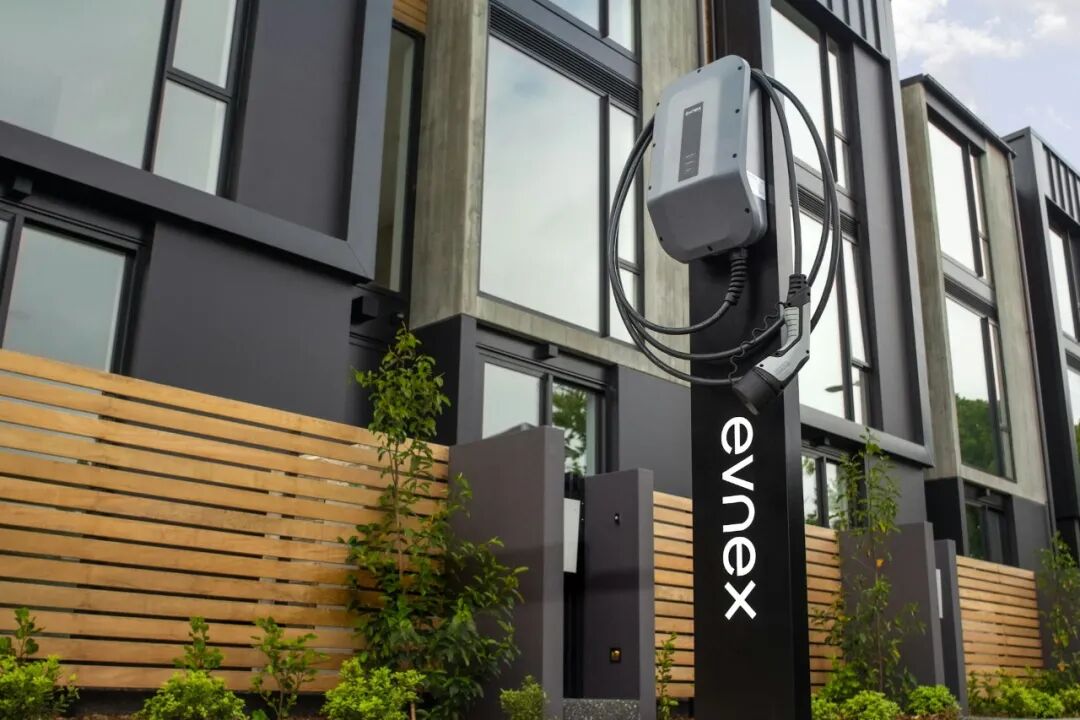
Secondly, homogeneous competition has triggered price wars. If poor site selection is an inherent flaw in profitability, then homogeneous competition in charging services is the direct cause of operators' profitability collapse. Currently, the product forms in the charging pile operation industry are highly uniform, with most operators providing only basic charging functions. Whether in terms of charging speed, service experience, or added value, there is a lack of differentiation advantages.
For vehicle owners, the core demand for charging is 'convenience and efficiency,' and there is no essential difference among charging piles from different brands in meeting this core demand. This results in extremely low brand loyalty among owners, with the sole criterion for choosing a charging pile often being a lower price. This is a common pitfall for standardized commodities. Whether it's fuel at gas stations or electricity at charging piles, there is essentially no significant difference in their nature. If there is any distinction in fuel brands, the difference in electricity is even smaller—no one worries about which provider's electricity causes more carbon deposits.
In this market landscape, operators are forced into fierce price wars to compete for limited customers, with continuous reductions in charging service fees becoming the industry norm. Originally, charging service fees were the core revenue source for operators, but the persistent price wars have continuously eroded this income channel. More critically, price wars not only squeeze profit margins but also disrupt the industry's healthy development ecosystem. Operators lack the energy and funds to invest in service upgrades and technological optimizations, forcing them to continue competing solely on price. This ultimately forms a vicious cycle of 'price cuts to seize customers - profit declines - inability to upgrade - continued price cuts.'
From the essence of industrial competition, homogeneous competition inevitably leads to price wars. When an industry lacks technological barriers and differentiated services, price wars become the only competitive tool, ultimately suppressing the entire industry's profit levels to extremely low levels and making it difficult for operators to achieve profitability breakthroughs. For example, as mentioned earlier, the profit per kilowatt-hour is only four cents, and any management inefficiencies can easily push costs beyond the break-even point, placing tremendous pressure on charging pile operators.
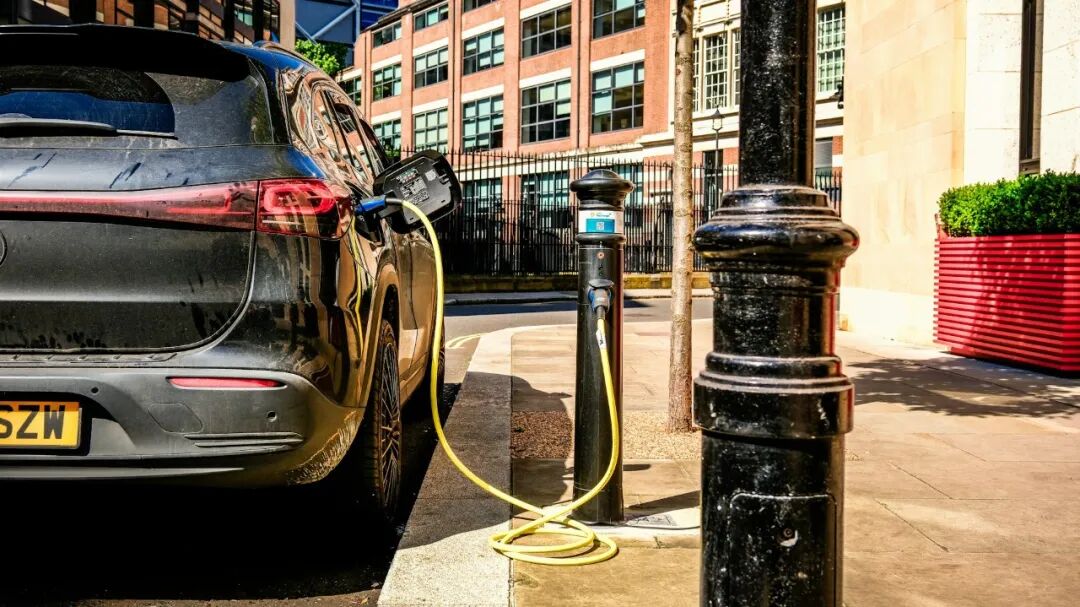
Thirdly, the speed of technological iteration far exceeds cost recovery cycles. Besides the issues of layout and price wars mentioned above, another unavoidable problem is technological updates. The technological update cycle for charging piles is much shorter than that of traditional infrastructure, posing another severe challenge to the charging pile operation industry. Taking high-power charging piles as an example, the 60kW air-cooled piles that were very popular in 2020 represented advanced technology at the time. However, in just a few years, with the continuous progress of NEV battery technology and the growing demand for fast charging among users, such charging piles have become technologically outdated and unable to meet market needs.
However, most charging pile enterprises invested substantial funds in early construction and have yet to recover their costs when faced with the dilemma of outdated equipment technology. Upgrading equipment promptly requires another significant capital investment, which is undoubtedly a heavy blow for operators already struggling with profitability. What makes charging pile operators even more trapped is that if they do not upgrade equipment, they cannot attract users, leading to a further decline in charging pile utilization rates and reduced revenue.
This dilemma makes it difficult for charging pile enterprises to balance technological updates and cost control, further exacerbating profitability challenges. From the perspective of industrial life cycle theory, charging pile technology is in a rapid iteration phase. If enterprises cannot keep pace with technological advancements, they are easily eliminated by the market. However, the high costs associated with technological updates have become a heavy burden on enterprise profitability. This lack of coordination further accelerates the problems in the current charging pile market.
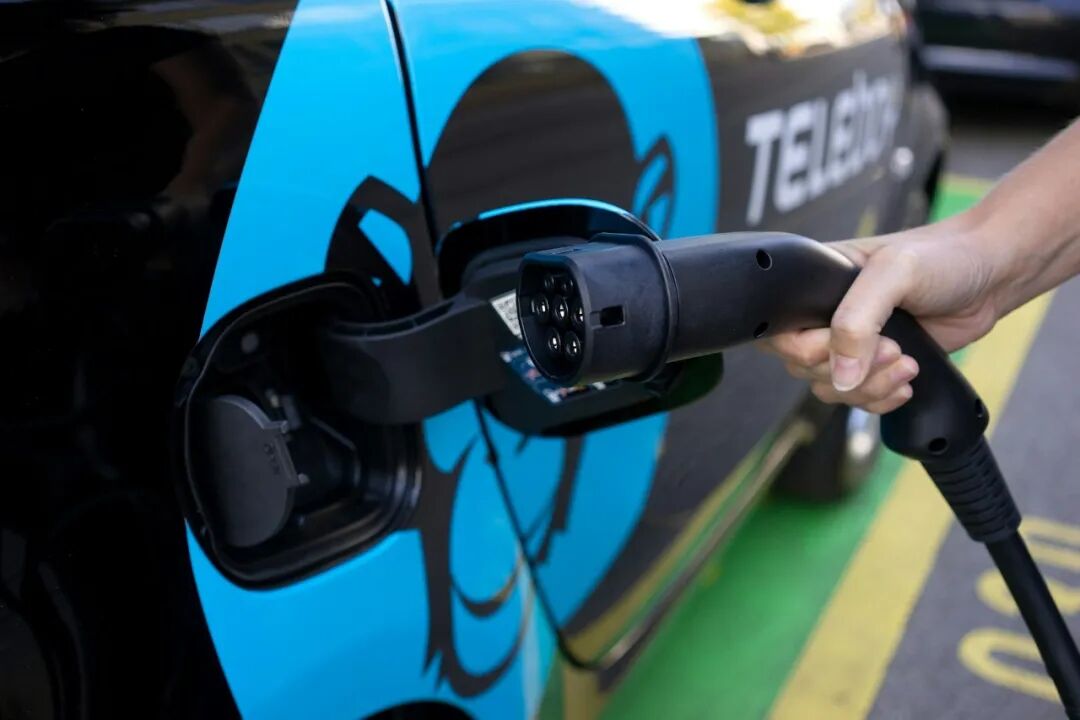
Fourthly, resource integration and business model upgrades offer possible hope. Faced with the current industry dilemma, the solution does not lie in continuing to struggle within the old framework but rather in deep resource integration to drive the transformation of charging piles from a single profit model to a comprehensive energy ecosystem. From the perspective of world economic history and global industrial evolution, when profits from a single link are exhausted, clinging solely to that link will inevitably result in a zero-sum game where no one gains more opportunities. To achieve better development, market participants must shift toward systematic integration of the industrial chain.
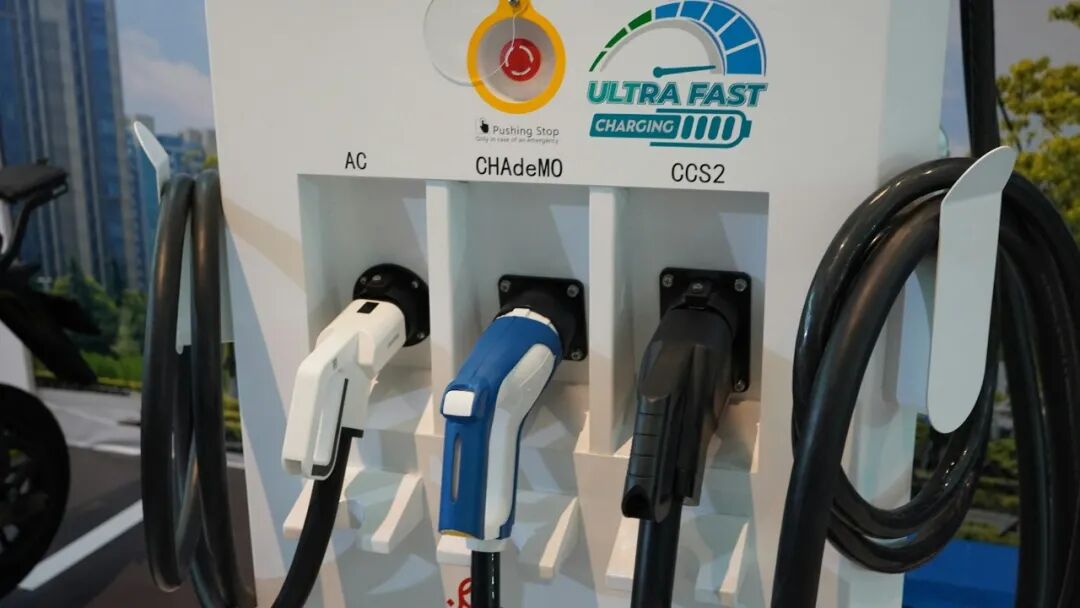
Following this logic, the key to breaking through the current dilemma in the charging pile industry becomes clear: On the one hand, there must be a resolute shift toward high-power ultra-fast charging in terms of hardware, bringing the refueling experience of electric vehicles truly on par with that of traditional fuel vehicles. This is the physical foundation for improving asset turnover rates. Only when charging at charging piles becomes as convenient as refueling at gas stations can true all-around competitiveness be achieved. On the other hand, and more importantly, there must be a reconstruction of the business model. Charging piles can no longer be isolated 'power consumption endpoints'; instead, they need to support diversified development based on charging piles, such as deep integration with photovoltaic power generation and energy storage systems to form a 'photovoltaic-storage-charging integrated' microgrid closed loop, achieving 'self-generation and self-use, surplus electricity fed into the grid,' and tapping into a second growth curve through peak-valley electricity price differentials and green electricity premiums.
Additionally, in terms of soft empowerment, there must be a comprehensive introduction of advanced technological innovations such as AI and big data. Through algorithms, big data on traffic flow, grid load, and owner behavior can be deeply learned and accurately predicted, thereby guiding the scientific site selection of stations and dynamic power allocation in reverse. Only by truly utilizing digital means to reduce idle rates and increase the utilization hours per charging pile can charging pile operators cross the survival threshold and usher in a truly all-around profitable business model.
Therefore, the lack of profitability for charging pile enterprises may not be a bad thing. It is an inevitable result of industrial development to a certain stage, requiring comprehensive transformation and breakthroughs to seize more opportunities.
END
-
![]()
Total Investment Hits Nearly 3.28 Billion! Goertek Launches Mass Production of 12-Inch Transparent Substrate Wafer for AR Glasses’ Micro-Nano Optical Components
-
![]()
Why Is This Precision Optical Film Leader Worth Reevaluating with a Tens of Millions Procurement?
-
![]()
AI Costs Plummet by 90% Over Nine Years: Key Insights from Davos You Shouldn’t Miss
-
Doubao, Your Late-Night AI Companion, Now Eyes Profitability
-
![]()
SRC Empowers SEER Intelligence to Reach a Market Cap of Tens of Billions, Yet Fails to Sustain Profitability
-
![]()
China’s Embodied AI Industry Faces Fierce Domestic Competition, Making Overseas Expansion Essential for Survival
-
![]()
32.8 Billion Yuan Investment! Goertek’s 12-Inch AR Glasses Optical Wafer Base in Lingang Begins Operations
-
![]()
How Far is the All-New Li Auto L8 from Being the Best Five-Seat SUV with In-House Full-Stack Development?