Can Trump Pave the Way for Chinese Automobiles in the US Market with Musk’s China Visit?
 05/13 2026
 452
452
Lead
Introduction
No Permanent Barriers, Only Enduring Interests: The Dynamics of Sino-US Automotive Industry Interactions
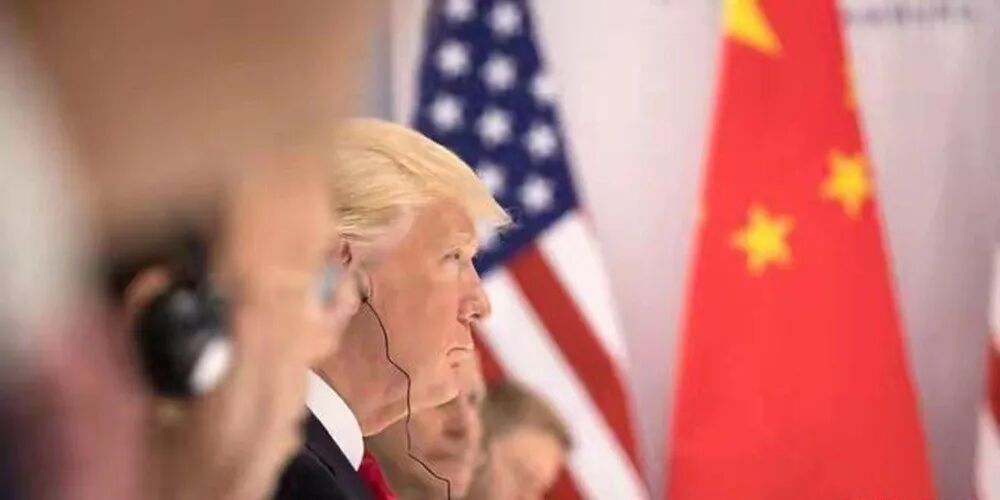
In mid-May 2026, the locust trees in Beijing were in full bloom, mingling the subtle fragrance of pollen with the undercurrents of political maneuvering. As US President Trump’s ‘Air Force One’ descended through the North China sky, landing on the very soil where he had initiated a trade war during his first term, his entourage included not just Wall Street bankers in formal attire but also Elon Musk—a tech titan with a unique ‘dual presence’ in the global automotive landscape.
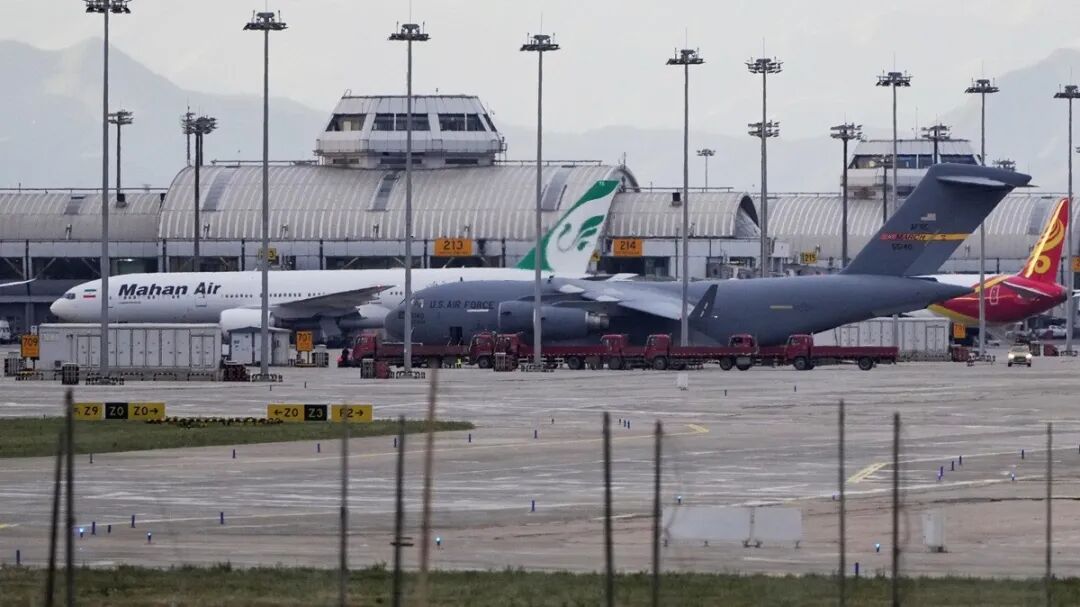
Photo: The C-17 transport aircraft, which arrived in Beijing early this month to ferry equipment for the presidential visit, was ironically parked adjacent to an Iran Mahan Air flight.
This visit was no ordinary state affair but rather an ‘ice-breaking mission’ on the brink of a paradigm shift. For millions in China’s automotive sector, the sentiment was one of complex anticipation. On one hand, there was a sense of helplessness fueled by fierce domestic competition, which now extended from downstream sales to complete vehicles and even upstream component manufacturers. On the other, there loomed the vast US market of over 16 million vehicles, currently fortified against Chinese access with 100% punitive tariffs, data blockades under the guise of ‘national security,’ and a supply chain iron curtain erected by the Inflation Reduction Act.
Yet, history often reveals its irony in the way that when doors slam shut, windows quietly creak open.
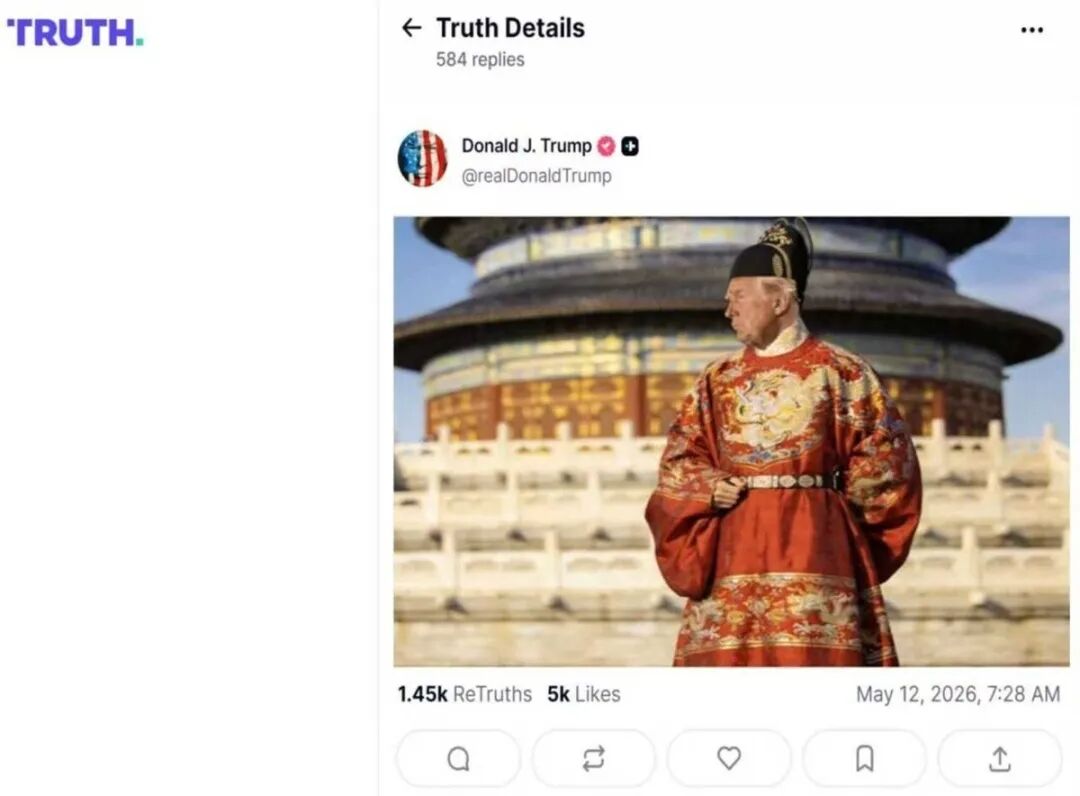
Photo: Not the elder statesman... Your attire, sans beard, easily evokes the image of a Supervisor of Rites (Imperial Secretariat).
This visit to China was less about negotiating ‘complete vehicle imports and exports’ and more about a clandestine deal that, to some extent, involved reshaping the global automotive industry chain. The US desperately needed China’s unparalleled advantage in processing critical minerals and battery materials to maintain its dignity in the new energy transition. Meanwhile, China sought a covert path to bypass barriers and ascend the value chain in this hostile environment.
01 High Walls Persist in the US, Yet Avenues for Exchange Exist
Before delving into the prospect of the US opening its automotive market to China, we must confront a stark reality. In the short to medium term, it is entirely implausible for Chinese complete vehicles to flood the US consumer market. Not only complete vehicles but also our high-profit, technologically sophisticated component industry, encompassing intelligent systems and solutions, will find it equally challenging to penetrate the US automotive supply chain.
The previous US administration slapped over 100% punitive tariffs on Chinese new energy vehicles entering the US. When combined with existing tariffs, the total tax rate soared beyond 137%. With such a tariff barrier, coupled with the high costs and insurance premiums of transoceanic transportation, even if Chinese-made new energy vehicles boasted astonishing price advantages, breaking into the US market would be an arduous task.
Furthermore, in recent years, two consecutive US administrations have imposed bans on our automotive industry, ranging from complete vehicles to a plethora of critical intelligent cockpit and driving systems, as well as components and in-vehicle software, citing various ‘national security’ concerns. Simultaneously, under the framework of the Inflation Reduction Act, any new energy vehicle equipped with Chinese-made power batteries (including cells) is disqualified from receiving tax credit subsidies.
The aforementioned barriers, erected around the entire industrial system, will not crumble due to a presidential visit lasting less than two days. After all, in relevant fields, there exists a high degree of consensus between the two US political parties, and safeguarding the interests of US enterprises in these areas is also the bedrock of Trump’s so-called ‘America First’ policy.
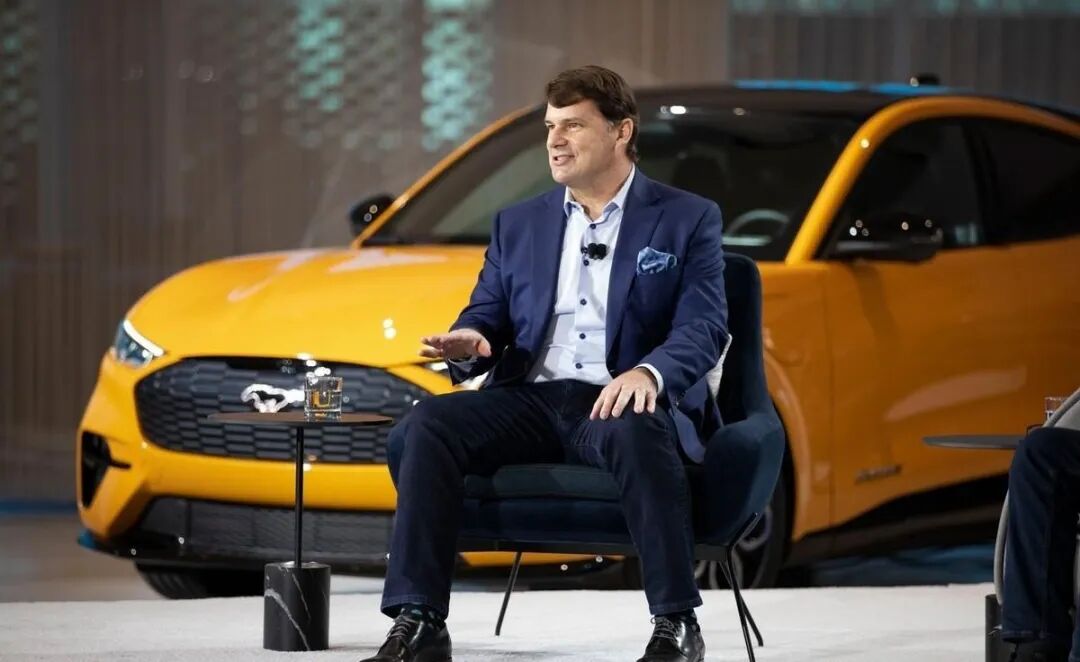
Photo: Ford CEO Jim Farley was reportedly moved to tears after driving an SU7, obtained through special channels, for over a year...
However, even when the door is firmly shut, one must find a way to ‘climb through the window’ to earn a living. For instance, the US business delegation accompanying Trump on this visit included giants from the aviation, technology, and financial sectors, with one of their core demands being to open up the Chinese market for US enterprises. Within this top-level framework of macroeconomic and trade consultations, there was room for discussions between the Sino-US automotive industries.
Firstly, the power battery supply chain may witness partial ‘relaxation.’ The US new energy transition heavily relies on China’s advantages in processing critical minerals (lithium, cobalt, nickel) and battery materials. We may compromise on the supply of critical rare earth raw materials and release finished product supplies for civilian use in the US. In return, Trump may reduce some of the previously imposed tariffs to facilitate the entry of more Chinese automotive-related component enterprises into the US market.
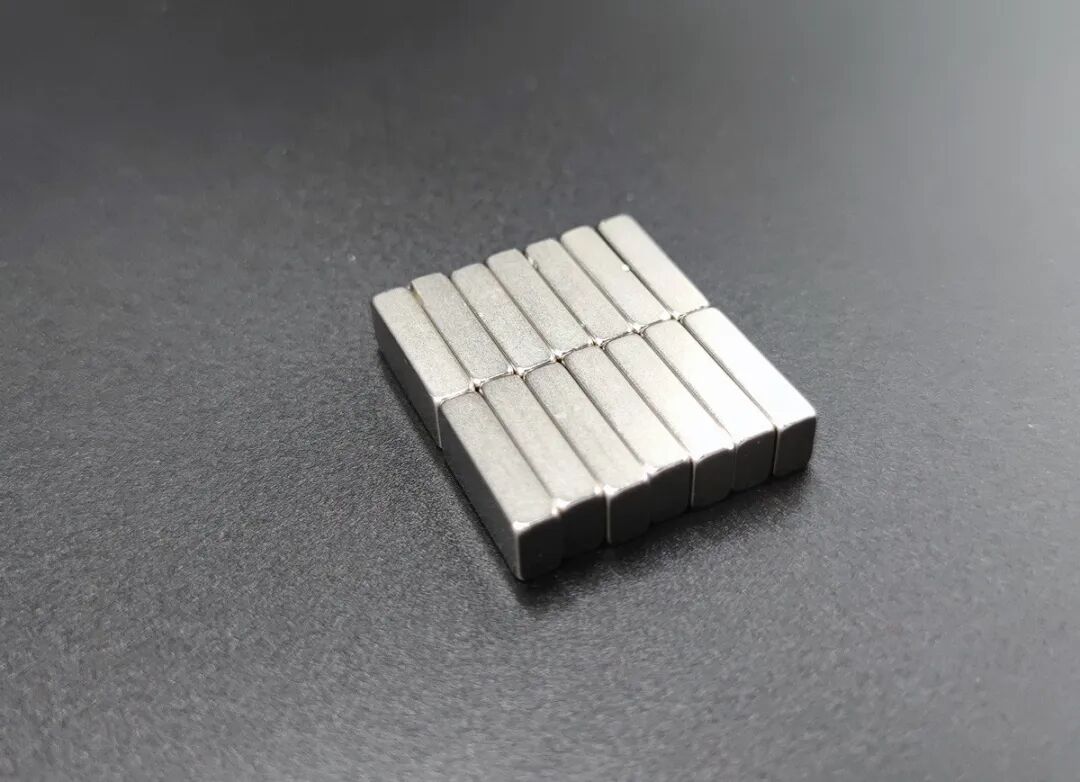
Photo: Directly exporting processed neodymium iron boron magnet tiles can circumvent the illegal use of rare earth materials.
Take power batteries as an example. Data reveals that even under the current enormous tariff pressure, the cost of power battery energy storage systems exported from China to the US is merely around $95/kWh. In contrast, the cost of products assembled in the US soars to as high as $139/kWh. Even with the robust support of IRA (Inflation Reduction Act) subsidies for solar/wind power projects, competition remains fiercely tough, especially when US enterprises utilize US-made cells to produce energy storage systems.
However, at this juncture, battery energy storage facilities in the US have entered a peak construction period. In 2025, newly built battery energy storage across the US reached a record 58GWh, with an additional 60GWh expected this year. Faced with this surging market demand, US domestic battery production capacity simply cannot keep pace. From 2021 to early 2025, a full half of US battery energy storage imports relied on China.
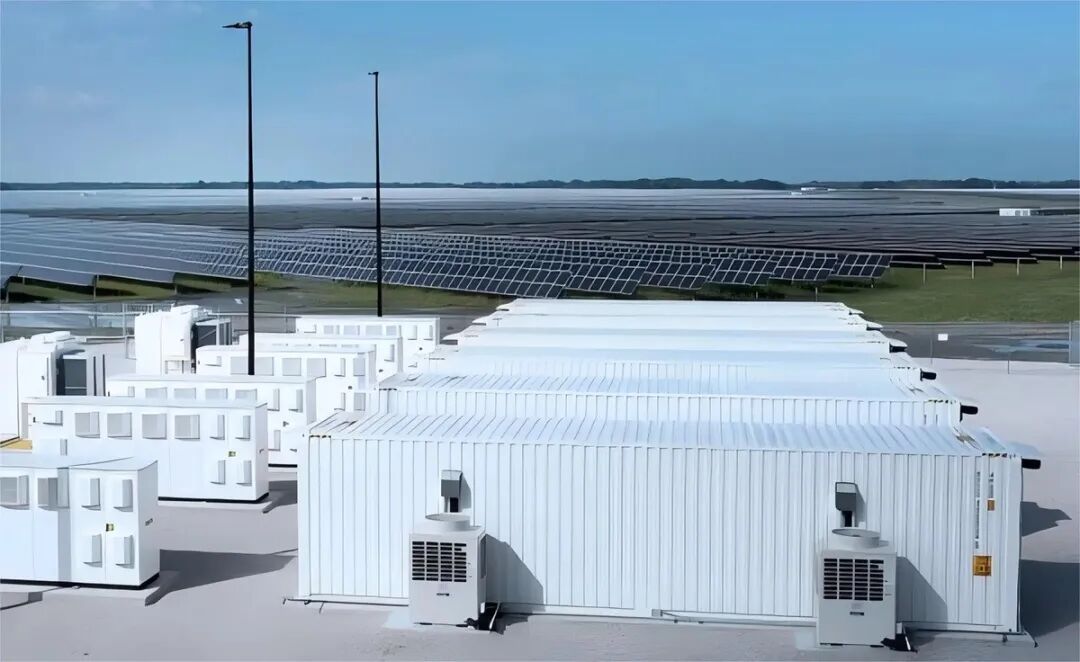
Photo: In 2026, it is anticipated that 60GWh of battery energy storage systems will be newly installed in the US, presenting a significant business opportunity for domestic power battery enterprises.
Recently, the US Supreme Court ruled that some of the punitive tariffs (10% fentanyl tax + 10% reciprocal tariffs) previously imposed by Trump under the International Emergency Economic Powers Act (IEEPA) were illegal and were consequently canceled. However, the base tariff (3.4%) and the Section 301 tariff (25%) on Chinese batteries still amount to a total of 28.4%. Following the ruling that some of the additional tariffs were illegal, the current US administration swiftly invoked Section 122 of the Trade Act of 1974 to impose an additional 10% global temporary tariff as a replacement.
As a potential ‘concession,’ Trump may cancel this 10% portion. He may even seek to lift restrictions on the installation of Chinese-made batteries/cells in vehicles under the existing legislative framework. As for complete vehicles and automotive intelligent technologies, although the prospect of direct openness is slim, both sides can forge some kind of third-party market understanding.
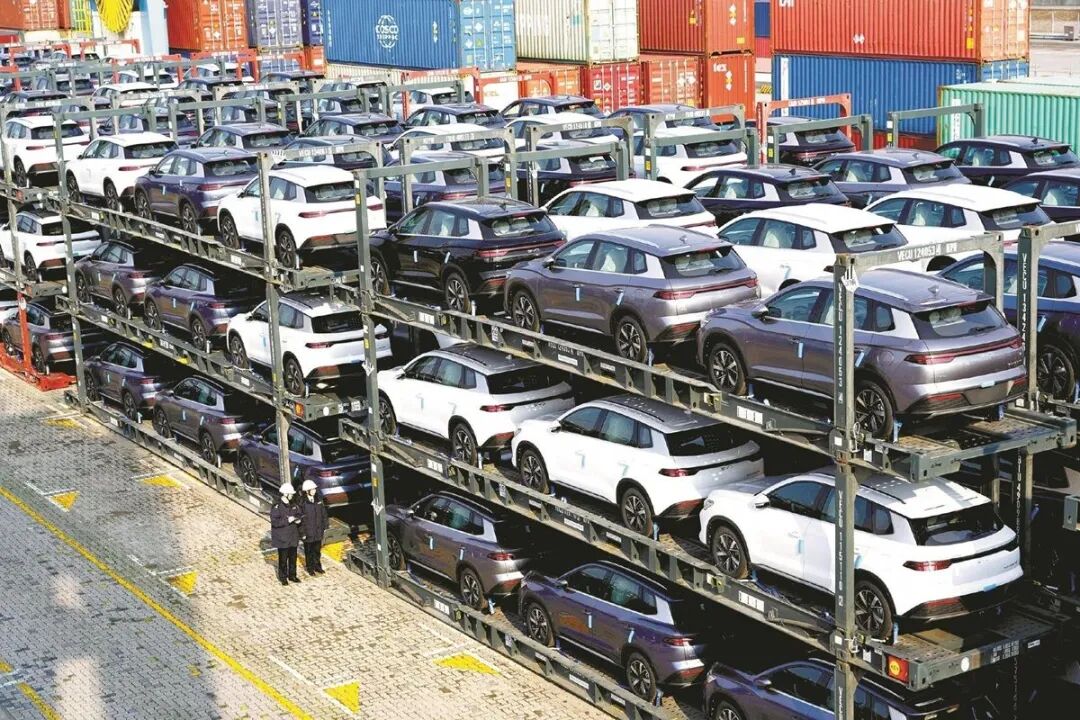
Photo: Exporting complete vehicles can maximize profits and retain all employment domestically, but compromise is often necessary.
That is, Chinese automakers can indirectly penetrate the global market, and even the US domestic market, through technology licensing, joint ventures with US enterprises in Southeast Asia, Mexico, or Canada, or by providing intelligent solutions for US automakers. Simultaneously, the US side may promise not to interfere with automotive products containing Chinese technology and capital, allowing Chinese enterprises to earn money in overseas markets with peace of mind.
Although the aforementioned avenues for potential concessions are generally limited and temporary, considering the pressure faced by the Chinese automotive market this year, providing multiple clear overseas money-making channels for domestic automotive enterprises, from components to complete vehicles, is preferable to the fierce internal competition in the domestic market.
02 FSD’s Entry into China: A Catalyst for Industry Transformation
If there is anyone in the entourage with the deepest entanglements and greatest stakes in the Chinese automotive industry, it must be Elon Musk.
Musk’s current visit follows an incident where he ‘worked for a year for nothing’ due to failing to meet annual KPIs, so the boss is clearly putting in maximum effort. At the same time, he shoulders an extremely clear and major commercial mission—to promote the comprehensive landing of Tesla’s FSD in China.
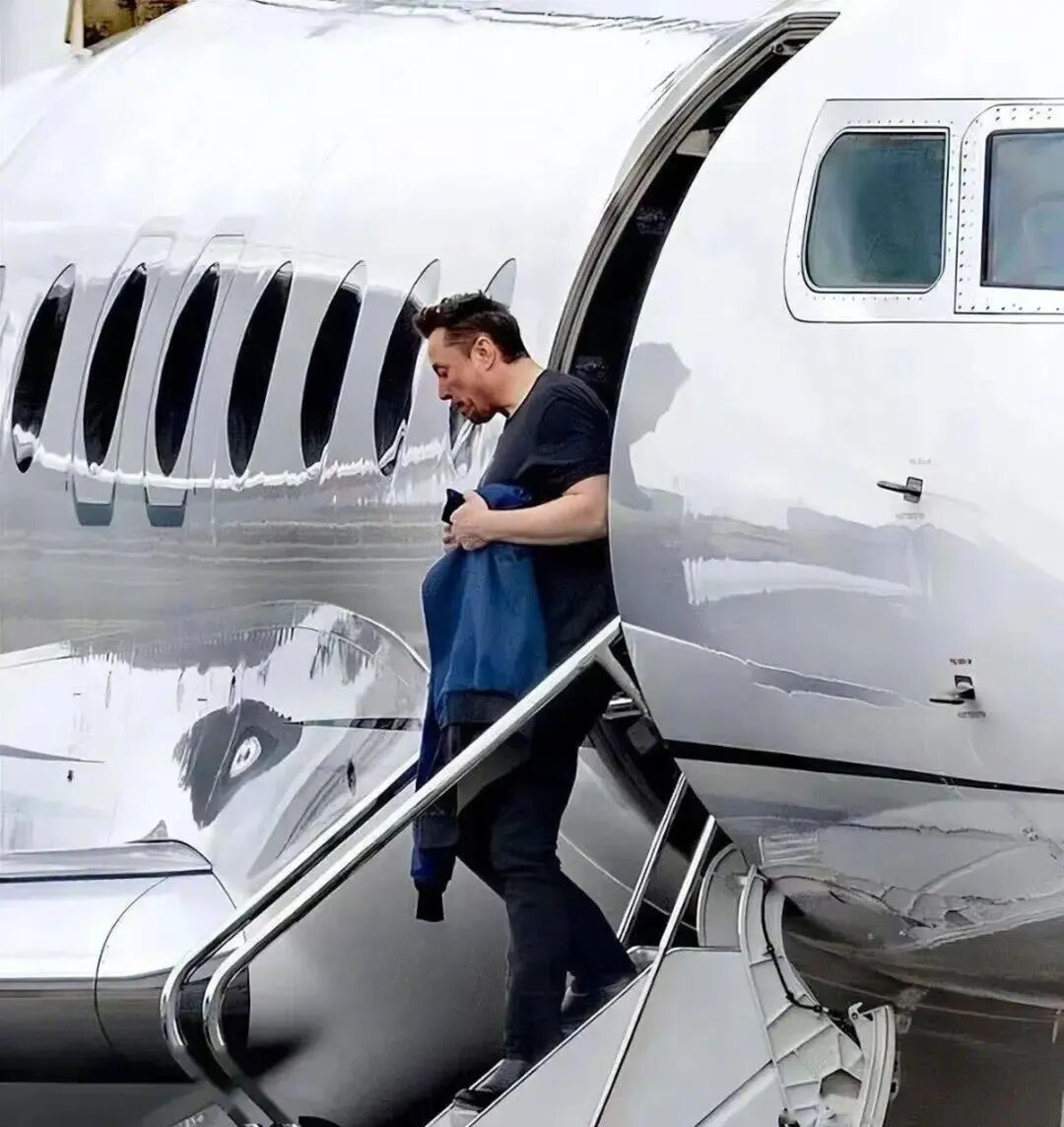
Photo: Musk has visited China multiple times and occasionally makes shuttle trips for business. This photo was taken on April 28, 2024, when he arrived in China on his private business jet to discuss FSD business.
Since 2022, there have been numerous reports, either directly from Tesla or through domestic media communications, about the ‘countdown to FSD’s entry into China.’ As for Musk himself, he has directly flown to China multiple times for quick shuttle trips. This time, receiving state guest treatment alongside Trump, he presumably also carries the metaphorical mission of seeking more favorable treatment for US tech enterprises in China.
Regarding the issue of FSD, simply put, at this mid-2026 juncture, its legal entry into the domestic market is roughly analogous to the 2018 permission for Tesla to establish a wholly-owned factory in China. At present, the domestic automotive intelligent driving sector is thriving, with specialized suppliers including leading enterprises like ‘Di Da Hua Mo,’ and at the self-research level for complete vehicles, there are also players with certain strengths like Xpeng and Li Auto.
From a technological perspective, although the multi-sensor fusion school dominates the domestic market and is currently entering a stage of precision competition for lidar, such as Huawei’s Qiankun ADS already equipped with 896-line lidar, the pure vision school also has strong contenders, such as Zhuoyu’s latest system, which already possesses robust NOA capabilities for urban roads.
The opening of FSD to the domestic market, not to mention what interests it may exchange from the US side, is already worth the price just for its stimulating effect on the domestic relevant field and for promoting a tacit understanding on network sovereignty between China and the US.
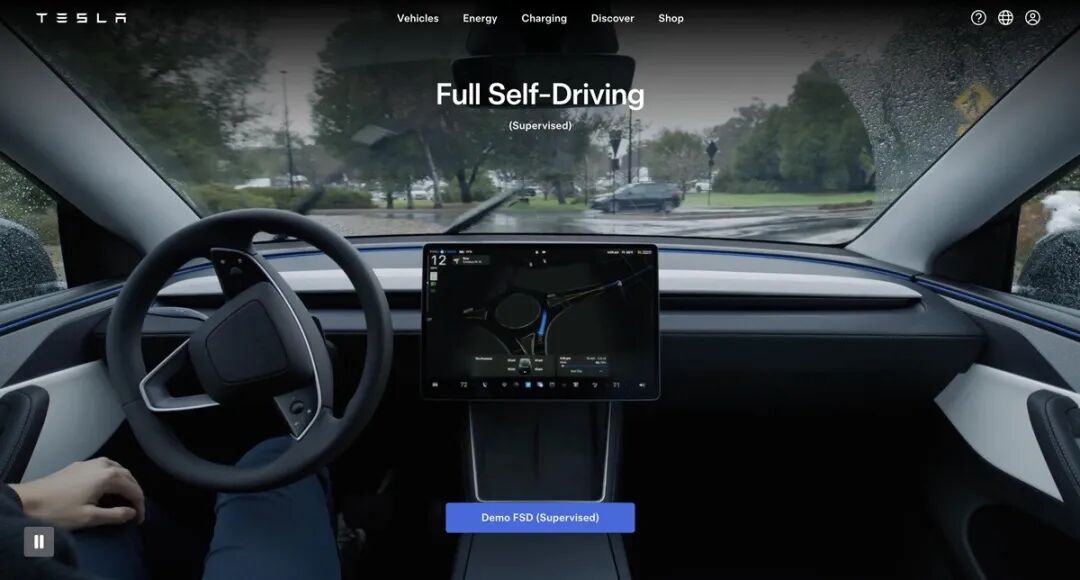
Firstly, it can once again weed out the weak in the domestic intelligent driving circle, which has already completed a preliminary round of competitive elimination—forcing enterprises to shift from rigid thinking, re-examine the value of multiple technological routes, and thus exit the increasingly hardware-stacking ‘firepower deficiency fear’ vicious circle, truly attempting to transition to new architectures and thereby promoting the benign development of the entire system to a higher level.
Secondly, FSD’s entry into China will inevitably involve issues of driving data collection and training, meaning the need to further establish massive local computing power data centers in China on top of previous foundations.
This will not only bring about significant infrastructure investment but, more importantly, it will compel the US and China to reach some kind of compromise on data cross-border flow and privacy protection standards for intelligent connected vehicles. Once this opening is made, it can break the pretext used by diehards in the US Congress to persist in using ‘data risks’ to block the entry of Chinese intelligent vehicles into the US market.
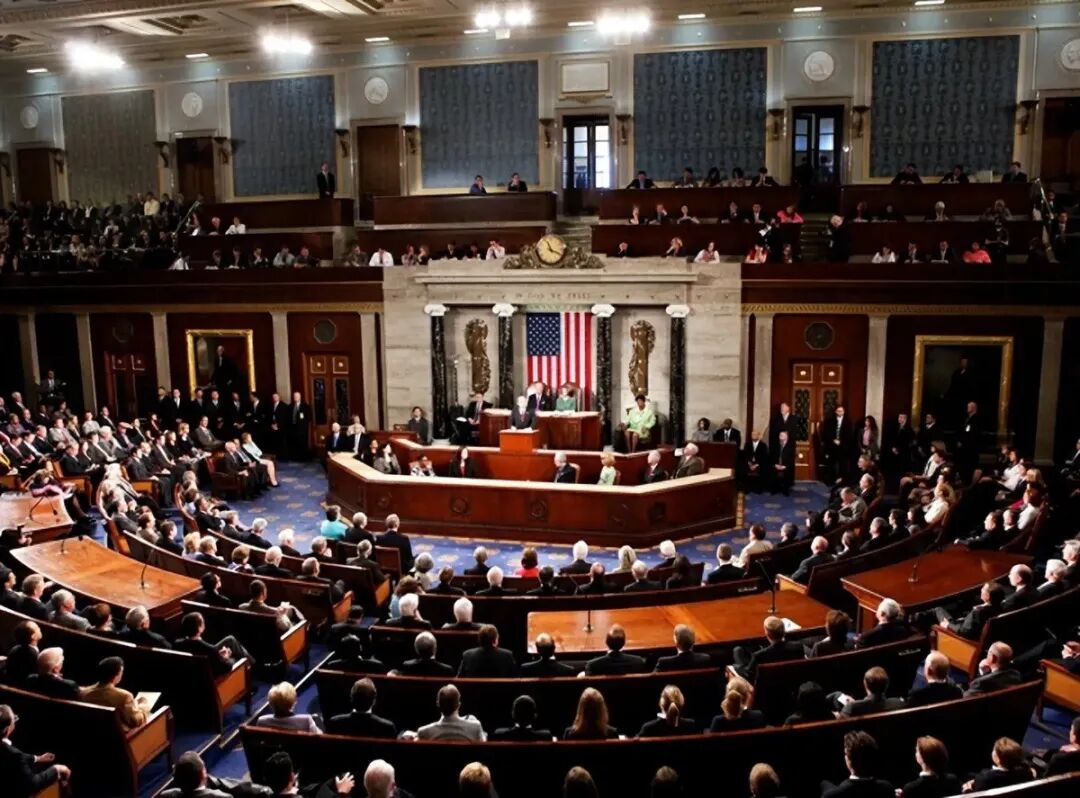
Photo: The old men on Capitol Hill are a stubborn group.
What data can be transmitted back, which must be used and trained locally, how to set standards and manage them—these are all issues that require substantive contact and negotiations to clarify. Once a final agreement is reached, we can provide a global model for intelligent vehicle data compliance, fundamentally solving the current cybersecurity issues at the automotive level that plague China, the US, and Europe.
Lastly, and most intriguingly, once FSD lands in China, the issue of how to solve the hardware for localized training arises. Persuading the US Congress to abandon exports of the most cutting-edge computing power chips to China will no longer be a headache solely for Jensen Huang but will also become a top priority for Musk and a host of associated US tech enterprises.
While China must steadfastly advance the development of its indigenous computing power chip products and establish a comprehensive ecosystem to support them, adhering to the principles of diversified approaches, multiple technologies, and open collaboration, one might ponder: If Tesla were to independently invest in acquiring NVIDIA's Vera Rubin platform and establish a computing power center within China, wouldn't that be a positive development?
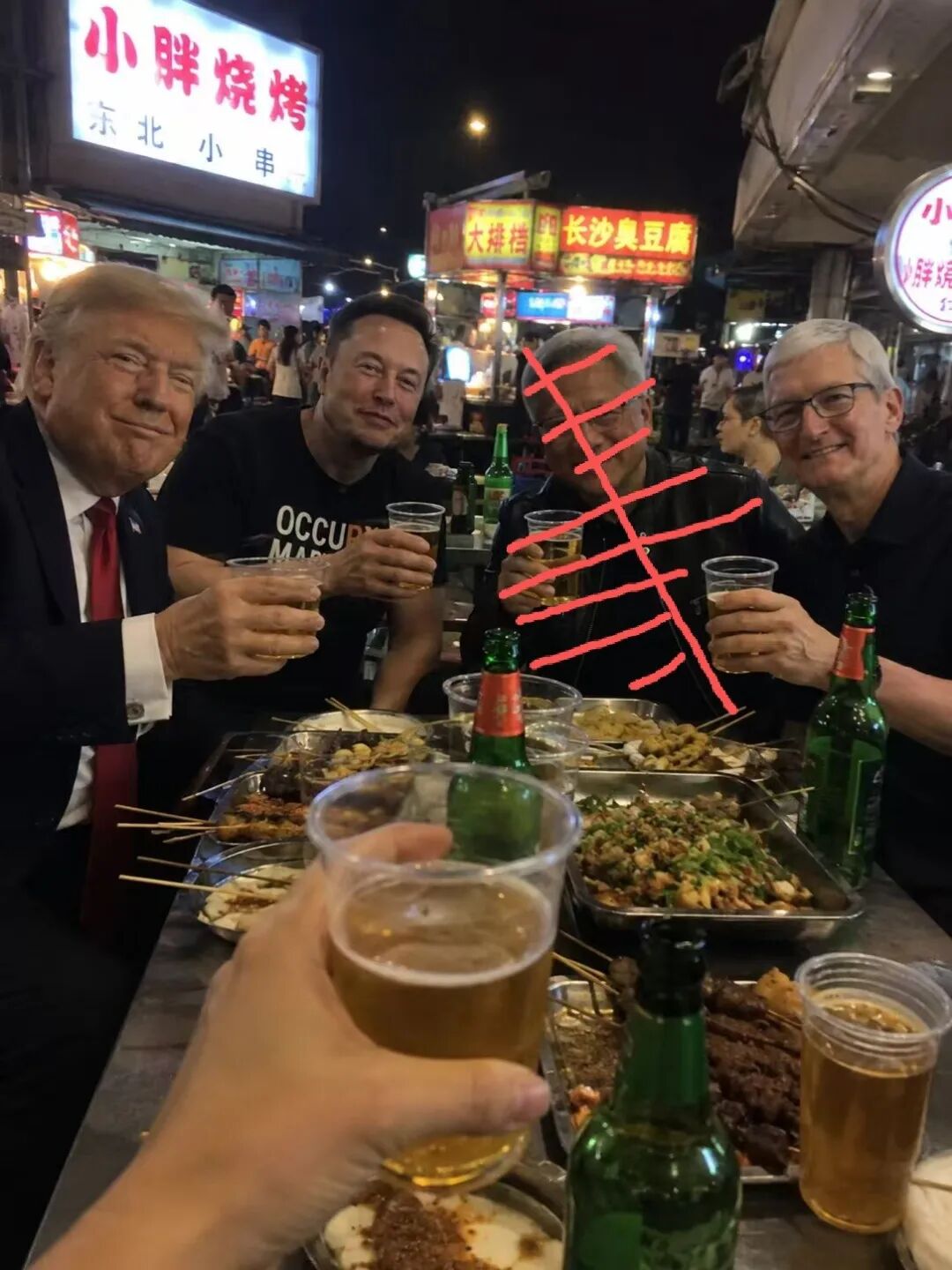
Photo 丨 Although the leather-jacketed Lao Huang didn't make an appearance this time, it's no big deal. With Musk here, it's as if Lao Huang himself has graced us with his presence!
Furthermore, it's essential to acknowledge that the accompanying delegation this time also features the CEO of Qualcomm, presenting us with an excellent bargaining chip: leveraging market access in exchange for licensing of foundational technologies. China boasts the world's most dynamic application scenarios for intelligent connected vehicles, a prize that American companies like Qualcomm are undoubtedly reluctant to relinquish. By establishing joint laboratories in China and deeply customizing automotive-grade chips, Chinese companies can gradually infiltrate the core nervous system of intelligent vehicles.
03 Don't fixate on breaking down the door; learn to 'encircle the cities from the countryside.'
Trump's visit to China this time, accompanied by Musk and others, is essentially a commercial negotiation centered around the exchange of interests. For the Chinese automotive industry, we should strive to secure as many benefits as possible, but we should not harbor unrealistic expectations regarding the current protectionist stance of the US market.
We must maintain a clear-eyed perspective that Trump's visit is not about 'opening the door' but rather about engaging in negotiations. The political consensus between the two major US parties on containing China's high-end manufacturing is even more steadfast than Trump's iconic blonde hair. Regardless of who occupies the White House, allowing Chinese electric vehicles to directly compete with Detroit's Big Three on US soil is a political taboo that remains untouchable.
At this juncture, the true victory for the Chinese automotive industry does not hinge on whether our complete vehicles immediately cruise down Fifth Avenue, but rather on whether our core components and technologies (such as batteries and intelligent driving solutions) can become indispensable options for global automakers, and on whether we can establish absolute dominance in third-party markets like Latin America and ASEAN, where US capital has receded.
More crucially, in the future, can the technologies of our domestic companies evolve to their ultimate form through competition with top-tier technologies like FSD?
When vehicles worldwide, including those of US allies, operate on Chinese technology and adhere to Chinese charging and intelligent driving standards, that seemingly impenetrable trade wall will naturally crumble without a shot being fired.
This is the true essence that the fiercely competitive Chinese automotive industry should extract from this 'White House banquet.'
Editor-in-charge: Du Yuxin Editor: He Zengrong
THE END
-
![]()
Auto China 2026: Chinese Brands Lead the Green and Smart Future | Cover Story: In China, for the World – Auto China 2026 Special Report (Part 3)
-
![]()
Can Tencent Music Win This Defensive Battle by Integrating Himalaya?
-
![]()
Volvo Asia Pacific: No More 'Successor' Era!
-
![]()
China's Auto Market in April: A 2.5% Sales Decline, a 74% Export Surge, and Profit Margins Below 3.5%
-
![]()
Toyota's Era of Sky-High Profits Draws to a Close
-
![]()
Can Trump Pave the Way for Chinese Automobiles in the US Market with Musk’s China Visit?
-
![]()
Can the New Unisplendour Group Break Away from Being a 'Huawei Alternative' After Resolving Its Hundred-Billion-Yuan Debt?
-
![]()
What technology enabled XPENG to eliminate LiDAR from its intelligent driving systems?