Volvo Asia Pacific: No More 'Successor' Era!
 05/13 2026
 441
441
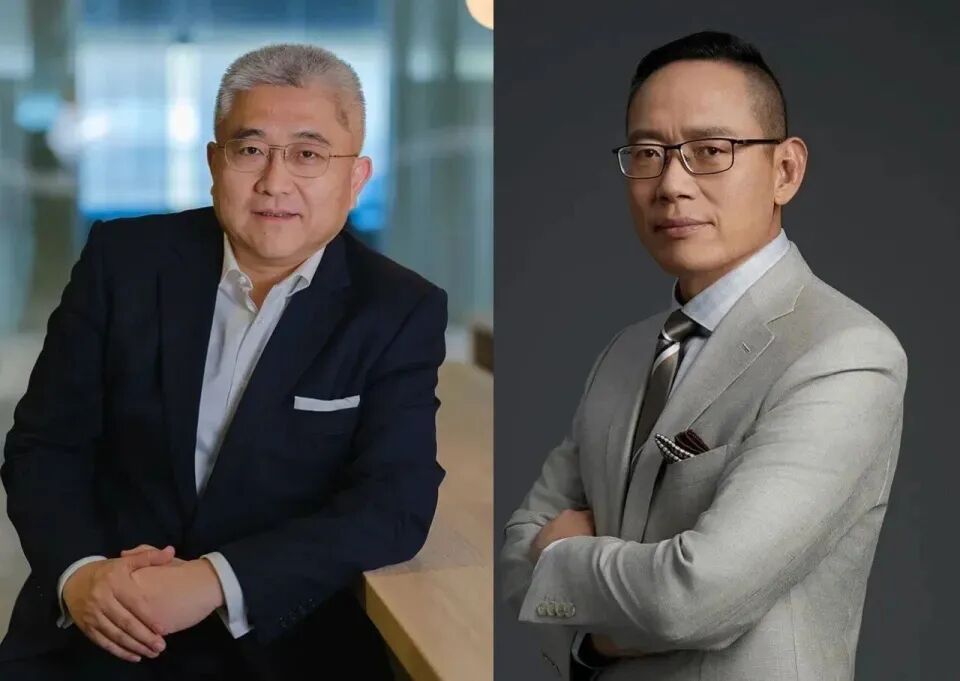
No one could have predicted that Duan Jianjun's next career move would be to Volvo, just as no one foresaw Yuan Xiaolin's departure.
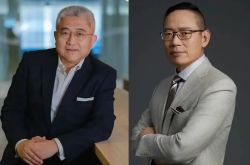
On May 11th, Volvo officially unveiled a fresh round of personnel reshuffles: Yuan Xiaolin concluded his remarkable 16-year tenure at Volvo, with Duan Jianjun stepping in as the new President and CEO of Volvo Greater China.
During an internal all-staff meeting at Volvo China on that day, Yuan Xiaolin's composed yet heartfelt farewell resonated deeply, bringing many employees to tears. "I'm not leaving; I'm just continuing in a different capacity," he remarked, as applause mingled with sobs filled Volvo China's Shanghai office. Long-serving employees, their hands covering their mouths, struggled to contain their emotions...
While outsiders may only perceive the departure, Duan Jianjun, who had just concluded a successful stint at Mercedes-Benz, understood the profound significance of this moment. No one grasped Yuan Xiaolin's contributions and the weight of his departure better than him, along with the professional journey and reluctant farewell of these 16 years...
On the same day, Duan Jianjun, in his new role as President of the Greater China region, made an appearance at Volvo Group's headquarters in Gothenburg, attending the core executive meeting alongside global CEO Håkan Samuelsson. Typically, the Greater China CEO would not participate in such meetings in Gothenburg alongside the global CEO. However, this change signaled Duan Jianjun's immediate entry into Volvo's global core leadership upon assuming office. It also marked the official conclusion of the 16-year Volvo Asia Pacific era.
Over the past 16 years, the Asia Pacific region has acted as a lubricant and balancer between the China and Sweden headquarters, serving as an intermediary layer that enabled Volvo to maintain its foreign enterprise status and develop independently. However, times have changed, and the market no longer tolerates an additional power center creating friction, as retaining it could easily form barriers and hinder policy implementation.
This is why, in Volvo's personnel adjustment announcement, the company only highlighted the leadership change in the Greater China region without mentioning any alterations in the Asia Pacific region. Those familiar with Volvo and Geely understand that, between Sweden and China, Volvo will no longer have a secondary 'power center' as a buffer. Beyond congratulating Duan Jianjun, people also show concern for Yuan Xiaolin, even attempting to glean clues from Volvo's recent external communications.
Yet, perhaps Yuan Xiaolin, who is two years younger than Duan Jianjun but chose to prioritize family life earlier, holds the best answer: Time has its merits, and fate has its course!
Some things require greater courage to let go than to hold on, making the decision even more commendable.
1
Volvo Reaches a Crossroads: The Need to 'Streamline'!
For Volvo and Geely, Yuan Xiaolin was not only a meritorious figure but also a 'loyal confidant'!
Sixteen years ago, as one of the core operators behind Geely's acquisition of Volvo, Yuan Xiaolin was among Li Shufu's most trusted 'insiders.'
Over the past 16 years, he took Volvo from Ford's grasp and propelled the Chinese-owned luxury brand from a previous scale of 90,000 units to a peak of 180,000 units. He oversaw factory construction, system establishment, and brand tone-setting...
In these 16 years, Yuan Xiaolin served as the stabilizing force for Volvo—kind-natured, well-reputed, and highly regarded... to the extent that outsiders viewed this professional manager as 'composed, dignified, and perceptive.'
However, as the head of the Asia Pacific and China regions, Yuan Xiaolin was not just a leader but the primary person responsible. Last year, Volvo Global reported its first loss in a decade, totaling nearly 3 billion kronor, with the Chinese market being the main drag on Volvo's global performance.
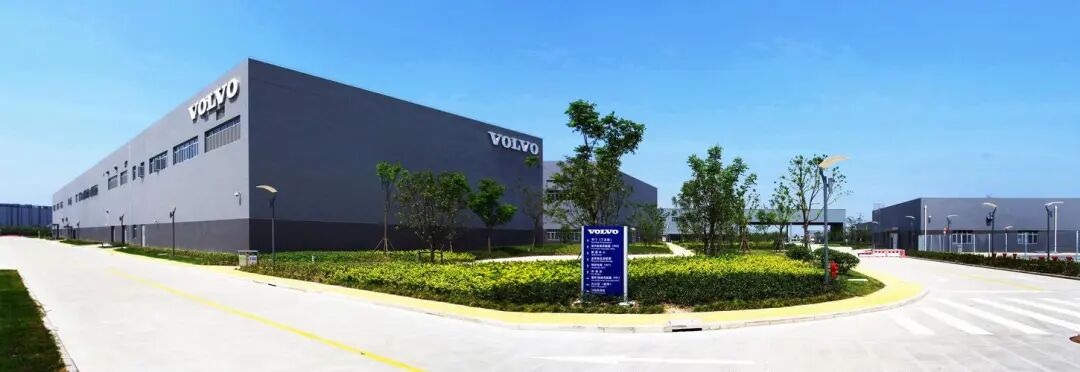
In 2025, Volvo's sales in China approached 150,000 units, with revenue dropping by 23% to 49.3 billion kronor. The company's gross profit margin declined by 3 percentage points. Considering macro factors, the 'brutal price war' in the luxury car market was the primary reason for Volvo's significant terminal price cuts and volume-over-price strategy last year. However, objectively, the 'consecutive failures' of the two strategic products, EX90 and ES90, dealt a 'critical blow' to the company's profit growth.
Last July, Volvo Global headquarters wrote off 11.4 billion kronor for the EX90 and ES90 models in one fell swoop, combined with 1.4 billion kronor in restructuring costs for the quarter. In the second quarter of 2025 alone, Volvo's net loss reached 7.5 billion kronor.
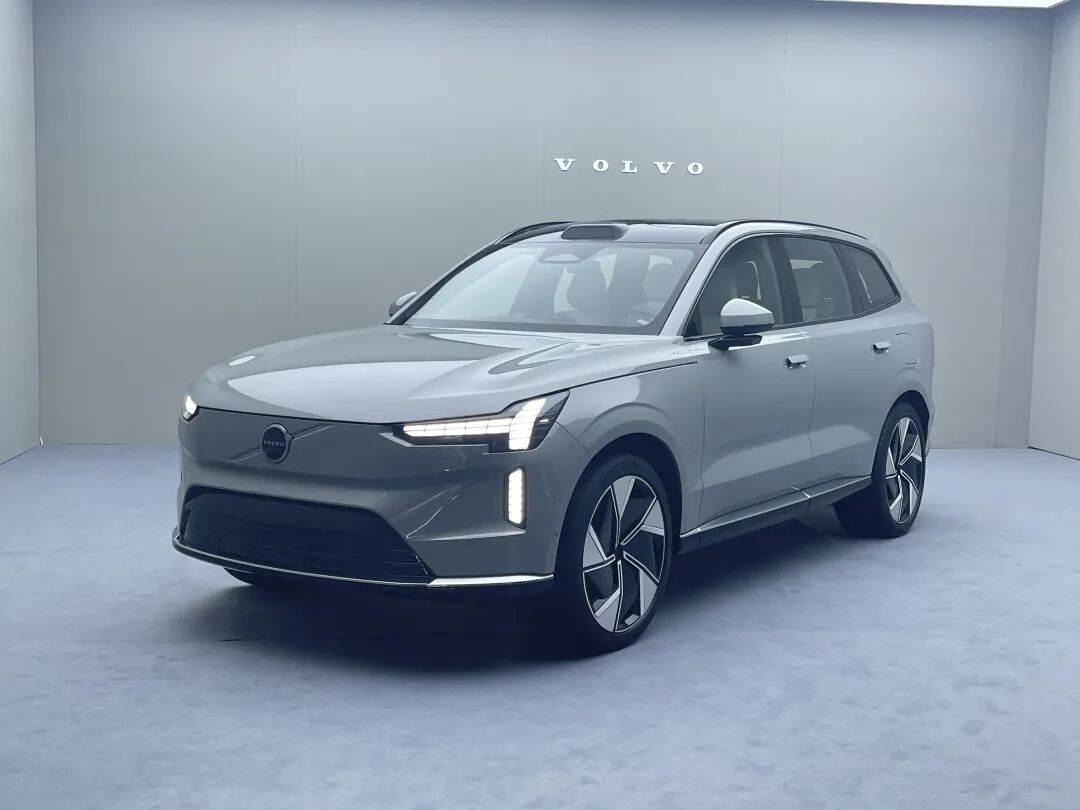
The one-time write-off of the two strategic products stemmed from two main factors: on one hand, the EX90's self-developed software faced repeated delays, leading to severe overspending on R&D and investment, with headquarters concluding that it missed the optimal window for the global high-end pure electric market; on the other hand, the ES90 relied on Chinese factories for global exports but was eroded by a series of factors, including EU and U.S. tariffs, carbon compliance, and channel costs, resulting in a situation where the product could be manufactured and sold but not profitably.
A one-time write-off is typically interpreted as 'pre-emptive depletion' in financial terms, used to digest unrealized future earnings and sunk R&D investments in one go. However, in the automotive industry, a one-time write-off is often seen as a financial maneuver by companies to implicitly acknowledge and strategically halt losses.
From a financial perspective, Volvo headquarters' write-off of the two strategic products essentially represented a permanent compression of their lifecycle sales, pricing power, and profit recovery potential. On the surface, it traded prolonged pain for short-term relief, but in reality, it implicitly admitted that Volvo's previous go-it-alone approach to developing high-end electrification lacked sufficient commercial viability.
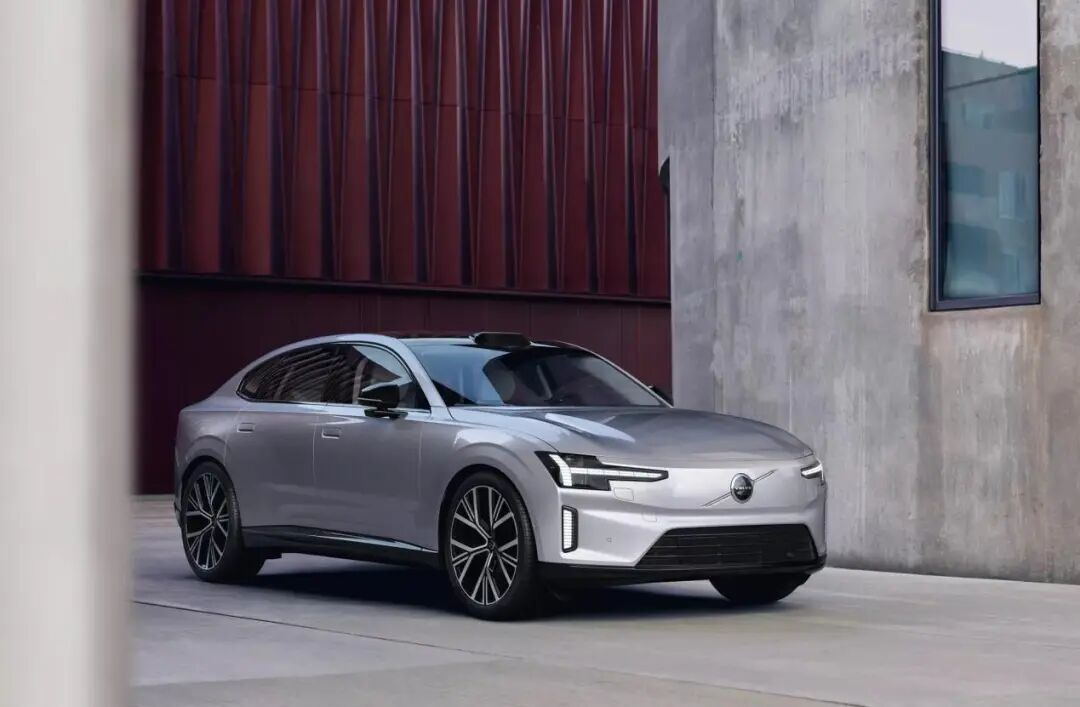
However, the harsh reality is that, under such high opportunity costs, Volvo's previous high-end self-developed route had reached a bottleneck, completely depleting the company's already limited profit buffer. Now, with Volvo pouring global resources into the ES and EX series, if these models only have strategic value but no commercial value, it means that, in the short term, if Volvo wants to persist with high-end self-development and an independent growth path, the required costs and sacrifices would be too high.
Only by abandoning the go-it-alone approach, fully embracing integrated planning, and relying on group-level structural, technological, and resource synergies can Volvo quickly halt losses, stabilize its core business, and adapt to the unpredictable market environment and demands, where time is more critical than money. Thus, with bold resolve—Yuan stepping down and Duan stepping up—was inevitable.
2
Returning to 'One Geely': Finding Volvo's New Balance Point
Over the past two years, as a luxury brand, Volvo has existed and operated as an 'independent multinational business unit.'
Despite facing tough times, much has been accomplished: upgrading new platforms, enhancing intelligence, expanding global trade, accelerating internal synergies... Compared to these ambitious yet incomplete initiatives, the recent large write-offs exposed a certain disconnect between Volvo's aspirations and reality.
Li Shufu has repeatedly emphasized that Volvo should integrate into the Geely ecosystem and avoid going it alone! The essence of this statement is the hope that Volvo will leverage Geely's resources to reduce costs and increase efficiency rather than pursuing independent streamlining. Therefore, for years, Geely has adopted a 'controlled but independent, synergistic but not merged' model for Volvo. Specifically, this means retaining Volvo's Swedish headquarters and luxury brand identity while promoting technological sharing and supply chain collaboration to achieve '1+1>2.'
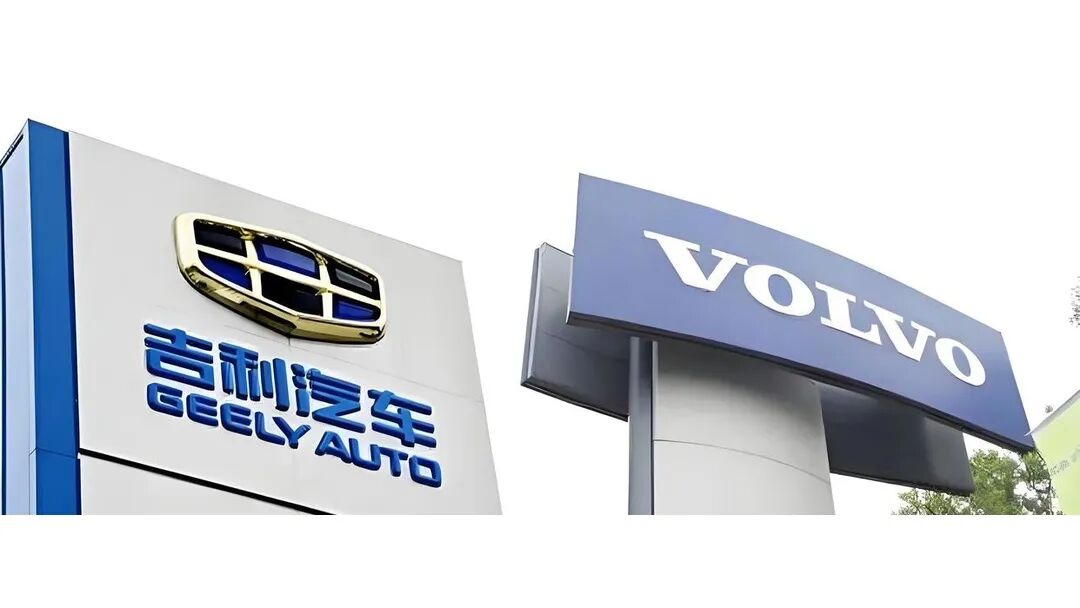
However, under this premise of high-efficiency synergy, a structural contradiction has persisted between Geely and Volvo in production and supply chain management: Geely's annual procurement volume is several times that of Volvo, yet the two sides maintain entirely separate supplier lists. For example, Geely hopes Volvo can localize more and launch new models faster; however, considering its luxury brand identity and customization needs, Volvo insists on 'Nordic compliance + global standards,' resulting in Geely's intended cost-reduction and efficiency-enhancement efforts for Volvo backfiring due to small-batch procurement, which increased Volvo's per-unit cost by at least 10%. Originally, Volvo needed to tailor products and adjust pricing for the Chinese market, but due to layered approvals from the Swedish headquarters, it frequently missed optimal windows.
Therefore, Volvo must now promptly abandon its obsession with independent operations, accelerate integration with the group's systems, and incorporate itself into the 'One Geely' overall development framework. This includes, but is not limited to, deep sharing of platforms, electric powertrains, intelligent driving technologies, and the global supply chain, leveraging group-scale cost reductions, technological synergies, and staggered regional market deployments to reestablish profitability logic for high-end electric products.

From this perspective, during Yuan Xiaolin's era, synergy between Geely and Volvo achieved 'unified ownership' but fell short of 'unified business alignment.'
In the upcoming Duan Jianjun era, Volvo must not only control losses and reduce expenditures by halting redundant R&D and unprofitable projects but also break down barriers, transforming Geely from a shareholder into a true partner and saving costs wherever possible.
Therefore, compared to Yuan Xiaolin, one of Duan Jianjun's tasks may be to find a new balance point suitable for both Geely and Volvo.
3
The Key Figure: Duan Jianjun
From last December, when Volvo Investment completed changes in its legal representative and chairman; to April this year, when manufacturing authority in Daqing was transferred to the Swedish global headquarters; and to the recent de-emphasis of the 'Asia Pacific region' title and the downplaying of its independent status... various signs indicate that Yuan Xiaolin's gradual exit was not a sudden decision.
This process, spanning more than half a year, reflects Li Shufu's repeated deliberations and profound considerations: in terms of merit and loyalty, Volvo should not have changed; however, given market conditions and transformation imperatives, Li Shufu had no choice but to let go...
Nevertheless, 'appointing familiar faces' has always been Li Shufu's approach to talent management!
An Conghui, Li Donghui, Feng Qingfeng... including Volvo-cultivated figures like Yuan Xiaolin and Tong Zhiyuan... Geely rarely parachutes in executives. Li Shufu understands best that scaling Geely from a private enterprise to a multinational conglomerate requires wisdom in talent management!
Li Shufu is acutely aware of the potential consequences and costs of policy disconnections, siloed operations, and strategic distortions, as well as the fact that professional managers often prioritize short-term gains over long-term industrial layouts. However, under the 'One Geely' theme, Volvo's adjustment signals toward marketization and full integration should have come earlier. Although everyone understands that Volvo's journey to overcome these barriers will inevitably be painful.
Now, Duan Jianjun appears to be the key figure Geely and Volvo most desire!
Many describe interacting or working with Duan, or even attending one of his press conferences, as an enjoyable experience—provided you possess some self-cultivation, understand the automotive industry, and maintain a long-term perspective. In many eyes, Duan is a 'legendary professional manager'—elegant, visionary, unpretentious, reliable, and principled... because Duan Jianjun rarely exhibits the arrogance and aloofness common among automotive executives.
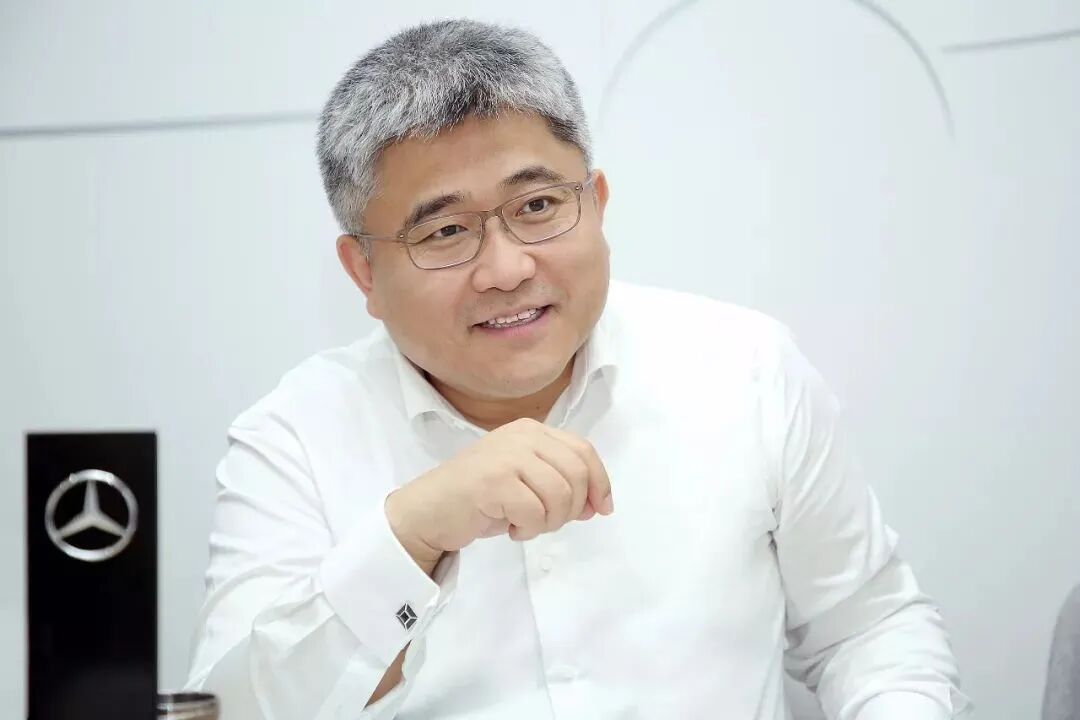
Thus, during his farewell from Mercedes-Benz, people widely felt a sense of regret, nostalgia, and loss, even discussing the end of an era. Now, with Duan Jianjun joining Volvo, many wonder what changes his arrival will bring.
However, I am more curious about what Volvo means to Duan Jianjun. After all, compared to Mercedes-Benz, Volvo is smaller in scale, but Duan's responsibilities have grown significantly.
Over the past decade, Duan Jianjun at Mercedes-Benz was a typical sales-oriented talent, whose primary focus was ensuring that all business decisions revolved around strong result-oriented metrics like sales volume, market share, and profit. Now, joining Volvo, his role has evolved, granting him greater authority than before!
From President of the Sales Company and CEO to President and CEO of Greater China, Volvo has clearly given Duan Jianjun more authority and importance! For Volvo, inviting Duan to join is not just about sustaining brand sales and performance growth but also about improving overall operational quality, enabling Volvo to stand out from traditional luxury brands and become a leader in the intelligent electric new energy era.
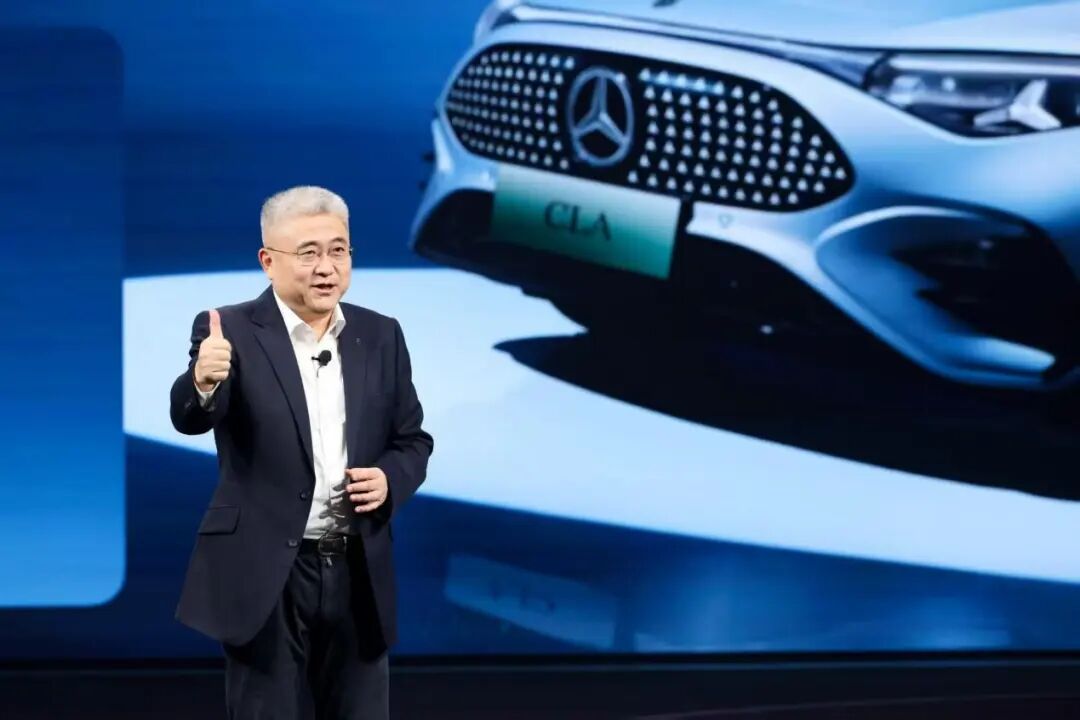
For Duan Jianjun, this burden is heavy, and few can carry it! Leading Volvo means not just serving Volvo but drawing nutrients from Volvo's global ecosystem to build a new ecosystem with horizontal scalability.
From Geely's perspective, Volvo's progression should transcend mere scaling for survival. Apart from fostering synergistic coexistence and deep integration, Geely envisions Volvo harnessing Chinese expertise to bolster its global operations and, in the future, even facilitate the international expansion of brands such as Zeekr and Lynk & Co.
Only by following this path can Volvo metamorphose from a small yet sophisticated luxury brand into a major and influential market force.
The End
-
![]()
Auto China 2026: Chinese Brands Lead the Green and Smart Future | Cover Story: In China, for the World – Auto China 2026 Special Report (Part 3)
-
![]()
Can Tencent Music Win This Defensive Battle by Integrating Himalaya?
-
![]()
Volvo Asia Pacific: No More 'Successor' Era!
-
![]()
China's Auto Market in April: A 2.5% Sales Decline, a 74% Export Surge, and Profit Margins Below 3.5%
-
![]()
Toyota's Era of Sky-High Profits Draws to a Close
-
![]()
Can Trump Pave the Way for Chinese Automobiles in the US Market with Musk’s China Visit?
-
![]()
Can the New Unisplendour Group Break Away from Being a 'Huawei Alternative' After Resolving Its Hundred-Billion-Yuan Debt?
-
![]()
What technology enabled XPENG to eliminate LiDAR from its intelligent driving systems?