Porsche Bids Farewell to Bugatti Amid Tears as Mysterious Buyer Stealthily Takes the Helm
 05/13 2026
 352
352
Introduction | Lead
What's behind Porsche's decision to sell Bugatti? Middle Eastern capital, operating through a U.S. venture capital firm, has quietly acquired a premier ultra-luxury brand along with its core electric technology. In the current landscape, the global ultra-luxury car market remains robust yet increasingly fragmented, prompting a fresh wave of industry restructuring where only the strongest thrive.
This article is produced by | Heyan Yueche Studio
Written by | Zhang Dachuan
Edited by | He Zi
Full text: 2,690 characters
Reading time: 4 minutes
Porsche has made a pivotal strategic move.
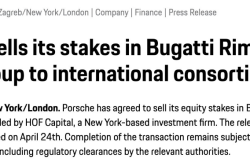
Recently, Porsche's headquarters in Stuttgart, Germany, announced the signing of an equity transfer agreement, divesting its 45% stake in Bugatti Rimac and 20.6% stake in Rimac Group to an international consortium led by HOF Capital. The asset transfer is projected to conclude by the end of 2026. According to Bloomberg, the total valuation of the assets involved is approximately €1 billion, with Porsche poised to generate €500 million in cash from the transaction. Upon completion, Bugatti will officially exit the Volkswagen Group's portfolio. Additionally, Porsche has ceased operations at three of its global subsidiaries: Cellforce, eBike Performance, and Cetitec.
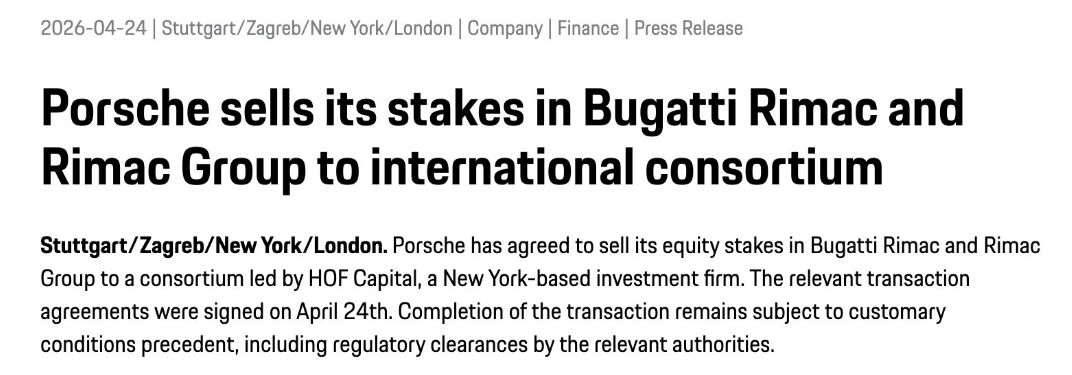
△ Porsche has opted to sell its stake in Bugatti
Porsche Grapples with Internal Challenges
Porsche's decision to part ways with Bugatti is driven by a combination of operational strain and strategic realignment.
The 2025 financial results reveal a stark decline in Porsche's performance: full-year revenue dropped 9.5% year-on-year to €36.27 billion; operating profit plummeted by 92.7% to a mere €413 million; and the return on sales tumbled from 14.1% in previous years to a meager 1.1%. The downward trend persisted into the first quarter of 2026, with global new vehicle deliveries at 60,991 units, marking a 15% year-on-year decrease. In the Chinese market, sales plummeted to just 7,519 units, a stark contrast to the 21,365 units sold during the same period in 2023.
As a premier ultra-luxury brand, Bugatti manufactures only around a hundred vehicles annually. The automotive industry typically relies on economies of scale to reduce costs and boost profits. Despite Volkswagen Group's technological and supply chain support, Bugatti's R&D costs for a single model still soar into the hundreds of millions of euros. Given its limited production capacity, even with high per-unit prices, overall profitability remains lackluster. With Porsche's cash flow under sustained pressure, Bugatti naturally became a non-core asset earmarked for divestiture.
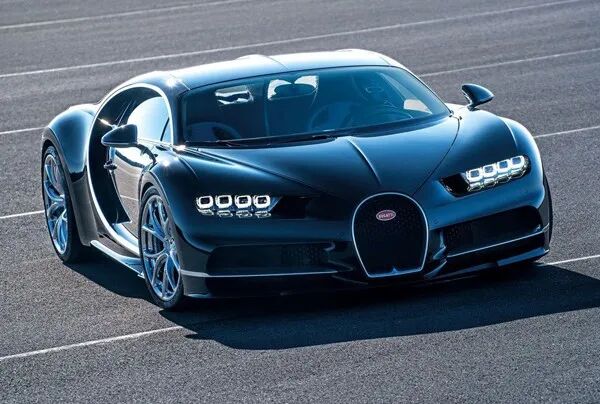
△ Bugatti has struggled to deliver significant profits and cash flow for Porsche
From a deeper strategic perspective, selling Bugatti aligns with Porsche's current development trajectory. According to Porsche's management, the brand is resolute in avoiding price wars. Frequent price reductions erode vehicle residual values and undermine brand prestige. High-end luxury brands rarely engage in such destructive competition. However, this stance has exerted short-term sales pressure. Meanwhile, Porsche is expediting the streamlining of its dealer network. Originally planning to reduce its Chinese dealerships to 100 by 2027, the timeline has been accelerated, with the network set to shrink to 80 by the end of 2026. For Porsche, concentrating limited resources on core customers and upholding a high-end brand image has become paramount. Closing inefficient and loss-making outlets not only halts profit leakage but also complements the strategy of selling Bugatti and focusing on its core business.
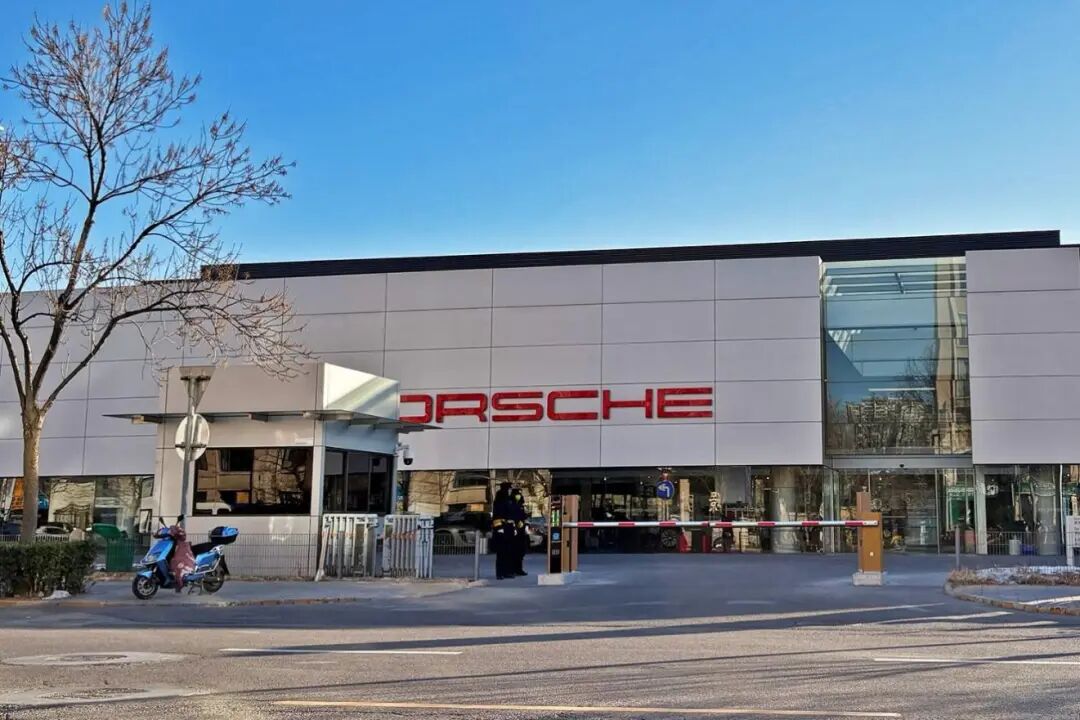
△ Porsche is significantly contracting its global footprint to reduce profit bleeding points
Looking ahead, Porsche will fully pivot its focus to new model development, particularly the iteration of new energy products. Despite leading the electrification race with the Taycan, Porsche's electric vehicle sales in China have slumped. Both the Taycan and the all-electric Macan have underperformed in the market. Only by launching a new generation of highly competitive all-electric models and revamping its product lineup can Porsche hope to stage a comeback in the Chinese and global markets.
Who is the Buyer?
The deal is spearheaded by New York-based venture capital firm HOF Capital, with the actual funding emanating from BlueFive Capital in Abu Dhabi, UAE.
For HOF Capital, acquiring Bugatti transcends merely purchasing an automaker; it secures an exceptionally rare top-tier luxury brand asset. Bugatti boasts a century-old brand legacy, immense brand equity, and global influence among the ultra-wealthy. It functions more as a luxury icon within the automotive sector than a traditional manufacturing entity. Such top-tier assets exhibit high resilience to economic cycles and could follow in Ferrari's footsteps to achieve higher valuations in the capital markets.
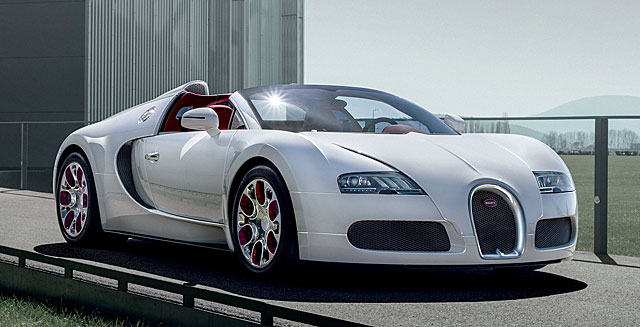
△ Middle Eastern capital is acquiring an exceptionally rare top-tier luxury brand asset
Simultaneously, the transaction encompasses Rimac's cutting-edge high-performance electric vehicle technology. HOF is essentially betting on the future of ultra-luxury automotive electrification, locking in core technological barriers such as batteries, electric drivetrains, and high-performance vehicle systems. With Porsche divesting assets due to profitability pressures, HOF has seized the opportunity to acquire a global top-tier ultra-luxury brand and a leading technology platform at a relatively modest valuation.
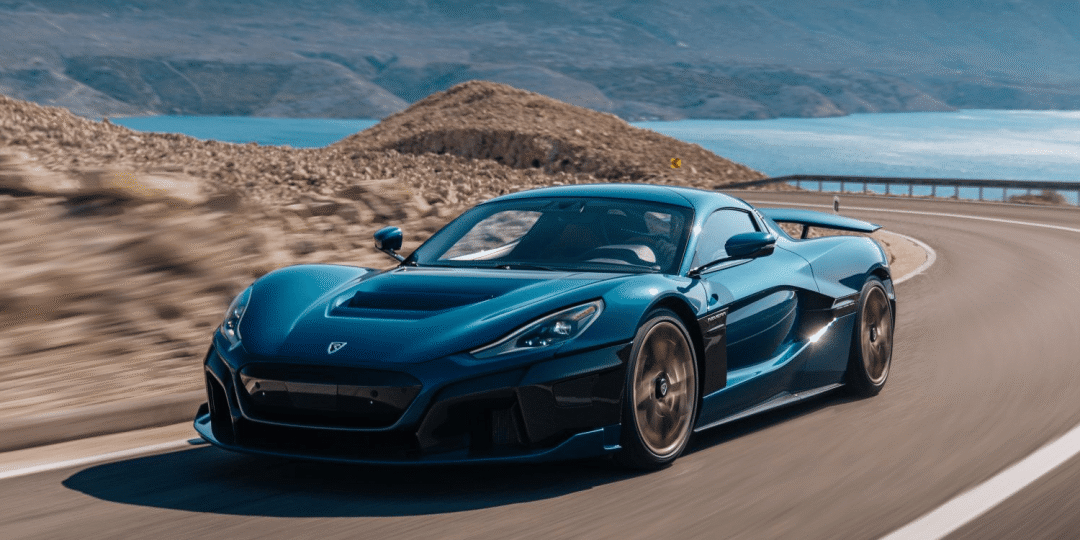
△ HOF's transaction also encompasses Rimac's cutting-edge high-performance electric vehicle technology
Looking forward, amid intensifying industry competition, Bugatti will still need to rely on Volkswagen, particularly Porsche, for technical and industrial synergies to reduce the cost and complexity of new vehicle R&D and engineering development. The new investor is not merely making a financial investment but plans to integrate Bugatti deeply into HOF's own industrial ecosystem. More broadly, against the backdrop of global energy restructuring, this deal epitomizes a typical strategic move by Middle Eastern capital: continuously augmenting investments in global core assets such as technology and high-end luxury goods to accelerate the construction of a long-term investment portfolio for the post-oil era.
How Are Other Ultra-Luxury Brands Faring?
In the first quarter of 2026, the global ultra-luxury car market remained resilient overall, but brand differentiation became increasingly pronounced.
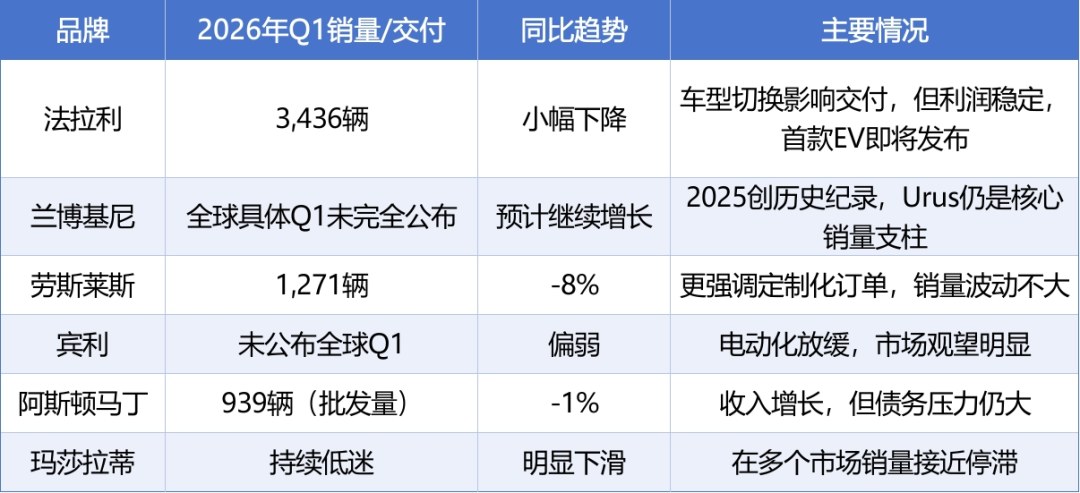
Ferrari and Lamborghini continue to lead the industry, achieving steady performance growth through high-margin limited-edition models and SUV lineups, particularly with the Ferrari Purosangue and Lamborghini Urus. Rolls-Royce, despite a slight sales decline, remains at the pinnacle of the industry in terms of profitability, bolstered by its top-tier bespoke customization business.
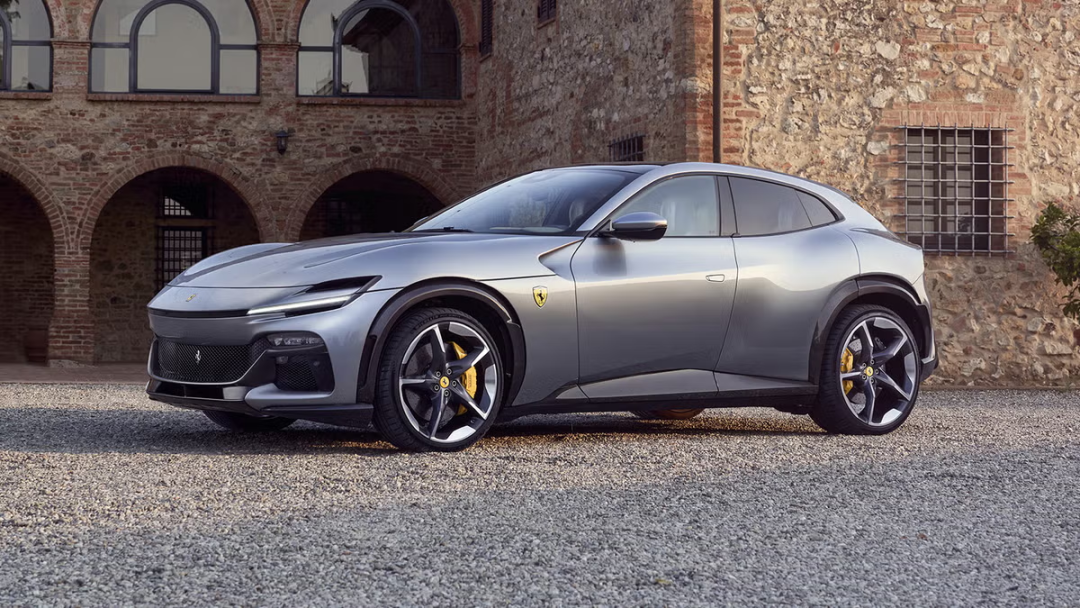
△ Ferrari and Lamborghini distinguish themselves among ultra-luxury brands
In contrast, other brands have underperformed: Bentley's market competitiveness has waned due to a conservative electrification transition and declining brand heat (popularity). Aston Martin, while witnessing revenue improvements, remains mired in high debt and cash flow constraints. Maserati continues to struggle, with its brand positioning blurring and product deficiencies becoming increasingly apparent. Overall, the ultra-luxury car market has entered a new phase characterized by widespread SUV adoption, steady high-net-worth consumer demand, and a slowdown in pure electrification. High-end customers still exhibit strong preferences for internal combustion and hybrid models, as well as personalized customization services.
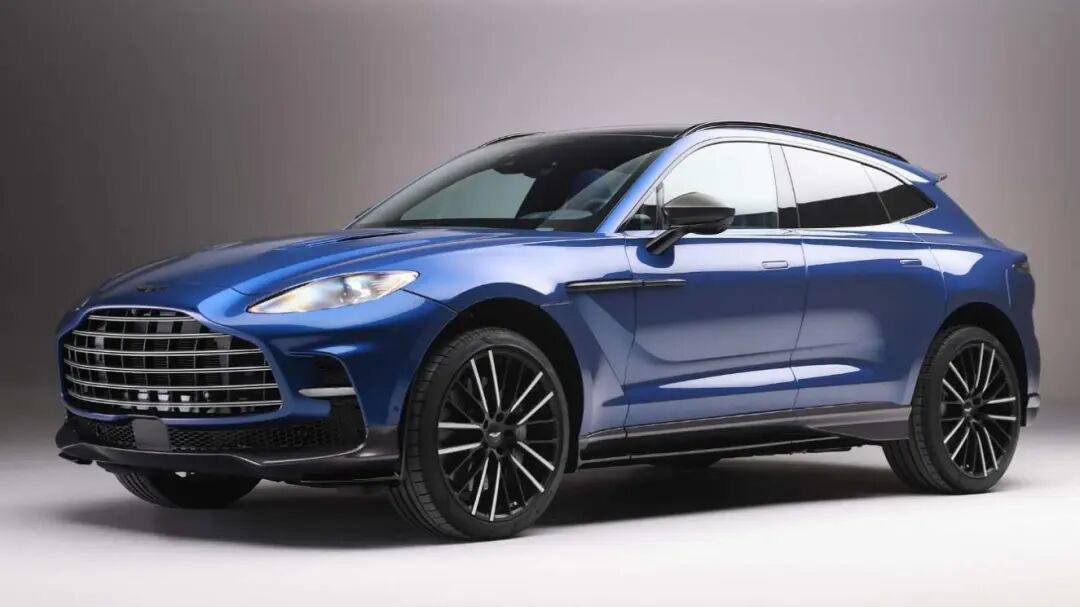
△ Many ultra-luxury brands, including Aston Martin, have underperformed
Looking ahead to the remainder of 2026, the ultra-luxury market will continue to solidify a pattern where the strong get stronger and the weak get weaker. Ferrari, Lamborghini, and Rolls-Royce will remain in the top tier: Ferrari will further align with luxury attributes, maintaining ultra-high profits through limited editions, high-end customization, and a strong brand premium. Lamborghini, leveraging the market appeal of the Urus and consumption trends among young wealthy circles, is expected to sustain industry-leading growth. Rolls-Royce will deepen its artisanal and exclusive customization routes, prioritizing per-unit value and profitability over volume expansion.
Even amid global economic uncertainties, high-net-worth individuals' demand for limited-edition collectible models and exclusive custom vehicles remains robust, securing the core customer base for leading brands. Meanwhile, weaker brands like Bentley, Aston Martin, and Maserati will face escalating operational and competitive pressures. In the long run, ultra-high-end customization will become the core competitive arena, with limited-edition models, exclusive customization services, and high-end private client operations serving as key drivers for ultra-luxury brands to break through.

Commentary
Porsche's sale of Bugatti, while ostensibly an asset adjustment, underscores the broader reality that traditional luxury automotive giants are now prioritizing cash flow and capital efficiency under the pressures of electrification. For Porsche, low-volume, high-investment brands like Bugatti are no longer core; however, for HOF Capital, Bugatti represents an exceptionally rare global luxury asset. The automotive industry is witnessing a clear trend: the value of top ultra-luxury brands extends beyond automotive manufacturing, becoming "luxury capital assets" with identity symbolism, brand equity, and financial attributes, much like Ferrari.
(This article is original to Heyan Yueche and may not be reproduced without authorization.)
-
![]()
Pity Stirs as OpenAI and Anthropic Dive into Financial Maneuvers
-
![]()
Small Pre-Order Numbers Are Just a Sneak Peek: Seres V9 Faces Three Major Challenges to Overtake GL8
-
![]()
New Energy Vehicle Market: A 'One Dominant Force, Multiple Strong Contenders' Era Emerges
-
![]()
AI Enters the Era of 'Self-Evolution', Li Yanhong First Proposes 'DAA' as the Measurement for the AI Era
-
![]()
Mercedes-Benz China Executive Steps In to Steer Volvo Through Turbulent Waters
-
![]()
She Once Steered OpenAI's Technology, Now Aims to Redefine Its Rules
-
![]()
Porsche Bids Farewell to Bugatti Amid Tears as Mysterious Buyer Stealthily Takes the Helm
-
![]()
60%! Electric Vehicles Surge, Gasoline Vehicles Face Countdown