Small Pre-Order Numbers Are Just a Sneak Peek: Seres V9 Faces Three Major Challenges to Overtake GL8
 05/13 2026
 401
401
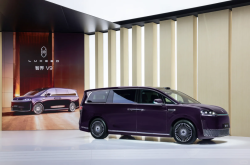
With its official launch just three days away on May 15, the Seres V9, Hongmeng Zhixing's inaugural flagship MPV, has ignited excitement across the premium MPV market with its impressive pre-sale performance. Pre-orders opened on April 22, starting at 399,800 yuan, with every model equipped with Huawei's cutting-edge technology. In just 72 hours, it amassed 22,500 pre-orders, with over 12,500 placed in the first hour alone. During a livestream, Yu Chengdong revealed that the Ultra variant accounts for over 50% of these selections—a nearly unheard-of figure in the premium MPV sector.
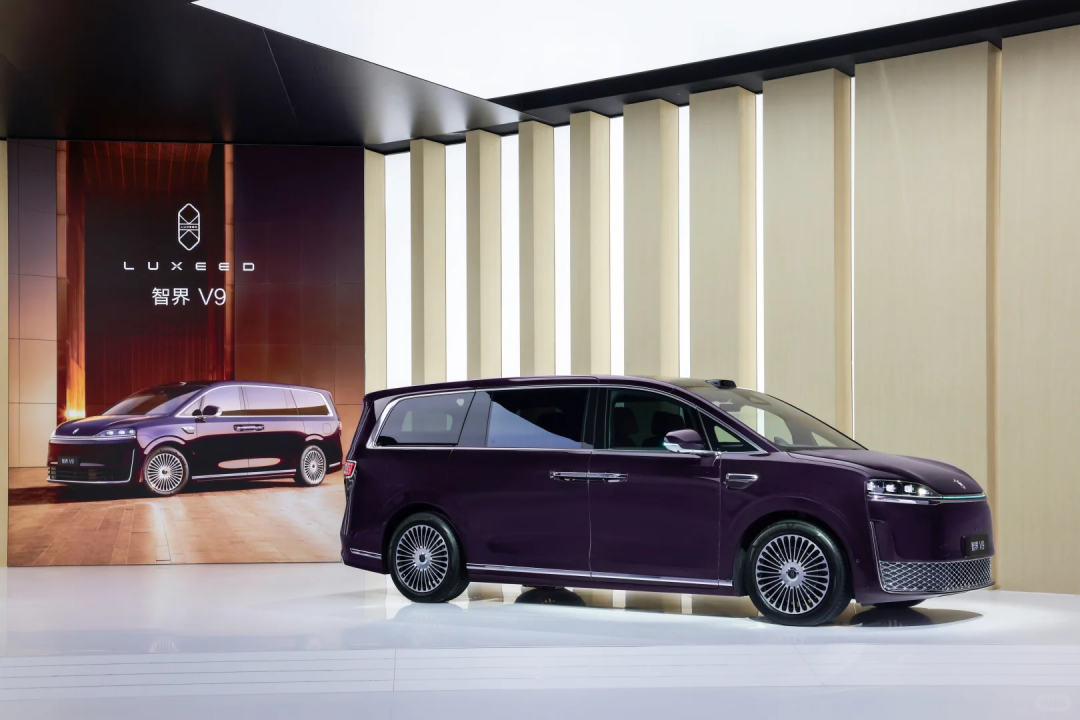
Suddenly, talk of the "MPV Tech King" is everywhere, with many declaring the end of the GL8 era. However, a closer look reveals that the 22,500 small pre-orders are merely the opening act in this competition. For the Seres V9 to truly disrupt the premium MPV market—a segment dominated by the Buick GL8 for over two decades—it must overcome at least three significant challenges.
First Challenge: Order Inflation and Delivery Pressures
Let's break down the most attention-grabbing numbers. The 22,500-unit milestone is certainly impressive, but it's crucial to remember that these are refundable and transferable small pre-orders, not final sales figures.
Industry standards suggest that the conversion rate from small pre-orders to firm orders typically ranges from 30% to 50%. This implies that the Seres V9's actual sales volume is likely to be between 7,000 and 11,000 units.
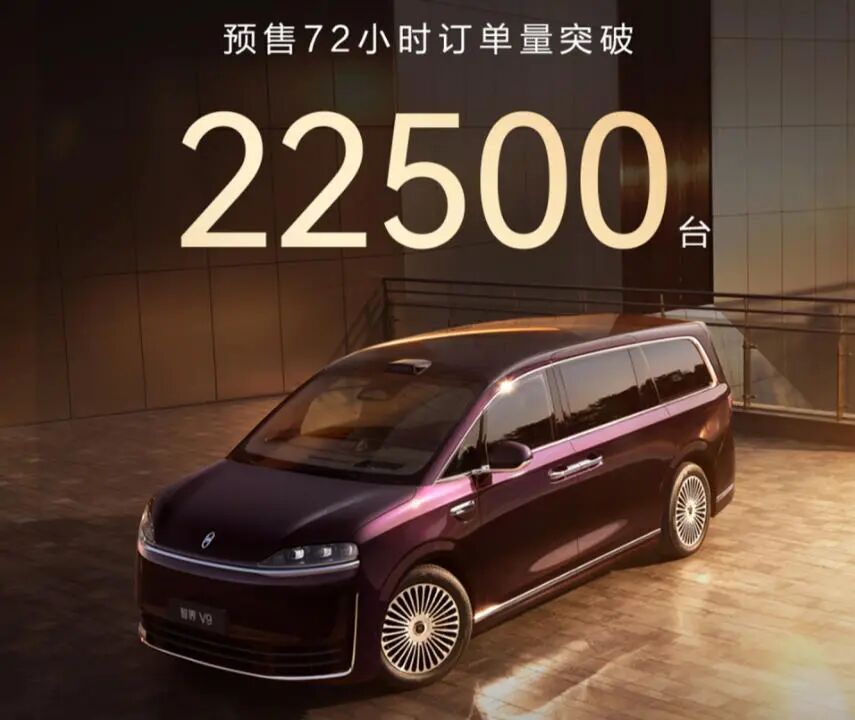
Even at the lower end of this estimate, 7,000 units is still remarkable. For context, the best-selling MPV across all categories in April 2026, the Voyah Dreamer, sold just 7,017 units, while the Buick GL8 sold around 5,500 units that month. However, several factors may be inflating these numbers.
Firstly, Huawei's extensive internal ecosystem plays a role. Huawei employees, dealer networks, and upstream and downstream partners have historically been early adopters of Huawei's automotive offerings. Secondly, the pre-sale trade-in policy, which offers a 20,000 yuan discount on the final payment for existing Hongmeng Zhixing owners trading in or purchasing additional vehicles, is undoubtedly appealing to current users. The combined proportion of these two types of orders is likely substantial.
More critical than order inflation is the delivery challenge. Huawei's vehicle models have a history of strong pre-sales but poor delivery performance. The Aito M9 faced massive order cancellations due to production capacity shortages shortly after its launch. As a brand-new model on a brand-new platform, the Seres V9's supply chain will need time to ramp up. If the delivery timeline exceeds three months, many potential buyers may switch to the readily available GL8 or Tengshi D9.
Second Challenge: Product Limitations and Experience Gaps
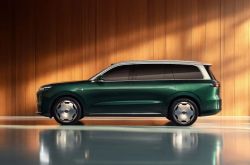
Undeniably, the Seres V9 offers a compelling package. Every model comes standard with an 896-line dual-light-path LiDAR, Huawei's ADS 4.0 intelligent driving system, and rear-wheel active steering—configurations that give it a significant edge over similarly priced MPVs.
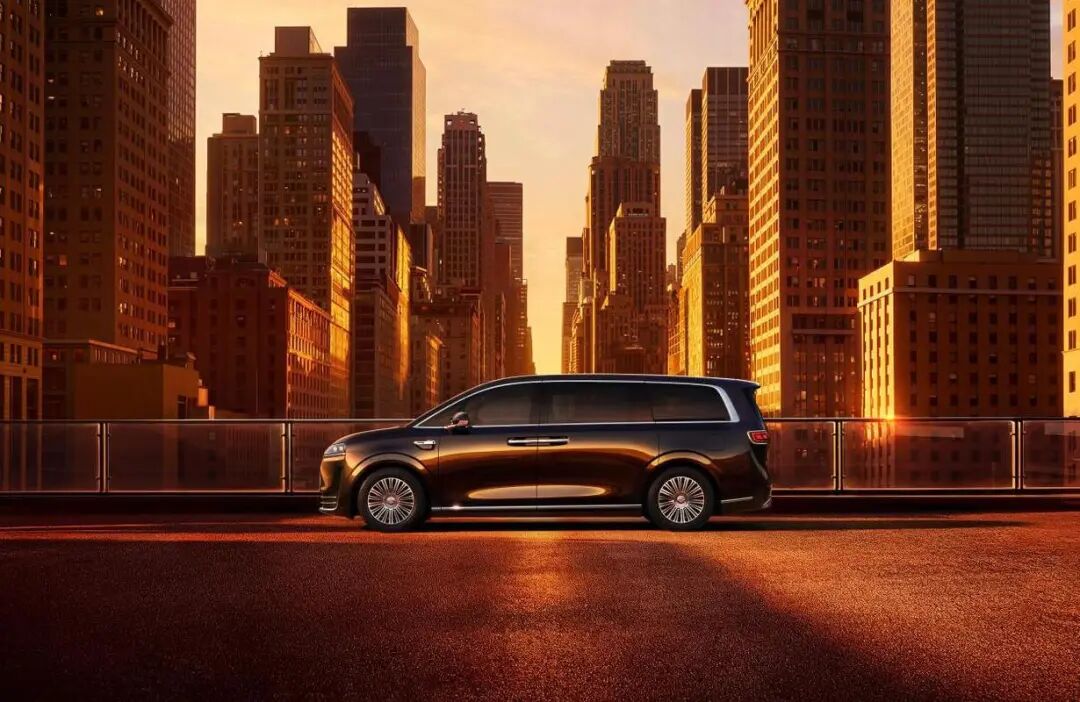
Achieving a minimum turning radius of 5.35 meters with a 5.35-meter body length is a feat that even many compact sedans can't match. The high-end variants' dual-chamber air suspension and CDC variable damping elevate the MPV's comfort and handling to new heights.
However, strong product capabilities don't mean there are no shortcomings—and some of these shortcomings are precisely what MPV users care about most.
The first issue is vehicle weight. The Seres V9's curb weight ranges from 2.7 to 2.9 tons, easily approaching the 3.5-ton upper limit when fully loaded. While the dual-chamber air suspension provides some cushioning, the durability of the suspension system under long-term heavy loads and rough road conditions will be tested. Moreover, the excessive weight impacts energy efficiency and handling agility.
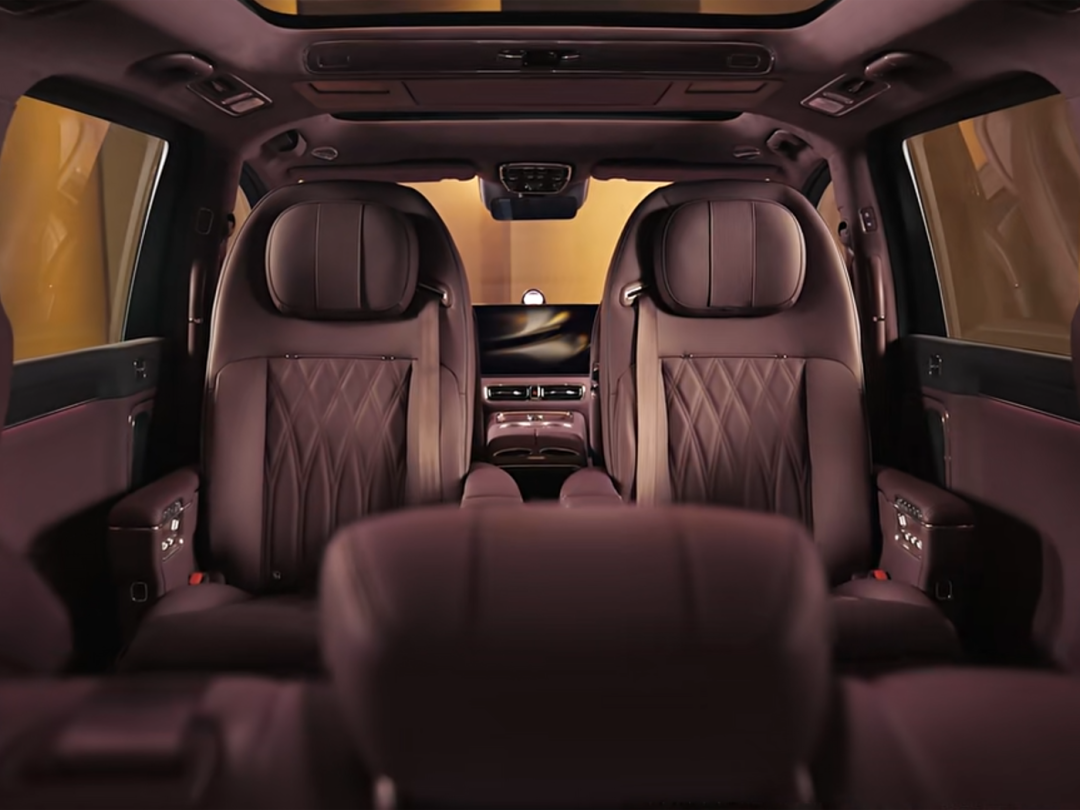
The second issue is the performance of the range-extender system when the battery is depleted. The 1.5T range extender powering a nearly 3-ton vehicle hasn't been fully market-tested for fuel consumption and NVH performance under high-speed, low-battery conditions. Many MPV users frequently embark on long-distance trips. If fuel consumption exceeds 10 liters per 100 kilometers under depleted battery conditions and engine noise is significant, the Seres V9's advantages will be significantly diminished.
The third issue is the after-sales service system. The Seres brand is relatively new, with far fewer service outlets and lower coverage density compared to Buick and BYD. For MPV users, the ability to quickly and conveniently obtain repairs when issues arise is a crucial consideration.
More concerning is the potential experience gap caused by overly high user expectations. Many have hyped the Seres V9 as the "perfect MPV," but no vehicle is flawless in reality. When users discover minor flaws or find that certain features don't live up to promotional claims, they may experience psychological disappointment, negatively impacting word-of-mouth promotion.
Third Challenge: Brand Recognition and Market Inertia
This is the most formidable challenge for the Seres V9 and the strongest defense for the GL8.
The premium MPV market differs significantly from the passenger vehicle market. Users in this segment have longer decision-making cycles, higher brand loyalty, and lower acceptance of new brands. Especially for business users, purchasing an MPV often isn't for personal use but to impress clients.
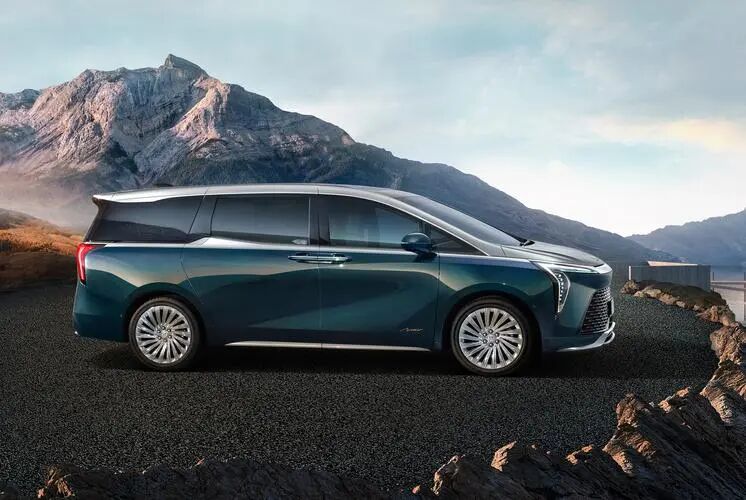
In business settings, the GL8 badge serves as a pass, symbolizing stability, reliability, and prestige. This brand perception has been cultivated over two decades and cannot be easily altered by a few new models.
Many argue that users no longer rely solely on brand recognition but prioritize intelligence and technology. This is only partially true. While home users increasingly value intelligence, business users still prioritize brand and prestige. The business market, which constitutes GL8's core customer base and most profitable segment, presents a formidable challenge for the Seres V9 to poach customers.
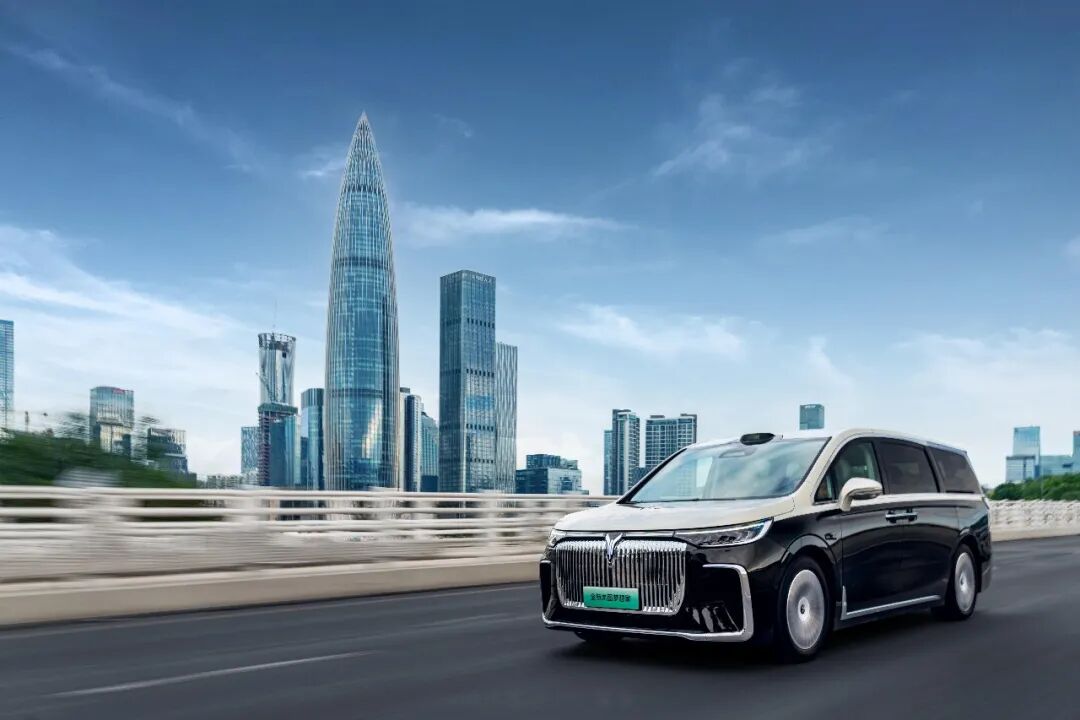
Besides the GL8, the Seres V9 faces competition from the Tengshi D9 and the Voyah Dreamer. The Tengshi D9 has already built a solid market reputation leveraging BYD's three-electric technologies and first-mover advantage, with its main variants priced around 50,000 yuan lower than the Seres V9, offering significant cost-performance advantages. The Voyah Dreamer has gained strong momentum recently, topping the sales charts across all MPV categories in April. Its intelligent driving system also comes from Huawei, and its chassis craftsmanship is robust.
In other words, the Seres V9 must not only challenge the GL8's dominance in the business segment but also defend against attacks from the Tengshi D9 and Voyah Dreamer in the lower price ranges. Priced between 399,800 and 529,800 yuan, it faces strong competition on both ends, making its position far from easy.
Ultimately, while the Seres V9 is the strongest disruptor in the history of the premium MPV market, it is certainly not the "Terminator." It has redefined the value standards of premium MPVs through technology, forcing traditional automakers to accelerate their intelligent transformations—a commendable feat. However, expecting it to instantly replace the GL8 and become the new market leader is unrealistic.
The future premium MPV market will likely become more diversified. The GL8 will continue to dominate the business segment, the Seres V9 will target tech-savvy home users and younger business customers, while the Tengshi D9 and Voyah Dreamer will carve out their shares of the remaining market. How far the Seres V9 can go ultimately depends on whether it can overcome these three challenges and win user acclaim through genuine product experience and delivery capabilities. After all, in the automotive market, pre-order numbers generate temporary excitement, but sustained sales and reputation are the true paths to long-term success.
-
![]()
Pity Stirs as OpenAI and Anthropic Dive into Financial Maneuvers
-
![]()
Small Pre-Order Numbers Are Just a Sneak Peek: Seres V9 Faces Three Major Challenges to Overtake GL8
-
![]()
New Energy Vehicle Market: A 'One Dominant Force, Multiple Strong Contenders' Era Emerges
-
![]()
AI Enters the Era of 'Self-Evolution', Li Yanhong First Proposes 'DAA' as the Measurement for the AI Era
-
![]()
Mercedes-Benz China Executive Steps In to Steer Volvo Through Turbulent Waters
-
![]()
She Once Steered OpenAI's Technology, Now Aims to Redefine Its Rules
-
![]()
Porsche Bids Farewell to Bugatti Amid Tears as Mysterious Buyer Stealthily Takes the Helm
-
![]()
60%! Electric Vehicles Surge, Gasoline Vehicles Face Countdown