Mercedes-Benz China Executive Steps In to Steer Volvo Through Turbulent Waters
 05/13 2026
 560
560
Yuan Xiaolin steps down, Duan Jianjun steps up—marking the end of one era and the dawn of another challenging chapter.
On May 11, 2026, an announcement regarding a key personnel change sent shockwaves through the automotive industry.
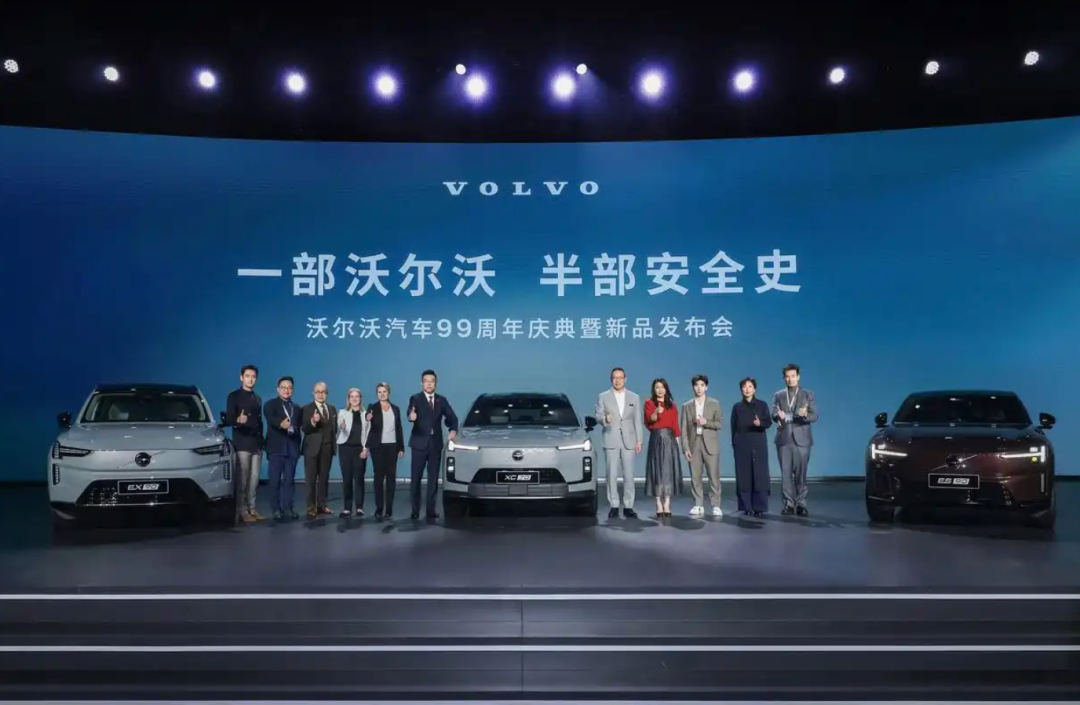
Just 26 days prior, Yuan Xiaolin was still basking in the limelight at Volvo Cars' 99th-anniversary celebration. Surrounded by hundreds of guests, media representatives, and dealers, he reminisced about the Swedish brand's past, present, and future. Little did anyone know that this would be his final appearance as President and CEO of Volvo Greater China.
Duan Jianjun has now taken the reins.
This seasoned manager, with over three decades of experience in the Chinese automotive sector, previously helmed Mercedes-Benz China and made history as the first Chinese local executive to lead a multinational luxury brand's sales operations in the country. Now, he faces not a well-established luxury empire but a behemoth showing signs of weariness amidst treacherous market waters.
Sixteen Years: The Ebb and Flow of an Era
The saga of Yuan Xiaolin and Volvo China commenced with a groundbreaking acquisition in the global automotive landscape.
In 2010, Geely acquired Volvo from Ford for $1.8 billion, with Yuan Xiaolin playing a pivotal role in the acquisition team. Over the next sixteen years, leveraging the "second home market" strategy, he single-handedly constructed Volvo China's end-to-end operational framework from the ground up.
The data speaks volumes about this illustrious [glorious] period.
Annual sales skyrocketed from 30,000 units at the time of acquisition to 156,000 units in 2024, propelling China to become Volvo's largest single market globally. With one regional headquarters, one R&D center, one design center, three manufacturing bases, and over 300 dealer outlets, a robust industrial foundation was laid. The brand ethos of "safety, health, and sustainability" became deeply ingrained, and the slogan "Only Love and Life Are Irreplaceable" emerged as one of the most recognizable campaigns in the luxury car market.
Yet, beneath the surface of prosperity, cracks began to appear.
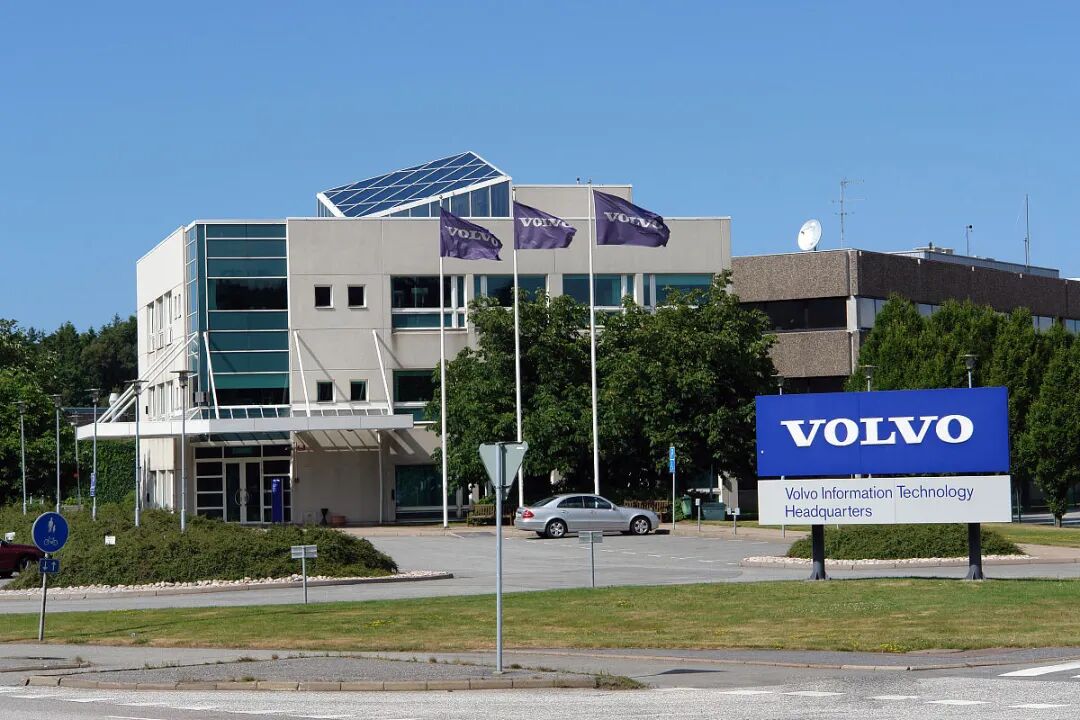
In 2025, Volvo China's sales dipped marginally by 4% year-on-year to 149,500 units, a seemingly insignificant decline. However, revenue plummeted by 23% to 49.3 billion Swedish kronor, a drop far exceeding the 7%-8% levels witnessed in European and American markets, making China the "epicenter" dragging down Volvo's global performance.
What accounts for this stark disparity?
In recent years, the competitive landscape in China's luxury car market has undergone a seismic shift. New entrants like Tesla, NIO, and Li Auto, armed with cutting-edge intelligence and connectivity features, have captured market share. Meanwhile, traditional powerhouses like BMW, Mercedes-Benz, and Audi have accelerated their electric transformations, launching new models in rapid succession. Volvo, however, faltered in this wave, with sluggish sales of the EX30 and EM90, aging fuel-powered mainstays like the XC60 and S90, and a continuously eroding market share.
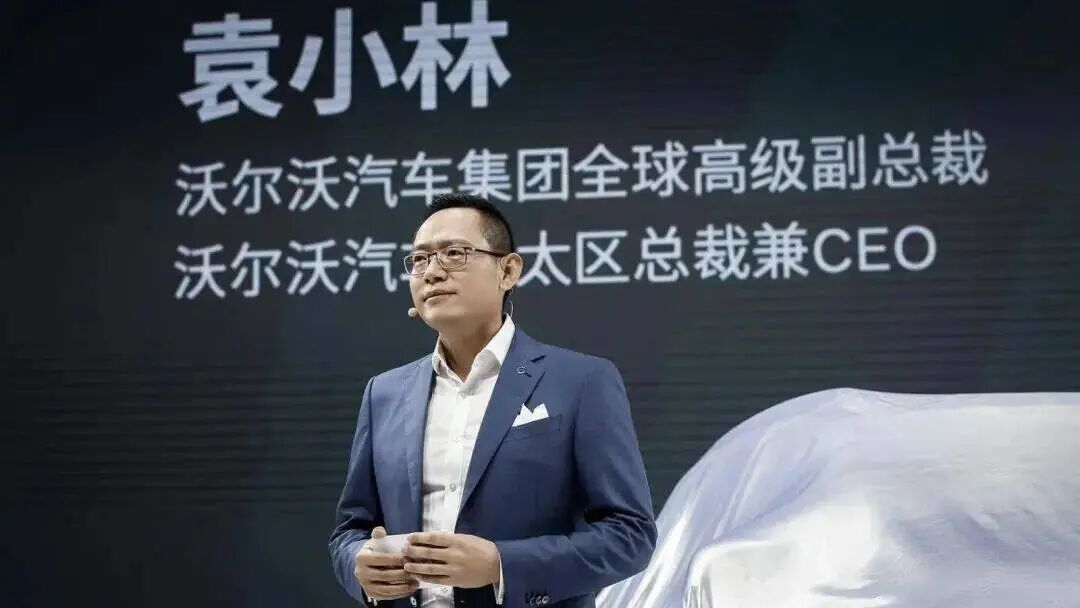
Although Yuan Xiaolin spearheaded the launch of the SMA super hybrid platform and the XC70 model, with cumulative sales of the XC70 exceeding 20,000 units since its September 2025 debut, becoming a rare bright spot in luxury brand electrification, this did not alter the overall lackluster competitiveness of Volvo's new energy vehicle lineup.
Deeper concerns loom regarding the brand's image. Among young consumers seeking personalization and intelligence, Volvo's reputation for "safety and health" remains steadfast [solid] yet slightly antiquated, drifting away from market trends. In 2025, Volvo reported a global net loss of 2.968 billion Swedish kronor, its first annual loss in a decade, with the revenue collapse in the Chinese market serving as the primary catalyst.
Yuan Xiaolin's departure signifies the end of an era for Volvo China. However, what he leaves behind is not a well-established luxury empire but a "hot potato" fraught with challenges such as declining performance, an aging brand, and a sluggish transformation.
The Uphill Battle of the 'Fire Chief'
Duan Jianjun's career trajectory exemplifies the success of localized talent in China's automotive industry. Having held senior management positions at Fiat, Volkswagen, BMW, and Mercedes-Benz, he propelled teams to new heights during his tenure at Mercedes-Benz China, helping make China Mercedes-Benz's largest global market.
Volvo Cars President and CEO Håkan Samuelsson lauded this appointment: "Duan Jianjun possesses a profound understanding of the Chinese automotive market and extensive experience in managing luxury car brands."
Yet, beneath the accolades lies the harsh reality Duan Jianjun must confront.
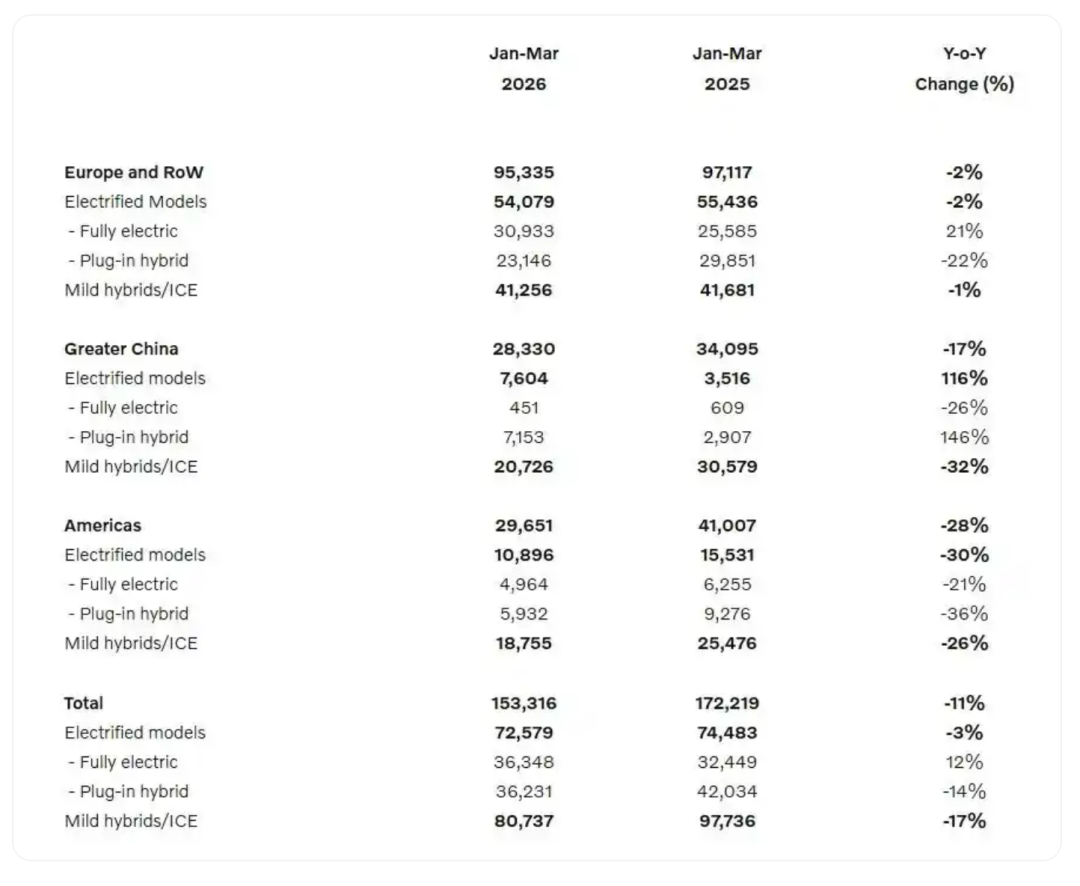
Against the backdrop of a nearly 3 billion Swedish kronor global loss in 2025, how Duan Jianjun achieves dual growth in sales and revenue amidst fierce market competition is, undoubtedly, one of the most formidable challenges faced by nearly all multinational automakers' heads in China.
In particular, how can a brand synonymous with "safety" resonate with young consumers in the new era? Duan Jianjun may need to reevaluate Volvo's brand positioning, infusing it with connotations that better align with young consumers' aspirations.
Faced with the luxury brands' electric breakthrough dilemma, the previous success of the XC70 demonstrates that Volvo is not devoid of opportunities. However, the overall lack of competitiveness in its new energy product lineup and insufficient product diversity pose significant hurdles.
Duan Jianjun must accelerate the pace of electric transformation, launching more market-competitive new energy models to meet escalating consumer demand. This entails multifaceted efforts, including R&D investment, supply chain optimization, and production layout adjustments, requiring seamless coordination of various resources. Today, Volvo still grapples with immense financial and technological pressures.
Additionally, the channel system is sounding the alarm. Dealer profitability is dwindling, confidence is low, and some outlets have even exited the network. Duan Jianjun must balance the interests of all stakeholders and rebuild channel confidence, testing not only his management acumen but also his political savvy.
'Breaking the Deadlock' and 'The Dilemma'
Can Duan Jianjun steer Volvo China out of its predicament?
From an advantage standpoint, Duan Jianjun boasts extensive experience in managing luxury brands and a deep understanding of the Chinese market. During his tenure at Mercedes-Benz China, he enhanced Chinese consumers' comprehension of Mercedes' products and ethos through a series of localization upgrades in product, brand, marketing, and channel domains, driving Mercedes to achieve remarkable results in the Chinese market. These experiences may offer valuable insights for Volvo China's development.
However, Volvo China's current challenges span multiple dimensions, including strategy, brand, product, and channels, necessitating systemic adjustments. This requires full authorization and resource allocation from the global headquarters. Yet, multinational companies' strategic decisions often entail global considerations, and the extent of autonomy Duan Jianjun can secure remains uncertain.
Facing cultural adaptation issues, Mercedes' brand DNA revolves around "luxury, prestige, and technology," whereas Volvo's centers on "safety, health, and sustainability." Whether Duan Jianjun's management philosophy and operational model honed at Mercedes can be effectively applied to Volvo remains to be seen.
Moreover, the competitive environment in China's automotive market has undergone a paradigm shift. Competition in the new energy vehicle sector is intensifying, with new entrants continuously challenging traditional luxury brands' market share through innovative business models and user engagement strategies.
Although Duan Jianjun possesses extensive experience in traditional luxury brands, his expertise in new energy vehicles and intelligence is relatively nascent. Whether he can swiftly adapt to market changes and lead Volvo China to achieve breakthroughs in the new energy sector poses a significant test.
In the short term, Duan Jianjun may achieve a marginal sales recovery through marketing tactics and channel adjustments. However, for Volvo China to truly emerge from its difficulties in the long run, deep-seated reforms and innovations are imperative.
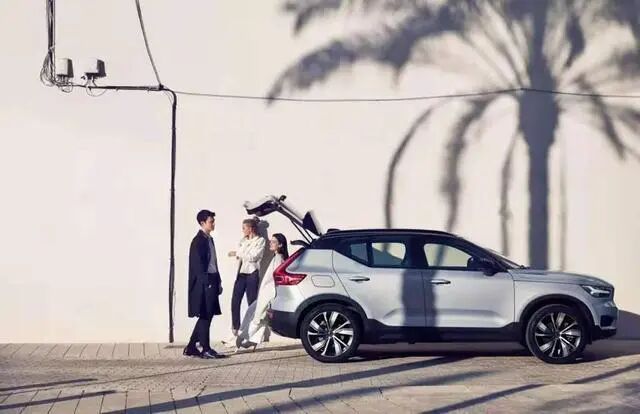
This entails accelerating the pace of electric transformation, launching more competitive new energy models; reshaping the brand image, infusing it with new era connotations; optimizing the channel system, enhancing dealer profitability; strengthening internal management, and improving operational efficiency. These reform measures demand time and financial investment and are fraught with uncertainties.
Volvo China's leadership transition is not merely a personnel change within a company but a microcosm of the broader transformation unfolding in the luxury car market.
Amidst the wave of electrification and intelligence, all traditional luxury brands grapple with similar questions: How to complete the era transformation while preserving the brand's core essence? How to balance global strategy with the nuances of the Chinese market? How to rejuvenate the perception of "century-old brands" among the younger generation?
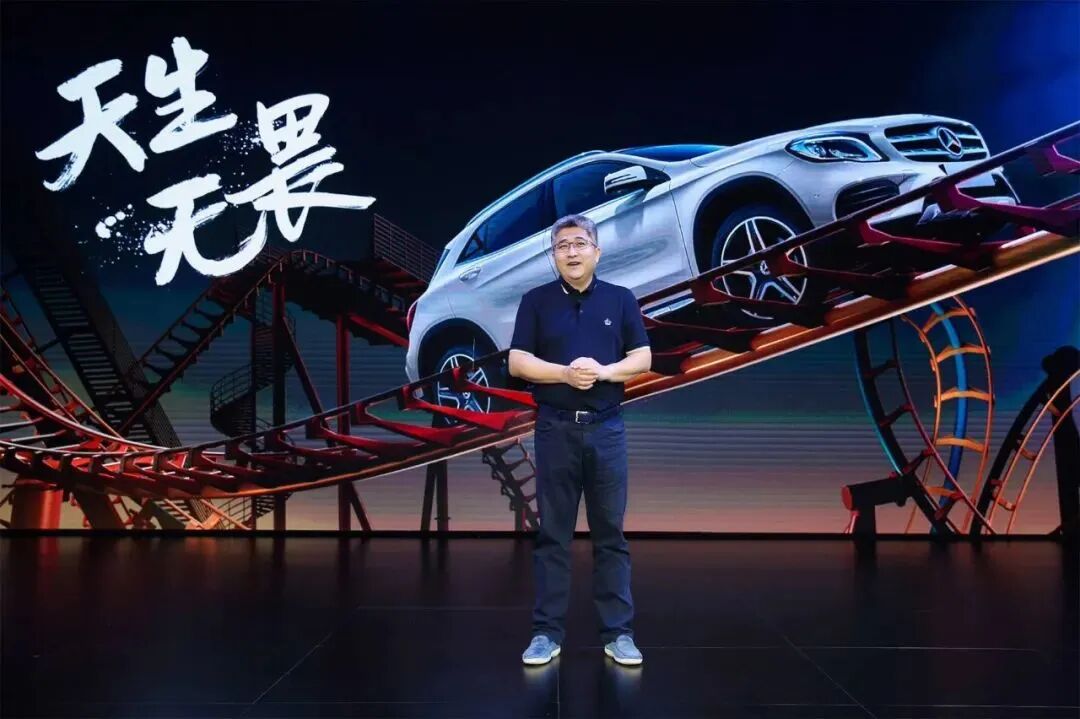
Duan Jianjun's mission extends far beyond halting the performance decline. He must address the questions that resonate more deeply with consumers today: Can Volvo evolve into a more vibrant, era-appropriate brand?
The Chinese luxury car market in 2026 is poised for turbulence. The new energy wave continues to surge, new forces lurk in the shadows, and traditional powerhouses are accelerating their transformations. Yuan Xiaolin, the "old captain," has disembarked, and Duan Jianjun has taken the helm, but the journey ahead is arduous and fraught with hidden dangers.
Note: Some images are sourced from the internet. If there is any infringement, please contact us for removal.
-END-
-
![]()
Pity Stirs as OpenAI and Anthropic Dive into Financial Maneuvers
-
![]()
Small Pre-Order Numbers Are Just a Sneak Peek: Seres V9 Faces Three Major Challenges to Overtake GL8
-
![]()
AI Enters the Era of 'Self-Evolution', Li Yanhong First Proposes 'DAA' as the Measurement for the AI Era
-
![]()
Mercedes-Benz China Executive Steps In to Steer Volvo Through Turbulent Waters
-
![]()
She Once Steered OpenAI's Technology, Now Aims to Redefine Its Rules
-
![]()
Porsche Bids Farewell to Bugatti Amid Tears as Mysterious Buyer Stealthily Takes the Helm
-
![]()
60%! Electric Vehicles Surge, Gasoline Vehicles Face Countdown
-
![]()
Decade’s First Leadership Shift: Can Duan Jianjun Revitalize Volvo?