With Its New CEO at the Helm, Can Volvo Surpass Audi in the Coming Years?
 05/14 2026
 575
575
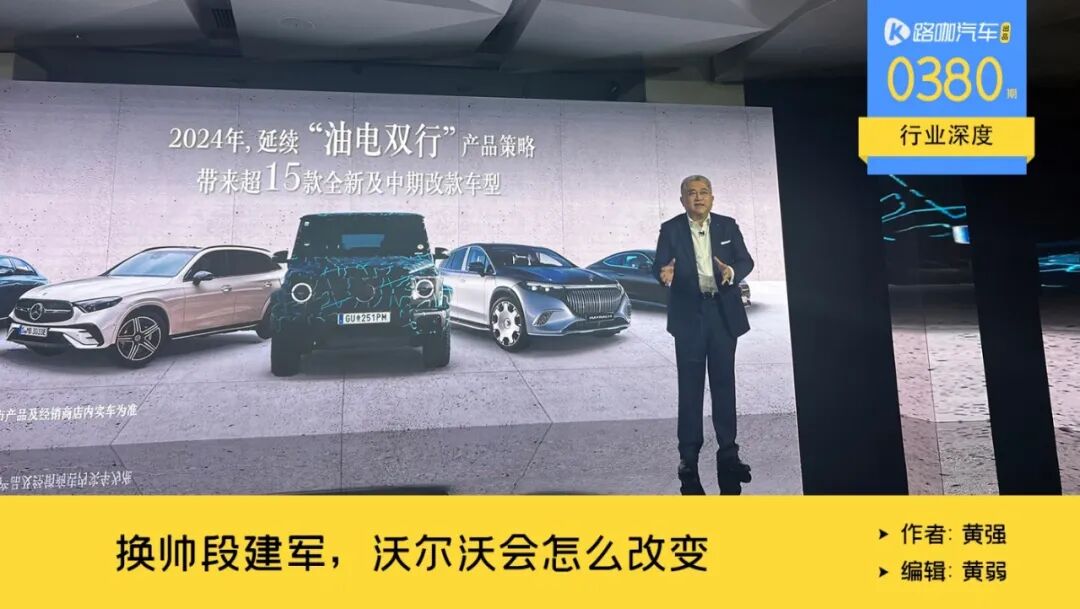
Should Volvo ascend to the premier tier of the luxury automotive segment, Audi would likely be the first to be displaced.
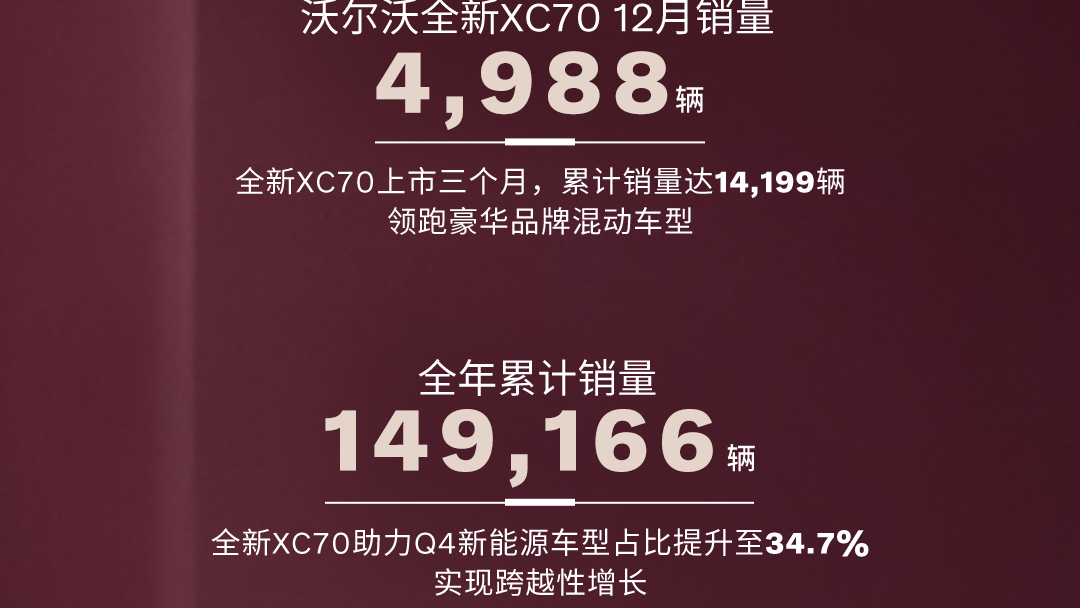
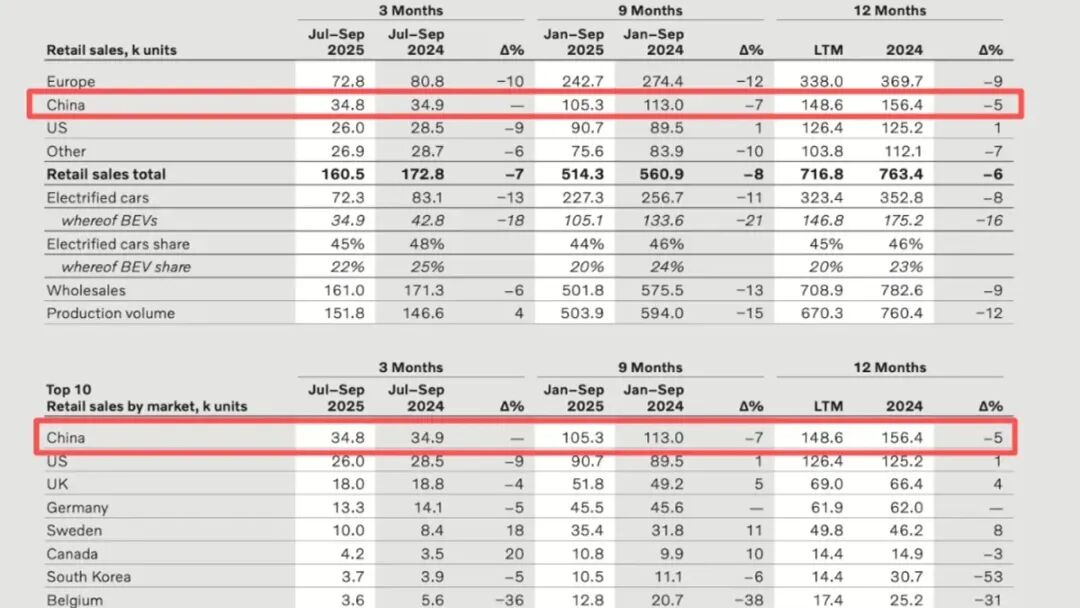
The CEO for Greater China has transitioned from Yuan Xiaolin to Duan Jianjun. From a rational standpoint, Volvo's leadership change shouldn't have sparked such significant impact and discussion. In terms of figures, Volvo sold 149,166 vehicles in the Chinese market in 2025, a slight dip from the 156,370 units sold in 2024. Yet, when compared to BMW's -12.5%, Mercedes-Benz's -19.5%, and Audi's -4.9%, Volvo's performance appears relatively robust, albeit its sales volume remains modest.
Chinese brands are making waves in the luxury car market. Taking 2025 sales as a benchmark, Li Auto sold 405,900 vehicles, NIO sold 326,000, and AITO delivered over 420,000. In essence, Volvo doesn't dominate the luxury car market, and its once-stronghold in safety is being challenged by domestic brands.
However, Duan Jianjun's appointment has generated considerable buzz, particularly within the industry. Thus, the burning question is whether Volvo will undergo transformation, and the answer is a resounding 'YES.' The real inquiry is how it will evolve and what it will become.
Insights from Stories About the New CEO
Sharing a few anecdotes about Duan Jianjun that I've witnessed and experienced, I believe they offer insights beyond the current public narratives.
First, let's examine the existing public reports on Duan Jianjun, allowing everyone to draw their own conclusions.
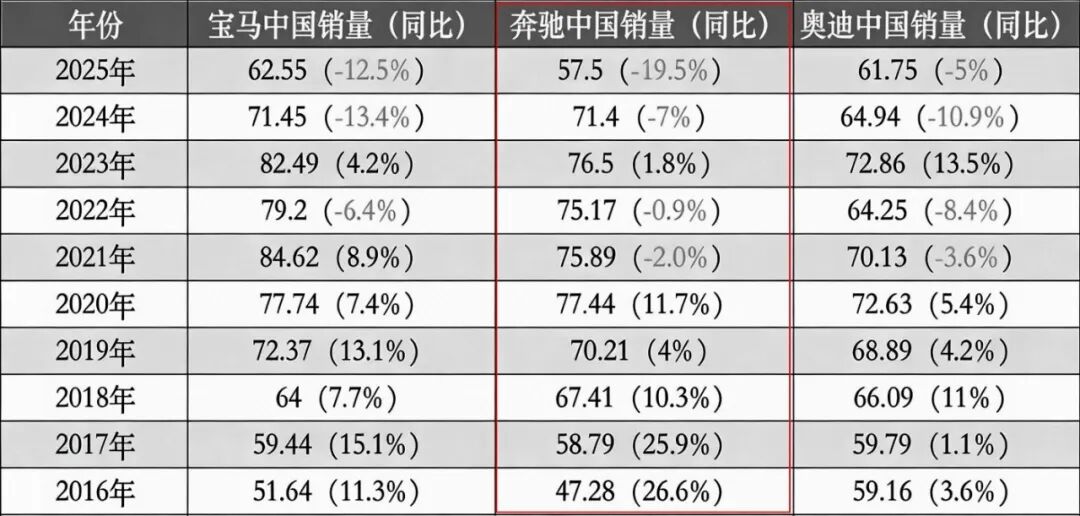
In 2013, Duan Jianjun joined Mercedes-Benz, which sold 218,000 vehicles in China that year. By 2016, Mercedes-Benz's sales in China had doubled, reaching a historic peak of 770,000 units in 2020. The reasons for this substantial sales growth are multifaceted, including Mercedes-Benz's technological prowess, brand influence, and the era of dividends in China's luxury car market.
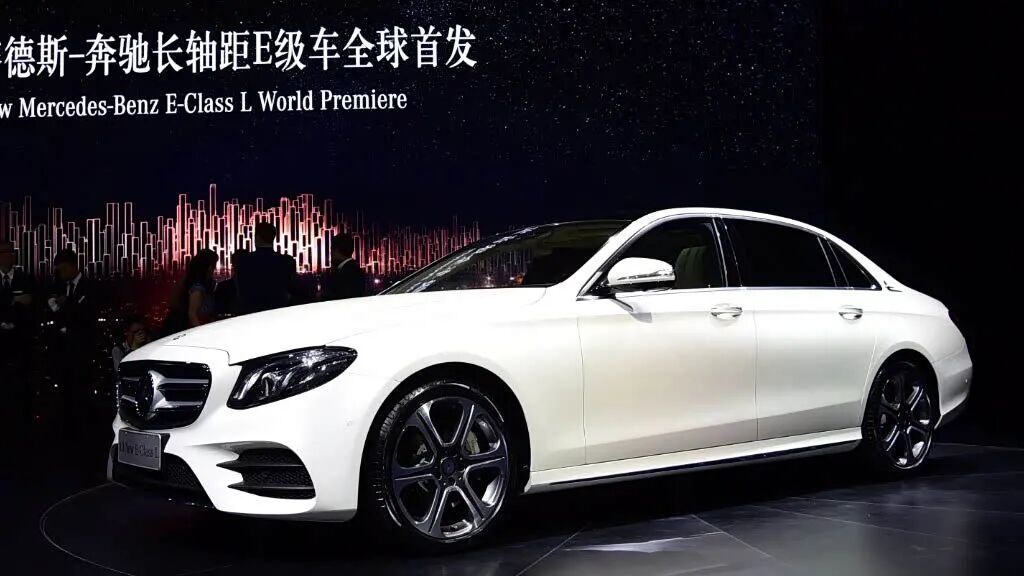
A crucial factor was undoubtedly Duan Jianjun, who effectively implemented Mercedes-Benz's localization strategy 1.0, encompassing localized sales channels, marketing, and nurturing local talent. He also dispelled the myth that 'Mercedes-Benz is prohibitively expensive to maintain.' The result was his appointment as President and CEO of Beijing Mercedes-Benz Sales Service Co., Ltd. in 2023, making him the first Chinese executive to hold this position in a top-tier multinational luxury automaker.
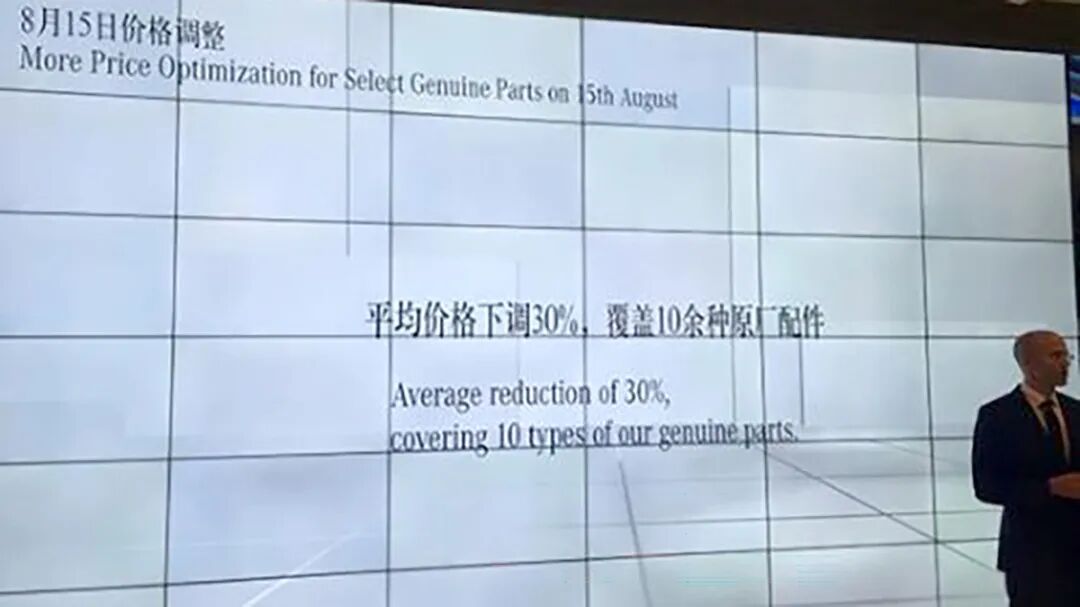
From public reports, it's evident that Duan possesses exceptional foresight, negotiation, persuasion, and execution skills.
Understanding Duan Jianjun requires delving deeper than his famous quotes like 'The inventor of the automobile reinvents it.' Otherwise, one might miss the broader context. Automobiles aren't just about marketing; they're about long-term industrial competition.
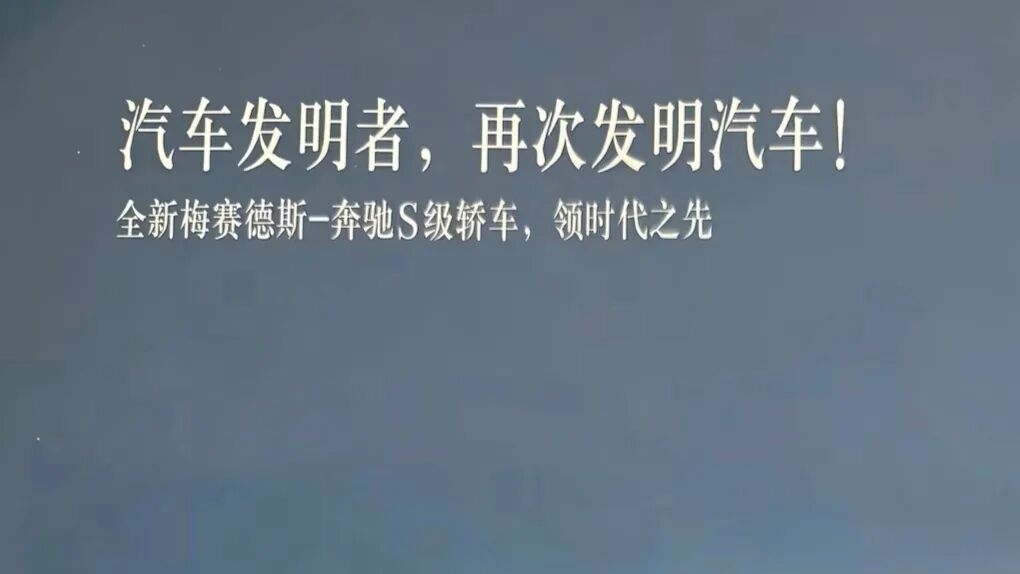
Altering the strategies of foreign partners in joint ventures is one of the most daunting tasks, especially for a founding giant like Mercedes-Benz with a 140-year legacy. However, Mercedes-Benz's transformations and deep-rooted presence in the Chinese market are undeniable.
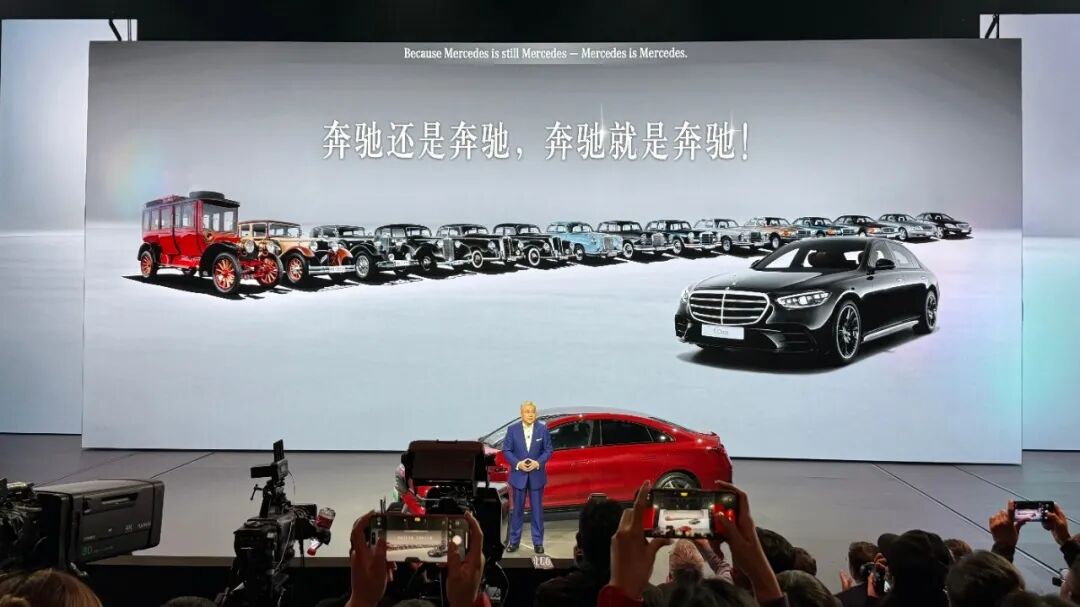
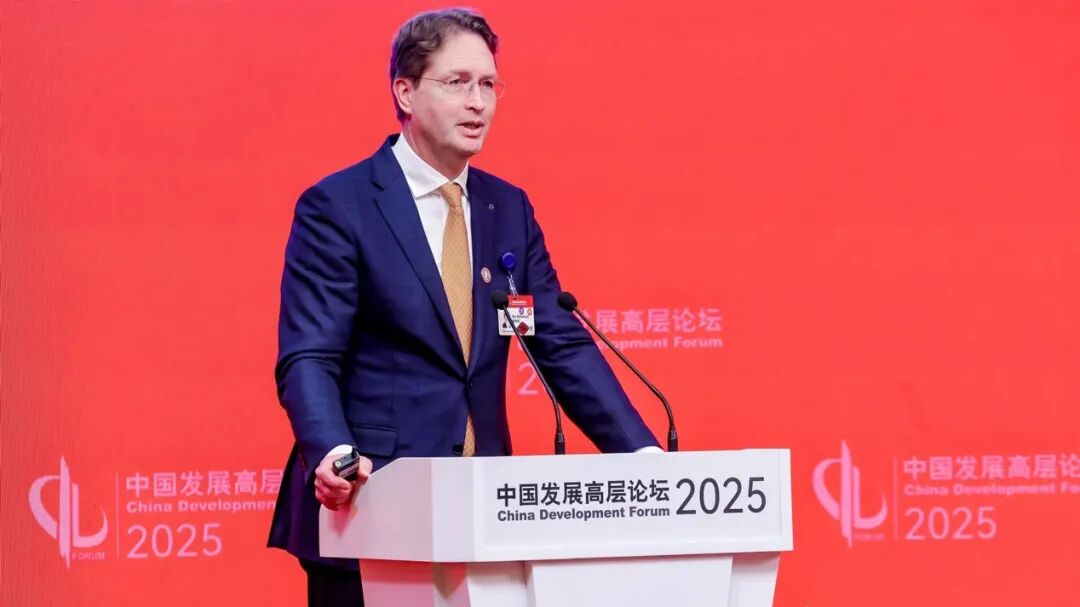
Mercedes-Benz's official evaluation of Duan Jianjun offers further insight. 'Mr. Duan Jianjun is an outstanding leader who has made exceptional contributions to the company's development in China with his utmost professionalism.'
Yet, these alone don't fully capture the essence. Here are two anecdotes. The first occurred during a renowned Mercedes-Benz IP event. Shortly after its commencement, a significant incident threatened to derail the event. At that time, Duan Jianjun was the Executive Vice President of Sales and Marketing, overseeing Mercedes-Benz's sales and marketing in China.
Had this happened at another brand's event, it would have likely been canceled to prevent severe damage to the brand's reputation. The cost would have been tarnishing the well-known IP, potentially leading to a slump in subsequent years. After a night of intense internal and external communication and coordination, Duan Jianjun ensured the event proceeded smoothly and the issue was resolved normally.
The second anecdote portrays him as a 'firefighter.' In March 2023, Duan Jianjun became the first Chinese CEO of Beijing Mercedes-Benz. Behind this simple statement lies the fact that Duan, then COO, focused on coordinating numerous matters between China and Germany. Many sources indicated he was preparing to enrich his experience and retire within the Mercedes-Benz system. However, he ultimately returned as the 'firefighter' for the century-old giant in the Chinese market.
Several conclusions can be drawn from this incident. First, Duan Jianjun is courageous enough to shoulder responsibilities, a stark contrast to many joint venture executives who 'only sweep the snow in front of their own doors.' Second, he possesses strong coordination skills, especially for Beijing Mercedes-Benz's conservative and complex system. Third, he is persuasive, particularly in localization efforts.
From a KPI perspective, the highlights are as follows:
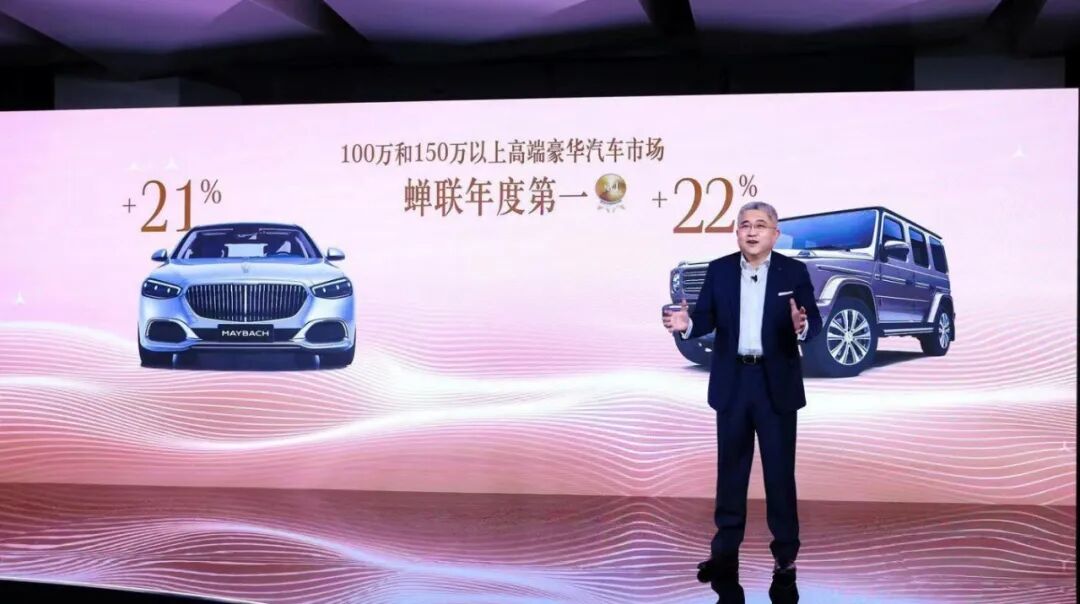
In 2023, deliveries of pure electric models surged by over 100%. While this is partly due to a low base, compared to Audi and BMW, Mercedes-Benz's transition speed is the fastest. Additionally, in 2023, Maybach sales increased by 21%, and G-Class SUV sales rose by 22%.
In 2024, Mercedes-Benz announced that its R&D investment in China over the next five years would exceed 10.5 billion yuan.
In 2025, it announced an additional investment of 14 billion yuan to bolster its electrification and intelligent layout in China.
What Cards Does Volvo, Aiming for a Comeback, Hold?
On the last day of April this year, hundreds at Mercedes-Benz China spontaneously bid farewell to Duan Jianjun, reflecting his popularity. With the previous layout and investment plans, Mercedes-Benz's competitive path in the Chinese market won't be as arduous. At least from the perspective of the pure electric CLA, its intelligent capabilities already place it on par with NIO, Xpeng, Huawei, and Xiaomi.
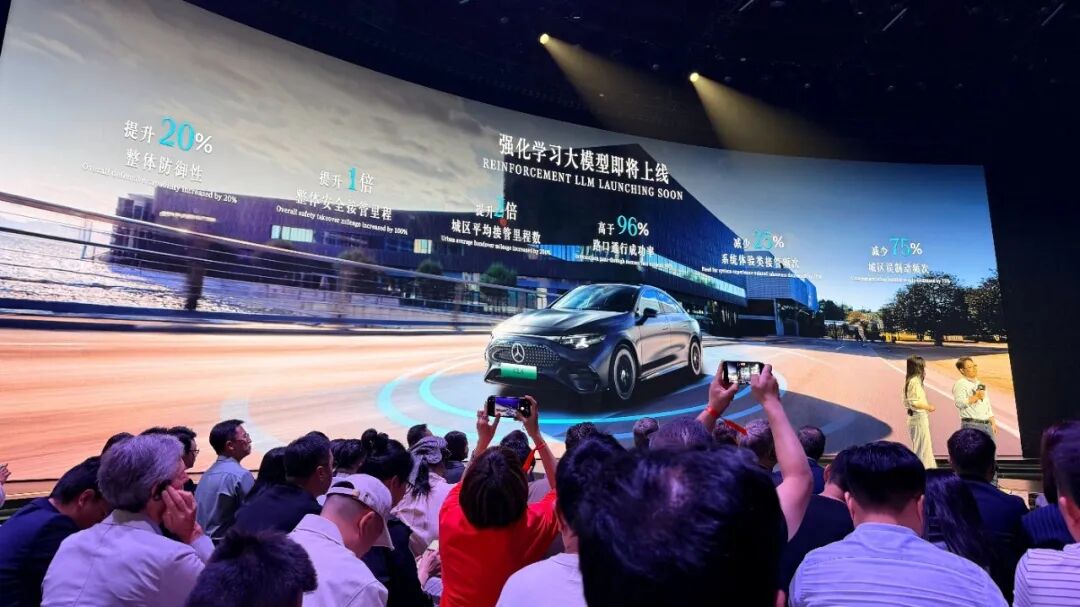
Essentially, Mercedes-Benz's current challenge is whether to lower its stance, break its pricing and system, and engage in direct competition with domestic brands. Technologically, in terms of quality and brand, these aren't issues.
Now, let's shift our focus to Volvo and Duan Jianjun to see what lies ahead.
First, let's examine common issues, then delve into differential ones. The common issue is that, as a Sino-foreign joint venture, it involves persuading and coordinating both sides to achieve substantive changes amidst era-defining transformations. Both Mercedes-Benz and Volvo are global automakers, so their development perspectives often emphasize balance or coordination.
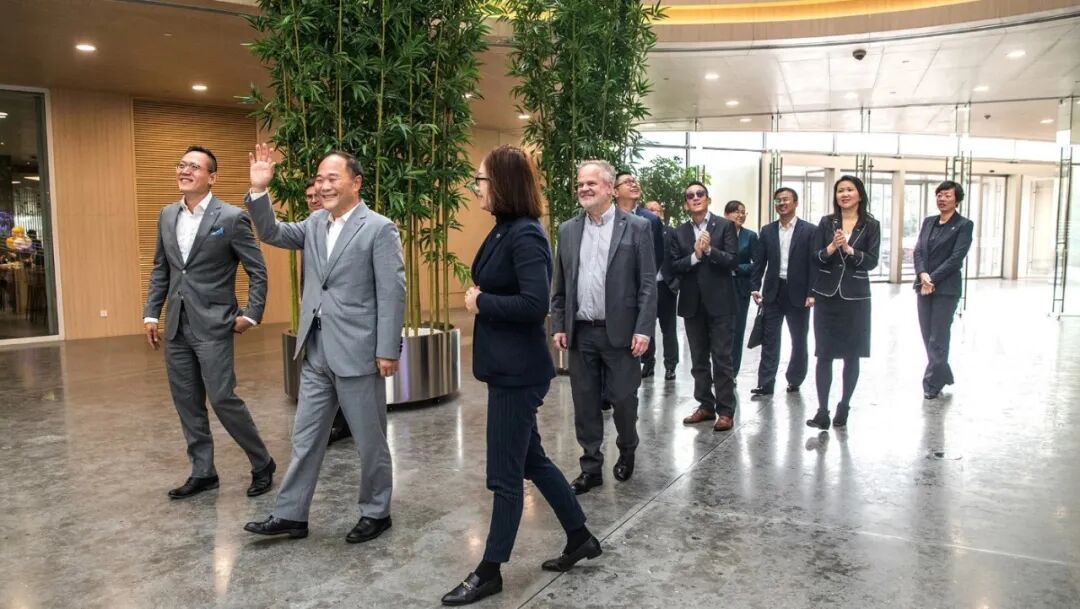
However, for Duan Jianjun, the difference is that Geely held a 78.7% stake in Volvo Cars as of 2024, granting it absolute control. Moreover, compared to the Germans, the Swedes are more flexible and have been promoting the transition to new energy and intelligent technologies earlier.
From this personnel appointment announcement, there's an additional highlight. Duan Jianjun succeeded Yuan Xiaolin and is responsible for comprehensively overseeing end-to-end operations in Greater China, including the overall industrial and commercial operations across the entire value chain (R&D, production, supply, and sales).
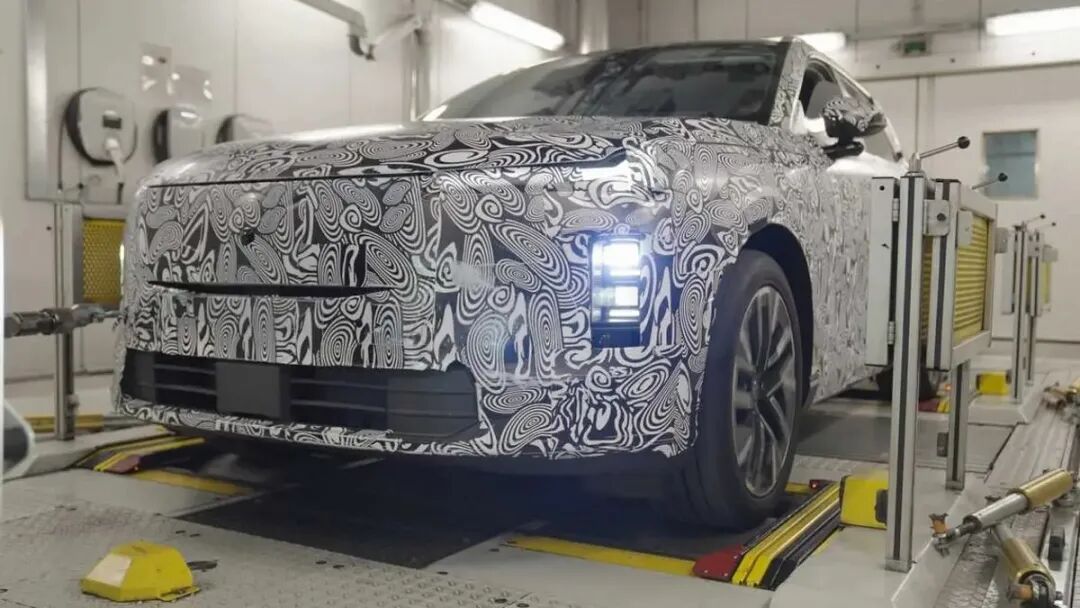
Unlike before, this includes management authority over R&D.
This leads us to the topic of what technological cards Volvo holds. Broadly speaking, there are four areas:
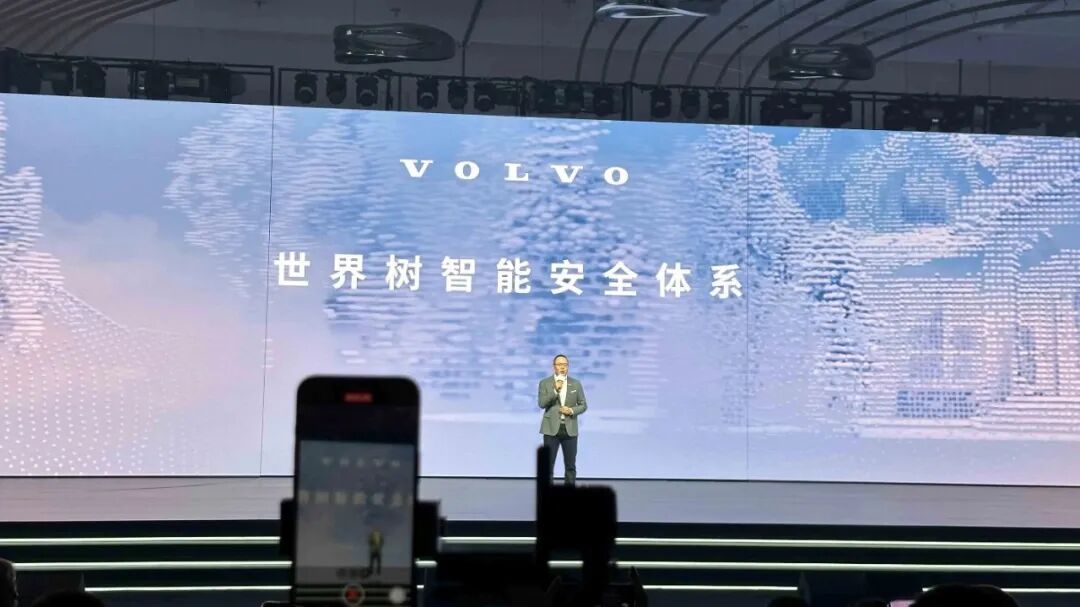
First, the World Tree Intelligent Safety System, which can be understood as a deep integration and systematic extension of Volvo's safety and AI;
Second, the core technology system of the three electric components (battery, motor, and electronic control), which to some extent differs from Mercedes-Benz, BMW, and Audi. German automakers are indeed changing, but the inertia of relying on suppliers to share R&D costs over the past century cannot be completely reversed in the short term;
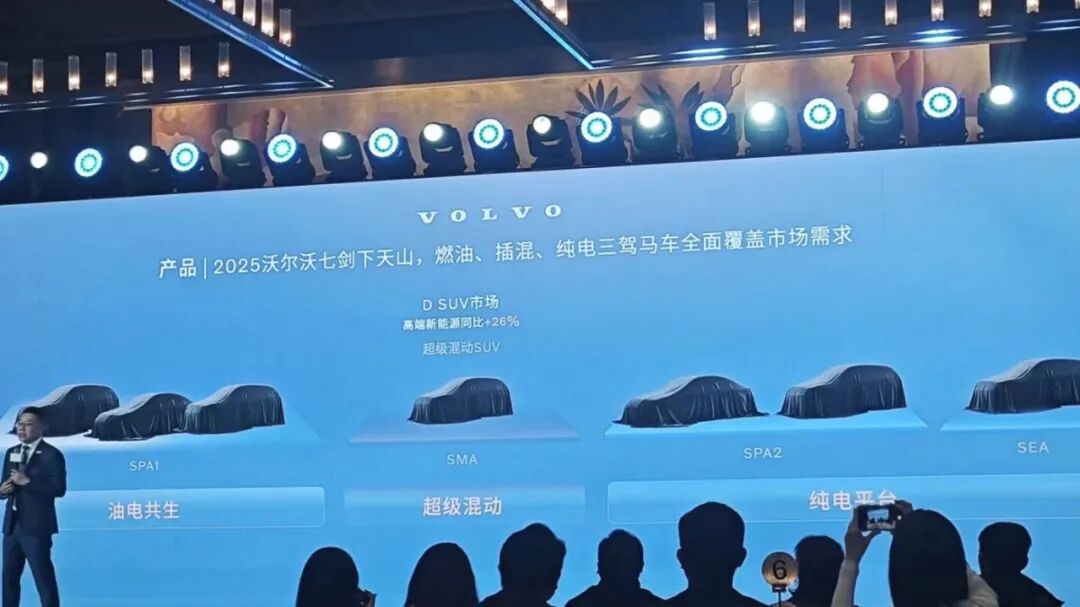
Third, a new architecture for new energy, including the SPA2 native pure electric platform, supporting centralized electronic electrical architecture, and the SMA super hybrid architecture. This capability is crucial, meaning Volvo doesn't need to struggle with E/E architecture and retrofitting electric systems like German luxury cars and can adapt more swiftly to the Chinese market;
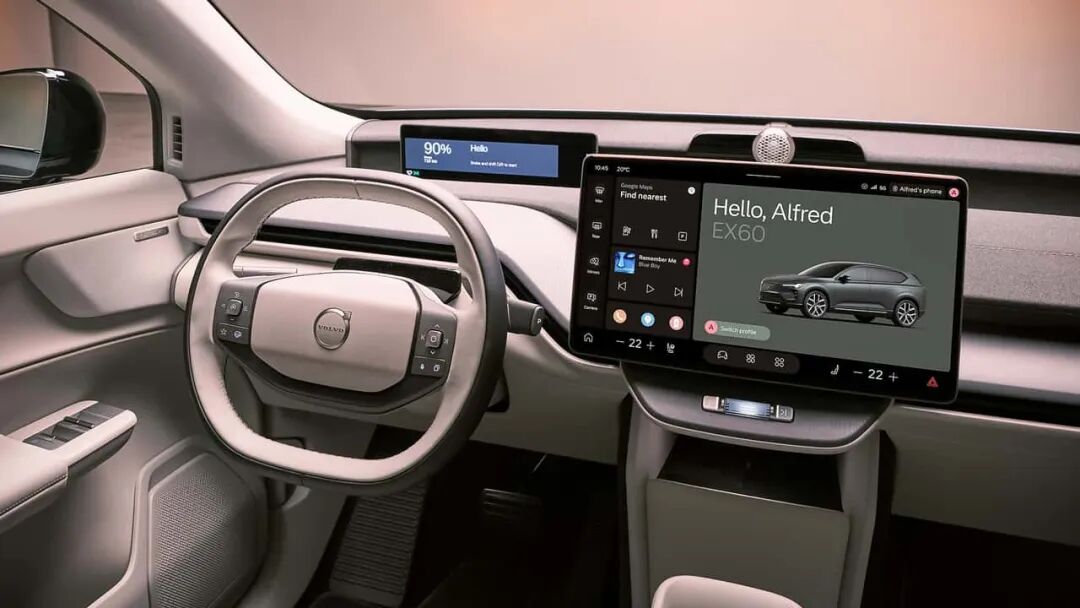
Fourth, intelligent driving and intelligent cockpit. In fact, most people are unaware that Volvo is a leader in the intelligent cockpit field, having early on developed an OS based on native Android. More often than not, it simply refrains from being too flashy due to compliance and safety considerations.
Comparatively, there are result-based differences in technology.
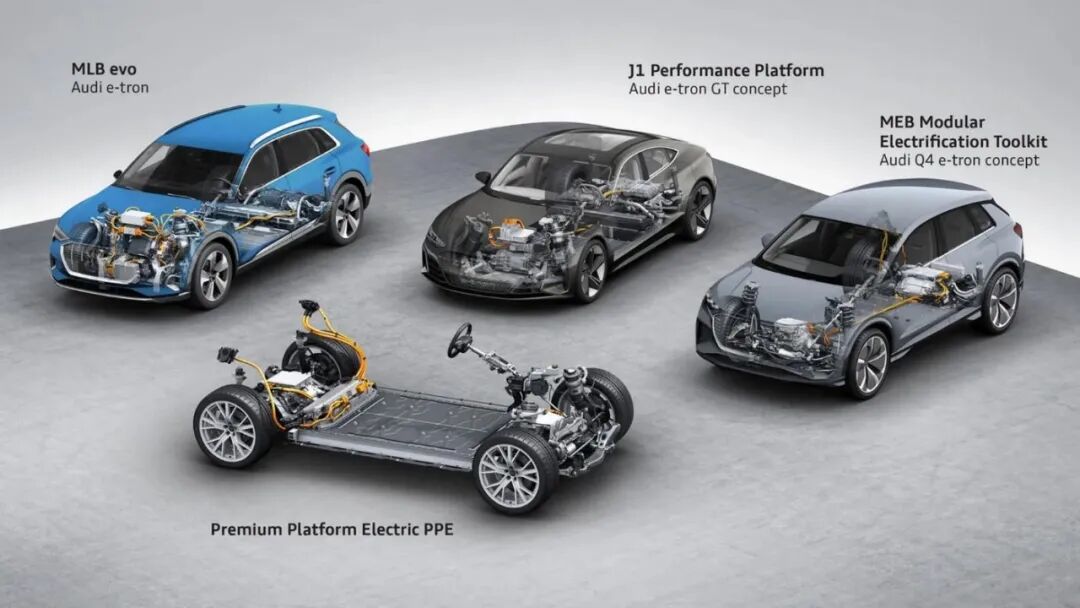
BMW officially announced its new-generation electronic electrical architecture in March 2025, which will be equipped on the new-generation iX3, with the domestic launch scheduled for the end of 2026. Mercedes-Benz unveiled its MB.OS architecture in 2023, which is now applied in many vehicles but has not been mass-adopted yet. As for Audi, its platform and architecture development has been unsatisfactory in recent years. The new E³ 1.2 electronic electrical architecture will be equipped in the Q6L e-tron in 2026, but it has not gained much traction. The PPE platform has also been unremarkable. Therefore, Audi is now opting to use platforms from its Chinese partners for upgrades, such as the numerous new models launched after its cooperation with SAIC.
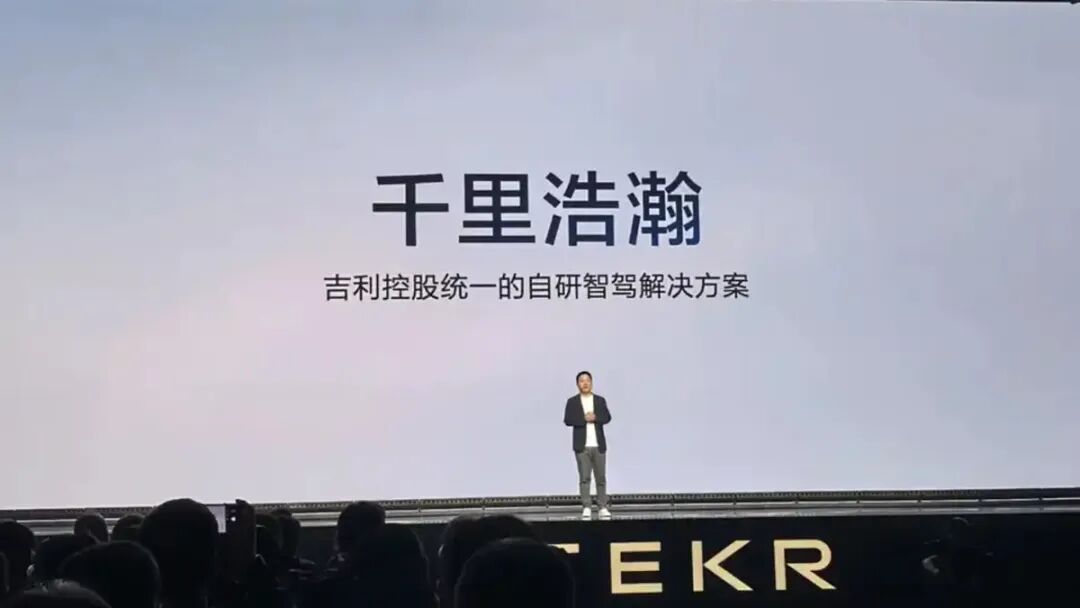
Due to its earlier start, different cooperation model, and support from Geely Group, Volvo clearly has more cards to play compared to other traditional luxury brands. However, the challenge lies in how the chef can transform the ingredients at hand into a unique feast like the Manhan Quanxi (a grand Chinese banquet).
In the long run, Volvo's shortcoming lies in the fact that it almost exclusively centers its marketing around the 'safety' IP. To put it simply, even when other notable new technologies emerge, they are ultimately marketed under the 'safety' umbrella.
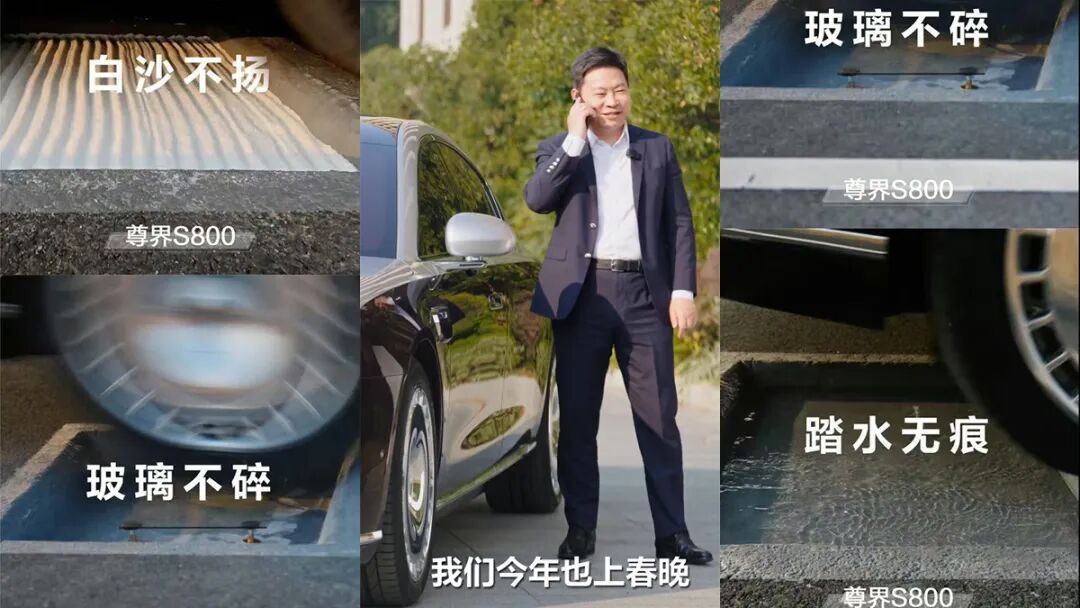
This approach is certainly valid, but it's clear that Volvo hasn't managed to break out of its niche. For instance, consider Yu Chengdong's approach with HarmonyOS Intelligent Mobility. Huawei's Turing Dragon Platform has been promoted in a groundbreaking manner on the Zenith S800, with descriptions like 'gliding over water without a trace' and 'moving with effortless grace,' along with AEB continuously pushing the boundaries of the industry with its braking speeds. Does Volvo have relevant technological breakthroughs? The answer is yes, but it simply doesn't communicate them effectively. The story behind this is more complex, involving coordination, negotiation, and operations between China and Sweden.
In Conclusion
Overall, Yuan Xiaolin and Duan Jianjun of the same era shoulder different tasks. Yuan Xiaolin has flawlessly completed his part; now, it's Duan Jianjun'
Consequently, within the specialized realm of new energy luxury automobiles, Volvo inherently possesses the potential to emerge as the frontrunner within the next few years, when pitted against competitors like Mercedes-Benz, BMW, and Audi.
-
![]()
AI Can Write Code, But Who Launches the Product? The 'Middle Layer' Battle Among Netlify, Vercel, and Cloudflare
-
![]()
Four Major Independent Brands: Divergence Deepens | April New Energy Vehicle Market Report
-
![]()
Chinese-Style Reorganization: The Hierarchical Rivalry Between Foreign and Joint Ventures Amid the Auto Show Excitement | Cover Story: In China, for the Global – 2026 Beijing Auto Show Special Report
-
![]()
With Its New CEO at the Helm, Can Volvo Surpass Audi in the Coming Years?
-
![]()
Emulating Kazuo Inamori: The Overlooked Commercial Revolution Driving Dreame Technology’s Influencer Campaign
-
![]()
Who Deploys Products When AI Can Write Code? The 'Middle Layer' Battle Among Netlify, Vercel, and Cloudflare
-
![]()
Q1: AI Has Seamlessly Integrated into Every Aspect of Tencent's Operations
-
![]()
Overcapacity Weighs on Europe, China’s White Knight Rides to the Rescue