China Holds the Key to Success or Failure, BMW's New CEO Faces a Do-or-Die Battle
 05/15 2026
 388
388
Introduction
Introduction
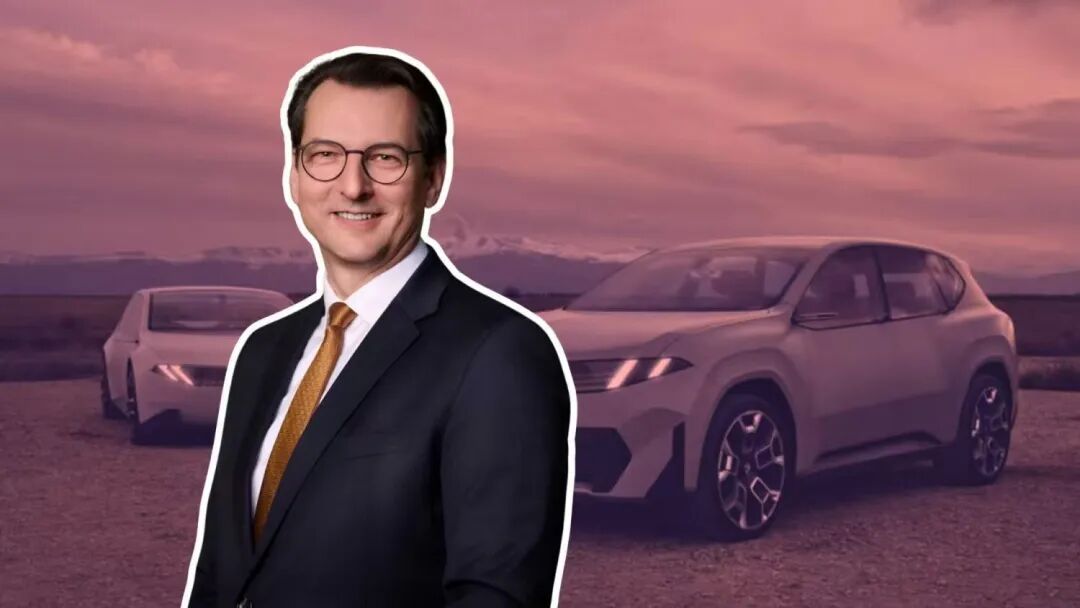
Milan Nedeljkovic faces immense pressure in his 'Chinese Exam.'
BMW Group has undergone an extremely low-key leadership transition.
On May 13 (local time), BMW Group announced a significant personnel change. Current Chairman and CEO Oliver Zipse will conclude his term as planned, and Milan Nedeljkovic will officially take over as Chairman of the Group for a five-year term starting May 14.
Flashback to 2019, when Zipse took the helm:
BMW proactively created momentum, using the leadership transition as an opportunity to release a new medium-to-long-term development plan, outlining a new route for electrification, digitization, and globalization, marking a significant turning point in the brand's strategy.
This year, everything seems a bit 'quiet.'
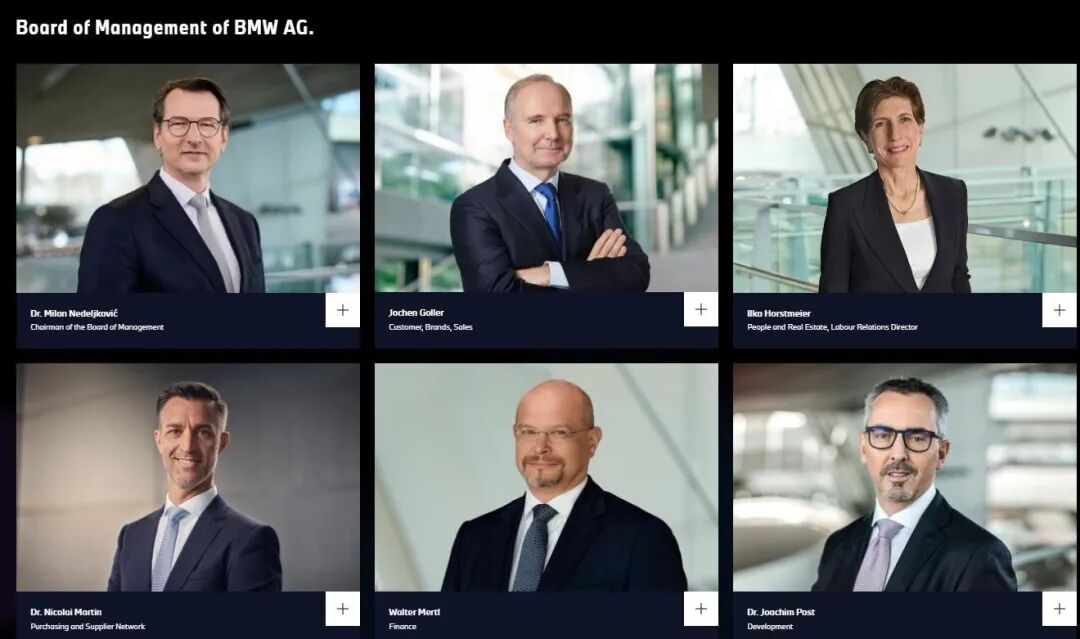
On one hand, this personnel change is a normal transition according to schedule. Zipse, 61, has reached the retirement age for European automotive executives, and his term contract has expired.
On the other hand, BMW is currently under pressure in its business fundamentals, with the group's strategic focus shifting towards cost Lean management and control (I'll keep this as is since it seems to be a specific term) and steady operations. A low-profile power transition aligns with a cautious and stable development tone.
Nedeljkovic is destined to fight the toughest battle.
He faces a series of daunting challenges:
This is the most challenging external environment for BMW, with a weak global economic recovery, escalating international trade barriers, and U.S. tariffs imposing dual pressure on costs and profits.
This is also a period of intense internal conflicts for BMW, with the continuous investment in electrification transformation naturally conflicting with short-term profit goals. The success of the Neue Klasse platform will directly determine the company's growth ceiling.
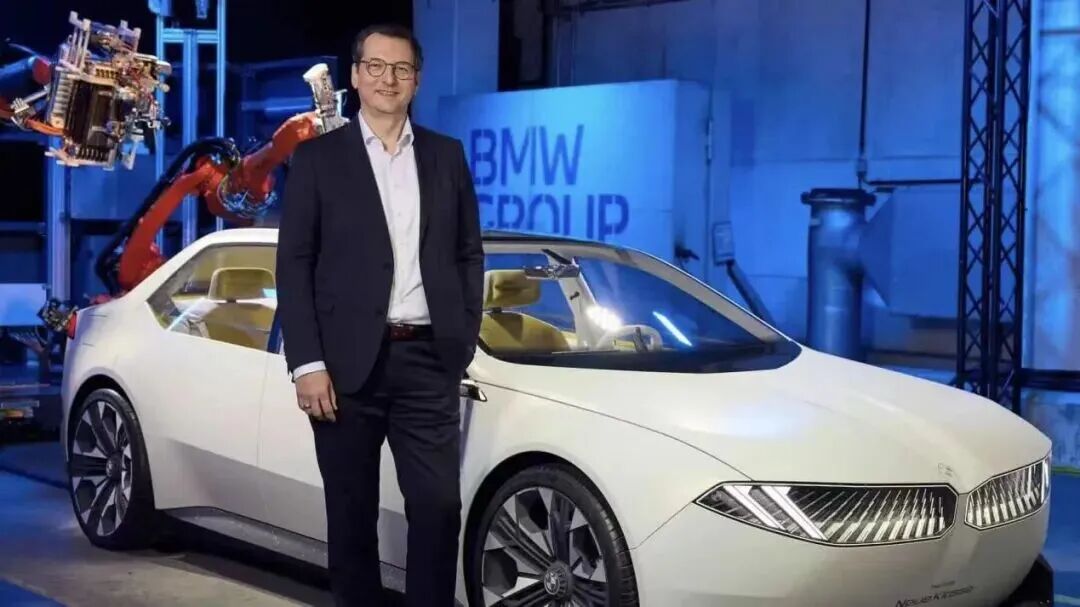
This is also a time of urgent time windows.
2026-2028 has become the final window for luxury brands to transition to electrification. A step behind means falling behind in every aspect. Facing the headwinds in the core Chinese market, with local brands continuously eroding BBA's premium space, in this red ocean competition, the success of Nedeljkovic's era will largely be determined by the Chinese market.
01 The Dual Sides of a Production Expert
This latest appointment makes Nedeljkovic the fourth leader in BMW Group's history to be promoted from a production head.
His strengths are evident:
Within BMW Group, Nedeljkovic is a production manager deeply rooted in manufacturing and a top-tier executor in frontline production.
He graduated from RWTH Aachen University and MIT, later earning a doctorate from the Technical University of Munich. He joined BMW in 1993 as an intern.
Nedeljkovic has been responsible for the company's body shop planning, stamping shop operations, and management of the Oxford and Leipzig plants. While navigating an increasingly complex production system, he gradually grew into a manufacturing expert within the group and was eventually appointed head of BMW's iconic Munich plant.
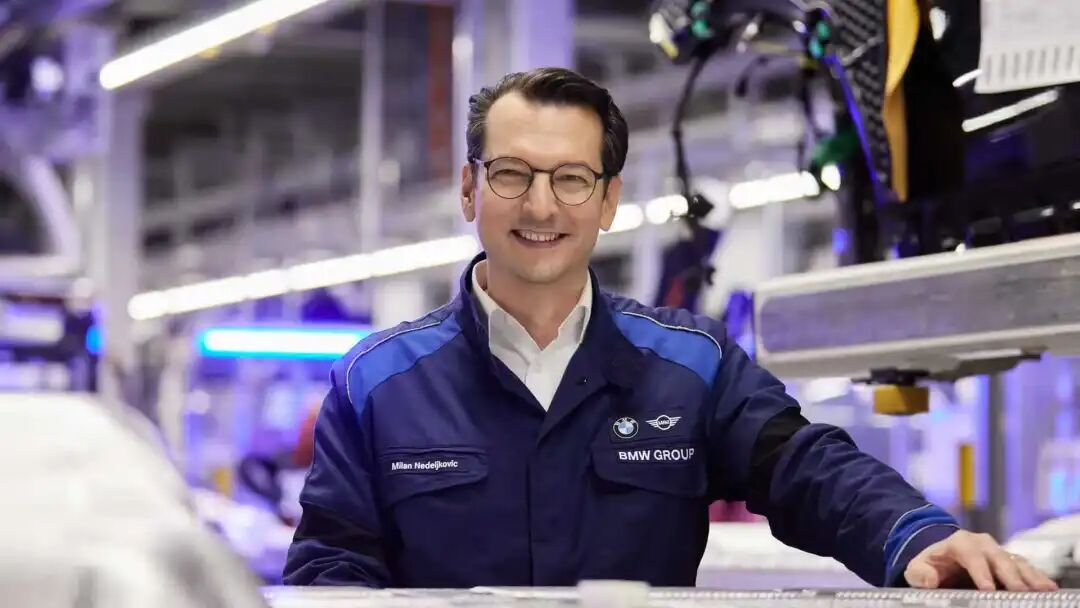
At the Munich plant, Nedeljkovic led the overall transformation and upgrading of the site, enabling this historically rich production base to achieve mixed production of fuel and electric vehicles.
This groundbreaking transformation laid the production foundation for BMW's strategic layout of 'multiple power routes in parallel' and built technological resilience and flexibility for the group in the new era.
He is not only familiar with manufacturing but also excels at innovation.
From the i3/i8 to the Neue Klasse, Nedeljkovic has almost entirely driven the transition of BMW Group's production system from fuel to electrification, providing capacity and quality assurance for BMW's electrification strategy.
In recent years, Nedeljkovic has become the core leader of the Neue Klasse electric vehicle platform and successfully utilized NVIDIA's cutting-edge technology to build a digital twin model for BMW's future factories.
As early as 2021, when artificial intelligence had not yet become a buzzword in automotive manufacturing, Nedeljkovic, then BMW Group's head of production, had the foresight to decide to use NVIDIA's virtual technology to plan future factories instead of Siemens' tried-and-tested factory software suite.
At the time, this was undoubtedly a bold gamble.
It's no exaggeration to call him the 'linchpin' of BMW's manufacturing system.
At this stage, he is the ideal candidate for the helm, but as the leader, Nedeljkovic's role is also the most unique.
As mentioned earlier, Nedeljkovic is a production manager deeply rooted in manufacturing and a top-tier executor. Unlike leaders like Zipse, he is not a top-down strategist and manager.
He is a manufacturing direct line (I'll keep this as is since it seems to be a specific term) cultivated within BMW, with a career trajectory highly focused on production and quality. However, he has never been responsible for sales, marketing, or brand strategy. Taking the helm during BMW's decisive period of electrification and intelligence, his margin for error is naturally compressed to the extreme.
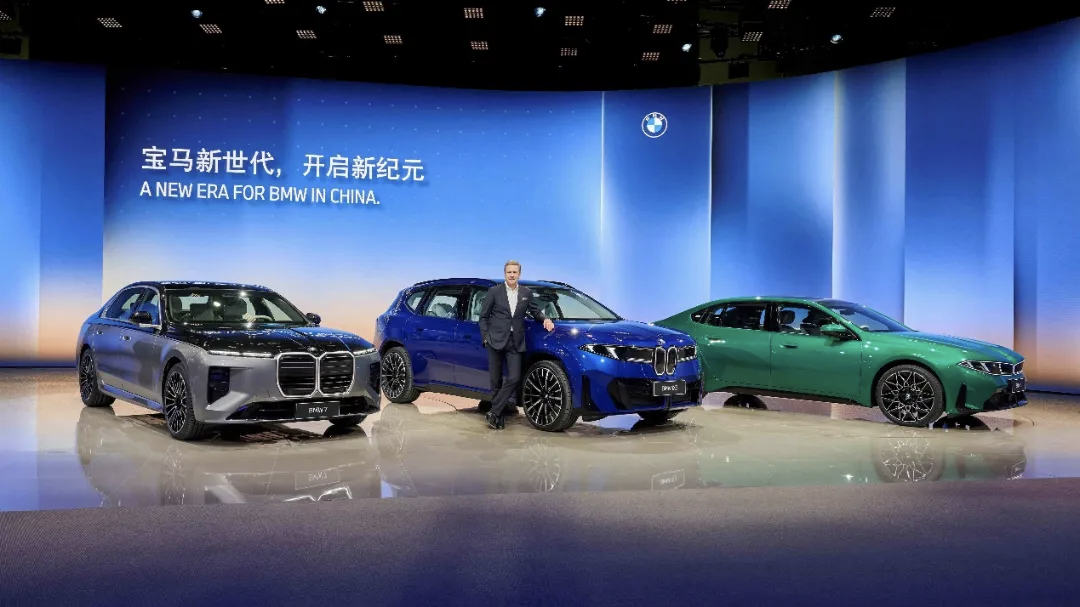
Currently, it is a period of overlapping battles for luxury car brands: the life-and-death struggle for electrification, the positioning battle for intelligent transformation, and the defensive battle for the Chinese market. Each of these three battles is fiercely competitive. In this era of change, BBA leaders must not only prospectively lay out strategic directions but also coordinate global market balance and withstand the heavy pressure of transformation with exceptional execution.
From this perspective, Nedeljkovic's challenges are not small.
It can even be said: If the Neue Klasse platform succeeds, BMW will be stable.
This core carrier, bearing all hopes for the brand's electrification transformation, once successfully achieves mass production ramp-up and market popularity, will stabilize BMW's global fundamentals, offset multiple pressures such as market involution in China and U.S. tariff impacts, and safeguard the brand's voice in the luxury track (I'll keep this as is since it seems to be a specific term).
If the Neue Klasse platform fails, both Nedeljkovic's career and BMW's future will be under simultaneous pressure. If the platform's landing falls short of expectations and product competitiveness is insufficient, it will not only cause BMW to miss the golden window for electrification but also plunge Nedeljkovic, the helmsman, into a crisis of trust. His term performance and professional reputation will suffer severe damage.
02 The Chinese Market Determines Success or Failure
In late December last year, when BMW Group officially announced that Nedeljkovic would take over as the new CEO, Moritz Kronenberger, a senior executive at BMW's shareholder joint investment company, told Reuters:
'The success or failure of Nedeljkovic's era will be determined by the Chinese market.'
The importance of the Chinese market is well understood by former CEO Zipse.
During Zipse's tenure, BMW Group has deepened its connection with the Chinese market with unprecedented intensity. In fact, Zipse has been the most frequent visitor to China among transnational (I'll keep this as is since it seems to be a specific term) automotive leaders in the past 2025 years. In many public occasions, he frequently emphasized that 'China is BMW's second hometown,' elevating the importance of the Chinese market to an unprecedented level.
Can Nedeljkovic reverse the predicament (I'll keep this as is since it seems to be a specific term) in the Chinese market?
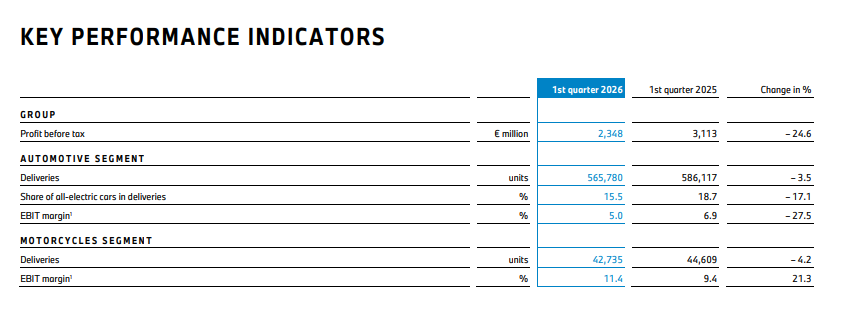
In early May, BMW Group released its first-quarter performance report for 2026, showing that the group's revenue, pre-tax profit, and net profit all narrowed, with double-digit year-on-year declines.
While still maintaining positive profitability, the pressure is evident:
Revenue was €31.01 billion, down 8.1%;
Pre-tax profit (EBT) was €2.348 billion, down 24.6%;
Net profit was €1.672 billion, a sharp decline of 23.1%.
At the earnings release event, BMW directly 'named' China—
'Competition in major global automotive markets is intensifying, especially in the Chinese market, which has impacted our pricing and sales, thus adversely affecting profits.'
'Affected by weakening demand in the Chinese market and additional tariff expenditures, among other factors, even with cost savings achieved in the current period, it can only partially offset the aforementioned operational pressures...'
It's clear that as BMW's largest single market globally, China has become the core variable dragging down the group's first-quarter performance.
The strong rise of local high-end new energy brands has triggered fierce involution, and the industry price war has continuously compressed the premium space for luxury cars, making China the key issue dragging down the group's overall revenue and profitability.
Sales are also under pressure.
Here are the core data for BMW Group in the first quarter:
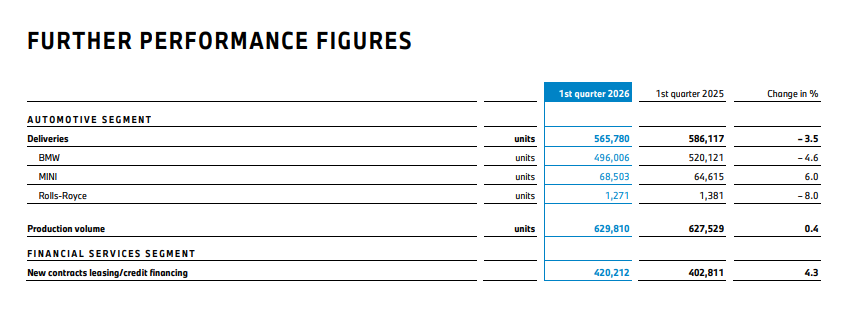
A total of 565,700 new vehicles were delivered globally, down 3.5% year-on-year;
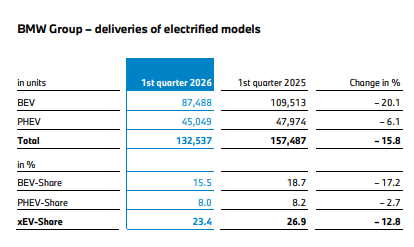
Electric vehicle sales were 132,500, down 15.9%;
Pure electric vehicle sales were 87,400, down 20.1%.
Like the profit fundamentals, the Chinese market sold 143,900 units in the first quarter, down 10% year-on-year, becoming the single market with the largest decline globally for BMW Group.
Nedeljkovic's 'Chinese Exam' is under immense pressure.
On one hand, as a 'technocrat' deeply rooted in production and manufacturing for 32 years, Nedeljkovic's core mission is to fully implement the Neue Klasse electrification strategy and reverse the profit decline trend. However, all of this The premise (I'll keep this as is since it seems to be a specific term) is to win the battle in the Chinese market.
On the other hand, the Chinese market is no longer just an 'important market' for BMW but the 'only core market' in the short term. With growth in the European market peaking and the U.S. market impacted by subsidy reductions and tariffs, the booming new energy vehicle market in China still offers room for growth in scale and profits.
The key is, how will Nedeljkovic make his move?
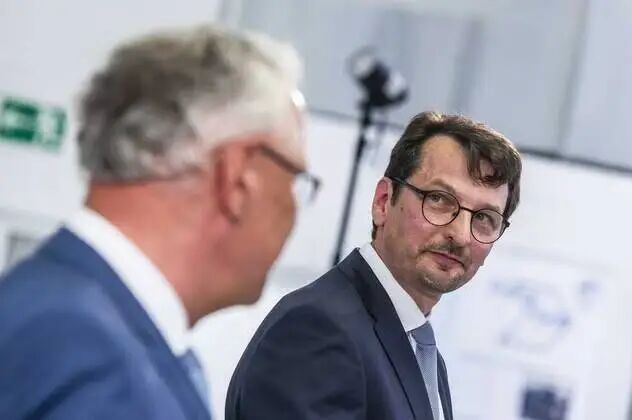
At this year's Beijing Auto Show, the entire BMW board gathered in the East to witness the global debuts of the new-generation BMW iX3 long-wheelbase version, the new-generation BMW i3 long-wheelbase version, and the all-new BMW 7 Series. The event was led by Zipse, while Nedeljkovic Low-key approach (I'll keep this as is since it seems to be a specific term) stood behind the scenes, engaging in manufacturing and supply chain exchanges with fellow executives—
This was his last overseas public event before taking over as Chairman.
Standing amidst the turbulent waves of China's automotive market, witnessing the strong rise of local new energy brands and the fierce competition in the luxury car track (I'll keep this as is since it seems to be a specific term), Nedeljkovic, about to take over the highest power at BMW, must be feeling a mix of emotions.",
-
![]()
From Dominance to Just One Slot: Fuel Vehicles Fully 'Marginalized'
-
![]()
Doubao Goes Premium, Wukong Goes for Volume: The Divergence of AI Assistants
-
![]()
Yu Hao: The Ubiquitous Force
-
![]()
The Honda that Did Everything Itself is Gone for Good
-
![]()
Why Pocket 4 is in Short Supply and OV is Making a Strong Entry: Why Pocket Gimbal Cameras Have Suddenly Become a New Battleground
-
![]()
Doubao Embraces Premium Tier, Wukong Expands: The Divergence Paths of AI Assistants
-
![]()
China Holds the Key to Success or Failure, BMW's New CEO Faces a Do-or-Die Battle
-
![]()
Holding Similar AI “Passes,” Alibaba and Tencent Have Transformed Beyond Recognition