Gazing into the Future at the 2026 Beijing International Automotive Exhibition: A Peek into the Evolution of Automotive Culture | Cover Story: China-Made for the Global Market – In-Depth Report on the
 05/18 2026
 401
401
Editor's Note
The 2026 Beijing International Automotive Exhibition has drawn worldwide interest, vividly demonstrating the high-caliber growth of China's automotive sector. The core 'secret' to this success lies in systematic innovation. The exhibition showcases a variety of technological advancements, serving as a crucial window into the comprehensive transformation and modernization of the automotive industry. Chinese automotive companies have entered a new era of deep cultivation across the entire industry chain, providing fresh impetus to the global automotive landscape. Meanwhile, multinational corporations have pivoted their strategies in China from 'In China, For China' to 'In China, For the World,' fostering closer collaborations with local firms.
Focusing on the 2026 Beijing International Automotive Exhibition, Auto Review presents this exclusive 'Cover Story' report. This series comprises seven articles, with the seventh installment being released today. Stay tuned for more.
The automotive culture on display at the 2026 Beijing International Automotive Exhibition signifies a profound integration of design aesthetics, craftsmanship heritage, philosophical thought, and contemporary exhibition experiences. It not only highlights China's automotive industry's path towards high-end development by empowering design through culture but also constructs a three-dimensional platform that showcases cultural confidence.
On April 24, 2026, the 19th Beijing International Automotive Exhibition commenced as planned. As the world's premier automotive event with the highest industry attention, this exhibition not only brings together the latest global models, cutting-edge technologies, and ecological achievements but also serves as the optimal window to observe the formation, maturation, and ascent of Chinese automotive culture amidst deep electrification and intelligence penetration. From design aesthetics to scenario experiences, from technological cores to value expressions, from local confidence to global vision, a new automotive culture landscape led by Chinese brands, guided by Eastern aesthetics, and infused with a humanistic spirit is fully unfolding. The Beijing International Automotive Exhibition is no longer just a platform for product showcases but a concentrated presentation of the confidence, connotation, and spiritual height of contemporary Chinese automotive culture.
The Aesthetic Revolution in Automotive Design
Cars are akin to flowing sculptures, with design being the most tangible expression of automotive culture. During the era of fuel-powered vehicles, the discourse power of automotive design was predominantly held by European and American designers, with streamlined shapes, muscular forms, and luxurious chrome becoming global standardized templates. Chinese brands were long ensnared in the dilemma of 'imitation and trend-following.' However, at the 2026 Beijing International Automotive Exhibition, an aesthetic revolution centered on Eastern artistic conception, expressed through intelligent technology, and oriented towards user scenarios, has fully erupted. Chinese automotive design has completely broken free from Western templates, achieving cultural renaissance and aesthetic independence.
The design revolution at this exhibition is first evident in the symbiosis of intelligence and aesthetics. Traditional automotive design centered on 'mechanical form,' with headlights, grilles, and waistlines all serving mechanical functions. In the era of intelligent electric vehicles, design revolves around 'scenario experiences,' with forms serving intelligence, emotions, and users. Today's Chinese brand cars universally feature continuous light strips, borderless grilles, flattened logos, streamlined aerodynamic bodies, and integrated dome skylights, which not only reduce wind resistance and enhance range but also create a visual effect of simplicity, technology, and futurism.
More culturally profound is the comprehensive integration of Eastern aesthetics into automotive design, forming a unique Chinese aesthetic paradigm. BYD's 'Loong Face' design transforms the Chinese dragon totem into modern automotive language, exuding dignity and dynamism. Changan Automobile and GAC Trumpchi adopt 'landscape aesthetics,' with body lines flowing like clouds and water and interior layouts resembling Chinese courtyards, emphasizing white space, symmetry, and artistic conception. Models under the Hongmeng Zhixing brand embody 'minimalism, restraint, and warmth' as their core, abandoning redundant decorations and pursuing the Eastern philosophy of 'less is more.' The rugged designs of Yangwang and Fangcheng Bao integrate Chinese armor and ancient architectural outlines, combining strength with refinement to reshape the Eastern aesthetic of hardcore off-roading. Dongfeng Motor's VOYAH brand incorporates the life philosophy of 'rectifying the heart, cultivating oneself, and harmonizing the family' into its products, while its MHERO brand shapes a 'heroic aesthetic' inspired by ancient weapons. The design of Chery Fengyun T9L incorporates the rhythm of ink calligraphy, featuring details such as ink-dot headlights and ink-wash rainbow taillights.
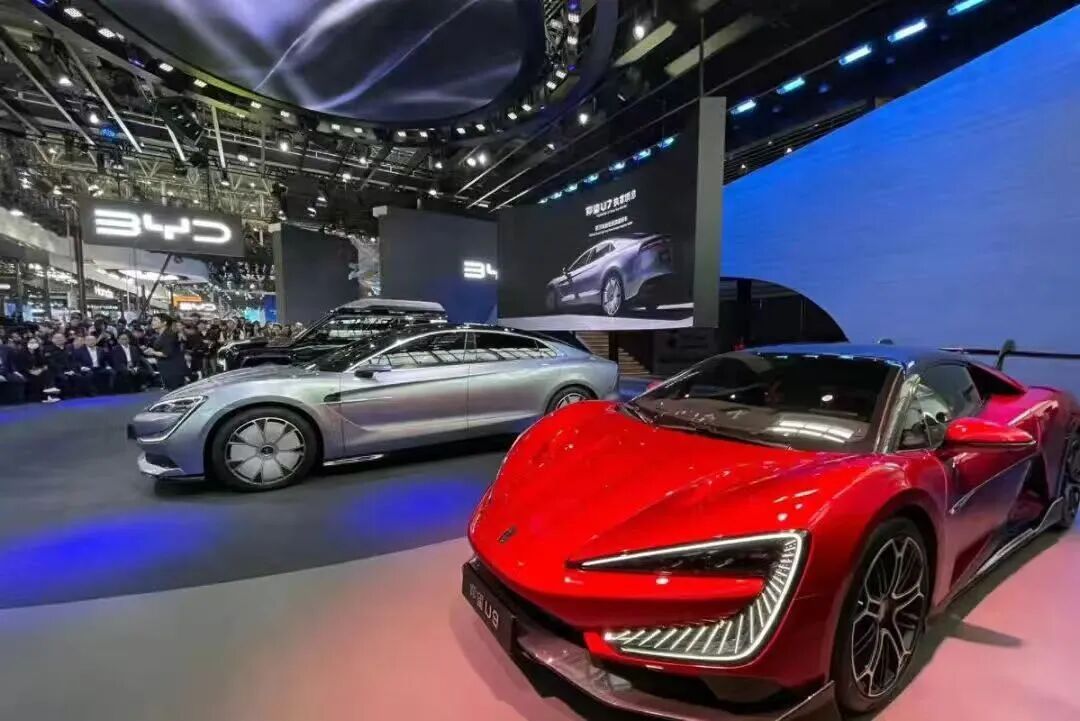
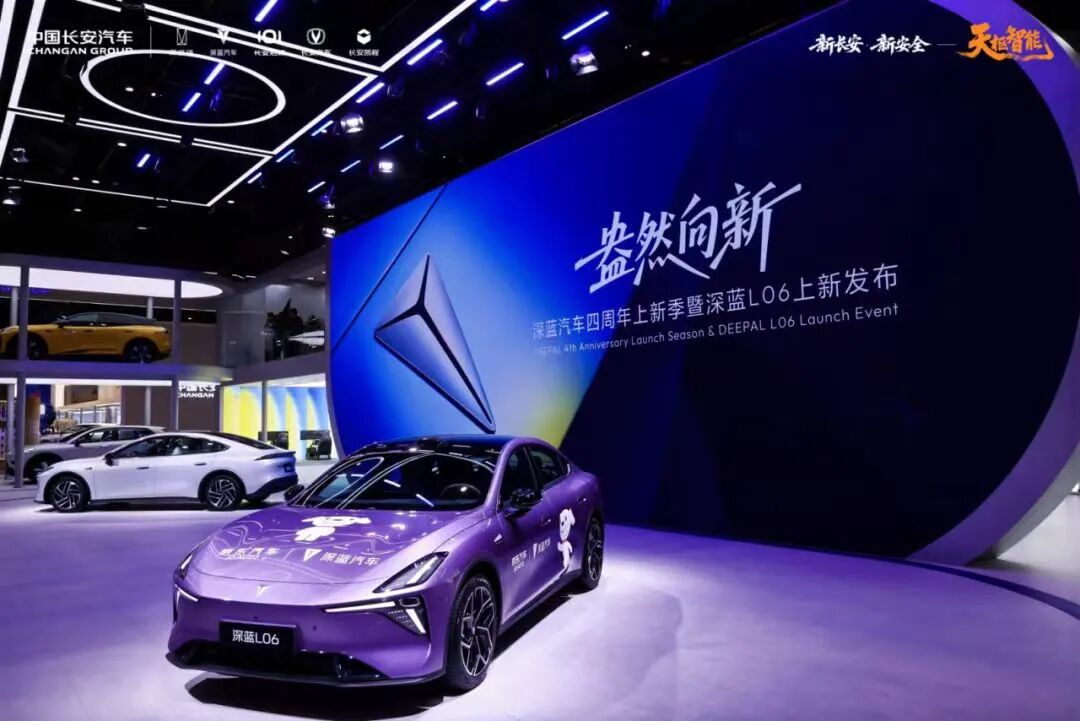
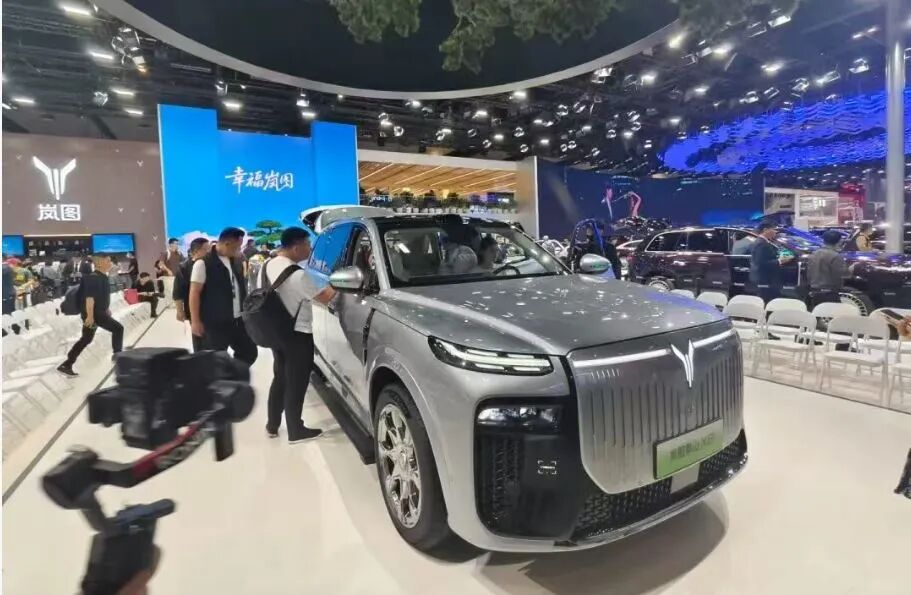
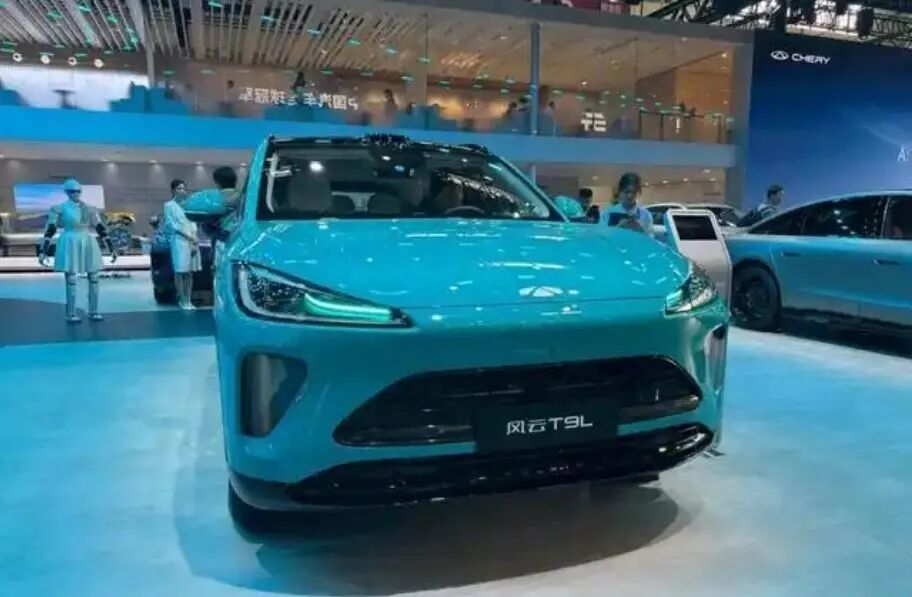
Interior design is even more a concentrated expression of Eastern culture. Large central control screens are no longer the sole pursuit; curved connected screens, adjustable skylights, fragrance systems, zero-gravity seats, Chinese mortise-tenon structures, and landscape-textured decorative panels have become mainstream. Take the Hongqi Golden Sunflower National Gift Silk Road Splendor theme custom version, which integrates multiple intangible cultural heritage techniques such as Hunan embroidery, cloisonné, ancient gold gilding, and lacquerware. Inspired by the 'Silk Road Landscape Map,' it incorporates Silk Road cultural elements throughout the design, with multiple areas in the car supporting customization with traditional crafts, positioning it as an 'artwork carrying cultural confidence.' Geely and Lynk & Co interiors use eco-friendly renewable materials, with color schemes derived from traditional Chinese colors such as ink, celadon, and cinnabar, creating a warm, comfortable, and elegant cabin atmosphere. The intelligent cockpit of the Geely Galaxy Light concept car features designs such as Three Pools Mirroring the Moon-shaped speakers and Chinese-style seats inspired by official hats, revealing the delicacy of Jiangnan water towns.
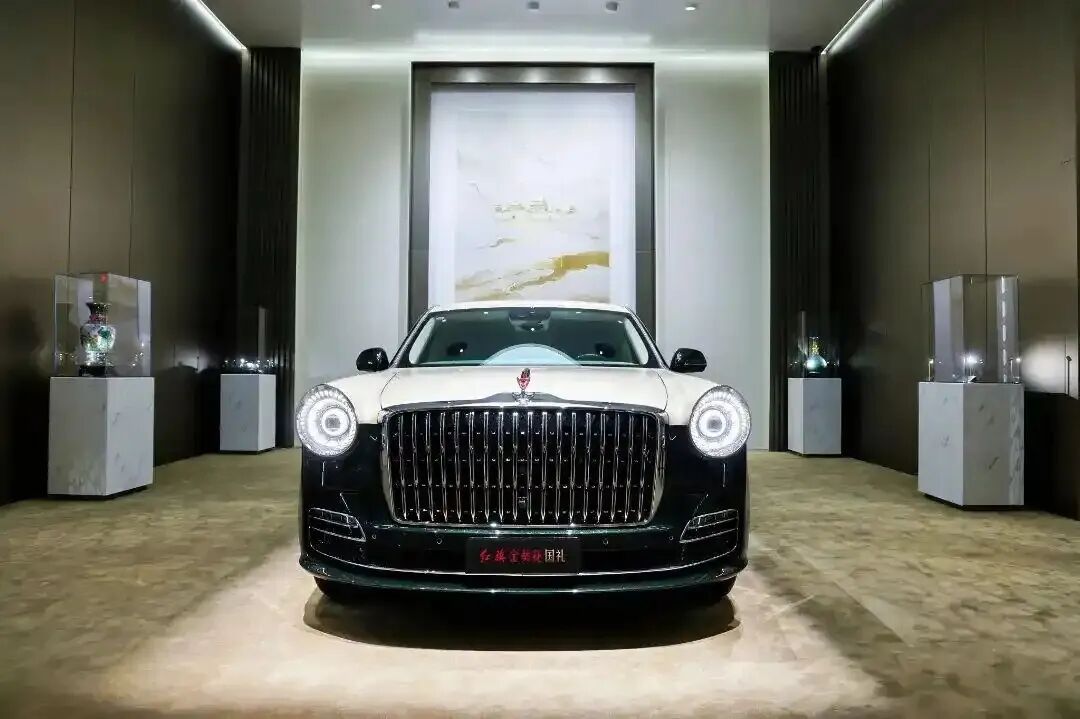
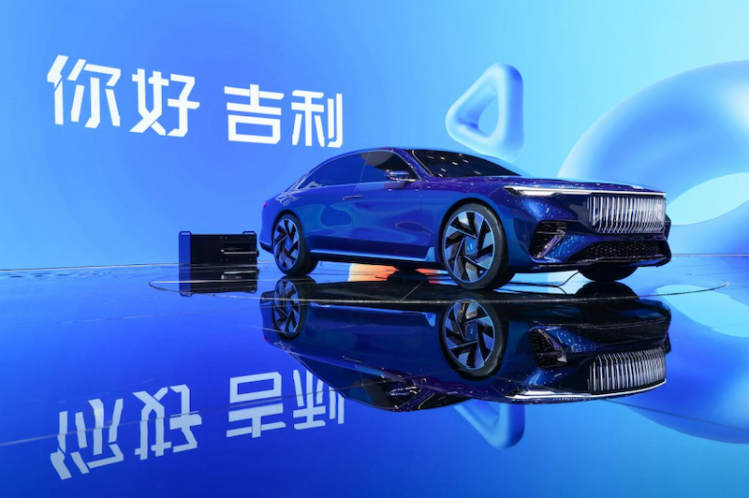
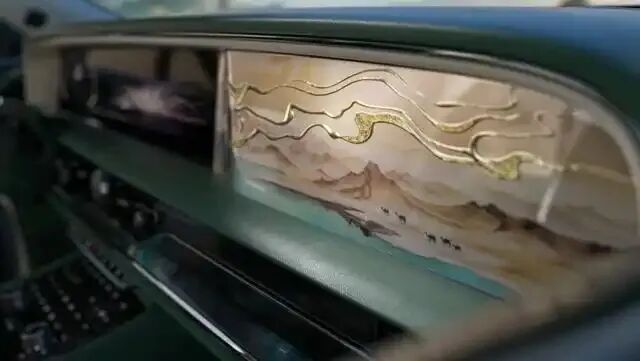
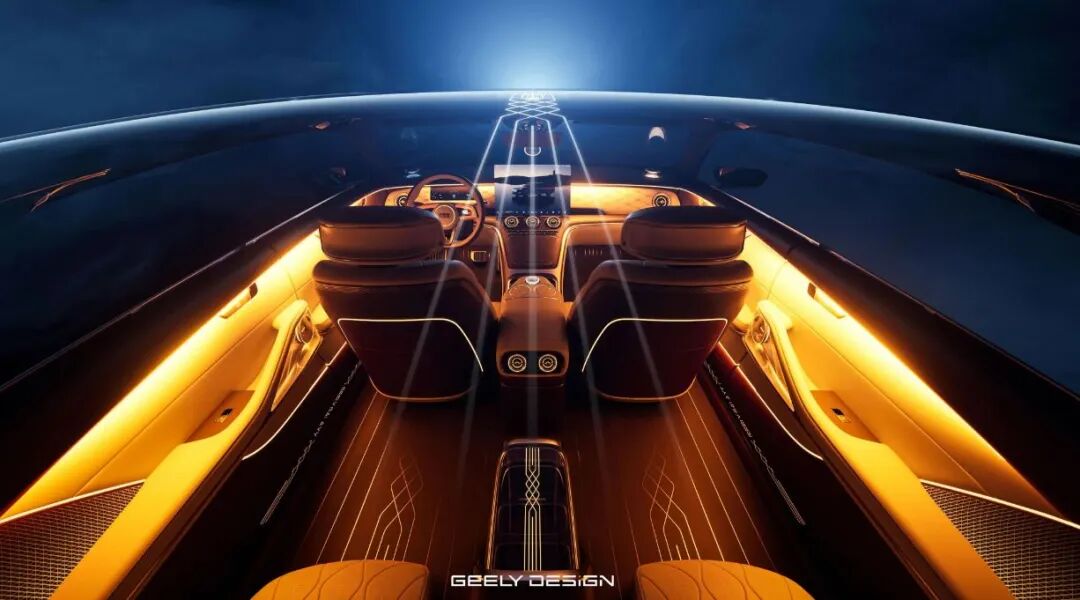
This aesthetic revolution breaks the past singular perception of 'luxury = European style,' reconstructing a pluralistic aesthetic system of Chinese luxury, technological luxury, and practical luxury. In the past, luxury meant abundant leather, chrome, and wood veneers, emphasizing opulence. Today, Chinese luxury means intelligent comfort, environmental health, humanistic care, and technological texture. Models such as the Zeekr 8X, Avatr 06T, and Luxeed V9 replace traditional luxury symbols with technological configurations, comfortable experiences, and intelligent interactions, returning luxury to its 'people-oriented' essence. Young users no longer pursue rigid European luxury but favor personalized, technological, national style, and minimalist design styles, with cars becoming new carriers for expressing self-aesthetics and cultural identity.
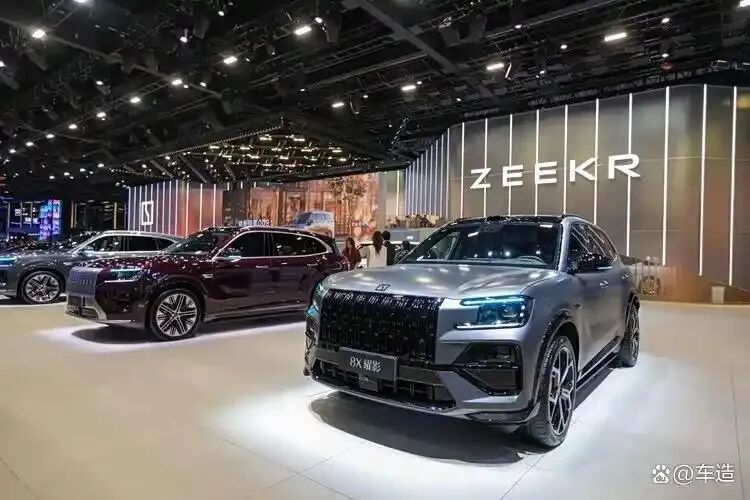
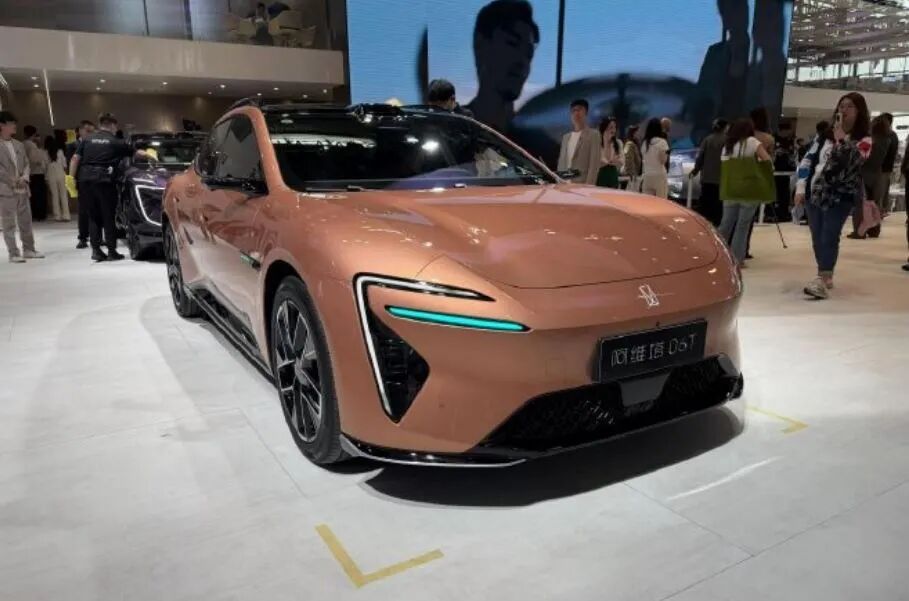
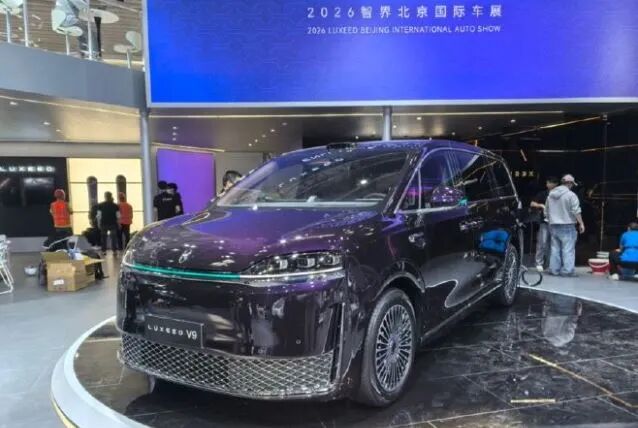
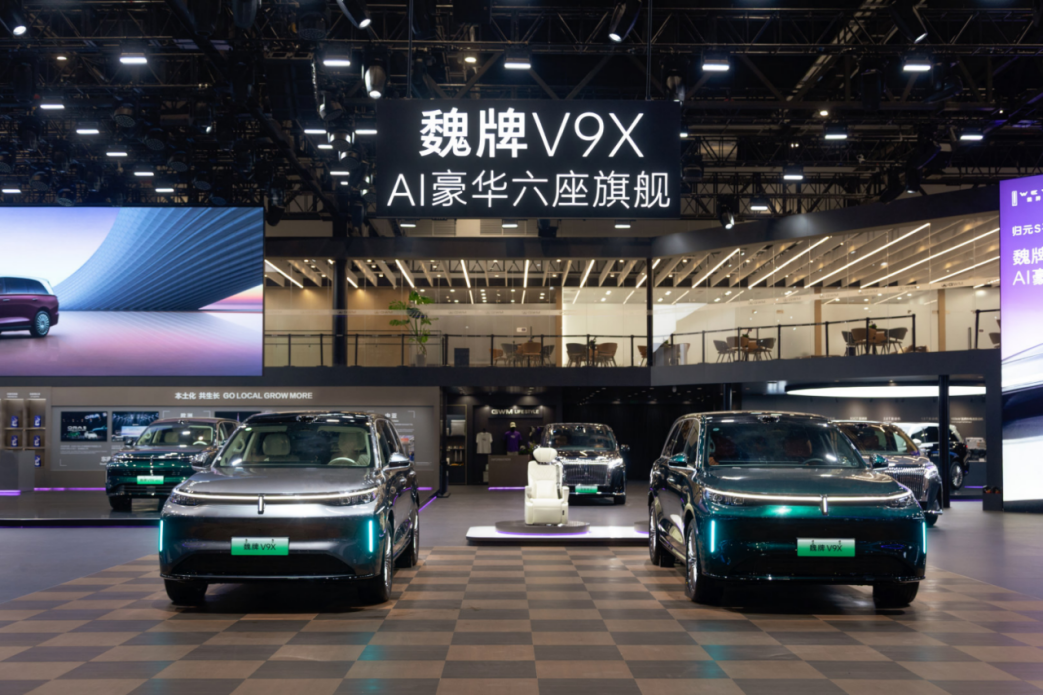
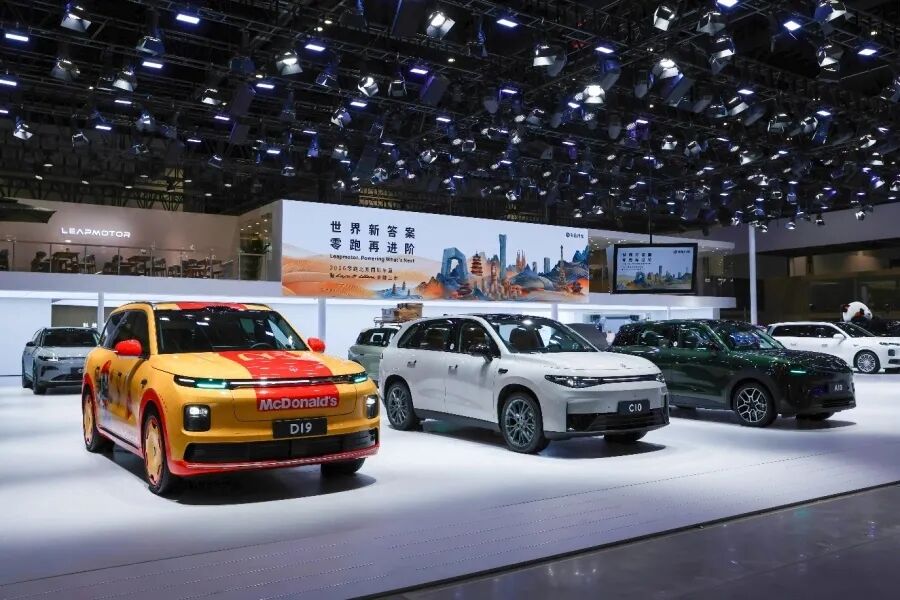
Meanwhile, personalized and scenario-based designs have become mainstream, breaking the homogenization dilemma of 'thousand cars looking alike.' Family models emphasize large space, high comfort, and low noise, with rounded and friendly designs. Off-road models emphasize high passability, strong protection, and rugged outlines, with angular designs. Coupe models emphasize streamlined shapes, dynamism, and low profiles, with young and aggressive designs. Camping models expand external power discharge, roof tents, and extended spaces, adapting to outdoor lifestyle scenarios. Brands such as smart, Wuling, and Leapmotor have launched compact and agile urban models with lively colors and cute shapes, precisely targeting young female and urban commuting users. Commercial and logistics models balance practicality and aesthetics, with unmanned logistics vehicles like Robovan achieving unity of function and design, becoming mobile urban landscapes.
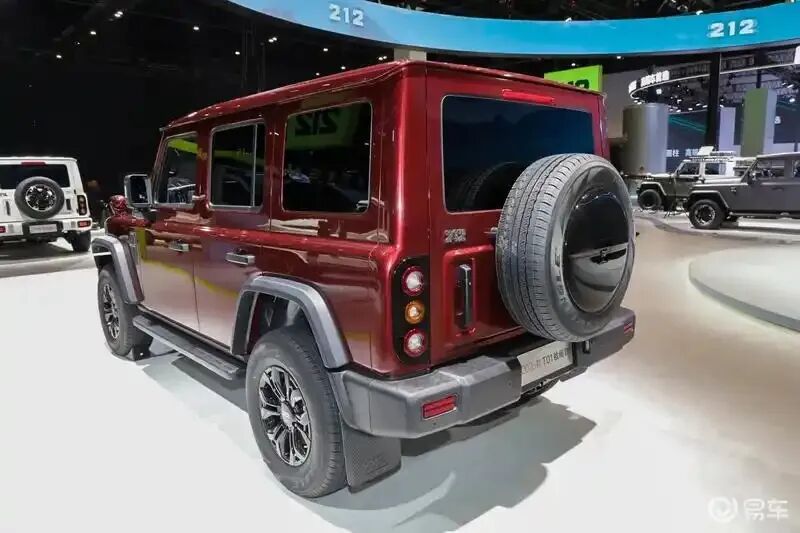
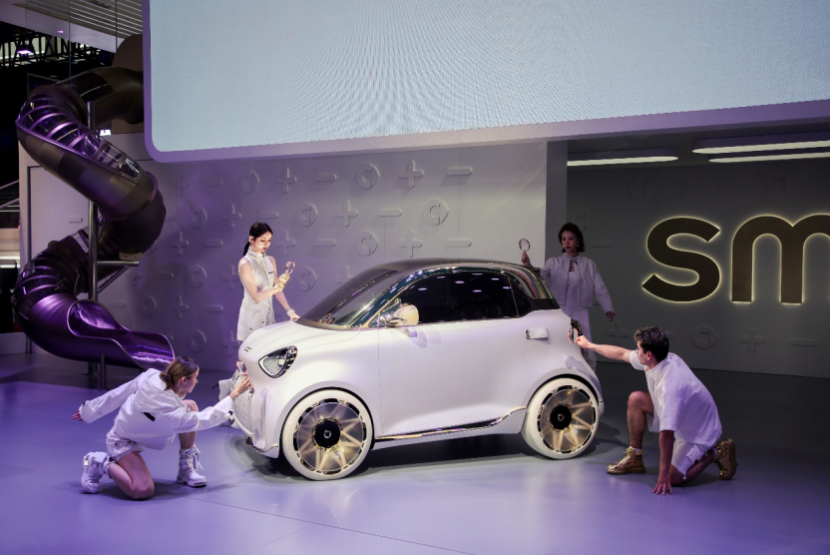

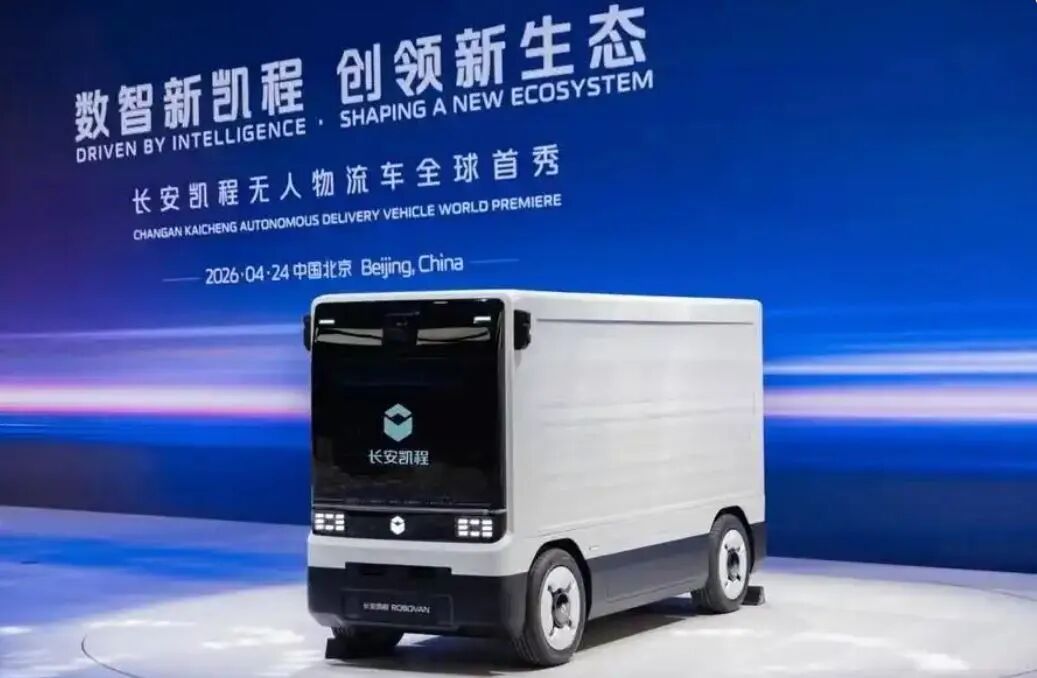
The aesthetic revolution at the 2026 Beijing International Automotive Exhibition is essentially a projection of cultural confidence in the field of design. Chinese automotive design no longer caters to Western aesthetics but is based on local culture, user habits, and lifestyle scenarios, creating an automotive aesthetics belonging to the Chinese people. This aesthetics is neither closed and conservative nor blindly worshipful of the foreign but is open, inclusive, and innovative—absorbing global excellent design languages and injecting an Eastern cultural core to ultimately form a recognizable, resonant, and transmissible Chinese automotive design style. Hidden within the flowing bodies are the Chinese people's life philosophy, aesthetic taste, and cultural sense of belonging.
People-Oriented Scenario Elevation
The essence of automotive culture is the culture of the relationship between people and cars. In the era of fuel-powered vehicles, cars were purely means of transportation, with the relationship between people and cars limited to 'driving and riding.' However, at the 2026 Beijing International Automotive Exhibition, cars have completely transformed from transportation tools to intelligent mobile spaces, third living spaces, and emotional companions. The relationship between people and cars has become diverse, warm, and deeply bound, with scenario-based experiences becoming the core keyword of automotive culture.
The strongest sense of experience at this exhibition comes from the product layout covering all scenarios, with every lifestyle having a corresponding automotive solution. Family users value large space, intelligent driving ease, and child-friendliness, with six-seat/seven-seat SUVs and MPVs becoming mainstream. Models from Li Auto, NIO, AITO, and VOYAH are equipped with child modes, vehicle-mounted refrigerators, independent audio-visual systems, and zero-gravity seats, turning cars into mobile homes. Young users pursue individuality, trendiness, and socializing, with coupes, SUVs, and modified models offering personalized coatings, in-car games, and mobile KTVs, making cars trendy items for social check-ins. Outdoor enthusiasts need integrated off-roading, camping, and power replenishment, with models like Fangcheng Bao, Yangwang, and Beijing Off-Road equipped with four-wheel drive, differential locks, external power discharge, and roof tents, becoming reliable partners for outdoor adventures. Urban commuting users prefer compactness, convenience, and low cost, with Wuling, Leapmotor, and smart launching micro electric vehicles that are easy to drive and park and have low costs, adapting to the last mile of urban commuting.
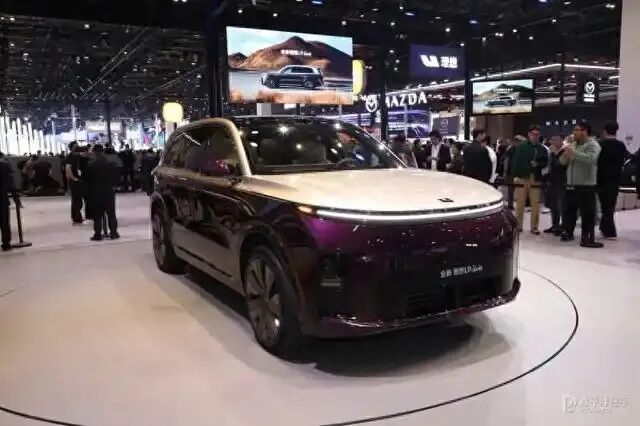
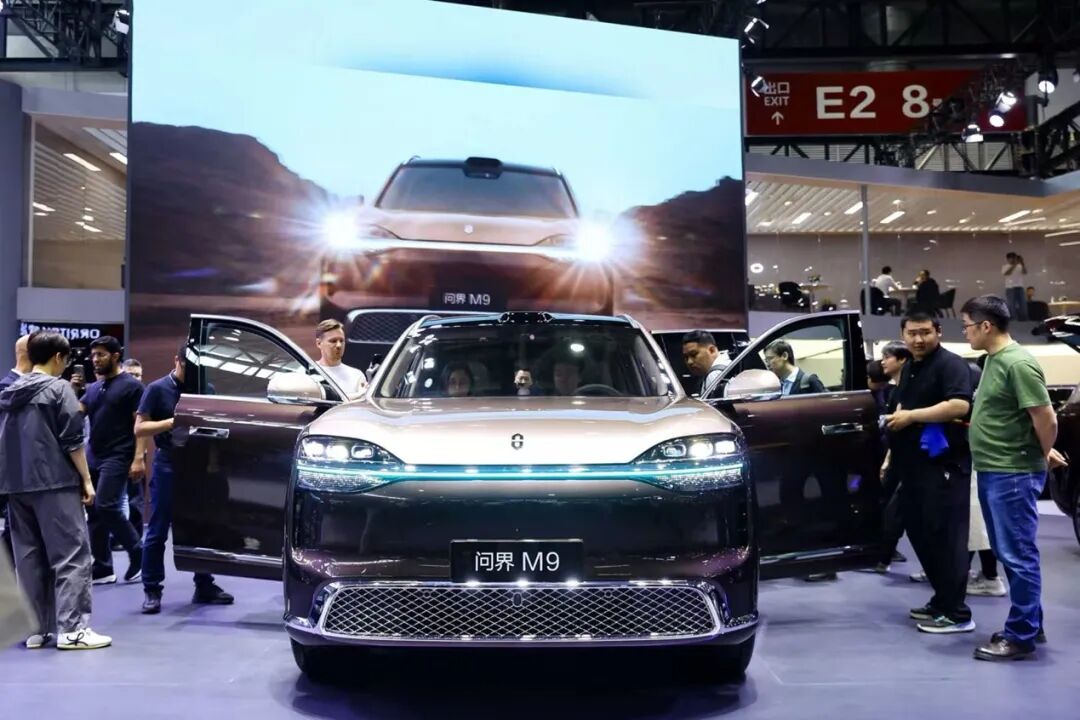
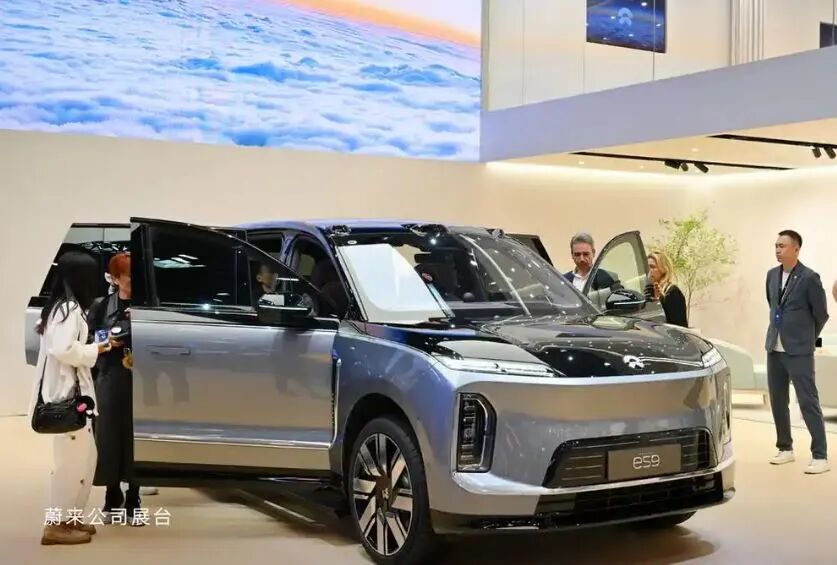
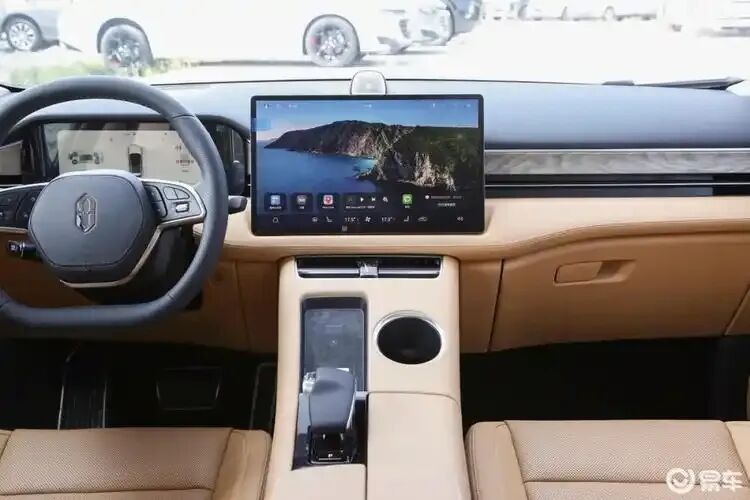
What is more revolutionary is that the smart cockpit transforms the car into an all-scenario lifestyle terminal, achieving an ecological integration of 'car + everything'. This year's Auto Show clearly conveys a message: the car is no longer an isolated product, but an ecological hub connecting home, office, entertainment, travel, and services. The Huawei HarmonyOS cockpit enables seamless transitions between the car, smartphones, smart home devices, and wearables, allowing users to turn on the air conditioning at home in advance, control home appliances from the car, and continue phone calls seamlessly after exiting the vehicle, creating a closed-loop of all-scenario smart living. Geely and ECARX integrate Flyme OS, bridging the ecosystems of smartphones and in-vehicle systems to enable cross-terminal data synchronization and application sharing. AutoNavi's AI Agent for automotive travel and Volcano Engine's cockpit assistant empower cars with proactive service capabilities, automatically planning routes, scheduling charging, recommending dining options, and providing schedule reminders, transforming passive interaction into proactive care.
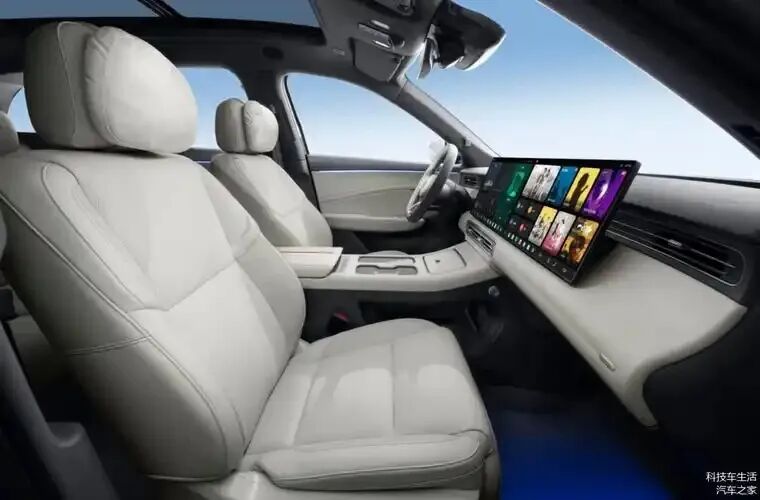
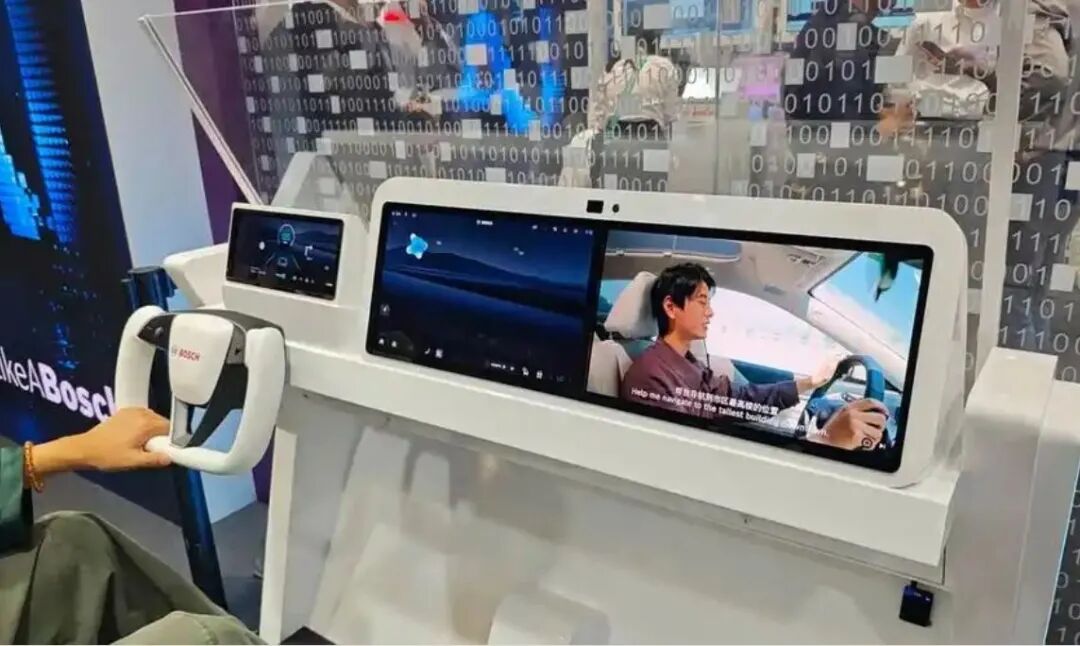
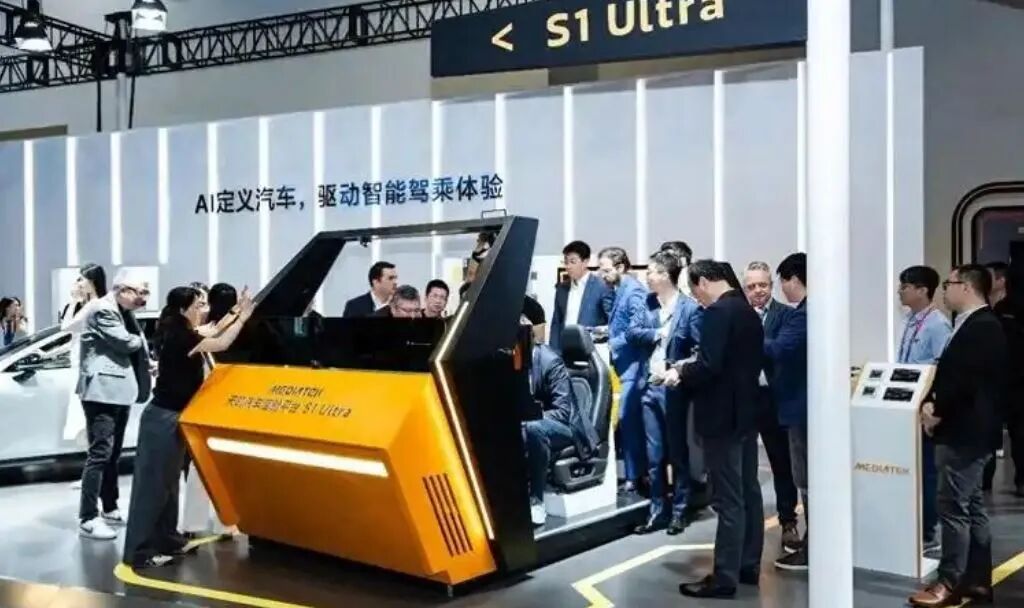
The evolution of seating arrangements best mirrors the elevation of human-centric culture. From traditional seats to zero-gravity chairs, seats with ventilation, heating, and massage functions, as well as adjustable reclining seats, seating has transcended its basic function to become a pivotal element of comfort. Long-distance driving no longer equates to exhaustion; traffic congestion does not necessarily lead to frustration. Comfortable rest is now achievable during lunch breaks, naps, and camping excursions. Business users can conduct video conferences and work on the move, effectively transforming their vehicles into mobile offices. Family users can enjoy movies, sing karaoke, and play games in the car, turning it into a mobile entertainment hub. This diversification of use cases completely shatters the traditional boundaries of car usage, seamlessly integrating the vehicle into every facet of life.
The widespread implementation of advanced intelligent driving systems epitomizes the ultimate expression of human-centric culture by liberating individuals from the act of driving. Level 3 autonomous driving permits hands-free, foot-free, and brief eye-off driving on highways, with automated functions for following, lane-changing, overtaking, and obstacle avoidance, thereby entirely alleviating driving fatigue. Urban Navigation on Autopilot (NOA) adeptly handles complex urban scenarios, including unprotected left turns, obstacle avoidance, and pedestrian evasion, enabling even novice drivers to navigate city roads with confidence. Automatic parking and valet parking solutions address parking challenges, empowering every user to park with assurance. The significance of intelligent driving lies not only in its technological sophistication but also in its respect for people's time, liberation of their energy, assurance of their safety, and transformation of driving into an enjoyable experience rather than a burden.
Safety culture forms the bedrock of human-centric scenarios. At this year's Auto Show, all models underscore active and passive safety features, including high-strength steel bodies, multiple airbags, and side curtain airbags. Intelligent driving systems are equipped with redundant sensing, decision-making, and execution capabilities to ensure safety in extreme scenarios. Child seat interfaces, tire pressure monitoring, emergency braking, and lane-keeping assistance have become standard features. Information security and privacy protection are seamlessly integrated into infotainment system design, with automakers prioritizing 'user safety' above all else. This safety-first culture transforms the car from a 'potential risk' into a 'trusted partner' that safeguards every journey.
The 2026 Beijing Auto Show underscores that the ultimate destination of automotive culture is human-centricity. When the car transcends its role as a mere means of transportation to become an all-encompassing companion for commuting, family activities, socializing, outdoor adventures, work, and entertainment; when the cockpit evolves from an enclosed space into an ecological terminal connecting everything; when driving shifts from exhausting labor to a relaxing experience—the relationship between humans and cars evolves from one of 'use and be used' to 'accompany and be accompanied.' This warm, nuanced, and diverse human-centric scenario culture infuses Chinese automotive culture with empathy and understanding.
The Oriental Expression of Cultural Confidence
At the 2026 Beijing International Auto Show, the most striking impression is one of cultural confidence deeply rooted in history, flourishing in the present, and facing the future with optimism. This confidence is not rooted in blind arrogance but is firmly grounded in technological prowess, product quality, ecological vision, and user recognition. It embodies an open, inclusive, and eclectic spirit characteristic of a great nation. It represents the spiritual core that has propelled Chinese automotive culture from a 'follower' to a 'leader' on the global stage.
Looking back over the past century, Chinese automobiles have undergone a remarkable transformation from non-existence to prominence, from weakness to strength: from relying on foreign capital and joint ventures to achieving independent research and development and technological breakthroughs; from imitating appearances and assembling configurations to pioneering original designs and setting industry standards; from struggling for survival in the domestic market to expanding into the global arena; from being derided as 'low-end and cheap' to being respected as 'intelligent and leading'—the Beijing Auto Show has borne witness to this entire journey. Today's Chinese automobiles boast the world's most comprehensive industrial chain, the most advanced intelligent technologies, the largest consumer market, and the most vibrant innovation ecosystem, providing a solid material foundation for cultural confidence.
This cultural confidence is manifested in technological autonomy, brand independence, and aesthetic self-assurance. Automotive-grade chips, operating systems, intelligent driving algorithms, and core three-electric technologies are fully autonomous, free from external constraints. Chinese brands now occupy the high-end market, no longer looking up to joint-venture luxury cars. Oriental aesthetics have become the mainstream of design, moving away from merely copying Western templates. The younger generation takes pride in driving Chinese cars, while overseas users consider using Chinese cars a trend, making automobiles an important carrier of Chinese cultural exports.
This cultural confidence is, first and foremost, reflected in openness and inclusivity. Chinese automobiles do not reject global excellent technologies, talents, or cooperation models. Multinational component companies collaborate deeply with local automakers, global designers participate in Chinese brand R&D, and Chinese technologies are openly licensed globally. Chinese automotive culture is both local and global, both Eastern and universal, embodying a harmonious blend of diverse influences.
This cultural confidence is even more evident in a sense of responsibility. Chinese automakers regard low-carbon environmental protection, intelligent inclusivity, safety and reliability, and technological innovation as social responsibilities, driving the upgrade of travel civilization. They view industrial upgrading, employment promotion, and technological progress as national responsibilities, contributing to the construction of a manufacturing powerhouse. They consider global win-win cooperation and cultural exchange as international responsibilities, actively promoting Chinese culture to the world.
Also noteworthy are the cultural and creative products scattered throughout the exhibition halls, making automotive culture no longer distant but tangible and warm in everyday life. Hongqi's cloisonné car key boxes and BYD's embroidered car air fresheners combine intangible cultural heritage techniques with automotive scenarios, seamlessly integrating Oriental aesthetics into daily driving. Xiaomi's alloy car models faithfully reproduce vehicle details, while Li Auto's practical canvas bags meet user needs, embedding brand memories into daily life. The 'Driving Beauty Together' exhibition area features even more distinctive cultural and creative products, incorporating cloisonné, Su embroidery, and other crafts into designs, achieving a bidirectional empowerment of traditional craftsmanship and automotive culture. These cultural and creative products carry the diverse connotations of automotive culture, showcasing China's automotive industry's cultural confidence in transitioning from scale leadership to brand leadership while conveying the integrated concept of 'people, cars, and life.'
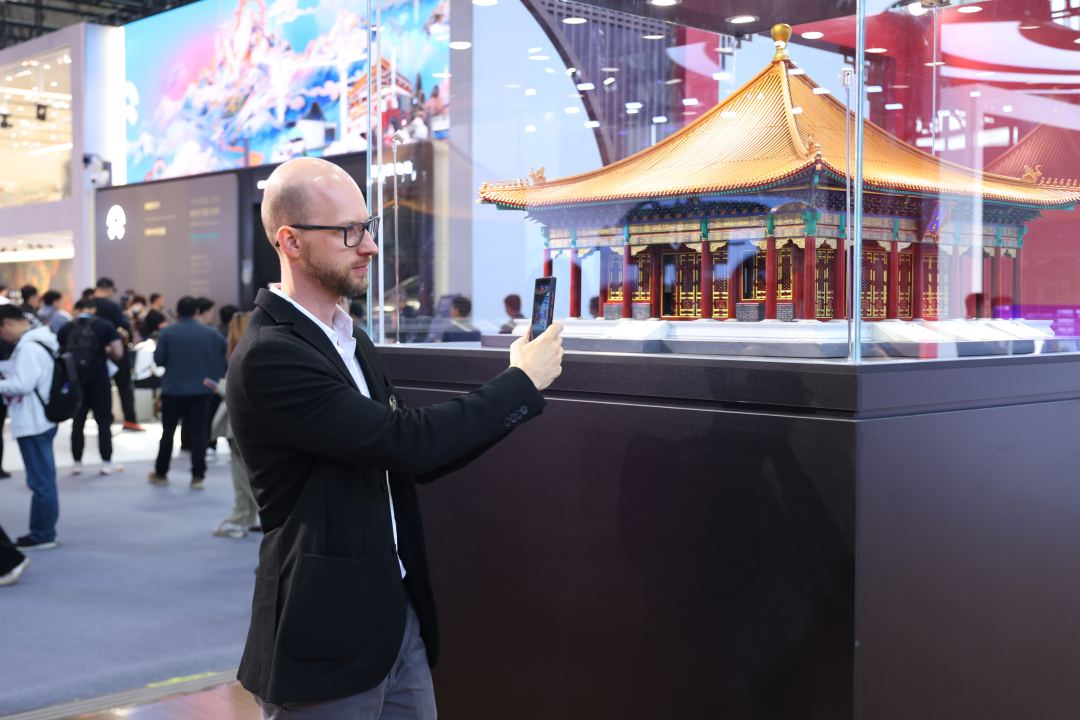
The 2026 Beijing International Auto Show is not merely an automotive exhibition but a three-dimensional declaration of Chinese automotive culture. It demonstrates to the world that Chinese automobiles have completed a historic leap from manufacturing to creation, from following to leading, and from products to culture. Chinese automotive culture has formed a unique, self-contained, and globally influential new paradigm. We have every reason to believe: the era of Chinese automobiles has arrived, and the Eastern travel civilization is leading the way. The 2026 Beijing International Auto Show is the most vivid, lively, and powerful witness to this great transformation.
Note: This article was first published in the 'Cover Story' section of the May 2026 issue of 'Auto Review' magazine. Please stay tuned for more insights.
Image: Sourced from the Internet
Article: Auto Review
Layout: Auto Review
-
![]()
Ali's Global Expansion: AliExpress Steps Out of the Shadows
-
![]()
Honda Corrects Course, Restructures Its 'New Four-Wheeled' Strategy
-
![]()
Don't Be Fooled by Your Home AI Again! D Lab Community's Latest Method, TraceLift, Exposes 'Fake Reasoning' and Ensures Model Thinking Processes Are Truly Reliable
-
![]()
Is Detroit Being Sidelined Amid Trump's China Focus?
-
![]()
19% Layoff Rate: Detroit's Big Three Bet on Future with Drastic Measures
-
![]()
Why These 17 Companies?
-
![]()
China’s Answer to Range Rover Has Arrived: A Review of Upcoming New Car Launches in the Second Half of the Year
-
![]()
BMW Didn't Bet on the Wrong Path, But Lacks a Toyota-Style Solution