Audi's Price Plunges Over 100,000 Yuan! 'Rock-Bottom Clearance' of Fuel Cars Trends on Weibo—Is the Century-Old Automotive Giant Fading in the New Energy Era?
 05/27 2026
 471
471
Price cuts and promotions aren't the ultimate salvation for fuel-powered vehicles.
Fuel-powered cars are once again being offered at discounted rates.
Recently, renowned domestic and foreign automakers, including Changan, Chery, Volkswagen, BMW, and Audi, have successively slashed prices and promoted their fuel-powered models, with some offering discounts of up to 30%. The base price for the Audi A6L C8 variant has plummeted by over 100,000 yuan. The topic "fuel-powered cars being cleared at rock-bottom prices" soared to the second spot on Weibo's trending list, amassing over 15 million views.
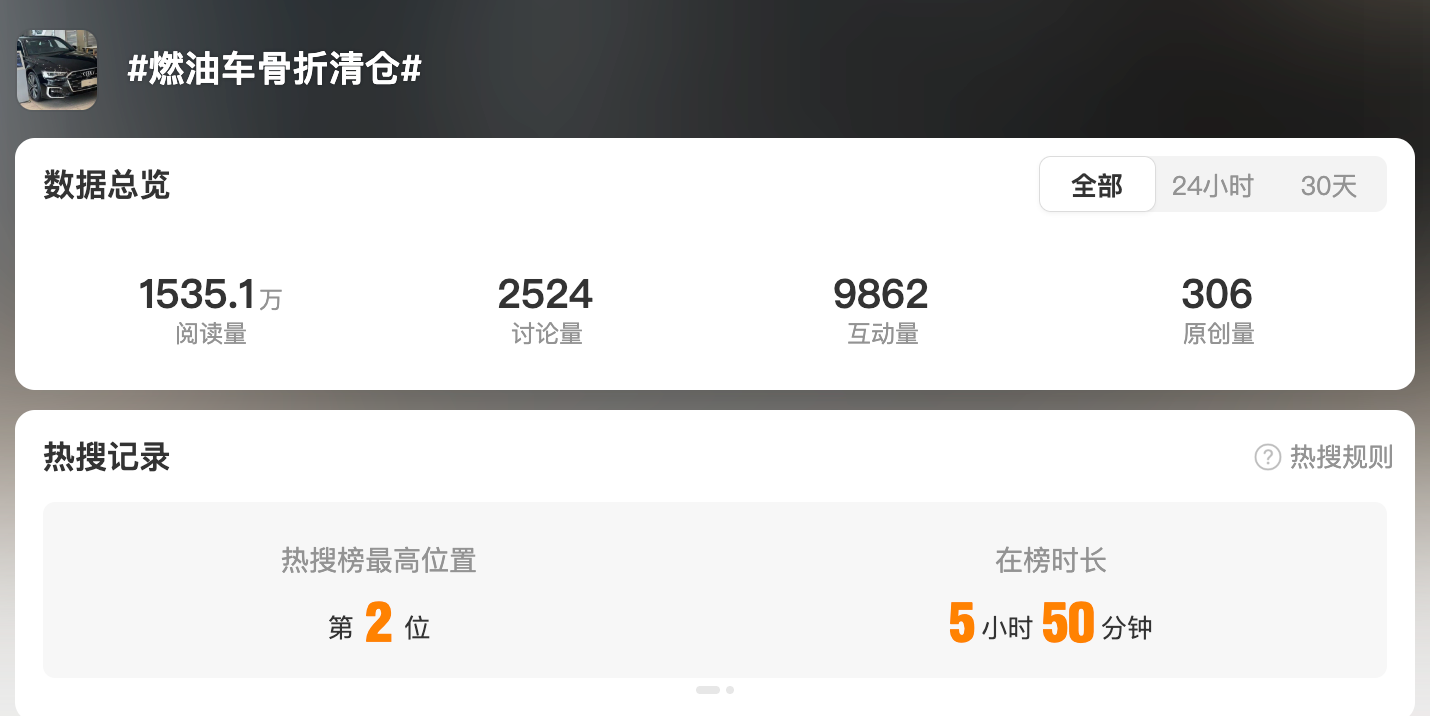
(Image source: Weibo screenshot)
Behind this "fire sale" lies the helplessness of the entire fuel-powered car market. This powertrain, which has dominated the automotive industry for over a century, seems to be nearing its end.
Rising Fuel Costs and Imbalanced Experiences: The Twilight of Fuel-Powered Cars
In July 2024, new energy vehicles (NEVs) in China achieved a monthly market penetration rate exceeding 50% for the first time. While rapid growth was anticipated, data from the China Association of Automobile Manufacturers revealed that the annual penetration rate for NEVs in 2025 was 47.9%, a mere 0.3 percentage point increase from 2024.
Undoubtedly, after capturing half of the automotive market, the rapid growth of NEVs has plateaued. Without external stimuli, they are likely to remain stagnant for an extended period. Post-market shakeout, consumers loyal to fuel-powered cars are unlikely to be swayed by NEVs easily.
However, shifts in energy landscapes and regulations are driving NEVs to encroach upon the market share of fuel-powered cars. According to Guangming Online, the penetration rate of NEVs reached 61.4% in April this year, surpassing 60% for the first time. Soaring fuel prices are a core factor breaking the stalemate between NEVs and fuel-powered cars.
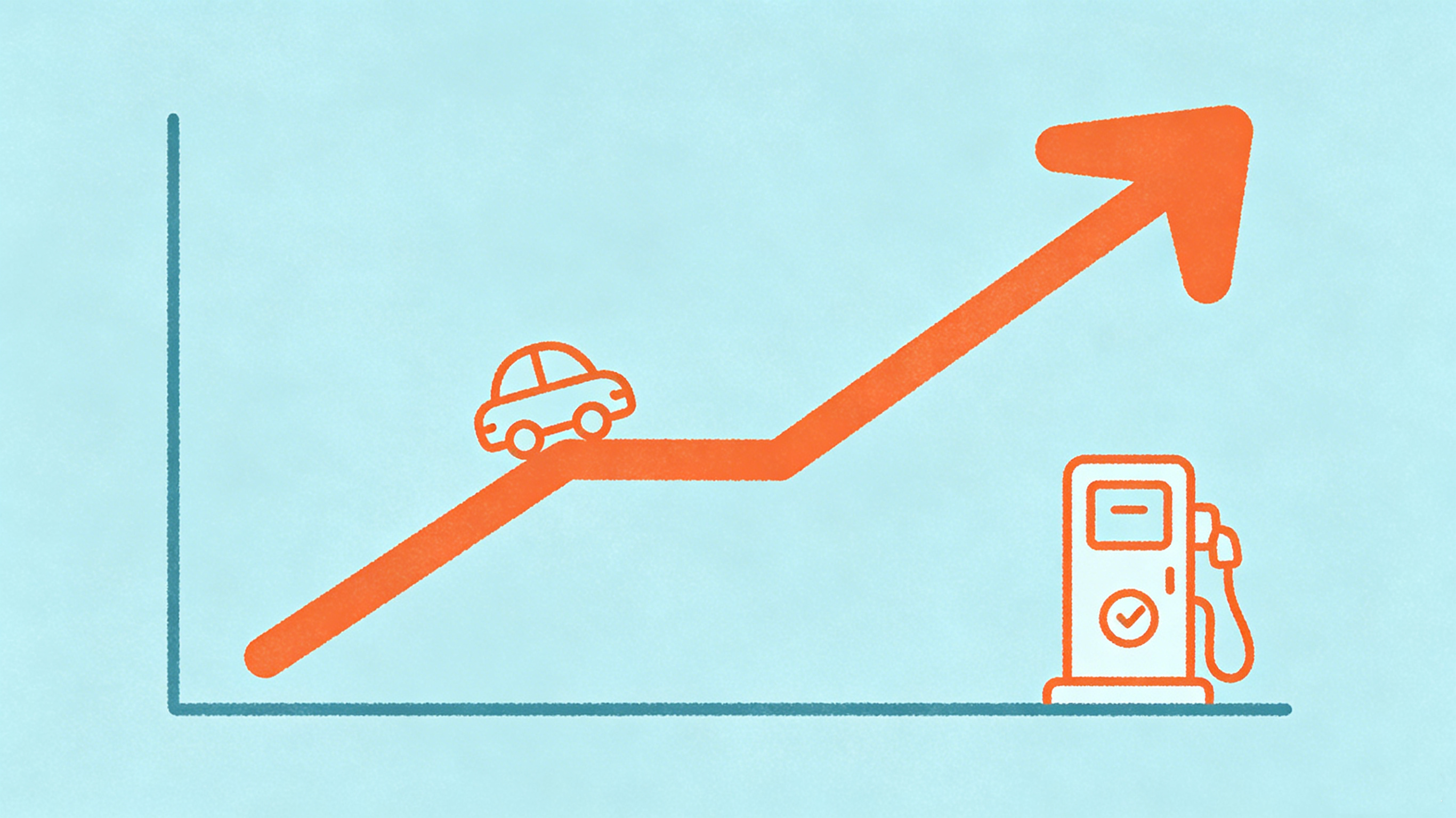
(Image source: Doubao AI generated)
In February this year, the average price of domestic 92-octane gasoline was below 7 yuan. By March, influenced by Middle Eastern tensions, domestic fuel prices surged. Despite a subsequent slight decrease, the current price of 92-octane gasoline remains as high as 8.79 yuan/L. Although international fuel prices have recently declined and domestic prices will adjust on June 4, they are likely to stay above 8.5 yuan/L.
Persistently high fuel prices translate to elevated travel costs for fuel-powered cars. Coupled with the low cost of electricity, the cost advantage of NEVs for travel becomes increasingly pronounced.
Besides the travel costs borne by consumers, automakers also face cost pressures from carbon credits (dual credits). The Ministry of Industry and Information Technology mandates that the proportion of NEV credits in China reach 48% and 58% in 2026 and 2027, respectively. This regulation implies that automakers must sell at least one NEV for every fuel-powered vehicle sold; otherwise, they will incur significant negative credits. Given the robust momentum of NEVs in China, Dianchetong (ID: dianchetong233) believes that many domestic automakers are reducing prices and clearing inventory to some extent to streamline resource allocation and focus on accelerating the comprehensive transition to new energy.
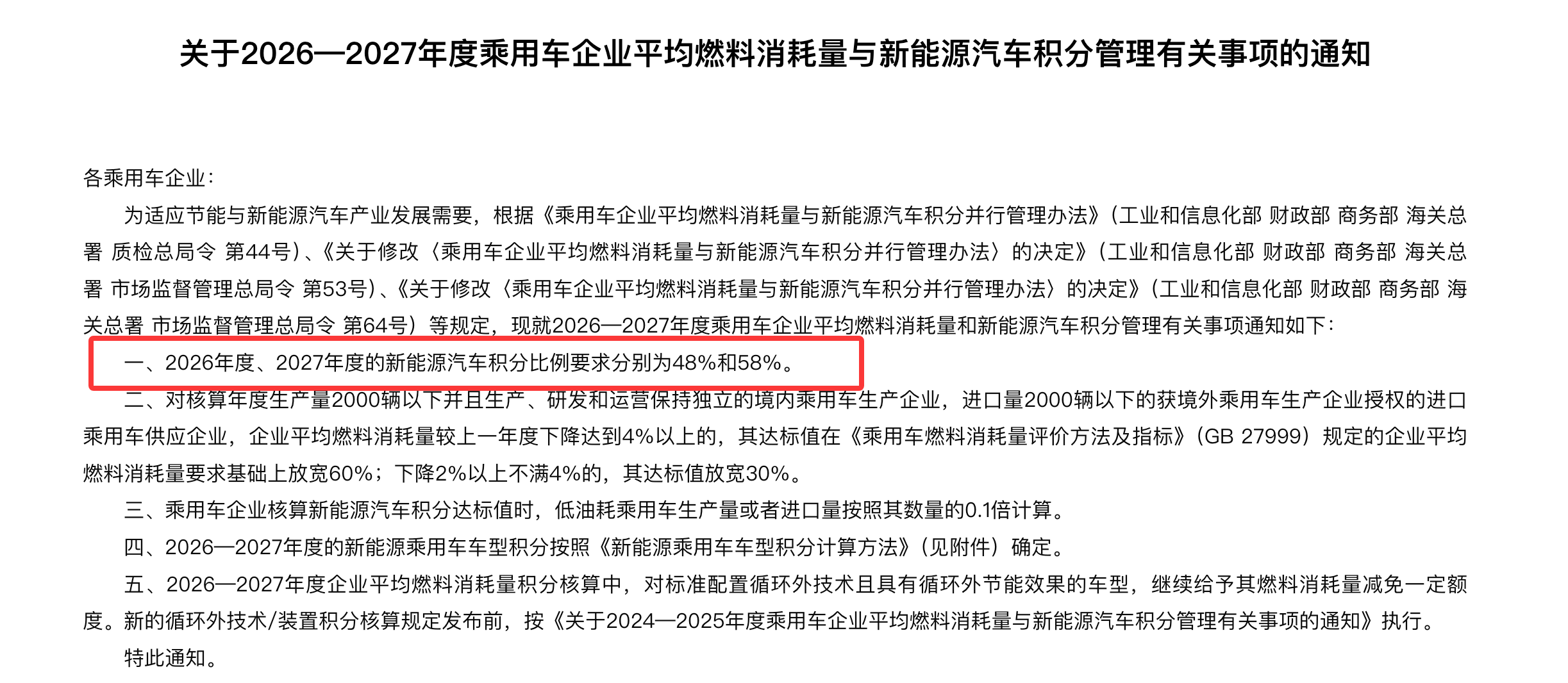
(Image source: Ministry of Industry and Information Technology screenshot)
Finally, there's the experience gap. High-level intelligent driving and smart cockpits continue to penetrate the market. Nowadays, NEVs priced around 150,000 yuan can feature advanced intelligent driving, with some models even equipped with LiDAR. Fuel-powered cars have slower power response times, making it more challenging to implement high-level intelligent driving compared to NEVs. Consequently, fuel-powered cars supporting high-level intelligent driving are generally expensive, such as the Audi A5L/Q5L Qiankun Intelligent Driving Edition, Volkswagen Tiguan L Pro, and Chery Tiggo 9X Automatic 4WD Falcon 500 Edition.
Factors like travel costs and disparities in intelligent driving have led to an imbalanced experience between fuel-powered cars and NEVs. More and more consumers are abandoning fuel-powered cars due to exorbitant fuel prices or for high-level intelligent driving, embracing NEVs instead.
Beyond clearance sales, the collective price reductions of fuel-powered cars also aim to regain market share through increased sales volume at lower prices.
Trading Price Reductions for Increased Sales Volume: Fuel-Powered Cars' Strategy Falls Short
Boosting sales through discounts is a common tactic in the automotive industry, but not every attempt yields favorable results. Dianchetong (ID: dianchetong233) believes that this wave of collective price reductions for fuel-powered cars can boost sales to some extent, but the impact will be limited.
Take the Audi A6L C8 as an example. Its power, comfort, and space configurations are comparable to a 250,000-yuan domestic sedan, with its main advantage lying in the chassis tuning of an established automaker. The issue is that this model does not support high-level intelligent driving and cannot achieve urban NOA, whereas large domestic NEV sedans priced around 250,000 yuan generally come standard with high-level intelligent driving. After the Audi A6L C8's price is reduced to start around 260,000 yuan, its competitiveness has improved, but it does not hold a clear advantage over domestic NEVs in the same class.
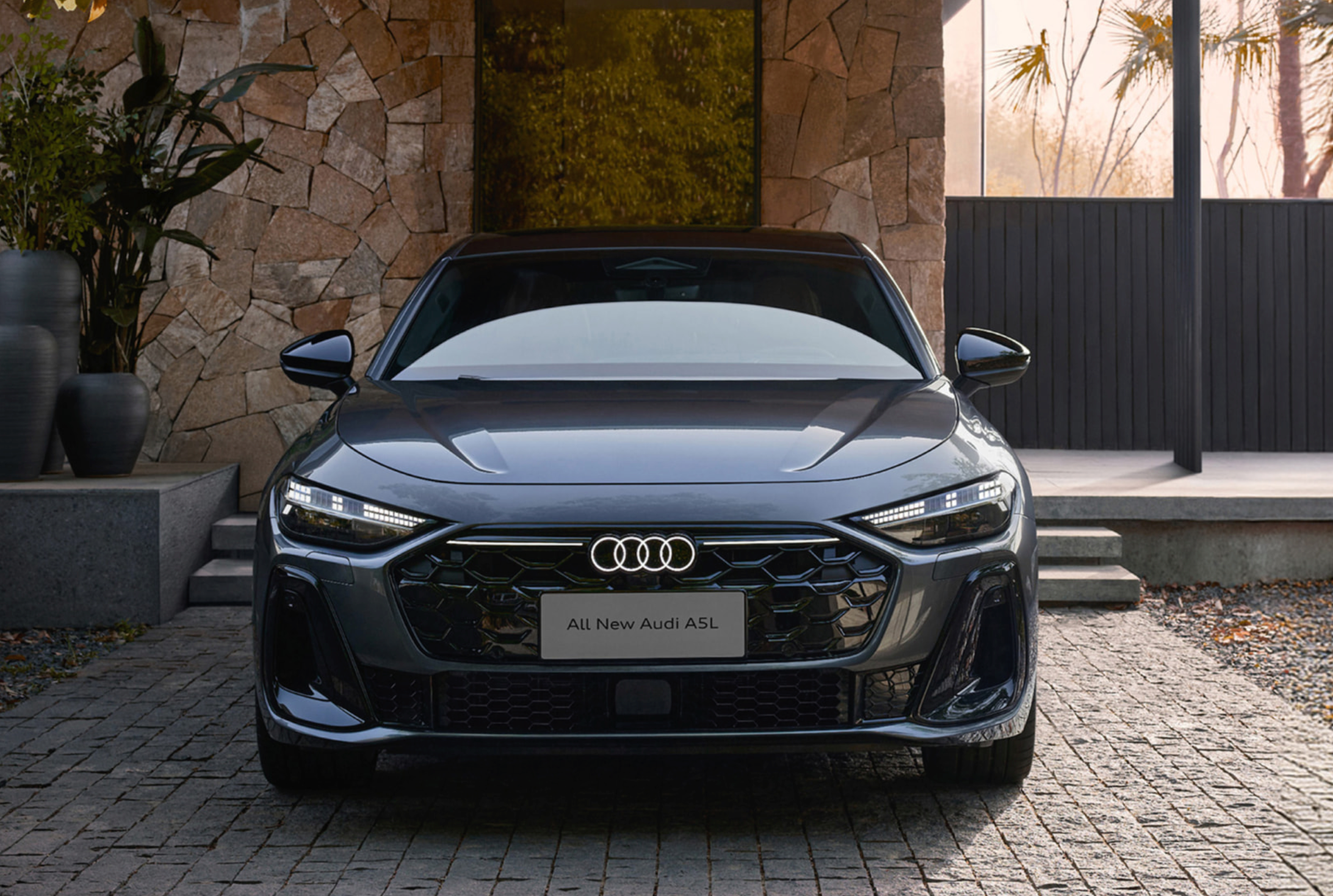
(Image source: FAW-Audi)
As for domestically produced fuel-powered cars after price reductions, they may pose some competition for NEVs. For instance, the Changan Eado's 2025 base model is now priced as low as 44,000 yuan, and the 2026 base model starts at 52,900 yuan. Without considering travel costs, it offers slightly better cost-effectiveness compared to the BYD Qin PLUS DM-i.
However, NEVs are also offering promotions. The base price of the 2025 Qin PLUS DM-i Intelligent Driving Edition 55KM Leading Type has also dropped to a minimum of 56,800 yuan. While fuel-powered cars are reducing prices and promoting sales, NEVs are also adjusting their prices, making it difficult for fuel-powered cars to highlight their price advantages. Fortunately, differences in intelligence and travel costs cannot completely push fuel-powered cars into oblivion.
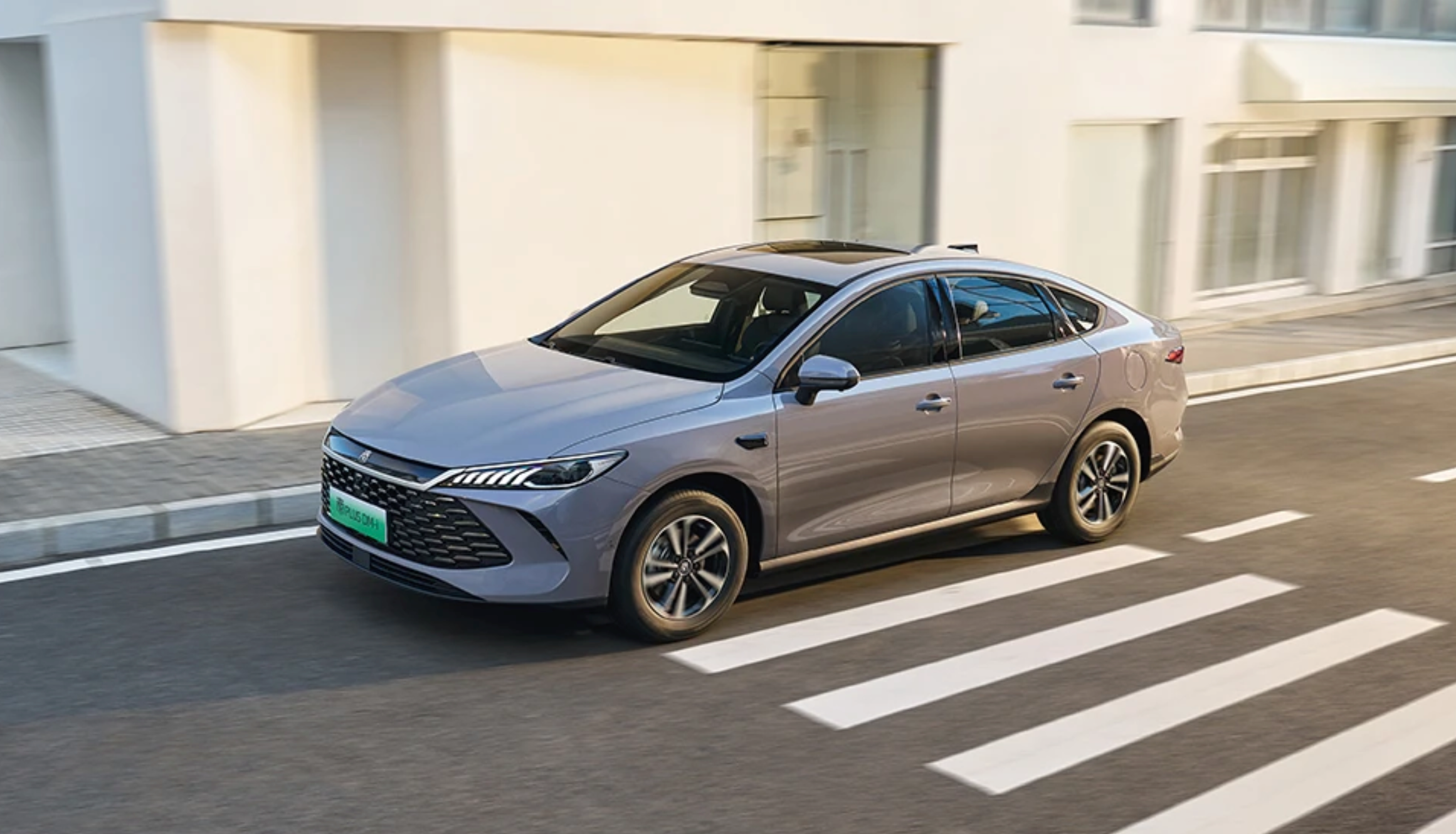
(Image source: BYD)
Although intelligent driving is appealing, not everyone trusts or needs it. While fuel prices are high, the difference is not significant for owners who only "use two tanks of fuel a year." When purchasing a car, consumers weigh numerous and complex factors. In terms of just usage costs, whether it's a hybrid or a pure electric vehicle, the travel costs are much lower than those of fuel-powered cars. However, usage costs encompass not only fuel and electricity expenses but also maintenance and insurance costs. Due to their higher accident rates, NEVs have significantly higher insurance costs than fuel-powered cars. For users who drive less frequently, the comprehensive usage costs of fuel-powered cars may be lower.
Additionally, because NEVs are equipped with batteries, their overall costs are higher than those of fuel-powered cars in the same class, especially for pure electric vehicles, where battery costs account for more than 30% of the total vehicle cost. If the budget is limited and driving is infrequent, fuel-powered cars may be a more cost-effective choice. Furthermore, brand influence also affects consumers' car purchases. Even Dianchetong (ID: dianchetong233), which favors NEVs, cannot help but be tempted by the Audi A6L C8 version starting at 260,000 yuan.
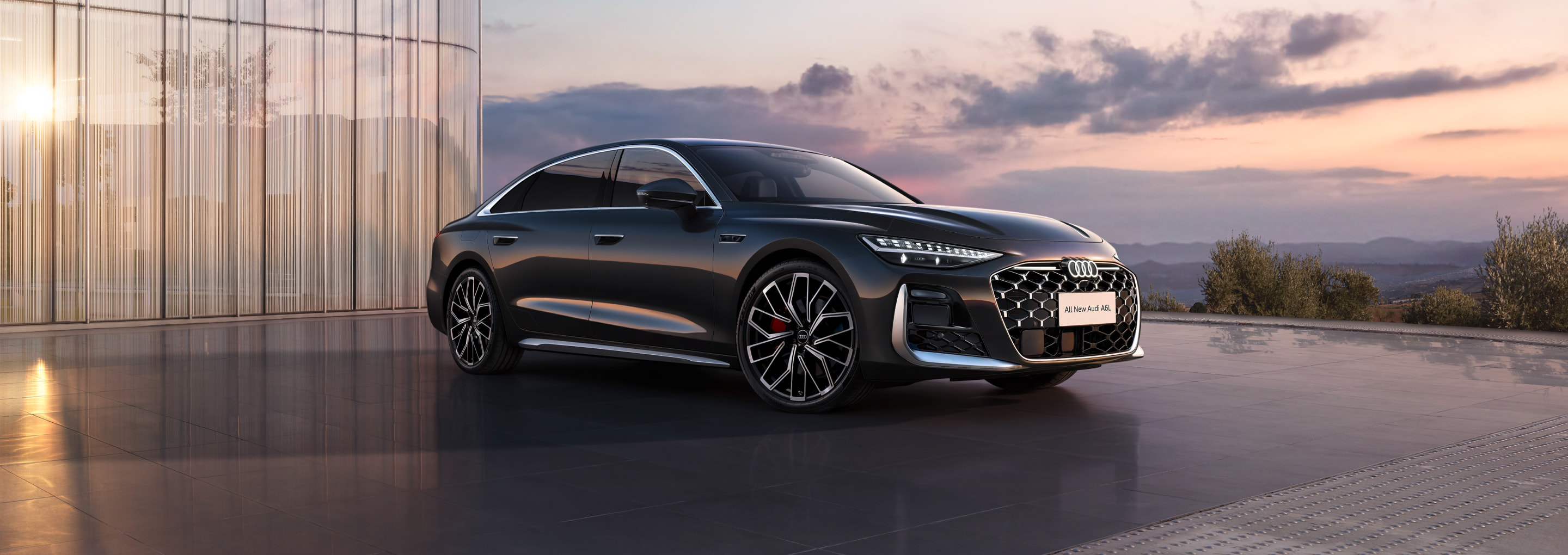
(Image source: Audi)
Some consumers also remain concerned about the safety of NEVs. To increase range, NEVs have been pursuing higher battery energy density. However, the higher the energy density, the more dangerous it becomes in the event of an explosion. Safety and range issues have also sparked industry disagreements over battery routes. Some automakers insist on using safer lithium iron phosphate batteries, while others prefer higher-energy-density ternary lithium batteries. Solid-state batteries, which offer the advantages of both, remain too costly for large-scale commercialization.
Dianchetong believes that simply trading price reductions for increased sales volume cannot reverse the decline of fuel-powered cars. On the one hand, NEV models in the same class are also reducing prices, erasing the price advantage of fuel-powered cars. On the other hand, the gaps in intelligent driving experience and daily energy consumption are difficult to bridge with discounts.
The two are not simply a case of "one rising and one falling"; the market is moving towards differentiation and coexistence. Consumers who use their cars frequently and value intelligent experiences and low commuting costs are more inclined to choose pure electric, plug-in hybrid, or extended-range models. Those who drive fewer miles annually, value brand heritage, have concerns about battery safety and high insurance premiums, or prefer traditional mechanical feel will still choose fuel-powered cars. In the short term, price reductions for fuel-powered cars can slightly boost sales but cannot restore their dominant market position. In the long term, the comprehensive takeover of the mainstream home market by NEVs has become an inevitable trend.
NEVs Are Closing In: Fuel-Powered Cars Seek Survival Through Transformation
Facing future competition, NEVs are confident and can continue with their original plans, reducing costs through technological iteration and large-scale production while continuing to make breakthroughs in the field of intelligence. As the defending side, fuel-powered cars need to transform to adapt to competition in the new phase.
Dianchetong (ID: dianchetong233) believes that fuel-powered cars can transition to hybrid (mild hybrid) power, using small batteries and high-power generators to enhance vehicle power output and reduce energy consumption. Moreover, small batteries have lower requirements for energy density, making them suitable for safer lithium iron phosphate or even lead-acid batteries, which helps improve safety and reduces some consumers' resistance to batteries.
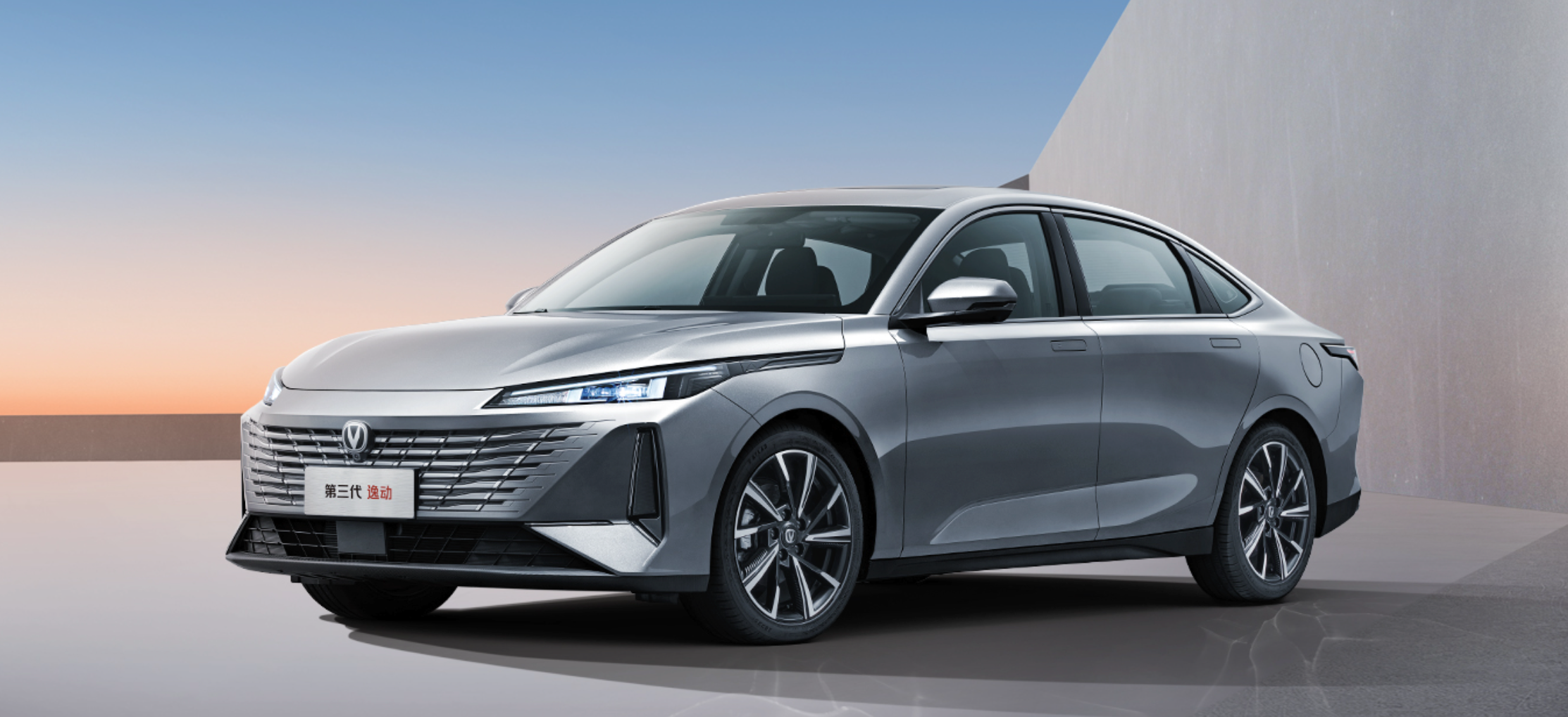
(Image source: Changan)
Additionally, hybrid models support electric drive and have higher generator output power, making them more compatible with high-level intelligent driving and enhancing the competitiveness of gasoline-powered models in terms of intelligence.
In fact, automakers have already initiated plans to transition fuel-powered cars to hybrid power. The Changan Eado mentioned above has introduced a Blue Whale Super Engine Hybrid version, with urban fuel consumption as low as 2.98L per 100 kilometers. Some time ago, Geely held a launch event for its i-HEV Intelligent Super Hybrid technology, revealing that the technology achieves a comprehensive fuel consumption as low as 2.22L per 100 kilometers and will be equipped in multiple future models.
Automakers that stubbornly adhere to pure fuel-powered routes will only accelerate their exit from the mainstream market. Transitioning to hybrid technology, balancing low energy consumption with high-level intelligent driving adaptability, while maintaining traditional advantages in chassis tuning, reliability, and brand heritage, is the core path for them to hold their ground in niche markets and achieve long-term coexistence and development in the new energy era.
Audi, Changan, New Energy Vehicles, BYD, Fuel-Powered Cars
Source: Leikeji
The images in this article come from the 123RF royalty-free image library. Source: Leikeji
-
![]()
New Energy Online Taxis: A Smooth Ride, Except for the Non-Stop Vomiting
-
![]()
Alipay Unveils the Globe’s Pioneering Token-Based Payment Service: Will the AI Era Revolutionize How We Pay?
-
![]()
Suzhou AI Unicorn Reinitiates IPO, While Alibaba Continues to Trim Holdings Over Three Years
-
![]()
Navigating the Token Era: How to Lead with Full-Stack Solutions? H3C Unveils Its 'Six-Pulse Swordplay' Strategy
-
![]()
Final Ruling: The Internet is No Wild West - Auto Social Media Must Operate Within Legal Boundaries
-
![]()
Leveraging Smartphones for Profit to Bolster the Auto Business: Is Xiaomi’s Fortune Tied to AI?
-
![]()
Malaysia’s 100-Inch TV Market Booms: Hisense Secures 48% Market Share in Q1
-
![]()
Audi's Price Plunges Over 100,000 Yuan! 'Rock-Bottom Clearance' of Fuel Cars Trends on Weibo—Is the Century-Old Automotive Giant Fading in the New Energy Era?